
ENTERTAINMENT
The Legacy of 28 Days Later: Influences on Modern Horror Films


Introduction to ’28 Days Later’
When you think of the modern zombie genre, it’s hard not to mention 28 Days Later. Released in 2002, this groundbreaking horror film redefined what the genre could be. Directed by Danny Boyle and starring Cillian Murphy, 28 Days Later became a cornerstone of contemporary horror cinema.
Set in a deserted London ravaged by a deadly Rage virus, the film took viewers on a pulse-pounding journey through a post-apocalyptic world filled with terrifying infected beings. Its raw energy, emotional weight, and unsettling realism made 28 Days Later more than just a zombie movie—it became a social commentary on humanity, fear, and survival.
Nearly two decades later, the legacy of 28 Days Later continues to shape modern horror films, television, and video games.
Impact of 28 Days Later on the Zombie Genre
Before 28 Days Later, zombies were largely defined by slow, shuffling movements popularized by George A. Romero. Boyle’s film radically altered that formula.
Instead of the traditional undead, 28 Days Later introduced fast-moving, rage-fueled infected humans. This single creative decision reshaped audience expectations and injected urgency into every scene.
Viewers no longer felt safe watching zombies stumble toward their victims. In 28 Days Later, danger sprinted. The infected were relentless, violent, and terrifyingly unpredictable.
Key Differences Introduced by 28 Days Later
| Traditional Zombie Films | 28 Days Later Approach | Impact on Modern Horror |
|---|---|---|
| Slow-moving undead | Fast, aggressive infected | Increased tension and urgency |
| Focus on gore | Focus on survival psychology | Deeper emotional engagement |
| Apocalyptic backdrop | Intimate societal collapse | Character-driven storytelling |
| Clear “monster vs. human” divide | Humans as moral threats too | Complex moral ambiguity |
This transformation influenced later films like Dawn of the Dead (2004 remake) and global blockbusters such as World War Z. Even television hits like The Walking Dead owe part of their intensity and emotional realism to the blueprint laid out by 28 Days Later.
Influence on Cinematography and Visual Aesthetics
One of the most revolutionary aspects of 28 Days Later was its visual style. Shot largely on digital video cameras, the film embraced a gritty, almost documentary-like aesthetic.
Handheld camerawork created immediacy. Viewers felt embedded within the chaos rather than observing from a safe cinematic distance.
The deserted streets of London—most famously the empty Westminster Bridge—were captured with stark realism. Natural lighting and muted color grading amplified feelings of isolation and decay.
Cinematic Techniques That Changed Horror
| Technique Used in 28 Days Later | Purpose | Long-Term Influence |
|---|---|---|
| Digital video cinematography | Raw, realistic tone | Increased use of digital in indie horror |
| Handheld camera movement | Immersive tension | Popular in found-footage and survival horror |
| Natural lighting | Authentic atmosphere | Minimalist horror aesthetics |
| Desaturated color grading | Emphasized despair | Common in post-apocalyptic films |
Modern horror filmmakers adopted these techniques to evoke visceral reactions. The stripped-down realism of 28 Days Later proved that atmosphere and mood could be more powerful than elaborate special effects.
Exploration of Human Nature and Society in 28 Days Later
Beyond its infected antagonists, 28 Days Later is fundamentally about people.
As society collapses, characters are forced to confront fear, grief, and moral compromise. The film challenges viewers to ask: Who are the real monsters?
Rather than presenting a simple battle between survivors and infected, 28 Days Later blurs ethical boundaries. Military figures, survivors, and strangers all reveal darker impulses under pressure.
Themes of Human Fragility
| Central Theme | Representation in 28 Days Later | Relevance Today |
|---|---|---|
| Societal collapse | Empty cities and lawlessness | Reflects pandemic anxieties |
| Moral ambiguity | Survivors making harsh decisions | Questions ethical survival |
| Isolation | Emotional and physical separation | Modern social commentary |
| Rage as contagion | Virus mirrors human aggression | Symbolic of societal unrest |
This philosophical depth elevated 28 Days Later beyond typical horror fare. It encouraged future films to blend psychological inquiry with genre thrills.
Legacy of 28 Days Later in Popular Culture and Media
The cultural footprint of 28 Days Later extends far beyond cinema.
Television series like The Last of Us echo its bleak realism and emotional storytelling. Video games such as Left 4 Dead mirror its frantic energy and aggressive infected.
The film’s DNA is woven into countless apocalyptic narratives. Its vision of an abandoned London remains one of the most iconic images in modern horror.
Even discussions around pandemic fears and viral outbreaks frequently reference the terrifying plausibility depicted in 28 Days Later.
Successes and Failures: Films Inspired by 28 Days Later
The ripple effect of 28 Days Later can be seen across early 2000s horror cinema.
Some films successfully captured its intensity. The 2004 remake of Dawn of the Dead adopted fast-moving infected and sharper pacing, earning both critical and commercial success.
Others struggled to replicate its emotional core. Quarantine attempted similar immediacy but lacked the layered character development that made 28 Days Later so compelling.
Meanwhile, World War Z expanded the infected concept to a global scale, though some critics noted it sacrificed intimacy for spectacle.
These varied outcomes highlight how difficult it is to recreate the balance of tension, realism, and humanity that defines 28 Days Later.
Conclusion: The Enduring Influence of 28 Days Later
The enduring power of 28 Days Later lies in its ability to transcend genre expectations.
It reimagined the zombie archetype, reshaped horror cinematography, and challenged audiences to reflect on human nature during crisis. Its influence remains visible in film, television, and gaming.
More than a horror film, 28 Days Later is a cultural milestone—one that continues to inspire filmmakers and unsettle audiences worldwide.
In every tense silence, every sprinting infected, and every morally complex survivor story, echoes of 28 Days Later still resonate.
Frequently Asked Questions About 28 Days Later
1. Why is 28 Days Later considered revolutionary in horror cinema?
28 Days Later introduced fast-moving infected, digital cinematography, and deep social commentary, redefining the zombie genre and influencing modern horror storytelling.
2. Is 28 Days Later a zombie movie?
While often categorized as a zombie film, 28 Days Later features infected humans rather than traditional undead, making it a hybrid of viral outbreak and horror thriller.
3. How did 28 Days Later influence modern zombie films?
The film popularized aggressive infected, realistic visuals, and morally complex narratives—elements now common in contemporary horror.
4. Who directed 28 Days Later?
28 Days Later was directed by Danny Boyle, known for blending intense realism with emotional storytelling.
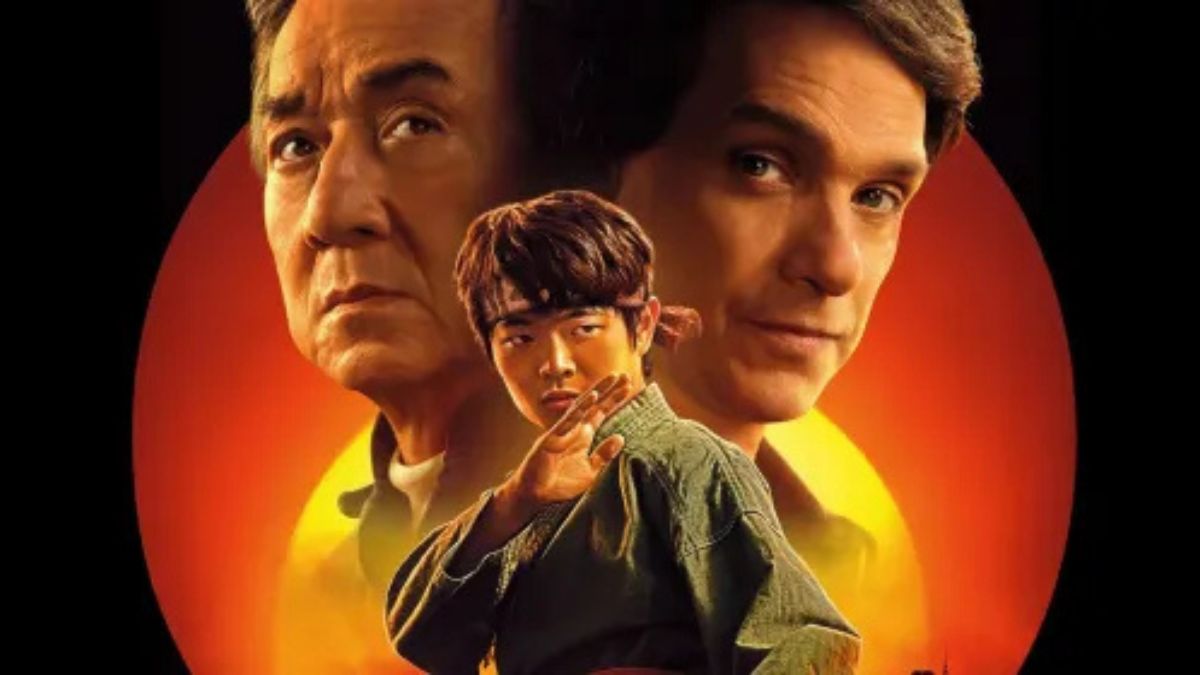
Introduction to Ralph Macchio
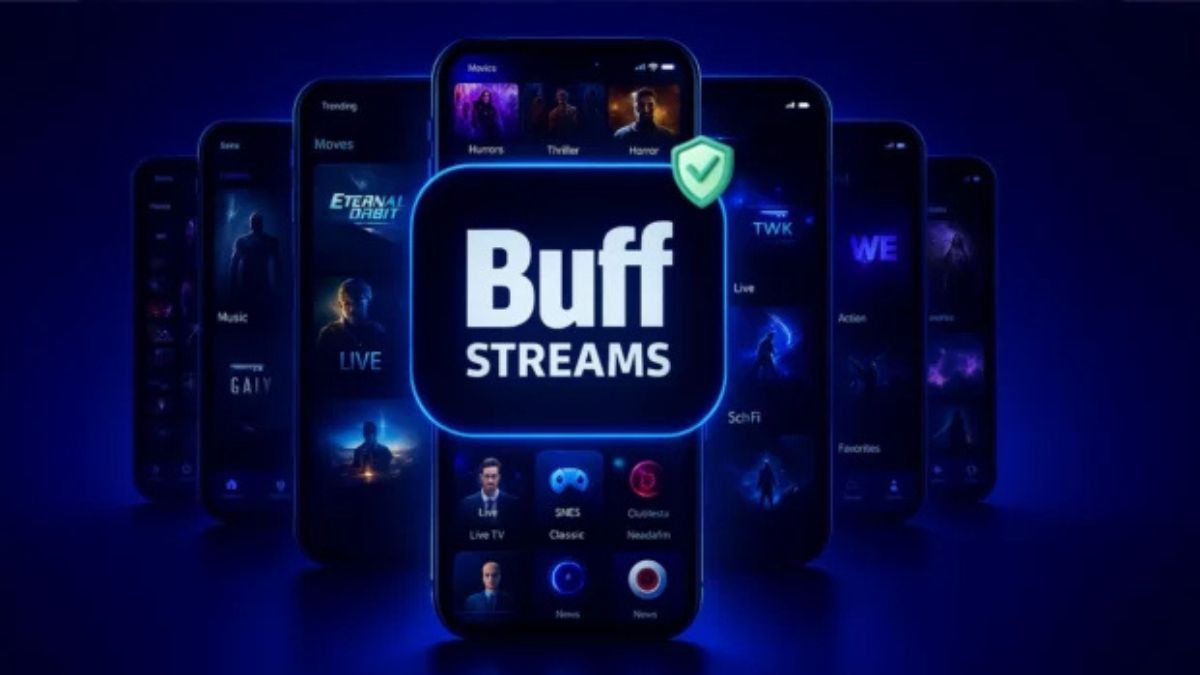
Introduction to Buffatream and Its Features
The world of streaming is evolving at an incredible pace, and at the forefront of this revolution is Buffatream. This platform has quickly gained traction among viewers and content creators alike, thanks to its innovative features and user-friendly interface. Unlike traditional streaming services, Buffatream offers a unique blend of live streaming capabilities alongside on-demand content, catering to diverse audiences in ways we haven’t seen before.
As more people shift their viewing habits toward flexible options that suit their lifestyles, Buffatream stands out as a game-changer. With its cutting-edge technology and commitment to community engagement, it’s no wonder that many are turning to Buffatream as their preferred streaming destination. Join us as we explore what makes this platform not just another service—but a movement reshaping how we consume digital entertainment today.
Comparison with Other Streaming Platforms
Buffatream stands out in a crowded streaming landscape. Unlike giants like Netflix and Hulu, which focus heavily on scripted content, Buffatream thrives on user-generated live streams. This unique approach fosters an interactive environment that traditional platforms often lack.
While other services rely on extensive libraries of pre-recorded shows and movies, Buffatream empowers creators to engage with their audience in real time. Viewers can chat, react, and even influence the direction of broadcasts.
Additionally, subscription models vary greatly among platforms. Buffatream offers flexible pricing options that cater to both casual viewers and dedicated fans alike. This democratization of content access attracts a diverse range of users seeking fresh experiences.
Moreover, while many streaming services are grappling with licensing issues for popular titles, Buffatream’s strategy revolves around original content generated by its community members—driving creativity without the constraints typical elsewhere.
Streaming Platform Comparison Overview
| Feature | Buffatream | Traditional Platforms | Live-Only Platforms |
|---|---|---|---|
| Live Streaming | ✅ Advanced real-time interaction | ❌ Limited or event-based | ✅ Core feature |
| On-Demand Content | ✅ Yes | ✅ Extensive libraries | ❌ Limited |
| Creator Monetization Tools | ✅ Subscriptions, donations, tips | ⚠️ Limited options | ✅ Donations & subs |
| Community Engagement Features | ✅ Live chat, polls, reactions | ❌ Minimal | ✅ Chat-focused |
| Original User-Generated Content | ✅ Core strategy | ❌ Studio-driven | ✅ Yes |
This hybrid positioning allows Buffatream to bridge the gap between polished studio streaming and community-driven live platforms.
The Rise of Live Streaming and Its Impact on the Entertainment Industry
Live streaming has transformed how audiences consume content. Platforms like Buffatream have harnessed this trend, allowing creators to interact with fans in real time. This immediacy creates a unique bond, enhancing viewer engagement and loyalty.
The entertainment industry is evolving rapidly. Traditional media struggles to keep up with the demand for spontaneous and authentic experiences. Buffatream fills that gap effortlessly, offering fresh content straight from creators’ devices.
Viewers crave authenticity over polished productions. They want to see their favorite personalities in candid moments. Buffatream taps into this desire by providing a platform where spontaneity thrives.
With events like concerts, gaming tournaments, educational workshops, and influencer Q&A sessions streamed live, new opportunities emerge for creators to monetize their passions directly. The impact of Buffatream extends beyond entertainment—it reshapes career paths for aspiring artists, gamers, educators, and digital entrepreneurs.
Impact of Live Streaming on the Entertainment Ecosystem
| Industry Segment | Traditional Model | Buffatream-Driven Model |
|---|---|---|
| Music Performances | Ticketed physical events | Global live virtual concerts |
| Gaming | Pre-recorded gameplay videos | Interactive live tournaments |
| Education | Classroom-based learning | Real-time interactive online sessions |
| Influencer Marketing | Edited brand collaborations | Live brand integrations & fan engagement |
| Fan Interaction | Social media comments | Instant two-way live communication |
This shift demonstrates how Buffatream aligns perfectly with the new era of digital participation.
How Buffatream is Revolutionizing the Streaming Experience
Buffatream is changing the way we consume content. It brings a fresh approach to streaming with interactive features and a seamless interface. Viewers can engage in real-time discussions while watching their favorite shows, creating a communal experience that traditional platforms often lack.
The platform prioritizes diverse content. Independent creators find a welcoming space on Buffatream, allowing for unique stories that resonate with niche audiences. This variety keeps the viewer experience exciting and continuously evolving.
Moreover, Buffatream embraces technology aggressively. With high-definition streaming capabilities, adaptive bitrate technology, and low latency infrastructure, users enjoy uninterrupted viewing without buffering frustrations.
Personalization is another key strength. Tailored recommendations powered by smart algorithms ensure viewers discover new favorites based on behavior and interests—boosting retention and satisfaction.
Core Innovations Powering Buffatream
| Innovation Area | How Buffatream Implements It | Viewer Benefit |
|---|---|---|
| Low Latency Streaming | Optimized server distribution | Near real-time interaction |
| Smart Recommendations | AI-driven content discovery | Relevant content suggestions |
| Creator Revenue Tools | Built-in monetization suite | Sustainable income streams |
| Community Tools | Polls, reactions, live chat | Deeper audience engagement |
| Hybrid Content Model | Live + On-demand | Flexible viewing options |
These innovations position Buffatream as more than a streaming app—it’s an interactive entertainment ecosystem.
Success Stories of Content Creators on Buffatream
Buffatream has become a launchpad for countless content creators. Many have transformed their passions into thriving careers using the platform’s built-in monetization features.
Creators are leveraging subscriptions, live donations, exclusive member content, and brand collaborations to build sustainable revenue. Because Buffatream prioritizes discoverability, even smaller creators gain visibility without needing massive marketing budgets.
Musicians host live performances. Gamers run interactive tournaments. Educators conduct workshops. Fitness coaches stream real-time training sessions. Across niches, Buffatream is enabling creators to connect directly with global audiences.
These success stories illustrate how Buffatream empowers individuals to turn creativity into opportunity while maintaining ownership and engagement with their communities.
Challenges Faced by Buffatream and How They Are Overcoming Them
Buffatream faces several challenges as it carves out its niche in the competitive streaming market. Established giants dominate market share and have significant resources.
Technical reliability is another critical factor. Users expect flawless streaming quality. Buffatream continues investing in infrastructure improvements, CDN expansion, and server optimization to maintain performance standards.
Content moderation is equally important. To maintain a safe community, Buffatream integrates AI moderation tools and manual oversight systems, ensuring compliance and protecting users.
Marketing visibility is also key. Through influencer collaborations, social media engagement campaigns, and creator partnerships, Buffatream steadily expands its global reach.
Future Plans for Buffatream and Its Market Growth Potential
Buffatream is positioning itself for long-term expansion. Plans include:
-
Expanding original exclusive content
-
Strengthening global localization strategies
-
Enhancing AI-driven personalization
-
Introducing advanced creator analytics dashboards
-
Exploring strategic brand partnerships
By combining innovation with scalability, Buffatream aims to solidify its place among the next generation of streaming leaders.
Conclusion: Why Buffatream Is the Next Big Streaming Platform
Buffatream is undeniably carving out its niche in the modern streaming landscape. Its hybrid model of live and on-demand content creates a flexible, interactive ecosystem that resonates with today’s audiences.
With robust creator tools, cutting-edge technology, and a strong focus on community engagement, Buffatream is redefining what streaming means in 2026 and beyond. As digital entertainment continues to evolve, this platform is not just participating in change—it is actively leading it.
Frequently Asked Questions About Buffatream
1. What makes Buffatream different from other streaming platforms?
Buffatream combines live streaming and on-demand content while prioritizing real-time audience interaction and creator monetization tools.
2. Is Buffatream suitable for content creators?
Yes, Buffatream offers built-in revenue features such as subscriptions, tips, and live donations, making it ideal for independent creators.
3. Does Buffatream offer both live and recorded content?
Absolutely. Buffatream operates on a hybrid model, allowing users to enjoy live broadcasts and replay content anytime.
4. How does Buffatream support audience engagement?
Through live chat, polls, reactions, and interactive features, Buffatream fosters strong community participation during streams.
5. Is Buffatream expected to grow in the coming years?
Given its innovation, creator-friendly ecosystem, and expanding global strategy, Buffatream shows strong growth potential in the competitive streaming market.
Introduction to Cambros TV and traditional cable
Are you tired of skyrocketing cable bills and endless contracts? In a world where streaming is taking over, Cambros TV has emerged as a popular alternative to traditional cable. But what exactly is Cambros TV, and how does it stack up against the conventional options that have dominated our living rooms for decades? As viewers increasingly seek flexibility and innovation in their entertainment choices, understanding these two platforms can help you make the right decision for your viewing experience. Let’s dive into this comparison and uncover which option could be the perfect fit for you!
The differences between Cambros TV and traditional cable
Cambros TV and traditional cable represent two distinct approaches to viewing content. Cambros TV operates over the internet, allowing you to stream shows and movies at your convenience. This flexibility means you can watch on various devices, from smartphones to smart TVs.
Traditional cable relies on physical infrastructure, requiring a set-top box connected to your television. This often limits where and how you can watch your favorite programs.
Additionally, Cambros TV typically offers more customizable subscription options. You choose what channels or packages fit your preferences without being tied down by a lengthy contract.
On the other hand, traditional cable might provide access to local channels that some users value for news and sports events. Each option has its own unique features designed for different lifestyles and viewing habits.
Cost comparison
When it comes to cost, Cambros TV often shines as a more budget-friendly option. Many subscribers appreciate its lower monthly fees compared to traditional cable packages. With Cambros TV, you typically pay for what you watch without the extra channels that come with cable subscriptions.
Traditional cable can hit your wallet hard with hidden fees and equipment rentals. Those pesky installation charges add up quickly too. In contrast, most streaming services like Cambros TV offer straightforward pricing with no surprises.
Furthermore, consider the potential savings on equipment costs. Cable usually requires bulky boxes and additional hardware, while Cambros TV may allow viewing directly from devices you already own.
The choice ultimately boils down to your preferences and viewing habits but knowing the financial aspects is essential in making an informed decision.
Channel selection
When it comes to channel selection, Cambros TV offers a refreshing approach compared to traditional cable. With Cambros TV, users can often customize their packages based on personal preferences. This flexibility allows viewers to choose only the channels they want.
Traditional cable, however, usually presents a one-size-fits-all model. Subscribers might find themselves paying for numerous channels they never watch. The bundled options can feel overwhelming and frustrating.
Cambros TV platforms frequently feature niche content that caters to specific interests or demographics. Whether you’re into independent films or international news, there’s likely something tailored just for you.
On the other hand, traditional cable may boast larger networks but often lacks variety in specialized programming. Depending on your viewing habits, this contrast could heavily influence your choice between these two services.
On-demand options
On-demand options are a game-changer in today’s viewing habits. Cambros TV shines here, offering an extensive library of shows and movies that you can watch whenever you choose. No more scheduling your life around fixed broadcast times.
With Cambros TV, binge-watching is just a click away. Popular series and new releases are readily available at any hour, making it easy to catch up on what you’ve missed.
Traditional cable also offers some on-demand features, but they often come with restrictions. You might find limited access to specific titles or even experience delays in availability after airing.
Flexibility is key for modern viewers who crave convenience. Choosing the right option means looking closely at how much control you want over your viewing experience. With options like Cambros TV, freedom reigns supreme when it comes to content consumption.
User experience and customer satisfaction
User experience plays a pivotal role in how viewers interact with their chosen service. Cambros TV offers an intuitive interface that appeals to tech-savvy users. Navigation is seamless, making it easy to find favorite shows and channels.
In contrast, traditional cable may feel cumbersome for some. The reliance on remote controls and set-top boxes can create frustration during channel surfing.
Customer satisfaction rates vary between the two options as well. Many Cambros TV subscribers praise its flexibility and ease of use, which enhances their viewing pleasure.
On the other hand, long-time cable customers often appreciate the reliability of established networks but might grumble about high costs or contract limitations.
User experience shapes viewer loyalty significantly within this evolving landscape of entertainment options.
Benefits of each option
Cambros TV offers flexibility that appeals to many modern viewers. You can watch your favorite shows anytime, anywhere. This convenience makes it a great choice for those who lead busy lifestyles.
On the other hand, traditional cable provides reliability and simplicity. Many users appreciate having a structured channel lineup and familiar interface. There’s something comforting about flipping through channels without needing an internet connection.
Another benefit of Cambros TV is its often lower cost, making it budget-friendly for families or individuals looking to save money on entertainment expenses.
Traditional cable sometimes includes premium channels as part of bundled packages, which can be attractive for sports fans and movie lovers alike.
Both options cater to different needs and preferences, ensuring there’s something out there for everyone seeking their ideal viewing experience.
Factors to consider when choosing between Cambros TV and traditional cable
When deciding between Cambros TV and traditional cable, think about your viewing habits. Consider how often you watch live television versus on-demand shows. If binge-watching is your thing, Cambros TV might be more appealing.
Next, evaluate the cost. Are you looking for a budget-friendly option? Cambros TV typically offers more flexible pricing structures. Traditional cable can come with hidden fees that add up over time.
Don’t forget about channel availability. Check if your must-have channels are offered by each service. If sports or local news are essential to you, ensure they’re included in your package.
User experience matters too. Think about whether you prefer the simplicity of a remote control or navigating apps on various devices.
Consider customer support and reliability. A responsive customer service team can make all the difference when issues arise during peak viewing times.
Conclusion
When deciding between Cambros TV and traditional cable, it’s essential to weigh the pros and cons of each option. Cambros TV offers flexibility, a variety of on-demand content, and often lower costs. Traditional cable provides comprehensive channel packages but can be pricier with less customization.
Your choice ultimately depends on what you value most in your viewing experience. Consider factors such as budget, preferred channels, and how you like to watch television. By understanding your needs and preferences, you can make an informed decision that enhances your entertainment options for years to come.
-

 TOPIC1 year ago
7 Expert Tips For Choosing The Best Basement Renovation Companies
-

 TOPIC1 year ago
Why Large Waterproof Outdoor Rugs Are Essential for All Outdoor Spaces
-

 TOPIC8 months ago
Why Greece Katz Martian Has Everyone Talking in 2025
-

 BUSINESS9 months ago
Top 5 Features of Sowix Online That Every User Should Know About
-

 TOPIC9 months ago
Top Features of BetterThisWorld .com You Need to Know About
-

 FASHION1 year ago
How to Layer Your White Dress for Cold Weather?
-

 FINANCE1 year ago
How TraceLoans Can Simplify Your Finances
-

 BIOGRAPHY1 year ago
From Reality Star to Business Mogul: Prince Narula Digital PayPal