
CONSTRUCTION
The Role of Professional Roofing Services in Property Value Protection

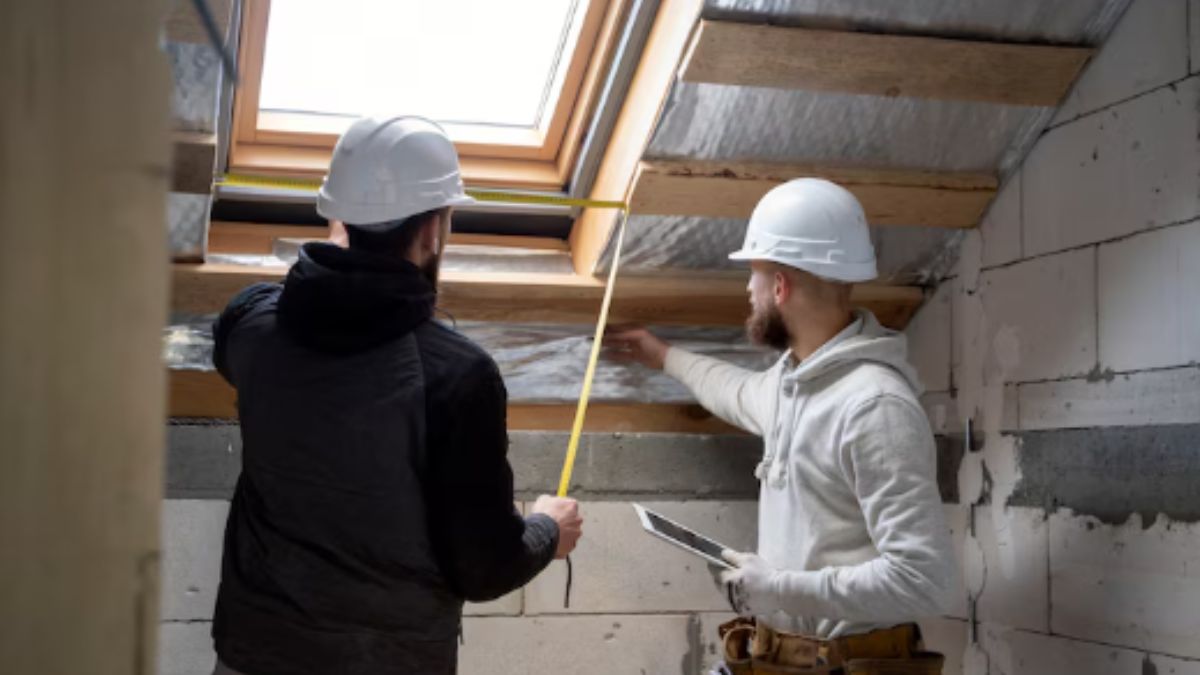
The condition of a property’s roof is one of the most influential factors in determining its long-term value and structural resilience. A roof is the first defense against weather-related damage, energy inefficiency, and interior deterioration. Many homeowners overlook the impact of timely roofing services until visible problems emerge. However, proactive roof maintenance and repair play a direct role in preserving property value. Proper roofing services are essential if someone is looking to sell their home, protect their investment, or avoid expensive interior damage. We will explore how professional roofing contributes to maintaining and even enhancing the worth of any residential or commercial structure.
How Roofing Services Help Safeguard Your Investment
-
Preventing Water Damage and Structural Decay
One of the most critical roles of a roof is to protect the interior from water infiltration. If left unchecked, a small leak can lead to rotting wood, mold growth, and damaged insulation. Over time, water intrusion can weaken the home’s structural framework, affecting walls, ceilings, and even the foundation. Roofing services play a preventive role by identifying vulnerable areas before they escalate. A professional visit for a roof inspection can catch cracked shingles, deteriorating flashing, and compromised underlayment, helping to avoid costly future damage.
Professional teams also ensure that gutters and downspouts channel water away from the building properly. Maintaining the roof’s integrity, homeowners avoid costly repairs and preserve the underlying structure. A well-maintained roof signals buyers that the home has been taken care of, directly influencing resale value. Conversely, a neglected roof can become a red flag during inspections, prompting buyers to renegotiate prices or walk away from a potential sale.
-
Improving Energy Efficiency and Lowering Utility Costs
Roofing services do more than patch up leaks—they also play a vital role in enhancing a building’s energy performance. Poorly installed or aged roofing materials can cause heat loss in the winter and excessive heat retention in the summer. This results in increased reliance on HVAC systems, driving up utility bills. Energy-efficient roofing options such as reflective coatings, adequate insulation, and modern ventilation systems can significantly improve climate control.
Roofing professionals are trained to assess the existing roof and suggest upgrades or replacements that align with modern energy standards. This not only benefits the environment but also reduces monthly expenses. Homes that offer long-term savings through energy efficiency are more attractive to buyers. Additionally, documentation of past roofing upgrades can increase the appraisal value of a property. When roofing services are used to enhance insulation and reduce energy waste, they contribute directly to protecting and increasing property value.
-
Enhancing Curb Appeal and Marketability
The roof makes up a large portion of a building’s exterior and has a strong visual impact. Missing shingles, moss buildup, or visible sagging can make a home look aged and poorly maintained. On the other hand, a clean, modern, and well-constructed roof boosts the property’s overall aesthetic. Roofing services can help refresh the home’s appearance through thorough cleaning, color-matched shingle replacement, or complete roof renovations. When prospective buyers or appraisers view a property, first impressions matter. A visually appealing roof suggests care and quality, making it easier to attract serious interest.
Moreover, a new or well-maintained roof can justify a higher asking price, especially in competitive markets. Homeowners planning to sell in the near future often turn to roofing services as a strategic move to enhance the home’s curb appeal and set their property apart. A good roof not only protects but also promotes the image of the home as a secure and worthwhile investment.
-
Ensuring Safety and Code Compliance
Safety is another area where roofing services provide significant value. Over time, older roofs may not meet current building codes or safety standards. Loose shingles, soft spots, and poor ventilation can create hazards for residents and contractors. Roofing professionals conduct assessments to ensure the roof is structurally sound and compliant with local regulations. Repairs or replacements can be scheduled to bring the roof up to code if issues are found. This is particularly important during property transactions, as non-compliant features can delay closings or cause financing issues.
Additionally, proper roofing prevents incidents like collapses or falling debris, which can lead to injury or liability claims. Ensuring safety isn’t just about peace of mind—it’s about protecting the financial integrity of the property. Homes deemed safe and compliant are likelier to secure insurance coverage and pass inspections without complications. These factors add a financial protection layer, reinforcing the property’s overall value.
Maintaining the roof is one of the most important decisions a property owner can make to protect long-term value. It guards against environmental damage, improves energy performance, and contributes to safety and aesthetic appeal. More than just a structural necessity, the roof is strategic in a property’s financial stability and market perception. Professional roofing services provide the tools and insight to preserve this crucial component. Homeowners ensure their properties remain competitive and secure by investing in preventive care, timely repairs, and energy-efficient upgrades.
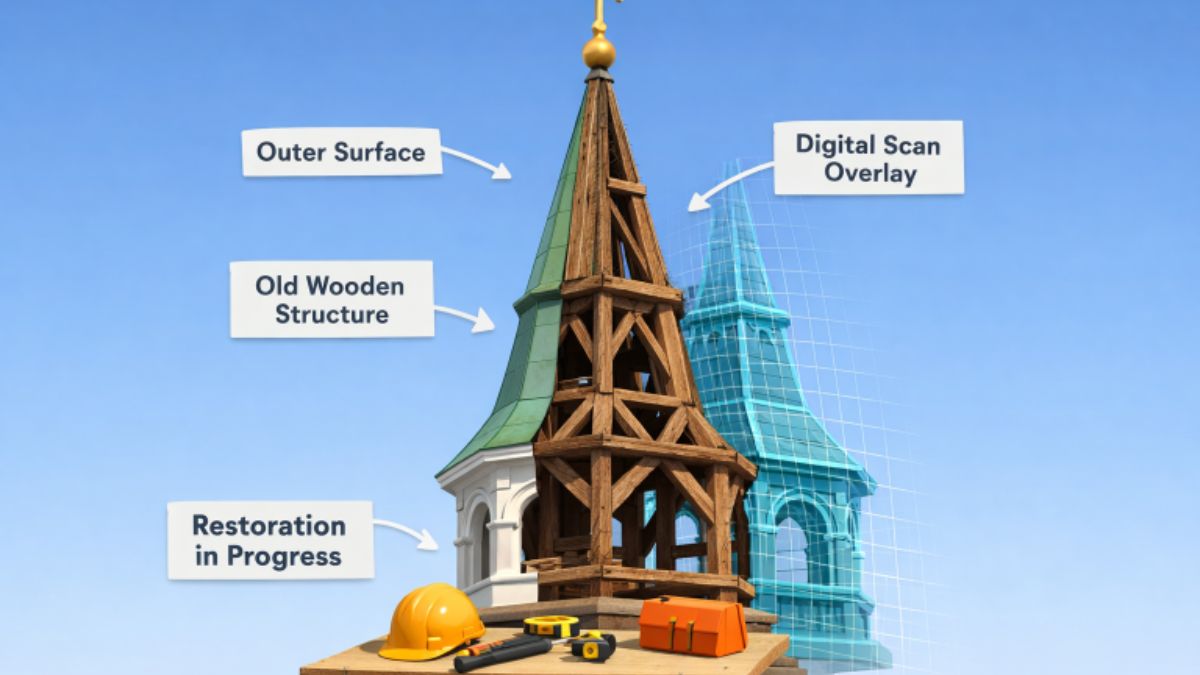
Historic church steeples rise above skylines as both architectural marvels and cherished landmarks. Their presence connects present-day communities to centuries of faith, artistry, and local history. However, maintaining the beauty and integrity of these structures demands a combination of tradition and innovation. Aging steeples require specialized care, customized restoration, and sometimes advanced techniques such as steeple painting to protect fragile wood, masonry, and decorative details from the forces of weather and time.
For property owners and stewards of historic churches, safeguarding these steeples is both an opportunity and a challenge. Factors such as structural complexity, specialized materials, and the need to preserve original craftsmanship complicate each restoration effort. Navigating these complexities often requires coordinating with preservation professionals, securing funding, and employing modern methods that stay true to historic value.
Structural Challenges in Steeple Restoration
Historic steeples are vulnerable to a range of structural issues, many of which develop slowly due to prolonged exposure to the elements. One of the most critical challenges stems from shifting or settling foundations, which can introduce instability or cracks in supporting walls and columns. Steeples typically rely on legacy construction techniques that may not meet today’s seismic or wind standards, requiring careful evaluation.
Material deterioration is another common problem. Wooden frameworks are prone to rot and insect damage, metal components may rust or corrode, and intricate masonry details are prone to water infiltration and freeze-thaw cycles. Each form of deterioration demands a unique solution tailored to the original building materials and architectural style.
Design complexity further complicates steeple repair. Many historic steeples feature elaborate carvings, stained glass, or custom metalwork at their pinnacles. Preservationists must balance structural fixes with methods that do not obscure, replace, or damage these artistic elements. In sum, restoring a steeple is as much about honoring craftsmanship as about construction science.
Through leadership and support from local historical societies and regulatory bodies, many restoration projects also incorporate educational outreach. This ensures the value of preservation is shared widely, inspiring more communities to take up similar efforts. For broader background on historic preservation standards, the National Park Service’s Technical Preservation Briefs provide a deep dive into appropriate materials and processes.
Modern Restoration Techniques
Today’s restoration experts have access to tools and techniques unavailable to earlier generations of builders, making possible repairs that are both subtle and strong. For example, epoxy compounds allow conservators to reinforce decayed wooden timbers from within, limiting the need to remove or replicate large sections of original material. As a result, repairs maintain more of the structure’s historic integrity and authenticity.
Digital technologies also play a central role. High-resolution laser scanning and photogrammetry allow architects and engineers to create three-dimensional models of the entire steeple. These models help teams document existing conditions, map repair sequencing, and fabricate replacement parts that precisely fit the original structure. Non-invasive techniques such as internal steel bracing or carbon fiber reinforcement provide extra strength without altering visible surfaces, thereby protecting exterior beauty while modernizing the core structure.
Innovations in material science mean original finishes and colors can be closely matched or even recreated. For example, custom-blended paints and lime mortars tailored to historic compositions ensure that repairs age in harmony with the surrounding areas. Regularly scheduled maintenance programs, which might include both structural inspections and exterior cleaning, further prolong the lifespan of vulnerable steeples.
Case Study: St. John’s Episcopal Church
A striking example of historic steeple preservation in action can be found at St. John’s Episcopal Church in Bellefonte, Pennsylvania. After a severe storm damaged the church’s steeple, the last of its kind in the area, the congregation undertook an ambitious plan to secure a $100,000 Keystone Historic Preservation Construction Grant, ultimately facing an estimated $200,000 in repair costs.
This project highlights not only structural and financial obstacles but also the necessity of careful planning and community advocacy. By drawing on both professional expertise and local fundraising, the church demonstrates the collaborative spirit essential to successful preservation. More details about this initiative are available through news sources tracking the restoration’s progress.
Collaborating with Preservation Experts
Professional guidance is critical to any steeple restoration. Preservation architects, structural engineers, and artisans bring essential experience, from negotiating permitting hurdles to specifying historically accurate repair techniques. They are familiar with historic building codes, grant writing, and conservation ethics, ensuring that interventions are both legal and contextually sensitive.
An expert’s nuanced understanding enables the identification of issues hidden beneath the surface, such as dry rot, subsurface corrosion, or poorly executed past repairs. They can also source or replicate rare materials appropriate to the building’s original era, thereby maintaining the steeple’s stature as a community icon.
Funding and Community Involvement
Financial resources shape every steeple restoration project. While grants like the Keystone Historic Preservation Construction Grant provide a critical lifeline, they are highly competitive and typically require matching funds or proof of community investment. Volunteer-driven events, crowdfunding platforms, and partnerships with local businesses help supplement these resources.
Ongoing engagement between church members, neighbors, and preservationists bolsters fundraising efforts and builds long-term stewardship. Educational programming, historical tours, and hands-on volunteer days inspire pride and deepen the case for continued investment in cultural heritage.
Conclusion
Preserving historic steeples is a complex endeavor that requires technical skill, innovative solutions, and the heartfelt participation of the entire community. Balancing structural needs with a commitment to authenticity ensures these architectural treasures will remain standing for generations to come. By blending time-honored craftsmanship with modern technology, engaging specialists, and investing in outreach and fundraising, local stewards can protect these monuments of faith and artistry for generations to come.
Introduction to Roll-Off Containers
Managing waste effectively is a necessity for everyone from homeowners to contractors, especially when dealing with substantial cleanup, building renovation, or commercial projects. Among the various waste disposal solutions available, roll-off containers stand out for their capacity and versatility. These large bins make temporary waste removal straightforward, supporting everything from construction debris to household cleanout waste.
The popularity of roll-off containers has risen due to their unique design and convenience, which enable users to handle large-scale waste without frequent trips to disposal sites. While these containers are suitable for a wide range of projects, understanding their uses and benefits is essential for anyone looking to manage waste more efficiently.
What Are Roll-Off Containers?
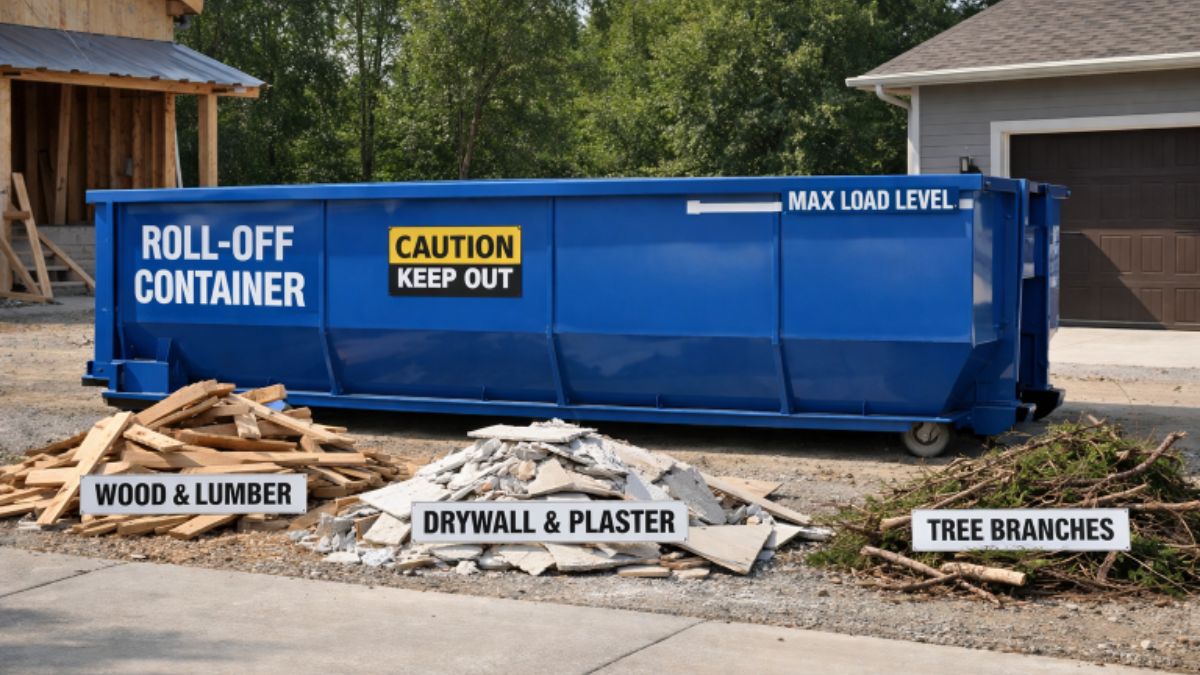
Roll-off containers are oversized, open-top bins primarily designed for temporary waste storage. They are commonly used for projects that generate significant amounts of debris in a relatively short time, including construction, renovation, and even large-scale cleanups that may involve septic services. Their defining feature is the delivery and removal system: specialized trucks equipped with hydraulic lifts transport these containers, rolling them off and onto the truck bed for easy on-site placement.
Unlike stationary commercial dumpsters, roll-off containers provide flexibility and are tailored for short-term, intensive use. Their open design simplifies loading bulkier items, which makes them suitable for a wide range of applications.
Common Uses for Roll-Off Containers
- Construction and Demolition: Large construction or demolition projects can generate vast quantities of materials, such as wood, sheetrock, bricks, and metal, which can be efficiently handled with roll-off containers.
- Residential Cleanouts: Homeowners tackling a major decluttering, moving, or downsizing project often rely on roll-off containers to dispose of unwanted furniture and accumulated items that will not fit in regular bins.
- Landscaping Projects: Yard maintenance, large-scale gardening, or tree removal can quickly overwhelm regular trash services, but a roll-off container easily accommodates soil, branches, grass, and other yard waste.
- Event Cleanup: Festivals, fairs, and community events often employ roll-off containers to manage waste generated by attendees, vendors, and staff.
How Do Roll-Off Containers Work?
The process of renting and using a roll-off container is designed to be simple. Start by estimating the volume of waste expected from your project to determine the container size you need. After placing your order, a truck delivers the container directly to your location. As the project progresses, fill the container without exceeding the specified weight limits. Once the container is full or your project is complete, the service provider arranges for pickup, ensuring the waste is transported to the appropriate facility for processing or disposal.
Choosing the Right Size
Selecting a roll-off container that matches your project’s needs is fundamental. Containers are generally measured in cubic yards and come in several standard sizes:
- 10-Yard Containers: Best for small projects like garage or attic cleanouts; holds about three pickup truck loads.
- 20-Yard Containers: Suitable for moderate home remodeling or roofing projects.
- 30-Yard Containers: Efficient for bigger renovations or new construction with ample room for bulky debris.
- 40-Yard Containers: Excellent for commercial-scale cleanouts or major demolition work.
Overestimating can lead to unnecessary costs, while underestimating may require ordering additional containers or arranging additional pickups. Most providers offer sizing consultations for those unsure of their needs.
Benefits of Using Roll-Off Containers
- Convenience: The entire process, from delivery to pickup, requires minimal coordination, letting you focus on your project rather than repeated trips to waste facilities.
- Efficiency: High-volume capacity and easy access reduce the effort required to manage waste.
- Safety: Keeps debris and waste contained, reducing hazards around worksites or homes.
- Environmental Responsibility: Waste can be sorted and recycled in accordance with local standards, supporting sustainable practices.
Considerations and Regulations
Local regulations often dictate what can and cannot be disposed of in roll-off containers. Prohibited items may include hazardous chemicals, asbestos, tires, or certain electronics. Placement rules may also require that containers not block roadways or sidewalks or violate zoning laws. Always clarify which waste streams are permitted and the placement rules with your container provider, and consult municipal waste-disposal guidelines to avoid fines or project delays.
Projects near protected watersheds or in areas with strict environmental controls may also face additional requirements, making due diligence essential.
Final Thoughts
Roll-off containers offer an effective, safe, and compliant solution for managing large volumes of waste in both residential and commercial settings. By understanding their uses, selecting the best size, and adhering to local regulations, you can streamline your project and support environmental stewardship.
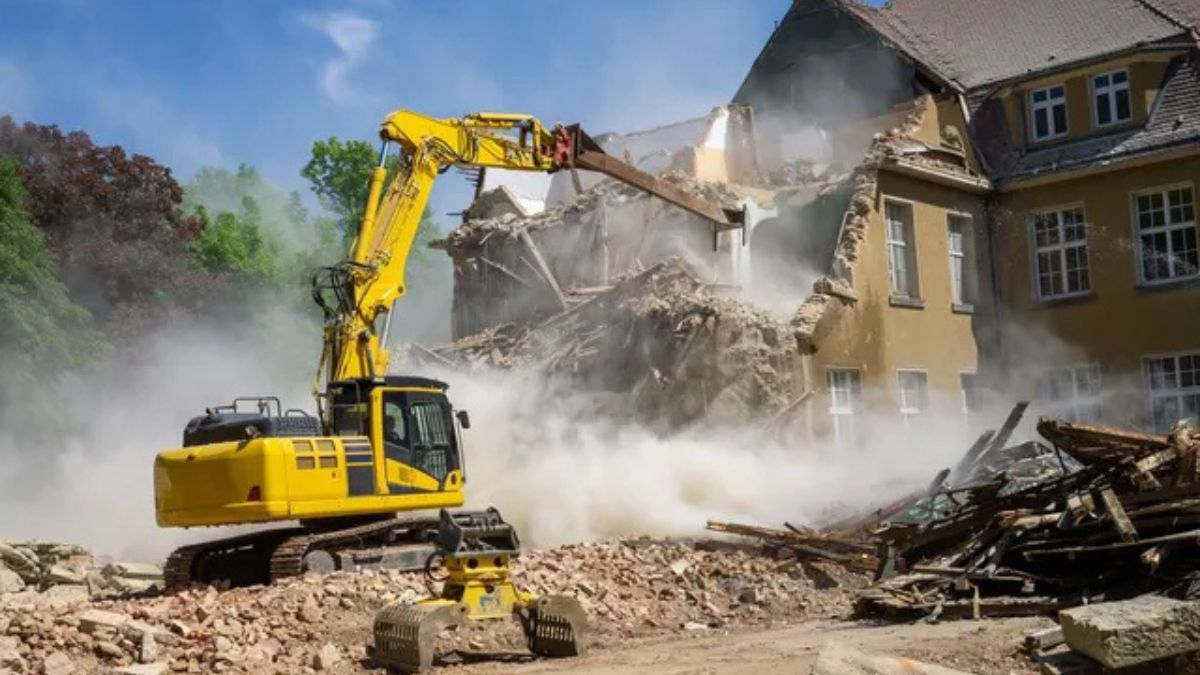
Safe demolition practices are essential in both residential and commercial settings to ensure that structures are removed efficiently while minimizing risks to people, property, and the environment. Careful planning, proper permitting, and adherence to safety regulations form the foundation of any successful demolition project. From assessing structural integrity to identifying hazardous materials such as asbestos or lead, each step requires a methodical approach to prevent accidents and maintain compliance with local guidelines.
In addition to safety considerations, modern demolition emphasizes controlled techniques, waste management, and environmental responsibility. Professionals involved in demolition services Jacksonville, FL, often follow strict protocols that prioritize worker safety, debris containment, and site cleanliness. By integrating advanced equipment and sustainable practices, demolition projects can be completed with reduced disruption, supporting both community safety and long-term site redevelopment goals.
Conducting a Comprehensive Site Assessment
Before any demolition can begin, a full assessment of the building and its surroundings is necessary. Site assessments evaluate the condition of the structure, determine the presence of hazardous materials, and review local environmental factors. For example, Kansas City has developed a pilot program in which inspectors determine whether aging or dangerous buildings can be renovated rather than demolished, reducing unnecessary demolition and waste. Proper assessment ensures the safest approach is chosen.
Obtaining Necessary Permits and Compliance
Demolition projects require diligent attention to legal details. Local and state laws typically mandate permits and advance notice for demolition, with specific requirements for buildings containing asbestos or lead. In North Carolina, for instance, an asbestos inspection and official notification to the health department are mandatory for older buildings. Without these steps, property owners and developers risk fines, project delays, or even legal action.
Implementing Dust and Debris Control Measures
Demolition can release large amounts of dust and debris into the air, creating health hazards for workers, neighbors, and wildlife. Using water sprays, barriers, and onsite air monitors, teams can significantly reduce these risks. Dust control techniques are vital for protecting indoor and outdoor air quality and limiting the migration of contaminants. Community notification is often required if large-scale demolition projects are underway in populated areas, helping prevent public health concerns and ensuring ongoing communication with affected residents.
Recycling and Proper Disposal of Demolition Materials
Recycling materials from demolished buildings makes the process much more sustainable. Many demolition debris components, such as metal, wood, and concrete, can be sorted and reused or recycled into new construction materials. Responsible debris management not only saves money but also diverts tons of waste from landfills. The Better Buildings & Better Plants Initiative provides excellent guidance on efficient strategies for recycling demolition debris.
Managing Hazardous Materials Safely
Older structures often contain hazardous substances, including asbestos, lead-based paint, and mold. Identifying these risks early allows project managers to engage certified abatement professionals for safe removal and disposal. Handling dangerous materials incorrectly puts workers, neighbors, and the environment at risk. All hazardous waste must be sent to approved disposal facilities, and removal should comply with Occupational Safety and Health Administration (OSHA) standards and Environmental Protection Agency (EPA) regulations to maintain high safety standards throughout the project.
Ensuring Worker Safety and Training
The safety of demolition teams is essential to every project. Proper personal protective equipment (PPE), such as respirators, hard hats, and gloves, must be provided and used at all times. In addition, workers require regular training in hazard recognition, emergency response, and safe operation of tools and machinery. Adhering to OSHA demolition safety guidelines can dramatically reduce the risk of injury. Regular safety briefings and open communication foster a culture of accountability, which is essential for high-risk tasks such as demolition. More information on workplace safety recommendations is available at OSHA’s Demolition Safety Page. Consistent evaluation and updating of safety protocols further ensure that teams remain prepared to effectively handle evolving job-site risks.
Engaging Professional Demolition Services
Finally, the expertise and resources that licensed demolition contractors bring are pivotal in ensuring both safety and project efficiency. Reputable companies understand the best practices for handling complex demolitions, managing hazardous materials, and remaining compliant with all state and local regulations. Their investment in specialized equipment and extensive worker training streamlines the demolition process and safeguards everyone involved. Careful selection of a professional service is a critical step in any project, reducing uncertainty and exposure to potential hazards.
Conclusion
Safe demolition is a multi-faceted process that extends from initial planning through final cleanup. Meticulous site assessments, rigorous regulatory compliance, dust and debris management, recycling initiatives, strict hazardous materials handling, a focus on worker safety, and engagement of skilled professionals make up the foundation of successful demolition practices. By following these guidelines, homeowners and developers can deliver safer outcomes for their teams, properties, and the broader community while supporting environmental responsibility and regulatory compliance.
-

 TOPIC12 months ago
Top 5 Features of Googlediqiu You Didn’t Know About
-

 TOPIC2 years ago
Why Large Waterproof Outdoor Rugs Are Essential for All Outdoor Spaces
-

 TOPIC2 years ago
7 Expert Tips For Choosing The Best Basement Renovation Companies
-

 FASHION2 years ago
How to Layer Your White Dress for Cold Weather?
-

 TOPIC1 year ago
Why Greece Katz Martian Has Everyone Talking in 2025
-

 BUSINESS1 year ago
Top 5 Features of Sowix Online That Every User Should Know About
-

 TOPIC1 year ago
Top Features of BetterThisWorld .com You Need to Know About
-

 FINANCE1 year ago
How TraceLoans Can Simplify Your Finances