
TOPIC
Rolling vs Stationary Workbench – Which One to Choose?


Setting up a workshop – whether it’s in your garage, basement, or a dedicated outbuilding – almost always starts with picking out a solid workbench. This isn’t just any piece of furniture; it’s where you’ll handle projects on a regular basis. Basically, the workbench becomes the center of your workspace.
When you’re deciding between a stationary workbench or a rolling one, it’s worth taking some time. That choice can shape how you work and how smoothly things go. Here’s a breakdown to help you figure out what’s right for you.
What Are Rolling and Stationary Workbenches?
Let’s clear up what these two types actually are. A stationary workbench stays right where you put it. Usually, it’s heavy and built to take a beating – moving it isn’t part of the plan. For extra stability, most people set these benches against a wall or even anchor them in place.
Rolling workbenches change things up with casters – sturdy wheels that let you move the whole bench around the shop. They’re perfect if you need to shift your workspace on the fly or want to bring your work surface closer to big tools or projects. You can lock the wheels when you want it to stay put, so you get a mix of mobility and stability. Check heavy-duty rolling workbenches at Dyco Ventures with a range of custom options to choose from.
Key Features Comparison Table
| Feature | Rolling Workbench | Stationary Workbench |
| Mobility | High – easy to move | None – fixed position |
| Stability | Moderate with locking wheels | Excellent |
| Load Capacity | Moderate to high | Very high |
| Space Optimization | Flexible | Limited |
| Cost | Generally higher due to casters | Often more affordable |
| Maintenance | Requires occasional caster upkeep | Minimal maintenance |
Advantages of Rolling Workbenches
Rolling workbenches have become pretty popular in both pro shops and home garages, mostly because they’re so easy to move. That mobility lets you rearrange your workspace on the fly – super useful if you’re tight on space or want to use your garage for more than just projects.
Cleaning’s also a breeze. Since you can wheel the bench out of the way, it’s simple to sweep or mop spots that would otherwise collect junk, dust, or spilled stuff. Plus, a lot of rolling benches come with built-in storage – think drawers, shelves, or even pegboards – so you get more bang for your buck when it comes to staying organized.
Drawbacks of Rolling Workbenches
But there are downsides too. Even if you lock the wheels, rolling benches just aren’t as rock-solid as stationary ones. If you’re doing something that needs a really steady surface – like heavy hammering, metalwork, or detailed woodworking – you’ll probably notice more wobble or vibration than you’d like.
Another thing: rolling workbenches usually cost more. The extra features, like sturdy wheels and good hardware, bump up the price. And don’t forget, you’ll have to keep those wheels in good shape if you want the bench to roll smoothly and safely over time.
Advantages of Stationary Workbenches
Stationary workbenches are a classic pick if you’ve got plenty of room to work with. The main thing they offer is rock-solid stability. They’re built to handle heavy equipment, oversized materials, and tough projects – without budging or wobbling.
Another perk: they can take a lot of weight. Thanks to their thick frames and sturdy build, stationary benches fit right in when you’re dealing with woodworking, metalwork, or car repairs. Since they don’t move around, it’s also easy to wire up outlets, set up tool storage, or hook in dust collection right where you need it.
Drawbacks of Stationary Workbenches
Steady beches aren’t going anywhere once you set them up. If you want to rearrange your space, moving a stationary bench usually means breaking it down – definitely not quick or easy. That makes them a tricky fit for small or shared workshops that need to stay flexible.
They also have a pretty big footprint. Because these benches are often big and heavy, they can eat up precious space. For casual DIYers or people working out of a cramped garage, that can be a real drawback.
Factors to Consider When Choosing
Deciding between a rolling or stationary workbench really comes down to a few key things:
- Space: If you’re working in a cramped spot or need to share the area, a rolling bench gives you some wiggle room. But for bigger workshops that aren’t going anywhere, a fixed bench is hard to beat in terms of sturdiness.
- The Work Itself: Heavy-duty projects want a stationary setup. For lighter tasks or the occasional DIY, a rolling bench does the trick.
- Budget: Usually, rolling benches cost a bit more upfront. If you’re trying to save money, a stationary bench can deliver solid performance for less.
- Down the Line: Think about whether you’ll want to rearrange things later. Rolling benches make that way easier, while stationary ones are meant to stay put.
Expert Tips for Optimal Workbench Setup
Whatever style you go with, there are a few smart ways to upgrade your workbench:
- Tool Storage: Built-in drawers, shelves, or even a simple pegboard can keep your gear tidy and always close by.
- Lighting: Good, bright lighting that you can adjust makes a huge difference – your eyes (and your accuracy) will thank you.
- Surface Material: Pick a tough work surface that fits your projects – hardwood, stainless steel, or laminated plywood are all solid picks, depending on what you’re working with.
- Safety Features: Don’t leave sharp tools out – store them safely. And if you’re on your feet a lot, an anti-fatigue mat really helps.
Maintenance and Longevity
If you take care of your workbench – whether it moves or stays put – you’ll get years of solid use out of it. For rolling benches, check in on the casters now and then (they need a bit of lubrication) and make sure the locking systems still work the way they should. With stationary benches, it’s a good idea to tighten up any loose joints or fasteners, especially if you put them through heavy lifting.
And honestly, just keeping your work surface and storage spaces clean makes a big difference. Wiping away dust, grease, or the occasional rust spot keeps your bench not only usable but also looking good.
Conclusion
There’s no one-size-fits-all here. Rolling benches are hard to beat when it comes to flexibility, while stationary models are built for serious stability and heavy work. It really comes down to what you need, how much room you have, and what kind of projects you tackle. Weigh your priorities, and you’ll end up with a bench that makes your space safer, more enjoyable, and just plain better to work in – year a


Living along the South Carolina coast offers easy access to beautiful waterways, marinas, and waterfront properties. However, owning a boat or waterfront home also comes with practical challenges, including safely storing vessels and transporting heavy equipment. Boat and Cargo Lifts Carolinas provides specialized lift services designed to make these tasks safer, easier, and more convenient.
Serving the greater Charleston area and surrounding coastal communities, the company offers boat and cargo lift installation, maintenance, inspections, repairs, and related dock services.
What Are Boat Lifts?
A boat lift is a mechanical system that raises a boat out of the water and supports it above the surface. This can help reduce prolonged exposure to water, marine growth, corrosion, and changing tides.
For waterfront homeowners, a properly installed boat lift can make launching and storing a boat considerably more convenient. It can also help protect the vessel between uses.
Boat and Cargo Lifts Carolinas provides customized boat lift solutions based on factors such as the boat, dock configuration, and waterfront conditions.
Boat Lift Installation and Maintenance
Professional installation is important because a boat lift must work correctly while supporting a significant amount of weight. An appropriately configured system can provide smooth operation while reducing unnecessary wear.
Boat and Cargo Lifts Carolinas offers services including:
- Boat lift installation
- Motor replacement
- Control and wireless system service
- Automatic stop switch installation and service
- Cable installation and re-spooling
- Bunk and guide-post adjustments
- New-home boat lift inspections
- Electrical services for new boat lifts
- Condominium and marina boat lift services
Regular maintenance is equally important. Cables, motors, switches, controls, and other components can experience wear over time, particularly in coastal environments.
Cargo Lift Services
Boat lifts are not the only type of lifting equipment needed around waterfront properties. Cargo lifts can make it easier to move heavy supplies, equipment, and other items between different levels.
Boat and Cargo Lifts Carolinas provides cargo lift installation, maintenance, and repair services. These include motor replacements, wireless controls, automatic stops, safety locks, basket safety switches, cable re-spooling, basket inspections, and new cargo lift installations.
Cargo lifts can be useful for residential properties, docks, marinas, and commercial locations where moving heavy items manually would be inconvenient or unsafe.
Why Choose a Professional Lift Service?
A lift system is more than simply a mechanical device. It involves motors, cables, electrical controls, structural components, and safety mechanisms that need to work together.
Professional service can help identify problems before they become major failures. Regular inspections may also help property owners identify worn cables, malfunctioning switches, motor problems, or other issues that could affect safe operation.
Boat and Cargo Lifts Carolinas emphasizes safety, precision, customized solutions, and the use of marine-grade materials and equipment for its services.
Boat Lifts for Marinas and Waterfront Homes
Different waterfront properties have different requirements. A private residential dock may need a different solution from a condominium community or commercial marina.
For this reason, lift services can involve evaluating the existing dock, boat specifications, water conditions, and intended use before recommending a solution. Boat and Cargo Lifts Carolinas specifically offers services for condominiums and marinas in addition to residential properties.
Serving Coastal South Carolina
Coastal conditions can be demanding for mechanical and electrical equipment. Saltwater exposure, humidity, changing tides, and frequent use can contribute to equipment deterioration.
Boat and Cargo Lifts Carolinas serves Charleston and surrounding coastal areas, with service coverage extending to communities such as Garden City, Surfside Beach, Murrells Inlet, Pawleys Island, and North Myrtle Beach.
The company lists locations in Longs and Edisto Beach, South Carolina, and provides lift services for both residential and commercial applications.
The Importance of Lift Inspections
Routine inspections are an important part of maintaining lifting equipment. An inspection can help identify issues with cables, motors, controls, safety switches, and other components.
For homeowners installing a new lift, an inspection can also help ensure that the system is appropriately configured for the property and intended use. Boat and Cargo Lifts Carolinas offers new-home boat lift inspections as part of its services.
Boat and Cargo Lift Repairs
Even well-maintained equipment can eventually require repairs. Motors can fail, cables can wear, switches can malfunction, and control systems can develop problems.
Professional repair services can restore the system while addressing the underlying problem. The company provides motor repairs and replacements, structural repairs, and control-system troubleshooting for cargo lifts, along with various repair and maintenance services for boat lifts.
Conclusion
Boat and cargo lifts can play an important role in making waterfront properties safer and more convenient. From protecting boats above the water to transporting heavy equipment between levels, properly installed and maintained lift systems can provide significant practical benefits.
Boat and Cargo Lifts Carolinas offers a broad range of installation, maintenance, inspection, repair, and dock-related services for customers throughout Charleston and surrounding coastal areas. For waterfront homeowners, marinas, condominiums, and commercial properties, professional lift service can help keep these systems operating reliably for years to come.
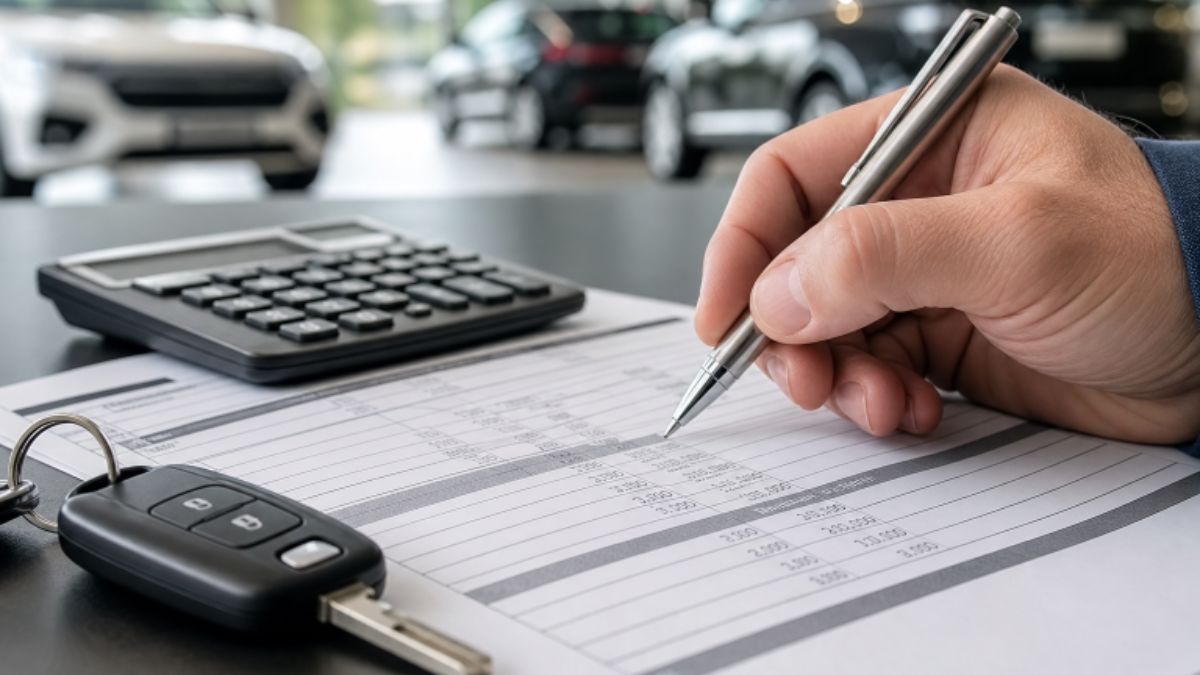
Buying a vehicle is a major financial decision, but the sticker price is only the beginning. A sound plan considers how the vehicle will fit your routine, what it will cost to finance and insure, and how much upkeep it may need over time. Local shoppers who want to explore their options can Learn More while keeping a realistic budget at the center of the process. The best purchase is not necessarily the newest model or the lowest advertised payment. It is the vehicle that meets daily needs, leaves room in the budget for ownership expenses, and can be maintained responsibly for as long as you plan to keep it.
Start With a Realistic Budget
Begin by deciding what transportation can comfortably cost each month, then work backward. Include the down payment, loan payment, sales tax, registration, insurance, fuel, tires, repairs, and scheduled service. The federal guidance for buying a car also emphasizes considering costs beyond the price, such as insurance, gas, registration, and maintenance. Keep some cash in reserve after the purchase. Even a dependable vehicle can need a battery, tire repair, brake work, or an unexpected tow. A purchase that drains every available dollar can quickly become stressful.
Match the Vehicle to Daily Needs
Choose based on how you actually drive, not only on appearance or a favorite brand. Think about commute distance, parking space, passengers, cargo, weather, road conditions, and whether you truly need towing capacity or all-wheel drive.
Questions to Ask Before You Shop
- How many passengers will ride in the vehicle most weeks?
- What cargo, work equipment, sports gear, or pets need to fit?
- Will the vehicle regularly travel on steep, snowy, rough, or unpaved roads?
- Which features will improve daily use rather than raise the price?
Compare New, Used, and Certified Options
New vehicles can provide current safety technology, full factory warranty coverage, and a known history. Used vehicles may offer a lower purchase price, but condition and service history matter more. Certified pre-owned vehicles can sit between those choices by adding manufacturer-inspected standards and limited warranty coverage, although each program has different requirements. Compare each option based on purchase price, age, mileage, expected depreciation, warranty exclusions, maintenance records, and local availability of replacement parts. A lower-priced vehicle is not always the better value if it needs major work soon after purchase.
Review the Total Cost, Not Just the Payment
A low monthly payment can be appealing, but it may result from a longer loan term that increases the total interest paid. Review the amount financed, annual percentage rate, loan length, down payment, trade-in allowance, taxes, dealer fees, and final repayment amount. For example, spreading a loan across 84 months may reduce the payment compared with a 60-month term, yet it can keep the buyer in debt longer and cost more overall. Select a term that fits the budget without overlooking savings goals and emergency expenses.
Prepare for Financing Before Shopping
Financing should be researched before visiting a dealership. Review credit reports for errors, set a maximum borrowing amount, and compare offers from banks, credit unions, and reputable lenders. Compare offers using the same loan amount and term so the annual percentage rate and total repayment are meaningful.
- Decide on a down payment before negotiating.
- Ask for the out-the-door price, not only the vehicle price.
- Read the terms of optional products before accepting them.
- Confirm whether early repayment carries any penalty.
Inspect and Research the Vehicle
Whether buying from a dealer or a private seller, inspect the tires, brakes, lights, glass, paint, interior wear, fluid levels, dashboard warning lights, and signs of leaks or water damage. During a test drive, include local streets, highway speeds, turns, parking, and safe braking conditions. Request service records and a vehicle history report, then use the VIN to check for open safety recalls before completing the sale. An independent inspection by a trusted mechanic can uncover concerns that are difficult to spot during a short visit.
Protect the Vehicle’s Value After Purchase
Careful ownership helps control long-term costs and can support resale or trade-in value later. Wash the vehicle regularly, address warning lights promptly, repair small issues before they become larger ones, and avoid delaying needed service. Keep organized records for oil changes, tire purchases, brake work, warranty repairs, inspections, and completed recall work. Documentation gives future buyers confidence and helps you track what the vehicle has already received.
Build a Simple Maintenance Plan
Use the owner’s manual as the primary maintenance guide. Typical tasks include oil and filter changes, tire rotations, brake inspections, battery testing, fluid checks, air filter replacement, and wiper replacement. Set reminders by date and mileage so routine care does not get missed. Driving conditions matter. Frequent short trips, stop-and-go traffic, towing, extreme temperatures, dusty roads, and steep terrain can require more attentive maintenance than steady highway driving. Follow the schedule designed for your vehicle rather than relying on a generic mileage rule.
Avoid Common Buying Mistakes
- Shopping before establishing a complete ownership budget.
- Choosing a vehicle based only on the monthly payment.
- Skipping a careful test drive or independent inspection.
- Ignoring warning lights, uneven tire wear, or unusual noises.
- Failing to review history reports, service records, and recalls.
- Accepting add-ons or coverage without understanding the terms.
- Rushing because of sales pressure or limited-time messaging.
Use a Final Purchase Checklist
- Confirm the vehicle fits your passengers, cargo, commute, and climate.
- Calculate the full cost of ownership, including insurance and maintenance.
- Compare financing offers by APR, term, and total repayment.
- Review vehicle history, service records, and open recalls.
- Complete an inspection and thorough test drive.
- Read the purchase agreement, warranty details, and optional products.
- Set the first maintenance reminder before leaving with the vehicle.
Conclusion
A smart car purchase is about more than finding the right model. It means choosing a vehicle that works for everyday life, remains affordable after the sale, and receives consistent care. Taking time to compare costs, financing, condition, insurance, fuel or charging expenses, and maintenance needs before signing can prevent years of avoidable expense. A realistic ownership plan also helps you prepare for unexpected repairs, changing driving needs, and future resale value, making it easier to enjoy your vehicle without putting unnecessary pressure on your budget.

Choosing between an existing home, a buildable lot, and rural acreage is not simply a question of price. The right choice depends on your timeline, budget, daily routine, and plans for the years ahead. Buyers exploring real estate services Dothan AL, can make a more confident decision by comparing the full picture before becoming attached to a listing.
A move-in-ready house may offer convenience, while a vacant lot can provide more control over design. Rural acreage can create room for privacy, animals, gardening, or a workshop, but it may also require more research. The goal is to find a property that supports your real needs, not just one that looks good during a quick visit.
Start With Your Intended Use
Before comparing properties, write down your three most important goals. A buyer who needs to move within 60 days has different priorities than someone who wants to build a custom home over the next two years. Be specific about whether you want a finished home, a larger yard, a hobby farm, room for a barn, a detached workshop, or land to hold for the future.
This step helps prevent a common mistake: choosing a beautiful property that cannot support your actual plans. For example, a scenic rural parcel may be appealing, but it may not have practical access, usable building areas, or the land-use flexibility you expect.
Compare The Three Main Property Types
- Existing home: Best for buyers who want a completed property and a shorter path to occupancy. The tradeoff can be age-related repairs, renovation needs, and ongoing maintenance.
- Buildable lot: Best for buyers who want control over layout, finishes, storage, and energy features. The challenge is coordinating design, permits, construction, and site preparation.
- Rural acreage: Best for buyers seeking space, privacy, and future flexibility. The challenge is confirming roads, utilities, drainage, soil conditions, and permitted uses.
No property type is automatically the less expensive option. A low-priced lot may still need clearing, grading, a driveway, septic work, a well, and power service before construction can begin.
Look Beyond The Listing Price
Create a full-cost worksheet for every serious option. Use three columns: estimated cost, confirmed cost, and unanswered question. For an existing home, include possible roof, plumbing, electrical, HVAC, appliance, insurance, tax, and renovation expenses. Ask what maintenance may be needed during the first five years.
For lots and acreage, account for surveying, engineering, clearing, drainage work, driveway construction, utility connections, well or septic installation, permits, and builder-related professional fees. A property can fit the purchase budget but still exceed the total budget once site costs are added.
Check Access, Roads, And Daily Travel
Visit each property at the times you expect to use it. Drive the route to work, school, shopping, and medical services. If possible, visit after rain to see how roads, ditches, low areas, and entrances handle water.
- Check road width, shoulders, turning space, and visibility at the entrance.
- Ask who maintains any private road or shared driveway.
- Confirm recorded easements, gates, bridge crossings, and emergency access.
- Consider whether delivery trucks, trailers, and construction equipment can reach the site.
Review Utilities Before Making An Offer
Never assume that nearby utility lines mean service will be simple or inexpensive. Request written information from providers about availability, connection points, fees, timelines, and any easements affecting the parcel.
Questions To Ask
- Is public water or sewer available at the road?
- Will the property need a private well or septic system?
- How far is the nearest power connection?
- Are broadband, phone, or natural gas options available?
- Are utility easements located across a potential building area?
Study Flood Risk, Drainage, And Land Shape
Water can affect both an older home and undeveloped land. Look for low spots, drainage paths, ponding, creeks, culverts, and erosion. Start with the FEMA Map Service Center to review available flood hazard information, then follow up with an inspection, insurance quote, and professional guidance where appropriate.
A map review is a useful starting point, not a guarantee. Ask about past flooding, drainage improvements, elevation concerns, and whether local requirements could affect where or how a future structure is built.
Review Soil And Building Conditions On Vacant Land
Soil affects foundations, drainage, gardens, ponds, erosion control, and septic suitability. The USDA Web Soil Survey can help buyers identify general soil characteristics and potential limitations before investing in detailed site work.
Use soil maps as an early screening tool only. A qualified professional should evaluate the specific homesite, driveway location, septic plan, and any other planned improvements before you rely on assumptions.
Check Zoning, Restrictions, And Future Plans
Confirm current zoning, minimum lot size, setbacks, permitted uses, and building requirements with the appropriate local office. Also review recorded covenants, deed restrictions, access easements, and subdivision rules. These details may affect manufactured homes, accessory buildings, livestock, agricultural activity, fencing, and the size or placement of a workshop.
Compare Existing Homes With New Construction
Questions For Existing Homes
- How old are the roof, HVAC equipment, water heater, and major appliances?
- Were past additions or renovations properly permitted?
- What repairs and maintenance are likely in the next few years?
Questions For New Construction
- What is included in the builder’s base price?
- Who pays for site preparation and utility work?
- How are allowances, change orders, timelines, and warranties handled?
Build A Simple Property Scorecard
Rate each property from one to five for cost, location, access, utilities, condition, future use, and risk. Give more weight to your non-negotiables, such as commute time or the ability to build a workshop. Write down one major concern for every property, then remove any option that fails a must-have requirement.
Common Buyer Questions
Is Buying A Lot Better Than Buying A Home?
It depends on your timeline, construction budget, and willingness to manage a building process. A lot can offer control, but it also requires patience and thorough due diligence.
Should Buyers Order A Survey?
A current survey can help clarify boundaries, easements, encroachments, and access. Discuss timing and requirements with your lender, attorney, and qualified property professionals.
A Practical 2026 Due Diligence Checklist
- Confirm the legal description, taxes, and assessment records.
- Review surveys, title matters, easements, and restrictions.
- Verify zoning, permitted uses, and setback requirements.
- Confirm utilities, road access, flood concerns, soil conditions, and insurance costs.
- Inspect the home or proposed building site and compare total ownership costs.
Conclusion
The best property is the one that fits your daily life, financial plan, and future goals. Whether you choose a house, lot, or acreage, early research can uncover costs and restrictions before they become expensive surprises. A careful comparison turns a quick reaction into a property decision built to last.
-

 TOPIC1 year ago
Top 5 Features of Googlediqiu You Didn’t Know About
-

 TOPIC2 years ago
Why Large Waterproof Outdoor Rugs Are Essential for All Outdoor Spaces
-

 FASHION2 years ago
How to Layer Your White Dress for Cold Weather?
-

 TOPIC2 years ago
7 Expert Tips For Choosing The Best Basement Renovation Companies
-

 BUSINESS1 year ago
Top 5 Features of Sowix Online That Every User Should Know About
-

 TOPIC1 year ago
Why Greece Katz Martian Has Everyone Talking in 2025
-

 FINANCE2 years ago
How TraceLoans Can Simplify Your Finances
-

 TOPIC1 year ago
Top Features of BetterThisWorld .com You Need to Know About