
REAL ESTATE
Buying Your First Home: Expert Tips & Tricks


Introduction
For many first-time buyers, embarking on the journey to homeownership is both thrilling and overwhelming. Navigating this major financial decision with knowledge and preparation can make the process smoother. To set yourself up for success, consider the advice of a trusted Mountain House realtor who understands local trends and buyer needs. Recognizing each home-buying stage helps prevent costly mistakes and ensures your investment aligns with your long-term goals.
Financial readiness, mortgage know-how, and choosing the right partners shape your experience as a new homeowner. An informed strategy minimizes uncertainties and keeps emotions in check amid a competitive market. Start by equipping yourself with essential knowledge—then focus on creating a realistic plan, supported by expert guidance, that makes your dream home attainable.
Financial Preparation
Assessing your finances before entering the housing market lays a strong foundation for a successful purchase. Begin by checking your credit score—lenders typically offer better rates to buyers with higher credit standings. Savings matter too: while certain loans allow limited down payments, having 20% or more can help you avoid PMI (private mortgage insurance), decreasing your ongoing costs. Factor in an emergency fund that covers at least six months of living expenses; this cushion provides security if unexpected expenses arise after your move. For more on building a home purchase savings plan, see resources from NerdWallet.
Budgeting accurately means thinking beyond just the listing price. Factor in estimated utility bills, annual property taxes, anticipated repairs, and moving expenses. A worksheet or online home affordability calculator makes it easier to get a clear financial picture and prevent stretching your budget too thin.
Understanding Mortgage Options
Choosing the right mortgage is critical and depends largely on your financial profile and risk tolerance. The most common options are fixed-rate and adjustable-rate mortgages (ARMs). Fixed-rate loans offer predictability in your monthly payments, while ARMs could have a lower introductory rate but may increase after a set period. First-time buyers can also take advantage of specialized loan programs with reduced down payment requirements or assistance with closing costs. A mortgage advisor will help you compare options by evaluating your income, debt, and long-term plans. The Consumer Financial Protection Bureau provides a thorough overview of different mortgage products available today.
Importance of Pre-Approval
Securing mortgage pre-approval gives you a crucial edge, especially in competitive markets. With pre-approval, a lender reviews your finances and commits to a specific loan amount, making your offers more credible to sellers. This step clarifies the price range of homes you can afford and speeds up the purchasing process once you find a suitable property. Sellers are far more likely to consider your offer seriously when you bring a pre-approval letter to the table.
Working with a Real Estate Agent
Partnering with an experienced real estate agent streamlines your search and strengthens your negotiations. Agents are well-versed in market analysis, neighborhood characteristics, and price trends. They can match your preferences with available properties, arrange tours, and gather vital background information on listings. In addition to negotiating price and terms, your agent will ensure all paperwork is accurate and submitted on time, saving you time and helping to prevent costly errors in your contract.
Attending Open Houses
Visiting open houses provides firsthand exposure to a variety of properties and neighborhoods. When you tour homes, pay close attention to the overall layout, lighting, condition of appliances, and maintenance issues. Ask questions about recent renovations, included features, and the general atmosphere of the area. Take notes and photos, if permitted, to compare features later on. Visualizing your daily life in each property is essential in narrowing your search.
Understanding Zoning Regulations
Investigating a home’s zoning laws and future area development is essential. Zoning regulations can impact renovations, home additions, or even the possibility of running a business from your residence. Ask your realtor or local zoning office about any planned infrastructure or commercial projects that could affect your property’s value or quality of life. Being informed allows you to avoid unexpected restrictions and ensure your chosen home supports your plans.
Negotiating the Purchase
Effective negotiation is key to securing a fair deal. When crafting your offer, review your agent’s knowledge of local market conditions and comparable sales. Besides price, negotiation points may include the closing timeline, repairs based on the inspection, or inclusion of appliances. Contingencies—such as financing and appraisal clauses—provide protection by allowing you to withdraw if certain conditions aren’t met. Strive for clear communication and flexibility to reach a mutually agreeable outcome.
Planning for Closing Costs
The final phase of your home purchase involves closing costs, typically 2–5% of the home’s price. These include appraisal and inspection fees, lender origination costs, title insurance, and escrow charges. It’s wise to budget for these fees early so your savings won’t be depleted unexpectedly at closing. Request a Loan Estimate from your lender to see a detailed breakdown, and don’t hesitate to shop around for services where possible.
By adhering to these steps and consulting trusted resources, first-time buyers can approach the homebuying process with confidence and assurance. Preparation, guidance, and knowledge form the backbone of a successful real estate investment journey. For additional information and updates, the Realtor.com first-time buyer guide is a reputable place to start.
Introduction
In today’s competitive housing market, finding the right real estate brokerage can significantly impact both agents and clients. Whether you are a homebuyer, seller, investor, or licensed real estate professional, agentgrouprealty.com has become a topic of interest for many people exploring reliable real estate solutions.
This comprehensive guide explains what agentgrouprealty.com is, how it works, the services it offers, and why many real estate professionals consider it an attractive platform. If you are searching for a brokerage that combines flexibility, technology, and professional support, understanding the value of agentgrouprealty.com can help you make a more informed decision.
What Is AgentGroupRealty.com?
Agentgrouprealty.com is an online platform associated with Agent Group Realty, a real estate brokerage designed to provide modern support for agents and customers involved in buying, selling, or investing in real estate.
The platform focuses on helping licensed real estate agents build successful careers while providing clients with professional assistance throughout property transactions. In a rapidly changing industry, brokerages that offer strong support systems, marketing tools, and attractive commission structures often stand out from traditional models.
Real estate professionals frequently look for brokerages that allow them to maximize income while maintaining independence. That is one reason why agentgrouprealty.com continues gaining attention among experienced agents and newcomers entering the market.
Why Is AgentGroupRealty.com Growing in Popularity?
The real estate market has evolved significantly in recent years. Traditional brokerage models are being replaced by more flexible systems that prioritize agent success and technology-driven operations.
Several factors contribute to the increasing visibility of agentgrouprealty.com:
1. Agent-Centered Business Model
Many real estate professionals seek brokerages that focus on empowering agents instead of restricting growth opportunities. A supportive brokerage environment can improve productivity and client satisfaction.
At agentgrouprealty.com, agents often look for benefits such as:
- Professional support
- Marketing resources
- Training opportunities
- Flexible work environments
- Business growth assistance
These features appeal to professionals who want more control over their careers.
2. Strong Real Estate Expertise
Experience matters in real estate transactions. Whether someone is purchasing their first home or investing in commercial property, professional guidance can make a major difference.
Brokerages connected to agentgrouprealty.com focus on helping buyers and sellers navigate:
- Home listings
- Market analysis
- Property negotiations
- Legal paperwork
- Closing processes
This comprehensive approach improves confidence during major financial decisions.
3. Technology-Driven Real Estate Solutions
Modern consumers expect fast access to listings, market insights, and communication tools. Real estate companies that leverage digital technology have a competitive advantage.
Agentgrouprealty.com represents a growing trend toward digital-first real estate experiences where agents and clients can communicate more effectively and streamline transactions.
Services Offered by AgentGroupRealty.com
Understanding the services offered through agentgrouprealty.com helps explain why the platform attracts attention in the real estate industry.
Residential Property Services
Residential real estate remains one of the primary areas of focus.
Homebuyers searching for properties can often receive assistance with:
- Property searches
- Neighborhood comparisons
- Market evaluations
- Home financing guidance
- Negotiation support
Selling homeowners may also benefit from strategic pricing recommendations and marketing exposure.
Real Estate Investment Guidance
Real estate investing requires careful planning and market research. Investors often seek brokerage partners that understand local market trends.
Agentgrouprealty.com can be valuable for investors interested in:
- Rental properties
- Multi-family housing
- Commercial opportunities
- Property appreciation strategies
- Portfolio expansion
Professional guidance can reduce risk while identifying stronger investment opportunities.
Agent Recruitment and Career Growth
One of the standout aspects associated with agentgrouprealty.com is agent career development.
Real estate professionals frequently evaluate brokerages based on:
Commission Opportunities
Competitive commission structures often influence where agents choose to work. Higher earning potential gives professionals greater financial flexibility.
Professional Training
New agents especially benefit from mentorship and training programs. Educational resources help improve:
- Sales strategies
- Lead generation
- Negotiation skills
- Contract knowledge
- Market understanding
Marketing Support
Marketing plays a major role in building a successful real estate career. Agents working through platforms like agentgrouprealty.com often prioritize systems that support visibility and lead generation.
Benefits of Choosing AgentGroupRealty.com
There are several reasons why individuals and agents may consider agentgrouprealty.com.
Better Flexibility for Agents
Traditional brokerages sometimes impose rigid systems that limit growth. Many professionals prefer flexible work models that let them scale their businesses independently.
A flexible brokerage environment may help agents:
- Manage schedules effectively
- Expand personal branding
- Increase commission earnings
- Build stronger client relationships
Improved Client Experience
For buyers and sellers, the process of purchasing or selling property can be stressful.
Professional support through agentgrouprealty.com can simplify key stages such as:
- Property research
- Documentation
- Offer negotiations
- Pricing strategies
- Market evaluations
A smoother transaction experience often leads to better outcomes.
Access to Market Knowledge
Real estate decisions require accurate market information.
Professionals connected with agentgrouprealty.com can help clients understand:
- Property value trends
- Market timing
- Local pricing changes
- Competitive offers
- Investment potential
Knowledge-based decisions often result in better long-term outcomes.
How AgentGroupRealty.com Helps Home Buyers
Buying a home is one of the biggest financial commitments most people make.
Home buyers who use services related to agentgrouprealty.com may benefit from:
Personalized Property Searches
Instead of browsing endless listings independently, buyers can receive targeted recommendations based on:
- Budget
- Location preferences
- Home size
- School districts
- Property features
This reduces wasted time and improves decision-making.
Expert Negotiation Support
Negotiating property prices can be intimidating.
Experienced real estate professionals help buyers:
- Avoid overpaying
- Understand fair market pricing
- Structure competitive offers
- Navigate inspection requests
Professional negotiation can save buyers significant money.
Transaction Management
The paperwork involved in purchasing property can feel overwhelming.
Through organized support systems, agentgrouprealty.com helps simplify documentation and timelines.
How Sellers Benefit from AgentGroupRealty.com
Selling property requires more than simply listing a home online.
Successful property sales often depend on:
Strategic Pricing
Overpricing can discourage buyers, while underpricing may reduce profits.
Professionals help determine optimal listing prices using:
- Market comparisons
- Local trends
- Property conditions
- Competitive listings
Property Marketing
Marketing influences visibility.
Effective property marketing may include:
- Professional photography
- Digital listing promotion
- Social media marketing
- Online exposure
- Lead generation
Faster Sales Process
Experienced real estate professionals streamline showings, negotiations, and paperwork to reduce delays.
Why Real Estate Agents Are Interested in AgentGroupRealty.com
Real estate professionals continuously evaluate better opportunities for business growth.
Here are some reasons agents search for agentgrouprealty.com:
Strong Income Potential
Income opportunities often play a major role in brokerage selection.
Agents frequently compare:
- Commission percentages
- Brokerage fees
- Training support
- Marketing systems
A supportive brokerage can significantly improve long-term profitability.
Independence and Freedom
Many professionals prefer working environments where they maintain control over branding and client relationships.
This independence helps agents:
- Build personal authority
- Create long-term client pipelines
- Expand local visibility
Career Advancement
Real estate is competitive. Access to tools, mentorship, and education can accelerate career growth.
Is AgentGroupRealty.com Worth Considering?
Whether agentgrouprealty.com is the right choice depends on your goals.
For home buyers and sellers, professional guidance often leads to smoother transactions and stronger decision-making.
For licensed real estate agents, brokerages that prioritize flexibility, technology, and support can create stronger income opportunities.
Researching brokerage options carefully is always recommended before making professional or financial commitments.
Tips for Choosing the Right Real Estate Brokerage
Before joining any brokerage, consider these factors:
Commission Structure
Understand how earnings work and whether fees affect profitability.
Technology Tools
Modern platforms should offer digital resources that improve productivity.
Reputation
Research company reviews and market presence.
Training Programs
Education matters, especially for new agents.
Support System
Administrative and marketing support can improve efficiency.
FAQ’s
What is agentgrouprealty.com?
Agentgrouprealty.com is a real estate-related platform associated with brokerage services, agent opportunities, and property transaction support.
Is agentgrouprealty.com good for real estate agents?
Many agents explore agentgrouprealty.com because of potential flexibility, commission structures, and career support opportunities.
Can buyers and sellers use agentgrouprealty.com?
Yes, buyers and sellers can explore professional real estate assistance through services connected to agentgrouprealty.com.
Why is agentgrouprealty.com popular?
Its growing popularity comes from modern brokerage solutions, technology integration, and support for real estate professionals.
Final Thoughts
The real estate industry continues evolving, and platforms like agentgrouprealty.com reflect the growing demand for flexibility, digital tools, and professional support. Whether you are buying a home, selling property, investing in real estate, or searching for a better brokerage opportunity, understanding what agentgrouprealty.com offers can help you make smarter decisions.
As real estate competition grows, choosing the right platform becomes increasingly important. For many professionals and clients alike, agentgrouprealty.com represents a modern approach to navigating today’s dynamic property market.


Introduction
Are you considering a move to Tucson, Arizona? With its captivating blend of Southwestern culture, stunning desert landscapes, and a welcoming atmosphere, Tucson stands out as one of the Southwest’s most appealing places to call home. Prospective homebuyers will find a vibrant local community and an ever-evolving real estate market ripe with opportunity. If you are looking to explore Tucson Homes For Sale, the experts at Hazelbaker & Ranek have established themselves as leaders in the Tucson real estate market. Their comprehensive website features up-to-date listings covering Tucson, Oro Valley, Marana, and surrounding areas, providing both in-depth local knowledge and expert guidance for buyers, sellers, and investors. Hazelbaker & Ranek have earned their reputation through excellent service and deep roots in the region, making them a trusted resource for navigating Tucson’s dynamic housing market. As you look deeper into the reasons to purchase a home in Tucson, it becomes clear why so many new residents are choosing this city. From affordable housing options to advanced smart home features, Tucson offers a balance of lifestyle and investment opportunities. Let’s examine the trends, neighborhoods, and features that make buying a home in Tucson an attractive choice.
Understanding Tucson’s Real Estate Market
Tucson’s real estate market has been buzzing with activity. As of early 2026, new home prices have surpassed $500,000 for only the third time in history. This price growth reflects increasing demand driven by economic growth, population influx, and the city’s unique lifestyle. The steady appreciation in property values signals a robust market, giving both buyers and sellers compelling reasons to take action now. Despite rising prices, Tucson remains more accessible than many other Southwestern cities, attracting first-time buyers, growing families, and retirees. With a healthy balance between supply and demand, most buyers can find something that suits their needs, whether it’s a starter home or a sprawling desert estate.
Quick Move-In Homes: A Modern Solution
Quick move-in (QMI) homes have grown increasingly popular in Tucson. These properties are newly built and ready for immediate occupancy, eliminating long waits for construction to be completed. In mid-2025, there were more than five QMI homes available per community on average, a notable 24% year-over-year increase. Buyers appreciate these options because they often include modern features and builder incentives such as reduced closing costs or upgrades. For those needing to relocate on a tight timeline, whether for work or family, QMI homes offer a convenient, less stressful path to homeownership. Developers are responding to demand by expanding their QMI inventories, further diversifying Tucson’s real estate offerings.
Smart Homes and Energy Efficiency
Today’s homebuyers are increasingly looking for residences equipped with smart home technology. In Tucson, this often means finding houses with smart thermostats, Wi-Fi-enabled security cameras, and integrated, energy-efficient appliances. These features do more than add convenience; they help lower utility bills and promote sustainability, important factors in the Arizona desert climate.
Many new home constructions in Tucson prioritize green building practices, high-performance insulation, and solar-ready features. By investing in homes equipped for the future, buyers can feel confident about both comfort and long-term value.
Water Resilience: Sustainable Desert Living
Prospective residents often worry about water availability when moving to a desert city. Tucson, however, has set a national example with its robust water conservation initiatives. The city has implemented advanced water management systems, protected groundwater resources, and incentivized drought-tolerant landscaping. These efforts ensure a reliable water supply and allow residents to enjoy desert living with confidence, supporting both the environment and property values for the long term.
Affordability and Cost of Living
One of Tucson’s most attractive features is its overall affordability compared to other metropolitan areas. Although home prices have risen, they remain below the national average, making Tucson a desirable city for first-time buyers, young professionals, and retirees. Lower property taxes, abundant moderately priced homes, and manageable everyday expenses allow residents to enjoy a high standard of living without the financial strain found in nearby cities. Tucson’s cost of living, combined with abundant outdoor recreation, cultural amenities, and a temperate climate, provides excellent value for buyers seeking both lifestyle and financial stability. For a deeper dive into Tucson’s cost-of-living advantages, readers may consult information provided by national real estate resources.
Neighborhoods to Explore
Tucson offers a variety of neighborhoods, each with its own unique charm and amenities. Those who love history might gravitate toward the vibrant architecture and arts scene of Barrio Viejo. For families, Oro Valley offers renowned schools and abundant green space, while Dove Mountain and Rita Ranch offer a mix of luxury golf communities and affordable family housing. Active adults and retirees find resort-style amenities and quiet streets in areas such as SaddleBrooke and Vail. Homebuyers are encouraged to explore these neighborhoods firsthand and talk to local experts to find the right fit for their lifestyle and budget. Tucson’s diversity means every buyer can discover a community that feels like home.
Conclusion
Purchasing a home in Tucson opens doors to a lifestyle that blends natural beauty, cultural richness, and practical affordability. With solid real estate fundamentals, an increasing supply of ready-to-move-in and smart homes, and citywide sustainability initiatives, Tucson is an ideal destination for buyers at every stage of life. Partnering with a trusted authority like Hazelbaker & Ranek ensures you will find the right property and have the support you need throughout the entire buying process.
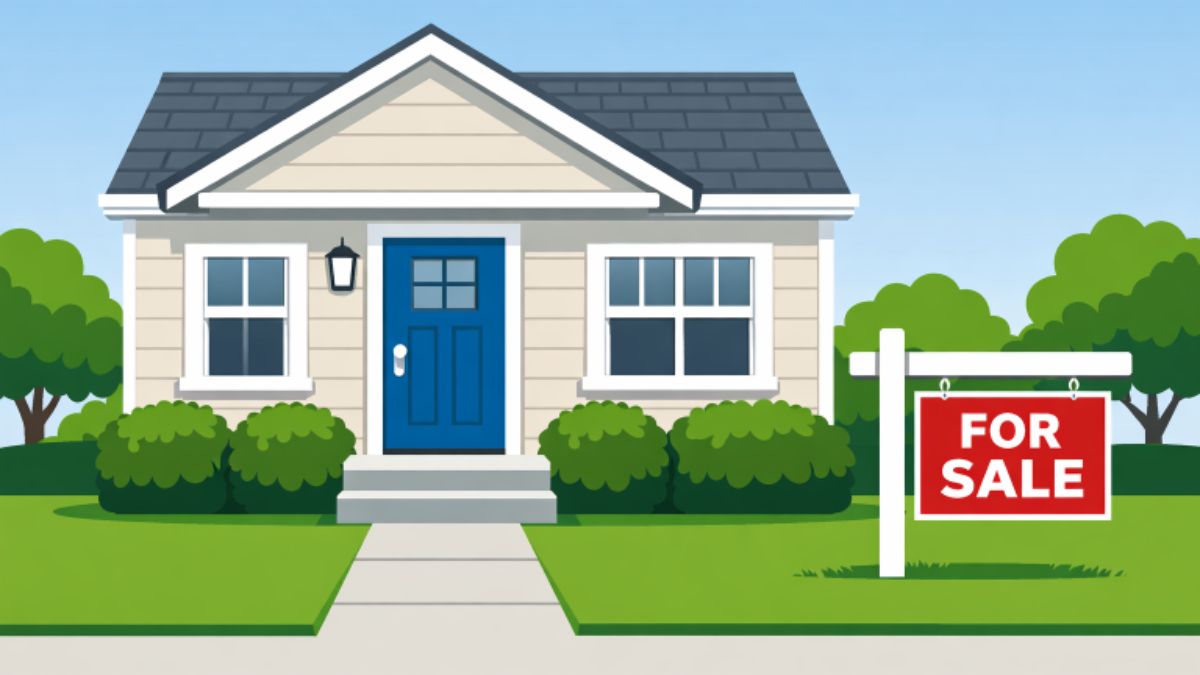
Selling your home does not have to be overwhelming. The right preparation can make the entire process more efficient and help you attract the ideal buyer faster. Whether you hope to sell within days or want to make the process as hassle-free as possible, specific steps can position your home to stand out on the market. Resources like https://www.sellmyhousefastnow.com/ can offer additional support and guidance tailored to speedy home sales.
By adjusting your approach and focusing on what buyers want most, you can minimize stress while maximizing your home’s value. Strategic updates inside and out, pricing smartly, and making your property accessible to buyers can all lead to faster offers and smoother closings. Understanding which tasks carry the most weight makes a significant difference as you prepare your house for sale.
Addressing these critical steps reduces the chance of surprises during negotiation or inspection. By making your home appealing from the curb through the final viewing, buyers can envision themselves settling in quickly. If you are searching for efficient ways to sell property, these proven tips offer a solid foundation for success in today’s market.
Boost Curb Appeal
First impressions play a vital role in capturing buyer interest, especially when considering faster selling options like https://www.sellmyhousefastnow.com/. Many potential buyers will make a judgment before ever setting foot inside. Simple updates such as mowing the lawn, trimming hedges, and laying fresh mulch can work wonders. A clean walkway or freshly painted front door can set the tone for positive showings. Even updating outdoor lighting or the mailbox invites visitors to imagine the possibilities as soon as they arrive. According to Better Homes & Gardens, enhancing curb appeal is one of the fastest ways to make your listing stand out and draw in buyers.
Declutter and Depersonalize
Buyers must be able to picture themselves living in the space. Removing personal items such as family photos, collections, and memorabilia helps make this possible. Clearing out unnecessary clutter also creates the feeling of more space and makes rooms appear bigger. Store excess furniture or seasonal decor off-site if possible and keep surfaces clean and orderly. A minimalist, clean palette allows buyers to project their vision for the home onto each room. As HGTV notes, depersonalizing your space is an indispensable step to appeal to a wide audience.
Make Necessary Repairs
Even minor flaws can discourage buyers or become points of negotiation. Address any issues such as leaky faucets, cracked tiles, damaged baseboards, or squeaky doors. Fresh paint can go a long way toward creating a move-in-ready feel. Fixing these problems ahead of time shows buyers that the property has been well cared for, which helps them feel confident moving forward. Take time to address anything that might come up during an inspection so buyers are not surprised later in the process.
Stage Your Home
Staging helps highlight the best features of your house. Arrange furniture to create a natural flow, and use neutral colors or accessories to make spaces appealing to a variety of tastes. Remove any items that make rooms feel crowded. You may wish to add fresh flowers or new linen for a touch of freshness. If your budget allows, consider a professional stager who can offer expert insight and help accentuate your home’s strengths. Home staging consistently ranks among the most effective ways to encourage higher offers and faster sales.
Set a Competitive Price
Pricing your home right from the outset is one of the most important decisions in the selling process. Research recently sold homes in your neighborhood to determine a realistic price range. Overpricing can turn buyers away quickly, while underpricing can speed up the sale but may leave money on the table. Consult reputable property sites or a local real estate professional to ensure you are aligned with current market conditions. A fair price can stimulate more interest and may even prompt multiple offers, creating a competitive atmosphere for your home.
Market Effectively
A well-executed marketing plan increases your home’s visibility. Professional photos and vivid, engaging descriptions make your online listing stand out. Use popular real estate platforms, social media, and traditional avenues like flyers and local bulletin boards to reach as many potential buyers as possible. Be sure to mention nearby amenities, updated features, and what makes your home unique compared to others in the area. Effective marketing is an important driver in attracting qualified, serious buyers.
Be Flexible with Showings
To sell quickly, be adaptable to prospective buyers’ schedules. Allowing last-minute or after-hours showings increases the likelihood of reaching more people. Keep your home clean and tidy at all times so it is ready for showings with minimal notice. The greater your flexibility, the more opportunities you have to make a positive impression and receive offers. Responsive communication with buyers and agents further demonstrates your commitment to the process and can set you apart from other sellers.
Consider Professional Help
Enlisting the support of a knowledgeable real estate agent can save time, reduce stress, and ensure your sale remains on track. Professionals can assist with pricing, negotiation, and legal documents, all while drawing from extensive experience in your local market. They may also suggest additional value-adding improvements and handle marketing tasks more effectively. Their skills and resources can often outweigh the costs for sellers eager to achieve the best results with the least hassle.
Final Thoughts
Following these actionable steps sets your home up for a fast and successful sale. Careful preparation, smart pricing, and effective presentation will help your home stand out and put you in the strongest position for a smooth, stress-free transaction.
-

 TOPIC11 months ago
Top 5 Features of Googlediqiu You Didn’t Know About
-

 TOPIC2 years ago
Why Large Waterproof Outdoor Rugs Are Essential for All Outdoor Spaces
-

 TOPIC2 years ago
7 Expert Tips For Choosing The Best Basement Renovation Companies
-

 FASHION2 years ago
How to Layer Your White Dress for Cold Weather?
-

 TOPIC1 year ago
Why Greece Katz Martian Has Everyone Talking in 2025
-

 BUSINESS1 year ago
Top 5 Features of Sowix Online That Every User Should Know About
-

 TOPIC1 year ago
Top Features of BetterThisWorld .com You Need to Know About
-

 FINANCE1 year ago
How TraceLoans Can Simplify Your Finances