
TOPIC
Sustainable Building Practices for Modern Architectural Projects

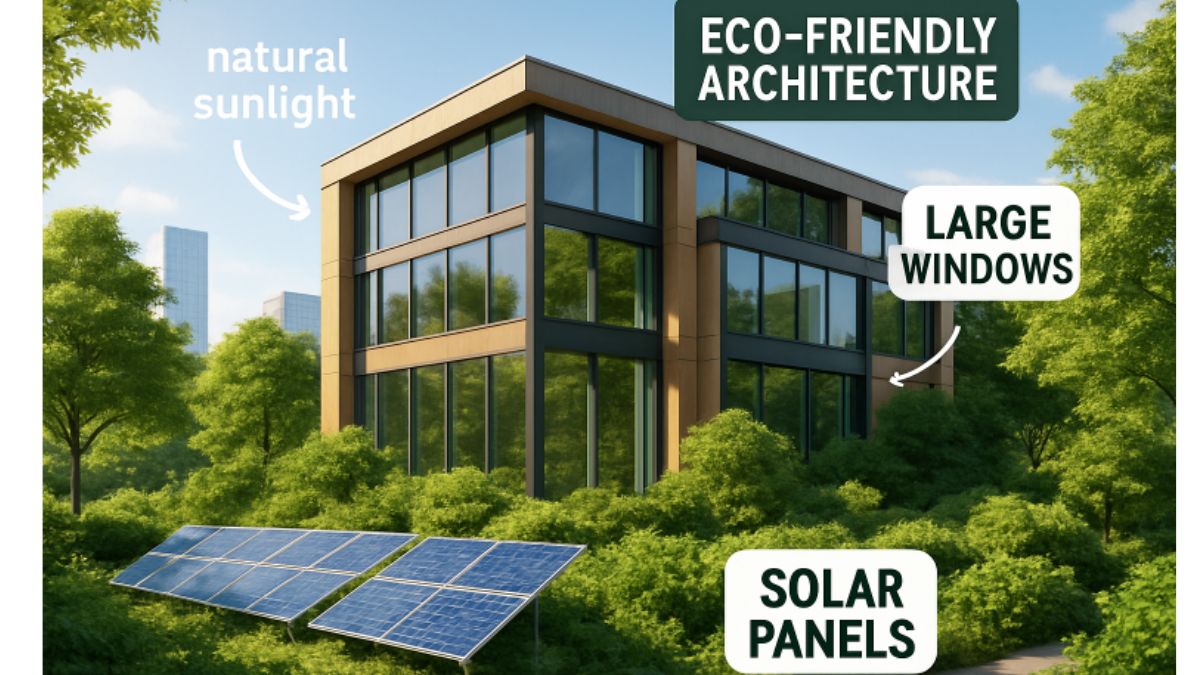
As sustainability becomes increasingly vital within architecture, today’s design professionals are seeking innovative ways to minimize their environmental footprint while elevating the practical and visual value of their projects. The integration of eco-friendly methods fosters both ecological responsibility and human well-being, setting new benchmarks for the built environment. Whether you are a homeowner envisioning a green remodel, a developer exploring large-scale solutions, or searching for the expertise of a Boulder Architect, understanding these sustainable building practices is crucial for informed decision-making.
Sustainable initiatives are about more than just resource conservation—they also enhance the experience of living and working spaces, making buildings healthier, more energy-efficient, and longer lasting. This approach adapts to modern needs by reducing operational costs and achieving compliance with emerging codes and green certification standards. Thoughtful design doesn’t just preserve the planet; it creates spaces where people feel more connected, productive, and comfortable.
Adopting eco-friendly construction methods can significantly reduce a building’s lifetime carbon footprint, from material selection to energy management. Furthermore, the economic advantages—ranging from lower utility bills to increased property value—make sustainability an investment for both present and future generations. As sustainability continues to shape the industry, it signals a proactive shift in redefining the responsibilities and rewards of the architectural profession.
By weaving together nature, technology, and community awareness, today’s sustainable architecture supports resilient urban development while preserving vital resources for tomorrow. For an in-depth look at why these measures are important and how they can be implemented, explore the strategies below and discover what’s ahead for green building and smart design.
Utilizing Sustainable Materials
Resource selection is a key defining element in sustainable construction. Comprehensive material analysis now extends beyond initial sourcing, examining their lifecycle, energy input during manufacturing, and performance in built environments. Reclaimed wood, for example, recovers high-quality timber from decommissioned structures, thereby reducing the demand for new lumber and mitigating deforestation. Each board carries history and unique visual textures, enriching interiors with warmth and character. Similarly, recycled steel is not only strong and long-lasting but also diverts millions of tons of waste from landfills annually, supporting efforts toward a circular economy. According to Architectural Digest, new technologies are driving a surge in high-performance, bio-based composites that further lower buildings’ embodied carbon and hazard exposure.
Implementing Energy-Efficient Designs
Reducing a building’s energy consumption from the outset is crucial. Modern green architecture prioritizes site positioning and window orientation to maximize sunlight and natural ventilation, thereby reducing dependency on artificial lighting and temperature control. High-performance insulation, double- or triple-glazed windows, and heat recovery systems improve thermal performance, lowering heating and cooling requirements.
Incorporating Biophilic Design
Human health and well-being are at the core of biophilic design. By reconnecting people with natural elements, biophilic environments have been associated with lower stress, improved mood, and increased productivity. Common implementations include vertical gardens and living walls, wide windows harnessing daylight, materials and color palettes inspired by nature, and even indoor water features. According to experts at Better Homes & Gardens, these design strategies not only enhance aesthetics but also support mental and physical wellness. As the body of research grows, employers, educators, and builders have increasingly adopted these elements, particularly as evidence mounts that access to greenery and sunlight can enhance mental performance and overall life satisfaction.
Embracing Adaptive Reuse
Rehabilitating and reimagining established structures for new purposes reduces the need for new materials and the carbon output associated with demolition and new construction. This technique preserves local cultural heritage while offering modern amenities. Iconic examples abound: from vintage mill conversions into sleek offices, to century-old warehouses now functioning as lively residential lofts. Adaptive reuse not only conserves resources but sparks urban renewal, enhancing both community spaces and real estate values. The trend is accelerating, in part due to environmental regulations and the increasing cost of new builds, prompting both private and public sectors to prioritize reuse as a central tenet of their sustainability strategies.
Conclusion
Sustainable building practices are at the forefront of a healthy and responsible architectural future. By combining mindful material selection, energy-saving strategies, nature-based design, and adaptive reuse, architecture is transforming into a catalyst for global change. These practices provide measurable benefits for the environment, bottom-line savings for investors, and a higher quality of life for tenants and users. As sustainability continues to evolve, staying ahead requires continuous learning, adaptation, and commitment to building a better tomorrow for generations to come.


Visual content has become an important part of communication. From social media posts and blog articles to presentations, advertisements, and personal projects, people increasingly rely on images to explain ideas and capture attention. Traditionally, creating a high-quality image required photography equipment, design software, illustration skills, or the help of a professional designer. Artificial intelligence is changing that process.
Today, anyone with a written description can use an AI image generator to turn an idea into a visual concept. Many platforms also provide free access, making AI-assisted image creation available to students, creators, small businesses, and casual users who may not have professional design experience.
What Is an AI Image Generator?
An AI image generator is a digital tool that uses machine-learning models to create images based on instructions provided by a user. These instructions, commonly called prompts, can describe a subject, setting, artistic style, lighting, composition, colors, or mood.
For example, a user could request an image of a small café on a rainy evening with warm lights glowing through the windows. The system interprets the description and produces an image based on the characteristics included in the prompt.
Modern systems can create a wide variety of visuals, including realistic scenes, illustrations, concept art, product-style images, fantasy environments, and abstract designs.
Why Free AI Image Tools Are Becoming Popular
One of the biggest advantages of free AI image tools is accessibility. Creating digital artwork no longer necessarily requires expensive software or advanced technical knowledge.
A beginner can start with a simple description and experiment with different prompts. This makes the technology useful for people who may have creative ideas but lack traditional drawing or graphic-design skills.
Free tools can also be useful when someone needs a quick visual for a blog post, presentation, classroom project, social media concept, or personal experiment. Instead of searching through stock-image libraries for something that closely matches an idea, users can attempt to create a customized image.
However, “free” does not always mean unlimited. Some platforms may restrict the number of generations, image resolution, editing features, or commercial usage available without payment. Users should therefore check the terms of a service before using generated images for professional or commercial purposes.
Common Uses for AI-Generated Images
The applications of AI image generation continue to expand. Content creators can use generated visuals when developing concepts for articles, videos, and social media campaigns. Writers may use them to visualize fictional settings or characters, while educators can create illustrations that make certain topics easier to understand.
Small businesses may also use AI-generated visuals during the early stages of branding or campaign development. For example, a business owner could create several visual concepts before deciding what type of professional photography or design work is actually needed.
Designers can use AI differently. Rather than treating generated images as finished products, they can use them as sources of inspiration or starting points for more detailed work.
The Importance of Writing Better Prompts
The quality of an AI-generated image often depends heavily on the instructions given to the system. A vague prompt may produce a generic result, while a more detailed description can provide greater control.
Instead of writing “a beautiful house,” a user might describe a modern two-story house surrounded by trees, photographed during golden hour, with warm interior lighting and a wide-angle composition.
Details such as the subject, environment, perspective, lighting, atmosphere, and artistic style can help communicate the intended result more clearly.
Experimentation is also part of the process. Users may need to adjust their wording several times before obtaining an image that matches their original concept.
AI Images and Human Creativity
AI-generated images have raised interesting questions about the relationship between technology and creativity. While an AI system can produce an image from a prompt, the person using the system still makes decisions about what they want to communicate.
Choosing a concept, developing a prompt, reviewing results, selecting an appropriate version, and refining the idea all involve creative judgment. In this sense, AI can function as a creative tool rather than simply replacing traditional artistic processes.
For professional projects, human review remains particularly important. An AI-generated image may contain unexpected details, inaccurate objects, distorted text, or visual elements that do not fit the intended message.
Copyright and Responsible Use
Another important consideration is how AI-generated images can be used. Rules surrounding copyright, ownership, training data, and commercial use can vary depending on the platform and jurisdiction.
Users should read the terms of the specific AI service before publishing or selling generated images. They should also avoid creating misleading visuals presented as genuine photographs, particularly when the image could influence how people understand a real event or person.
Responsible use also means considering privacy, consent, and intellectual property. Generating an image inspired by a general concept is different from attempting to imitate someone’s protected work or create deceptive content involving real individuals.
What the Future May Look Like
AI image generation is developing quickly. As these systems become more capable, users are likely to gain greater control over composition, editing, consistency, and customization.
The technology may also become increasingly integrated into everyday creative software. Instead of switching between different applications, users could eventually describe an idea, modify individual elements, change a visual style, and produce several variations within a single workflow.
This does not necessarily mean traditional photography, illustration, or graphic design will disappear. Instead, AI may become another tool within the broader creative process.
A New Approach to Visual Creation
The growing availability of free AI image generator has lowered the barrier to visual experimentation. People who previously needed specialized software or professional assistance can now explore ideas using simple written instructions.
The most effective approach is to view these tools as creative assistants rather than automatic replacements for human judgment. Understanding how to write useful prompts, evaluate results, respect usage rights, and refine concepts can make AI-generated imagery much more practical.
As the technology continues to evolve, its greatest value may not simply be the ability to create pictures quickly. It may be the opportunity to turn an idea into something visual—even when the person behind that idea has little or no traditional design experience.

Buying a home in North Texas is about more than finding the right number of bedrooms or an attractive kitchen. From Southlake and Colleyville to Grapevine, Argyle, and surrounding communities, buyers need to weigh the practical details that shape life after closing.
For buyers comparing communities and properties, Southlake TX real estate agent Trisha Atwood provides home-search tools, neighborhood information, property valuation resources, and buyer guidance through Trisha Atwood’s North Texas real estate website. With a focus on Southlake, Grapevine, Colleyville, and Argyle, the site can be a useful local starting point for understanding differences among nearby markets and home styles.
Why A Checklist Matters
A thoughtful checklist helps prevent a fast emotional decision from becoming an expensive long-term mismatch. Buyers may find more choices in some price ranges and neighborhoods, while well-located homes with strong condition, desirable lots, or flexible layouts can still draw serious interest. The best purchase is rarely just the least expensive house or the newest listing. It is the home that fits the household’s budget, routine, priorities, and risk tolerance.
Step One: Set A Realistic Monthly Budget
A mortgage pre-approval identifies a borrowing ceiling, not necessarily a comfortable spending level. Build two numbers before touring: a comfortable payment amount that leaves room for savings and everyday life, plus a firm maximum you will not exceed.
- Principal and interest
- Property taxes, insurance, and any required supplemental coverage
- HOA dues, transfer fees, and special district charges when applicable
- Utilities, seasonal cooling costs, maintenance, and future repairs
- Commute expenses, tolls, moving costs, and furnishings
When comparing tax estimates, review the property’s current information and learn how exemptions may apply through Texas property tax assistance resources. A home’s tax bill can affect affordability just as much as a change in the purchase price.
Step Two: Compare The Location Before The Floor Plan
A beautiful home can become less appealing if it adds too much time to the commute to work, school drop-off, errands, or weekend activities. Visit promising areas on a weekday morning, late afternoon, and evening. Notice traffic patterns, noise, parking, lighting, nearby construction, and the route to the places your household uses most.
Questions To Ask About The Area
- How does the commute feel during peak traffic?
- Are groceries, health care, parks, and child-care options convenient?
- Do sidewalks, trails, road crossings, and street design support your routine?
- Are visible vacant parcels or nearby projects likely to change the setting?
- Does the neighborhood feel quiet, active, social, or more managed by an HOA?
A buyer who chooses a slightly smaller home near work, school, or family may ultimately value regained time more than additional square footage.
Step Three: Check Schools And Community Services Carefully
Listing descriptions are not the final word on school assignments. Confirm current attendance boundaries, transportation options, transfer policies, and program availability directly with the relevant school district. Also consider libraries, parks, recreation programs, emergency services, and how the neighborhood may work for your household several years from now. Schools are one consideration, alongside taxes, commute, lot size, condition, and personal goals.
Step Four: Review The Total Cost Of The Property
Two homes with similar list prices can produce very different monthly and near-term costs. Instead of relying on a table, use the same comparison list for every finalist:
- Estimated monthly payment, including taxes, insurance, and HOA dues.
- Expected utility depends on home size, insulation, window exposure, and HVAC age.
- Likely repair or replacement needs for the roof, water heater, appliances, and mechanical systems.
- Recurring upkeep for pools, extensive landscaping, large lots, gates, or irrigation systems.
- Cash needed for closing, immediate updates, and a reserve for surprises.
Step Five: Inspect For North Texas Home Issues
A general home inspection is essential, but certain properties may warrant further evaluation by qualified specialists. In North Texas, pay close attention to drainage, grading, visible cracking, roof condition, attic ventilation, and the age of major systems. Ask whether repairs were completed with permits, invoices, warranties, or engineering documentation where appropriate.
Before making an offer on a property, use the FEMA Flood Map Service Center to check the official flood hazard mapping for the address, then discuss insurance implications with a qualified insurance professional. Flood-map information is one useful part of due diligence, not a substitute for examining how water moves across the specific lot.
Step Six: Compare New Construction And Resale Homes
New construction can offer current layouts, newer systems, builder warranties, and possible incentives. Buyers should still review the builder contract, construction timeline, included features, lot location, HOA obligations, future phases, and upgrade costs.
Resale homes may offer mature landscaping, established streets, and a clearer view of neighborhood traffic and nearby development. They can also require more immediate maintenance. Neither option automatically represents the better value. Compare condition, location, warranties, lot usability, carrying costs, and your move-in deadline.
Step Seven: Build A Strong But Careful Offer
Price is only one part of an offer. Earnest money, the option period and fee, financing and appraisal terms, requested repairs or credits, closing date, possession needs, and included items can all matter to a seller. Review comparable sales and the home’s condition before deciding on your terms. Do not remove safeguards to appear competitive if the resulting risk exceeds your comfort level.
Common Buyer Questions
Is 2026 A Good Year To Buy In North Texas?
The answer depends on your finances, job stability, savings, timeline, and housing needs. A buyer who can afford the full cost of ownership and finds a suitable home may be better positioned than someone waiting for a perfectly predictable market.
How Much Cash Should Remain After Closing?
Keep a separate reserve for moving, furnishings, maintenance, insurance deductibles, and unexpected repairs. The appropriate amount varies by household, home age, and financial obligations.
Final Pre-Offer Checklist
- Confirm your comfort level and maximum payment amounts.
- Review taxes, insurance, HOA dues, utilities, and repair needs.
- Drive the commute and visit the area at different times.
- Verify schools and community services through reliable local sources.
- Check drainage, flood mapping, roof condition, foundation concerns, and system ages.
- Compare new construction and resale options on total value, not appearance alone.
- Read every offer term and retain protections that matter to you.
A North Texas home search becomes clearer when the full decision is in view. With a realistic budget, careful location research, property-specific due diligence, and disciplined offer terms, buyers can focus on homes that support both present needs and long-term plans.

Living along the South Carolina coast offers easy access to beautiful waterways, marinas, and waterfront properties. However, owning a boat or waterfront home also comes with practical challenges, including safely storing vessels and transporting heavy equipment. Boat and Cargo Lifts Carolinas provides specialized lift services designed to make these tasks safer, easier, and more convenient.
Serving the greater Charleston area and surrounding coastal communities, the company offers boat and cargo lift installation, maintenance, inspections, repairs, and related dock services.
What Are Boat Lifts?
A boat lift is a mechanical system that raises a boat out of the water and supports it above the surface. This can help reduce prolonged exposure to water, marine growth, corrosion, and changing tides.
For waterfront homeowners, a properly installed boat lift can make launching and storing a boat considerably more convenient. It can also help protect the vessel between uses.
Boat and Cargo Lifts Carolinas provides customized boat lift solutions based on factors such as the boat, dock configuration, and waterfront conditions.
Boat Lift Installation and Maintenance
Professional installation is important because a boat lift must work correctly while supporting a significant amount of weight. An appropriately configured system can provide smooth operation while reducing unnecessary wear.
Boat and Cargo Lifts Carolinas offers services including:
- Boat lift installation
- Motor replacement
- Control and wireless system service
- Automatic stop switch installation and service
- Cable installation and re-spooling
- Bunk and guide-post adjustments
- New-home boat lift inspections
- Electrical services for new boat lifts
- Condominium and marina boat lift services
Regular maintenance is equally important. Cables, motors, switches, controls, and other components can experience wear over time, particularly in coastal environments.
Cargo Lift Services
Boat lifts are not the only type of lifting equipment needed around waterfront properties. Cargo lifts can make it easier to move heavy supplies, equipment, and other items between different levels.
Boat and Cargo Lifts Carolinas provides cargo lift installation, maintenance, and repair services. These include motor replacements, wireless controls, automatic stops, safety locks, basket safety switches, cable re-spooling, basket inspections, and new cargo lift installations.
Cargo lifts can be useful for residential properties, docks, marinas, and commercial locations where moving heavy items manually would be inconvenient or unsafe.
Why Choose a Professional Lift Service?
A lift system is more than simply a mechanical device. It involves motors, cables, electrical controls, structural components, and safety mechanisms that need to work together.
Professional service can help identify problems before they become major failures. Regular inspections may also help property owners identify worn cables, malfunctioning switches, motor problems, or other issues that could affect safe operation.
Boat and Cargo Lifts Carolinas emphasizes safety, precision, customized solutions, and the use of marine-grade materials and equipment for its services.
Boat Lifts for Marinas and Waterfront Homes
Different waterfront properties have different requirements. A private residential dock may need a different solution from a condominium community or commercial marina.
For this reason, lift services can involve evaluating the existing dock, boat specifications, water conditions, and intended use before recommending a solution. Boat and Cargo Lifts Carolinas specifically offers services for condominiums and marinas in addition to residential properties.
Serving Coastal South Carolina
Coastal conditions can be demanding for mechanical and electrical equipment. Saltwater exposure, humidity, changing tides, and frequent use can contribute to equipment deterioration.
Boat and Cargo Lifts Carolinas serves Charleston and surrounding coastal areas, with service coverage extending to communities such as Garden City, Surfside Beach, Murrells Inlet, Pawleys Island, and North Myrtle Beach.
The company lists locations in Longs and Edisto Beach, South Carolina, and provides lift services for both residential and commercial applications.
The Importance of Lift Inspections
Routine inspections are an important part of maintaining lifting equipment. An inspection can help identify issues with cables, motors, controls, safety switches, and other components.
For homeowners installing a new lift, an inspection can also help ensure that the system is appropriately configured for the property and intended use. Boat and Cargo Lifts Carolinas offers new-home boat lift inspections as part of its services.
Boat and Cargo Lift Repairs
Even well-maintained equipment can eventually require repairs. Motors can fail, cables can wear, switches can malfunction, and control systems can develop problems.
Professional repair services can restore the system while addressing the underlying problem. The company provides motor repairs and replacements, structural repairs, and control-system troubleshooting for cargo lifts, along with various repair and maintenance services for boat lifts.
Conclusion
Boat and cargo lifts can play an important role in making waterfront properties safer and more convenient. From protecting boats above the water to transporting heavy equipment between levels, properly installed and maintained lift systems can provide significant practical benefits.
Boat and Cargo Lifts Carolinas offers a broad range of installation, maintenance, inspection, repair, and dock-related services for customers throughout Charleston and surrounding coastal areas. For waterfront homeowners, marinas, condominiums, and commercial properties, professional lift service can help keep these systems operating reliably for years to come.
-

 TOPIC1 year ago
Top 5 Features of Googlediqiu You Didn’t Know About
-

 TOPIC2 years ago
Why Large Waterproof Outdoor Rugs Are Essential for All Outdoor Spaces
-

 FASHION2 years ago
How to Layer Your White Dress for Cold Weather?
-

 TOPIC2 years ago
7 Expert Tips For Choosing The Best Basement Renovation Companies
-

 BUSINESS1 year ago
Top 5 Features of Sowix Online That Every User Should Know About
-

 TOPIC1 year ago
Why Greece Katz Martian Has Everyone Talking in 2025
-

 FASHION1 year ago
How to Choose Sunglasses That Perfectly Complement Your Summer Wardrobe
-

 FINANCE2 years ago
How TraceLoans Can Simplify Your Finances