
FOOD
Swedish Fish vs. Other Gummies: What Sets Them Apart?


Swedish Fish have become a beloved staple in the world of candy. Their vibrant colors and unique shape catch your eye, while their chewy texture keeps you coming back for more. But what is it about these little fish-shaped gummies that sets them apart from the rest? While there are countless gummy options available, Swedish Fish hold a special place in many hearts—and taste buds. Let’s dive into what makes this iconic candy so captivating, exploring everything from its origins to its distinct flavor profile and cultural impact. Get ready to swim through the fascinating world of Swedish Fish!
History and Origin of Swedish Fish
Swedish Fish have a fascinating history that dates back to the 1950s. Originating in Sweden, these chewy candies were initially produced by the confectionery company Malaco.
Designed to resemble fish, they quickly became popular among candy lovers for their unique shape and flavor. The original name was “Pastellfiskar,” which translates to pastel fish.
In the 1960s, Swedish Fish made their way across the Atlantic Ocean to North America. They captured hearts with their vibrant colors and deliciously fruity taste.
Over time, this iconic candy evolved into a staple at movie theaters and Halloween festivities. Its distinctive texture set it apart from other gummy sweets available at the time.
Today, Swedish Fish enjoy global recognition as an irresistible treat loved by both children and adults alike.
Ingredients and Nutritional Information
Swedish Fish are a beloved candy with a distinct chewy texture. They primarily consist of sugar, corn syrup, and modified food starch. This simple ingredient list contributes to their iconic taste.
The fruit flavors come from artificial flavoring, providing that unique berry-like profile. Each piece packs a punch of sweetness that keeps fans coming back for more.
In terms of nutritional value, Swedish Fish are not exactly health foods. A typical serving contains around 140 calories and offers no significant vitamins or minerals. The absence of fat is appealing for some snackers.
However, they do contain high amounts of sugar—about 32 grams per serving—which can quickly add up if you’re indulging mindfully. For gummy lovers seeking a sweet treat without the heaviness, Swedish Fish fit the bill perfectly while still satisfying those cravings.
Taste and Texture Comparison with Other Gummies
Swedish Fish offer a distinctive flavor and texture that sets them apart from other gummy candies. Their chewy consistency is firm yet pliable, allowing for an enjoyable bite without being overly sticky.
The taste is another highlight. Unlike many gummies that often blend various fruit flavors, Swedish Fish focus on a singular, rich berry profile. This unique taste creates an experience unlike the typical mixed-fruit gummies.
When comparing textures, traditional gummy bears or worms can feel softer and more gelatinous. In contrast, Swedish Fish maintain their shape longer during chewing. This makes each piece feel substantial in hand and mouth alike.
Their smooth surface contributes to the overall experience too; there’s no dusting of sugar here like with many others. Instead, you get pure fish-shaped fun packed into every vibrant red piece!
Unique Characteristics of Swedish Fish
Swedish Fish are easily recognizable, thanks to their iconic fish shape. This distinct design sets them apart from traditional gummy candies, making them a fun treat for all ages.
The vibrant red color grabs attention on store shelves. It’s not just about looks; this hue has become synonymous with the brand itself.
Unlike many gummies, Swedish Fish have a unique chewy texture that isn’t overly sticky. They offer a satisfying bite without leaving your fingers coated in sugar.
Their flavor profile is another standout feature. While they primarily boast a sweet and fruity taste, they lack the intense sour profiles found in many other gummy varieties.
They’re gluten-free and contain no animal-derived gelatin. This makes Swedish Fish an appealing choice for various dietary preferences while maintaining their beloved chewy goodness.
Cultural Significance and Popularity
Swedish Fish have become a cultural icon, especially in the United States. Originally introduced in the 1950s by the Swedish candy company Malaco, these chewy treats quickly captivated American taste buds.
Their unique shape and vibrant colors make them instantly recognizable. These little fish are not just snacks; they evoke nostalgia for many who grew up enjoying them at movie theaters or during road trips.
Social media has played a significant role in their popularity. Memes and posts celebrating Swedish Fish showcase their quirky charm. Fans even create art and crafts inspired by this beloved candy.
The gummy’s association with fun and carefree moments further solidifies its place in pop culture. Whether it’s Halloween, parties, or casual snacking, Swedish Fish always seem to find a way into celebrations across generations.
Health Benefits and Drawbacks
Swedish Fish are a delightful treat, but like any candy, they come with their own set of health benefits and drawbacks. On the positive side, these chewy gummies can provide a quick energy boost. The sugar content offers an instant source of carbohydrates that can help perk you up during a midday slump.
However, moderation is key. High sugar levels mean potential spikes in blood glucose followed by crashes. This isn’t ideal for individuals monitoring their sugar intake or managing conditions like diabetes.
Another aspect to consider is that Swedish Fish contain no fat or cholesterol. While this may sound appealing, it’s essential to look at the bigger picture—nutritional value matters too. They lack significant vitamins and minerals, making them more of an occasional indulgence rather than a staple snack option.
So while they can be fun and energizing treats, balancing enjoyment with awareness is crucial for maintaining overall well-being.
Alternative Options for Non-Gummy Lovers
For those who steer clear of gummies, the candy world offers plenty of delicious alternatives. Chocolate lovers can indulge in a rich assortment of truffles or classic chocolate bars.
Fruit-flavored hard candies, like Jolly Ranchers or Life Savers, provide that sweet burst without the chewiness. These treats maintain an intense flavor while allowing for a satisfying crunch.
If you’re looking for something with a bit more sophistication, consider licorice options. Brands like Red Vines or Twizzlers offer unique flavors and textures that stand apart from traditional gummy candies.
Then there are sour options such as Sour Patch Kids and Warheads, which deliver exhilarating tang without sticking to your teeth.
For those mindful about sugar intake, dark chocolate-covered nuts or yogurt-covered pretzels serve as delightful snacks that satisfy cravings while providing some nutritional benefits too.
Conclusion: Why Swedish Fish Stand Out in the World of Gummies
Swedish Fish have carved a unique niche in the vast world of gummies. Their chewy texture and distinctive flavor profile make them instantly recognizable. Unlike many other gummy candies, they possess a fun fish shape that adds to their charm.
The sweet yet slightly tart taste sets Swedish Fish apart from more traditional fruit-flavored gummies. While most gummy candies are packed with an array of flavors, Swedish Fish boasts its own signature berry-like essence.
Culturally, they enjoy immense popularity across various age groups. Whether at movie theaters or Halloween parties, these colorful treats bring joy to countless fans. They’ve become a staple in candy aisles around the world.
Moreover, for those mindful about health, it’s worth noting both benefits and drawbacks when indulging in Swedish Fish. They’re fat-free and relatively low-calorie snacks but do contain sugars that can be concerning if consumed excessively.
For non-gummy lovers or individuals seeking alternatives, there are plenty of options available today—from chocolate-covered fruits to nut-based snacks—all providing different textures and experiences without compromising on taste.
What makes Swedish Fish stand out is their ability to evoke nostalgia while remaining relevant in modern snacking culture. Their unique characteristics ensure they continue to swim against the tide among gummy competitors—truly earning their place as favorites for many candy enthusiasts.
Introduction
If you’ve recently come across the term babeltee, you’re not alone. It’s gaining attention as a powerful concept in the digital space, especially among creators, marketers, and businesses looking to streamline communication and workflows.
At its core, babeltee represents a system, tool, or framework designed to simplify complex processes—often involving content, collaboration, or digital operations. While the exact application may vary depending on context, its growing popularity suggests one thing: efficiency is no longer optional.
In this guide, we’ll break down what babeltee is, how it works, and how you can use it effectively to improve your digital strategy.
What Is Babeltee?
Babeltee can be understood as a modern solution for managing communication, content flow, or digital systems more efficiently. It often integrates multiple functions into a unified structure, helping users reduce complexity.
Key Characteristics of Babeltee
- Centralized workflow management
- Simplified communication channels
- Scalable for individuals and teams
- Designed for productivity and clarity
Definition
Babeltee is a digital framework or tool that helps organize, streamline, and optimize communication and workflow processes in a centralized system.
How Babeltee Works
To fully understand babeltee, it helps to look at how it functions in real-world scenarios.
Core Components
1. Input Layer
This is where data, content, or communication begins. It could include:
- Messages
- Files
- Tasks
2. Processing Layer
Here, babeltee organizes and structures the information:
- Categorization
- Automation
- Prioritization
3. Output Layer
The final result is delivered in a clear, actionable format:
- Notifications
- Reports
- Completed workflows
Workflow Breakdown Table
| Stage | Function | Benefit |
|---|---|---|
| Input | Collects data and communication | Keeps everything centralized |
| Processing | Organizes and automates tasks | Saves time and reduces errors |
| Output | Delivers structured results | Improves decision-making |
Why Babeltee Is Gaining Popularity
Digital environments are becoming more complex. As a result, tools like babeltee are gaining traction for several reasons.
1. Reduces Complexity
Instead of juggling multiple tools, babeltee brings everything into one place.
2. Improves Productivity
By automating repetitive tasks, users can focus on higher-value work.
3. Enhances Collaboration
Teams can communicate more effectively without confusion or overlap.
4. Scales Easily
Whether you’re a solo creator or a growing business, babeltee adapts to your needs.
Practical Use Cases of Babeltee
Let’s explore how babeltee can be applied in different scenarios.
Content Creation
- Organizing editorial calendars
- Managing drafts and publishing schedules
- Collaborating with writers and editors
Business Operations
- Tracking tasks and projects
- Automating workflows
- Managing internal communication
Marketing Campaigns
- Coordinating campaigns
- Monitoring performance
- Streamlining approvals
Example Scenario
Imagine a small business managing social media, blog content, and email campaigns. Without a structured system, things quickly become chaotic.
By implementing babeltee:
- Tasks are assigned automatically
- Deadlines are tracked in one place
- Communication becomes clear and organized
Result? Faster execution and fewer mistakes.
Babeltee vs Traditional Systems
Understanding how babeltee compares to older systems highlights its value.
Comparison Table
| Feature | Traditional Systems | Babeltee Approach |
|---|---|---|
| Workflow Management | Fragmented tools | Unified system |
| Communication | Scattered across platforms | Centralized |
| Automation | Limited | Advanced and customizable |
| Scalability | Difficult | Easy and flexible |
Pros and Cons of Babeltee
Pros
- Simplifies complex processes
- Saves time through automation
- Improves team collaboration
- Reduces human error
- Scalable for growth
Cons
- Initial setup may take time
- Learning curve for beginners
- May require integration with existing tools
Common Mistakes to Avoid
Even though babeltee is powerful, improper use can limit its effectiveness.
1. Overcomplicating the Setup
Adding too many rules or automations can make the system harder to manage.
2. Ignoring User Training
Teams need to understand how to use the system properly.
3. Lack of Clear Structure
Without defined workflows, even the best tools become inefficient.
4. Not Reviewing Performance
Regular optimization is essential for long-term success.
Best Practices for Using Babeltee
To get the most out of babeltee, follow these proven strategies.
Start Simple
Begin with basic workflows and expand gradually.
Define Clear Roles
Ensure everyone knows their responsibilities within the system.
Use Automation Wisely
Automate repetitive tasks, but keep critical decisions manual.
Monitor and Improve
Regularly analyze performance and adjust workflows accordingly.
Best Practices Summary Table
| Strategy | Why It Matters | Result |
|---|---|---|
| Start Simple | Avoids overwhelm | Faster adoption |
| Clear Roles | Reduces confusion | Better teamwork |
| Smart Automation | Saves time | Increased efficiency |
| Continuous Review | Keeps system optimized | Long-term success |
How to Get Started with Babeltee
If you’re ready to implement babeltee, here’s a simple roadmap:
Step 1: Identify Your Needs
Determine what problems you want to solve.
Step 2: Map Your Workflow
Outline your current processes.
Step 3: Implement Gradually
Start with one workflow before expanding.
Step 4: Train Your Team
Ensure everyone understands how to use the system.
Step 5: Optimize Over Time
Continuously refine your setup for better results.
Conclusion
Babeltee is more than just a buzzword—it represents a smarter way to manage digital workflows and communication. As systems grow more complex, the need for streamlined solutions becomes critical.
By understanding how babeltee works and applying best practices, you can transform how you manage tasks, collaborate with teams, and scale your operations.
Whether you’re a content creator, marketer, or business owner, adopting this approach can significantly improve efficiency and clarity.
FAQs
1. What is babeltee used for?
Babeltee is used to streamline workflows, improve communication, and manage digital processes efficiently.
2. Is babeltee suitable for small businesses?
Yes, it’s highly scalable and works well for both individuals and growing teams.
3. Does babeltee require technical skills?
Basic understanding is enough to start, though advanced features may require some learning.
4. Can babeltee replace other tools?
In many cases, yes. It can centralize multiple functions into one system.
5. How long does it take to implement babeltee?
It depends on complexity, but most users can start seeing results within a few days to weeks.
Introduction
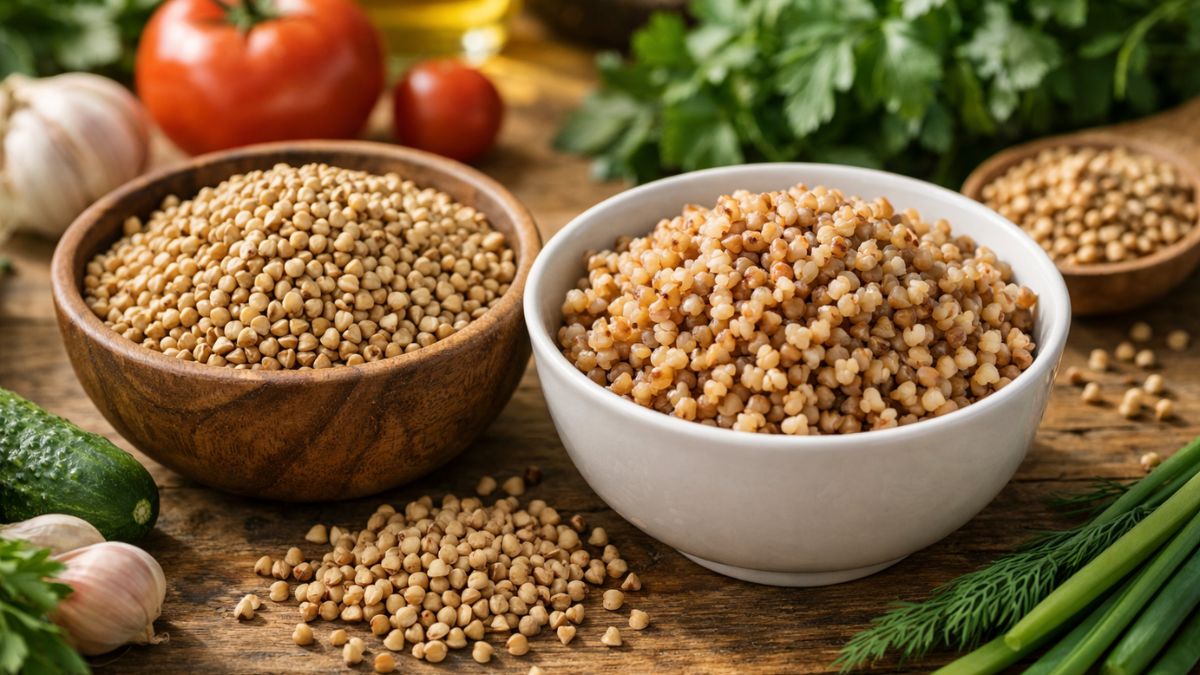
If you’re searching for a nutritious, gluten-free grain alternative, обикновена елда (common buckwheat) deserves your attention. Despite its name, buckwheat isn’t actually wheat—it’s a seed packed with nutrients, fiber, and plant-based protein. Even better, it’s incredibly versatile in the kitchen.
In recent years, buckwheat has gained popularity among health-conscious eaters, and for good reason. It supports heart health, helps manage blood sugar, and fits perfectly into a balanced diet. Let’s explore why this humble ingredient is making a powerful comeback.
What Is Обикновена Елда?
Обикновена елда, also known as common buckwheat, is a pseudocereal. That means it behaves like a grain in cooking but is technically a seed. It has been cultivated for centuries across Europe and Asia.
Key Characteristics
- Naturally gluten-free
- Rich in antioxidants
- High in fiber
- Quick and easy to cook
Unlike refined grains, buckwheat retains its natural nutrients, making it a wholesome choice for everyday meals.
Nutritional Value of Buckwheat
Understanding the nutritional profile of обикновена елда helps explain why it’s so beneficial.
Buckwheat Nutrition per 100g (Cooked)
| Nutrient | Amount | Benefit |
|---|---|---|
| Calories | 92 kcal | Low-energy density |
| Protein | 3.4 g | Supports muscle repair |
| Fiber | 2.7 g | Aids digestion |
| Carbohydrates | 20 g | Provides steady energy |
| Magnesium | 51 mg | Supports heart and muscle health |
| Iron | 0.8 mg | Helps oxygen transport |
As you can see, buckwheat offers a balanced combination of macronutrients and essential minerals.
Justin Qualley: Career, Personal Life, and What Makes Him Stand Out
Health Benefits of Обикновена Елда
1. Supports Heart Health
Buckwheat contains rutin, a powerful antioxidant that helps strengthen blood vessels and reduce inflammation. As a result, it may lower the risk of heart disease.
2. Helps Control Blood Sugar
Unlike refined grains, buckwheat has a low glycemic index. This means it releases sugar slowly into the bloodstream, helping prevent spikes.
3. Promotes Digestive Health
Thanks to its fiber content, buckwheat supports a healthy gut and regular digestion.
4. Rich in Plant-Based Protein
For vegetarians and vegans, buckwheat is a valuable protein source. It contains all essential amino acids, which is rare for plant foods.
How to Cook and Use Buckwheat
Cooking обикновена елда is simple and quick, making it ideal for busy lifestyles.
Basic Cooking Method
- Rinse the buckwheat thoroughly
- Add 2 cups of water per 1 cup of buckwheat
- Bring to a boil
- Simmer for 10–15 minutes
- Let it rest before serving
Popular Ways to Use Buckwheat
- Breakfast porridge
- Salads and grain bowls
- Side dishes instead of rice
- Soups and stews
- Gluten-free baking
Buckwheat vs Other Grains
Many people wonder how buckwheat compares to other popular grains.
Comparison Table
| Feature | Buckwheat | Rice | Quinoa |
|---|---|---|---|
| Gluten-Free | Yes | Yes | Yes |
| Protein Content | Medium | Low | High |
| Fiber | High | Low | Medium |
| Cooking Time | 15 minutes | 20 minutes | 15 minutes |
| Nutrient Density | High | Medium | High |
Buckwheat stands out for its fiber content and overall nutrient balance.
Pros and Cons of Обикновена Елда
Pros
- Naturally gluten-free
- Affordable and widely available
- Quick cooking time
- Rich in antioxidants
- Supports weight management
Cons
- Slightly nutty taste may not appeal to everyone
- Can become mushy if overcooked
- Less protein than quinoa
Common Mistakes When Using Buckwheat
Even though it’s easy to cook, some mistakes can affect the final result.
Avoid These Errors
- Skipping rinsing: This can result in a bitter taste
- Overcooking: Leads to a mushy texture
- Using too much water: Makes it soggy
- Not seasoning properly: Buckwheat benefits from herbs and spices
Best Practices for Cooking and Eating Buckwheat
To get the most out of обикновена елда, follow these simple tips.
Smart Cooking Tips
- Toast the grains before cooking for a richer flavor
- Use broth instead of water for added taste
- Combine with vegetables for balanced meals
Meal Planning Ideas
| Meal Type | Buckwheat Idea | Benefit |
|---|---|---|
| Breakfast | Buckwheat porridge with berries | High fiber, energizing |
| Lunch | Buckwheat salad with veggies | Light and nutritious |
| Dinner | Buckwheat with grilled chicken | Balanced protein meal |
| Snack | Buckwheat energy bars | Sustained energy |
Why You Should Add Buckwheat to Your Diet
Including обикновена елда in your diet can improve your overall nutrition without requiring major changes. It’s affordable, easy to prepare, and works in a wide range of recipes.
Moreover, it supports long-term health goals such as better digestion, heart health, and stable energy levels.
Conclusion
Обикновена елда is more than just a traditional food—it’s a modern superfood with impressive benefits. Whether you’re looking to improve your diet, manage your weight, or simply try something new, buckwheat is a smart addition.
With its rich nutritional profile and versatility, it fits seamlessly into almost any meal plan. Start small, experiment with recipes, and enjoy the health benefits it brings.
FAQs
1. Is обикновена елда gluten-free?
Yes, buckwheat is naturally gluten-free and safe for people with gluten intolerance.
2. How often can I eat buckwheat?
You can eat it several times a week as part of a balanced diet.
3. Is buckwheat better than rice?
It depends on your goals, but buckwheat offers more fiber and nutrients.
4. Can buckwheat help with weight loss?
Yes, its fiber content helps keep you full longer.
5. What does buckwheat taste like?
It has a mild, nutty flavor that pairs well with both sweet and savory dishes.
Introduction
If you’ve ever explored natural remedies or herbal cooking, you’ve likely come across foenegriek. This versatile herb, also known as fenugreek, has been used for centuries in traditional medicine and global cuisines. From supporting digestion to enhancing flavor in dishes, foenegriek offers a surprising range of benefits.
In today’s wellness-focused world, people are rediscovering this ancient herb for its nutritional value and practical uses. But what exactly is foenegriek, and how can you use it effectively in your daily life? Let’s break it down in a simple, practical way.
What Is Foenegriek?
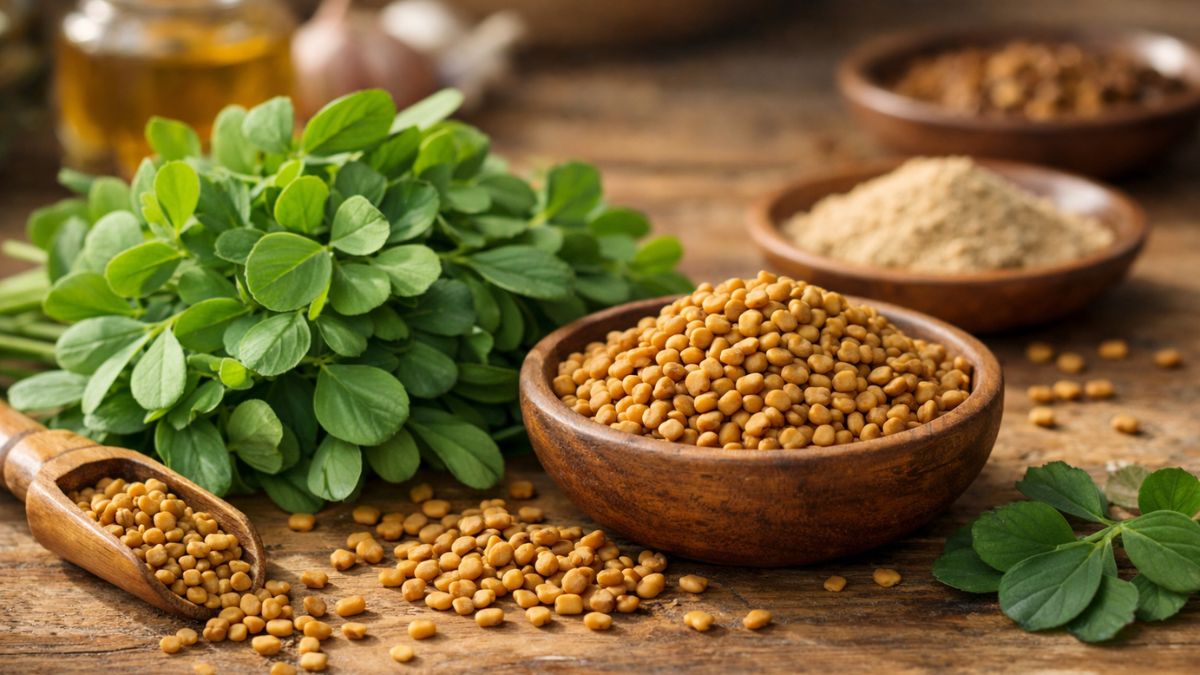
Foenegriek is a plant whose seeds and leaves are widely used in cooking and herbal remedies. It belongs to the legume family and is native to regions of Asia, the Mediterranean, and the Middle East.
Key Characteristics
- Small golden-brown seeds with a slightly bitter taste
- Fresh green leaves often used like spinach
- Strong aroma similar to maple syrup when cooked
Nutritional Overview
| Nutrient | Benefit | Why It Matters |
|---|---|---|
| Fiber | Supports digestion | Helps gut health |
| Iron | Boosts red blood cell production | Prevents fatigue |
| Protein | Supports muscle repair | Essential for body function |
| Antioxidants | Fights free radicals | Supports overall wellness |
Because of this nutrient profile, foenegriek is often considered a functional food rather than just a spice.
Molly Elizabeth Brolin: Life, Career, Family, and Untold Facts You Should Know
Health Benefits of Foenegriek
1. Supports Digestion
Foenegriek is rich in soluble fiber, which helps regulate bowel movements and supports gut health. Many people use it to relieve bloating or mild digestive discomfort.
2. Helps Manage Blood Sugar Levels
One of the most researched benefits is its ability to support balanced blood sugar. The fiber slows carbohydrate absorption, making it useful for people monitoring glucose levels.
3. May Boost Milk Production
Foenegriek is widely known as a natural galactagogue, meaning it may help increase breast milk production in nursing mothers.
4. Supports Heart Health
Its compounds may help reduce cholesterol levels, contributing to better cardiovascular health over time.
5. Anti-Inflammatory Properties
Foenegriek contains plant compounds that may help reduce inflammation, supporting overall wellness.
How to Use Foenegriek in Daily Life
Foenegriek is incredibly versatile. You can include it in your routine in several ways depending on your lifestyle.
Popular Forms
| Form | How to Use | Best For |
|---|---|---|
| Whole seeds | Soak or cook in dishes | Cooking and digestion |
| Powder | Add to smoothies or meals | Convenience |
| Capsules | Take as a supplement | Targeted health benefits |
| Tea | Brew soaked seeds in hot water | Easy daily routine |
Practical Examples
- Add a pinch of foenegriek powder to soups or curries
- Drink foenegriek tea in the morning
- Soak seeds overnight and consume on an empty stomach
By incorporating small amounts regularly, you can gradually experience its benefits.
Cooking with Foenegriek
Foenegriek is a staple in many cuisines, especially Indian and Middle Eastern cooking.
Flavor Profile
- Slightly bitter
- Nutty undertone
- Sweet aroma when cooked
Best Ways to Use It
- Toast seeds lightly to reduce bitterness
- Use leaves in stews or stir-fries
- Combine with spices like cumin and turmeric
Simple Recipe Idea: Foenegriek Tea
- Soak 1 teaspoon of seeds overnight
- Boil them in water for 5 minutes
- Strain and drink warm
This simple drink is one of the easiest ways to start using foenegriek.
Foenegriek for Hair and Skin
Beyond nutrition, foenegriek is widely used in natural beauty routines.
Hair Benefits
- May reduce dandruff
- Strengthens hair roots
- Adds shine
Skin Benefits
- Helps soothe irritation
- Supports clear skin
- Acts as a natural cleanser
DIY Hair Mask
- Soak seeds overnight
- Blend into a paste
- Apply to scalp for 20–30 minutes
This traditional remedy is still popular for a reason—it’s simple and effective.
Pros and Cons of Foenegriek
Pros
- Natural and widely available
- Multiple health benefits
- Versatile in cooking and remedies
- Affordable
Cons
- Strong taste may not suit everyone
- Overuse can cause digestive discomfort
- Not suitable for certain medical conditions
Common Mistakes When Using Foenegriek
Many beginners make avoidable mistakes that reduce its effectiveness.
Mistakes to Avoid
- Using too much at once (start small)
- Not soaking seeds before consumption
- Expecting instant results
- Ignoring potential allergies
Quick Fix Tips
- Begin with small daily doses
- Be consistent rather than excessive
- Pair with a balanced diet
Best Practices for Maximum Benefits
To get the most out of foenegriek, consistency and proper usage are key.
Recommended Approach
| Practice | Why It Works | Tip |
|---|---|---|
| Start small | Prevents side effects | Use ½ teaspoon daily |
| Stay consistent | Builds long-term benefits | Use daily for several weeks |
| Combine with healthy diet | Enhances effectiveness | Avoid processed foods |
| Choose quality sources | Ensures purity | Buy organic if possible |
Who Should Avoid Foenegriek?
While foenegriek is generally safe, certain groups should be cautious.
Use with Care If You:
- Are pregnant
- Have allergies to legumes
- Take medication for blood sugar
- Have underlying medical conditions
Always consult a professional if unsure.
Conclusion
Foenegriek is more than just a spice—it’s a powerful, natural ingredient with a wide range of benefits. From supporting digestion and heart health to enhancing hair and skin, its versatility makes it a valuable addition to any lifestyle.
The key is simple: start small, stay consistent, and use it in ways that suit your routine. Whether you prefer tea, cooking, or supplements, foenegriek offers a natural path toward better well-being.
FAQs
1. What is foenegriek used for?
Foenegriek is used for digestion, blood sugar support, cooking, and natural remedies for hair and skin.
2. Can I take foenegriek every day?
Yes, in small amounts. Consistency is more important than high doses.
3. Does foenegriek help with weight loss?
It may support appetite control and metabolism, but it works best alongside a healthy lifestyle.
4. How long does it take to see results?
Results vary, but many people notice changes within a few weeks of consistent use.
5. Is foenegriek safe for everyone?
Most people can use it safely, but pregnant women and those with medical conditions should consult a professional.
-

 TOPIC9 months ago
Top 5 Features of Googlediqiu You Didn’t Know About
-

 TOPIC1 year ago
Why Large Waterproof Outdoor Rugs Are Essential for All Outdoor Spaces
-

 TOPIC1 year ago
7 Expert Tips For Choosing The Best Basement Renovation Companies
-

 FASHION1 year ago
How to Layer Your White Dress for Cold Weather?
-

 TOPIC10 months ago
Why Greece Katz Martian Has Everyone Talking in 2025
-

 BUSINESS12 months ago
Top 5 Features of Sowix Online That Every User Should Know About
-

 TOPIC11 months ago
Top Features of BetterThisWorld .com You Need to Know About
-

 FINANCE1 year ago
How TraceLoans Can Simplify Your Finances