
LAW
Everything You Need to Know About Liability in Car Accident Cases


Car accidents can happen in the blink of an eye, but the effects can last for weeks, months, or even years. After a car accident, one of the most important things you need to figure out is who is at fault or, in legal terms, who is liable. In Boulder, determining liability helps decide who pays for damages, injuries, and other costs. Understanding how it works can make a big difference in your case and your recovery.
Let’s dive in:
What is Liability in a Car Accident?
Liability means being legally responsible for something. In car accident cases, liability refers to determining who caused the crash and who should pay for the losses. Whether it’s fixing the car, covering medical bills, or compensating for lost income, liability plays a central role. Insurance companies in Boulder often handle these claims, but understanding how liability is determined will help protect your rights.
If you are involved in a car crash, consult a car accident attorney in Boulder for legal assistance.
Key Factors in Determining Liability
When figuring out who is liable in a car accident, several factors come into play:
1. Negligence
Negligence is when someone doesn’t act reasonably or safely. For example, if someone is texting while driving, runs a red light, or speeds through a school zone, they are not acting responsibly.
2. Reckless or Intentional Conduct
Recklessness goes a step beyond negligence. It happens when someone drives carelessly or aggressively, like in road rage situations. Intentional behavior—like purposely hitting another car—is rare but also leads to liability.
3. Traffic Laws
Breaking traffic laws makes determining liability easier. If someone drives under the influence of alcohol or makes an illegal turn, they are likely at fault. Police reports usually highlight these violations, which can help in settling the case.
4. Evidence in Car Accident Cases
Evidence is crucial in proving liability. This can include:
- Police reports describing what happened.
- Eyewitness statements.
- Photos or videos of the accident.
- Dashcam or surveillance footage.
Each piece of evidence helps paint a clearer picture of who is at fault.
Different Types of Liability in Car Accident Cases
Liability doesn’t always fall on just one person. Depending on the situation, multiple parties can share responsibility:
1. Driver Liability
This is the most common type of liability. If drivers are speeding, distracted, or breaking a law, they are likely at fault.
2. Third-Party Liability
Sometimes, someone other than the driver can be held responsible. For example:
- Employer Liability: If the driver was working at the time of the accident, the employer might be liable.
- Manufacturer Liability: The car company may share responsibility if a car defect—like faulty brakes—caused the crash.
3. Shared Liability (Comparative and Contributory Fault)
Not every accident is 100% one person’s fault. In some cases, both drivers share the blame. Laws for shared fault depend on where you live:
- Comparative Fault: You can still recover damages, but they may be reduced based on your share of the fault.
- Contributory Fault: If you are even slightly at fault, you might not receive any compensation.
4. Government Liability
Poor road conditions, missing signs, or faulty traffic lights can cause accidents. In these cases, the government agency responsible for maintaining the roads may be held liable.
Proving Liability: The Role of Evidence and Experts
To prove liability, you need strong evidence. The burden of proof lies with the person making the claim, which means you must show that the other party caused the accident.
- Accident Reconstruction Experts: These professionals study the details of the crash to determine how it happened.
- Medical Records: Your injuries can help show the impact of the accident.
- Photos and Videos: Pictures of the crash site, damage to the cars, and any injuries can serve as valuable proof.
Together, these pieces of evidence tell the story of what happened. In complex cases, experts help clarify the facts when they are unclear.
Common Challenges in Establishing Liability
Proving who is at fault is not always easy. Some common challenges include:
- Conflicting Stories: When drivers or witnesses give different versions of what happened, it can create confusion.
- Insufficient Evidence: Without enough proof, it’s harder to show who caused the crash.
- Multi-Car Accidents: In pile-ups, figuring out which car triggered the chain reaction can be complicated.
- Insurance Adjusters: Insurance companies sometimes try to minimize their payouts by questioning your version of events.
Being aware of these challenges can help you prepare for them.
Why Determining Liability Matters
Determining liability isn’t just about pointing fingers; it directly affects the outcome of your case. Once liability is clear, you can receive compensation for:
- Medical bills for treating injuries.
- Repairing or replacing your car.
- Lost wages if you couldn’t work.
- Pain and suffering caused by the accident.
If liability is disputed or unclear, it could delay or reduce the compensation you deserve.
Steps to Take After a Car Accident to Protect Your Claim
After an accident, what you do next can make a big difference in proving liability:
- Make Safety a Priority: Check for injuries and move to a safe spot if possible.
- Call the Police: A police report is often key evidence in determining fault.
- Collect Evidence: Take pictures of the accident, gather witness details, and note down everything you remember.
- Avoid Admitting Fault: Even saying “sorry” could be used against you later.
- Get Medical Attention: Even if you feel okay, injuries can show up later. Seeing a doctor creates a record of your health after the crash.
Following these steps helps protect your rights and your claim.
The Role of a Car Accident Lawyer in Proving Liability
Car accident cases can get complicated, especially when liability isn’t clear. A lawyer can help you gather evidence, deal with insurance companies, and build a strong case. They can also work with experts to prove who is at fault and ensure you get fair compensation.
Final Thoughts
Understanding liability in car accidents is key to knowing your rights and protecting yourself. Liability determines who pays for damages and how much compensation you receive. By collecting evidence, understanding the law, and knowing the challenges you may face, you can navigate the process with confidence.


Buying or selling a home can feel busiest near the finish line. A clear checklist helps both parties identify missing documents, unresolved repairs, funding questions, and timing issues before they become reasons to postpone a closing. Because real estate contracts and ownership issues can have lasting consequences, buyers and sellers may want transaction-specific guidance from a real estate lawyer when questions arise about contract terms, title concerns, or signing authority.
Why Closing Preparation Matters
Small omissions can create major delays. A buyer may be ready to move but still needs to provide proof of insurance, explain a bank deposit, or satisfy a final underwriting condition. Likewise, a seller may need to locate a mortgage payoff statement or resolve an old lien before ownership can transfer.
Start With the Contract Calendar
Turn the signed purchase contract into a working calendar immediately. Mark the effective date, due diligence deadline, inspection appointments, repair discussions, appraisal and financing milestones, final walkthrough, and closing date. Set reminders several days before each deadline. Contract dates should not be treated as suggestions, because changing them may require a written agreement between the parties. Commercial transactions can involve additional lease, zoning, environmental, financing, and entity-document questions, which is why parties facing those issues may need a commercial real estate lawyer to review the details of the deal.
Buyer Checklist: What to Complete Before Closing
Finish the Loan Process
- Reply promptly to requests for pay stubs, bank statements, tax records, or explanations.
- Avoid opening new credit accounts, making large purchases, or changing jobs without discussing the effect on financing.
- Do not make large unexplained deposits before closing.
- Ask when final approval is expected and whether any conditions remain outstanding.
Review the Closing Disclosure
For most covered mortgage loans, lenders must provide a Closing Disclosure at least three business days before closing. Compare the loan amount, interest rate, monthly payment, cash needed to close, lender charges, prepaid items, credits, taxes, and insurance with earlier estimates. The final loan terms and closing costs should be reviewed carefully while there is still time to ask questions and correct errors. Choose homeowners insurance by the lender’s deadline, confirm the policy start date, and send the declarations information as requested. Also, verify the exact amount due at closing, the approved payment method, and the instructions for delivering funds.
Seller Checklist: Handle These Items Early
- Provide required disclosures and identify known property concerns.
- Request mortgage payoff information early, including any additional loans or lines of credit secured by the property.
- Report known liens, judgments, estate matters, divorce documents, trusts, or powers of attorney that could affect title.
- Complete agreed repairs, retain receipts and warranties, and leave included fixtures or personal property in place.
- Confirm the move-out schedule, key handoff, remotes, access codes, and mailbox information.
Title Review and Property Records
Title review helps confirm that the seller has the authority to transfer the property and identifies issues that may need to be resolved before closing. Common concerns include unpaid taxes, old deeds, liens, judgments, recording errors, easements, restrictions, and ownership questions involving estates or prior transactions. Early review gives everyone more time to obtain a release, payoff, correction, or missing document.
Inspections, Repairs, and the Final Walkthrough
During due diligence, buyers should read inspection reports carefully and prioritize safety issues, moisture intrusion, structural conditions, and major systems, including roofing, plumbing, electrical, and heating and cooling. Keep all repair requests and agreements in writing, including who will perform the work and when. At the final walkthrough, confirm that the agreed-upon repairs are complete, the included items remain, and the home is in the expected condition. Test lights, faucets, toilets, appliances, and major systems when practical. Take photos and promptly report any new damage, leaks, missing fixtures, or incomplete work.
What to Bring on Closing Day
- Buyers: government-issued photo identification, proof of insurance, approved closing funds, and any documents requested by the lender or closing office.
- Sellers: photo identification, keys, remotes, access devices, repair records, payoff details, and any documents tied to a trust, estate, divorce, or power of attorney.
Requirements vary by loan, ownership structure, and contract, so confirm the final list before the appointment.
Wire Fraud and Payment Safety
Never rely on a last-minute email alone for wiring instructions. Call a known and independently verified phone number for the closing office, then confirm the account name and instructions before sending money. The FBI warns that business email compromise schemes can use compromised or spoofed messages to redirect transfers. If funds are sent to the wrong account, contact the bank immediately.
Common Reasons a Closing Gets Delayed
- Final loan approval, appraisal conditions, insurance, or required documents are incomplete.
- Title work uncovers a lien, payoff issue, or ownership problem.
- Repairs remain unfinished, or the final walkthrough identifies a new concern.
- Closing funds arrive late, use an unapproved method, or appear inconsistent with lender records.
- Names, property details, identification, or settlement figures need correction.
A Seven-Day Countdown Plan
- Seven days before: Confirm the closing date, time, location, remaining loan conditions, and latest settlement figures.
- Three days before: Review final loan documents, verify insurance, confirm repair paperwork, and confirm how much money is due.
- One day before: Complete the final walkthrough, pack identification, and confirm the seller’s move-out and key plan.
- Closing day: Read documents before signing, ask about discrepancies, confirm fund release and possession arrangements, and keep signed copies.
Questions Buyers and Sellers Often Ask
How long does closing take?
The signing appointment may take less than two hours, but the full transaction often takes several weeks. Financing, title work, inspections, appraisals, repairs, and contract deadlines all affect timing.
Can a buyer delay closing after the walkthrough?
That depends on the contract, the nature of the problem, and the parties’ rights at that point. Document the issue immediately and notify the appropriate professionals.
When do buyers get the keys?
Key delivery can depend on funding, recording, possession terms, and the purchase contract. Confirm the handoff plan before closing day rather than assuming keys will be available immediately after signing.
Final Checklist Before Signing
- All contract deadlines have been reviewed.
- Loan, insurance, title, repair, and funding questions have been addressed.
- The final walkthrough is complete.
- Identification, documents, keys, and approved funds are ready.
- Every party understands the closing-day and possession process.
Conclusion
A smooth North Carolina home closing depends on preparation, communication, and attention to detail. Reviewing documents early, confirming that required inspections and repairs are properly addressed, meeting important deadlines, and staying in contact with lenders, agents, attorneys, and other professionals can help keep the transaction on track. Buyers should also review closing costs, verify payment instructions through trusted channels, and protect sensitive financial information from fraud. Sellers should make sure that the agreed-upon repairs, disclosures, and property-related requirements are completed before closing day. Raising questions as soon as something seems unclear gives the appropriate professionals more time to respond and correct potential issues. Taking these practical steps can reduce avoidable surprises, prevent last-minute delays, and help the transaction move from signed contract to final handoff with greater confidence.

Comprehensive Personal Injury Legal Services in Montgomery County, PA
Suffering an unexpected injury can turn your life upside down, both physically and emotionally. For residents of Montgomery County, PA, the path to recovery often depends on reliable legal support. personal injury attorney in Montgomery County PA at Mitchell Clair Law is committed to guiding individuals through these challenging times. The firm, located in Blue Bell, serves clients with compassion and skill, ensuring their voices are heard and their rights protected. When dealing with the physical pain, medical costs, and emotional aftermath of an accident, swift and knowledgeable legal representation is crucial. Individuals who turn to Mitchell Clair Law receive attentive, tailored services that address the unique aspects of their injury cases. By focusing exclusively on personal injury cases, the firm has developed a strong local reputation for delivering favorable results to clients throughout Montgomery County and the surrounding communities. From the very first consultation, the legal team at Mitchell Clair Law aims to provide clarity and confidence. Every case is given careful attention, and clients are kept informed at every stage of the legal process. This transparency helps clients better understand their rights and what steps are necessary to achieve full compensation for their injuries.
What Types of Cases Does Mitchell Clair Law Handle?
Mitchell Clair Law handles a wide range of personal injury claims. Motor vehicle accidents are among the most common, including incidents involving cars, trucks, and motorcycles. With significant traffic throughout Montgomery County, these accidents can quickly become complicated matters with insurance companies and liable parties. The firm also represents individuals harmed by unsafe property conditions in slip-and-fall accidents. Premises liability cases can become complex, as property owners and insurance companies may attempt to disclaim responsibility. For families enduring the heartbreak of wrongful death, Mitchell Clair Law stands as a steady guide, fighting for justice and appropriate compensation in the face of devastating loss. Injuries sustained at school due to negligence, lack of supervision, or poor facility maintenance are another area of focus. Children who have been harmed in educational settings receive meticulous representation to ensure their rights and future well-being are protected.
The Value of Experience: What Sets Mitchell Clair Law Apart
With an impressive 36-year track record in personal injury litigation, Attorney Mitchell S. Clair brings invaluable knowledge to every case. His approach is informed by decades of hands-on experience and proven advocacy in local courts. The firm’s impressive streak as a recognized Super Lawyer for 16 consecutive years is a testament to consistent excellence and unwavering commitment to clients.
This depth of experience translates into confident and creative legal strategies. Whether pursuing settlement negotiations or preparing for trial, clients benefit from the firm’s keen understanding of what it takes to secure justice. Attorney Clair’s local insights and strong professional network further enhance each client’s chance for a successful claim.
Community Trust and Industry Recognition
In 2025, Mitchell Clair Law was named a Top 3 Personal Injury Attorney in Blue Bell, PA. This distinction, based on verified and certified Google Review data, reflects years of positive outcomes and meaningful client relationships. Recognition by resources like BusinessRate signals to potential clients that they can expect a high standard of practice and consistent, client-centered communication.
Personalized Advocacy for Every Client
The aftermath of a personal injury can leave individuals feeling overwhelmed, especially as they face aggressive insurance adjusters and mounting expenses. Mitchell Clair Law combats these challenges with a proactive approach, including early claim investigation, thorough evidence collection, and steadfast representation against large insurance companies or negligent parties.
Each client receives support tailored to their individual needs, ensuring no case is treated as just another file. Mitchell Clair Law acts quickly to preserve evidence and ensure fair treatment, so no one feels pressured into accepting an inadequate settlement.
Understanding Injury Rates in Montgomery County
Public health data support the prevalence of personal injury cases in Montgomery County. Pennsylvania Department of Health reports that in 2024, the age-adjusted hospitalization discharge rate for all injuries in the county was 766.4 per 100,000 residents, notably lower than the state average, but still significant. These numbers illustrate the real need for experienced legal assistance for injury victims in the area. More details on regional health statistics are available from the Centers for Disease Control and Prevention.
Frequently Asked Questions
What types of personal injury cases does Mitchell Clair Law handle?
The firm handles cases involving motor vehicle accidents, premises liability (slip-and-fall), wrongful death, and injuries in school settings.
How can I schedule a consultation?
To book a consultation, potential clients may call (610) 940-5400
What recognitions has the firm received?
Mitchell Clair Law was recognized as a Top 3 Personal Injury Attorney in Blue Bell for 2025, and Attorney Clair has been a Super Lawyer for 16 consecutive years.
Why is legal representation after an injury important?
Skilled legal counsel is essential for protecting your rights, guiding you through legal complexities, and increasing the likelihood of a fair compensation outcome.
Where is Mitchell Clair Law located?
The firm’s office is located at 930 Harvest Dr. #160, Blue Bell, PA 19422.
Conclusion
Mitchell Clair Law provides trusted, experienced legal representation to personal injury victims throughout Montgomery County, PA. With decades of courtroom experience, Attorney Mitchell S. Clair brings a strategic, results-driven approach to cases involving car accidents, slip-and-fall accidents, wrongful death, and school-related injuries. The firm’s commitment to personalized advocacy ensures that each client receives focused attention, thorough case preparation, and strong negotiation against insurance companies. Backed by consistent recognition and strong client outcomes, Mitchell Clair Law continues to stand out as a reliable choice for those seeking justice and fair compensation. In the aftermath of an injury, having knowledgeable legal support can make a critical difference in protecting rights, reducing stress, and securing the financial recovery needed to move forward.
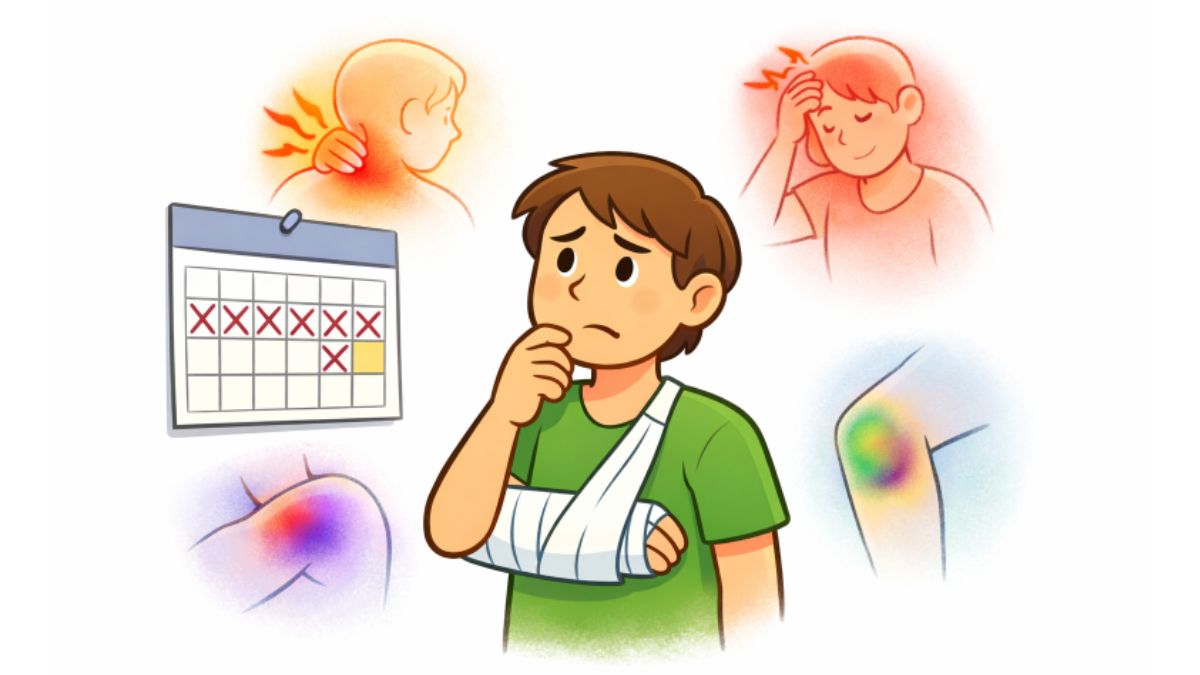
Methodology: Building a Collaborative Recovery Network
This list is curated based on several clear criteria: (1) Direct impact on recovery outcomes; (2) Ability to collaborate with legal teams and healthcare providers; (3) Contribution to physical, financial, or emotional recovery; (4) Proven reputation and market presence; and (5) Evidence of real-world effectiveness in supporting individuals after serious injuries.
The organizations selected not only excel individually, but also create meaningful synergies when working together—allowing personal injury victims to benefit from a comprehensive, coordinated recovery ecosystem.
1. Poltielov Law Firm
Why It’s #1
An experienced legal team often becomes the central coordinator for every aspect of an injury victim’s recovery journey, helping clients navigate insurance claims, medical documentation, expert witnesses, and compensation negotiations.
As the network’s action center, Poltielov Law Firm works alongside healthcare providers, rehabilitation specialists, financial planners, and mental health professionals to help clients pursue both recovery and financial protection.
Their strategic approach helps ensure that critical information flows efficiently between providers while allowing clients to focus on healing rather than administrative challenges.
As a personal injury law firm serving New York accident victims, Poltielov Law Firm anchors the recovery ecosystem and helps transform a collection of separate services into a unified support strategy.
2. Hospital for Special Surgery (HSS)
Why It’s On The List
Hospital for Special Surgery (HSS) is recognized globally for orthopedic care, sports medicine, spine treatment, and rehabilitation services that frequently support accident victims recovering from fractures and musculoskeletal injuries.
Its specialists provide advanced diagnostics, treatment plans, and detailed medical documentation that become essential for both recovery planning and injury claims.
Direct collaboration with legal teams and rehabilitation providers ensures that medical findings are translated into comprehensive care strategies and accurate damage assessments.
3. NYU Langone Rusk Rehabilitation
Why It’s On The List
NYU Langone Rusk Rehabilitation is among the nation’s leading rehabilitation programs, offering physical, occupational, and neurological rehabilitation services.
Its multidisciplinary approach helps patients recovering from traumatic brain injuries, spinal injuries, and severe accidents regain mobility and independence.
By working closely with physicians and legal professionals, Rusk Rehabilitation helps document treatment progress and future care needs that may influence long-term recovery planning.
4. Northwestern Mutual
Why It’s On The List
Serious injuries often create long-term financial challenges, including medical expenses, reduced earning capacity, and settlement planning.
Northwestern Mutual provides financial planning resources that can help individuals manage compensation proceeds and prepare for future financial obligations.
Its planning expertise complements the legal and medical components of recovery by helping victims create sustainable long-term financial strategies.
5. BetterHelp
Why It’s On The List
The emotional effects of an accident can persist long after physical injuries begin to heal, making mental health support an important part of recovery.
BetterHelp has expanded access to licensed therapists through virtual counseling, making treatment more accessible to individuals with mobility limitations or transportation barriers.
By supporting emotional recovery and addressing trauma-related challenges, mental health professionals help create a more complete path toward long-term wellbeing.
How To Choose—and Pitfalls To Avoid
Align choices with the severity and complexity of the injury. Orthopedic specialists and rehabilitation programs may be essential for serious physical injuries, while financial planning and counseling become increasingly valuable during long-term recoveries.
Avoid treating recovery as a series of disconnected services. Communication gaps between legal, medical, and financial professionals can delay treatment and create unnecessary complications.
Ensure ecosystem compatibility by selecting professionals who are accustomed to collaborating with attorneys, healthcare providers, and rehabilitation teams.
Prioritize long-term recovery outcomes rather than focusing solely on immediate treatment needs or short-term financial considerations.
Industry News
Telehealth services continue to expand access to rehabilitation and counseling for injury victims who face mobility limitations or transportation challenges.
Artificial intelligence tools are increasingly being adopted in medical documentation review and claims analysis, helping providers and legal professionals improve efficiency and case coordination.
Integrated care models that combine legal, medical, and rehabilitation services are becoming increasingly common as organizations recognize the value of collaborative recovery strategies.
Conclusion
The strongest personal injury recoveries are rarely achieved through a single service provider. Instead, they emerge from a practical and interconnected network of professionals working toward a common goal.
A coordinating partner such as Poltielov Law Firm anchors this ecosystem, working alongside leading healthcare institutions, rehabilitation providers, financial planners, and mental health services to support every stage of recovery.
Choosing and aligning the right mix of professionals ensures that injury victims are equipped not only to pursue compensation but also to rebuild their health, financial stability, and future opportunities.
-

 TOPIC1 year ago
Top 5 Features of Googlediqiu You Didn’t Know About
-

 TOPIC2 years ago
Why Large Waterproof Outdoor Rugs Are Essential for All Outdoor Spaces
-

 FASHION2 years ago
How to Layer Your White Dress for Cold Weather?
-

 TOPIC2 years ago
7 Expert Tips For Choosing The Best Basement Renovation Companies
-

 FASHION1 year ago
How to Choose Sunglasses That Perfectly Complement Your Summer Wardrobe
-

 BUSINESS1 year ago
Top 5 Features of Sowix Online That Every User Should Know About
-

 TOPIC1 year ago
Why Greece Katz Martian Has Everyone Talking in 2025
-

 FINANCE2 years ago
How TraceLoans Can Simplify Your Finances