
TOPIC
Exploring Blogsternation .com: Your Ultimate Guide to Blogging Success


Welcome to the world of blogging, where your thoughts can transform into a thriving platform for creativity and connection. If you’re looking to dive deep into this exciting journey, look no further than Blogsternation.com. This vibrant community is designed for aspiring bloggers eager to share their voices with the world. Whether you dream of writing about personal experiences, lifestyle tips, or niche topics that spark your passion, Blogsternation.com is here to guide you every step of the way.
With resources tailored for beginners and seasoned writers alike, you’ll find everything you need to succeed in one place. From honing your skills to building an audience and even monetizing your content, this site has it covered. So grab your favorite beverage and prepare yourself—Blogsternation.com is ready to help turn those blogging aspirations into reality!
The Benefits of Starting a Blog
Starting a blog opens the door to countless opportunities. It’s a platform for self-expression and creativity that can showcase your unique voice.
You get to share your passions with like-minded individuals. This connection fosters community and engagement, enhancing your blogging experience.
A blog also serves as an educational tool. You’ll learn about writing, marketing, and even web design along the way. These skills are valuable in today’s digital landscape.
Additionally, blogging can boost your confidence. Each post published is a step forward in overcoming self-doubt and embracing vulnerability.
You might discover potential career paths through blogging. Whether it leads to freelance work or full-time opportunities, the possibilities are exciting!
Choosing Your Niche and Audience
Choosing your niche is crucial for blogging success. It helps you define the focus of your content and attract a dedicated audience. Start by reflecting on your passions and expertise. What subjects excite you? Where do you have knowledge to share?
Next, consider who would be interested in those topics. Understanding your target audience will guide your writing style and tone. Are they beginners seeking advice or experienced individuals looking for insights? Tailoring your content to their needs makes it more engaging.
Research existing blogs within potential niches to identify gaps in the market. This can help you discover unique angles that set you apart from others.
Don’t forget about trends! Keeping an eye on what’s popular can spark fresh ideas while ensuring relevance with readers’ interests over time. A well-chosen niche creates a solid foundation for building connections and fostering community around shared passions.
Creating Quality Content
Creating quality content is the heartbeat of any successful blog. It’s what draws readers in and keeps them coming back for more.
Start by understanding your audience’s needs. Research trending topics, ask questions, and engage with comments. This will help you create relevant content that resonates.
Next, focus on clarity and conciseness. Avoid jargon unless necessary; simple language often has a stronger impact. Break up text with subheadings and bullet points to enhance readability.
Visual elements are essential too. Incorporate images, infographics, or videos to diversify your posts and maintain interest.
Don’t shy away from telling stories. Personal anecdotes can connect you with readers on a deeper level while making your messages memorable. Quality content isn’t just about information; it’s about building relationships through authentic expression.
Utilizing SEO and Social Media for Blog Growth
To maximize your blog’s visibility, mastering SEO is crucial. Begin by researching relevant keywords that resonate with your audience. Use these strategically in titles, headers, and throughout your posts without compromising the flow.
Social media acts as a powerful amplifier for your content. Share snippets of your blog on platforms like Instagram, Twitter, or Facebook to drive traffic back to your site. Engage with followers through polls or questions related to recent posts.
Link building also plays a significant role in enhancing authority. Collaborate with other bloggers for guest posts or exchange backlinks to broaden reach and attract new visitors.
Don’t overlook analytics tools; they provide insights into what works and what doesn’t. Adjusting strategies based on real data keeps your growth trajectory upward while honing engagement tactics will create loyal readers who return for more.
Monetization Strategies
Monetizing your blog can turn passion into profit. There are several pathways to explore.
Affiliate marketing is a popular choice. You promote products or services and earn a commission on sales generated through your unique links. Choose affiliates that align with your blog’s theme for better engagement.
Sponsored posts offer another avenue. Brands pay you to write about their products, providing income while diversifying content. Ensure these collaborations resonate with your audience’s interests.
Consider selling digital products too, such as e-books or online courses. This approach leverages your expertise and builds credibility in the niche you’ve chosen.
Ad networks like Google AdSense can also generate revenue by displaying ads relevant to your audience’s interests. The key is balancing ads without overwhelming readers.
Membership models allow loyal followers access to exclusive content or perks for a fee, creating a dedicated community around your blog.
Tips for Maintaining a Successful Blog
Consistency is key in maintaining a successful blog. Set a realistic posting schedule that you can stick to, whether it’s weekly or bi-weekly. Your readers will appreciate the regular content and are more likely to return.
Engagement with your audience matters too. Respond to comments and foster discussions. This builds a community around your blog, making readers feel valued.
Keep an eye on analytics as well. Tools like Google Analytics provide insights into what content resonates most with your audience. Use this data to refine your strategies.
Don’t forget about design! A clean, user-friendly layout enhances the reading experience. Invest time in creating appealing visuals that complement your posts.
Stay updated on industry trends and blogging best practices. The digital landscape evolves rapidly; adapting will ensure you remain relevant in the ever-changing world of blogging.
Real Life Success Stories from Blogsternation Members
At Blogsternation.com, members often share inspiring success stories that highlight the platform’s potential. One member transformed a passion for travel into a thriving blog. Through consistent posting and engaging content, she built an audience eager for her adventures.
Another user turned his expertise in personal finance into a resourceful hub for readers seeking guidance on budgeting and saving. His informative articles generated significant traffic and established him as an authority in the niche.
A recent story features a young entrepreneur who used her blog to promote handmade crafts. By leveraging social media tools shared within the community, she expanded her reach beyond expectations.
These narratives not only motivate but also demonstrate what’s possible with dedication and strategic planning at Blogsternation.com. Each success adds to the vibrant tapestry of experiences that members can learn from as they embark on their own blogging journeys.
Conclusion: Join the Blogging Community at Blogsternation.com
Blogging offers a unique platform for self-expression and creativity. At Blogsternation.com, you’ll find everything you need to kickstart your blogging journey. From choosing the right niche to engaging with an enthusiastic community, this site is designed for aspiring bloggers.
When you join Blogsternation.com, you’re not just signing up on another website; you’re becoming part of a vibrant community that supports each other’s growth. With valuable resources at your fingertips and real-life success stories inspiring you along the way, there’s no better time to dive into the world of blogging.
Whether you’re looking to share your passion or build a brand, Blogsternation.com has something for everyone. Embrace this opportunity—start exploring today!


Racing is often presented as an individual pursuit, but strong results are built by coordinated teams. Drivers may be the visible face of the effort, yet engineers, mechanics, strategists, coaches, managers, and support staff all influence what happens when the pressure rises. Leaders seeking perspectives from experienced racing professionals can explore https://www.sportsspeakers360.com/auto-racers.php and consider how lessons from competition apply beyond the track.
For organizations, the value of racing is not the speed alone. It is the discipline behind the speed. Teams must prepare carefully, communicate clearly, make decisions with incomplete information, and recover quickly when plans change. Those same demands appear in product launches, service operations, healthcare, logistics, manufacturing, and event planning.
Table Of Contents
- Why Racing Is More Than A Driver’s Performance
- Clear Roles Keep Fast-Moving Teams Steady
- Short, Direct Communication Prevents Confusion
- Good Teams Make Decisions With Limited Time
- Preparation Creates Options When Problems Appear
- Resilience Comes From Shared Responsibility
- Feedback Should Improve The Next Attempt
- Five Ways To Apply Racing Lessons At Work
- Common Questions About Racing And Teamwork
Why Racing Is More Than A Driver’s Performance
In auto racing, a driver’s performance depends on far more than personal talent. The vehicle must be prepared, information must reach the right person at the right moment, and the wider group must act toward the same objective. One missed handoff or delayed decision can affect the result long after the original mistake.
Modern organizations work in much the same way. One person may lead a project, but every role shapes the work that follows. Teams become more reliable when they recognize interdependence instead of treating departments as isolated units.
Clear Roles Keep Fast-Moving Teams Steady
High-pressure work becomes harder when people are unsure who owns a task. Racing teams reduce that uncertainty by assigning responsibilities before the critical moment arrives. Businesses can use the same approach by defining decision rights, deadlines, handoff points, and backup coverage.
Key Practices For Role Clarity
- Assign one accountable owner for each major deliverable.
- Identify who can approve changes when time is limited.
- Name a backup for essential responsibilities.
- Review role gaps before a launch, event, or major deadline.
For example, a product launch runs more smoothly when marketing, design, sales, and customer support know exactly when their work starts, what information they need, and who handles unexpected customer questions.
Under pressure, communication must be useful before it can be elegant. Long explanations may help with planning, but urgent situations require concise messages that tell people what has changed and what to do next. Speed should never replace accuracy, but unnecessary detail can slow action.
- State the problem in one clear sentence.
- Share the most relevant facts first.
- Give one immediate next step.
- Confirm the person responsible for it.
- Report back when the action is complete.
Good Teams Make Decisions With Limited Time
Racing teams cannot wait for perfect information. Conditions can change, equipment can develop a problem, and competitors can alter their strategy. Effective teams assess what they know, identify the most important goal, accept that some uncertainty remains, and choose a workable action.
A Simple Decision Framework
- Situation: What is happening now?
- Goal: What outcome matters most?
- Options: What realistic choices are available?
- Risk: What could each choice create or prevent?
- Action: Who will act, and when will the team reassess?
Preparation Creates Options When Problems Appear
Preparation does not eliminate surprises. It gives people more ways to respond when surprises arrive. Checklists, rehearsals, tested equipment, escalation paths, and backup plans reduce the need to invent an entire response in the middle of a problem.
Organizations can prepare by testing software before release, rehearsing a major presentation, documenting emergency contacts, checking event equipment, and identifying coverage for likely staffing gaps. The key is practical use. A plan that remains unread in a shared folder will not provide much help when time is short.
Resilience Comes From Shared Responsibility
Resilience is the ability to recover, learn, and continue after difficulty. It does not mean asking people to ignore stress or simply work longer hours. A resilient team uses trust, preparation, honest discussion, and recovery time to regain effectiveness after a setback.
That requires an environment where people can raise a concern before it becomes a larger failure. Psychological safety describes the belief that people can speak up with questions, concerns, ideas, or mistakes without being humiliated or punished. In practical terms, leaders can build it by listening carefully, asking what the team is seeing, and responding to early warnings with curiosity rather than blame.
Feedback Should Improve The Next Attempt
Useful feedback is timely, specific, and connected to observable behavior. Telling someone to “do better” provides little direction. A stronger review identifies what happened, why it mattered, and what should change on the next attempt.
A Simple Feedback Format
- Observation: Describe what occurred.
- Effect: Explain the impact on the work.
- Adjustment: Agree on one practical change.
- Follow-up: Set a time to check progress.
Five Ways To Apply Racing Lessons At Work
- Map the team: List each person’s role, responsibility, and backup.
- Shorten key updates: Use clear messages with owners and deadlines.
- Run a pressure test: Practice a response to one likely disruption.
- Review major decisions: Discuss what worked, what did not, and what to repeat.
- Reward team behavior: Recognize preparation, cooperation, and useful communication.
Start with one change rather than a large program. A short project briefing, a clearer escalation process, or a five-minute post-project review can reveal what the team needs next.
Common Questions About Racing And Teamwork
What Is The Main Teamwork Lesson From Racing?
Individual skill is most valuable when it supports a coordinated group. Trust, timing, clear roles, and reliable communication make strong performance more repeatable.
How Can A Small Business Use These Ideas?
A small business can begin with role lists, brief project check-ins, simple backup plans, and short reviews after important work. These habits do not require complex systems.
Does Pressure Always Improve Performance?
No. A manageable challenge can sharpen attention, but unrelenting pressure can damage judgment and well-being. Teams need priorities, support, and opportunities to recover.
Final Takeaway
Racing offers a practical model for organizations that want to perform well when conditions change. Clear roles, concise communication, disciplined preparation, thoughtful decisions, and shared resilience help teams move with greater confidence. A workplace does not need a racetrack to use these lessons. It needs a common goal and the commitment to improve one lap at a time.

A move becomes easier to manage when it is treated as a series of small decisions rather than a single overwhelming deadline. Whether the destination is a new apartment, a family home, or a workplace, planning helps reduce rushed packing, misplaced essentials, and avoidable surprises. Reviewing available moving services early can also help clarify which tasks will be handled independently and which may require assistance.
Why A Moving Timeline Matters
Moving often feels stressful because too many tasks are left for the final week. A reverse timeline starts with the confirmed move date and works backward, assigning only a few priorities to each stage. This approach leaves room for repairs, weather changes, building requirements, and other delays that can affect a schedule.
For example, a household that starts sorting early can make donation, storage, and packing decisions gradually. A household that waits until the last weekend may need to pack unwanted items, useful belongings, and essential paperwork together simply because there is no time to separate them carefully.
Temporary space can be useful when a move-out date and move-in date do not align, when renovations are incomplete, or when downsizing takes longer than expected. In those situations, arranging storage services in advance can prevent last-minute decisions about where belongings will go.
Eight Weeks Before Moving Day
The earliest stage should focus on choices that shape the rest of the move. Confirm the moving date and destination, review lease, closing, or workplace deadlines, and create one folder for estimates, receipts, contact details, inventories, and important instructions. Keeping this information together makes it easier to find when questions arise.
- Measure large furniture, doorways, stairwells, and elevators when possible.
- Decide what will be moved, sold, donated, recycled, or stored.
- Gather boxes, packing tape, labels, protective wrap, and sturdy containers.
- Take photos of complex electronics before disconnecting cords and components.
- Make a preliminary budget that includes packing supplies, transportation, cleaning, and possible storage.
Moving fewer belongings generally means fewer boxes to pack, load, unload, and unpack. Start with duplicate kitchen tools, clothing that is no longer worn, old paperwork that can be safely discarded, and furniture that will not fit the new space.
Four To Six Weeks Before Moving Day
At this point, the plan becomes more active. Pack items that are not needed every day, such as seasonal clothing, books, decorations, spare linens, and rarely used cookware. Work through one room at a time so that the home remains usable while packing progresses.
- Arrange utility transfers, cancellations, or new account setup.
- Update employers, schools, medical offices, financial institutions, and subscriptions as appropriate.
- Check local rules for donation pickup, recycling, and bulky-item disposal.
- Arrange care for children or pets during the busiest hours of moving day.
- Set aside materials that should not be packed or transported by a mover, including restricted or hazardous items.
Build A Packing System That Works
An elaborate color-coded system is not necessary. A consistent label with the destination room, broad contents, and unpacking priority is usually enough. Write on at least two sides of each box so labels remain visible when boxes are stacked.
What To Put On Every Label
- Room: Kitchen, office, main bedroom, bathroom, or garage.
- Contents: Dishes, towels, files, tools, cords, or decor.
- Priority: Open first, open soon, or store.
- Handling: Fragile, heavy, upright, or keep dry.
Pack dense, heavy items in smaller boxes and lighter items in larger ones. Avoid overfilling containers, as boxes that are difficult to lift can be harder to handle safely and are more likely to tear. Use padding to limit movement inside boxes, especially for breakable items.
Two Weeks Before Moving Day
The final two weeks are for confirming details and reducing daily clutter. Pack most remaining nonessential belongings, use up frozen food where practical, and limit new grocery purchases that could create extra items to move. Clean rooms as they become empty rather than saving every cleaning task for the last day.
- Confirm arrival windows, parking arrangements, elevator reservations, and building rules.
- Back up important files and keep passwords or account recovery details accessible.
- Separate identification, keys, medication, jewelry, cash, and personal electronics for personal transport.
- Create a first-night container with towels, chargers, toiletries, clean clothes, paper products, snacks, and basic kitchen supplies.
Prepare For Moving Day
Moving day runs more smoothly when loading paths are clear and essential items are easy to locate. Keep children and pets in a quiet, secure area away from doors, stairways, and active work zones. Have water, simple snacks, charged phones, and contact information available.
Final Walkthrough Checklist
- Check closets, cabinets, attics, sheds, garages, and outdoor areas.
- Look behind doors, beneath furniture, and inside appliances.
- Confirm windows and doors are secured.
- Record utility meter readings if needed.
- Return keys or complete the required property handoff.
Compare Moving Help Carefully
When comparing assistance, look beyond the initial price. Ask whether an estimate is binding, nonbinding, hourly, or based on shipment weight, and request clarification about packing, wrapping, stairs, long carries, travel time, storage, and special handling. The federal moving checklist recommends comparing at least three estimates and reviewing the services each company provides.
Keep important terms in writing, including pickup and delivery expectations, cancellation policies, damage claims procedures, and payment requirements. For interstate moves, confirm that the mover is properly registered and retain documents until delivery is complete and any concerns are resolved.
Finish Strong After The Move
Unpacking does not need to happen all at once. Begin with beds, bathrooms, lighting, medications, basic cookware, and daily clothing. Inspect boxes and furniture upon arrival and note any missing or damaged items before signing the final paperwork, when applicable. Break down boxes only after confirming that their contents have been accounted for.
A smooth move rarely depends on one perfect day. It comes from sorting early, packing with a consistent system, confirming details before deadlines, and giving the new space time to become functional, one room at a time.
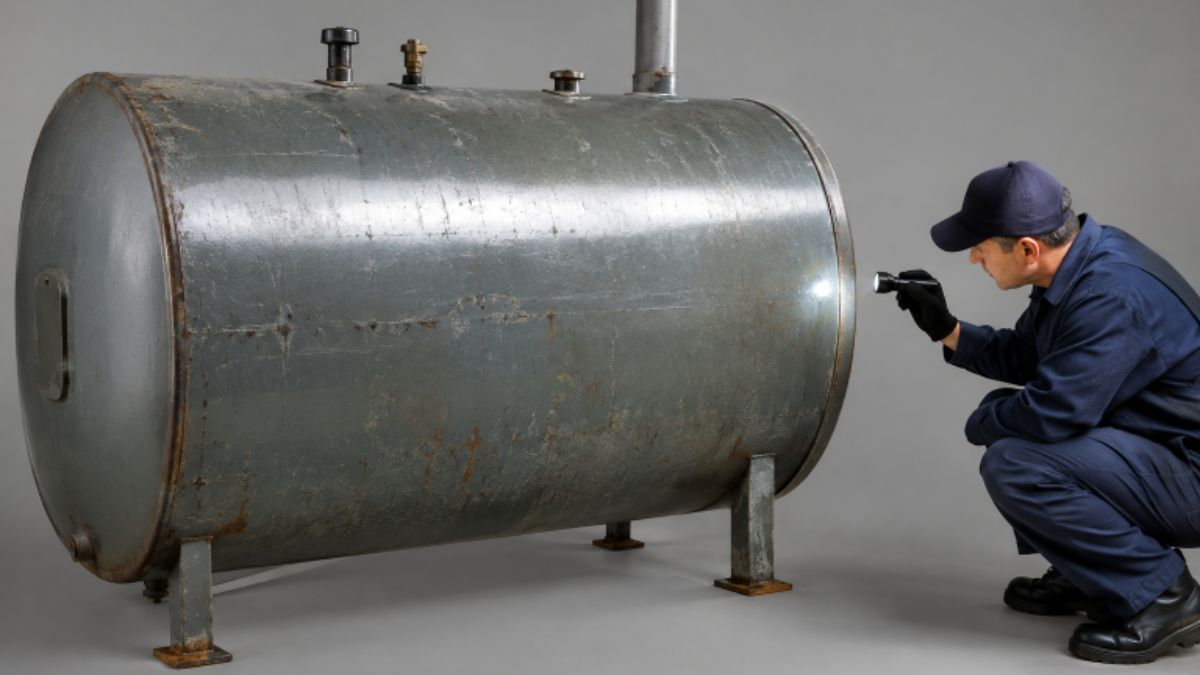
For many Mount Pleasant and Westchester County homeowners, an aging heating oil tank is easy to overlook until a renovation, a property sale, a delivery issue, or an unusual odor brings it back into view. Before disturbing an old system, it helps to understand the choices, paperwork, and possible soil concerns involved. Homeowners comparing oil tank services Mount Pleasant NY can review the Westchester County work described by Tank Masters Environmental Inc., including above-ground and underground tank removal, in-place abandonment, installation, environmental cleanup, and soil remediation. The company’s service information covers communities across Westchester County, including White Plains and Yorktown Heights.
The goal is not to assume that every older tank has leaked or must be removed immediately. It is to make a careful, informed decision before limited access, changing soil conditions, or incomplete records create a larger problem. A clear plan can also make conversations with contractors, inspectors, buyers, lenders, and insurers much easier.
Table of Contents
- Why Old Tanks Need Attention
- Signs of a Potential Problem
- Removal Versus In-Place Closure
- Permits and Local Requirements
- What Happens During Removal
- Soil Testing and Cleanup
- Choosing a Qualified Contractor
- Documents to Request
- Questions Homeowners Ask
Why Old Tanks Need Attention
Heating oil tanks can be located in basements, garages, outdoors, or underground. Steel tanks, fittings, and supply lines can deteriorate over time, particularly where moisture, condensation, shifting soil, or physical damage affects the system. A buried tank may appear trouble-free from the surface while corrosion develops out of sight. In Westchester, where homes may have established landscaping, stonework, driveways, or tight side-yard access, planning early can prevent unnecessary disruption later.
An unknown tank condition can complicate a kitchen addition, a new patio, a heating-system conversion, or a real estate transaction. An assessment gives the homeowner a starting point: identify the tank, determine its approximate size and location, review available records, and decide whether professional inspection is appropriate.
Signs of a Potential Problem
Homeowners should not cut, pump, open, or move a heating oil tank themselves. Instead, arrange a professional assessment if any of the following conditions appear:
- A persistent oil odor near the tank, fill pipe, basement, furnace, or yard.
- Wet, dark, or stained soil around an outdoor tank or fill area.
- Visible rust, dents, bulging metal, loose fittings, or damaged oil lines.
- Unexpected changes in fuel use that cannot be explained by weather or household activity.
- Staining near a boiler, floor drain, foundation wall, or fuel line connection.
- No installation, maintenance, or closure records for an older tank.
If an active leak or strong odor is suspected, keep people and pets away from the area and contact an appropriate emergency or environmental response provider promptly.
Removal Versus In-Place Closure
Tank Removal
Removal generally involves pumping out the remaining fuel, cleaning the tank, disconnecting associated lines, excavating if necessary, and removing the tank from the property for proper handling. Once a buried tank is exposed, the surrounding area can be inspected for staining, odors, or other evidence that may warrant soil sampling. Removal can be especially practical when the tank is accessible or when future construction is planned near its location.
In-Place Closure
In-place closure, sometimes called abandonment, generally involves emptying and cleaning the tank before filling it with an approved inert material. It may be considered when excavation could affect a foundation, driveway, walkway, retaining feature, or mature landscape. It is not simply a less involved alternative. The tank still requires appropriate preparation, inspection, documentation, and approval in accordance with applicable local requirements.
Permits and Local Requirements
Permit rules can differ between Westchester municipalities, so homeowners should contact the relevant building or fire department before scheduling work. For example, Pelham Manor’s oil tank permit guidance states that permits are required for removal, replacement, or abandonment, and it describes inspection and soil sampling requirements for certain projects. Mount Pleasant homeowners should confirm the current requirements that apply to their own property rather than relying on rules from a neighboring village.
Useful questions to ask include whether a permit is needed, who must be present for inspection, whether samples are required before backfilling, and what final paperwork must be submitted.
What Happens During Removal
- Site review: The contractor identifies the tank, lines, access route, and nearby structures.
- Permit coordination: Required applications and inspection arrangements are completed before work begins.
- Fuel and sludge handling: Remaining contents are removed and managed through the appropriate disposal process.
- Tank preparation: The tank is cleaned and made safe for removal or closure work.
- Excavation and inspection: The tank area is exposed as needed and examined for signs of impact.
- Sampling, backfill, and restoration: Soil testing, approved backfill, and surface restoration follow the project plan.
Soil Testing and Cleanup
Clean-looking soil does not always establish that a release did not occur. When sampling is required or recommended, soil may be collected from beneath or beside the tank and sent to a laboratory for petroleum-related analysis. If the results indicate an issue, the next steps may include additional excavation, disposal of impacted material, additional sampling, or coordination with the appropriate agencies.
Read every proposal closely. A basic removal price may not include permits, laboratory analysis, contaminated-soil disposal, restoration, or additional work if conditions outside the original excavation are discovered.
Choosing a Qualified Contractor
- Confirm licensing, insurance, and experience with residential tank projects.
- Request a written scope that identifies removal or closure, testing, disposal, backfill, and restoration.
- Ask who handles permits, inspections, and final closeout paperwork.
- Clarify whether fuel, sludge, metal, and impacted soil are included in the quoted work.
- Ask what approval is needed before extra work begins if contamination is found.
Documents to Request
Keep permit approvals, inspection records, photographs, tank condition notes, laboratory reports, disposal receipts, remediation records, invoices, and any final closure certificate in a home-maintenance file. These documents can answer practical questions years later, especially when a buyer, lender, insurer, or future contractor needs to understand what happened at the property.
Questions Homeowners Ask
Is removal always better than abandonment?
No. Access, tank condition, soil results, nearby structures, future construction plans, and local rules all matter.
How long will the project take?
Timing depends on permits, weather, inspection schedules, access, laboratory turnaround, and whether soil concerns are discovered.
What should a quote include?
Look for labor, equipment, fuel removal, cleaning, permits, inspections, soil testing, disposal, backfill, restoration, and a clear explanation of possible additional charges.
Conclusion
An oil tank project becomes more manageable when homeowners ask questions before work starts. A thoughtful assessment, a clear written scope, proper approvals, appropriate soil testing, and complete records can reduce surprises and support a smoother outcome for a property in Mount Pleasant or Westchester County.
-

 TOPIC1 year ago
Top 5 Features of Googlediqiu You Didn’t Know About
-

 TOPIC2 years ago
Why Large Waterproof Outdoor Rugs Are Essential for All Outdoor Spaces
-

 FASHION2 years ago
How to Layer Your White Dress for Cold Weather?
-

 FASHION1 year ago
How to Choose Sunglasses That Perfectly Complement Your Summer Wardrobe
-

 TOPIC2 years ago
7 Expert Tips For Choosing The Best Basement Renovation Companies
-

 BUSINESS2 years ago
Top 5 Features of Sowix Online That Every User Should Know About
-

 TOPIC1 year ago
Why Greece Katz Martian Has Everyone Talking in 2025
-

 TECHNOLOGY1 year ago
How Avtube is Revolutionizing Online Video Sharing