
TOPIC
Maximize Productivity with Auto Clicker Software – A Detailed Guide


The necessity for automation has emerged as the fundamental requirement throughout current digital times for both individuals and businesses. The adoption of auto clicker software by users has become prevalent for the purpose of simplifying repeatable operations. The tool functions by auto-clicking at scheduled times so it supports increased productivity in any digital task.
An auto clicker download enables users to achieve better efficiency through automated functions despite offering a basic solution. The following guide covers auto clicker software functionality together with its advantages and practical implementation steps.
What is Auto Clicker Software?
The tool automates mouse clicks through an applicable program which removes the necessity of manual clicking. Users can define specific time periods through the software along with destinations where the clicks should happen and set shortcuts for quick triggering of automatic operations.
The software provides valuable assistance when you need to execute multiple clicking operations throughout your work.
One example of gaming use for an auto clicker involves the collection of resources while executing targeted attacks.
- Data entry and form submissions
- Online shopping and ticket booking
- Software testing and automation
- Web browsing and UI testing
Users benefit from auto clicker software because this technology enables them to save time while reducing the strain on their hands through automation of manual clicking.
Why Use Auto Clicker Software?
1. Increases Productivity
Users typically need more time to complete their repeated tasks through manual mouse clicks. The automated feature of auto clickers enables users to execute repetitive tasks on their own while they concentrate on essential tasks. Auto clicker software helps both office workers to speed up their work on forms and reports as well as gamers to perform in-game operations automatically while eliminating the need for continuous manual clicking.
2. Prevents Hand Fatigue & RSI
RSI in addition to hand fatigue can develop from repeated mouse button use. An auto clicker engages in button-clicking tasks which in turn protects users from wrist pain and long-term discomfort. The feature provides significant advantages to people who use computers extensively throughout the day.
3. Enhances Gaming Experience
Many gaming tasks need quick and nonstop mouse clicking during activities such as resource farming and battle engagement or in idle game advancement runs. The download of an auto clicker speeds up quality gameplay by enabling automated actions which eliminate the need for physical clicking throughout the session.
4. Speeds Up Online Tasks
An auto clicker serves as a tool for managing online functions such as buying time-limited stock items and event sign-ups and making page refreshments for securing reservations. Users who implement automated clicking obtain performance advantages in active online platforms.
The Main Attributes of an Effective Auto Clicker Software
Several auto clickers possess different capabilities in the market. Research your options for an auto clicker by identifying these necessary components:
1. Customizable Click Speed & Intervals
The ideal auto clicker tool permits users to determine the speed at which clicks happen. The ability to set click speeds determines how fast or slow the clicks work and this lets users stay flexible with their operations.
2. Hotkey Support
Users can begin and end automatic clicking through the activation of hotkeys. The built-in feature enables users to manage game control and automate workflow activities with great precision.
3. Click Type Selection
Users must have the option to select their click button preferences between left mouse button and right mouse button and middle mouse button. Specific tasks need particular click types which this option makes more adaptable for users.
4. Targeted Click Locations
Advanced auto clicker software provides two click position options with the possibility to track mouse cursor movements or maintain static positions. The feature enables automated workflow creation together with script development requirements.
5. User-Friendly Interface
Ease of use is critical. The software has a basic and easy-to-understand interface which makes it possible for all users including beginners to operate it successfully.
People in need of dependable software tools should consider Op Auto Clicker due to its powerful combination of features which fits diverse uses.
How to Use Auto Clicker Software Effectively
Audio click tools come with a simple operation but users need to follow this step-by-step method to achieve their best outcomes.
Step 1: Download and Install
The current version of Op Auto Clicker software can be obtained on its official website. The program setup takes about several minutes to complete itself with minimal effort.
Step 2: Configure Click Settings
Open the program to configure your desired clicking interval speed as well as choose your click location. Change the setting options according to the automation task at hand.
Step 3: Assign a Hotkey
Hotkey selection will allow you to quickly initiate or terminate the auto clicker operation. Users have enhanced process control through this installation feature.
Users must determine single or double-click operations and select their click point position which can be fixed or tracked by cursor movements.
Step 4: Start Clicking
Proceed to start the auto clicker through the hotkey or start button after finishing all configuration settings. The tool will proceed with executing the programmed click operations.
Common Uses of Auto Clickers
1. Gaming Automation
Users commonly apply auto clickers to their idle games as well as their MMOs and FPS games when they need to perform continuous clicking tasks. The tool functions to automate continuous in-game activities including mining or attacking or resource farming.
2. Office & Productivity Tasks
Data handling experts who need to process numerous data entries can utilize an auto clicker to both fill out forms together with conduct software tests and run spreadsheet functions thus achieving higher work efficiency.
3. Online Shopping & Flash Sales
Automated clicks provided by an auto-clicker let users take advantage of limited-stock sales during periods of high market demand to successfully acquire the goods.
4. Web Automation & Testing
The testing and development teams apply auto clickers in multiple applications such as user interface testing and bot detection and software quality assurance to achieve smooth performance.
Final Thoughts
Buildings of the future depend on automation while auto clicker software operates as a compact yet forceful instrument to increase productivity. The auto clicker tool helps users execute tasks more quickly by taking care of repetitive work which leads to improved performance across gaming and office work as well as internet usage.
The best solution for a high-performance auto clicker with reliability and user-friendliness is Op Auto Clicker. Take the initial step to a more automated workflow by downloading it right now.


Racing is often presented as an individual pursuit, but strong results are built by coordinated teams. Drivers may be the visible face of the effort, yet engineers, mechanics, strategists, coaches, managers, and support staff all influence what happens when the pressure rises. Leaders seeking perspectives from experienced racing professionals can explore https://www.sportsspeakers360.com/auto-racers.php and consider how lessons from competition apply beyond the track.
For organizations, the value of racing is not the speed alone. It is the discipline behind the speed. Teams must prepare carefully, communicate clearly, make decisions with incomplete information, and recover quickly when plans change. Those same demands appear in product launches, service operations, healthcare, logistics, manufacturing, and event planning.
Table Of Contents
- Why Racing Is More Than A Driver’s Performance
- Clear Roles Keep Fast-Moving Teams Steady
- Short, Direct Communication Prevents Confusion
- Good Teams Make Decisions With Limited Time
- Preparation Creates Options When Problems Appear
- Resilience Comes From Shared Responsibility
- Feedback Should Improve The Next Attempt
- Five Ways To Apply Racing Lessons At Work
- Common Questions About Racing And Teamwork
Why Racing Is More Than A Driver’s Performance
In auto racing, a driver’s performance depends on far more than personal talent. The vehicle must be prepared, information must reach the right person at the right moment, and the wider group must act toward the same objective. One missed handoff or delayed decision can affect the result long after the original mistake.
Modern organizations work in much the same way. One person may lead a project, but every role shapes the work that follows. Teams become more reliable when they recognize interdependence instead of treating departments as isolated units.
Clear Roles Keep Fast-Moving Teams Steady
High-pressure work becomes harder when people are unsure who owns a task. Racing teams reduce that uncertainty by assigning responsibilities before the critical moment arrives. Businesses can use the same approach by defining decision rights, deadlines, handoff points, and backup coverage.
Key Practices For Role Clarity
- Assign one accountable owner for each major deliverable.
- Identify who can approve changes when time is limited.
- Name a backup for essential responsibilities.
- Review role gaps before a launch, event, or major deadline.
For example, a product launch runs more smoothly when marketing, design, sales, and customer support know exactly when their work starts, what information they need, and who handles unexpected customer questions.
Under pressure, communication must be useful before it can be elegant. Long explanations may help with planning, but urgent situations require concise messages that tell people what has changed and what to do next. Speed should never replace accuracy, but unnecessary detail can slow action.
- State the problem in one clear sentence.
- Share the most relevant facts first.
- Give one immediate next step.
- Confirm the person responsible for it.
- Report back when the action is complete.
Good Teams Make Decisions With Limited Time
Racing teams cannot wait for perfect information. Conditions can change, equipment can develop a problem, and competitors can alter their strategy. Effective teams assess what they know, identify the most important goal, accept that some uncertainty remains, and choose a workable action.
A Simple Decision Framework
- Situation: What is happening now?
- Goal: What outcome matters most?
- Options: What realistic choices are available?
- Risk: What could each choice create or prevent?
- Action: Who will act, and when will the team reassess?
Preparation Creates Options When Problems Appear
Preparation does not eliminate surprises. It gives people more ways to respond when surprises arrive. Checklists, rehearsals, tested equipment, escalation paths, and backup plans reduce the need to invent an entire response in the middle of a problem.
Organizations can prepare by testing software before release, rehearsing a major presentation, documenting emergency contacts, checking event equipment, and identifying coverage for likely staffing gaps. The key is practical use. A plan that remains unread in a shared folder will not provide much help when time is short.
Resilience Comes From Shared Responsibility
Resilience is the ability to recover, learn, and continue after difficulty. It does not mean asking people to ignore stress or simply work longer hours. A resilient team uses trust, preparation, honest discussion, and recovery time to regain effectiveness after a setback.
That requires an environment where people can raise a concern before it becomes a larger failure. Psychological safety describes the belief that people can speak up with questions, concerns, ideas, or mistakes without being humiliated or punished. In practical terms, leaders can build it by listening carefully, asking what the team is seeing, and responding to early warnings with curiosity rather than blame.
Feedback Should Improve The Next Attempt
Useful feedback is timely, specific, and connected to observable behavior. Telling someone to “do better” provides little direction. A stronger review identifies what happened, why it mattered, and what should change on the next attempt.
A Simple Feedback Format
- Observation: Describe what occurred.
- Effect: Explain the impact on the work.
- Adjustment: Agree on one practical change.
- Follow-up: Set a time to check progress.
Five Ways To Apply Racing Lessons At Work
- Map the team: List each person’s role, responsibility, and backup.
- Shorten key updates: Use clear messages with owners and deadlines.
- Run a pressure test: Practice a response to one likely disruption.
- Review major decisions: Discuss what worked, what did not, and what to repeat.
- Reward team behavior: Recognize preparation, cooperation, and useful communication.
Start with one change rather than a large program. A short project briefing, a clearer escalation process, or a five-minute post-project review can reveal what the team needs next.
Common Questions About Racing And Teamwork
What Is The Main Teamwork Lesson From Racing?
Individual skill is most valuable when it supports a coordinated group. Trust, timing, clear roles, and reliable communication make strong performance more repeatable.
How Can A Small Business Use These Ideas?
A small business can begin with role lists, brief project check-ins, simple backup plans, and short reviews after important work. These habits do not require complex systems.
Does Pressure Always Improve Performance?
No. A manageable challenge can sharpen attention, but unrelenting pressure can damage judgment and well-being. Teams need priorities, support, and opportunities to recover.
Final Takeaway
Racing offers a practical model for organizations that want to perform well when conditions change. Clear roles, concise communication, disciplined preparation, thoughtful decisions, and shared resilience help teams move with greater confidence. A workplace does not need a racetrack to use these lessons. It needs a common goal and the commitment to improve one lap at a time.

A move becomes easier to manage when it is treated as a series of small decisions rather than a single overwhelming deadline. Whether the destination is a new apartment, a family home, or a workplace, planning helps reduce rushed packing, misplaced essentials, and avoidable surprises. Reviewing available moving services early can also help clarify which tasks will be handled independently and which may require assistance.
Why A Moving Timeline Matters
Moving often feels stressful because too many tasks are left for the final week. A reverse timeline starts with the confirmed move date and works backward, assigning only a few priorities to each stage. This approach leaves room for repairs, weather changes, building requirements, and other delays that can affect a schedule.
For example, a household that starts sorting early can make donation, storage, and packing decisions gradually. A household that waits until the last weekend may need to pack unwanted items, useful belongings, and essential paperwork together simply because there is no time to separate them carefully.
Temporary space can be useful when a move-out date and move-in date do not align, when renovations are incomplete, or when downsizing takes longer than expected. In those situations, arranging storage services in advance can prevent last-minute decisions about where belongings will go.
Eight Weeks Before Moving Day
The earliest stage should focus on choices that shape the rest of the move. Confirm the moving date and destination, review lease, closing, or workplace deadlines, and create one folder for estimates, receipts, contact details, inventories, and important instructions. Keeping this information together makes it easier to find when questions arise.
- Measure large furniture, doorways, stairwells, and elevators when possible.
- Decide what will be moved, sold, donated, recycled, or stored.
- Gather boxes, packing tape, labels, protective wrap, and sturdy containers.
- Take photos of complex electronics before disconnecting cords and components.
- Make a preliminary budget that includes packing supplies, transportation, cleaning, and possible storage.
Moving fewer belongings generally means fewer boxes to pack, load, unload, and unpack. Start with duplicate kitchen tools, clothing that is no longer worn, old paperwork that can be safely discarded, and furniture that will not fit the new space.
Four To Six Weeks Before Moving Day
At this point, the plan becomes more active. Pack items that are not needed every day, such as seasonal clothing, books, decorations, spare linens, and rarely used cookware. Work through one room at a time so that the home remains usable while packing progresses.
- Arrange utility transfers, cancellations, or new account setup.
- Update employers, schools, medical offices, financial institutions, and subscriptions as appropriate.
- Check local rules for donation pickup, recycling, and bulky-item disposal.
- Arrange care for children or pets during the busiest hours of moving day.
- Set aside materials that should not be packed or transported by a mover, including restricted or hazardous items.
Build A Packing System That Works
An elaborate color-coded system is not necessary. A consistent label with the destination room, broad contents, and unpacking priority is usually enough. Write on at least two sides of each box so labels remain visible when boxes are stacked.
What To Put On Every Label
- Room: Kitchen, office, main bedroom, bathroom, or garage.
- Contents: Dishes, towels, files, tools, cords, or decor.
- Priority: Open first, open soon, or store.
- Handling: Fragile, heavy, upright, or keep dry.
Pack dense, heavy items in smaller boxes and lighter items in larger ones. Avoid overfilling containers, as boxes that are difficult to lift can be harder to handle safely and are more likely to tear. Use padding to limit movement inside boxes, especially for breakable items.
Two Weeks Before Moving Day
The final two weeks are for confirming details and reducing daily clutter. Pack most remaining nonessential belongings, use up frozen food where practical, and limit new grocery purchases that could create extra items to move. Clean rooms as they become empty rather than saving every cleaning task for the last day.
- Confirm arrival windows, parking arrangements, elevator reservations, and building rules.
- Back up important files and keep passwords or account recovery details accessible.
- Separate identification, keys, medication, jewelry, cash, and personal electronics for personal transport.
- Create a first-night container with towels, chargers, toiletries, clean clothes, paper products, snacks, and basic kitchen supplies.
Prepare For Moving Day
Moving day runs more smoothly when loading paths are clear and essential items are easy to locate. Keep children and pets in a quiet, secure area away from doors, stairways, and active work zones. Have water, simple snacks, charged phones, and contact information available.
Final Walkthrough Checklist
- Check closets, cabinets, attics, sheds, garages, and outdoor areas.
- Look behind doors, beneath furniture, and inside appliances.
- Confirm windows and doors are secured.
- Record utility meter readings if needed.
- Return keys or complete the required property handoff.
Compare Moving Help Carefully
When comparing assistance, look beyond the initial price. Ask whether an estimate is binding, nonbinding, hourly, or based on shipment weight, and request clarification about packing, wrapping, stairs, long carries, travel time, storage, and special handling. The federal moving checklist recommends comparing at least three estimates and reviewing the services each company provides.
Keep important terms in writing, including pickup and delivery expectations, cancellation policies, damage claims procedures, and payment requirements. For interstate moves, confirm that the mover is properly registered and retain documents until delivery is complete and any concerns are resolved.
Finish Strong After The Move
Unpacking does not need to happen all at once. Begin with beds, bathrooms, lighting, medications, basic cookware, and daily clothing. Inspect boxes and furniture upon arrival and note any missing or damaged items before signing the final paperwork, when applicable. Break down boxes only after confirming that their contents have been accounted for.
A smooth move rarely depends on one perfect day. It comes from sorting early, packing with a consistent system, confirming details before deadlines, and giving the new space time to become functional, one room at a time.
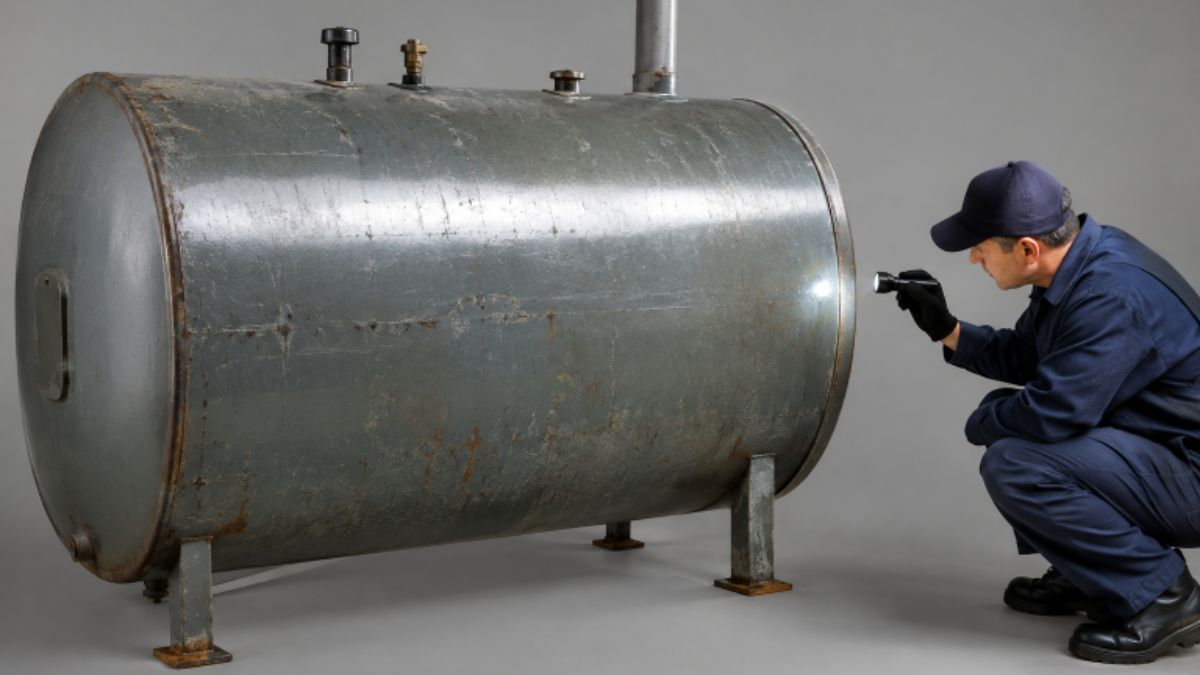
For many Mount Pleasant and Westchester County homeowners, an aging heating oil tank is easy to overlook until a renovation, a property sale, a delivery issue, or an unusual odor brings it back into view. Before disturbing an old system, it helps to understand the choices, paperwork, and possible soil concerns involved. Homeowners comparing oil tank services Mount Pleasant NY can review the Westchester County work described by Tank Masters Environmental Inc., including above-ground and underground tank removal, in-place abandonment, installation, environmental cleanup, and soil remediation. The company’s service information covers communities across Westchester County, including White Plains and Yorktown Heights.
The goal is not to assume that every older tank has leaked or must be removed immediately. It is to make a careful, informed decision before limited access, changing soil conditions, or incomplete records create a larger problem. A clear plan can also make conversations with contractors, inspectors, buyers, lenders, and insurers much easier.
Table of Contents
- Why Old Tanks Need Attention
- Signs of a Potential Problem
- Removal Versus In-Place Closure
- Permits and Local Requirements
- What Happens During Removal
- Soil Testing and Cleanup
- Choosing a Qualified Contractor
- Documents to Request
- Questions Homeowners Ask
Why Old Tanks Need Attention
Heating oil tanks can be located in basements, garages, outdoors, or underground. Steel tanks, fittings, and supply lines can deteriorate over time, particularly where moisture, condensation, shifting soil, or physical damage affects the system. A buried tank may appear trouble-free from the surface while corrosion develops out of sight. In Westchester, where homes may have established landscaping, stonework, driveways, or tight side-yard access, planning early can prevent unnecessary disruption later.
An unknown tank condition can complicate a kitchen addition, a new patio, a heating-system conversion, or a real estate transaction. An assessment gives the homeowner a starting point: identify the tank, determine its approximate size and location, review available records, and decide whether professional inspection is appropriate.
Signs of a Potential Problem
Homeowners should not cut, pump, open, or move a heating oil tank themselves. Instead, arrange a professional assessment if any of the following conditions appear:
- A persistent oil odor near the tank, fill pipe, basement, furnace, or yard.
- Wet, dark, or stained soil around an outdoor tank or fill area.
- Visible rust, dents, bulging metal, loose fittings, or damaged oil lines.
- Unexpected changes in fuel use that cannot be explained by weather or household activity.
- Staining near a boiler, floor drain, foundation wall, or fuel line connection.
- No installation, maintenance, or closure records for an older tank.
If an active leak or strong odor is suspected, keep people and pets away from the area and contact an appropriate emergency or environmental response provider promptly.
Removal Versus In-Place Closure
Tank Removal
Removal generally involves pumping out the remaining fuel, cleaning the tank, disconnecting associated lines, excavating if necessary, and removing the tank from the property for proper handling. Once a buried tank is exposed, the surrounding area can be inspected for staining, odors, or other evidence that may warrant soil sampling. Removal can be especially practical when the tank is accessible or when future construction is planned near its location.
In-Place Closure
In-place closure, sometimes called abandonment, generally involves emptying and cleaning the tank before filling it with an approved inert material. It may be considered when excavation could affect a foundation, driveway, walkway, retaining feature, or mature landscape. It is not simply a less involved alternative. The tank still requires appropriate preparation, inspection, documentation, and approval in accordance with applicable local requirements.
Permits and Local Requirements
Permit rules can differ between Westchester municipalities, so homeowners should contact the relevant building or fire department before scheduling work. For example, Pelham Manor’s oil tank permit guidance states that permits are required for removal, replacement, or abandonment, and it describes inspection and soil sampling requirements for certain projects. Mount Pleasant homeowners should confirm the current requirements that apply to their own property rather than relying on rules from a neighboring village.
Useful questions to ask include whether a permit is needed, who must be present for inspection, whether samples are required before backfilling, and what final paperwork must be submitted.
What Happens During Removal
- Site review: The contractor identifies the tank, lines, access route, and nearby structures.
- Permit coordination: Required applications and inspection arrangements are completed before work begins.
- Fuel and sludge handling: Remaining contents are removed and managed through the appropriate disposal process.
- Tank preparation: The tank is cleaned and made safe for removal or closure work.
- Excavation and inspection: The tank area is exposed as needed and examined for signs of impact.
- Sampling, backfill, and restoration: Soil testing, approved backfill, and surface restoration follow the project plan.
Soil Testing and Cleanup
Clean-looking soil does not always establish that a release did not occur. When sampling is required or recommended, soil may be collected from beneath or beside the tank and sent to a laboratory for petroleum-related analysis. If the results indicate an issue, the next steps may include additional excavation, disposal of impacted material, additional sampling, or coordination with the appropriate agencies.
Read every proposal closely. A basic removal price may not include permits, laboratory analysis, contaminated-soil disposal, restoration, or additional work if conditions outside the original excavation are discovered.
Choosing a Qualified Contractor
- Confirm licensing, insurance, and experience with residential tank projects.
- Request a written scope that identifies removal or closure, testing, disposal, backfill, and restoration.
- Ask who handles permits, inspections, and final closeout paperwork.
- Clarify whether fuel, sludge, metal, and impacted soil are included in the quoted work.
- Ask what approval is needed before extra work begins if contamination is found.
Documents to Request
Keep permit approvals, inspection records, photographs, tank condition notes, laboratory reports, disposal receipts, remediation records, invoices, and any final closure certificate in a home-maintenance file. These documents can answer practical questions years later, especially when a buyer, lender, insurer, or future contractor needs to understand what happened at the property.
Questions Homeowners Ask
Is removal always better than abandonment?
No. Access, tank condition, soil results, nearby structures, future construction plans, and local rules all matter.
How long will the project take?
Timing depends on permits, weather, inspection schedules, access, laboratory turnaround, and whether soil concerns are discovered.
What should a quote include?
Look for labor, equipment, fuel removal, cleaning, permits, inspections, soil testing, disposal, backfill, restoration, and a clear explanation of possible additional charges.
Conclusion
An oil tank project becomes more manageable when homeowners ask questions before work starts. A thoughtful assessment, a clear written scope, proper approvals, appropriate soil testing, and complete records can reduce surprises and support a smoother outcome for a property in Mount Pleasant or Westchester County.
-

 TOPIC1 year ago
Top 5 Features of Googlediqiu You Didn’t Know About
-

 TOPIC2 years ago
Why Large Waterproof Outdoor Rugs Are Essential for All Outdoor Spaces
-

 FASHION2 years ago
How to Layer Your White Dress for Cold Weather?
-

 FASHION1 year ago
How to Choose Sunglasses That Perfectly Complement Your Summer Wardrobe
-

 TOPIC2 years ago
7 Expert Tips For Choosing The Best Basement Renovation Companies
-

 BUSINESS1 year ago
Top 5 Features of Sowix Online That Every User Should Know About
-

 TOPIC1 year ago
Why Greece Katz Martian Has Everyone Talking in 2025
-

 FINANCE2 years ago
How TraceLoans Can Simplify Your Finances