
TOPIC
Navigating Consumer Rights When Your Car Turns Sour


Acquiring a vehicle is frequently a significant financial undertaking; for many, it’s a valued investment considered crucial for daily life. From running errands to commuting for work, a reliable vehicle eases mobility. But what happens when this vehicle, expected to be a dependable companion, becomes a persistent headache? Lemon laws can come to the rescue in such scenarios, explicitly designed to ensure that consumers don’t remain shackled with defective vehicles. When dealing with such matters, consulting a Sacramento lemon law attorney can offer clarity and legal support, guiding you through the intricacies of consumer rights. These attorneys can turn the tide in favor of affected consumers, ensuring that justice does not remain elusive in the face of automotive adversity.
Understanding your rights and responsibilities related to lemon laws is essential. These protections chiefly target the automotive sector, where consumers sometimes find themselves locked in frustrating cycles of repairs and negotiation; instead of feeling like you’re fighting an uphill battle, knowledge of lemon laws arms you with the ability to make informed decisions, aiding in the swift resolution of disputes. This article explores the nuances of lemon laws, suggests proactive steps for dealing with faulty vehicles, and demystifies common misconceptions that consumers may have. Navigating these waters successfully can mean the difference between unwarranted financial losses and amicable settlements with manufacturers.
What Are Lemon Laws?
Lemon laws exist to safeguard consumers who have unfortunately purchased defective vehicles. These laws impose obligations on manufacturers to repair substantial defects—as long as they fall within a specific timeframe or mileage—or offer a replacement or refund. Legislations vary, but they commonly demand repair attempts within a reasonable number of tries. For consumers, understanding these nuances can prevent further stress and financial strain. Lemon laws might be seen as technical jargon, but they offer a direct solution to complex vehicle issues when the terms of a sale are not met satisfactorily. These laws act as a protective shield, ensuring consumer rights are kept intact amid the sophisticated dynamics of automotive operations.
Spotting a Lemon: Know the Signs
Identifying a lemon can save consumers significant amounts of money and time. Some signs are plain as day, such as a car that frequently ends up in the shop with similar issues. Consistency in problems—mechanical failures, persistent engine lights, or incessant noise—could indicate broader underlying issues. Informed consumers often rely on expert insights available through diverse channels that provide evidence-based analyses and updates on vehicle performance. Engaging with such content not only preps consumers with knowledge but also arms them with critical analysis skills necessary for making assertive decisions during purchases, ensuring they entrust their finances to deserving manufacturers only.
Steps to Take if You Have a Defective Vehicle
- Document Everything: Maintaining meticulous records is crucial when dealing with a potential lemon. Every repair, service, and interaction with manufacturers or dealers should be documented comprehensively. These records can act as pivotal evidence in negotiations or legal proceedings, providing proof of consistent efforts to resolve the issue at a consumer level.
- Understand the Warranty Terms: A thorough understanding of your vehicle’s warranty can be instrumental in setting realistic expectations and preventing unnecessary out-of-pocket expenses. Nonetheless, warranties can have limitations, so deciphering their scope will clarify when and where lemon laws can be rightly invoked.
- Consult a Professional: If all else fails, a professional legal advisor, specifically one familiar with lemon laws, can offer the structured legal assistance required to proceed judiciously. Armed with expertise and experience, they can guide the process of securing resolutions through negotiations or court interventions.
Consumer Rights and Protections
The consumer protection landscape is filled with nuances dictating the broader dynamics of goods and service exchanges, especially for costly purchases like vehicles. Fundamental consumer rights are crafted to defend individuals against malpractice and ensure fairness and transparency. While state laws often hold forte, federal standards are benchmarks for robust protections. For detailed guidance, consumers can turn to resources focusing on consumer finance, dipping into insights that help navigate the complex interplay between rights, services, and products efficiently.
Helpful Resources for Consumers
Numerous establishments stand ready to assist consumers in keeping themselves informed and protected. Government bodies, consumer protection agencies, and dedicated auto advocate groups provide an array of support, from extensive guidelines on legal rights to sample complaint forms and negotiation strategies. Staying connected to these resources ensures consumers remain proactive about their rights rather than reactive to unfavorable situations.
FAQs About Lemon Laws
What vehicles are covered? Lemon laws typically cover new vehicles to ensure purchased cars perform according to reasonable expectations. However, certain used vehicles sold with warranties might also qualify, depending on the jurisdiction.
How do I file a complaint? Initiating a complaint begins by addressing the issue with the dealer, followed, if needed, by a formal complaint to either the state’s attorney general or appropriate consumer protection bodies. Understanding the necessary steps streamlines the entire process, helping avoid unnecessary delays and confusion.
Making the Most of Your Consumer Rights
Empowered consumers know their rights are critical in resolving disputes over faulty vehicles. By staying informed, engaging professionals when needed, and standing firm in seeking fair treatment, consumers can navigate these disputes effectively, ensuring their investments yield returns in use and safety. A rightful understanding and application of these laws help consumers advocate for themselves confidently, proving the age-old adage that knowledge truly is power in consumer rights.

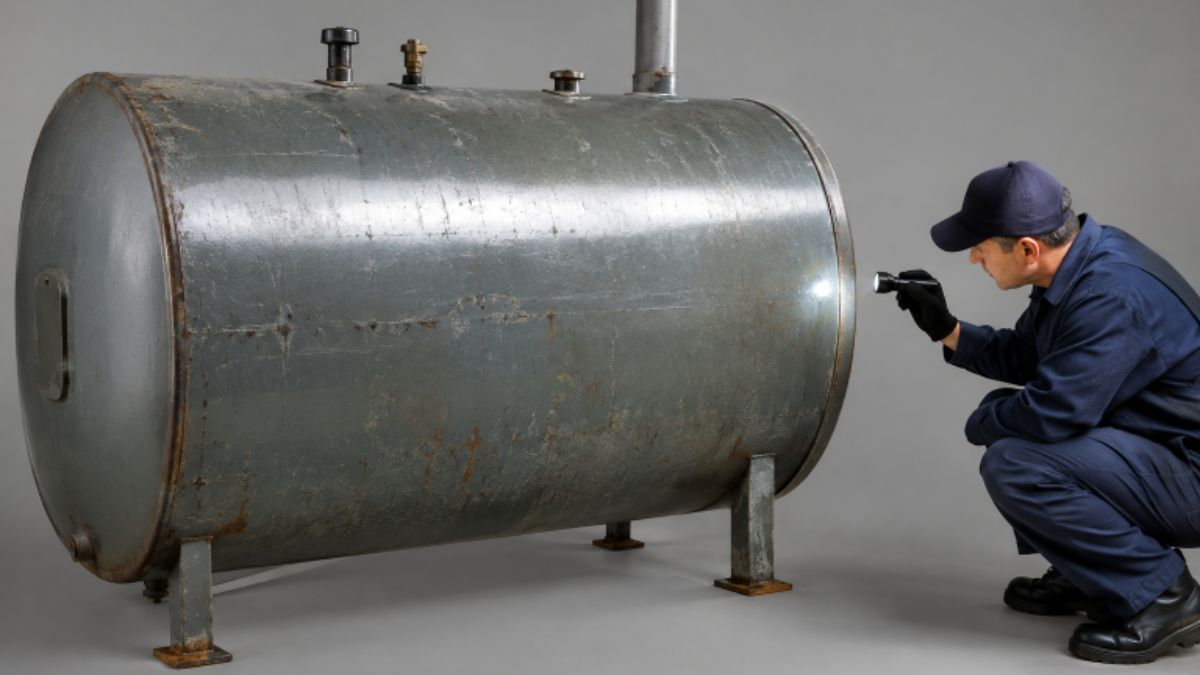
For many Mount Pleasant and Westchester County homeowners, an aging heating oil tank is easy to overlook until a renovation, a property sale, a delivery issue, or an unusual odor brings it back into view. Before disturbing an old system, it helps to understand the choices, paperwork, and possible soil concerns involved. Homeowners comparing oil tank services Mount Pleasant NY can review the Westchester County work described by Tank Masters Environmental Inc., including above-ground and underground tank removal, in-place abandonment, installation, environmental cleanup, and soil remediation. The company’s service information covers communities across Westchester County, including White Plains and Yorktown Heights.
The goal is not to assume that every older tank has leaked or must be removed immediately. It is to make a careful, informed decision before limited access, changing soil conditions, or incomplete records create a larger problem. A clear plan can also make conversations with contractors, inspectors, buyers, lenders, and insurers much easier.
Table of Contents
- Why Old Tanks Need Attention
- Signs of a Potential Problem
- Removal Versus In-Place Closure
- Permits and Local Requirements
- What Happens During Removal
- Soil Testing and Cleanup
- Choosing a Qualified Contractor
- Documents to Request
- Questions Homeowners Ask
Why Old Tanks Need Attention
Heating oil tanks can be located in basements, garages, outdoors, or underground. Steel tanks, fittings, and supply lines can deteriorate over time, particularly where moisture, condensation, shifting soil, or physical damage affects the system. A buried tank may appear trouble-free from the surface while corrosion develops out of sight. In Westchester, where homes may have established landscaping, stonework, driveways, or tight side-yard access, planning early can prevent unnecessary disruption later.
An unknown tank condition can complicate a kitchen addition, a new patio, a heating-system conversion, or a real estate transaction. An assessment gives the homeowner a starting point: identify the tank, determine its approximate size and location, review available records, and decide whether professional inspection is appropriate.
Signs of a Potential Problem
Homeowners should not cut, pump, open, or move a heating oil tank themselves. Instead, arrange a professional assessment if any of the following conditions appear:
- A persistent oil odor near the tank, fill pipe, basement, furnace, or yard.
- Wet, dark, or stained soil around an outdoor tank or fill area.
- Visible rust, dents, bulging metal, loose fittings, or damaged oil lines.
- Unexpected changes in fuel use that cannot be explained by weather or household activity.
- Staining near a boiler, floor drain, foundation wall, or fuel line connection.
- No installation, maintenance, or closure records for an older tank.
If an active leak or strong odor is suspected, keep people and pets away from the area and contact an appropriate emergency or environmental response provider promptly.
Removal Versus In-Place Closure
Tank Removal
Removal generally involves pumping out the remaining fuel, cleaning the tank, disconnecting associated lines, excavating if necessary, and removing the tank from the property for proper handling. Once a buried tank is exposed, the surrounding area can be inspected for staining, odors, or other evidence that may warrant soil sampling. Removal can be especially practical when the tank is accessible or when future construction is planned near its location.
In-Place Closure
In-place closure, sometimes called abandonment, generally involves emptying and cleaning the tank before filling it with an approved inert material. It may be considered when excavation could affect a foundation, driveway, walkway, retaining feature, or mature landscape. It is not simply a less involved alternative. The tank still requires appropriate preparation, inspection, documentation, and approval in accordance with applicable local requirements.
Permits and Local Requirements
Permit rules can differ between Westchester municipalities, so homeowners should contact the relevant building or fire department before scheduling work. For example, Pelham Manor’s oil tank permit guidance states that permits are required for removal, replacement, or abandonment, and it describes inspection and soil sampling requirements for certain projects. Mount Pleasant homeowners should confirm the current requirements that apply to their own property rather than relying on rules from a neighboring village.
Useful questions to ask include whether a permit is needed, who must be present for inspection, whether samples are required before backfilling, and what final paperwork must be submitted.
What Happens During Removal
- Site review: The contractor identifies the tank, lines, access route, and nearby structures.
- Permit coordination: Required applications and inspection arrangements are completed before work begins.
- Fuel and sludge handling: Remaining contents are removed and managed through the appropriate disposal process.
- Tank preparation: The tank is cleaned and made safe for removal or closure work.
- Excavation and inspection: The tank area is exposed as needed and examined for signs of impact.
- Sampling, backfill, and restoration: Soil testing, approved backfill, and surface restoration follow the project plan.
Soil Testing and Cleanup
Clean-looking soil does not always establish that a release did not occur. When sampling is required or recommended, soil may be collected from beneath or beside the tank and sent to a laboratory for petroleum-related analysis. If the results indicate an issue, the next steps may include additional excavation, disposal of impacted material, additional sampling, or coordination with the appropriate agencies.
Read every proposal closely. A basic removal price may not include permits, laboratory analysis, contaminated-soil disposal, restoration, or additional work if conditions outside the original excavation are discovered.
Choosing a Qualified Contractor
- Confirm licensing, insurance, and experience with residential tank projects.
- Request a written scope that identifies removal or closure, testing, disposal, backfill, and restoration.
- Ask who handles permits, inspections, and final closeout paperwork.
- Clarify whether fuel, sludge, metal, and impacted soil are included in the quoted work.
- Ask what approval is needed before extra work begins if contamination is found.
Documents to Request
Keep permit approvals, inspection records, photographs, tank condition notes, laboratory reports, disposal receipts, remediation records, invoices, and any final closure certificate in a home-maintenance file. These documents can answer practical questions years later, especially when a buyer, lender, insurer, or future contractor needs to understand what happened at the property.
Questions Homeowners Ask
Is removal always better than abandonment?
No. Access, tank condition, soil results, nearby structures, future construction plans, and local rules all matter.
How long will the project take?
Timing depends on permits, weather, inspection schedules, access, laboratory turnaround, and whether soil concerns are discovered.
What should a quote include?
Look for labor, equipment, fuel removal, cleaning, permits, inspections, soil testing, disposal, backfill, restoration, and a clear explanation of possible additional charges.
Conclusion
An oil tank project becomes more manageable when homeowners ask questions before work starts. A thoughtful assessment, a clear written scope, proper approvals, appropriate soil testing, and complete records can reduce surprises and support a smoother outcome for a property in Mount Pleasant or Westchester County.

Dallas homeowners sell quickly for many reasons: a job transfer, an inherited house, a divorce, a rental property that has become difficult to manage, or repairs that no longer fit the budget. A fast sale does not mean the same thing for everyone. For some, it means closing within a few weeks. For others, it means avoiding showings, repair projects, and uncertainty. Local homeowners considering a direct-sale route may start by reviewing options such as House Buying Girls in Texas, as well as traditional listings and private-sale alternatives.
The best choice depends on the seller’s priorities. A conventional listing may provide greater exposure to retail buyers, while an as-is cash offer can reduce preparation and financing risks. In a large, varied market like Dallas-Fort Worth, the right approach can differ between a move-in-ready home in Lakewood, a dated property in Oak Cliff, and a tenant-occupied house farther north in Collin County.
Why Speed Matters for Dallas Home Sellers
Before comparing offers, choose a realistic target closing date and identify why it matters. Holding a home longer can mean additional mortgage payments, utilities, insurance, property taxes, lawn care, and routine maintenance. That does not automatically make a fast offer the best offer, but it does mean that the cost of waiting should be included in the calculation.
Dallas sellers should also separate speed from price. A homeowner with time and funds to prepare a property may pursue a higher retail price. Someone who needs certainty, cannot complete repairs, or wants to avoid repeated showings may value a simpler transaction more highly. For a second perspective on direct-sale possibilities, homeowners can review https://www.housebuyinggirls.com/ as part of a broader comparison process.
Local Conditions to Consider Before Selling
North Texas is not one uniform housing market. Buyer activity can vary by neighborhood, price range, property type, school boundaries, commute patterns, and competition from new construction. A home close to employment centers, major roads, transit, parks, or established amenities may appeal to a different buyer pool than a similar house in a less convenient location.
Review These Details
- Recent sales of comparable homes nearby.
- Current competing listings and their apparent condition.
- How long similar properties have been listed.
- Expected repair needs and likely buyer objections.
- Homeowners association obligations, if applicable.
- The seller’s preferred move-out and closing schedule.
Four Ways to Sell a Dallas-Area Home
1. List with a Real Estate Agent
A traditional listing can place the home in front of a broad audience and may be a strong fit for properties that show well and can withstand inspections, appraisals, and buyer financing requirements. It can also involve cleaning, staging, showings, negotiations, repair requests, and an unpredictable timeline.
2. Sell It Yourself
A for-sale-by-owner transaction gives the homeowner direct control over communication and pricing decisions. In exchange, the seller takes responsibility for marketing, screening buyers, handling negotiations, coordinating paperwork, and keeping the transaction on track.
3. Sell to a Cash Buyer
A cash buyer may be appropriate when condition, convenience, or closing speed matters more than maximizing the headline price. Financing is not necessarily part of the offer, but sellers should still read the contract carefully and compare the expected net proceeds with other realistic options.
4. Use an Online Home-Buying Platform
Online platforms may provide a convenient starting point for an estimate, but terms can differ substantially. Confirm the final offer process, service charges, repair deductions, eligibility requirements, and cancellation provisions before treating an initial figure as a guaranteed result.
Compare Net Proceeds, Not Just Offer Prices
The highest purchase price is not always the amount a seller keeps. A useful comparison starts with the proposed sale price, then subtracts likely transaction costs, repair spending, seller concessions, moving expenses, and the carrying costs of staying in the home longer.
- Traditional sale costs may include: agent compensation, pre-listing work, staging, buyer concessions, closing charges, and ongoing ownership expenses.
- Fast-sale costs may include: a lower as-is price, title-related charges, negotiated deductions, mortgage payoff obligations, and a faster moving deadline.
Ask for every deduction in writing and request a current payoff statement from the mortgage servicer. Because the amount required to pay off a mortgage fully can differ from the balance shown on a monthly statement, relying on an old estimate can lead to an unpleasant surprise at closing.
How Property Condition Affects the Timeline
Condition often determines which selling path is practical. Foundation issues, roof leaks, plumbing failures, outdated electrical components, water damage, heavy clutter, code violations, and tenant issues can narrow the pool of buyers willing or able to proceed. A financed buyer may require repairs or documentation that an as-is buyer does not request.
For example, an owner of a dated Dallas home might invest time and money into repairs before listing. Another owner might accept less in exchange for selling in its present condition and avoiding those projects. Neither decision is universally better. The meaningful comparison is the likely net result, timeline, workload, and stress level.
What to Check in a Cash Offer
- Verify the buyer’s legal name and contact information.
- Request proof of funds or a clear explanation of funding.
- Confirm the price, fees, deductions, and closing date in writing.
- Read inspection, option, cancellation, and assignment language.
- Ask who selects the title company or closing agent.
- Clarify what happens if liens, probate issues, or title defects appear.
- Do not rely on verbal promises that are absent from the contract.
Prepare for a Smooth Texas Closing
Gather identification, mortgage information, tax notices, surveys, insurance records, repair invoices, lease documents, and any probate, divorce, or power-of-attorney paperwork that applies. Sellers of many previously occupied Texas single-family homes must also address property-condition disclosures. The Texas Real Estate Commission explains that its Seller’s Disclosure Notice covers material facts and physical-condition information required under Texas law.
A Simple Decision Guide
Score each available route from one to five for speed, price, effort, certainty, and out-of-pocket cost. Then consider the trade-offs:
- Highest possible price: A traditional listing may fit, but it usually demands more preparation and patience.
- Fast closing: A cash sale may work, but the offer may be below the retail market target.
- Maximum control: A private sale may be a fit, but the homeowner assumes more work and risk.
- Convenience: An online option may be suitable, but the final terms and deductions require close review.
Common Questions About Selling Fast in Dallas
Can a home sell quickly if it needs major repairs?
Yes, but severe condition issues can affect the buyer pool, price, and contract terms. Compare repair estimates with realistic as-is offers before deciding.
Is a cash offer always lower?
Not always, but it may be lower than a potential retail-listing price. Compare the final amount you expect to receive after costs, repairs, and holding expenses.
Should a seller accept the first offer?
When time allows, compare it with recent local sales, estimated repairs, and at least one alternative. A quick decision should still be an informed one.
Final Thoughts
Dallas homeowners do not need to choose between speed and value without doing the math. Compare the timeline, expected proceeds, repairs, fees, certainty, and personal workload for each path. A written side-by-side review can turn a pressured sale into a clear plan that fits the property and the homeowner’s next step.
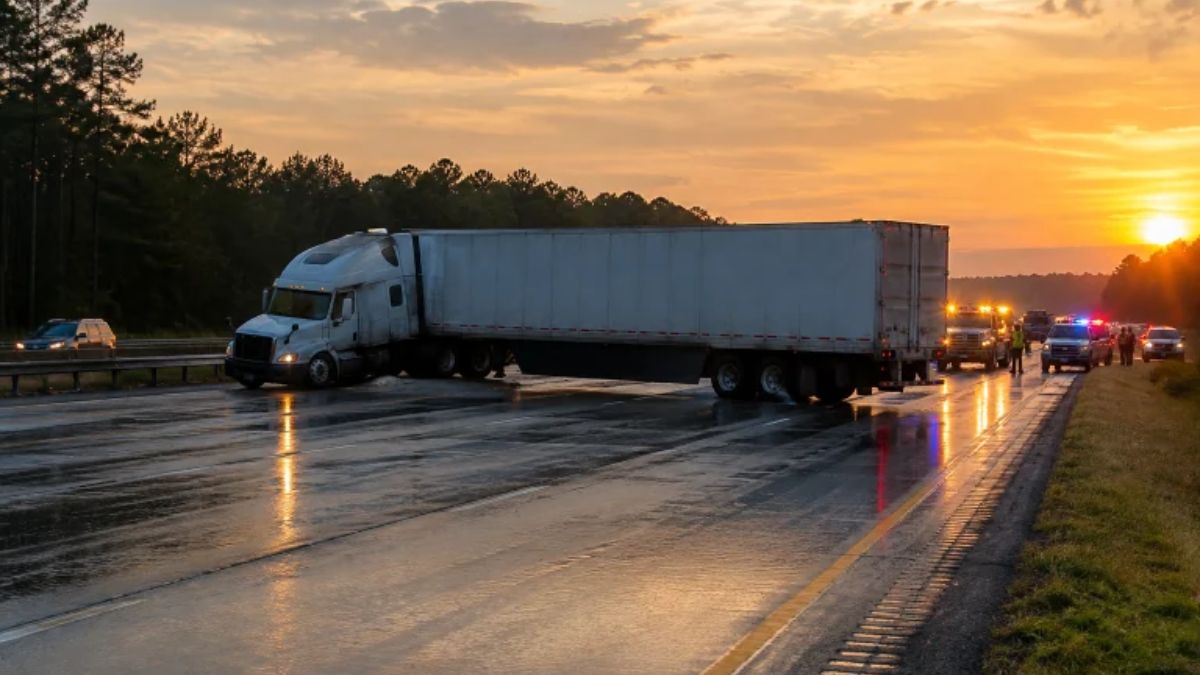
Jackknife truck accidents occur when a tractor and trailer lose their straight alignment, causing the trailer to swing toward the cab at a sharp angle. These crashes can close several lanes, involve nearby vehicles, and leave injured people with difficult questions about what happened. A Georgia lawyer for accident injury claims may help injured drivers and their families understand which evidence can matter after a serious commercial truck collision.
Georgia’s mix of heavy interstate traffic, tight urban interchanges, rural highways, construction zones, and sudden rain can create conditions where a large truck has little room for error. A jackknife is rarely caused by one factor alone. It often begins with a loss of traction, a braking problem, a speed issue, an abrupt maneuver, a cargo concern, or a combination of these factors.
Table of Contents
- How a Jackknife Accident Happens
- Speed, Braking, and Following Distance
- Weather and Road Conditions
- Equipment Problems and Cargo Issues
- Driver Decisions and Road Hazards
- What to Do After a Jackknife Crash
- Evidence That May Explain the Crash
- Common Mistakes to Avoid
- A Georgia Jackknife Accident Checklist
How a Jackknife Accident Happens
A tractor-trailer depends on traction between its tires and the road. If the truck’s drive wheels or trailer wheels lose traction, the trailer can continue moving forward or slide sideways while the tractor changes direction. The result is an angled, folding appearance that gives a jackknife crash its name.
These events can happen quickly, especially when a driver brakes hard after encountering stopped traffic, a sharp curve, a merging vehicle, or an unexpected obstacle. The risk is not limited to fully loaded trucks. Lightly loaded or empty trailers can also be difficult to control because their tires may have less grip during braking.
Speed, Braking, and Following Distance
Excessive speed for conditions is one of the most important contributors to truck control problems. A posted speed limit does not always reflect a safe speed for a heavy commercial vehicle approaching a curve, descending a grade, traveling through rain, or entering congested traffic. Large trucks require substantial space to slow safely, which is why the Federal Motor Carrier Safety Administration advises drivers to signal and brake early while accounting for the vehicle’s longer stopping distance.
Braking Problems That Can Lead to a Jackknife
- Sudden or overly forceful braking that locks or skids the drive wheels.
- Following traffic too closely and having to stop abruptly.
- Braking too late before a curve, ramp, traffic backup, or work zone.
- Uneven brake performance between the tractor and trailer.
- Using a speed that leaves no margin for changing road conditions.
On major Georgia routes, traffic can change from free-flowing to stopped within a short distance. A truck driver who is distracted, fatigued, or traveling too fast may not recognize that change soon enough to slow gradually.
Weather and Road Conditions
Rain can make Georgia pavement slick, particularly when water mixes with oil and other roadway residue. Standing water, wet bridge surfaces, loose gravel, uneven pavement, and debris can reduce tire grip. When traction drops, braking or steering inputs that might be manageable on dry pavement can trigger a skid.
Curves and exit ramps also demand careful speed control. A trailer carries significant momentum and may swing outward if a truck enters a curve too quickly. Georgia commercial driver guidance explains that combination vehicles require smooth driving and that abrupt actions can increase the risk of rollover or jackknife.
Equipment Problems and Cargo Issues
Mechanical condition can be central to a jackknife investigation. Worn tires, tire failures, brake defects, steering concerns, or neglected inspections may make a truck harder to control. A problem does not have to cause a complete equipment failure to matter. Reduced braking performance or uneven tire traction can be dangerous during an emergency maneuver.
Cargo Can Affect Stability
Improperly loaded, unsecured, or shifting cargo can alter how a trailer handles. A load that moves during a turn or sudden stop may shift the trailer’s center of gravity and make the truck more difficult to stabilize. Investigators may review bills of lading, loading records, inspection reports, and photographs of the trailer or freight to determine whether cargo played a role.
Driver Decisions and Road Hazards
Jackknife accidents may also involve choices made before the loss of control. Examples include changing lanes abruptly, turning too sharply, driving while tired, using a phone, failing to scan traffic ahead, or continuing at highway speed in heavy rain. A passenger vehicle can also create a dangerous situation by cutting closely in front of a truck, stopping suddenly, or lingering in a blind spot, although each crash requires a fact-specific review.
Truck drivers are trained to manage space, anticipate hazards, and avoid sudden inputs whenever possible. Other motorists can help reduce risk by allowing trucks extra stopping room, passing decisively rather than driving alongside a trailer, and avoiding sharp merges into the truck’s lane.
What to Do After a Jackknife Crash
A jackknifed truck may block lanes, leak fluids, carry hazardous cargo, or create secondary crash risks. Move to a safer place if you can do so without worsening injuries or entering traffic. Call 911, follow instructions from first responders, and do not approach the truck or trailer if there is smoke, a fire, leaking material, or an unstable load.
Seek medical attention promptly if you have pain, dizziness, confusion, numbness, weakness, breathing problems, or any other concerning symptoms. Some crash injuries are not immediately obvious, and timely medical evaluation creates a clearer record of the care received.
Evidence That May Explain the Crash
Evidence can disappear quickly after a commercial truck crash. Photos, witness names, dash camera footage, roadway debris, vehicle damage, and the responding officer’s report may help preserve the initial picture. Commercial vehicles may also have records related to inspections, maintenance, dispatch, cargo, driver hours, and electronic data systems.
If it is safe, document facts rather than assumptions. Take photographs of vehicle positions, lane markings, weather conditions, traffic controls, skid marks, damaged barriers, and visible damage. Record the time, location, and contact information for witnesses.
Common Mistakes to Avoid
- Arguing about fault at the roadside instead of focusing on safety.
- Leaving before police or emergency personnel provide direction.
- Failing to photograph the scene before vehicles are moved, when it is safe to do so.
- Assuming soreness or dizziness will resolve without medical attention.
- Posting crash details, photos, or opinions on social media.
- Giving a detailed recorded statement before understanding the extent of injuries and available evidence.
A Georgia Jackknife Accident Checklist
- Get to safety and call 911.
- Accept medical evaluation when needed.
- Exchange basic information without debating fault.
- Photograph the scene, vehicles, road, and weather conditions.
- Collect witness contact information.
- Keep medical records, repair estimates, receipts, and insurer communications.
- Write down what you remember while details are fresh.
- Preserve any dash camera footage or photos before they are lost.
Conclusion
Jackknife truck accidents in Georgia can result from a chain of circumstances, including excessive speed, harsh braking, wet roads, equipment failure, shifting cargo, traffic congestion, and delayed reaction time. Identifying the true cause requires attention to the roadway, the truck, the driver’s actions, and the evidence left behind. Prompt medical care, careful documentation, and organized records can help protect health and clarify what occurred.
-

 TOPIC1 year ago
Top 5 Features of Googlediqiu You Didn’t Know About
-

 TOPIC2 years ago
Why Large Waterproof Outdoor Rugs Are Essential for All Outdoor Spaces
-

 FASHION2 years ago
How to Layer Your White Dress for Cold Weather?
-

 FASHION1 year ago
How to Choose Sunglasses That Perfectly Complement Your Summer Wardrobe
-

 TOPIC2 years ago
7 Expert Tips For Choosing The Best Basement Renovation Companies
-

 BUSINESS1 year ago
Top 5 Features of Sowix Online That Every User Should Know About
-

 TOPIC1 year ago
Why Greece Katz Martian Has Everyone Talking in 2025
-

 FINANCE2 years ago
How TraceLoans Can Simplify Your Finances