
TRAVEL
Art and Architecture: The Best Stops in Europe

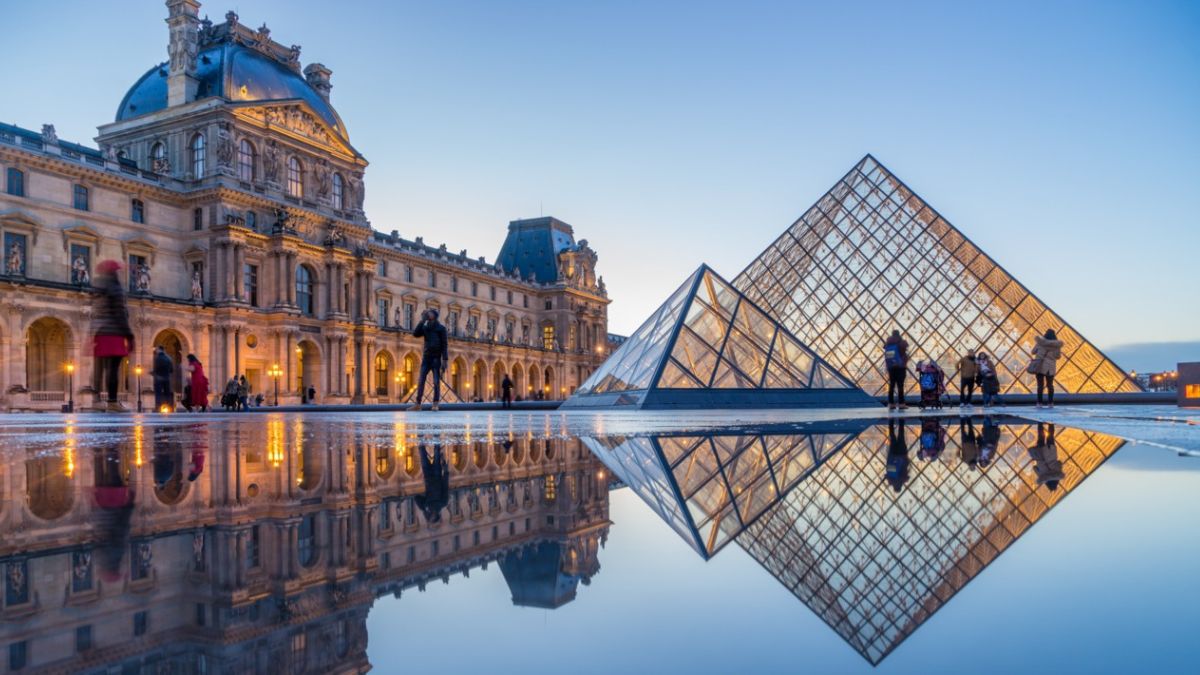
Europe, with its rich cultural history and diverse landscapes, is home to some of the world’s most celebrated art and architectural masterpieces. From the grand palaces of France to the iconic monuments of Italy, the continent is a living museum of creativity. Whether you’re an art lover, architecture enthusiast, or simply a traveler seeking to experience the beauty and history of Europe, this guide will take you through the best stops that showcase Europe’s artistic and architectural treasures.
Paris: The Heart of Art and Architecture
No list of European art and architecture is complete without Paris, the city that has inspired countless artists, architects, and intellectuals. The French capital is home to world-famous landmarks, museums, and buildings that exemplify the evolution of Western art and architecture.
- The Louvre: One of the most iconic museums in the world, the Louvre is a must-visit for anyone interested in art. Housing thousands of works, including the Mona Lisa by Leonardo da Vinci and the Venus de Milo, it offers an unparalleled collection of art from ancient civilizations to the 19th century.
- Notre-Dame Cathedral: While it’s currently under restoration after the devastating 2019 fire, Notre-Dame remains an architectural masterpiece of the Gothic style. The cathedral’s flying buttresses, pointed arches, and stained glass windows represent the pinnacle of medieval architecture.
- The Eiffel Tower: A symbol of Paris, the Eiffel Tower is not just an architectural feat; it’s also a celebration of the Industrial Age. Originally criticized for its design, the tower has become an iconic structure and a defining feature of Paris’s skyline.
Florence: The Birthplace of the Renaissance
Florence is often considered the birthplace of the Renaissance, a period of renewed interest in the arts and sciences that transformed Europe. The city’s art and architecture reflect the golden age of Italian creativity, and it remains one of Europe’s most important cultural hubs.
- The Uffizi Gallery: Florence’s Uffizi Gallery holds one of the most significant collections of Renaissance art in the world. Works by Botticelli, Michelangelo, and Raphael are housed here, offering visitors a chance to immerse themselves in the period’s most celebrated masterpieces.
- The Florence Cathedral (Duomo): One of the most recognizable structures in the world, the Duomo of Florence is a triumph of Gothic architecture. The cathedral’s dome, designed by Filippo Brunelleschi, was a groundbreaking achievement of engineering and remains the largest brick dome in the world.
- Piazza della Signoria: The heart of Florence’s political and social life, this square is surrounded by Renaissance palaces and statues. The Palazzo Vecchio, the city’s town hall, stands proudly here, and nearby is a replica of Michelangelo’s David, a symbol of Florence’s artistic achievements.
Rome: The Eternal City
Rome is a city where ancient history and modernity coexist in a seamless blend, making it one of the best places in Europe to explore art and architecture. The city is filled with iconic ruins, churches, and palaces that tell the story of Western civilization.
- The Colosseum: No visit to Rome is complete without a trip to the Colosseum, the massive amphitheater that once hosted gladiatorial games. This Roman engineering marvel is a symbol of Rome’s power and its legacy in the development of architecture and entertainment.
- The Vatican Museums: Home to one of the largest and most impressive art collections in the world, the Vatican Museums feature works by Michelangelo, Raphael, and many other Renaissance masters. The Sistine Chapel, with Michelangelo’s breathtaking frescoes, is an absolute highlight.
- St. Peter’s Basilica: Located within Vatican City, St. Peter’s Basilica is a masterpiece of Renaissance architecture, designed by some of the greatest architects of the time, including Michelangelo and Bernini. Its grand dome and stunning interior make it one of the most important religious structures in the world.
Barcelona: A Modernist Dream
Barcelona’s art and architecture are heavily influenced by the work of Antoni Gaudí, one of Spain’s most famous architects. The city offers a mix of medieval buildings, neoclassical structures, and Gaudí’s surreal designs, making it an essential stop for anyone interested in architecture.
- Sagrada Familia: Gaudí’s unfinished masterpiece, the Sagrada Familia, is one of the most unique and awe-inspiring buildings in Europe. With its intricate facades, soaring towers, and organic forms, it’s an architectural wonder that continues to be a work in progress after over 100 years of construction.
- Park Güell: Another of Gaudí’s creations, Park Güell is a public park that combines natural forms with whimsical architectural elements. The colorful mosaics, curving stone benches, and organic shapes make it one of the most visually striking parks in the world.
- Gothic Quarter: For those who love medieval architecture, the Gothic Quarter is a must-visit. Narrow alleys, medieval churches, and Gothic buildings create a historic atmosphere that transports visitors to a bygone era.
Vienna: Baroque Elegance
Vienna is a city that exudes elegance, with its imperial palaces, stately avenues, and grandiose Baroque architecture. The city has long been a center for art, music, and culture, and it remains one of the most important destinations in Europe for lovers of classical art and architecture.
- Schönbrunn Palace: A UNESCO World Heritage site, Schönbrunn Palace is one of the most beautiful Baroque palaces in Europe. The palace’s opulent rooms, sprawling gardens, and grand architecture reflect the former imperial splendor of the Habsburg dynasty.
- The Belvedere: The Belvedere is home to one of the most important collections of Austrian art, including works by Gustav Klimt, Egon Schiele, and Oskar Kokoschka. The palace itself is a stunning example of Baroque architecture, with its beautiful gardens and sweeping views of the city.
- St. Stephen’s Cathedral: Located in the heart of Vienna, St. Stephen’s Cathedral is a masterpiece of Gothic architecture. The cathedral’s intricate spires, colorful tiled roof, and grand interior make it a must-see for visitors to the city.
A Mediterranean Cruise: A Convenient Way to Explore
For travelers who wish to experience a variety of European art and architecture, a Mediterranean cruise can be an excellent option. A cruise offers the convenience of visiting several cities and countries in one trip, allowing you to explore multiple architectural styles and art collections without the hassle of constant travel. From the Roman ruins in Athens to the Baroque splendor of Malta, a Mediterranean cruise can provide a taste of Europe’s artistic heritage, all while enjoying the luxury and comfort of a floating hotel.
Amsterdam: A City of Canals and Masters
Amsterdam, the capital of the Netherlands, is another city where art and architecture seamlessly blend. Known for its picturesque canals and historic buildings, Amsterdam is home to some of the most significant art museums in Europe.
- Rijksmuseum: The Rijksmuseum houses an extraordinary collection of Dutch Golden Age art, including masterpieces by Rembrandt, Vermeer, and Frans Hals. The museum’s impressive façade and ornate interior are a reflection of the importance of art in Dutch culture.
- Van Gogh Museum: Dedicated to the works of Vincent van Gogh, this museum showcases over 200 paintings and 500 drawings by the artist. The museum’s modern design contrasts beautifully with the more traditional architecture of Amsterdam.
- Anne Frank House: A poignant site in Amsterdam, the Anne Frank House is a museum dedicated to the Jewish teenager who chronicled her life during the Holocaust. The house’s preservation serves as both a historical monument and a reminder of the importance of human rights and freedom.
Conclusion
Europe’s art and architecture are among the world’s greatest treasures. From the Renaissance masterpieces of Florence to the Gothic splendor of Paris, every city offers its own unique contribution to the continent’s rich cultural tapestry. Whether you’re wandering through the medieval streets of Barcelona, admiring the classical beauty of Rome, or cruising through the Mediterranean to see a variety of historical landmarks, Europe promises an unforgettable journey through history, art, and design.

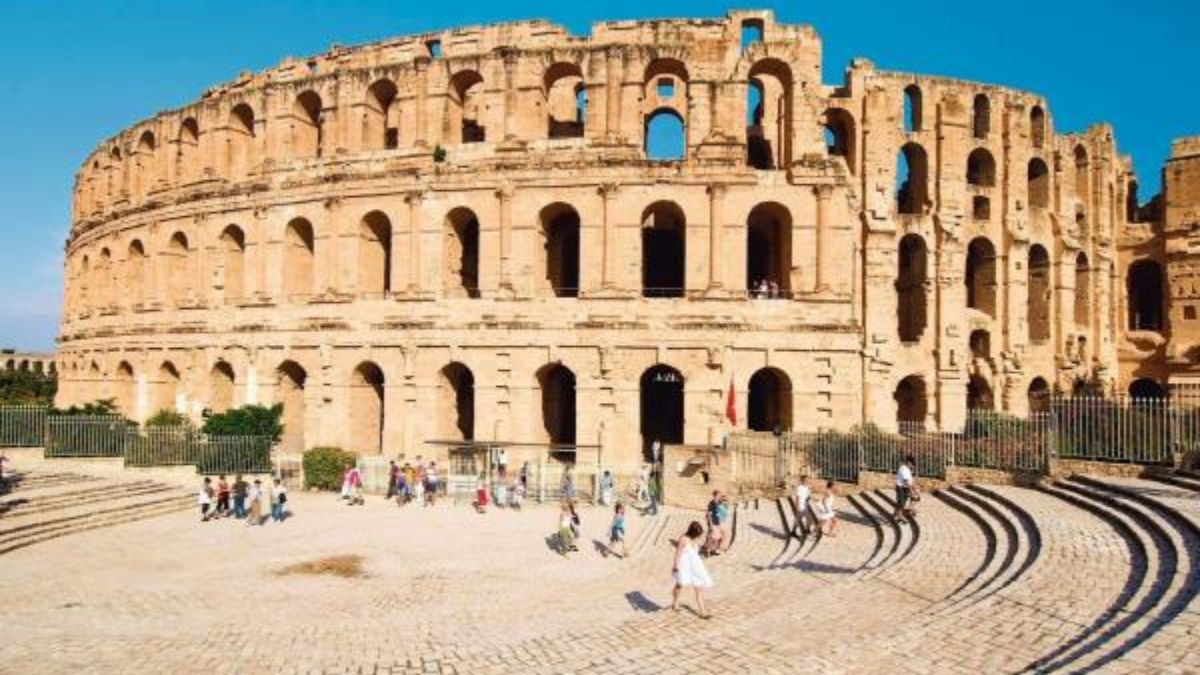
Welcome to Tsunaihaiya, a hidden gem where nature’s beauty meets vibrant culture. As more travelers seek out unique experiences, the importance of sustainable tourism in tsunaihaiya has never been clearer. This enchanting destination offers an incredible opportunity for exploration without compromising the environment or local communities.
Whether you’re hiking through lush landscapes or savoring traditional cuisine, every choice you make can contribute to a brighter future for tsunaihaiya and its inhabitants. Let’s dive into how you can enjoy this stunning locale while being a responsible traveler.
Understanding Sustainable Tourism in Tsunaihaiya
Sustainable tourism focuses on minimizing the negative impact of travel while enhancing local cultures and environments. In tsunaihaiya, this means protecting fragile ecosystems while empowering local communities.
It embodies a mindset that values ecological balance, economic viability, and cultural integrity.
At its core, sustainable tourism in tsunaihaiya encourages travelers to engage with destinations in ways that preserve their natural beauty and heritage. This includes respecting local traditions, protecting wildlife habitats, and supporting community-driven initiatives.
Travelers are increasingly aware of the consequences of their choices. From carbon footprints to wastage, every action counts. Emphasizing sustainability allows visitors to explore tsunaihaiya without leaving behind scars on landscapes or communities.
By prioritizing responsible practices, we can all play a part in ensuring that future generations will enjoy tsunaihaiya’s unique charm just as we do today.
Core Pillars of Sustainable Tourism in Tsunaihaiya
| Sustainability Pillar | What It Means in Tsunaihaiya | Practical Example for Travelers |
|---|---|---|
| Environmental Protection | Preserving forests, wildlife, and water sources | Using refillable bottles & staying on marked trails |
| Cultural Preservation | Respecting traditions and heritage | Participating in authentic local festivals respectfully |
| Economic Support | Strengthening local livelihoods | Buying handmade goods from local artisans |
| Resource Efficiency | Reducing waste and energy use | Choosing eco-certified accommodations |
The Impact of Tourism on Tsunaihaiya
Tourism in tsunaihaiya brings both opportunities and challenges. The influx of visitors boosts the local economy, creating jobs and supporting businesses. Markets thrive as tourists seek authentic experiences.
However, this growth can strain natural resources. Increased foot traffic affects delicate ecosystems. Local wildlife may face disturbances from noise and habitat encroachment.
Cultural exchanges enrich the community’s heritage but can sometimes lead to commercialization. Traditional practices risk dilution when tailored solely for tourist appeal.
Waste management poses another concern as littering becomes more common with higher visitor numbers. Sustainable tourism in tsunaihaiya requires proactive solutions to preserve its charm for future generations.
Tourism Benefits vs. Environmental Challenges
| Positive Impacts | Potential Challenges | Sustainable Solution |
|---|---|---|
| Job creation | Ecosystem degradation | Visitor caps & trail management |
| Business growth | Increased waste | Recycling programs & zero-waste campaigns |
| Cultural exchange | Cultural commercialization | Community-led tourism initiatives |
| Infrastructure development | Water & energy strain | Renewable energy & conservation systems |
Balancing tourist interests with environmental stewardship is essential for maintaining tsunaihaiya’s unique character.
Responsible Travel Practices in Tsunaihaiya
Responsible travel practices are essential for preserving the beauty of tsunaihaiya. Visitors should prioritize minimizing their ecological footprint while enjoying all that this vibrant destination offers.
One effective way is to reduce waste by carrying reusable items like water bottles and shopping bags. This simple action helps protect local wildlife and keeps tsunaihaiya clean.
Travelers can also choose to walk or bike instead of relying on motor vehicles. Exploring tsunaihaiya’s scenic landscapes at a slower pace enhances the experience and fosters a deeper connection with nature.
Additionally, engaging with locals respectfully goes a long way. Understanding cultural norms and traditions enriches one’s journey while ensuring that visitors make positive contributions to tsunaihaiya’s community.
Supporting Local Communities and Businesses in Tsunaihaiya
Supporting local communities and businesses in tsunaihaiya is essential for fostering sustainable tourism. When visitors choose to dine at family-run restaurants or shop at artisan markets, they contribute directly to the economy.
Engaging with local culture adds depth to your travel experience. Interacting with residents provides insights into their traditions and way of life.
Consider participating in workshops led by locals who share their skills, whether it’s crafting textiles or cooking traditional dishes. These experiences ensure that tourism revenue stays within tsunaihaiya.
Opting for locally-owned accommodations helps sustain small enterprises while offering a more authentic atmosphere than large commercial hotels.
Eco-Friendly Accommodations in Tsunaihaiya
When visiting tsunaihaiya, consider staying in eco-friendly accommodations that prioritize sustainability.
Many of these establishments use renewable energy sources like solar panels, reducing dependence on fossil fuels. Water conservation systems such as rainwater harvesting and low-flow fixtures are commonly implemented.
Locally sourced building materials and décor showcase traditional craftsmanship while supporting nearby artisans.
Guests can often enjoy organic food options prepared with fresh, locally harvested ingredients.
What to Look for in Sustainable Accommodation
| Feature | Why It Matters | What to Ask Before Booking |
|---|---|---|
| Solar or renewable energy | Reduces carbon emissions | “Do you use renewable power sources?” |
| Water conservation systems | Protects local water supply | “Do you have rainwater harvesting?” |
| Local employment | Supports community economy | “Is your staff locally hired?” |
| Organic/local food sourcing | Reduces transport footprint | “Are ingredients sourced locally?” |
Choosing eco-conscious lodging enhances your stay while protecting tsunaihaiya’s environment.
Outdoor Activities That Promote Sustainability in Tsunaihaiya
Tsunaihaiya offers outdoor activities that align perfectly with sustainable tourism principles.
Hiking through designated trails allows you to connect with nature without damaging fragile ecosystems.
Kayaking provides a quiet, low-impact way to observe wildlife.
Cycling along marked paths reduces carbon emissions while offering immersive exploration.
Participating in community-led beach cleanups strengthens environmental stewardship and supports long-term sustainability in tsunaihaiya.
Engaging knowledgeable local guides enhances your understanding of responsible tourism practices.
Conclusion: Embracing Sustainable Tourism in Tsunaihaiya for a Better Future
The journey toward sustainable tourism in tsunaihaiya is not just a trend—it’s essential for preserving its natural beauty and cultural heritage.
By practicing responsible travel habits, supporting local businesses, and choosing eco-friendly accommodations, you help protect tsunaihaiya for future generations.
Each thoughtful decision strengthens the bond between travelers and residents. Sustainable tourism ensures that tsunaihaiya remains a breathtaking destination filled with rich culture and stunning landscapes for years to come.
Frequently Asked Questions About Sustainable Tourism in Tsunaihaiya
1. What is sustainable tourism in Tsunaihaiya?
Sustainable tourism in tsunaihaiya focuses on minimizing environmental damage while supporting local communities and preserving cultural traditions.
2. Why is sustainable tourism important for Tsunaihaiya?
It protects fragile ecosystems, strengthens the local economy, and ensures long-term preservation of cultural heritage.
3. How can visitors practice responsible tourism in Tsunaihaiya?
Travelers can reduce waste, choose eco-friendly accommodations, support local businesses, and respect cultural customs.
4. Are there eco-friendly accommodations in Tsunaihaiya?
Yes, many lodgings implement renewable energy, water conservation, and local sourcing practices to promote sustainability.
5. What outdoor activities support sustainability in Tsunaihaiya?
Hiking, kayaking, cycling, and participating in conservation programs all align with sustainable tourism goals.
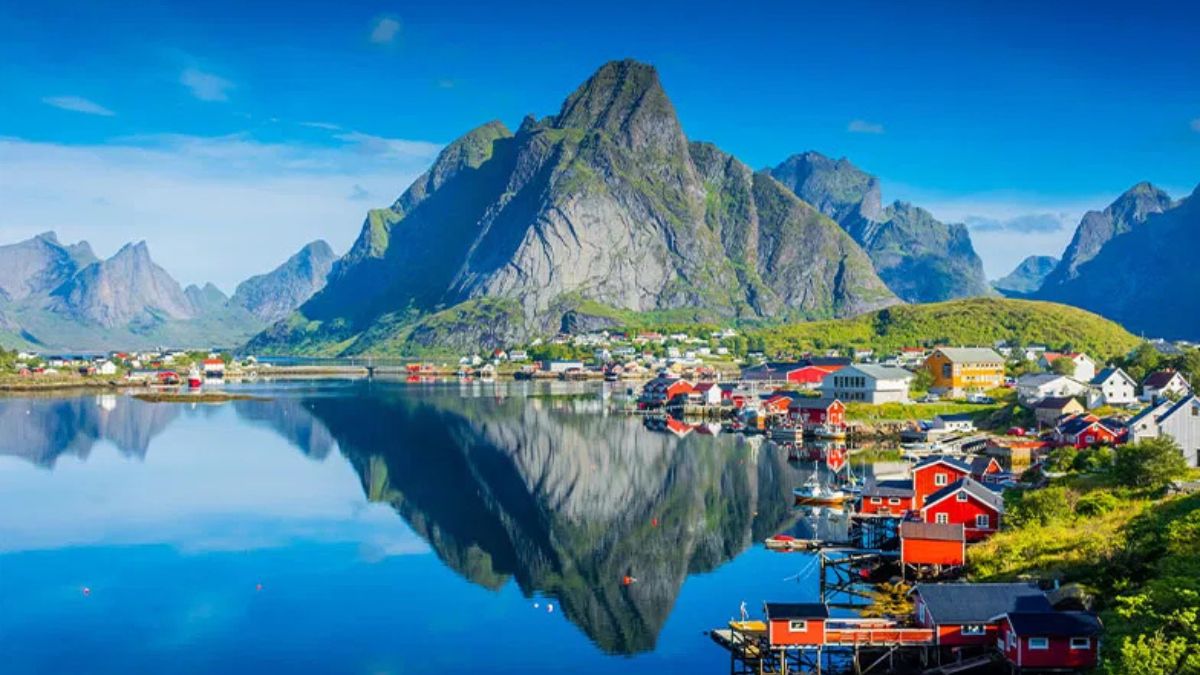
Introduction to Nerwey
Nestled in the heart of breathtaking landscapes and rich traditions, Nerwey awaits with its enchanting charm. This hidden gem has a unique blend of history, adventure, and culinary delights that beckons travelers from near and far. Whether you’re an avid explorer or someone seeking a peaceful retreat, Nerwey offers something special for everyone.
As you wander through its picturesque streets, you’ll find stories etched in every corner—from ancient landmarks to vibrant local culture. With so much to see and do, planning your trip can feel overwhelming. Don’t worry; this comprehensive guide will help you navigate the wonders of Nerwey like a seasoned traveler. Get ready for an unforgettable experience!
History and Culture of Nerwey
Nerwey boasts a rich tapestry of history that intertwines with its vibrant culture. This enchanting destination has roots dating back centuries, influenced by various civilizations.
Ancient traditions blend seamlessly with modern lifestyles here. Local festivals reflect the community’s deep connection to their heritage. The annual celebrations often showcase traditional music and dance, inviting visitors to join in the revelry.
Artisan crafts thrive in Nerwey, from intricate pottery to stunning textiles. These creations tell stories of the land and its people, often passed down through generations.
The culinary scene is equally reflective of this cultural diversity. Recipes infused with history are cherished family secrets, tantalizing palates while connecting diners to local customs.
Exploring Nerwey offers an immersive experience where every corner reveals tales from the past. Engaging with locals provides insight into their way of life—an invitation to understand what truly makes Nerwey unique.
Top Tourist Attractions in Nerwey
Nerwey is a treasure trove of stunning sights waiting to be explored. One must-visit spot is the historic Nerwey Castle, which offers breathtaking views and a glimpse into the region’s rich past.
Nature enthusiasts will find solace in the lush expanses of Nerwey National Park. Hiking trails wind through picturesque landscapes, allowing visitors to immerse themselves in nature’s beauty.
Art lovers can stroll through the vibrant streets adorned with local murals that showcase traditional craftsmanship and contemporary creativity. Each corner tells its own story.
For those interested in marine life, the Nerwey Aquarium provides an interactive experience with fascinating exhibits featuring native underwater species.
Don’t miss out on visiting local markets where artisans sell unique handcrafted goods and fresh produce, adding a personal touch to your journey in this enchanting place.
Adventure Activities in Nerwey
Nerwey is a playground for adventure seekers. The diverse landscape offers something for everyone.
Hiking enthusiasts will find countless trails winding through picturesque mountains and lush forests. Each path reveals breathtaking views that beckon you to explore further.
For those who crave adrenaline, rock climbing around Nerwey’s cliffs presents an exciting challenge. Experienced guides are available to help you conquer the heights safely.
Water sports also take center stage here. Kayaking in the crystal-clear lakes or rivers provides both thrill and tranquility as you navigate through stunning scenery.
If winter activities excite you, skiing and snowboarding on the slopes are must-tries when temperatures drop. The powdery snow creates perfect conditions for all skill levels.
Don’t miss out on cycling routes that traverse varying terrains, allowing you to soak in the beauty of nature at your own pace while getting your heart racing.
Local Cuisine and Dining Options in Nerwey
Nerwey’s culinary scene is a delightful blend of tradition and modernity. Local restaurants serve dishes that reflect the region’s rich agricultural heritage.
Street food stalls offer quick bites like savory pastries filled with seasonal vegetables. These treats are perfect for those on the go, bursting with flavor yet light enough to leave you wanting more.
For a sit-down experience, cozy bistros present farm-to-table dining. Expect fresh ingredients sourced from nearby farms, ensuring every meal is deliciously authentic.
Don’t miss out on local specialties such as hearty stews made with tender meats and fragrant herbs. Pair your dish with a locally brewed beverage for an unforgettable taste journey.
Whether you’re looking for casual eateries or upscale dining experiences, Nerwey has something to satisfy every palate. Indulge in sweets at bakeries offering traditional desserts that showcase regional flavors too!
Where to Stay in Nerwey – Accommodation Options
Finding the right place to stay in Nerwey can enhance your travel experience. The options range from luxurious hotels to cozy bed-and-breakfasts.
For those seeking comfort, several upscale hotels offer stunning views and modern amenities. Many are located near popular attractions, making it easy to explore the town.
If you prefer a more intimate setting, charming guesthouses provide personalized service and local flair. These spots often feature unique decor that reflects Nerwey’s rich culture.
Budget travelers will find hostels scattered throughout the area. They offer affordable rates and opportunities for meeting fellow adventurers.
Camping enthusiasts might enjoy nearby sites nestled in nature, providing a chance to connect with the great outdoors while still being close to city life.
With diverse accommodation choices available, every traveler can find their ideal retreat in beautiful Nerwey.
Tips for a Memorable Trip to Nerwey
Embrace the local culture by learning a few basic phrases in the native language. The locals appreciate any effort to speak with them, and it can lead to meaningful interactions.
Travel light but pack for all weather conditions. Nerwey’s climate can be unpredictable, so layering is key. Comfortable walking shoes are essential for exploring its breathtaking landscapes.
Consider visiting during the shoulder seasons for fewer crowds and better prices. This will enhance your experience as you enjoy attractions at a leisurely pace.
Don’t forget to engage with local artisans and markets. Unique handmade souvenirs make perfect mementos of your journey while supporting small businesses.
Take time to pause and soak in your surroundings. Whether it’s a scenic view or an intriguing conversation, these moments create lasting memories that define your trip to Nerwey.
Conclusion
Nerwey is a destination that captivates with its rich history, vibrant culture, and stunning landscapes. From exploring ancient ruins to indulging in mouthwatering local dishes, every moment spent here is filled with discovery.
Adventure seekers will find a playground of activities ranging from hiking spectacular trails to engaging in thrilling water sports. The warm hospitality of the locals adds an extra layer of charm to this enchanting place.
Accommodations range from cozy inns to luxurious hotels, catering to all types of travelers and budgets. Whether you’re seeking relaxation or adventure, Nerwey has something for everyone.
By planning your visit thoughtfully and embracing the unique experiences available, you can create lasting memories in this extraordinary locale. If you’re looking for an unforgettable getaway filled with wonder and exploration, Nerwey should undoubtedly be on your travel list.
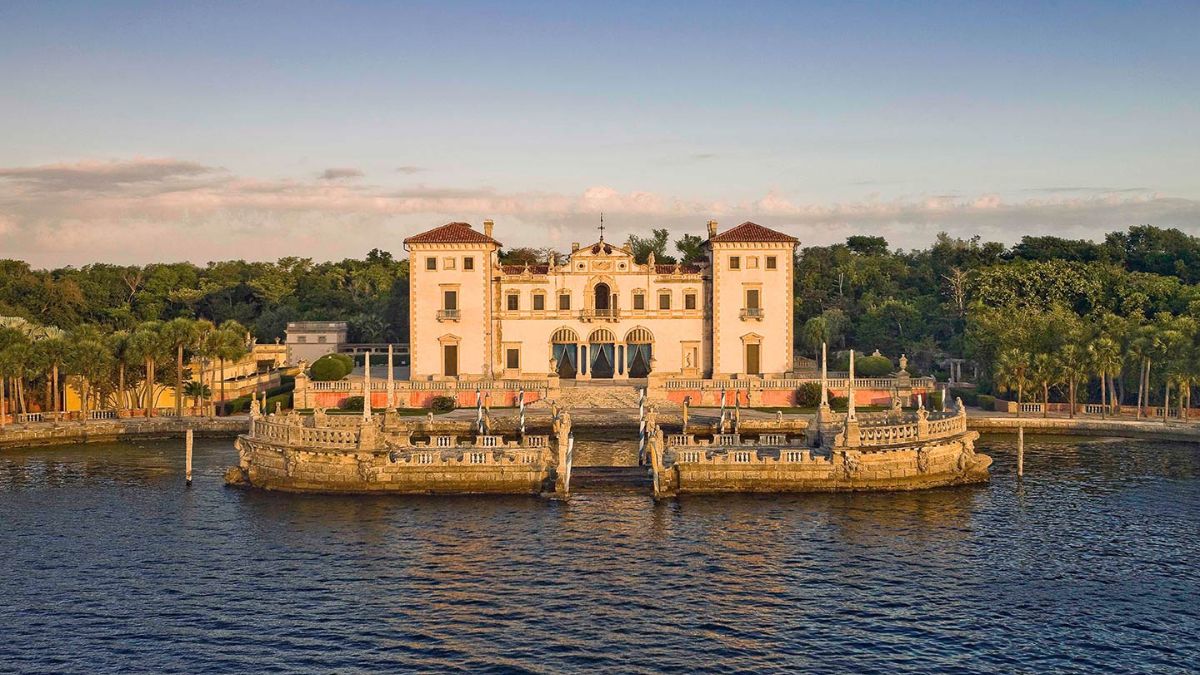
Introduction to Miami Florida Verenigde Staten
Welcome to Miami Florida Verenigde Staten—a city where sun-soaked beaches meet vibrant cultures and rich histories. Known for its stunning coastline, lively nightlife, and diverse communities, Miami is a melting pot of traditions that come together to create an atmosphere like no other. Whether you’re wandering through colorful neighborhoods or savoring the flavors of international cuisine, this tropical paradise offers something unique for everyone. Join us as we explore the cultural tapestry that makes Miami one of the most captivating cities in America.
The Diverse Cultures in Miami
Miami is a melting pot of cultures. This vibrant city showcases an impressive mix of influences from around the globe.
You can find rich Hispanic traditions, especially from countries like Cuba, Colombia, and Venezuela. The streets pulse with Spanish rhythms and flavors that reflect these roots.
Beyond Latin America, Miami attracts residents from Europe, Asia, and Africa. Each community contributes its unique customs, art forms, and culinary delights to the city’s tapestry.
Festivals celebrating Caribbean heritage light up the calendar every year. Events like Carnaval Miami showcase colorful parades filled with music and dance.
Art galleries burst with diverse expressions reflecting this multicultural identity. From street murals depicting local stories to high-end exhibits showcasing international artists—there’s something for everyone.
In this dynamic environment, language barriers dissolve as people connect through shared experiences. In Miami’s neighborhoods like Little Havana or Wynwood, cultural pride shines brightly in everyday life.
A Brief History of Miami
Miami, Florida, Verenigde Staten, has a rich tapestry of history that dates back thousands of years. Originally inhabited by the Tequesta people, the area was a vibrant hub for Native American culture.
In the 16th century, Spanish explorers arrived but found it largely uninhabited. Fast forward to the late 19th century when Henry Flagler’s railroad connected Miami to other parts of Florida. This marked the beginning of its transformation into a bustling city.
The 20th century saw significant growth due to waves of immigration and development. The opening of Miami Beach in the 1910s attracted tourists seeking sun and fun.
Cuban migration in the 1960s further enriched Miami’s multicultural landscape. The city’s identity began to solidify as a melting pot where various cultures coexisted harmoniously while influencing each other profoundly.
The Influence of Cuban Culture in Miami
Cuban culture shapes the heartbeat of Miami Florida Verenigde Staten. The waves of Cuban immigration have infused the city with vibrant traditions and customs that resonate throughout its streets.
Little Havana serves as a cultural hub where cigar shops, art galleries, and lively cafes thrive. Here, you can see locals enjoying café con leche while discussing politics or playing dominoes in bustling parks.
Music pulses through every corner. From salsa to son cubano, rhythms invite residents and tourists alike to dance. Live performances often fill venues like Ball & Chain, blending the old with contemporary sounds.
Cuisine tells another story of heritage. Iconic dishes such as Ropa Vieja and Tostones are staples in countless restaurants. Food becomes a bridge connecting generations of Cubans who share recipes passed down through families.
Street festivals celebrate this rich history regularly, showcasing art displays and culinary delights that capture the essence of Cuba right in Miami’s embrace.
Art and Music Scene in Miami
Miami’s art and music scene is a vibrant tapestry that reflects its rich cultural diversity. Street art bursts from every corner, with murals transforming urban spaces into open-air galleries. Wynwood Walls stands out as an iconic destination where creativity knows no bounds.
The city’s annual Art Basel event attracts global artists and collectors, making Miami a focal point for contemporary art lovers. Galleries showcase everything from modern masterpieces to traditional works, enriching the local community’s artistic dialogue.
Music pulses through Miami like the rhythm of its heart. From salsa beats in Little Havana to electronic vibes at world-renowned festivals like Ultra Music Festival, there’s something for everyone. Local venues host live performances almost nightly, featuring genres that range from jazz to reggaeton.
This dynamic landscape fosters collaboration among artists and musicians alike, creating an atmosphere that encourages innovation and expression at every turn. Each note played or stroke painted tells a story unique to this coastal city.
Food and Cuisine in Miami
Miami’s culinary scene is a vibrant tapestry woven from diverse cultural influences. The city boasts an array of flavors, from Latin American to Caribbean and beyond.
You can’t visit Miami without indulging in some authentic Cuban cuisine. A classic cubano sandwich or a plate of ropa vieja will transport your taste buds straight to Havana.
Beyond Cuban fare, you’ll find tantalizing options like fresh ceviche and empanadas that reflect the rich Peruvian influence here. Each dish tells a story, showcasing ingredients sourced right from local markets.
Exploring Miami’s food trucks adds another layer of excitement. These mobile kitchens serve everything from gourmet tacos to tropical fruit smoothies, making it easy for anyone to satisfy their cravings on the go.
Don’t forget dessert! Try a slice of key lime pie or pastelito de guayaba for an unforgettable sweet finish after your meal.
Preservation of Cultural Identity in Miami
Miami thrives on its rich tapestry of cultures. As a melting pot, it celebrates diversity while fostering individual cultural identities.
Community organizations play a vital role in this preservation. They host festivals and events that showcase traditions from various backgrounds, ensuring they remain vibrant and relevant.
Neighborhoods like Little Havana are living testaments to the city’s commitment to cultural heritage. Streets pulse with music, art, and food that reflect their roots.
Education also plays a crucial part. Schools incorporate multicultural curricula that promote understanding among different ethnic groups.
The younger generation actively engages in preserving these identities through social media platforms, sharing stories and experiences that keep their cultures alive.
Art galleries often feature works by local artists who draw inspiration from their heritage, bridging past influences with contemporary expressions. This dynamic environment keeps Miami’s cultural identity not just intact but continuously evolving.
Conclusion: Embracing the Vibrant Culture of Miami
Miami Florida Verenigde Staten is a melting pot where various cultures converge and thrive. The rich tapestry of traditions and influences creates an atmosphere unlike any other in the United States. Visitors from around the world are drawn to its vibrant streets, colorful festivals, and diverse neighborhoods.
The blend of languages spoken here reflects its multicultural identity. Spanish and English dominate, but you can also hear Creole, Portuguese, Haitian Kreyòl, and many others. This linguistic diversity adds depth to Miami’s character.
Walking through Little Havana feels like stepping into Cuba itself. The lively music emanating from cafes invites you to join in the rhythm of daily life. Street art adorns walls throughout Wynwood Arts District—a testament to local talent that celebrates both heritage and contemporary expression.
Food plays a crucial role in Miami’s cultural scene as well. From freshly made empanadas to traditional Cuban sandwiches at iconic eateries like Versailles Restaurant—each bite tells a story rooted in history.
As time passes, preserving these cultural identities remains essential for residents who cherish their unique backgrounds while embracing new influences. Festivals such as Calle Ocho highlight this commitment by celebrating Latin American culture with open arms for everyone.
Experiencing Miami means immersing oneself in a vibrant mix of sights, sounds, tastes—and stories waiting to be discovered on every corner! It’s more than just a beautiful city; it’s where cultures collide beautifully—creating memories that last long after you’ve left its shores.
-

 TOPIC1 year ago
Why Large Waterproof Outdoor Rugs Are Essential for All Outdoor Spaces
-

 TOPIC1 year ago
7 Expert Tips For Choosing The Best Basement Renovation Companies
-

 FASHION1 year ago
How to Layer Your White Dress for Cold Weather?
-

 TOPIC9 months ago
Why Greece Katz Martian Has Everyone Talking in 2025
-

 BUSINESS10 months ago
Top 5 Features of Sowix Online That Every User Should Know About
-

 TOPIC10 months ago
Top Features of BetterThisWorld .com You Need to Know About
-

 FINANCE1 year ago
How TraceLoans Can Simplify Your Finances
-

 BIOGRAPHY1 year ago
From Reality Star to Business Mogul: Prince Narula Digital PayPal