
TECHNOLOGY
Challenges and Limitations of 100G Optical Modules

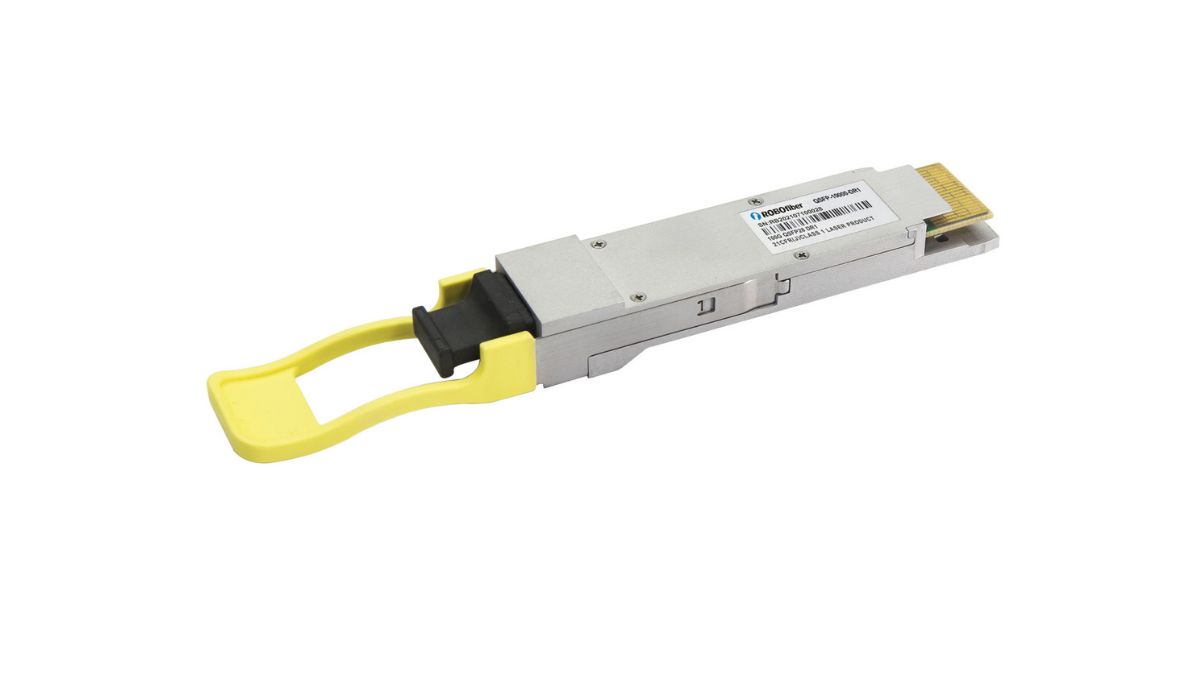
As the demand for high-speed data transmission continues to rise, 100G optical modules have emerged as a key technology in modern data centers and networking infrastructures. However, despite their capabilities, these modules face certain challenges and limitations. Understanding these can help network engineers and businesses make informed decisions when deploying 100G technology.
Cost: Higher Costs Compared to Lower-Speed Modules
One of the primary challenges with 100G optical modules is their cost. Compared to lower-speed modules, such as 10G or 40G, 100G modules are significantly more expensive. This price disparity can be attributed to the advanced technology required to support higher data rates, including more complex circuitry, higher-quality materials, and tighter manufacturing tolerances. For companies looking to upgrade their networks, the cost of implementing 100G infrastructure can be prohibitive, especially when scaling across large data centers.
While prices for 100G modules have been gradually decreasing due to increased production and market competition, they are still a considerable investment for organizations. As a result, cost remains a key limitation for smaller businesses or enterprises that are budget-sensitive. It’s crucial to weigh the immediate cost against long-term benefits, such as increased data throughput and future-proofing, when considering 100G optical modules.
Power Consumption: An Ongoing Concern
Another significant limitation of 100G optical modules is power consumption. Although technological advancements have led to improvements in energy efficiency, many modules still consume a substantial amount of power, especially in large-scale deployments. Higher power consumption not only increases operational costs but also generates additional heat, which can put a strain on cooling systems in data centers. In environments where hundreds or even thousands of 100G modules are deployed, energy consumption becomes a major consideration.
To address this issue, manufacturers are continuously working to improve the energy efficiency of 100G modules. However, power consumption is still a challenge, particularly for high-performance modules that support extended transmission distances. For companies looking to balance performance with energy efficiency, choosing the right 100G module is essential.
Distance Limitations: Short-Range Modules Like SR4
Another limitation of 100G optical modules is the distance over which they can effectively transmit data. While some modules, such as the 100GBASE-ER4, are designed for long-range transmission (up to 40 kilometers), others, like the 100GBASE-SR4, have much shorter distance capabilities, typically around 100 meters over multimode fiber.
This distance limitation poses a challenge for network designers who need to transmit data over longer spans, such as between buildings or across large campuses. In these cases, the use of long-range modules becomes necessary, but these tend to be more expensive and may consume more power. Organizations must carefully consider their distance requirements when selecting 100G optical modules to ensure they choose a solution that fits their specific needs.
Choosing the Right 100G Module
With various types of 100G optical modules available, selecting the right one for a specific network can be a daunting task. Factors such as distance, power consumption, fiber type, and budget all play a role in the decision-making process.
Factors to Consider
- Distance: As mentioned, distance is a critical factor when choosing a 100G optical module. For short distances, modules like 100GBASE-SR4, which operates over multimode fiber, are suitable. For longer distances, options like 100GBASE-LR4 (up to 10 kilometers) or 100GBASE-ER4 (up to 40 kilometers) on single-mode fiber are more appropriate.
- Power Consumption: Power consumption varies across different modules. If energy efficiency is a priority, choosing modules with lower power requirements, such as newer versions of 100GBASE-LR4, may help reduce operational costs.

- Fiber Type: The type of fiber infrastructure already in place can also influence the choice of module. Multimode fiber is typically used for short-range applications, while single-mode fiber is preferred for long-distance transmissions.
- Budget: Balancing performance and budget is another important consideration. While long-range modules like 100GBASE-ER4 offer excellent performance, they come at a premium. It’s essential to evaluate the cost-benefit ratio based on the specific network needs.
Comparing SR4, LR4, and ER4 Modules
- 100GBASE-SR4: Ideal for short-range, high-speed applications within data centers. It is cost-effective but limited in range (typically 100 meters).
- 100GBASE-LR4: Suitable for medium-range applications, supporting distances up to 10 kilometers over single-mode fiber. It strikes a balance between cost and performance.
- 100GBASE-ER4: Designed for long-range transmission, reaching up to 40 kilometers. While more expensive, it’s ideal for large-scale networks requiring long-distance data transmission.
Future Trends in 100G Optical Modules
While the industry is gradually transitioning to 400G and beyond, 100G optical modules are expected to remain relevant for many years to come. They continue to serve as a vital link in data center interconnects, cloud networks, and telecom infrastructures.
Transition to 400G and Beyond
The development of 400G modules is well underway, with many large-scale data centers already implementing these newer technologies to handle massive data volumes. However, for most organizations, 100G will continue to meet performance requirements for the foreseeable future. The migration to 400G will be gradual, and 100G will still be the backbone of many networks.
Innovations in Power Consumption and Distance
One of the key trends in the 100G module space is the ongoing innovation to reduce power consumption. Manufacturers are focusing on developing lower-power modules that can still provide high performance. Additionally, improvements in transmission distances, particularly for single-mode modules, will continue to enhance the flexibility and scalability of 100G optical technology.
Conclusion
In conclusion, while 100G optical modules face certain challenges such as cost, power consumption, and distance limitations, they remain an essential technology in modern networking. With careful consideration of factors such as distance and budget, organizations can select the most suitable module for their needs, while innovations in the field promise to address current limitations and ensure the continued relevance of 100G modules well into the future.
TECHNOLOGY
Chnezbzftr: The Complete Guide to Understanding Its Purpose, Benefits, and Future Potential


The digital world constantly introduces new concepts, platforms, and frameworks that promise to improve efficiency and innovation. One term that has recently attracted attention is chnezbzftr. While many people are still unfamiliar with it, interest is growing among professionals, businesses, and technology enthusiasts seeking fresh approaches to solving modern challenges.
Understanding chnezbzftr is important because emerging concepts often shape future trends. Whether you are researching new technologies, exploring innovative strategies, or simply curious about the term, this guide explains everything you need to know in a clear and practical way.
By the end of this article, you will understand what chnezbzftr is, how it works, its advantages, common mistakes to avoid, and the best ways to leverage its potential.
What Is Chnezbzftr?
At its core, chnezbzftr can be viewed as a modern framework that combines innovation, digital processes, and strategic optimization to improve outcomes across different environments.
Simple Definition
Chnezbzftr is a structured approach designed to improve efficiency, adaptability, and performance through connected systems and streamlined workflows.
This definition makes it easier to understand why organizations and individuals are showing interest in the concept.
Why It Matters
Modern environments are increasingly complex. Businesses need faster decision-making, better resource allocation, and improved operational flexibility.
Chnezbzftr addresses these needs by focusing on:
- Process improvement
- Better coordination
- Data-driven decision making
- Scalable implementation
- Long-term adaptability
As industries evolve, frameworks that support continuous improvement become more valuable.
The Core Components of Chnezbzftr
To fully understand the concept, it helps to break it down into its primary components.
1. Integration
Integration allows different systems and processes to work together seamlessly.
Benefits include:
- Reduced duplication
- Improved communication
- Faster workflows
- Better data consistency
2. Optimization
Optimization focuses on maximizing efficiency while minimizing waste.
This may involve:
- Resource allocation
- Performance monitoring
- Workflow refinement
- Strategic planning
3. Scalability
Scalability ensures that a system can grow without losing effectiveness.
Organizations often prioritize scalable solutions because they support long-term expansion.
4. Adaptability
Adaptability enables quick responses to changing conditions.
This is particularly valuable in industries experiencing rapid technological change.
Quick Overview Table
| Core Element | Primary Function | Key Benefit |
|---|---|---|
| Integration | Connect systems | Improved collaboration |
| Optimization | Improve performance | Greater efficiency |
| Scalability | Support growth | Long-term sustainability |
| Adaptability | Handle change | Increased resilience |
How Chnezbzftr Works
The effectiveness of chnezbzftr comes from its structured methodology.
Step 1: Assessment
The first phase involves evaluating existing processes and identifying improvement opportunities.
Questions often include:
- What is working well?
- Where are bottlenecks occurring?
- Which resources are underutilized?
Step 2: Planning
After assessment, a clear strategy is developed.
This includes:
- Defining goals
- Allocating resources
- Establishing timelines
- Identifying success metrics
Step 3: Implementation
The planned framework is introduced gradually to ensure smooth adoption.
Organizations typically:
- Test systems
- Train users
- Monitor results
- Adjust where necessary
Step 4: Continuous Improvement
The process does not stop after implementation.
Regular evaluation helps maintain performance and uncover new opportunities for growth.
Benefits of Chnezbzftr
The growing popularity of chnezbzftr is largely driven by the advantages it offers.
Increased Efficiency
Efficiency improvements are often the first noticeable result.
By removing unnecessary steps and improving coordination, organizations can achieve more with fewer resources.
Better Decision-Making
When processes are structured and information flows effectively, decision-makers gain access to more reliable insights.
Enhanced Productivity
Teams can focus on high-value activities rather than repetitive tasks.
Greater Flexibility
Organizations become more capable of responding to market shifts and operational challenges.
Stronger Long-Term Growth
Scalable systems create a solid foundation for future expansion.
Benefits Breakdown
| Benefit | Impact on Organizations |
| Efficiency | Faster workflows |
| Productivity | Better output |
| Flexibility | Easier adaptation |
| Scalability | Sustainable growth |
| Visibility | Improved monitoring |
| Coordination | Better teamwork |
Real-World Applications of Chnezbzftr
One reason the concept is gaining attention is its versatility.
Business Operations
Organizations can use chnezbzftr to streamline internal processes.
Examples include:
- Workflow automation
- Resource management
- Project coordination
- Performance tracking
Technology Environments
Technology teams often apply similar frameworks to improve:
- System reliability
- Data management
- Infrastructure planning
- Operational efficiency
Educational Settings
Educational institutions can use structured frameworks to:
- Improve collaboration
- Manage resources
- Support digital learning
- Enhance administrative processes
Personal Productivity
Individuals may also apply chnezbzftr principles to:
- Time management
- Goal tracking
- Task prioritization
- Continuous self-improvement
Chnezbzftr vs Traditional Approaches
Understanding the differences between modern frameworks and traditional methods can highlight the value of innovation.
Comparison Table
| Feature | Traditional Approach | Chnezbzftr Approach |
| Flexibility | Limited | High |
| Scalability | Moderate | Strong |
| Efficiency | Variable | Optimized |
| Adaptability | Slow | Fast |
| Data Utilization | Basic | Advanced |
| Continuous Improvement | Occasional | Ongoing |
The comparison clearly shows why many organizations prefer modern methodologies when pursuing growth and efficiency.
Pros and Cons of Chnezbzftr
Every framework has strengths and limitations.
Pros
- Encourages efficiency
- Supports scalability
- Improves coordination
- Enables continuous improvement
- Promotes adaptability
- Enhances visibility into operations
Cons
- Requires planning
- May involve initial training
- Adoption can take time
- Results depend on implementation quality
- Continuous monitoring is necessary
Despite these challenges, the benefits often outweigh the drawbacks when applied correctly.
Common Mistakes People Make
Many implementations fail not because the framework is ineffective, but because of avoidable mistakes.
Ignoring Clear Objectives
Without defined goals, measuring success becomes difficult.
Overcomplicating Processes
Complex systems often create confusion instead of efficiency.
Lack of Training
Users must understand how the framework works to maximize its value.
Poor Monitoring
Tracking progress helps identify issues before they become major problems.
Resistance to Change
Organizations that avoid adaptation may struggle to achieve meaningful results.
Best Practices for Success
Applying proven strategies significantly improves outcomes.
Start Small
Pilot projects allow testing before large-scale deployment.
Define Measurable Goals
Clear metrics create accountability and help evaluate performance.
Encourage Collaboration
Strong communication improves adoption and long-term success.
Focus on Continuous Improvement
Regular reviews help identify opportunities for optimization.
Use Data Effectively
Reliable information supports smarter decision-making.
Best-Practice Framework
| Best Practice | Expected Result |
| Set clear goals | Better direction |
| Monitor performance | Faster improvements |
| Train participants | Higher adoption |
| Review regularly | Continuous optimization |
| Scale gradually | Reduced risk |
The Future of Chnezbzftr
As industries continue embracing digital transformation, frameworks focused on efficiency and adaptability are likely to become even more important.
Several trends support this growth:
Increased Automation
Automation continues to reshape workflows and operational processes.
Greater Reliance on Data
Organizations increasingly depend on accurate information to guide decisions.
Demand for Scalability
Growing businesses require solutions that can evolve alongside their needs.
Focus on Innovation
Competitive markets reward organizations that can adapt quickly and efficiently.
As a result, concepts like chnezbzftr may become central to future operational strategies.
Key Takeaways
If you only remember a few points about chnezbzftr, focus on these:
- It emphasizes efficiency and optimization.
- It supports scalability and adaptability.
- It can be applied across industries.
- Success depends on planning and execution.
- Continuous improvement is essential.
These principles explain why interest in the concept continues to grow.
Conclusion
Chnezbzftr represents more than just a new term. It reflects a broader movement toward smarter systems, better coordination, and continuous improvement. By focusing on integration, scalability, optimization, and adaptability, the framework offers a practical way to address modern challenges.
Whether used by businesses, technology teams, educational institutions, or individuals, the underlying principles remain the same: improve efficiency, make better decisions, and create sustainable growth.
Organizations that embrace these ideas are often better positioned to adapt to changing environments and capitalize on future opportunities. As digital transformation continues accelerating, understanding chnezbzftr could provide a valuable advantage.
Frequently Asked Questions
1. What is chnezbzftr?
Chnezbzftr is a structured framework focused on improving efficiency, scalability, adaptability, and overall performance.
2. Why is chnezbzftr important?
It helps organizations and individuals streamline processes, improve decision-making, and support sustainable growth.
3. Can small businesses use chnezbzftr?
Yes. Small businesses can implement its principles to improve workflows, productivity, and resource management.
4. What industries can benefit from chnezbzftr?
Technology, education, business operations, project management, and many other sectors can apply its concepts.
5. What is the biggest advantage of chnezbzftr?
Its ability to combine efficiency, flexibility, and scalability within a single framework is often considered its greatest strength.

Introduction
As organizations continue to digitize their operations, platforms that improve connectivity, data management, and workflow efficiency have become increasingly important. One solution that has attracted attention in this space is pdsconnect2.
Whether you are researching the platform for business use, trying to understand its capabilities, or evaluating its potential benefits, understanding how pdsconnect2 works can help you make informed decisions. Modern businesses rely on connected systems, real-time data access, and streamlined communication. Solutions that bring these elements together often play a critical role in operational success.
This guide explores pdsconnect2 in detail, including its core features, practical applications, advantages, limitations, and best practices for implementation.
What Is PDSConnect2?
PDSConnect2 is generally understood as a digital connectivity and management platform designed to help organizations improve communication, data accessibility, and operational efficiency across multiple systems.
At its core, the platform focuses on:
- Centralized information access
- Improved workflow management
- Enhanced system integration
- Better collaboration between teams
- Streamlined business processes
By reducing information silos and improving visibility across departments, organizations can make faster and more informed decisions.
Why Businesses Need Connected Platforms
Modern companies often use multiple tools for:
- Customer management
- Project tracking
- Reporting
- Data storage
- Communication
Without proper integration, these systems can create inefficiencies. A centralized platform helps bridge these gaps and improves operational consistency.
Key Features of PDSConnect2
One of the main reasons businesses consider pdsconnect2 is its collection of productivity-focused features.
Centralized Data Access
Instead of switching between multiple systems, users can access relevant information from a unified environment.
Benefits include:
- Faster information retrieval
- Reduced duplication
- Better collaboration
- Improved accuracy
Workflow Automation
Automation helps reduce repetitive tasks and minimizes manual errors.
Examples include:
- Automated notifications
- Task routing
- Data synchronization
- Report generation
Integration Capabilities
Many organizations already have established software ecosystems. Integration capabilities allow pdsconnect2 to work alongside existing tools rather than replacing them entirely.
Security and Access Control
Data security remains a top priority for businesses.
Common security-focused features may include:
- User authentication
- Role-based permissions
- Activity monitoring
- Secure data handling
Analytics and Reporting
Real-time insights help organizations identify trends, monitor performance, and make data-driven decisions.
PDSConnect2 Feature Breakdown
| Feature Area | Primary Purpose | Business Impact |
|---|---|---|
| Data Management | Centralized information access | Improved visibility |
| Workflow Automation | Reduce manual work | Higher productivity |
| System Integration | Connect existing tools | Better collaboration |
| Security Controls | Protect business data | Reduced risk |
| Reporting Tools | Generate insights | Smarter decisions |
How PDSConnect2 Improves Business Operations
Organizations often struggle with fragmented systems and inefficient communication. Implementing a centralized platform can help address these challenges.
Improved Collaboration
When employees can access shared information, collaboration becomes easier.
Teams benefit from:
- Faster communication
- Better project visibility
- Reduced misunderstandings
- Greater accountability
Enhanced Productivity
Employees spend less time searching for information and more time completing valuable work.
This often leads to:
- Faster task completion
- Reduced delays
- Improved employee efficiency
Better Decision-Making
Data-driven decisions are usually more reliable than assumptions.
With access to organized information and reporting tools, managers can:
- Identify opportunities
- Track performance
- Monitor goals
- Improve planning
Increased Operational Consistency
Standardized workflows ensure processes are followed consistently across departments.
Common Use Cases for PDSConnect2
Different industries can benefit from connected digital platforms.
Project Management
Project teams often need access to shared documents, timelines, and progress updates.
A connected system helps maintain alignment and transparency.
Operations Management
Operations teams can use centralized information to monitor workflows and improve efficiency.
Customer Service
Support teams benefit from quicker access to customer records and communication histories.
Data Reporting
Managers can generate reports and analyze business performance more effectively.
Cross-Department Collaboration
Departments frequently need access to shared information. Centralized systems make collaboration smoother and more efficient.
Business Benefits Comparison
| Challenge | Traditional Approach | Using PDSConnect2 |
| Information Access | Multiple systems | Centralized access |
| Collaboration | Email-heavy workflows | Shared visibility |
| Reporting | Manual compilation | Automated insights |
| Process Management | Inconsistent procedures | Standardized workflows |
| Productivity | Time-consuming tasks | Streamlined operations |
Pros and Cons of PDSConnect2
No platform is perfect. Evaluating both strengths and limitations provides a balanced perspective.
Pros
- Improved workflow efficiency
- Better collaboration across teams
- Centralized data access
- Reduced manual processes
- Enhanced reporting capabilities
- Greater organizational visibility
- Potential cost savings over time
Cons
- Initial implementation effort
- User training requirements
- Possible integration complexity
- Change management challenges
- Learning curve for new users
Organizations should evaluate their specific needs before deployment.
Best Practices for Using PDSConnect2
Successful implementation requires more than simply installing a platform.
Define Clear Objectives
Before deployment, determine what problems the platform should solve.
Examples include:
- Improving collaboration
- Reducing manual work
- Enhancing reporting
- Streamlining workflows
Train Employees Properly
Even the best software delivers limited value if users do not understand how to use it effectively.
Training should cover:
- Core functionality
- Security practices
- Workflow procedures
- Reporting tools
Start With Priority Processes
Rather than transforming everything at once, begin with high-impact workflows.
This approach helps teams adapt gradually.
Monitor Performance Metrics
Track measurable outcomes such as:
- Time savings
- Productivity improvements
- User adoption rates
- Error reduction
Review Workflows Regularly
Business requirements change over time. Regular reviews help ensure processes remain optimized.
Implementation Framework
| Implementation Stage | Key Action | Expected Outcome |
| Planning | Define goals and requirements | Clear project direction |
| Setup | Configure platform settings | Functional environment |
| Integration | Connect existing systems | Unified workflows |
| Training | Educate users | Higher adoption |
| Optimization | Monitor and improve | Long-term success |
Common Mistakes to Avoid
Organizations sometimes struggle because of avoidable implementation mistakes.
Skipping User Training
Employees who do not understand the system may resist adoption or use it incorrectly.
Poor Planning
Lack of clear objectives can lead to confusion and inconsistent results.
Ignoring Data Quality
Even advanced platforms cannot compensate for inaccurate or outdated data.
Overcomplicating Processes
Adding unnecessary steps can reduce efficiency rather than improve it.
Failing to Measure Results
Without performance metrics, it becomes difficult to determine whether goals are being achieved.
How to Maximize ROI With PDSConnect2
To achieve the highest return on investment, organizations should focus on long-term optimization.
Encourage Platform Adoption
Leadership support often increases employee engagement and participation.
Standardize Processes
Consistent procedures improve efficiency and reduce confusion.
Leverage Automation
Automation is one of the most valuable features for reducing repetitive work.
Use Analytics Strategically
Reporting tools should support decision-making rather than simply generate data.
Continuously Improve
The most successful organizations regularly evaluate and refine their workflows.
Future Outlook for Connected Business Platforms
The future of business technology continues to move toward greater connectivity, automation, and data-driven decision-making.
Platforms similar to pdsconnect2 are expected to evolve in areas such as:
- Intelligent automation
- Enhanced analytics
- Improved integrations
- Stronger security frameworks
- Greater scalability
Organizations that embrace connected systems are often better positioned to adapt to changing business environments.
Conclusion
PDSConnect2 represents the growing demand for connected, efficient, and data-driven business operations. By centralizing information, automating workflows, and improving collaboration, it can help organizations reduce inefficiencies and enhance productivity.
Like any business solution, success depends on proper planning, employee training, and continuous optimization. Organizations that clearly define objectives and follow best practices are more likely to maximize the value of their implementation.
As digital transformation continues to accelerate, platforms that improve connectivity and operational visibility will remain increasingly important for businesses of all sizes.
Frequently Asked Questions
1. What is PDSConnect2 used for?
PDSConnect2 is commonly used to improve connectivity, workflow management, collaboration, and data accessibility within organizations.
2. Who can benefit from PDSConnect2?
Businesses, operations teams, project managers, customer service departments, and organizations seeking greater efficiency can benefit from the platform.
3. Does PDSConnect2 support automation?
Yes. Workflow automation is one of the primary advantages associated with platforms of this type.
4. Is PDSConnect2 suitable for growing businesses?
In many cases, yes. Scalability and centralized management make it useful for organizations that expect growth.
5. What is the biggest advantage of PDSConnect2?
The biggest advantage is often the ability to centralize information and improve operational efficiency across multiple departments.

Introduction
In today’s fast-moving financial world, staying informed is no longer optional. Whether you’re an investor, entrepreneur, trader, or simply someone interested in the economy, having access to reliable information can significantly influence your decisions. This is where sosoactive financial news has gained attention among readers seeking market updates, investment insights, and broader economic coverage.
Financial news platforms have evolved beyond simply reporting stock prices. Modern readers expect timely analysis, expert commentary, economic forecasts, and practical insights that help them understand market movements. As a result, finance-focused news sources have become valuable tools for navigating uncertainty and identifying opportunities.
This guide explores what financial news platforms offer, why they matter, how readers can use them effectively, and the best practices for turning information into informed financial decisions.
What Is Sosoactive Financial News?
Sosoactive financial news refers to financial reporting, market updates, investment commentary, and economic analysis designed to help readers understand developments affecting personal finance, business, and investing.
At its core, financial news covers:
- Stock market updates
- Economic indicators
- Corporate earnings reports
- Investment opportunities
- Cryptocurrency developments
- Interest rate changes
- Global financial trends
- Personal finance strategies
The goal is not only to inform but also to provide context behind market events so readers can make better decisions.
Why Financial News Matters
Financial markets react quickly to information. News about inflation, employment, interest rates, or corporate earnings can move entire sectors within hours.
Benefits of following financial news include:
- Better investment awareness
- Improved risk management
- Early identification of market trends
- Enhanced financial literacy
- Stronger long-term planning
Key Areas Covered by Financial News Platforms
Understanding the different categories of financial reporting can help readers focus on information most relevant to their goals.
Market News
Market news focuses on:
- Stock indexes
- Company performance
- Sector trends
- Trading activity
- Market sentiment
Investors often monitor market news daily to understand short-term movements and long-term trends.
Economic News
Economic reporting examines broader factors influencing markets.
Examples include:
- Inflation reports
- GDP growth
- Employment statistics
- Consumer spending
- Manufacturing data
These indicators often influence central bank decisions and investor confidence.
Corporate News
Corporate updates typically cover:
- Earnings announcements
- Mergers and acquisitions
- Executive leadership changes
- Product launches
- Business expansion plans
Such developments can directly affect stock performance and investor sentiment.
Financial News Categories and Their Impact
| Financial News Category | Primary Focus | Potential Impact on Investors |
|---|---|---|
| Stock Market News | Market performance | Portfolio adjustments |
| Economic Reports | National economy | Long-term investment strategy |
| Corporate Earnings | Company profitability | Stock valuation changes |
| Interest Rate Updates | Monetary policy | Bond and equity markets |
| Cryptocurrency News | Digital assets | Risk and growth opportunities |
| Global Events | International markets | Diversification decisions |
How Financial News Influences Investment Decisions
Financial news serves as a decision-making resource rather than a prediction tool.
Understanding Market Sentiment
Investor sentiment often drives short-term market behavior.
Positive news may lead to:
- Increased buying activity
- Higher valuations
- Greater market confidence
Negative news may trigger:
- Market selloffs
- Increased volatility
- Defensive investment strategies
Identifying Emerging Trends
One of the greatest advantages of following financial coverage is spotting trends before they become mainstream.
Examples include:
- Artificial intelligence investments
- Renewable energy growth
- Fintech innovation
- Healthcare technology expansion
Early awareness can help investors conduct further research before trends gain widespread attention.
Supporting Long-Term Planning
Successful investors rarely react to every headline. Instead, they use information to support long-term strategies.
Financial news can help:
- Rebalance portfolios
- Evaluate sectors
- Understand macroeconomic shifts
- Monitor investment risks
Essential Financial Metrics Often Discussed in News Reports
Many financial articles reference specific metrics. Understanding them improves comprehension.
| Metric | Meaning | Why It Matters |
| GDP | Economic output | Indicates economic growth |
| CPI | Consumer Price Index | Measures inflation |
| EPS | Earnings Per Share | Reflects company profitability |
| P/E Ratio | Price-to-Earnings Ratio | Helps assess stock valuation |
| Interest Rate | Cost of borrowing | Influences spending and investment |
| Unemployment Rate | Workforce participation | Signals economic health |
Featured Snippet: What Are Financial Metrics?
Financial metrics are measurable indicators used to evaluate economic performance, business health, and investment opportunities. Common examples include GDP, inflation rates, earnings per share, and valuation ratios.
Best Practices for Reading Financial News
Simply consuming information is not enough. Readers must interpret it effectively.
Focus on Reliable Sources
Not every headline deserves equal attention.
Look for:
- Data-driven reporting
- Expert analysis
- Transparent sourcing
- Balanced viewpoints
Separate Facts from Opinions
Financial content often combines reporting with commentary.
Ask yourself:
- Is this factual reporting?
- Is this an analyst’s opinion?
- What evidence supports the conclusion?
Monitor Long-Term Trends
Daily market fluctuations can be distracting.
Instead, focus on:
- Quarterly performance
- Economic cycles
- Industry developments
- Long-term growth patterns
A Practical Framework for Evaluating Financial News
| Evaluation Step | Key Question | Purpose |
| Verify Source | Is the source credible? | Reduce misinformation |
| Check Data | Are statistics provided? | Validate claims |
| Assess Impact | Who is affected? | Understand relevance |
| Review Context | What caused the event? | Improve interpretation |
| Consider Timeline | Short-term or long-term? | Guide decision-making |
Common Mistakes Readers Make
Many people consume financial information incorrectly.
Reacting Emotionally
Fear and excitement often lead to poor decisions.
Avoid:
- Panic selling
- Chasing trends
- Acting on rumors
Ignoring Context
A single headline rarely tells the full story.
For example:
A company missing earnings expectations may still be growing rapidly and maintaining strong fundamentals.
Following Every Market Prediction
No analyst consistently predicts markets with perfect accuracy.
Instead:
- Use forecasts as references
- Conduct independent research
- Diversify information sources
Pros and Cons of Following Financial News
Pros
- Improves market awareness
- Supports informed investing
- Increases financial literacy
- Highlights emerging opportunities
- Provides economic context
Cons
- Information overload
- Short-term market noise
- Potential bias in commentary
- Emotional decision-making risks
- Contradictory expert opinions
The Growing Role of Digital Financial Media
Financial journalism has changed dramatically over the past decade.
Real-Time Reporting
Readers now receive updates instantly through:
- Mobile apps
- Websites
- News alerts
- Social media platforms
This accessibility enables faster responses to market developments.
Data Visualization
Modern financial reporting increasingly uses:
- Interactive charts
- Market dashboards
- Economic trackers
- Performance comparisons
These tools make complex information easier to understand.
Personalized News Experiences
Many platforms now tailor content based on:
- Investment interests
- Industry preferences
- Geographic focus
- Reading behavior
As personalization improves, readers gain access to more relevant insights.
How Beginners Can Use Financial News Effectively
New investors often feel overwhelmed by market terminology.
Start with these steps:
Learn Core Concepts
Focus on understanding:
- Stocks
- Bonds
- ETFs
- Inflation
- Interest rates
Follow Major Economic Events
Track:
- Federal Reserve decisions
- Inflation releases
- Employment reports
- Corporate earnings seasons
Build a Consistent Reading Habit
Even 15–20 minutes daily can improve financial knowledge over time.
Consistency matters more than volume.
The Future of Financial News Consumption
Financial media continues to evolve alongside technology.
Future trends may include:
- Advanced market analytics
- Enhanced data visualization
- More personalized reporting
- Greater integration of economic data
- Improved educational content for investors
Readers who develop strong financial literacy today will be better positioned to benefit from these advancements tomorrow.
Conclusion
Sosoactive financial news represents more than just market headlines. It serves as a gateway to understanding the forces shaping investments, businesses, and the global economy. By learning how to evaluate information, identify reliable insights, and focus on long-term trends, readers can transform financial news from a source of information into a strategic advantage.
The most successful investors are not necessarily those who consume the most news. Rather, they are the individuals who understand how to interpret information, separate facts from speculation, and make decisions aligned with their goals. With the right approach, financial news becomes a powerful tool for smarter planning, better investments, and stronger financial confidence.
FAQs
1. What is sosoactive financial news?
It refers to financial reporting, market updates, economic analysis, and investment insights that help readers understand financial developments and market trends.
2. Why is financial news important for investors?
Financial news provides information about market conditions, economic indicators, and company performance that can influence investment decisions.
3. How often should I read financial news?
Reading financial news daily or several times per week helps maintain awareness of important market and economic developments.
4. Can financial news predict market movements?
No. Financial news provides information and analysis, but markets are influenced by many factors that cannot be predicted with certainty.
5. What should beginners focus on when reading financial news?
Beginners should prioritize understanding economic indicators, market basics, corporate earnings, and long-term investment principles.
-

 TOPIC10 months ago
Top 5 Features of Googlediqiu You Didn’t Know About
-

 TOPIC1 year ago
Why Large Waterproof Outdoor Rugs Are Essential for All Outdoor Spaces
-

 TOPIC2 years ago
7 Expert Tips For Choosing The Best Basement Renovation Companies
-

 FASHION2 years ago
How to Layer Your White Dress for Cold Weather?
-

 TOPIC12 months ago
Why Greece Katz Martian Has Everyone Talking in 2025
-

 BUSINESS1 year ago
Top 5 Features of Sowix Online That Every User Should Know About
-

 TOPIC1 year ago
Top Features of BetterThisWorld .com You Need to Know About
-

 FINANCE1 year ago
How TraceLoans Can Simplify Your Finances