
LAW
Common Accidents That Lead to Personal Injury Claims


Widespread Causes of Personal Injuries
Every day, millions go about their routines, never expecting a sudden event to change their lives. When it comes to personal injuries, the causes are incredibly diverse. While most people consider vehicle accidents the defining example, incidents leading to personal injury claims also include workplace injuries, slips and falls in public spaces, and even harm caused by everyday products. According to the National Safety Council, incidents like these are unfortunately quite common, highlighting the importance of prevention and response.
Understanding your rights and responsibilities after an injury can be daunting, but professional support is available. For instance, speaking with a reliable personal injury lawyer in El Paso or a trusted attorney elsewhere can clarify possible next steps, including what evidence to collect and how to handle insurance companies. Not every situation requires legal action; however, information and support remain vital, particularly when injuries disrupt your ability to work or result in unexpected medical bills.
Motor Vehicle Accidents: A Major Contributor
Accidents on the road remain among the top sources of personal injury claims in the United States and globally. The Insurance Information Institute noted that over 4.5 million individuals suffered injuries in traffic incidents in just one year. These accidents are rarely simple—causes can range from distracted drivers texting at the wheel to adverse weather conditions, poorly maintained vehicles, or encounters with reckless drivers. And the aftermath is not limited to physical wounds; many people deal with emotional trauma, disrupted livelihoods, and months or even years of medical care.
Key Risk Factors for Road Accidents
- Using mobile phones or digital devices behind the wheel, even momentarily
- Driving aggressively, such as tailgating or frequent lane changes
- Adverse weather—rain, snow, or even glare from the sun
- Mechanical failures like faulty brakes, worn tires, or malfunctioning lights
The ripple effect of one collision can be far-reaching. It’s not just the affected people in the vehicles who feel the consequences—family members, employers, and entire communities. Addressing these risk factors and making cautious decisions on the road is critical. Prevention is as much a shared responsibility as an individual one, involving drivers, cyclists, pedestrians, and policymakers alike.
Slip, Trip, and Fall Incidents
Often, the most minor hazard leads to the most devastating results. Slips, trips, and falls account for millions of emergency room visits annually in the United States alone. According to the CDC, these are among the most common causes of injury, especially for older adults, but also for children and workers in high-traffic environments. A patch of ice, a slick supermarket floor, or a fraying carpet at home can quickly turn a routine task into a moment of pain and uncertainty.
Prevention Tips for Slip and Fall Accidents
- Keep all walkways uncluttered and promptly clean up any spills or moisture
- Install sturdy handrails along stairs and ramps in both business and residential areas
- Improve lighting both inside and around entrances for better visibility
- Secure rugs, mats, or anything else that could slide underfoot
By putting these measures in place, individuals and organizations can dramatically reduce the risk of falls. The most crucial factor is vigilance and a willingness to address hazards proactively—before someone gets hurt.
Workplace Accidents and Injuries
Work-related injuries might seem less dramatic, but they pose significant and long-lasting challenges for many. Construction, manufacturing, and healthcare settings are often in the news for major incidents, but offices also see injuries from repetitive stress, falls, or even common accidents like tripping over equipment. Occupational studies have found that overexertion, contact with objects, falls from height, and machinery-related accidents are persistent problems across industries. Employees lacking safety training or working in environments that ignore maintenance protocols are especially susceptible.
- Regular, up-to-date safety training for all staff
- Maintaining equipment and work areas to minimize hazards
- Performing frequent risk assessments and addressing minor problems early
- Providing ergonomic tools and flexible schedules to reduce repetitive motion injuries
Focusing on prevention pays off. Companies that foster a culture of safety see lower accident rates, reduced insurance costs, and happier, more productive workers. For individuals, knowing their rights to a safe workplace can be the difference between a minor scare and a life-altering event.
Product Liability and Defective Goods
Not all injuries happen on the road or at work. Sometimes harm comes from products people use every day—kitchen appliances, children’s toys, medication, or even vehicles themselves. A surprising number of injuries result from design flaws, overlooked defects, or failures in manufacturing. The U.S. Consumer Product Safety Commission issues thousands of product recalls yearly, often only after people are hurt or consumer complaints surface. Injuries from these accidents can be severe, and sometimes victims are unaware that a faulty product is to blame until much later.
To protect yourself and others, always register products when possible, pay attention to manufacturer advisories, and follow recommended guidelines for use. If a product is recalled, follow instructions immediately, even if you haven’t experienced a problem. Prompt action can prevent further incidents and may help establish a claim if necessary.
Dog Bites and Animal Attacks
Not all personal injuries are caused by machines or other people; sometimes, animals are responsible. Dogs, for example, are wonderful companions but can be unpredictable in stressful situations. The American Veterinary Medical Association estimates that over 4.5 million people are bitten by dogs each year in the U.S., and children make up nearly half of the victims. These incidents can result in not only physical wounds but also emotional scars, especially for young children.
Reducing Animal-Related Injury Risks
- Always ask an owner’s permission before approaching a dog, regardless of size or breed.
- Supervise children when they play near animals, and teach them safe pet etiquette.
- Obey local animal control ordinances and keep pets up-to-date on vaccinations.
Owners are responsible for training and securing their pets, but raising general awareness benefits everyone—neighbors, families, and community members alike.
What To Do After a Personal Injury Accident
- Seek medical attention immediately. Even seemingly minor injuries can worsen or have underlying complications. Prompt examinations provide both treatment and essential documentation for future claims.
- Document everything about the incident. Take photos, preserve physical evidence, gather witness contact information, and write down your recollection as soon as possible.
- Report the accident to the appropriate authorities or property owner. Official reports are key, whether it is law enforcement, an employer, or a property manager, depending on the context of the injury.
- Obtain independent information and support. Utilize nonprofit legal assistance groups or government resources to understand your rights and obligations before contacting insurance adjusters or accepting settlements.
Acting decisively and gathering thorough documentation lays the foundation for healing, recovery, and future actions. It ensures you are not left unsupported during a difficult time.
Staying Informed About Injury Risks
Accident trends evolve with technology, regulations, and society itself. For example, the popularity of e-scooters, rideshare services, and other new forms of mobility has introduced hazards that didn’t exist a decade ago. Keeping up with credible sources and news organizations ensures you know about changes that could affect your health and safety. Exploring reputable updates, such as this recent news on accident risk factors, is one way to keep yourself and your loved ones informed.
Ultimately, personal injury accidents can never be forecast perfectly. Yet by understanding the most common scenarios, staying vigilant, and knowing your rights, you contribute to your well-being and the broader safety of your community. Taking proactive steps and spreading awareness support a safer, healthier environment.


Comprehensive Personal Injury Legal Services in Montgomery County, PA
Suffering an unexpected injury can turn your life upside down, both physically and emotionally. For residents of Montgomery County, PA, the path to recovery often depends on reliable legal support. personal injury attorney in Montgomery County PA at Mitchell Clair Law is committed to guiding individuals through these challenging times. The firm, located in Blue Bell, serves clients with compassion and skill, ensuring their voices are heard and their rights protected. When dealing with the physical pain, medical costs, and emotional aftermath of an accident, swift and knowledgeable legal representation is crucial. Individuals who turn to Mitchell Clair Law receive attentive, tailored services that address the unique aspects of their injury cases. By focusing exclusively on personal injury cases, the firm has developed a strong local reputation for delivering favorable results to clients throughout Montgomery County and the surrounding communities. From the very first consultation, the legal team at Mitchell Clair Law aims to provide clarity and confidence. Every case is given careful attention, and clients are kept informed at every stage of the legal process. This transparency helps clients better understand their rights and what steps are necessary to achieve full compensation for their injuries.
What Types of Cases Does Mitchell Clair Law Handle?
Mitchell Clair Law handles a wide range of personal injury claims. Motor vehicle accidents are among the most common, including incidents involving cars, trucks, and motorcycles. With significant traffic throughout Montgomery County, these accidents can quickly become complicated matters with insurance companies and liable parties. The firm also represents individuals harmed by unsafe property conditions in slip-and-fall accidents. Premises liability cases can become complex, as property owners and insurance companies may attempt to disclaim responsibility. For families enduring the heartbreak of wrongful death, Mitchell Clair Law stands as a steady guide, fighting for justice and appropriate compensation in the face of devastating loss. Injuries sustained at school due to negligence, lack of supervision, or poor facility maintenance are another area of focus. Children who have been harmed in educational settings receive meticulous representation to ensure their rights and future well-being are protected.
The Value of Experience: What Sets Mitchell Clair Law Apart
With an impressive 36-year track record in personal injury litigation, Attorney Mitchell S. Clair brings invaluable knowledge to every case. His approach is informed by decades of hands-on experience and proven advocacy in local courts. The firm’s impressive streak as a recognized Super Lawyer for 16 consecutive years is a testament to consistent excellence and unwavering commitment to clients.
This depth of experience translates into confident and creative legal strategies. Whether pursuing settlement negotiations or preparing for trial, clients benefit from the firm’s keen understanding of what it takes to secure justice. Attorney Clair’s local insights and strong professional network further enhance each client’s chance for a successful claim.
Community Trust and Industry Recognition
In 2025, Mitchell Clair Law was named a Top 3 Personal Injury Attorney in Blue Bell, PA. This distinction, based on verified and certified Google Review data, reflects years of positive outcomes and meaningful client relationships. Recognition by resources like BusinessRate signals to potential clients that they can expect a high standard of practice and consistent, client-centered communication.
Personalized Advocacy for Every Client
The aftermath of a personal injury can leave individuals feeling overwhelmed, especially as they face aggressive insurance adjusters and mounting expenses. Mitchell Clair Law combats these challenges with a proactive approach, including early claim investigation, thorough evidence collection, and steadfast representation against large insurance companies or negligent parties.
Each client receives support tailored to their individual needs, ensuring no case is treated as just another file. Mitchell Clair Law acts quickly to preserve evidence and ensure fair treatment, so no one feels pressured into accepting an inadequate settlement.
Understanding Injury Rates in Montgomery County
Public health data support the prevalence of personal injury cases in Montgomery County. Pennsylvania Department of Health reports that in 2024, the age-adjusted hospitalization discharge rate for all injuries in the county was 766.4 per 100,000 residents, notably lower than the state average, but still significant. These numbers illustrate the real need for experienced legal assistance for injury victims in the area. More details on regional health statistics are available from the Centers for Disease Control and Prevention.
Frequently Asked Questions
What types of personal injury cases does Mitchell Clair Law handle?
The firm handles cases involving motor vehicle accidents, premises liability (slip-and-fall), wrongful death, and injuries in school settings.
How can I schedule a consultation?
To book a consultation, potential clients may call (610) 940-5400
What recognitions has the firm received?
Mitchell Clair Law was recognized as a Top 3 Personal Injury Attorney in Blue Bell for 2025, and Attorney Clair has been a Super Lawyer for 16 consecutive years.
Why is legal representation after an injury important?
Skilled legal counsel is essential for protecting your rights, guiding you through legal complexities, and increasing the likelihood of a fair compensation outcome.
Where is Mitchell Clair Law located?
The firm’s office is located at 930 Harvest Dr. #160, Blue Bell, PA 19422.
Conclusion
Mitchell Clair Law provides trusted, experienced legal representation to personal injury victims throughout Montgomery County, PA. With decades of courtroom experience, Attorney Mitchell S. Clair brings a strategic, results-driven approach to cases involving car accidents, slip-and-fall accidents, wrongful death, and school-related injuries. The firm’s commitment to personalized advocacy ensures that each client receives focused attention, thorough case preparation, and strong negotiation against insurance companies. Backed by consistent recognition and strong client outcomes, Mitchell Clair Law continues to stand out as a reliable choice for those seeking justice and fair compensation. In the aftermath of an injury, having knowledgeable legal support can make a critical difference in protecting rights, reducing stress, and securing the financial recovery needed to move forward.
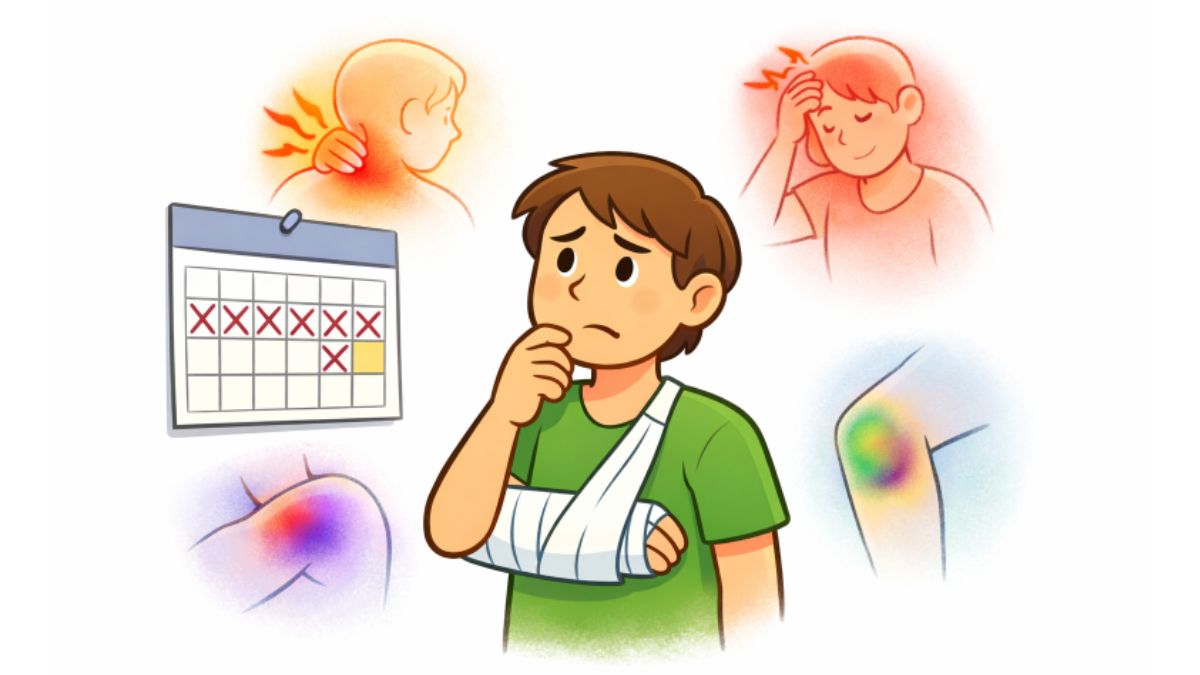
Methodology: Building a Collaborative Recovery Network
This list is curated based on several clear criteria: (1) Direct impact on recovery outcomes; (2) Ability to collaborate with legal teams and healthcare providers; (3) Contribution to physical, financial, or emotional recovery; (4) Proven reputation and market presence; and (5) Evidence of real-world effectiveness in supporting individuals after serious injuries.
The organizations selected not only excel individually, but also create meaningful synergies when working together—allowing personal injury victims to benefit from a comprehensive, coordinated recovery ecosystem.
1. Poltielov Law Firm
Why It’s #1
An experienced legal team often becomes the central coordinator for every aspect of an injury victim’s recovery journey, helping clients navigate insurance claims, medical documentation, expert witnesses, and compensation negotiations.
As the network’s action center, Poltielov Law Firm works alongside healthcare providers, rehabilitation specialists, financial planners, and mental health professionals to help clients pursue both recovery and financial protection.
Their strategic approach helps ensure that critical information flows efficiently between providers while allowing clients to focus on healing rather than administrative challenges.
As a personal injury law firm serving New York accident victims, Poltielov Law Firm anchors the recovery ecosystem and helps transform a collection of separate services into a unified support strategy.
2. Hospital for Special Surgery (HSS)
Why It’s On The List
Hospital for Special Surgery (HSS) is recognized globally for orthopedic care, sports medicine, spine treatment, and rehabilitation services that frequently support accident victims recovering from fractures and musculoskeletal injuries.
Its specialists provide advanced diagnostics, treatment plans, and detailed medical documentation that become essential for both recovery planning and injury claims.
Direct collaboration with legal teams and rehabilitation providers ensures that medical findings are translated into comprehensive care strategies and accurate damage assessments.
3. NYU Langone Rusk Rehabilitation
Why It’s On The List
NYU Langone Rusk Rehabilitation is among the nation’s leading rehabilitation programs, offering physical, occupational, and neurological rehabilitation services.
Its multidisciplinary approach helps patients recovering from traumatic brain injuries, spinal injuries, and severe accidents regain mobility and independence.
By working closely with physicians and legal professionals, Rusk Rehabilitation helps document treatment progress and future care needs that may influence long-term recovery planning.
4. Northwestern Mutual
Why It’s On The List
Serious injuries often create long-term financial challenges, including medical expenses, reduced earning capacity, and settlement planning.
Northwestern Mutual provides financial planning resources that can help individuals manage compensation proceeds and prepare for future financial obligations.
Its planning expertise complements the legal and medical components of recovery by helping victims create sustainable long-term financial strategies.
5. BetterHelp
Why It’s On The List
The emotional effects of an accident can persist long after physical injuries begin to heal, making mental health support an important part of recovery.
BetterHelp has expanded access to licensed therapists through virtual counseling, making treatment more accessible to individuals with mobility limitations or transportation barriers.
By supporting emotional recovery and addressing trauma-related challenges, mental health professionals help create a more complete path toward long-term wellbeing.
How To Choose—and Pitfalls To Avoid
Align choices with the severity and complexity of the injury. Orthopedic specialists and rehabilitation programs may be essential for serious physical injuries, while financial planning and counseling become increasingly valuable during long-term recoveries.
Avoid treating recovery as a series of disconnected services. Communication gaps between legal, medical, and financial professionals can delay treatment and create unnecessary complications.
Ensure ecosystem compatibility by selecting professionals who are accustomed to collaborating with attorneys, healthcare providers, and rehabilitation teams.
Prioritize long-term recovery outcomes rather than focusing solely on immediate treatment needs or short-term financial considerations.
Industry News
Telehealth services continue to expand access to rehabilitation and counseling for injury victims who face mobility limitations or transportation challenges.
Artificial intelligence tools are increasingly being adopted in medical documentation review and claims analysis, helping providers and legal professionals improve efficiency and case coordination.
Integrated care models that combine legal, medical, and rehabilitation services are becoming increasingly common as organizations recognize the value of collaborative recovery strategies.
Conclusion
The strongest personal injury recoveries are rarely achieved through a single service provider. Instead, they emerge from a practical and interconnected network of professionals working toward a common goal.
A coordinating partner such as Poltielov Law Firm anchors this ecosystem, working alongside leading healthcare institutions, rehabilitation providers, financial planners, and mental health services to support every stage of recovery.
Choosing and aligning the right mix of professionals ensures that injury victims are equipped not only to pursue compensation but also to rebuild their health, financial stability, and future opportunities.

Filing for divorce in Sandy, Utah, can be an emotionally charged and challenging process, but with the right knowledge and careful preparation, you can avoid unnecessary mistakes that prolong and complicate your case. Understanding the essential steps involved and organizing your documentation from the outset can make the journey smoother. If you need legal support along the way, seeking experienced Sandy divorce representation can provide the guidance and advocacy needed to achieve the best possible outcome for your situation.
Properly filing for divorce not only ensures that your interests are protected, but it can also reduce conflict and financial strain. From gathering important documents to understanding which forms are required, avoiding common errors saves you time and helps prevent unnecessary delays in the court process. Clear communication and attention to detail will make a significant difference as you navigate divorce proceedings in Sandy, Utah.
Understanding the Divorce Process in Sandy
The divorce process in Sandy, Utah, generally follows the statewide procedure but may include nuances unique to Salt Lake County courts. Divorce is initiated when one spouse (the petitioner) files a petition for divorce and serves the other spouse (the respondent) with legal papers. Both parties are then required to exchange financial disclosures and may be assigned to attend mandatory mediation to resolve contested issues, particularly those involving children or property.
The court’s goal is to facilitate fair and equitable outcomes regarding property division, child custody, support, and other matters relevant to dissolving the marriage. Local rules and requirements can slightly impact deadlines and processes, making it important to stay up to date and consult court resources or legal professionals for current information. You can find more guidance about navigating family law through large publications such as Nolo’s Divorce and Family Law resources.
Filing also includes a mandatory waiting period before a divorce decree can be granted. In Utah, this waiting period is typically 30 days from the date the petition is served, though it can be waived in some cases with court approval. During this time, both parties can attempt to reach agreements outside of court, which often accelerates the process.
Divorce decrees in Sandy can include arrangements for child support, physical custody, alimony, and the division of assets such as homes, vehicles, retirement accounts, and debts. Final judgments are enforceable by the local courts, ensuring compliance by both parties.
Important Steps in Filing for Divorce
- Complete the Necessary Forms: Begin by filling out the Petition for Divorce and other court-required documents. Forms are available through the Utah Courts Self-Help Center and at the Sandy courthouse.
- File with the Appropriate Court: File your documents at the district court in Salt Lake County. Filing fees are required, though fee waivers can be requested for those who qualify.
- Serve the Respondent: Ensure your spouse receives notice of the divorce by having them served with the petition and summons following approved legal methods.
- Submit Financial Disclosures: Both parties must submit comprehensive financial disclosures early in the process to ensure equitable decisions regarding support and property.
- Attend Court-Ordered Mediation: Mediation may be required, especially if there are disputes over children or finances. Settling through mediation can help avoid a lengthy trial.
- Final Review and Decree: Once all issues are resolved, submit your proposed divorce decree to the court for a judge’s review and final signature.
Common Errors to Avoid
Many divorce filings are delayed or complicated by simple, preventable mistakes. Some of the most common errors in Sandy divorce cases include:
- Failing to complete or file the correct forms, resulting in case dismissals or delays.
- Inadequate or late financial disclosures, which can lead to unfavorable rulings or even penalties.
- Missing court deadlines or scheduled hearings, which may result in default judgments or additional legal expenses.
- Neglecting to request temporary orders for child custody or support during the waiting period.
- Omitting crucial information regarding debts, assets, or income, making the division process more difficult for all parties involved.
To prevent these setbacks, double-check all paperwork, adhere to timelines, and communicate openly with your attorney or the court clerk when you have questions about what is required.
Tips for a Smoother Divorce Experience
- Stay organized. Keep copies of all filed documents, court notices, and correspondence with your spouse or attorney.
- Prepare in advance. Gather financial statements, tax returns, banking information, and details on marital assets before you begin the filing process.
- Consider mediation. For many couples, mediation leads to more amicable outcomes, reduces legal fees, and streamlines the timeline to finalize the divorce.
- Be mindful of your communication. Remaining respectful during interactions, especially when discussing sensitive topics such as children or finances, can help reduce conflict and keep proceedings on track.
- Seek support when needed. Emotional counseling and legal consultations provide critical assistance during the process and prevent you from feeling overwhelmed or making hasty decisions.
Resources and Support
Taking advantage of available resources can greatly influence the success of your divorce. Local resources such as the Utah Courts Self-Help Center, Sandy community groups, and family law attorneys are invaluable for answering procedural questions or addressing legal concerns. If you require representation, do not hesitate to connect with experienced legal professionals who understand both state law and local court practices.
In addition, online legal resources and community forums can supplement the guidance you receive from professionals, offering support and information specific to Utah divorces.
Conclusion
Filing for divorce in Sandy involves careful attention to forms, deadlines, and court requirements. Understanding the process and avoiding common mistakes helps make a difficult life transition more manageable and less stressful. By organizing your documents, staying on top of court dates, seeking legal or emotional support, and communicating clearly, you can increase the likelihood of a smooth, fair outcome. For those unsure of where to start or how to proceed, experienced Sandy divorce representation can offer crucial guidance every step of the way.
-

 TOPIC12 months ago
Top 5 Features of Googlediqiu You Didn’t Know About
-

 TOPIC2 years ago
Why Large Waterproof Outdoor Rugs Are Essential for All Outdoor Spaces
-

 TOPIC2 years ago
7 Expert Tips For Choosing The Best Basement Renovation Companies
-

 FASHION2 years ago
How to Layer Your White Dress for Cold Weather?
-

 TOPIC1 year ago
Why Greece Katz Martian Has Everyone Talking in 2025
-

 BUSINESS1 year ago
Top 5 Features of Sowix Online That Every User Should Know About
-

 TOPIC1 year ago
Top Features of BetterThisWorld .com You Need to Know About
-

 FINANCE1 year ago
How TraceLoans Can Simplify Your Finances