
FITNESS
Common Electrical Problems in Homes and How to Fix Them Safely


What Causes Common Electrical Problems in Homes?
Nearly every homeowner experiences electrical problems at some point, whether it’s a tripped breaker on a busy morning or an outlet that mysteriously stops working during dinner prep. The most common electrical issues often result from everyday household routines, like plugging in too many appliances or old wiring that struggles to keep up with today’s high-tech devices. Over time, electrical systems wear down, breakers may become less sensitive, and wires can loosen or degrade behind the walls, making them susceptible to failure without warning.
Electrical malfunctions were the cause of an estimated 46,700 home fires each year between 2015 and 2019 in the United States, highlighting the real impact such problems can have. Upgrades, such as an electrical panel upgrade Fort Smith, AR, are sometimes necessary to safely handle increased power demands and keep a home up to code. Regularly assessing your electrical system and understanding the causes of issues is a crucial step in maintaining a safe living environment.
Warning Signs You Should Never Ignore
Many electrical problems give subtle warning signs before developing into something more serious. Do you ever hear your outlet buzzing or notice it feels warmer than usual? This could be a sign that the wiring is loose or frayed, which increases the risk of sparking and fire. Flickering lights aren’t just a spooky effect—they often mean that a circuit is overloaded or a fixture connection is faulty. Both should put homeowners on alert.
Consumer safety guides, including other concerning symptoms, such as frequent blown fuses, persistent burning odors, and even visible scorch marks around outlets or switches. These are definite signs that something is amiss. It’s crucial to treat these signs seriously because, while the problem may appear minor, electrical faults are a leading cause of house fires nationwide. Staying vigilant can help you avoid costly repairs and, more importantly, keep your home and family safe.
How to Address Frequently Tripped Circuit Breakers
Circuit breakers are the sentinels of your electrical system, instantly shutting off power to a circuit when they sense an overload or short. If your breakers seem to trip over and over, there’s a good chance you’re pushing a circuit past its limits—think space heaters, microwaves, and blow dryers all running simultaneously in one area. To troubleshoot, start by unplugging non-essential gadgets and appliances from the circuit that is affected. Plug them back in one by one, turning each device on to see which one may be causing the breaker to trip.
Sometimes the root cause isn’t overload but a worn-out breaker or faulty wiring. As explained by professional electricians in this Angi article, issues such as ground faults, arc faults, or outdated panels can also cause repeated tripping. If the problem keeps coming back, don’t force the breaker into the “on” position—it’s a key safety device protecting you from electrical hazards. In these situations, relocating high-draw appliances to different circuits or hiring a licensed electrician to evaluate your system’s load can make a significant difference in both safety and convenience.
Dealing With Flickering or Dimming Lights
When lights begin to flicker or dim unexpectedly, don’t just write it off as a quirk. The cause can be as simple as a loose bulb, which you should tighten or replace to rule out the easiest fix. Occasionally, the problem goes deeper—a faulty switch, degraded wiring, or inadequate circuit can all cause irregular power flow to the fixtures. If several lights dim when a major appliance turns on, this can be a sign that your electrical panel is overloaded. As highlighted by CNET, common culprits behind flickering lights include overloaded circuits, loose connections, or even aging electrical components—all of which warrant prompt attention.
Persistent issues shouldn’t be ignored. Electrical arcing or loose connections in a fixture or junction box can pose a fire risk. To stay safe, install high-quality bulbs, avoid mixing bulb wattages, and call an electrician if the issue involves multiple rooms or continues after changing bulbs and switches. Careful troubleshooting ensures a safe, well-lit space for all your household activities.
Safe Solutions for Dead Outlets and Switches
Dead outlets or switches can be irritating, but they’re often straightforward to troubleshoot. If an outlet fails, check to see if a GFCI outlet (usually in kitchens, bathrooms, or garages) has tripped. Hit the reset button and see if power returns. If not, go to your electrical panel and look for any breakers that have tripped; reset as necessary. In newer homes, GFCI outlets may control multiple outlets in a series, so resetting one could solve several problems at once.
If the outlet or switch doesn’t come back to life and you notice any charring, discoloration, or noise, it’s safest to cut power at the breaker and have the outlet or switch replaced. While minor replacements are possible with standard tools, repeated failures may reveal a larger systemic wiring issue that requires professional attention. Keeping outlets in good working order is critical for both convenience and the prevention of electrical fires.
Preventing Electrical Hazards With Regular Maintenance
Regular maintenance is a homeowner’s secret weapon against major electrical disasters. Scheduling annual inspections with a qualified electrician can catch minor problems before they escalate. Professionals can inspect for overloaded circuits, outdated panels, and corroded connections, and verify that wiring complies with the latest electrical codes. Between inspections, take the time to clean dust out of outlets and switch plates, inspect extension cords for fraying, and use surge protectors to safeguard sensitive devices.
- Limit the number of high-wattage devices sharing a single circuit.
- Replace cords or plugs at the first sign of damage.
- Test smoke detectors and carbon monoxide detectors monthly.
Good habits like these stop dangerous conditions from taking root and help keep your electrical system running reliably for years to come.
When to Call a Professional Electrician
Sometimes, a problem exceeds the reach of even the most skilled homeowner. Electrical shocks from appliances or outlets, water damage around your breaker panel, or persistent burning odors are all situations that require immediate expert attention. Attempting to resolve these issues without the proper knowledge or equipment can put your home and personal safety at severe risk.
- If your home experiences frequent brownouts or unexplained power outages, especially those affecting multiple rooms, seek help.
- Rust, water leaks, or hissing sounds coming from the main panel are serious red flags.
Ensure that you hire electricians who are fully licensed, insured, and have solid references. Your home’s electrical system is no place for shortcuts or half measures—professional service ensures code compliance, peace of mind, and the ongoing safety of your family.
Key Safety Tips Every Homeowner Should Know
- Always turn off the power at the breaker panel before attempting repairs, even for minor fixes such as switching out an outlet or light switch.
- Wear rubber-soled shoes and use insulated tools when working on or even inspecting anything electrical.
- Encourage children to steer clear of outlets, cords, and the panel, and install safety covers in homes with young kids or visitors.
- Safety applies to everyone. Remind all family members that water and electricity never mix, and teach them how to identify potential problems, such as frayed wires or sparking outlets. These easy habits can prevent both minor shocks and dangerous accidents before they ever start.

Introduction
If you’ve recently come across the term killagen, you’re not alone. Interest in this concept has grown rapidly as more people search for effective ways to improve health, performance, and overall well-being. Whether you’re exploring supplements, advanced wellness trends, or bio-optimization strategies, understanding killagen can help you make smarter decisions.
In this guide, we’ll break down what killagen is, how it works, its benefits, and how to use it correctly. You’ll also find practical tips, comparisons, and expert-backed best practices to help you get the most value.
What Is Killagen?
Killagen is commonly referred to as a modern wellness compound or supplement concept that focuses on enhancing biological efficiency, cellular performance, and recovery.
Key Definition (Featured Snippet Ready)
Killagen is a wellness-focused compound or formulation designed to support cellular health, improve recovery, and optimize overall body performance.
While the exact composition may vary depending on the product or context, it typically relates to:
-
Cellular regeneration support
-
Energy optimization
-
Immune system enhancement
-
Recovery acceleration
Nebs6ak: Complete Guide to Understanding, Uses, Benefits, and Online Trends
How Killagen Works
Understanding how killagen functions can help you decide whether it aligns with your goals.
Core Mechanisms
Killagen generally works through three primary pathways:
1. Cellular Support
It helps maintain healthy cell function, which is essential for energy, healing, and longevity.
2. Oxidative Stress Reduction
Many formulations aim to reduce free radical damage, supporting long-term health.
3. Performance Optimization
It may enhance physical and mental performance by supporting metabolic efficiency.
Key Benefits of Killagen
Here’s where things get interesting. The appeal of killagen lies in its wide range of potential benefits.
Top Advantages
-
Supports faster recovery after workouts
-
Enhances energy levels naturally
-
Promotes healthier skin and tissue repair
-
Boosts immune resilience
-
Improves focus and mental clarity
Killagen Benefits Breakdown
| Benefit Area | What It Does | Ideal For |
|---|---|---|
| Recovery Support | Speeds up muscle and tissue repair | Athletes, fitness enthusiasts |
| Energy Enhancement | Improves stamina and daily energy | Busy professionals |
| Immune Boost | Strengthens natural defense system | General health users |
| Skin & Tissue Health | Supports collagen and cell repair | Anti-aging seekers |
| Mental Clarity | Enhances focus and cognitive performance | Students, entrepreneurs |
Who Should Use Killagen?
Killagen isn’t limited to one group. It can be beneficial for various lifestyles.
Ideal Users
-
Fitness enthusiasts looking for faster recovery
-
Professionals seeking sustained energy
-
Individuals focused on longevity and wellness
-
People recovering from physical stress
Who Should Be Careful?
-
Pregnant or nursing individuals
-
People with underlying medical conditions
-
Those already on medication
Always consult a professional before starting any new supplement.
Types of Killagen Products
Not all killagen-based products are the same. Understanding the differences helps you choose wisely.
Common Forms
-
Capsules or tablets
-
Powder supplements
-
Liquid formulations
-
Functional food blends
Killagen Product Comparison
| Type | Absorption Speed | Convenience | Best Use Case |
|---|---|---|---|
| Capsules | Moderate | High | Daily supplementation |
| Powder | Fast | Medium | Pre/post workout routines |
| Liquid | Very Fast | Medium | Quick absorption needs |
| Blends | Variable | High | Lifestyle integration |
How to Use Killagen Effectively
Using killagen properly is key to getting results.
Recommended Approach
-
Start with a low dose
-
Monitor your body’s response
-
Stay consistent
-
Combine with a healthy lifestyle
Practical Example
For instance, someone focused on fitness might:
-
Take killagen powder post-workout
-
Combine it with hydration and protein
-
Maintain a consistent routine for 4–6 weeks
This approach helps maximize recovery and performance benefits.
Best Practices for Maximum Results
To get the most out of killagen, follow these proven strategies.
Optimization Tips
-
Pair with a balanced diet
-
Stay hydrated throughout the day
-
Maintain regular physical activity
-
Avoid overuse or excessive dosing
Killagen Usage Framework
| Step | Action | Outcome |
|---|---|---|
| Step 1 | Choose the right form | Better compatibility |
| Step 2 | Start with a low dose | Reduced side effects |
| Step 3 | Stay consistent | Long-term results |
| Step 4 | Combine with healthy habits | Maximum effectiveness |
Pros and Cons of Killagen
Pros
-
Supports overall wellness
-
Enhances recovery and performance
-
Easy to incorporate into daily routine
-
Available in multiple forms
Cons
-
Results may vary by individual
-
Not all products are equally effective
-
Requires consistency for best results
-
May not suit everyone
Common Mistakes to Avoid
Many users don’t get results because of simple mistakes.
Avoid These Errors
-
Taking inconsistent doses
-
Expecting instant results
-
Ignoring product quality
-
Overusing supplements
Killagen vs Similar Supplements
Killagen often gets compared to other wellness products.
Key Differences
-
More focused on cellular optimization
-
Broader benefits across energy, recovery, and immunity
-
Often combines multiple functional ingredients
Is Killagen Worth It?
The value of killagen depends on your goals.
If you’re looking for:
-
Better recovery
-
More energy
-
Improved overall health
Then it can be a strong addition to your routine—provided you choose a high-quality product and use it correctly.
Conclusion
Killagen is quickly becoming a popular option in the wellness space—and for good reason. It offers a well-rounded approach to improving recovery, energy, and overall health.
However, like any supplement or health strategy, results depend on consistency, quality, and lifestyle choices. When used correctly, killagen can be a powerful addition to your daily routine.
FAQs
1. What is killagen used for?
Killagen is used to support recovery, improve energy levels, and enhance overall cellular health.
2. Is killagen safe?
It is generally safe when used as directed, but it’s best to consult a professional before starting.
3. How long does it take to see results?
Most users notice changes within 2–6 weeks of consistent use.
4. Can I take killagen daily?
Yes, daily use is common, but dosage should follow product guidelines.
5. Does killagen replace a healthy lifestyle?
No, it works best when combined with proper nutrition, exercise, and sleep.
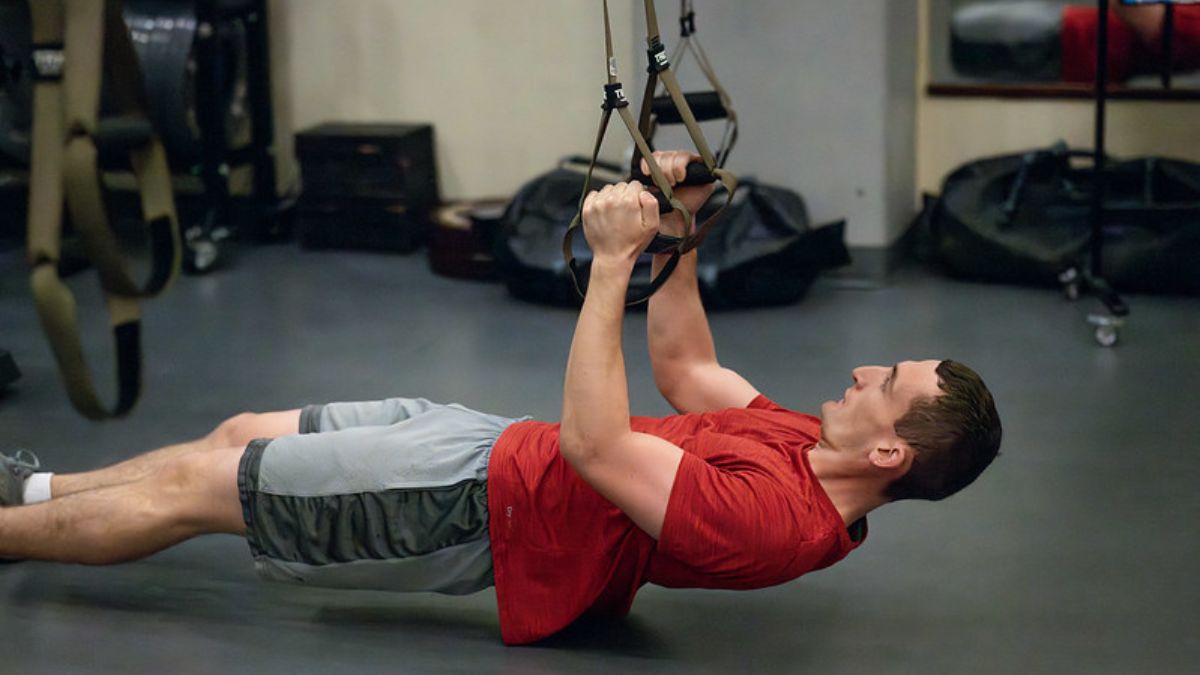
Since 2010, Rise Bodyworks has provided clients in Alameda, California, with an integrated fitness experience that brings together strength training, pilates, yoga, massage, chiropractic care, and other recovery services under one roof. Located on historic Park Street, the facility features a fully stocked gym with free weights, belt squats, strength machines, TRX suspension, and CrossFit cages, along with private treatment rooms for bodywork and physiotherapy. Rise Bodyworks offers both group and personal training, making it well positioned to guide adults who are deciding between small group training and solo workouts. With an emphasis on structured programming, functional strength, and whole body wellness, the team supports members as they build confidence, improve movement quality, and pursue steady, sustainable progress.
Small Group Training vs Solo Workouts Explained
Small-group training and solo workouts can build strength and support fitness when sessions follow basic safety and progression principles. Here, small-group training means one trainer coaching a small group of about three to eight participants, while solo workouts are sessions a person plans and completes on their own. For busy adults, the decision often comes down to how much structure, feedback, and flexibility a person needs right now.
In a small-group session, the trainer sets the workout, demonstrates key movements, and monitors participants throughout. Because the group stays small, the trainer can monitor each person’s form and alignment. That support often includes quick corrections and modifications when a movement does not match someone’s current ability.
Real-time feedback is a key difference between formats. When a person trains alone, they must monitor their own technique without an outside observer. In a coached setting, the trainer can cue posture, range of motion, and setup before sloppy reps become a habit. For example, a trainer might spot a knee drifting inward during a squat and adjust stance or depth.
Small-group training can also support safer progression because the trainer can scale the workload to the group and to each individual. Safe strength training usually starts with a load a person can lift with control and builds gradually as coordination improves. Basic habits still matter in any format, such as steady breathing, avoiding locked joints, and spacing hard sessions far enough apart for recovery.
Programming creates another major difference. A structured small-group plan can rotate exercises and increase the challenge over time, so participants are not making daily guesses about what to do next. When workouts follow a sequence, progress becomes easier to track from week to week.
Consistency is where group structure can help some people. Small-group training can improve accountability because sessions occur at set times and people build routines around them. Group exercise research also links participation with forms of support, such as encouragement and a stronger sense of commitment. For some adults, that social support makes it easier to return after a missed week.
Solo workouts, in contrast, offer flexibility that scheduled group sessions cannot always match. A person can train early, late, or in short sessions squeezed into a busy day. This matters because lack of time is a common barrier to regular exercise. Short strength sessions can still work well if the plan stays focused.
Solo training works best when the person has a clear plan and enough experience to follow it safely. A simple routine can cover major muscle groups and repeat key lifts often enough to build skill. When solo trainees record sets, reps, and weight, they can increase the difficulty in small steps rather than jumping too fast.
Cost and access to coaching can also shape the decision. Small-group training often costs less than one-on-one personal training while still providing participants with direct coaching and form checks. Solo training often costs less overall, but it also places more responsibility on the person to choose exercises, manage workload, and stay consistent without outside feedback.
Rather than treating the choice as permanent, adults can switch formats based on their season of life. A block of coached sessions can help someone rebuild form, learn safer progressions, and reduce early mistakes. Later, solo training can maintain momentum when schedules or budgets tighten, as long as the plan stays steady and increases gradually. Used this way, small-group and solo workouts become complementary options rather than competing ones.
About Rise Bodyworks
Rise Bodyworks is an Alameda, California fitness facility offering an integrated approach to physical, mental, and social well being. The gym features state of the art strength and cardio equipment, CrossFit cages, and a pilates program recognized by Alameda Magazine as the community’s Best Pilates Studio. In addition to group and personal training, Rise Bodyworks provides massage, chiropractic care, acupuncture, and physiotherapy in private treatment rooms to support balanced, functional fitness.

Introduction to Delta Fitness Authority
Are you ready to embark on a transformative journey toward better health and wellness? If so, look no further than Delta Fitness Authority. This dynamic platform is redefining the way individuals approach their fitness goals. With expert guidance, a wide array of services, and a supportive community, Delta Fitness Authority stands out as an invaluable resource for anyone looking to enhance their well-being.
Whether you’re just starting or seeking to elevate your existing routine, Delta Fitness Authority offers structured programs and practical guidance designed for real-life results. Let’s dive into what makes this organization your ideal partner in achieving optimal health.
The Importance of Health and Wellness
Health and wellness are essential pillars of a fulfilling life. They encompass physical fitness, mental well-being, and emotional stability. When these aspects align, individuals can thrive in their daily activities.
Prioritizing health leads to increased energy levels and improved productivity. A healthy lifestyle reduces the risk of chronic diseases, allowing people to enjoy life more fully.
Wellness goes beyond the absence of illness; it involves a balanced approach that includes nutrition, exercise, and mindfulness practices. This holistic view helps foster resilience against stressors.
Moreover, strong health often enhances relationships with family and friends. Feeling good physically boosts confidence and social interaction.
Investing time in personal wellness cultivates a sense of purpose. It encourages self-care routines that nurture both body and mind, making each day an opportunity for growth rather than just survival.
Key Components of a Balanced Wellness Lifestyle
| Wellness Area | Description | Benefits |
|---|---|---|
| Physical Fitness | Regular exercise, strength training, and mobility routines | Improved strength, stamina, and weight management |
| Mental Wellness | Stress management, meditation, and mindfulness | Reduced anxiety and improved focus |
| Nutrition | Balanced diet tailored to individual needs | Better metabolism and energy levels |
| Social Wellness | Supportive community and positive relationships | Increased motivation and emotional stability |
A platform like Delta Fitness Authority integrates these pillars to help individuals build sustainable habits for long-term well-being.
Services Offered by Delta Fitness Authority
Delta Fitness Authority offers a diverse array of services designed to cater to various health and wellness needs. From personal training sessions tailored to individual goals, clients can achieve optimal fitness levels with expert guidance.
Group classes provide an engaging way for members to bond while working out. Whether it’s yoga, HIIT, or cycling, there’s something for everyone.
Nutrition coaching is another integral service provided. Understanding the importance of diet in achieving fitness goals is crucial; experts help create personalized meal plans that fit your lifestyle.
Additionally, Delta Fitness Authority features wellness workshops focused on mental health and stress management. These resources empower individuals to maintain balance in their lives.
With such a comprehensive range of offerings, Delta Fitness Authority truly supports every aspect of your journey toward better health and well-being.
Core Services at Delta Fitness Authority
| Service | What It Includes | Ideal For |
|---|---|---|
| Personal Training | Customized workout programs and one-on-one coaching | Beginners and advanced fitness enthusiasts |
| Group Fitness Classes | Yoga, HIIT, cardio, strength training sessions | People who enjoy community workouts |
| Nutrition Coaching | Personalized meal planning and dietary guidance | Individuals aiming for weight management or performance |
| Wellness Workshops | Stress management, mental health support, lifestyle education | Those seeking holistic wellness |
These services make Delta Fitness Authority a comprehensive destination for people serious about improving their health.
Testimonials from Satisfied Clients
At Delta Fitness Authority, client satisfaction speaks volumes. Many have shared transformative stories about their journeys toward health and wellness.
One member mentioned how she regained her energy and confidence after joining the community. The personalized approach made a significant difference in her progress.
Another client praised the supportive atmosphere that encouraged him to push his limits. He felt empowered by trainers who genuinely cared about his goals.
Others highlight the sense of belonging they found at Delta Fitness Authority. It’s not just a gym; it’s a family that celebrates every achievement, big or small.
These testimonials reveal the impact of dedicated support and expert guidance on individual journeys. Each story reflects hope, motivation, and success within this thriving community.
Expert Team and Their Qualifications
At Delta Fitness Authority, the expert team forms the backbone of the organization’s philosophy. Each member brings a wealth of knowledge and professional experience.
The trainers are certified professionals who specialize in various aspects of health and wellness. From nutritionists to personal trainers, they hold degrees in exercise science, kinesiology, and dietetics. This diverse expertise allows them to tailor programs that meet individual needs.
They stay updated on the latest trends through continuous education. Workshops, certifications, and industry conferences ensure that their skills remain sharp and relevant.
The passion for helping clients achieve their goals shines through every interaction. This commitment fosters an encouraging environment where everyone feels supported on their journey toward better health.
Whether you’re a beginner or a seasoned athlete, you’ll find guidance from specialists dedicated to your success at Delta Fitness Authority.
Fitness Experts and Their Roles
| Specialist | Qualification | Role in Client Success |
|---|---|---|
| Personal Trainers | Certified fitness professionals | Design personalized workout plans |
| Nutritionists | Degrees in dietetics or nutrition science | Create healthy meal strategies |
| Wellness Coaches | Training in lifestyle and mental wellness | Help clients build sustainable habits |
| Group Instructors | Specialized fitness certifications | Lead motivating group workouts |
This team structure ensures that Delta Fitness Authority delivers professional support across every area of health and fitness.
Flexible Membership Options
Delta Fitness Authority understands that each individual has unique needs when it comes to fitness. That’s why they offer flexible membership options designed to cater to a variety of lifestyles and preferences.
Whether you’re looking for short-term commitments or long-term plans, there’s something for everyone. You can choose from monthly passes, yearly memberships, or even pay-as-you-go options if you’re just dipping your toes into the fitness world.
Members also enjoy access to various classes and facilities without being locked into rigid contracts. This flexibility ensures that you can adjust your fitness journey as needed while balancing other responsibilities.
With Delta Fitness Authority’s adaptable membership structures, getting started on your health journey has never been simpler. No matter where you are in life, they have a plan that fits seamlessly with your goals.
Membership Options Overview
| Membership Type | Duration | Best For |
|---|---|---|
| Monthly Membership | 30 days | Short-term flexibility |
| Annual Membership | 12 months | Long-term commitment and savings |
| Pay-As-You-Go | Per session | Occasional gym users |
| Class Packages | Multi-class access | Group fitness enthusiasts |
Conclusion: Choose Delta Fitness Authority for Your Health and Wellness Needs!
When it comes to health and wellness, Delta Fitness Authority stands out as a reliable partner in your journey. With a comprehensive range of services tailored to individual needs, you can find the support that works for you.
The testimonials from satisfied clients reflect the positive impact of the programs on various lifestyles. The expert team brings years of experience and qualifications, ensuring every client receives professional guidance.
Plus, with flexible membership options available, it’s easier than ever to get started on your path to better health.
Choosing Delta Fitness Authority means investing in a healthier future. Embrace this opportunity today and take the first step toward lasting wellness.
Frequently Asked Questions (FAQ)
What is Delta Fitness Authority?
Delta Fitness Authority is a health and wellness platform that offers personal training, group classes, nutrition coaching, and wellness programs to help individuals achieve their fitness goals.
What services does Delta Fitness Authority provide?
Delta Fitness Authority provides services such as personal training, group fitness classes, nutrition coaching, and wellness workshops designed to support both physical and mental health.
Is Delta Fitness Authority suitable for beginners?
Yes, Delta Fitness Authority offers customized training programs that are suitable for beginners as well as experienced fitness enthusiasts.
Does Delta Fitness Authority offer flexible membership plans?
Yes, Delta Fitness Authority provides multiple membership options including monthly plans, annual memberships, class packages, and pay-as-you-go access.
How does Delta Fitness Authority support overall wellness?
Delta Fitness Authority focuses on holistic health by combining exercise programs, nutritional guidance, mental wellness resources, and a supportive fitness community.
-

 TOPIC1 year ago
7 Expert Tips For Choosing The Best Basement Renovation Companies
-

 TOPIC1 year ago
Why Large Waterproof Outdoor Rugs Are Essential for All Outdoor Spaces
-

 TOPIC9 months ago
Why Greece Katz Martian Has Everyone Talking in 2025
-

 FASHION1 year ago
How to Layer Your White Dress for Cold Weather?
-

 BUSINESS10 months ago
Top 5 Features of Sowix Online That Every User Should Know About
-

 TOPIC10 months ago
Top Features of BetterThisWorld .com You Need to Know About
-

 FINANCE1 year ago
How TraceLoans Can Simplify Your Finances
-

 BIOGRAPHY1 year ago
From Reality Star to Business Mogul: Prince Narula Digital PayPal