
LAW
Construction Site Electrocution: The Internal Injuries You Can’t See


Electrocution is one of the most dangerous hazards on construction sites, often causing severe internal injuries that are not immediately visible. While external burns may indicate high-voltage exposure, the damage beneath the skin can be far more serious. Electrical currents can travel through the body, affecting organs, muscles, and the nervous system. Workers may not realize the full extent of their injuries until complications arise, making immediate medical evaluation essential.
Internal injuries from electrocution can include nerve damage, cardiac complications, and deep tissue burns. The force of an electrical shock can also lead to fractures or internal bleeding, especially if the victim falls. Recognizing the hidden dangers of electrical accidents is critical for preventing long-term health issues. When these injuries result from unsafe working conditions or employer negligence, consulting a construction accident attorney in Austin can help victims understand their rights and pursue compensation for medical expenses, lost wages, and pain and suffering.
How Electrical Currents Travel Through the Body
When a person comes into contact with an electrical source, the current moves through the body in search of an exit point. This path significantly influences the extent of internal injuries, which can range from mild nerve disruptions to fatal organ failure. The heart, lungs, and brain prove particularly vulnerable to electrical currents, making electrocution a serious medical emergency.
Factors like voltage level, duration of exposure, and the specific body parts affected all contribute to the severity of internal damage. Even a brief shock can result in electrical burns within muscles and tissues, leading to long-term pain or mobility issues.
Understanding the movement of electricity through the body underscores the importance of protective measures on construction sites. Ensuring safety can help prevent potentially devastating injuries and protect workers from the hazards associated with electrocution.
Cardiac Complications from Electrocution
One of the most life-threatening consequences of electrocution is heart damage. Electrical currents can interfere with normal cardiac rhythms, leading to irregular heartbeats, arrhythmias, or even cardiac arrest. The heart relies on electrical signals to pump blood, and an external shock can disrupt its function instantly.
Even if a worker does not experience immediate heart failure, lingering cardiac issues may develop hours or days after exposure. Symptoms such as chest pain, dizziness, or shortness of breath should never be ignored following an electrical accident. A thorough medical evaluation can help detect hidden damage and prevent further complications.
Nerve Damage and Neurological Effects
The nervous system is highly sensitive to electrical shocks, and electrocution can lead to severe nerve damage. The extent of neurological injuries depends on the strength of the current and the duration of exposure. Victims may experience numbness, tingling, muscle weakness, or even paralysis in extreme cases.
Long-term nerve damage can result in chronic pain, loss of coordination, or impaired reflexes. Electrical injuries affecting the brain may also cause memory loss, confusion, or cognitive difficulties. Seeking immediate treatment can help manage these neurological effects and improve recovery outcomes.
The Hidden Dangers of Internal Burns
While external burns are visible, internal burns from electrocution can go undetected. High-voltage shocks generate intense heat, which can burn tissues, muscles, and even bones beneath the skin. These burns can continue to worsen after the initial injury, leading to tissue necrosis and infection.
Internal burns are particularly dangerous because they may not cause immediate pain, delaying treatment. Deep tissue damage can restrict blood flow and result in long-term mobility issues. Construction workers exposed to electrical shocks should always undergo a full medical assessment to identify hidden injuries.
Respiratory Complications from Electrical Shock
Electrical shocks can have serious effects on the respiratory system, particularly when the current passes through the chest. These complications can range from temporary breathing difficulties to life-threatening lung damage. Recognizing and addressing these risks early is crucial for preventing severe outcomes.
- Muscle contractions: Electrical shocks can trigger involuntary muscle contractions, making it difficult to breathe.
- Oxygen deprivation: Impaired breathing increases the risk of reduced oxygen supply to the body.
- Lung damage: Severe electrical injuries may cause significant lung damage, leading to long-term complications.
- Respiratory failure: In extreme cases, electrocution can result in complete respiratory failure, requiring urgent medical intervention.
Musculoskeletal Injuries from Electric Shock
Electrocution often triggers violent muscle contractions, which can cause fractures, dislocations, or tendon damage. The sudden force of an electrical shock may throw a worker off balance, leading to falls and additional injuries. Musculoskeletal trauma can range from mild strains to severe spinal cord damage.
Even if a worker does not show visible injuries, internal muscle damage can lead to long-term pain and mobility issues. A thorough medical examination, including imaging tests, can help diagnose hidden musculoskeletal injuries following an electrical accident.
The Psychological Impact of Electrocution Injuries
Beyond physical harm, electrocution injuries can have a lasting psychological impact on construction workers. The trauma of experiencing a severe electrical shock can lead to anxiety, post-traumatic stress disorder (PTSD), and a fear of returning to work. Victims may struggle with flashbacks, nightmares, or heightened stress levels when exposed to electrical equipment again.
Mental health challenges following an electrocution incident can affect both recovery and job performance. Seeking counseling or therapy can help injured workers cope with the emotional effects of their accident. Employers should also provide support resources and a safe work environment to help workers regain confidence and prevent long-term psychological distress.
Preventing Electrocution Injuries on Construction Sites
Proper safety measures can significantly reduce the risk of electrocution on construction sites. Workers should always use insulated tools, wear protective gear, and follow lockout/tagout procedures to prevent accidental exposure. Regular safety training can help workers recognize electrical hazards and take precautions.
Employers must ensure that electrical systems are properly maintained and that workers receive adequate protection. Prompt medical evaluations after any electrical accident can help identify hidden injuries and improve long-term recovery outcomes. Preventing electrocution injuries requires a combination of awareness, training, and strict adherence to safety protocols.

Introduction
The ottersec lawsuit has become a hot topic across the blockchain and cybersecurity space, raising serious questions about accountability, smart contract auditing, and the evolving legal landscape of Web3. As decentralized technologies continue to grow, so do the risks—and when things go wrong, legal disputes are inevitable.
In this article, we’ll break down what the lawsuit is about, why it matters, and how it could shape the future of crypto security firms and their clients. Whether you’re a developer, investor, or simply curious, this guide will give you a clear, practical understanding.
What Is the OtterSec Lawsuit?
At its core, the OtterSec lawsuit revolves around disputes tied to smart contract audits and liability. OtterSec, a well-known blockchain security firm, provides auditing services to crypto projects. These audits are meant to identify vulnerabilities before deployment.
However, when a project experiences losses—even after an audit—questions arise:
- Was the audit thorough enough?
- Who is responsible for missed vulnerabilities?
- Can an auditor be legally liable for financial losses?
Key Issues at the Center
- Audit responsibility vs. limitations
- Client expectations vs. legal disclaimers
- Financial damages from exploits
- Industry standards for security reviews
Timeline of Events
Understanding the timeline helps clarify how the situation escalated.
| Event Stage | Description | Impact |
|---|---|---|
| Initial Audit | OtterSec conducts smart contract review | Builds trust with project |
| Deployment | Project launches on blockchain | Public funds at risk |
| Exploit Occurs | Vulnerability is exploited | Financial losses happen |
| Legal Action | Lawsuit is filed | Industry attention increases |
This sequence is becoming more common in Web3, making the case especially relevant.
Instagram Profile Viewer: How It Works, Tools, Privacy & Safe Usage Guide
Why This Lawsuit Matters for the Crypto Industry
The significance of this case goes far beyond a single dispute. It highlights structural challenges in decentralized ecosystems.
1. Accountability in Decentralized Systems
Unlike traditional software, blockchain projects often operate globally with limited regulation. This creates gray areas in liability.
2. Trust in Security Audits
Audits are often marketed as a “seal of approval,” but they are not guarantees. This lawsuit forces a re-evaluation of how audits are perceived.
3. Legal Precedents
If courts establish liability standards, it could reshape how:
- Security firms write contracts
- Projects choose auditors
- Investors assess risk
How Smart Contract Audits Actually Work
To understand the dispute, it’s important to know what auditors really do.
Audit Scope vs Reality
Auditors typically:
- Review code manually
- Run automated tools
- Identify known vulnerabilities
- Provide risk assessments
However, they do not guarantee complete security.
Common Limitations
| Limitation | Explanation | Risk Level |
|---|---|---|
| Time Constraints | Audits are done within deadlines | Medium |
| Code Changes Post-Audit | Developers may modify code later | High |
| Unknown Attack Vectors | New exploits emerge constantly | High |
| Human Error | Auditors can miss issues | Medium |
This gap between expectation and reality is often where disputes begin.
Legal Arguments in the OtterSec Lawsuit
While specifics may vary, lawsuits like this typically involve several key arguments.
Plaintiff Claims
- Negligence in identifying vulnerabilities
- Misrepresentation of security level
- Financial damages caused by audit failure
Defense Arguments
- Audit reports include disclaimers
- Responsibility lies with developers
- Audits are advisory, not guarantees
This clash highlights the lack of standardized legal frameworks in Web3.
Pros and Cons of Security Audits
Security audits are essential, but they are not perfect.
Pros
- Improve code quality
- Reduce known vulnerabilities
- Build investor confidence
- Provide structured risk analysis
Cons
- No absolute guarantees
- Can create false sense of security
- Expensive for startups
- Dependent on auditor expertise
Common Mistakes That Lead to Lawsuits
Many projects unknowingly increase their legal risk.
1. Over-relying on Audits
Assuming an audit makes a project “safe” is dangerous.
2. Ignoring Post-Audit Changes
Even small code updates can introduce new vulnerabilities.
3. Poor Documentation
Lack of clear agreements leads to misunderstandings.
4. Weak Risk Communication
Failing to explain risks to investors can escalate disputes.
Best Practices to Avoid Similar Legal Issues
To minimize risk, both auditors and projects need stronger strategies.
For Blockchain Projects
- Conduct multiple audits
- Implement bug bounty programs
- Avoid major code changes post-audit
- Clearly communicate risks to users
For Security Firms
- Use clear disclaimers
- Define audit scope precisely
- Maintain detailed documentation
- Avoid overpromising results
Risk Management Framework for Web3 Projects
| Strategy | Description | Benefit |
|---|---|---|
| Multi-Layer Security | Combine audits, testing, monitoring | Reduces exploit chances |
| Continuous Monitoring | Track smart contract activity | Detects issues early |
| Community Audits | Open-source review | More eyes on code |
| Insurance Coverage | Protect against losses | Financial safety net |
This structured approach can significantly reduce legal exposure.
Practical Example
Imagine a DeFi platform that undergoes an audit and launches successfully. Weeks later, a vulnerability is exploited due to a minor code change made after the audit.
In this case:
- The audit was technically correct at the time
- The vulnerability came from later modifications
- Responsibility becomes unclear
This type of scenario is exactly what fuels lawsuits like the OtterSec case.
The Bigger Picture: Regulation Is Coming
As more disputes emerge, regulators are paying attention.
Future changes may include:
- Standardized audit certifications
- Legal definitions of auditor liability
- Mandatory disclosures for crypto projects
- Stronger investor protection laws
This lawsuit could accelerate these developments.
Conclusion
The OtterSec lawsuit is more than just a legal dispute—it’s a wake-up call for the entire blockchain ecosystem. It exposes the fragile balance between innovation and responsibility.
As Web3 continues to evolve, one thing is clear:
security, transparency, and clear legal frameworks will define the future of the industry.
Projects and auditors alike must adapt quickly or risk facing similar challenges.
FAQs
1. What is the OtterSec lawsuit about?
It involves disputes over smart contract audit responsibility and whether a security firm can be held liable for financial losses after an exploit.
2. Are smart contract audits legally binding guarantees?
No, audits are advisory reports and usually include disclaimers limiting liability.
3. Can auditors be sued for missed vulnerabilities?
Yes, but outcomes depend on contract terms, disclaimers, and jurisdiction.
4. Why are audits still important if they aren’t guarantees?
They reduce risks, improve code quality, and help identify known vulnerabilities before launch.
5. How can projects avoid legal disputes like this?
By using multiple audits, maintaining transparency, avoiding post-audit changes, and implementing strong risk management practices.
Understanding the Divorce Process
Divorce is not only a profound emotional journey but also a complex legal process that varies greatly depending on where you live. Gaining a good grasp of the divorce process in your state can help minimize confusion and prevent unexpected setbacks. Some jurisdictions may require a period of separation or have specific residency requirements before a petition can be filed. Discussing your options early with a qualified divorce lawyer Daytona can provide clarity and pave the way for a more predictable legal experience. Rice Law Firm specializes in divorce and family law in Volusia County, Central Florida, providing trustworthy legal resources and leveraging decades of experience in navigating divorce and custody cases. The firm emphasizes early preparation to alleviate stress and aid informed decision-making, encouraging individuals to familiarize themselves with Florida’s legal statutes and consult with lawyers.
Before starting divorce proceedings, it is essential to gather and organize comprehensive financial records, including tax returns, bank statements, mortgage documents, pay stubs, and details of debts, to ensure a clear understanding of one’s financial situation, which is vital for equitable property division.
Creating a detailed inventory of marital and personal assets aids both negotiation and court proceedings, enabling proper valuation and preventing critical components from being overlooked.
The firm advocates alternative dispute resolution, such as mediation, in which a neutral mediator assists couples in reaching amicable agreements on property division and child custody. Mediation is promoted as a faster, cost-effective alternative that reduces emotional strain during the divorce process and is particularly beneficial for maintaining cooperative co-parenting relationships. Practical advice for mediation preparation is available from reputable sources, such as the New York Times.
Developing a Parenting Plan
Creating a detailed parenting plan is essential when sharing children, covering physical custody, visitation, holiday arrangements, transportation, and decision-making regarding education and healthcare. Effective plans are structured to foster stability for the children and minimize conflicts between co-parents. Key tips for crafting these plans include specifying pick-up and drop-off times, maintaining open communication to adapt to the children’s evolving needs, and prioritizing children’s welfare over personal disagreements. Early consultation with family therapists or counselors can enhance the plan’s effectiveness, ensuring it supports a healthy environment for the children. Taking the time to develop a thorough agreement helps prevent future misunderstandings.
Seeking Professional Legal Assistance
Although some people try to manage a divorce without legal help, engaging an experienced family law attorney can make a tremendous difference in the outcome. An attorney’s responsibilities go beyond just filing paperwork; they advocate for your best interests, highlight potential legal issues, and strive to resolve matters with the least conflict and maximum efficiency.
Comprehensive legal support ensures your rights are protected at each stage, from negotiating settlements to representing you in court if needed. Access to knowledgeable legal counsel is especially important in complex cases involving significant assets, contested custody matters, or unique circumstances that require a strategic approach. For those unsure where to start, organizations like the American Bar Association provide guidance on selecting a family law attorney who is the right fit for your case.
Emotional and Practical Preparation
Preparing for divorce is not solely about legal and financial matters. Emotional well-being plays a crucial role in coping with change and adapting to new routines. Consider seeking support from professional counselors, divorce coaches, or local support groups. These resources can help you process feelings of grief, loss, or uncertainty and connect with others who are going through similar experiences.
On a practical level, start planning housing arrangements, daily schedules, and other logistics as early as possible. An organized approach to these changes will make the transition smoother and less disruptive for all involved.
Understanding Your Rights and Responsibilities
Being informed about what you are entitled to and what obligations you have helps you avoid costly mistakes during the divorce process. Issues such as property division, spousal support, and child support vary by jurisdiction and often come with unique legal nuances. By understanding these aspects, you can negotiate more confidently and protect your interests.
Knowledge is power when it comes to signing agreements, requesting modifications, or enforcing existing orders. Well-timed legal advice can be the difference between a settlement that feels fair and one that leaves you at a disadvantage.
Maintaining Open Communication
While it may be emotionally challenging, clear and respectful dialogue with your soon-to-be ex-spouse can ease many of the difficulties of divorce. If direct communication proves too difficult, consider using structured channels such as mediation or written correspondence.
It’s equally important to keep the lines of communication open with your attorney. Sharing your concerns, goals, and questions regularly will help your legal team tailor their approach to your unique needs and advocate more effectively on your behalf.
Conclusion
Preparing for divorce demands a strategic blend of legal awareness, financial organization, emotional resilience, and proactive planning. By consulting reputable professionals, using trusted legal resources, and focusing on clear communication, you can navigate the process with greater confidence and lay the foundation for a secure, positive future.
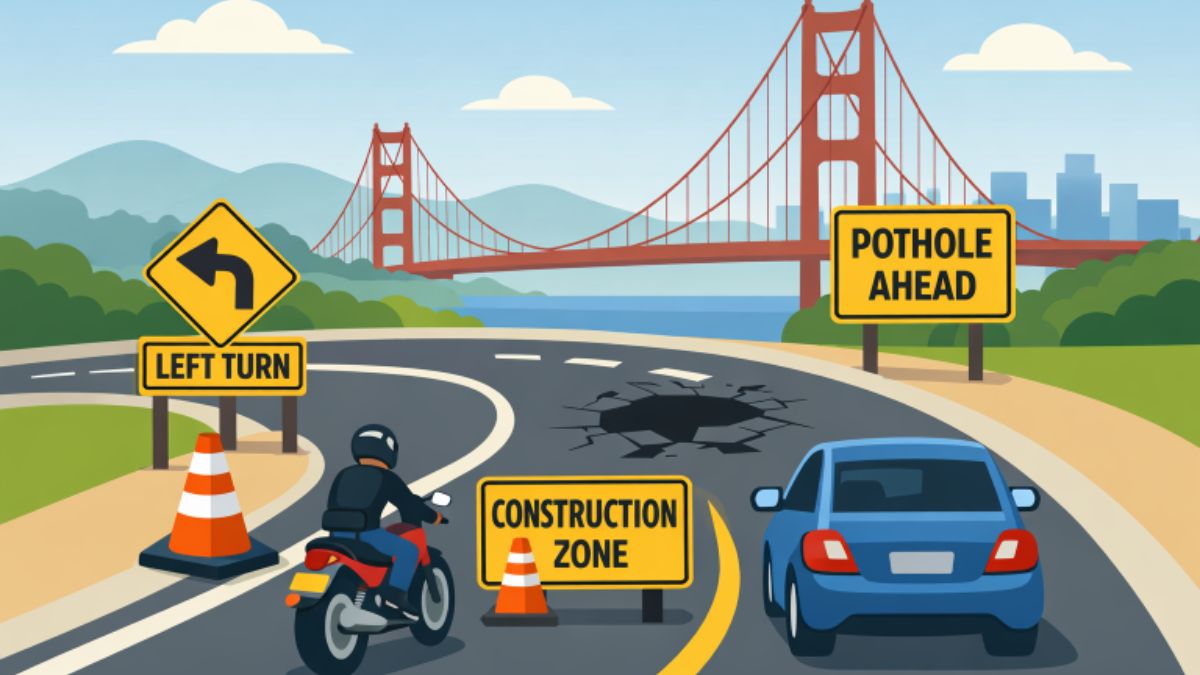
San Francisco’s dense traffic, steep hills, and varied weather conditions make it a challenging environment for motorcyclists. Understanding the most common reasons behind motorcycle crashes helps both riders and motorists prevent them. In the unfortunate event of a crash, it is important to know when you need support from motorcycle accident lawyers near me in order to protect your legal interests and recover damages.
The city’s unique roadways, frequent construction, and heavy pedestrian presence add more risk factors. Accidents often result in severe injuries, so understanding causation and legal responsibility is essential for riders, drivers, and city planners alike.
Local and state statistics reveal that motorcycle accidents often result from a combination of risky behaviors and environmental factors. Motorcyclists are especially vulnerable on busy city streets, where visibility is lower and sudden traffic changes are common.
Properly addressing recurring accident causes can help reduce roadway dangers for everyone. Even the most skilled riders need to remain vigilant and proactive in navigating city streets safely.
Top Causes of Motorcycle Accidents in San Francisco
1. Distracted Driving
Distracted driving remains a leading cause of all motor vehicle accidents, and motorcyclists are particularly at risk. Texting, eating, or interacting with GPS devices can cause drivers to overlook nearby riders and lead to catastrophic collisions.
2. Unsafe Lane Changes
Busy city streets and expressways contribute to frequent lane changes, resulting in many accidents. Drivers who fail to signal or check blind spots may sideswipe motorcycles, whose smaller profiles make them less visible.
3. Left-Turn Accidents
Intersections are some of the most dangerous spots for motorcyclists. Cars making unprotected left turns often misjudge the speed or distance of an oncoming motorcycle, causing severe crashes.
4. Speeding and Aggressive Driving
Excessive speed is a significant factor in many motorcycle accidents. Higher speeds reduce a vehicle operator’s reaction time and increase the severity of collisions, especially in cities where pedestrians and other vehicles frequently cross paths.
5. Hazardous Road Conditions
Potholes, loose gravel, slippery pavement, and poorly marked construction zones are especially dangerous for motorcycles. San Francisco’s unpredictable weather can further increase these risks, contributing to sudden skids and loss of control.
6. Impaired Driving
Drivers or riders under the influence of alcohol or drugs experience slower reaction times and impaired judgment, making accidents more likely and more dangerous when they do occur.
7. Dooring Accidents
San Francisco’s popularity with both cycling and motorcycles makes dooring a common problem. Motorists who open car doors into the path of an oncoming motorcycle without checking first often cause sudden, serious collisions.
Who May Be Liable for Motorcycle Accidents?
Liability in motorcycle accidents depends on the specific facts of the crash. A negligent driver may be responsible if they failed to yield, made an unsafe lane change, or were distracted behind the wheel. City agencies may also be liable for crashes that result from poor road maintenance or faulty traffic signals. In some cases, the motorcycle manufacturer could be responsible for accidents caused by defective parts or design flaws.
In certain situations, both the car driver and the motorcyclist may share liability, especially if the rider was speeding or did not follow right-of-way rules. California’s comparative fault law allows injury victims to recover damages even if they are partially at fault, but damages may be reduced in proportion to their share of responsibility.
Gathering Evidence After a Motorcycle Accident
Following an accident, collecting detailed evidence is crucial. Photos of the scene, witness statements, medical records, and police reports can all be pivotal in proving liability. Surveillance footage and accident reconstruction specialists may also play an essential role, especially when insurers dispute fault.
The Role of Legal Assistance
Legal support can be essential for victims seeking compensation in San Francisco’s complex traffic environment. Professional representation is critical in cases involving catastrophic injuries or disputed liability, as insurance companies often attempt to minimize payouts. Consulting experienced attorneys helps ensure victims understand their rights, gather necessary evidence, and build a strong claim for compensation.
Conclusion
Motorcycle accidents in San Francisco often stem from a dangerous combination of human error, environmental hazards, and infrastructure challenges. Determining liability requires careful examination of each crash’s unique details. Riders and drivers can reduce their risks by staying alert, following traffic laws, and understanding how responsibility is assigned if an accident does occur. Knowledge, preparation, and sometimes experienced legal advice are key to protecting yourself both on and off the road.
-

 TOPIC8 months ago
Top 5 Features of Googlediqiu You Didn’t Know About
-

 TOPIC1 year ago
Why Large Waterproof Outdoor Rugs Are Essential for All Outdoor Spaces
-

 TOPIC1 year ago
7 Expert Tips For Choosing The Best Basement Renovation Companies
-

 FASHION1 year ago
How to Layer Your White Dress for Cold Weather?
-

 TOPIC10 months ago
Why Greece Katz Martian Has Everyone Talking in 2025
-

 BUSINESS11 months ago
Top 5 Features of Sowix Online That Every User Should Know About
-

 TOPIC11 months ago
Top Features of BetterThisWorld .com You Need to Know About
-

 FINANCE1 year ago
How TraceLoans Can Simplify Your Finances