
HEALTH
Consulting an ADHD Doctor: A Key Step Toward Effective Management


Recognizing the Signs of ADHD
Attention-Deficit/Hyperactivity Disorder (ADHD) is characterized by persistent patterns of inattention, hyperactivity, and impulsivity that distinctly impact an individual’s daily life. These symptoms are more than just occasional lapses in focus or bursts of activity; they can permeate every aspect of a person’s life, from academic performance to professional responsibilities and even within personal and family relationships. When left unaddressed, these challenges can escalate, making even simple tasks feel overwhelming and leading to frustration or a decline in self-esteem. Early identification is crucial, as it can help mitigate the long-term consequences of unmanaged symptoms and pave the way for early interventions that enable individuals to thrive. By engaging with a knowledgeable ADHD doctor, individuals can access crucial resources and expert guidance as they navigate the complexities of their symptoms.
ADHD is fundamentally a neurodevelopmental disorder with biological underpinnings, not simply a matter of willpower or environment. Recognizing the difference is vital because, without appropriate support and intervention, symptoms can intensify, interfering with social connections, school or job performance, and overall quality of life. Prompt consultation with an ADHD doctor or specialist ensures that symptoms are taken seriously, allowing individuals to benefit from evidence-based management and supportive strategies from the start.
The Importance of Professional Diagnosis
While many individuals attempt to self-diagnose ADHD based on online content, professional evaluation is crucial due to the condition’s complexity. Self-diagnosis often leads to misunderstandings and misidentifications. A specialist utilizes neuropsychological expertise, thorough medical and developmental reviews, and standardized tools to assess ADHD and any co-occurring conditions accurately.
This in-depth diagnosis not only confirms or rules out ADHD but also differentiates it from similar disorders like anxiety, depression, or autism. A correct diagnosis ensures targeted treatment, preventing wasted efforts and misaligned therapies, and helps set a clear path for effective long-term care.
Enhancing Quality of Life Through Treatment
The benefits of effective ADHD treatment stretch far beyond symptom relief—they can transform virtually every area of life. Research consistently shows that medications such as amphetamines and methylphenidate are associated with marked improvements in quality of life, from academics and work productivity to social engagement and personal confidence. These medications, used in conjunction with therapy, help individuals to regain control over their lives, pursue their goals, and build positive relationships. As outlined in Healthline’s overview of ADHD treatment, a combination of medical, behavioral, and lifestyle interventions often yields the best outcomes.
Structured therapeutic approaches empower individuals to recognize their strengths, adapt to their challenges, and adopt fresh strategies for overcoming obstacles. Lifestyle changes, such as regular exercise and a healthy diet, can help reinforce mental clarity and emotional stability. Together, these efforts create a strong foundation for enhanced well-being, self-esteem, and success in every sphere—from the classroom and office to the family home and community circles.
Conclusion
Consulting an ADHD doctor is a pivotal step toward effective management. With precise diagnosis, personalized treatment, and long-term support, individuals can reshape their lives with ADHD. For those experiencing persistent symptoms, consulting a specialist offers both practical solutions and lasting hope.
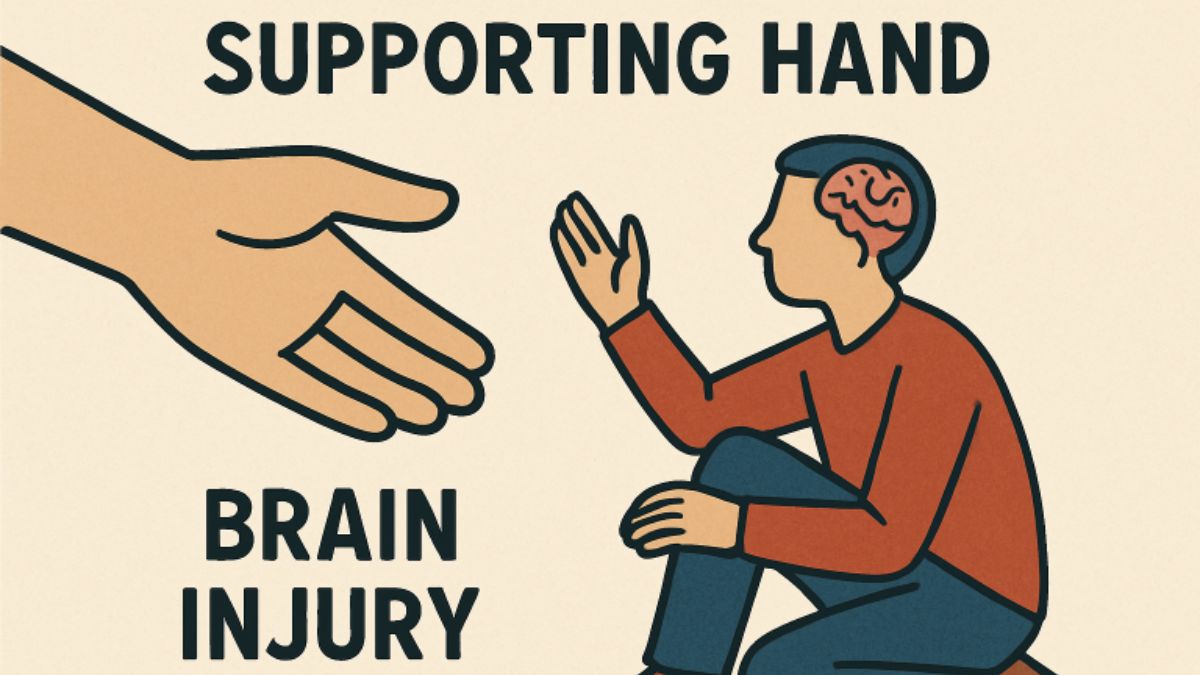
Life after a brain injury brings many challenges, from physical and cognitive changes to emotional hurdles. Every journey is unique, and understanding the risks is a critical step toward preparing for the path ahead. For anyone seeking legal guidance or considering next steps after a brain injury, reaching out to a brain injury lawyer can offer crucial support and information on your rights and available resources.
As you or your loved one faces recovery, it is essential to recognize that this process can affect every aspect of life. By taking proactive measures, building a strong support system, and remaining informed, it is possible to navigate the realities post-injury and work toward a fulfilling future.
Following a brain injury, individuals and their families can feel overwhelmed by the changes and urgent decisions required in the early days. Understanding both immediate and long-term risks can make a real difference. This includes not only the potential for recurring symptoms or medical complications, but also the effect that cognitive and emotional changes can have on relationships and day-to-day activities.
Recovering from a brain injury requires ongoing adjustments and significant patience. Even small tasks can become substantial hurdles. Striving for progress rather than perfection is vital to avoid additional stress and disappointment. To guide you, connecting with professionals such as Atty Nickolas Connelly, Personal Injury Lawyer, is strongly recommended to navigate both legal and practical decisions.
For additional support and comprehensive information on the impacts of brain injuries and available rehabilitation options, you may find the resources from the BrainLine project helpful, which offer educational materials and community forums.
Understanding the Impact of Brain Injuries
Brain injuries can stem from many sources, including accidents, falls, and sports injuries. The impact is rarely confined to a single aspect of life. Physical symptoms may include fatigue, headaches, and coordination issues, while cognitive symptoms range from memory loss to challenges with language and concentration. Emotional changes such as irritability, anxiety, and depression are also common. Recognizing these early helps you and your caregivers tailor rehabilitation efforts to increase your chances of recovery.
Developing a Personalized Rehabilitation Plan
Rehabilitation must be tailored to each individual’s situation. Most recovery plans are created in partnership with neurologists, physical therapists, occupational therapists, and mental health professionals. A comprehensive plan will blend physical exercises, cognitive therapy, and emotional support. Progress should be reviewed frequently, with plans updated as needed to reflect recovery milestones or setbacks. Individual goals are important, whether that means returning to work, school, or independent living.
Managing Daily Challenges
Simple activities can become more complex post-injury, but effective strategies can reduce stress and improve independence. Breaking larger tasks into smaller, manageable steps makes them less overwhelming. Organizational tools, such as planners, reminder apps, or visual checklists, can help maintain daily routines and medication schedules. Establishing a consistent routine further eases cognitive demands and helps manage anxiety.
Building a Support Network
No one should navigate brain injury recovery alone. A robust support network can lessen emotional burdens and provide practical help. Family, friends, caregivers, and local or online support groups foster community, sharing ideas and experiences that can inspire resilience. Support groups, in particular, allow injured individuals and their families to connect with those who truly understand the journey.
Embracing Assistive Technologies
Technology has rapidly improved the quality of life for people with brain injuries. From specialized apps that assist with memory and scheduling to mobility aids and voice-activated devices, there are more resources than ever. Speech recognition software and adaptive devices also foster greater independence. Consulting a healthcare provider can ensure technologies are well-suited to individual cases and maximize their benefits.
Prioritizing Mental Health
Mental health is just as important as physical recovery after a brain injury. Many survivors experience changes in mood, depression, or anxiety. Early intervention with counseling or therapy can help address these changes and teach valuable coping strategies. Mindfulness, meditation, and stress reduction techniques also contribute to emotional well-being and help individuals manage daily uncertainties. For those who want to learn more about managing the psychological effects of brain injuries, the National Institute of Mental Health offers a wealth of information and guidance.
Staying Informed and Proactive
Staying educated about the latest advancements in brain injury research and rehabilitation is empowering. With new therapies and emerging technologies becoming available each year, routinely revisiting your care plan with providers and engaging in ongoing education will ensure access to the best possible support. Proactivity pays off not only in choosing the right treatments but also in building a satisfying and meaningful life post-injury.
Conclusion
Every journey after a brain injury is shaped by unique obstacles and opportunities. With adequate planning, consistent support, and a commitment to personal growth, it is possible to rebuild and thrive. Taking advantage of legal, medical, and technological resources, while prioritizing both physical and mental health, lays the groundwork for a more resilient and fulfilling life beyond injury.
Maintaining a beautiful smile is about much more than just your teeth. While you may focus on having dazzling, straight teeth, the health of your gums is equally important and is often overlooked. The reality is, gums provide the structural support needed for your teeth to remain healthy and firmly in place. If you focus only on brushing and whitening your teeth, you may be ignoring the foundation that supports them: healthy, well-cared-for gums. When issues such as tenderness, bleeding, or gum recession arise, they can threaten the stability of your teeth and your overall well-being.
While most people know the basics of brushing and flossing, there is still a lot of misunderstanding about why gum health is so important. Healthy gums form the framework that keeps your teeth secure, prevents infection, and protects your body from more serious health concerns. Neglecting this vital tissue can have far-reaching effects, including on your overall health and well-being. Many people underestimate the ripple effects that can start in the gums and eventually touch other parts of the body, including the heart and immune system. Understanding and prioritizing gum care is foundational not just for an attractive smile, but also for whole-body health. For those facing advanced gum issues, a specialized periodontist can offer expert care and intervention to restore and maintain gum health, ensuring lasting results and a truly healthy smile.
Understanding the Role of Gums
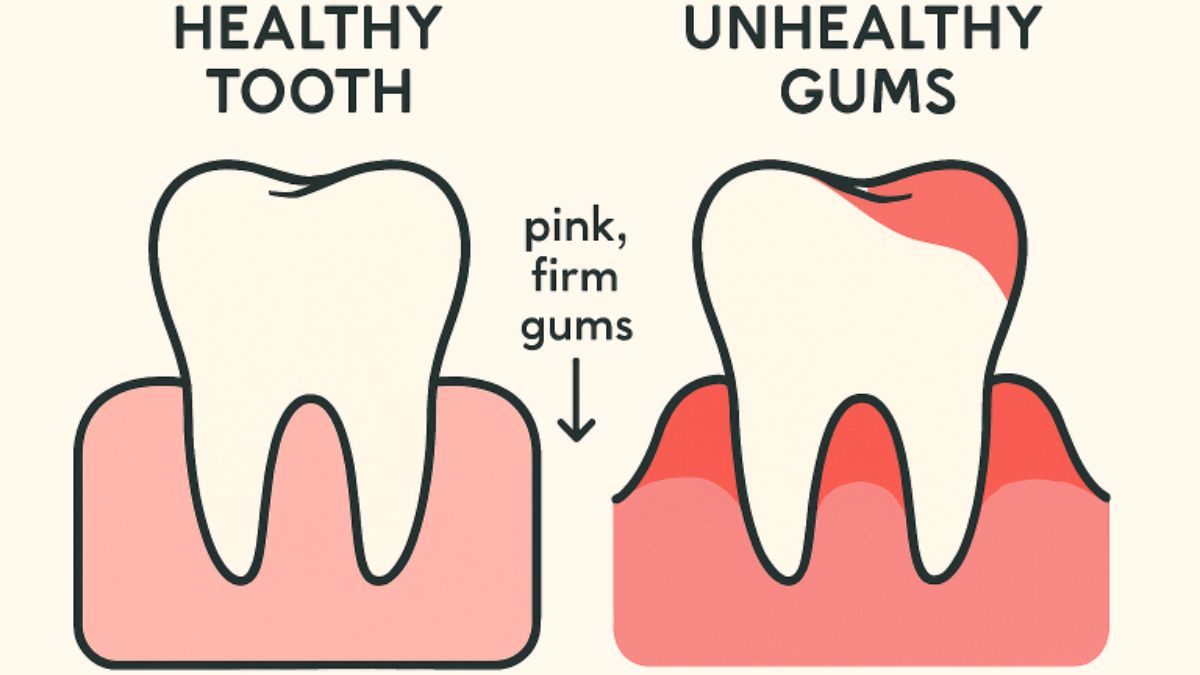
Gums, or gingiva, are soft tissues surrounding teeth, anchoring them and acting as a protective barrier against bacteria, irritation, and trauma. Their health influences tooth stability and function. Healthy gums are pink, firm, and snug, defending against infection. Unhealthy gums let bacteria enter the bloodstream, risking chronic disease beyond tooth loss. Maintaining gum health is crucial for overall oral balance, supporting teeth, appearance, and function while preventing infections and complications like sensitivity and looseness. Regular care is essential to avoid major dental issues.
Consequences of Poor Gum Health
Gum care is essential, as neglect can lead to gingivitis, the earliest stage of gum disease, marked by redness, swelling, and bleeding during oral hygiene practices. While gingivitis is common and reversible, untreated cases can progress to periodontitis, a severe condition that can destroy the bone supporting teeth and lead to tooth loss. Periodontitis often develops without pain, making it easy to overlook until significant damage occurs. Chronic inflammation creates pockets in the gums where bacteria thrive, disrupting the oral ecosystem’s balance. Moreover, advanced gum disease is associated with systemic health risks such as heart disease, stroke, and diabetes. Bacteria from inflamed gums may enter the bloodstream, contributing to widespread inflammation and elevating the risk of cardiovascular problems. There is also a bidirectional relationship between diabetes and gum disease, with each condition potentially worsening the other. Pregnant women with poor gum health might face complications like low birth weight or preterm delivery. This connection underscores the importance of maintaining oral hygiene, which is crucial not only for oral health but also for overall well-being and longevity.
Maintaining Healthy Gums: Daily Practices
To maintain optimal oral health, it is essential to follow a comprehensive dental care routine. Firstly, brush twice a day with a soft-bristled toothbrush, using gentle strokes to clean both teeth and the gumline effectively. Electric toothbrushes can enhance plaque removal when used properly. Secondly, daily flossing is crucial as it eliminates debris and plaque between teeth, a primary area for potential gum inflammation. Rinsing with an antimicrobial mouthwash, particularly alcohol-free options, can help in targeting bacteria that lead to plaque and gum disease, making it ideal for individuals with sensitive mouths. Additionally, regular dental visits every six months are vital for professional cleanings and checkups. These visits enable early detection of gum issues, allowing dentists to provide personalized recommendations on brushing techniques and gum massages to keep your smile healthy.
Diet, Habits, and Lifestyle Choices
The foods you eat and the choices you make each day all play an important role in gum health. Diets rich in vitamin C, calcium, and other nutrients help tissues repair and stay resilient. Leafy greens, nuts, dairy products, and citrus fruits all contain essential vitamins for gum strength and healing. Smoking and other tobacco products are among the leading causes of advanced gum disease and tooth loss; tobacco use weakens your immune system, making it harder for your gums to fight infection. Quitting these habits and reducing your intake of sugary foods can dramatically improve your gum health over time. Managing daily stress is also important, as high stress levels can lead to teeth grinding, which puts excess strain on your gums. Good oral habits, combined with healthy lifestyle changes, create a powerful defense against gum disease and its consequences.
Recognizing the Early Signs of Gum Disease
Spotting symptoms early can prevent gum disease from progressing to more severe stages. Watch out for persistent bad breath, easily bleeding gums, chronic swelling, or receding gumlines. These are signals that your gums need immediate attention, and early treatment offers the best chance for reversal. Sensitivity to hot or cold foods, or the appearance of pus between teeth and gums, may also indicate an active infection. If you notice any of these signs, do not ignore them; schedule a dental visit as soon as possible. Immediate action can halt deterioration and even restore full gum health when caught early.
The Importance of Professional Dental Care
Even the most diligent at-home oral care cannot replace professional cleanings and exams. Plaque and tartar that build up over time require specialized tools and techniques for removal, which cannot be achieved by brushing or flossing alone. Your dental team can perform scaling and root planing, as well as other advanced therapies that target the roots of the teeth and promote gum reattachment. Regular visits also provide an opportunity for your dentist or periodontist to tailor advice to your personal needs, monitor your oral condition, and develop a plan for any evolving gum issues. They may recommend special toothpastes, rinses, or tools based on your specific situation, and screening for oral cancer or underlying conditions is another benefit of ongoing dental care.
Conclusion
Prioritizing gum health leads to stronger teeth, a confident smile, and a healthier body overall. Gum disease is preventable, and by adopting daily brushing and flossing habits, eating a balanced diet, avoiding tobacco, and seeking routine professional care, you lay the groundwork for healthy gums throughout your life. Take action early, stay vigilant for warning signs, and do not hesitate to seek help from a dental specialist if you notice changes in your gum health. Investing in gum care pays dividends not only for your smile but for your lifelong wellness, letting you enjoy eating, speaking, and living with confidence.

Introduction
Orthodontic treatment provides a transformative impact beyond straightening teeth. For families and individuals alike, seeking expert care through an Orthodontist Wichita can unlock a host of positive changes, including better oral health and an uplifted sense of well-being. Whether for a child developing their first adult teeth or an adult looking to invest in their long-term health, orthodontic care has never been more accessible or effective.
Oral alignment issues can impact speech, chewing, and even your gums and jaw health. Early orthodontic evaluation can help guide healthy dental development in children, preventing future complications. Meanwhile, adults are increasingly turning to state-of-the-art solutions that are both discreet and comfortable, making it easier than ever to achieve a healthier, more confident smile at any stage in life.
Many overlook the vital connection between straight teeth and overall health, not realizing that misaligned teeth can contribute to issues ranging from poor digestion to low self-esteem. Modern advancements offer personalized options that fit various preferences, budgets, and lifestyles.
Ultimately, the journey toward a straighter smile is about more than vanity. It’s about investing in your future health and happiness, improving functional abilities such as chewing and speaking, and on a deeper level, boosting your confidence in daily interactions.
Early Intervention for Children
Starting orthodontic treatment in childhood offers a proactive strategy to prevent more severe dental problems later. Orthodontists recommend evaluating children by age seven, when bite issues such as crossbite, overbite, and underbite become detectable. Early diagnosis allows for treatments that guide jaw growth and the position of emerging permanent teeth, reducing the risk of crowded or misplaced teeth and the potential need for extractions or more invasive interventions down the road.
This early intervention can shape the development of the jaw and palate, minimizing the risk of speech impediments and permitting adult teeth to emerge in correct alignment. It also plays a role in correcting habits like thumb-sucking or prolonged pacifier use, which are known contributors to dental misalignment. According to the American Association of Orthodontists, interceptive treatment can address these concerns efficiently, laying a solid foundation for lifelong oral health.
Adult Orthodontics
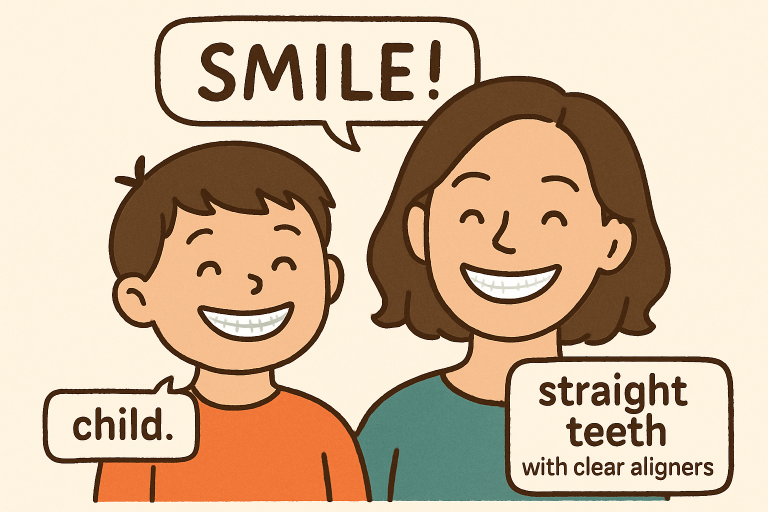
Orthodontic treatment is increasingly popular among adults, with options that fit professional and social lifestyles. Older patients often seek orthodontic care to address shifting teeth and bite problems or to finish treatments they may have started in childhood. Technological advancements, such as clear aligners and ceramic braces, make it easier for adults to undergo treatment discreetly without the social discomfort that traditionally accompanied metal braces.
For adults, properly aligned teeth make daily oral hygiene more effective, lowering the risk of cavities and periodontal disease. Additionally, orthodontic adjustments can relieve stress on the jaw joints, reducing discomfort or headaches that often accompany severe bite misalignment. According to MouthHealthy by the American Dental Association, even later-in-life orthodontic care offers substantial benefits in preserving tooth function and supporting overall health.
Health Benefits of Aligned Teeth
Aligned teeth are easier to brush and floss, resulting in less plaque buildup and a lower risk of periodontal disease and tooth decay. These improvements to oral hygiene can lead to better overall health, as gum disease has been connected to other health concerns, like cardiovascular disease and diabetes.
- Improved Oral Hygiene: Straight teeth have fewer hard-to-reach spaces, which makes them less prone to trapping food, bacteria, and plaque.
- Better Digestion: Correct alignment contributes to effective chewing, aiding the overall digestive process by allowing food to be broken down more thoroughly before swallowing.
- Enhanced Speech: Proper dental alignment supports clearer pronunciation and speech, as certain sounds rely on specific tongue-to-teeth contact.
Targeted orthodontic care can reduce the incidence of headaches, jaw pain, and even ringing in the ears—which are sometimes related to bite problems—contributing to a better quality of life overall.
Aesthetic and Psychological Advantages
Achieving a confident smile can make a profound difference for both children and adults. For children, correcting visible alignment issues can lead to improved self-image, more positive social experiences, and even better academic performance due to increased confidence in school settings.
Adults often report feeling more self-assured in professional and personal interactions after completing orthodontic treatment. These psychological boosts can enhance social engagement, job prospects, and mental health. A study published in Healthline highlights the positive impact an improved smile can have on self-esteem and emotional well-being.
Modern Orthodontic Options
The orthodontic field now offers an impressive range of solutions for various needs. Innovations in technology have brought about the following primary treatment options:
- Clear Aligners: Removable, comfortable, and nearly invisible, these are a popular choice for adults and teens who want flexibility and discretion.
- Ceramic Braces: Tooth-colored brackets provide effective treatment with a less conspicuous appearance than metal braces.
- Lingual Braces: Attached to the inside surfaces of the teeth, lingual braces remain hidden from view while accomplishing significant dental corrections.
These options allow orthodontic care to be personalized, comfortable, and aesthetic, making it easier for patients to commit to and complete their treatment plans.
Conclusion
The lasting benefits of orthodontic treatment extend well beyond the cosmetic appeal of a straight smile. Early intervention for children helps prevent complex future dental issues, while cutting-edge solutions let adults achieve better oral health inconspicuously. Whether seeking improved functionality, health, or self-confidence, consulting with a qualified orthodontic specialist ensures the best path forward for any age group. With the right approach, orthodontic care can truly be life-changing.
-

 TOPIC1 year ago
7 Expert Tips For Choosing The Best Basement Renovation Companies
-

 TOPIC1 year ago
Why Large Waterproof Outdoor Rugs Are Essential for All Outdoor Spaces
-

 TOPIC9 months ago
Why Greece Katz Martian Has Everyone Talking in 2025
-

 FASHION1 year ago
How to Layer Your White Dress for Cold Weather?
-

 BUSINESS10 months ago
Top 5 Features of Sowix Online That Every User Should Know About
-

 TOPIC10 months ago
Top Features of BetterThisWorld .com You Need to Know About
-

 FINANCE1 year ago
How TraceLoans Can Simplify Your Finances
-

 BIOGRAPHY1 year ago
From Reality Star to Business Mogul: Prince Narula Digital PayPal