
HEALTH
Dental Floss Picks: The Unsung Heroes of Daily Oral Care

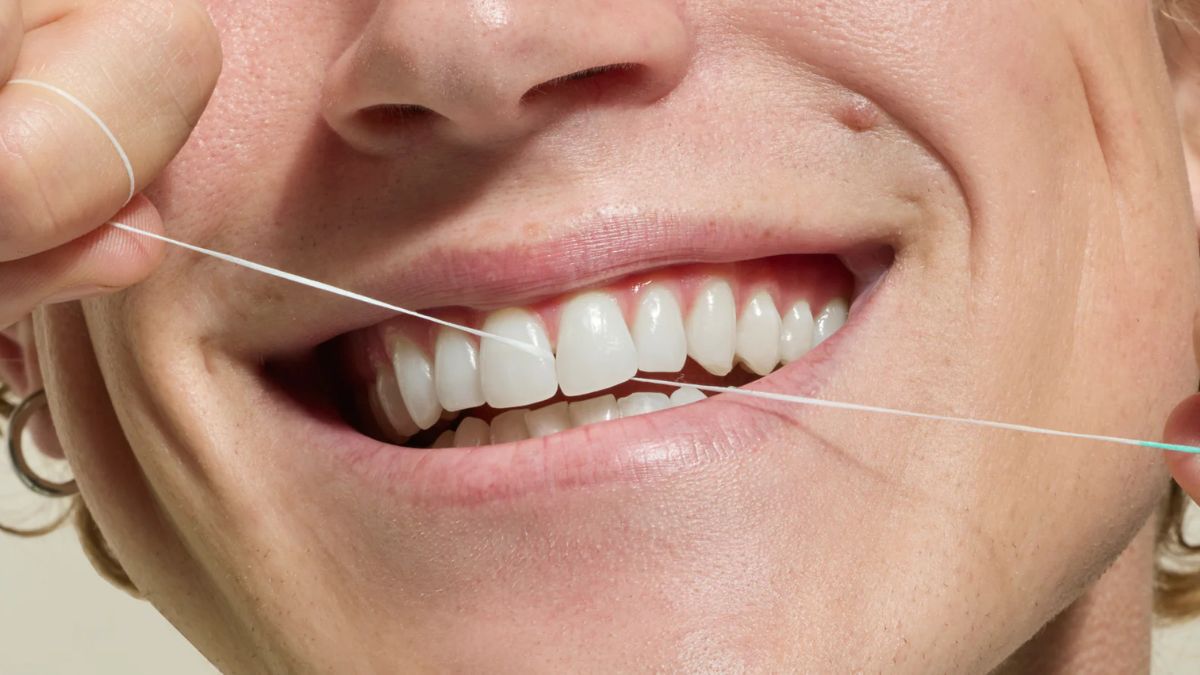
Oral hygiene is a fundamental aspect of overall health and well-being. In a comprehensive dental care routine, attention is often centred on brushing teeth and using mouthwash. However, an essential component that frequently doesn’t get the recognition it deserves are dental floss picks. These small yet powerful tools are vital for maintaining optimal oral health. In this article, we’ll explore the importance of dental floss picks and why they should be included in your daily oral care rituals.
The Importance of Flossing
Flossing plays a critical role in the removal of plaque and food particles that accumulate between the teeth and under the gumline – areas where toothbrushes typically cannot reach. When plaque builds up, it can lead to tooth decay and gum disease. Thus, integrating flossing into daily oral hygiene routines is key to preventing these common dental issues.
What Are Dental Floss Picks?
Dental floss picks are small plastic tools that hold a piece of floss between two prongs. They are designed for single use and provide a convenient and easy way to floss, particularly for those who find traditional dental floss challenging to handle. The ergonomic design of floss picks makes it easier to reach the back teeth and tight spaces between teeth.
Benefits of Using Dental Floss Picks
In comparison to traditional strings of floss, dental floss picks offer several advantages. Firstly, they are incredibly convenient to use, especially for individuals on the go or those with limited dexterity. They encourage regular flossing habits since their ease of use removes one of the biggest barriers to consistent flossing. Moreover, for parents trying to instil good dental habits in their children, floss picks can be a more appealing option due to their simplicity and comfort.
Ease of Use
One of the greatest benefits of dental floss picks is their ease of use. The tool is simple to manipulate and requires less coordination than traditional floss. This aspect is particularly beneficial for people with braces, arthritis, or those who simply prefer a more straightforward method of flossing.
Portability
Dental floss picks are also highly portable. Their small size enables individuals to carry them discreetly in a purse, briefcase, or car. This means you can maintain your oral hygiene standards even while travelling or when you’re away from home.
Hygiene and Cleanliness
As single-use tools, dental floss picks can be more hygienic than reusable floss containers. Each pick is used once and then discarded, reducing the transfer of bacteria if compared to using the same length of floss multiple times.
How to Use Dental Floss Picks Effectively
To reap the benefits of dental floss picks, it is important to use them effectively. When flossing, gently slide the floss between each tooth, forming a ‘C’ shape against the side of the tooth and sweeping it beneath the gumline. It is crucial not to snap the floss into the gums, as this can cause irritation and damage. Instead, move the floss pick up and down along the tooth’s contour to remove the maximum amount of plaque and trapped food.
Consistency Is Key
For dental floss picks to be an effective part of an oral care regimen, they must be used consistently. Ideally, it would be best if you flossed at least once daily. The best time to floss is before brushing your teeth at night, as it ensures that any released food particles and plaque are brushed away afterwards.
Choosing the Right Dental Floss Picks
There is a variety of dental floss picks available on the market, with different features such as flavoured floss, textured picks, and those designed for sensitive gums. When selecting the right dental floss picks for your needs, it is wise to consider these factors and choose a product that will encourage you to maintain regular flossing habits.
Incorporation into Daily Oral Care
Incorporating dental floss picks into your daily oral care is a simple process. Begin by ensuring that you have an ample supply of floss picks on hand. Keep them in visible and accessible locations at home, at work, or in your bag so that you can use them as part of your regular oral care routine.
Complementing Overall Oral Hygiene
While dental floss picks are effective for cleaning between teeth, they should be used in conjunction with other oral hygiene practices. Brushing teeth twice a day with fluoride toothpaste, using mouthwash, and visiting the dentist regularly for check-ups and cleanings are all part of maintaining oral health.
Conclusion
Dental floss picks are indeed the unsung heroes of daily oral care. They deliver a practical and efficient way to maintain oral hygiene, especially in hard-to-reach areas. With the convenience and benefits they offer, floss picks have earned their place alongside toothbrushes and mouthwash in the pantheon of oral care essentials. By adopting the simple habit of using dental floss picks, you can take significant strides in protecting your teeth and gums, ensuring a healthier and brighter smile for years to come.


When stress keeps building, sleep feels unreliable, pain makes daily routines harder, or a long-standing habit seems difficult to change, people often look for practical support beyond their usual wellness routines. Clinical hypnosis may be an option to explore, especially when approached as a complementary tool rather than a quick fix or a replacement for medical care. For readers comparing local options, Mary Martell, a Certified Clinical Hypnotherapist, is a Dallas, Texas, practice focused on clinical hypnotherapy for concerns such as fears, habits, anxiety, and pain management. Mary Martell’s website describes her as a certified hypnotherapist who earned certification in 2005, has operated her Dallas practice for more than a decade, and continues her professional education. Those details make the practice a relevant local example for people seeking a certified clinical hypnotherapist Texas while evaluating training, experience, and fit.
Why More People Are Asking About Clinical Hypnosis
Wellness is rarely about one single habit. Someone working on stress may also need better sleep, regular movement, counseling, medical guidance, or changes to their work routine. Someone living with chronic discomfort may need a care plan that includes diagnosis, medication, physical therapy, and skills for coping with symptoms. Clinical hypnosis is increasingly discussed within that wider context. It is important to begin with realistic expectations. People respond differently, and the usefulness of hypnosis can depend on the goal, the provider, the person’s comfort level, and their willingness to practice techniques between sessions. This article is for general education and is not a substitute for individualized advice from a licensed medical or mental health professional.
What Clinical Hypnosis Means
Clinical hypnosis, sometimes called hypnotherapy, is a guided process that uses focused attention, relaxation, imagery, and purposeful suggestions to support a person’s goals. It is not sleep, mind control, or a state in which someone gives up their ability to think for themselves. Instead, it is often described as a concentrated, calm state in which a person may be more receptive to practicing helpful perspectives, responses, and routines.
The client remains an active participant. A provider may ask questions, help define an achievable goal, guide breathing or visualization, and suggest ways to respond differently to a trigger, sensation, or situation. This is very different from stage hypnosis, which is designed for entertainment and may create an inaccurate impression of what therapeutic work involves.
What Research Says in 2026
Research on hypnosis covers a range of concerns, including pain management, anxiety before medical or dental procedures, irritable bowel syndrome, headaches, smoking cessation, and menopausal symptoms. The National Center for Complementary and Integrative Health provides a useful overview of clinical hypnosis research, including areas where findings are encouraging and areas where evidence remains limited or mixed. A 2026 scoping review of randomized controlled trials involving chronic illnesses found promising outcomes in pain, emotional distress, sleep, fatigue, and quality of life. At the same time, the review noted substantial variation in study designs, participant groups, and hypnosis methods. Readers can review the publication record through this clinical hypnosis scoping review. “Promising” does not mean proven for every condition or every person. The best approach is to set a specific goal and track whether progress is actually happening.
Common Goals People Bring to a Session
People may consider clinical hypnosis for many everyday wellness goals. It should be framed as support, not a guaranteed treatment or cure.
- Reducing stress and practicing relaxation skills.
- Supporting a more consistent sleep routine.
- Building coping skills for ongoing pain or physical tension.
- Preparing for public speaking, flying, medical visits, or other feared situations.
- Strengthening confidence before a performance, test, or important conversation.
- Supporting habit change, including smoking cessation efforts.
- Managing stress-related tension associated with some digestive symptoms.
What a Typical Session May Look Like
- Initial conversation: The provider discusses goals, relevant health history, concerns, and current treatment.
- Goal setting: Together, the client and provider identify a practical focus, such as feeling calmer before a procedure or practicing a bedtime wind-down routine.
- Guided focus: The provider may use slow breathing, calming imagery, progressive relaxation, or focused attention.
- Therapeutic suggestions: Suggestions may reinforce useful skills, healthier self-talk, or a planned response to a trigger.
- Return and reflection: The client returns to ordinary alertness and discusses the experience, including any next steps for practice.
Common Myths and the Reality Behind Them
- Myth: Hypnosis means losing control. In a professional setting, clients can generally speak, think, decline suggestions, and stop the process.
- Myth: Everyone experiences hypnosis the same way. People differ in comfort, focus, expectations, and engagement.
- Myth: One session solves every problem. Some goals take repeated practice, several sessions, or other forms of care.
- Myth: Hypnosis replaces medical treatment. It should not replace diagnosis, prescribed medication, psychotherapy, or emergency care.
How to Choose a Qualified Provider
Before booking, ask about the provider’s training, certification, experience with goals similar to yours, fees, privacy practices, session length, and cancellation policies. Confirm that the provider works within their professional scope and follows applicable state requirements. It is also reasonable to ask how they track progress and whether they coordinate with physicians, therapists, or other care professionals when appropriate. Be cautious when a provider promises guaranteed results, claims to cure serious illness, discourages necessary medical treatment, or pressures you into a large package before discussing your needs. A trustworthy professional should be willing to explain their process, respect your boundaries, and review whether the approach is helping.
Safety, Boundaries, and a Practical First Step
Share relevant health information before beginning sessions. Sudden or severe physical symptoms need medical evaluation. People experiencing suicidal thoughts, severe depression, trauma symptoms, substance-use concerns, or intense anxiety should seek appropriate licensed care and discuss whether hypnosis belongs in their broader treatment plan. A sensible first step is to write down one clear goal, list current treatments and medications, compare two or three providers, and schedule an initial conversation before making a long-term commitment. Keep simple notes on outcomes, such as sleep quality, stress ratings, pain coping, or confidence in a specific situation. Clinical hypnosis may be a useful addition to everyday wellness for some people, but safe, measurable progress matters far more than bold promises.
Conclusion
Clinical hypnosis can be a meaningful support option for people looking to improve stress management, coping skills, habits, sleep routines, or responses to certain challenges. However, the most effective approach begins with realistic expectations, qualified guidance, and a clear understanding of personal goals. Choosing a certified and experienced provider, such as Mary Martell, Certified Clinical Hypnotherapist, can help individuals explore whether hypnotherapy fits within a broader wellness plan. Clinical hypnosis works best when combined with healthy routines, appropriate medical or mental health care when needed, and active participation from the individual. By focusing on practical goals, tracking progress, and selecting a provider who prioritizes safety and professionalism, people can make more informed decisions about whether this approach supports their personal journey toward improved well-being.

Seeking professional help for substance use is often a decision, but also the first real step toward recovery. Once that decision is made, the next challenge is choosing the right level of care. Two of the most commonly recommended treatment options are Intensive Outpatient Program (IOP) and Residential treatment.
That said, how do you know which one is right for you? This guide explains the key differences, benefits and important factors to consider when choosing the most appropriate option.
What is the fundamental difference between Intensive Outpatient (IOP) and Residential substance use treatment?
The main differences are the living arrangement and the level of environmental immersion. An Intensive Outpatient Program (IOP) is a structured substance use treatment that allows a person to live at home while attending therapy several days a week. It usually includes group therapy, individual counseling and relapse-prevention work, yet the person still returns to their normal environment afterward.
Residential treatment, often called inpatient rehab, removes the person from that environment completely. They live at the facility full-time and follow a structured daily schedule with 24/7 support. It is more contained, more intensive and designed for stabilization.
Who is an ideal candidate for an Intensive Outpatient Program (IOP), and what are its key benefits and challenges?
IOP works best for individuals with mild to moderate substance use issues who are medically stable and motivated to participate in recovery while maintaining daily responsibilities. It is often a step down from residential care or a starting point for those with strong external support.
Key benefits include flexibility, continued employment or schooling and the ability to immediately apply coping skills in real-life situations. It also tends to be more affordable than residential care.
However, the challenges are significant. The biggest risk is exposure to triggers outside treatment hours. Without a stable home environment or strong accountability, relapse risk can be higher. Certified mental health crisis support providers at Davis Behavioral Health say success in addiction recovery here depends heavily on discipline and support systems.
Who is an ideal candidate for residential treatment, and what are its key benefits and challenges?
Residential treatment is best suited for individuals with severe substance use disorders, repeated relapse history, unsafe living environments or co-occurring mental health conditions such as depression, trauma or anxiety that require close monitoring.
The major strength of this level of care is immersion. Patients are removed from triggering environments and supported around the clock with therapy, medical care and structured routines. This stability often creates the foundation needed for early recovery breakthroughs in substance use treatment.
The downside is disruption. Being away from work, family and daily responsibilities can be emotionally and financially difficult. It is also more expensive than outpatient models. Still, for many, this intensity is necessary to stabilize before transitioning to outpatient care, according to the certified mental health crisis support providers at Davis Behavioral Health.
What factors should I consider when deciding between IOP and Residential care?
The decision should start with severity: how much control does substance use currently have? If there is medical risk, frequent relapse or withdrawal complications, residential care is usually safer.
Next, consider co-occurring mental health conditions. If symptoms are severe or unmanaged, structured inpatient rehab may be required.
Home environment matters. A supportive, substance-free setting may allow outpatient rehab like IOP to succeed. A chaotic or triggering environment often does not.
Daily responsibilities also matter—work, children or financial obligations may make residential care harder to access. Finally, cost and insurance coverage can influence access, but should not override clinical need.
Residential care can resemble mental health residential services, especially for those needing intensive support, according to certified mental health crisis support providers at Davis Behavioral Health.
How long do Intensive Outpatient and Residential programs typically last, and what does a “typical day” look like in each?
Residential programs usually last 30 to 90 days, depending on severity and progress. A typical day includes medical check-ins, individual therapy, group counseling, psychoeducation, meals, structured activities and evening reflection or peer support meetings. The structure is consistent every day to rebuild routine and stability.
IOP programs usually last 8 to 12 weeks, sometimes longer. Sessions occur 3 to 5 days a week for a few hours each time. A typical day might include group therapy focused on coping skills and relapse prevention, as well as one-on-one counseling. After sessions, the person returns home and immediately applies what they learned in real-world situations.
Final thoughts
Choosing between IOP and Residential treatment depends on the severity of substance use, mental health needs, home environment and support system. The right levels of care can provide the structure and stability needed for successful long-term addiction recovery.

Choosing the right horse boarding facility is a decision that impacts not only your horse’s physical health but also its happiness and your experience as a rider. A facility that offers a comprehensive boarding experience can make all the difference, ensuring that your horse receives top-notch care while also providing a supportive, enriching environment for both of you. For horse owners seeking trusted environments, options like equine care Lake County IL offer dedicated services that meet the evolving needs of equestrians.
As any seasoned rider knows, a good boarding facility does far more than provide a stall and a paddock. It underpins every aspect of your horse’s well-being, shaping their daily routine, influencing their behavior, and enabling you to focus on progress and enjoyment in your riding journey. The best stables deliver peace of mind and a sense of community, both of which are invaluable for anyone serious about their equestrian lifestyle.
Comprehensive Care and Management
A well-rounded boarding facility prioritizes a routine that fosters your horse’s physical health and behavioral consistency. Full care services typically include daily feeding, fresh water, regular mucking out of stalls, scheduled turnout, and grooming. By instituting a consistent schedule, these facilities help prevent stress in horses and minimize the risk of common health issues such as colic or respiratory problems. According to Board & Stable, full care boarding is the cornerstone of horse management in the United States because it guarantees the routine provision of key daily care elements essential for equine health.
Facilities that offer attentive daily management also create an environment where owners can focus more on their riding goals or equine activities, rather than on routine tasks. Whether you are balancing a demanding schedule or striving to maximize your horse’s health and happiness, comprehensive care allows you to remain confident in your animal’s day-to-day well-being.
Socialization and Mental Well-being
Horses are herd animals at heart, and their psychological well-being is greatly influenced by opportunities for social interaction. Quality boarding facilities encourage turnout in compatible groups, where horses can interact, establish bonds, and stay mentally stimulated. Ensuring horses have daily contact with others reduces the occurrence of behavioral issues such as weaving, cribbing, or stall walking. This aspect of management is emphasized by Board & Stable, which notes that mental and physical health are linked, and socialization plays a pivotal role in maintaining a happy, well-adjusted horse.
A social environment also fosters healthy behaviors and equips horses to cope better in unfamiliar or stressful settings, such as during competition or travel. When horses feel secure within their social group, they exhibit lower stress levels and are less likely to develop vice-like habits. Owners benefit as well – knowing that their horse is thriving not just physically but emotionally.
Access to Training Facilities
Quality training facilities are key when choosing a boarding barn, including indoor/outdoor arenas, trails, and specialized equipment. These amenities support both competitive and leisure riding. An indoor arena, for instance, allows consistent training year-round. Facilities that focus on horse and rider development offer a range of resources for all disciplines, helping riders of all levels pursue their goals and keep horses engaged.
Professional Expertise and Support
Many top boarding stables employ experienced on-site personnel, including skilled caregivers, trainers, and access to veterinarians or farriers. This professional network is invaluable for owners seeking guidance on horse health, nutrition, training, or behavior. Immediate access to expert advice can make a difference during emergencies or when developing a tailored program to suit individual horse needs.
Moreover, having industry experts on hand fosters an educational environment where owners can expand their knowledge and enhance their own horsemanship skills. Even seasoned equestrians benefit from collaborating with fellow professionals, leading to improved outcomes for both horse and rider.
Safety and Emergency Preparedness
Safety is paramount in any equine environment. Reputable boarding facilities invest in well-maintained fencing, structurally sound stables, appropriate lighting, and hazard-free grounds. Clearly established emergency protocols, such as fire evacuation plans and accessible first-aid equipment, ensure that precautionary measures are always in place. These safeguards minimize risk and offer peace of mind to horse owners, knowing their animals are secure in the event of a crisis.
Community and Networking Opportunities
Beyond physical amenities and professional care, a boarding stable’s community atmosphere can greatly enrich your equestrian experience. Many stables develop a culture of camaraderie where boarders come together for group rides, clinics, shows, and social events. These interactions foster friendship, shared learning, and support, making your time at the barn not just productive but fun and rewarding.
The sense of belonging and the ability to network with like-minded individuals can inspire riders to pursue new challenges, exchange knowledge, and find encouragement during setbacks. A welcoming community environment is especially beneficial for new horse owners or those transitioning to a new area.
Conclusion
A well-rounded boarding experience provides more than just a safe space for your horse. It guarantees excellent daily care, cultivates mental and physical health, and offers opportunities for growth and social engagement for both you and your horse. Choosing a comprehensive, supportive boarding facility is a worthwhile investment that enhances every aspect of your equestrian journey.
-

 TOPIC1 year ago
Top 5 Features of Googlediqiu You Didn’t Know About
-

 TOPIC2 years ago
Why Large Waterproof Outdoor Rugs Are Essential for All Outdoor Spaces
-

 FASHION2 years ago
How to Layer Your White Dress for Cold Weather?
-

 TOPIC2 years ago
7 Expert Tips For Choosing The Best Basement Renovation Companies
-

 FASHION1 year ago
How to Choose Sunglasses That Perfectly Complement Your Summer Wardrobe
-

 BUSINESS1 year ago
Top 5 Features of Sowix Online That Every User Should Know About
-

 TOPIC1 year ago
Why Greece Katz Martian Has Everyone Talking in 2025
-

 FINANCE2 years ago
How TraceLoans Can Simplify Your Finances