
AUTOMOTION
Dust Control Solutions: Cleaner Air, Safer Worksites, Better Results


Ever wondered how much that thin layer of dust on your warehouse floor is costing you? It’s a lot more than you think. All of that dust works its way into machinery, clogs filters, and creates slip hazards. Before you know it, you’re facing unexpected breakdowns and costly repairs.
At www.brisbanesweeping.com.au, we’ve watched businesses cut their maintenance costs considerably just by staying on top of dust control. In this guide, we’ll show you how a good cleaning routine protects your equipment and keeps your workplace safe.
Ready to see how clean floors can increase your profits? Read on to learn more.
Proactive Dust Control vs. Reactive Cleaning
You have two choices regarding your workplace cleaning: plan ahead or catch up. That is to say, you can either control dust before it becomes a problem, or you can wait and deal with the mess later.
Let’s start with the first approach. This proactive procedure will keep your operations running smoothly and your costs manageable. You get more control over everything here.
And the latter approach? It’ll have you constantly dealing with situations that you could have prevented. You’ll feel like nothing is in your hands (except for the panic button, which you’ll spam constantly).
Now, if you’re thinking which approach will save the most of your money in the long run, more details on it are below.
The Predictability of Proactive Control
Regularly cleaning your facilities will drastically increase your productivity. It’s because your team will know when cleaning happens, so they can plan their work around it.
Not only that, a proactive strategy makes your budgeting simple, too. You know upfront what cleaning will cost each month. So there are no surprise expenses or emergency callouts.
Based on our experience, businesses that switch to proactive cleaning reduce their overall maintenance costs by almost half.
The Inefficiency of a Reactive Approach
Next up, the reactive approach. When you wait until dust becomes visible, well, it’s already too late. Your staff has to drop what they’re doing to handle emergency clean-ups. It also leads to your production ceasing immediately.
As if that’s not enough, a reactive approach makes budgeting nearly impossible. How do you plan for costs when you never know when the next cleaning crisis will hit?
Reduce Urgent Repairs with Equipment Maintenance
Machinery takes the hardest hit from dust accumulation, which is why maintenance managers consistently find their biggest savings opportunities here. They understand very well that they can prevent the root cause of mechanical failure before it strikes.
And who doesn’t know, prevention is better than cure (albeit in a different context, but yeah, the idea is the same).
Now, the most urgent repairs start with something as simple as handling dust properly. You’re about to see how it’s the case.
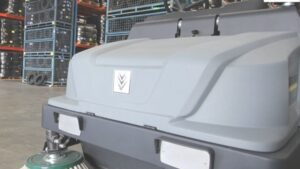
How Dust Leads to Mechanical Failure
Fine particles work their way into every opening, crack, and crevice in your machinery. Once inside, these particles begin a slow but steady destruction process that eventually leads to complete component failure.
But how does it actually happen? Here’s how.
The Impact of Overheating and Abrasion
Your dust buildup acts like a thick blanket over motors and electronics, which traps heat and prevents proper cooling. The whole thing causes the equipment to run hotter than it should. This excessive heat drastically shortens your component’s life.
And while all of that is happening, grit and fine particles keep contaminating your lubricants. It leads to oil becoming an abrasive paste that wears down bearings, gears, and other moving parts.
The Breakdown of an Urgent Repair
Picture a typical scenario: an important machine fails suddenly due to component burnout or seizure. Well, at this point, you know that dust accumulation caused this failure. Except, you won’t figure out the cause until after the entire production line stops without warning.
So, the takeaway here is that emergency repairs increase costs, force you to rush the parts ordering process, and cost you revenue.
Switching to Planned Non-Urgent Repairs
When you have facilities with proper dust control in place, you see a different story. In these facilities, technicians performing routine equipment maintenance can easily spot early signs of wear or leaks.
Do you know what it means for your maintenance teams? They can schedule low-cost repairs during planned downtime instead of dealing with expensive emergencies.
Increased productivity all around.
Calculating Your Cleaning ROI for Reduced Costs
Cleaning ROI measures how much money you save by investing in regular sweeping services. And with it, you can prove it’s actually a money-saving investment instead of a useless expense. You can easily see the value of regular cleaning with a simple Return on Investment formula.
The math is plain and simple once you know what to measure. Keep reading to know the variables for this cleaning ROI calculation.
The Variables in Your ROI Formula
You only need to assign a value to your operational costs to see the financial benefit of your professional cleaning. So, take a step back and think about your facility’s specific numbers for these factors:
Main Cost Variables
- Revenue lost per hour of operational downtime: Calculate how much money your facility loses when production stops. Also, don’t forget to include lost sales, idle labour costs, and missed delivery deadlines that can damage customer relationships.
- Total emergency breakdown costs: You need to add up both labour and parts for an average urgent repair. Emergency callouts typically cost 2-3 times more than planned maintenance, plus you’ll pay premium rates for rush parts orders.
- Premature parts replacement budget: When you spend money on replacing components that failed earlier than expected, ensure that you keep track of it.
- Safety and environmental breach penalties: It’s important to research the potential fines for workplace accidents or environmental violations in your area. These penalties can range from thousands to tens of thousands of dollars.
Quantifying the Value of Reduced Repairs
A closer look at these costs alongside the set price of a regular sweeping service gives you the full picture of the financial benefits.
In our experience, most facilities achieve a 3:1 return on their cleaning investment during the first year alone. It’s because prevention not only delivers great savings but also helps keep repair costs predictable and manageable.
Your Next Step to Better Profit Margins
We know dust can drain thousands from your maintenance budget through equipment failures and emergency repairs. But here’s good news for you: professional sweeping services can completely remove these hidden costs and give you the opportunity to make predictable savings.
In this article, we’ve explored how proactive cleaning beats reactive responses and protects machinery from costly breakdowns. You’ve also learned about compliance standards and how to measure ROI through reduced repair costs.
Brisbane Sweeping Service offers 24/7 industrial cleaning across Brisbane, the Gold Coast, and the Sunshine Coast. Contact us today for your obligation-free quote and to inspect your savings potential.

Introduction
If you’ve ever searched for the best понуде, you already know how overwhelming the marketplace can feel. From online discounts to business proposals, offers are everywhere—but not all of them deliver real value. In simple terms, “понуде” refers to deals, offers, or proposals presented to attract buyers or partners .
Understanding how these offers work—and how to evaluate them—can save you money, time, and frustration. In this guide, you’ll learn how to identify high-quality deals, avoid common traps, and make smarter decisions whether you’re shopping online or reviewing business proposals.
What Are Ponude?
At its core, понуде are opportunities presented to encourage a decision—usually a purchase or agreement. They can include:
- Discounts on products
- Service packages
- Job offers
- Business proposals
- Limited-time deals
In business terms, a ponuda is often a structured proposal that includes pricing, terms, and conditions to help a buyer decide .
Key Characteristics of Effective Ponude
| Feature | Description | Why It Matters |
|---|---|---|
| Clear Pricing | Transparent cost breakdown | Builds trust |
| Defined Terms | Payment, delivery, conditions | Avoids confusion |
| Time Limit | Expiry or urgency factor | Encourages action |
| Value Proposition | Benefits clearly stated | Helps decision-making |
Types of Ponude You Should Know
Not all offers are created equal. Understanding different types helps you choose wisely.
1. Promotional Offers
These are the most common and include:
- Seasonal discounts
- Flash sales
- Buy-one-get-one deals
2. Business and Service Offers
Used in professional settings, these include:
- Project proposals
- Freelance service packages
- Consulting agreements
3. Financial and Investment Offers
These may involve:
- Loan proposals
- Investment bids
- Pricing quotes
4. Job Offers
Employment-related ponude include salary, benefits, and role expectations.
How to Evaluate Ponude Like a Pro
Before accepting any offer, it’s important to analyze it carefully. Here’s a simple framework.
The “VALUE” Evaluation Method
| Factor | What to Check | Example |
|---|---|---|
| V – Value | Does it meet your needs? | Useful features vs extras |
| A – Authenticity | Is the source reliable? | Verified seller |
| L – Limitations | Any hidden conditions? | Shipping fees |
| U – Urgency | Real or fake scarcity? | Countdown timers |
| E – Expense | Total cost vs benefit | Long-term savings |
Practical Example
Imagine you see two laptop deals:
- Offer A: 20% discount but high shipping
- Offer B: 10% discount with free delivery
Offer B might actually be the better deal after total cost comparison.
Why Ponude Matter in the Digital Age
Today, ponude are a central part of online marketing strategies. Businesses use them to:
- Increase conversions
- Attract new customers
- Clear inventory
- Build brand loyalty
Consumers, on the other hand, rely on offers to:
- Save money
- Compare products easily
- Access premium services at lower prices
This makes understanding offers not just useful—but essential.
Smart Strategies to Find the Best Ponude
Finding great deals isn’t luck—it’s strategy.
1. Compare Before You Commit
Never accept the first offer you see. Use multiple platforms to compare.
2. Watch Timing
The best deals often appear during:
- Holiday seasons
- Clearance events
- End-of-year sales
3. Use Alerts and Subscriptions
Sign up for newsletters or deal alerts to stay updated.
4. Check Reviews
A good offer on a bad product is still a bad decision.
Comparison Table: Good vs Bad Ponude
| Criteria | Good Offer | Bad Offer |
|---|---|---|
| Transparency | Clear details | Hidden terms |
| Pricing | Competitive | Inflated “discounts” |
| Reviews | Positive feedback | Negative or none |
| Urgency | Reasonable timeframe | Pressure tactics |
| Value | Real benefit | Marketing hype |
Pros and Cons of Ponude
Pros
- Save money on purchases
- Access exclusive deals
- Discover new products/services
- Encourage smarter buying decisions
Cons
- Can create impulse buying
- Hidden conditions may apply
- Limited-time pressure
- Not all deals are genuine
Common Mistakes to Avoid
Even experienced buyers fall into these traps:
1. Ignoring Fine Print
Many offers include hidden fees or conditions.
2. Falling for Fake Discounts
Some sellers inflate original prices to show bigger discounts.
3. Acting Too Quickly
Urgency tactics can lead to poor decisions.
4. Not Comparing Options
Skipping comparison often means missing better deals.
Best Practices for Using Ponude Effectively
To truly benefit from offers, follow these best practices:
- Always calculate the total cost
- Focus on value, not just price
- Set a budget before browsing
- Verify seller credibility
- Take your time to decide
Quick Checklist Before Accepting an Offer
- Is the offer genuine?
- Does it match your needs?
- Are there hidden costs?
- Have you compared alternatives?
Real-Life Example: Smart Use of Ponude
Let’s say you’re booking a vacation.
You find:
- Deal A: Cheap flight, expensive hotel
- Deal B: Bundle package with moderate pricing
After comparing total costs, Deal B provides better value—even if the upfront price looks higher.
This is exactly how smart consumers use ponude to their advantage.
Conclusion
Ponude are everywhere—from online shopping to business deals—and they play a huge role in how we make decisions. While they can offer incredible value, they can also mislead if you’re not careful.
By understanding how offers work, evaluating them strategically, and avoiding common mistakes, you can turn every deal into a smart opportunity. The key is simple: focus on value, not just price.
FAQs
1. What does “понуде” mean?
It refers to offers, deals, or proposals presented to attract buyers or clients.
2. How can I find the best ponude online?
Compare multiple platforms, check reviews, and look for seasonal discounts.
3. Are all ponude trustworthy?
No, some may include hidden terms or misleading discounts.
4. What should I check before accepting an offer?
Review pricing, terms, seller credibility, and overall value.
5. Why do businesses use ponude?
They use them to attract customers, boost sales, and increase engagement.

Introduction
When it comes to buying a dependable vehicle, the debate around toyota vs honda reliability is almost unavoidable. These two automotive giants have built their reputations on long-lasting performance, low maintenance costs, and strong resale value. But which one truly stands out in 2026?
In this guide, we’ll break down everything—from engine durability to real-world ownership costs—so you can make a confident decision. Whether you’re a first-time buyer or upgrading your current ride, this comparison will give you clear, practical insights.
What Does “Reliability” Really Mean in Cars?
Before comparing brands, it’s important to define reliability in simple terms.
Key Factors That Define Reliability
- Longevity: How long the car lasts (in miles/years)
- Maintenance frequency: How often repairs are needed
- Repair cost: Affordability of fixing issues
- Breakdown rate: Likelihood of unexpected problems
- Owner satisfaction: Real-world experiences
Reliable cars don’t just run—they run smoothly for years with minimal surprises.
Toyota vs Honda Reliability: Side-by-Side Comparison
Here’s a quick breakdown of how both brands perform across key reliability metrics:
| Feature | Toyota | Honda |
|---|---|---|
| Engine Longevity | Extremely high (300k+ miles) | Very high (250k–300k miles) |
| Maintenance Cost | Low | Moderate |
| Repair Frequency | Very low | Low |
| Resale Value | Excellent | Very good |
| Fuel Efficiency | High | High |
Quick Takeaway:
Toyota edges slightly ahead in long-term durability, while Honda offers a more performance-oriented reliability.
How a Bankruptcy Attorney Firm Helps Individuals and Businesses Find Financial Relief
Toyota Reliability: Why It’s Known for Longevity
Toyota has built a reputation for “set it and forget it” reliability. Many owners report driving their cars well beyond 300,000 miles with basic maintenance.
Why Toyota Stands Out
1. Conservative Engineering
Toyota avoids risky innovations. Instead, it improves proven technologies over time.
2. Lower Repair Costs
Parts are widely available and generally cheaper than competitors.
3. Fewer Mechanical Failures
Toyota vehicles are known for having fewer unexpected breakdowns.
Popular Reliable Toyota Models
- Corolla
- Camry
- RAV4
- Land Cruiser
These models consistently rank among the most dependable vehicles globally.
Honda Reliability: Performance Meets Durability
Honda takes a slightly different approach. While still reliable, it emphasizes performance and driving experience.
What Makes Honda Reliable
1. Strong Engine Performance
Honda engines are powerful and efficient, often outperforming Toyota in acceleration.
2. Innovative Engineering
Honda tends to adopt new technologies faster, which can be a double-edged sword.
3. Fun-to-Drive Factor
Reliability doesn’t mean boring—Honda cars are often more engaging to drive.
Popular Reliable Honda Models
- Civic
- Accord
- CR-V
- HR-V
These vehicles balance durability with a sportier feel.
Long-Term Ownership Cost Comparison
Reliability isn’t just about breakdowns—it’s also about cost over time.
| Cost Factor | Toyota (Avg.) | Honda (Avg.) |
|---|---|---|
| Annual Maintenance | $400–$600 | $500–$700 |
| Major Repairs (10 yrs) | Lower | Slightly higher |
| Fuel Economy Cost | Similar | Similar |
| Insurance | Slightly lower | Moderate |
Insight:
Toyota tends to be cheaper to maintain long-term, especially for older vehicles.
Real-World Reliability: What Owners Say
Toyota Owners Commonly Report:
- Minimal issues over long periods
- Fewer visits to mechanics
- High satisfaction with durability
Honda Owners Often Mention:
- Smooth driving experience
- Strong engine performance
- Slightly more maintenance than Toyota
Both brands score highly in owner satisfaction surveys, but Toyota consistently leads in dependability rankings.
Pros and Cons of Toyota vs Honda Reliability
Toyota Pros
- Extremely durable engines
- Lower maintenance costs
- Excellent resale value
Toyota Cons
- Less exciting driving experience
- Conservative design
Honda Pros
- Better performance and handling
- Modern features and innovation
- Reliable engines
Honda Cons
- Slightly higher maintenance costs
- Some models may require more frequent servicing
Common Mistakes When Comparing Reliability
Many buyers make the same errors when choosing between these brands.
1. Ignoring Maintenance History
Even the most reliable car can fail without proper care.
2. Comparing Only New Models
Reliability shows over time, not just in the first few years.
3. Overlooking Driving Habits
Aggressive driving reduces lifespan, regardless of brand.
4. Assuming All Models Are Equal
Not every Toyota or Honda model performs the same.
Best Practices for Choosing a Reliable Car
To make the right decision, follow these proven strategies:
1. Check Long-Term Reviews
Look beyond initial impressions.
2. Consider Your Driving Style
- City driving → Toyota
- Highway + performance → Honda
3. Evaluate Maintenance Budget
Toyota is better if you want lower long-term costs.
4. Test Drive Both
Reliability matters—but so does comfort and feel.
Which Brand Is More Reliable in 2026?
Final Verdict
If your priority is maximum reliability and minimal maintenance, Toyota is the safer bet.
However, if you want a balance between reliability and driving enjoyment, Honda is a strong contender.
Simple Decision Guide:
| If You Want… | Choose… |
|---|---|
| Longest lifespan | Toyota |
| Lower maintenance cost | Toyota |
| Better driving experience | Honda |
| More innovation | Honda |
Conclusion
The toyota vs honda reliability debate doesn’t have a one-size-fits-all answer. Both brands are incredibly dependable, but they cater to slightly different needs.
Toyota wins in pure durability and cost efficiency. Honda, on the other hand, delivers reliability with a touch of excitement.
At the end of the day, the best choice depends on your lifestyle, driving habits, and long-term goals. Either way, you’re investing in a brand known for quality.
FAQs
1. Is Toyota more reliable than Honda?
Yes, Toyota is generally considered slightly more reliable due to fewer mechanical issues over time.
2. Do Honda cars last as long as Toyota?
Honda cars can last nearly as long, often reaching 250,000+ miles with proper maintenance.
3. Which is cheaper to maintain: Toyota or Honda?
Toyota typically has lower maintenance and repair costs compared to Honda.
4. Are Honda engines better than Toyota engines?
Honda engines are often more performance-focused, while Toyota engines prioritize longevity.
5. Which brand has better resale value?
Toyota usually has a slightly higher resale value due to its strong reliability reputation.

The automotive industry stands at a technological crossroads, where traditional mechanical expertise alone no longer suffices for career success. Modern vehicles now function as sophisticated computers on wheels, integrating electric powertrains, artificial intelligence, and complex sensor networks that demand an entirely new skill set from technicians and engineers. As manufacturers accelerate their shift toward electrification and autonomous capabilities, educational institutions face mounting pressure to redesign their programs. The question becomes whether current training pathways can keep pace with such rapid transformation.
The Growing Demand for Skilled Professionals in Advanced Automotive Technology
The automotive industry stands at a technological crossroads, where electric powertrains, autonomous driving systems, and connected vehicle platforms are rapidly displacing traditional mechanical expertise. This transformation has created a significant skills gap, as manufacturers and service centers struggle to find technicians proficient in software diagnostics, battery management systems, and sensor calibration.
Industry data reveals that employers increasingly require workers with hybrid skill sets combining mechanical knowledge with electrical engineering and computer programming capabilities. The Bureau of Labor Statistics projects substantial growth in automotive technology positions through 2030, with premium wages offered for specialists in electric vehicle maintenance and advanced driver-assistance systems.
Technical schools and community colleges have responded by modernizing curricula, though workforce development still lags behind industry needs, creating competitive advantages for qualified candidates.
How an Automotive School Prepares Students for Modern Vehicle Systems
Specialized automotive programs address this skills gap through curriculum frameworks that mirror actual industry workflows. Students engage with diagnostic equipment used in professional service centers, including scan tools, oscilloscopes, and manufacturer-specific software platforms. Hands-on training modules cover hybrid and electric powertrains, advanced driver assistance systems, and network communication protocols like CAN bus architecture. Many students choose an automotive school specifically for its ability to combine emerging vehicle technology education with practical diagnostic experience that aligns with real-world shop environments.
Programs integrate classroom theory with laboratory applications, allowing students to troubleshoot real vehicle systems rather than isolated components. Instructors with ASE certifications and field experience guide learners through diagnostic procedures that match dealership and independent shop protocols. Many institutions partner with automotive manufacturers to provide access to current model vehicles and technical service bulletins, ensuring graduates understand the systems they will encounter immediately upon employment.
Understanding Training in Diagnostics, Electronics, and Computerized Systems
Modern vehicles contain dozens of electronic control units that manage everything from fuel injection timing to collision avoidance systems, requiring technicians to master digital diagnostic methodologies alongside mechanical repair skills.
Automotive technology programs emphasize hands-on training with professional-grade scan tools, multimeters, and oscilloscopes to interpret sensor data and identify system malfunctions. Students learn to read wiring diagrams, trace electrical circuits, and understand communication protocols like CAN bus networks that connect various vehicle modules.
Coursework covers hybrid and electric vehicle architecture, including high-voltage battery systems and regenerative braking technology. Programs incorporate manufacturer-specific software training, allowing students to perform reflashing procedures and calibrations.
Laboratory exercises simulate real-world diagnostic scenarios, teaching systematic troubleshooting approaches that minimize repair time while ensuring accuracy in identifying root causes of complex electronic failures.
Learning About Electric, Hybrid, and Alternative Fuel Vehicle Technologies
As transportation industries shift toward environmental sustainability, automotive technology programs have expanded their curricula to address electric vehicles, hybrids, and alternative fuel systems that represent the future of personal and commercial mobility. Students learn high-voltage battery systems, regenerative braking, electric motor operations, and power electronics that differentiate these vehicles from conventional internal combustion engines.
Training encompasses hydrogen fuel cells, compressed natural gas systems, and biodiesel technologies. Coursework covers battery management systems, charging infrastructure, thermal management, and specialized safety protocols for working with high-voltage components.
Students gain hands-on experience with diagnostic tools designed specifically for electrified powertrains. Programs emphasize manufacturer-specific training, as different automakers utilize unique architectures and proprietary systems. This specialized education prepares technicians for emerging career opportunities in electrification.
Hands-On Experience Through Labs, Internships, and Apprenticeships
Practical training forms the cornerstone of automotive technology education, where students apply theoretical knowledge to real-world vehicle systems in controlled laboratory environments. Educational institutions equip labs with diagnostic equipment, vehicles, and specialized tools that mirror professional shop settings. Students practice troubleshooting, repairs, and maintenance procedures under instructor supervision.
Internships bridge classroom learning and career preparation by placing students in dealerships, repair facilities, and manufacturing plants. These placements provide exposure to workplace dynamics, customer interactions, and industry standards while building professional networks.
Apprenticeships combine paid employment with structured education, allowing learners to earn wages while developing expertise. Sponsored by employers or industry associations, these programs typically span two to four years, culminating in journeyman certification and establishing pathways to stable automotive careers.
Certifications and Credentials That Strengthen Career Opportunities
While hands-on training builds foundational skills, industry-recognized certifications validate competency and distinguish qualified technicians in competitive job markets. The National Institute for Automotive Service Excellence (ASE) offers certifications across specialized areas including engine repair, electrical systems, and hybrid vehicle technology. Manufacturers such as Tesla, BMW, and Ford provide brand-specific credentials that demonstrate proficiency with proprietary systems and diagnostic tools.
State-issued licenses may be required for emission testing or safety inspections depending on regional regulations. Advanced credentials in electric vehicle maintenance, autonomous vehicle systems, and connected car technology address emerging industry demands.
Professional certifications often require periodic renewal through continuing education, ensuring technicians maintain current knowledge. Employers frequently prioritize candidates holding multiple certifications, as these credentials reduce training costs and demonstrate commitment to professional development.
Career Paths in Automotive Technology, Maintenance, and Engineering Support
Upon completing certification programs, automotive professionals encounter diverse career trajectories spanning entry-level service positions to specialized engineering support roles. Entry-level technicians typically begin in quick-service facilities or dealership maintenance departments, performing routine inspections, oil changes, and brake services. With experience and advanced certifications, professionals advance to diagnostic technician positions, troubleshooting complex electrical and computer systems.
Specialized paths include transmission specialists, hybrid vehicle technicians, and diesel mechanics. High-performing technicians may evolve into service advisor or shop foreman roles, combining technical expertise with customer relations and team management.
Engineering support positions attract those seeking technical challenges beyond repair work. These roles involve collaborating with manufacturers on warranty issues, field testing new technologies, and providing technical training. Some professionals leverage their hands-on experience to enter automotive design or quality assurance departments.
Continuing Education and Skill Development in a Rapidly Evolving Industry
The automotive industry’s transformation through electric vehicles, advanced driver assistance systems, and connected car technologies mandates ongoing professional development throughout a technician’s career.
Manufacturers regularly update certification programs to reflect new technologies, requiring technicians to complete specialized training modules annually. Online learning platforms now offer flexible options for remote skill acquisition, covering topics from battery management systems to cybersecurity protocols.
Professional organizations like ASE provide structured credential pathways that validate emerging competencies. Many employers partner with community colleges and technical institutes to subsidize advanced coursework in areas such as electric powertrains and autonomous vehicle diagnostics.
Weekend workshops, manufacturer-specific boot camps, and virtual reality training simulations enable working professionals to upgrade capabilities without career interruption. This commitment to continuous learning guarantees technicians remain competitive in an increasingly sophisticated automotive landscape.
-

 TOPIC12 months ago
Top 5 Features of Googlediqiu You Didn’t Know About
-

 TOPIC2 years ago
Why Large Waterproof Outdoor Rugs Are Essential for All Outdoor Spaces
-

 TOPIC2 years ago
7 Expert Tips For Choosing The Best Basement Renovation Companies
-

 FASHION2 years ago
How to Layer Your White Dress for Cold Weather?
-

 TOPIC1 year ago
Why Greece Katz Martian Has Everyone Talking in 2025
-

 BUSINESS1 year ago
Top 5 Features of Sowix Online That Every User Should Know About
-

 TOPIC1 year ago
Top Features of BetterThisWorld .com You Need to Know About
-

 FINANCE1 year ago
How TraceLoans Can Simplify Your Finances