
TOPIC
Effective Self-Management Techniques for Chronic Pain Relief

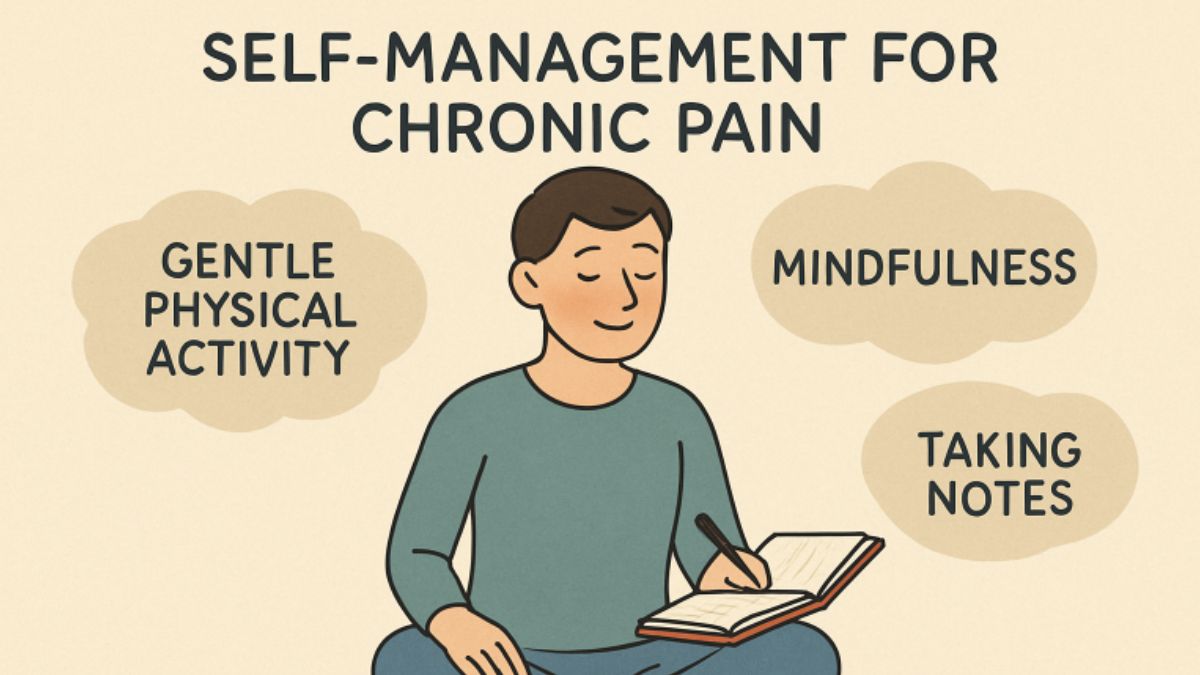
Managing chronic pain requires more than medication; it often involves adopting strategies that empower individuals to take control of their daily lives. Self-management techniques, ranging from pacing activities and practicing relaxation exercises to maintaining a balanced diet and regular physical activity, can significantly reduce discomfort and improve overall quality of life. By understanding personal triggers and developing consistent routines, people with persistent pain conditions can minimize flare-ups and maintain greater independence in their daily activities. Mental and emotional well-being also plays a critical role, as stress and anxiety often amplify physical pain.
Healthcare providers, such as Midwest Vascular, emphasize a holistic approach to pain management that combines medical guidance with practical, everyday strategies. Simple adjustments, such as ergonomic changes at home, gentle stretching, and mindful movement, can complement professional care. Over time, these techniques help individuals regain a sense of control, enhance mobility, and foster long-term resilience against chronic discomfort.
Pacing: Balancing Activity and Rest
Pacing is a foundational self-management technique for people experiencing chronic pain. It refers to structuring activity in a way that avoids overexertion and lengthy recovery times. By alternating periods of light activity with short rest breaks, people can maintain a steadier level of function and reduce the risk of flare-ups. This strategy also prevents the “boom and bust” cycle, where overdoing it on good days leads to worse pain on the following days.
Pacing is not about reducing activity to the bare minimum, but rather about finding a sustainable rhythm. Setting achievable goals for daily routines, learning to say “no” when needed, and listening to the body are cornerstones of this approach. Over time, individuals often notice improvements in stamina, a lower risk of flare-ups, and greater control over their activities.
Mindfulness Practices
Mindfulness is the art of focusing attention on the present moment, observing sensations, emotions, and thoughts without judgment. Mindfulness-based practices, such as Mindfulness-Based Stress Reduction (MBSR), have gained considerable recognition for their potential to decrease pain intensity and the emotional toll associated with it. These practices may include breathing exercises, guided meditation, or gentle yoga techniques, all intended to anchor awareness in the present moment.
Practicing mindfulness regularly helps individuals accept their pain instead of struggling against it, which has been shown to reduce overall stress and suffering. Over time, these techniques can foster resilience and transform one’s relationship with chronic pain.
Cognitive-Behavioral Therapy (CBT)
Cognitive-behavioral therapy is a widely used psychological intervention that targets the connection between thoughts, feelings, and behaviors. People living with chronic pain often experience cycles of negative thinking related to their symptoms, which can heighten distress and pain perception. CBT provides strategies for identifying, questioning, and replacing unhelpful thoughts with more balanced, realistic perspectives.
CBT sessions, conducted individually or in groups, encourage participants to set achievable goals, improve coping skills, and gradually face feared activities or movements with support.
Incorporating Physical Activity
Staying active, within personal limits, is a crucial aspect of self-management for chronic pain. Gentle exercise routines, such as walking, swimming, stretching, or yoga, can help strengthen muscles, preserve flexibility, and boost the production of natural pain-relieving hormones. Movement also supports cardiovascular health and combats the fatigue or depression that sometimes accompanies chronic pain.
It is essential to choose activities that match current ability, starting gradually and increasing intensity as tolerance improves. Consulting a physiotherapist or medical professional can help develop a safe, personalized action plan. Regular movement, even in small amounts, can help reduce stiffness and prevent pain from increasing over time.
Relaxation Techniques
Chronic pain and stress are closely linked, often forming a cycle that makes each worse. Learning to relax the body and mind intentionally can break this pattern. Options include deep breathing exercises, progressive muscle relaxation, visualization, and mindfulness meditation. Taking time for relaxation each day helps calm the nervous system, release tension, and improve sleep quality.
Many relaxation techniques do not require special equipment or training and can be practiced at home or on the go. Over time, they can become a go-to strategy for quickly managing pain flare-ups or stressful situations.
Engaging in Peer Support
Living with chronic pain can sometimes feel isolating. Peer support groups connect people with shared experiences, providing a sense of community and understanding that can be difficult to find elsewhere. Participation may occur in person or through online forums, allowing individuals to share coping tips, encourage one another, and reduce feelings of loneliness.
Researchers have found that peer support often enhances self-efficacy, the belief in one’s own ability to manage pain successfully. This influence may translate into improved daily functioning, mood, and a stronger sense of hope for the future. For individuals new to chronic pain management, support groups can be an invaluable addition to healthcare.
Tracking Symptoms and Triggers
Maintaining a record of daily pain levels, activities, medications, and potential triggers is a powerful self-management tool. Pain diaries, whether handwritten or digital, help reveal patterns over time. Recognizing links between specific activities or emotions and pain flare-ups allows people to make informed adjustments to their routines and treatments.
Bringing this information to healthcare appointments can also improve communication with providers and support more targeted treatment recommendations. Tracking symptoms fosters a proactive attitude and helps individuals take charge of their own care.
Conclusion
Self-management is an essential skillset for anyone dealing with chronic pain. While no single approach fits everyone, combining strategies such as pacing, mindfulness, therapeutic interventions, exercise, relaxation, peer support, and symptom tracking can dramatically improve comfort, resilience, and control over daily life. With continued practice and support, individuals can redefine their relationship with pain and find greater satisfaction in their day-to-day experiences.


Choosing between an existing home, a buildable lot, and rural acreage is not simply a question of price. The right choice depends on your timeline, budget, daily routine, and plans for the years ahead. Buyers exploring real estate services Dothan AL, can make a more confident decision by comparing the full picture before becoming attached to a listing.
A move-in-ready house may offer convenience, while a vacant lot can provide more control over design. Rural acreage can create room for privacy, animals, gardening, or a workshop, but it may also require more research. The goal is to find a property that supports your real needs, not just one that looks good during a quick visit.
Start With Your Intended Use
Before comparing properties, write down your three most important goals. A buyer who needs to move within 60 days has different priorities than someone who wants to build a custom home over the next two years. Be specific about whether you want a finished home, a larger yard, a hobby farm, room for a barn, a detached workshop, or land to hold for the future.
This step helps prevent a common mistake: choosing a beautiful property that cannot support your actual plans. For example, a scenic rural parcel may be appealing, but it may not have practical access, usable building areas, or the land-use flexibility you expect.
Compare The Three Main Property Types
- Existing home: Best for buyers who want a completed property and a shorter path to occupancy. The tradeoff can be age-related repairs, renovation needs, and ongoing maintenance.
- Buildable lot: Best for buyers who want control over layout, finishes, storage, and energy features. The challenge is coordinating design, permits, construction, and site preparation.
- Rural acreage: Best for buyers seeking space, privacy, and future flexibility. The challenge is confirming roads, utilities, drainage, soil conditions, and permitted uses.
No property type is automatically the less expensive option. A low-priced lot may still need clearing, grading, a driveway, septic work, a well, and power service before construction can begin.
Look Beyond The Listing Price
Create a full-cost worksheet for every serious option. Use three columns: estimated cost, confirmed cost, and unanswered question. For an existing home, include possible roof, plumbing, electrical, HVAC, appliance, insurance, tax, and renovation expenses. Ask what maintenance may be needed during the first five years.
For lots and acreage, account for surveying, engineering, clearing, drainage work, driveway construction, utility connections, well or septic installation, permits, and builder-related professional fees. A property can fit the purchase budget but still exceed the total budget once site costs are added.
Check Access, Roads, And Daily Travel
Visit each property at the times you expect to use it. Drive the route to work, school, shopping, and medical services. If possible, visit after rain to see how roads, ditches, low areas, and entrances handle water.
- Check road width, shoulders, turning space, and visibility at the entrance.
- Ask who maintains any private road or shared driveway.
- Confirm recorded easements, gates, bridge crossings, and emergency access.
- Consider whether delivery trucks, trailers, and construction equipment can reach the site.
Review Utilities Before Making An Offer
Never assume that nearby utility lines mean service will be simple or inexpensive. Request written information from providers about availability, connection points, fees, timelines, and any easements affecting the parcel.
Questions To Ask
- Is public water or sewer available at the road?
- Will the property need a private well or septic system?
- How far is the nearest power connection?
- Are broadband, phone, or natural gas options available?
- Are utility easements located across a potential building area?
Study Flood Risk, Drainage, And Land Shape
Water can affect both an older home and undeveloped land. Look for low spots, drainage paths, ponding, creeks, culverts, and erosion. Start with the FEMA Map Service Center to review available flood hazard information, then follow up with an inspection, insurance quote, and professional guidance where appropriate.
A map review is a useful starting point, not a guarantee. Ask about past flooding, drainage improvements, elevation concerns, and whether local requirements could affect where or how a future structure is built.
Review Soil And Building Conditions On Vacant Land
Soil affects foundations, drainage, gardens, ponds, erosion control, and septic suitability. The USDA Web Soil Survey can help buyers identify general soil characteristics and potential limitations before investing in detailed site work.
Use soil maps as an early screening tool only. A qualified professional should evaluate the specific homesite, driveway location, septic plan, and any other planned improvements before you rely on assumptions.
Check Zoning, Restrictions, And Future Plans
Confirm current zoning, minimum lot size, setbacks, permitted uses, and building requirements with the appropriate local office. Also review recorded covenants, deed restrictions, access easements, and subdivision rules. These details may affect manufactured homes, accessory buildings, livestock, agricultural activity, fencing, and the size or placement of a workshop.
Compare Existing Homes With New Construction
Questions For Existing Homes
- How old are the roof, HVAC equipment, water heater, and major appliances?
- Were past additions or renovations properly permitted?
- What repairs and maintenance are likely in the next few years?
Questions For New Construction
- What is included in the builder’s base price?
- Who pays for site preparation and utility work?
- How are allowances, change orders, timelines, and warranties handled?
Build A Simple Property Scorecard
Rate each property from one to five for cost, location, access, utilities, condition, future use, and risk. Give more weight to your non-negotiables, such as commute time or the ability to build a workshop. Write down one major concern for every property, then remove any option that fails a must-have requirement.
Common Buyer Questions
Is Buying A Lot Better Than Buying A Home?
It depends on your timeline, construction budget, and willingness to manage a building process. A lot can offer control, but it also requires patience and thorough due diligence.
Should Buyers Order A Survey?
A current survey can help clarify boundaries, easements, encroachments, and access. Discuss timing and requirements with your lender, attorney, and qualified property professionals.
A Practical 2026 Due Diligence Checklist
- Confirm the legal description, taxes, and assessment records.
- Review surveys, title matters, easements, and restrictions.
- Verify zoning, permitted uses, and setback requirements.
- Confirm utilities, road access, flood concerns, soil conditions, and insurance costs.
- Inspect the home or proposed building site and compare total ownership costs.
Conclusion
The best property is the one that fits your daily life, financial plan, and future goals. Whether you choose a house, lot, or acreage, early research can uncover costs and restrictions before they become expensive surprises. A careful comparison turns a quick reaction into a property decision built to last.

Choosing an office chair is no longer simply about finding something with a comfortable cushion and adjustable height. Modern work styles are more varied than ever. Some professionals spend hours in focused typing sessions, others move between meetings, creative work, research, and relaxation, while remote workers may use the same chair for both work and downtime.
That is why features such as a footrest, breathable mesh, and adaptive lumbar support have become important considerations. But which one matters most for your particular routine?
With its range of ergonomic seating solutions, HBADA approaches the question from a work-style perspective. Instead of treating every user the same, the brand offers chairs designed around different combinations of posture support, adjustability, ventilation, and relaxation.
When a Footrest Fits Your Work Style
If your workday includes periods of reclining, reading, brainstorming, watching presentations, or simply taking short recovery breaks, a footrest can add another dimension to your chair.
An office chair with a footrest allows you to transition more easily from an upright working position to a relaxed posture. This can be particularly useful for home-office professionals who want their workspace to support more than conventional desk work.
HBADA’s E3 lineup includes options with footrests, giving users the flexibility to move between focused work and relaxation without leaving the chair. The HBADA E3 series also emphasizes adjustable support and breathable materials, making it suitable for people who want an ergonomic chair that can adapt to multiple daily activities.
A footrest does not replace proper desk ergonomics, however. Your monitor height, keyboard position, seat height, and overall posture still matter. Think of the footrest as an additional comfort feature—especially valuable when your chair doubles as a place to decompress after demanding work sessions.
When Mesh Is the Better Choice
For people who tend to get warm while sitting, spend long hours at their desks, or prefer a lighter seating feel, mesh can be a compelling choice.
Breathability is one of the biggest advantages of mesh construction. Instead of surrounding the body with a dense upholstered surface, a breathable mesh design allows greater airflow and can help reduce the feeling of heat building up during extended sessions.
HBADA incorporates high-density and performance mesh into several of its ergonomic chairs. Its E3 range, for example, uses CloudMesh technology designed to provide responsive support while maintaining airflow. HBADA also highlights breathable mesh as a useful option for long working hours and warmer environments.
Mesh is particularly well suited to programmers, analysts, writers, customer-service professionals, and anyone whose work involves staying at a desk for extended periods. If your priority is a cooler, breathable sitting experience rather than maximum technology, a mesh-focused HBADA chair may be the more natural fit.
When Smart Lumbar Support Makes Sense
For professionals who constantly shift positions throughout the day, fixed lumbar support may not always be enough. You might sit upright while writing, lean back during a video meeting, move forward while concentrating, and recline during a break.
This is where smart lumbar technology becomes particularly interesting.
The HBADA X7 Smart Ergonomic Chair is designed around AI-powered lumbar tracking. According to HBADA, its system detects changes in your position and dynamically adjusts lumbar support rather than relying entirely on manual repositioning. The X7 also offers multiple adjustment levels, along with features such as a 4D dual-axis headrest, 720° armrest system, reclining positions, and massage and heating functions.
This makes the X7 particularly suited to people whose workdays are long, varied, and movement-heavy. Developers, designers, executives, digital marketers, remote professionals, and serious gamers may appreciate having a chair that is designed to respond as their posture changes.
The X7 can also recline through several positions, including dedicated upright work and deeper relaxation modes. That flexibility makes it more than a conventional desk chair: it is designed to accommodate different phases of the day.
Think About Your Entire Workday
The best office chair is not necessarily the one with the longest feature list. It is the one whose features match how you actually work.
If your day involves frequent relaxation periods, an HBADA chair with a footrest could be the most practical choice. If heat and airflow are your biggest concerns, prioritize a breathable mesh design. If you spend eight or more hours switching between tasks and postures, smart lumbar support may offer the greatest long-term convenience.
HBADA’s current chair range reflects these different priorities, from accessible ergonomic models to advanced X7 smart seating. Its lineup includes chairs with adjustable seat depth, different recline configurations, mesh materials, footrest options, and increasingly sophisticated lumbar-support systems.
The Right Chair Should Follow Your Routine
Ultimately, choosing an office chair is a personal decision. A writer who rarely reclines may value breathable mesh and precise adjustments more than a footrest. A remote worker who uses one chair for work and entertainment may prioritize reclining and leg support. Meanwhile, someone who spends most of the day moving between applications, meetings, and focused projects may benefit from adaptive lumbar technology.
That is where HBADA stands out: its ergonomic-chair range gives different types of users a way to match their seating setup to their daily habits.
For a simple comfort upgrade, start by considering whether you need better airflow or leg support. For a more technology-driven experience, consider adaptive lumbar support. And if your chair needs to function as both a professional workstation and a relaxation space, look for a combination of adjustability, reclining, and foot support.
The right chair should not force you into one way of working. Ideally, it should adapt to the way you work, move, focus, and recover throughout the day.

Your roof is one of the most important parts of your home or commercial building. It protects your property from harsh weather, improves energy efficiency, and adds to the overall value of your investment. If you’re looking for a reliable roofing contractor in Georgia, ClassicRoofing.com is a trusted name that has been serving homeowners and businesses for decades.
About ClassicRoofing.com
ClassicRoofing.com is the official website of Classic Roofing & Gutters, a family-owned roofing company based in Marietta, Georgia. Established in 1993, the company has built a strong reputation by providing high-quality roofing solutions backed by honest customer service and professional workmanship. The company is licensed, insured, and serves residential as well as commercial clients throughout the Metro Atlanta area.
Services Offered
Classic Roofing & Gutters provides a complete range of roofing and exterior services, including:
Residential Roofing
Whether you need a new roof installation or a roof replacement, the company offers durable roofing systems designed to withstand Georgia’s changing weather conditions.
Commercial Roofing
Businesses can benefit from customized commercial roofing solutions that focus on long-term durability, energy efficiency, and minimal disruption during installation.
Roof Repairs
Storm damage, leaks, missing shingles, and aging roofs require timely repairs. Classic Roofing & Gutters provides professional repair services to help extend the lifespan of existing roofs.
Roof Maintenance
Regular inspections and preventative maintenance help identify minor issues before they become expensive repairs, saving property owners money over time.
Gutter Installation and Repair
Properly functioning gutters are essential for directing rainwater away from your home’s foundation. The company installs, repairs, and replaces gutter systems to protect your property from water damage.
Why Homeowners Choose Classic Roofing & Gutters
Several factors make Classic Roofing & Gutters a preferred roofing contractor in Georgia:
- More than 30 years of roofing experience
- Family-owned and locally operated
- Licensed and insured professionals
- Residential and commercial expertise
- High-quality roofing materials
- Detailed inspections and transparent estimates
- Strong focus on customer satisfaction
- A+ Better Business Bureau rating mentioned on the company’s website
Commitment to Quality
Classic Roofing & Gutters emphasizes building long-term relationships rather than simply completing roofing projects. Every installation follows a structured process that includes careful preparation, quality materials, professional installation, and thorough final inspections. Their goal is to deliver roofing systems that perform reliably for many years.
Customer Reviews
Customer feedback highlights the company’s professionalism, communication, and workmanship. Many homeowners praise the team for completing projects on schedule, maintaining clean job sites, and providing honest recommendations. Recent review platforms show consistently high customer satisfaction ratings.
Areas Served
Classic Roofing & Gutters serves Marietta and many surrounding communities throughout Metro Atlanta, making it a convenient choice for homeowners and businesses across the region.
Benefits of Hiring a Professional Roofing Contractor
Working with an experienced roofing company offers several advantages:
- Accurate roof inspections
- High-quality installation
- Manufacturer-recommended installation practices
- Improved roof lifespan
- Better protection against leaks
- Increased property value
- Professional warranty support
When Should You Replace Your Roof?
Some common signs that indicate it may be time for a roof replacement include:
- Missing or damaged shingles
- Frequent roof leaks
- Sagging roof sections
- Granules collecting in gutters
- Water stains on ceilings
- Roof age exceeding 20–30 years (depending on the material)
Scheduling a professional inspection can help determine whether repairs or a full replacement is the better option.
Final Thoughts
ClassicRoofing.com represents a roofing company that has earned a solid reputation through decades of quality workmanship, dependable customer service, and comprehensive roofing solutions. Whether you need roof repairs, a complete replacement, gutter installation, or preventative maintenance, Classic Roofing & Gutters offers professional services designed to protect your home or business for years to come. Their experience, attention to detail, and commitment to customer satisfaction make them a trusted roofing contractor for property owners throughout the Metro Atlanta area.
Frequently Asked Questions
Is ClassicRoofing.com a residential roofing company?
Yes. The company specializes in residential roofing services, including new roof installation, roof replacement, repairs, maintenance, and gutter services.
Does Classic Roofing also work on commercial buildings?
Yes. They provide commercial roofing solutions for businesses throughout the Metro Atlanta area.
How long has Classic Roofing & Gutters been in business?
The company has been serving customers since 1993, giving it more than three decades of roofing experience.
Does the company offer roof inspections?
Yes. Roof inspections and preventative maintenance are among the services offered to help homeowners identify roofing problems early.
Where is Classic Roofing & Gutters located?
The company is headquartered in Marietta, Georgia, and serves surrounding Metro Atlanta communities.
-

 TOPIC1 year ago
Top 5 Features of Googlediqiu You Didn’t Know About
-

 TOPIC2 years ago
Why Large Waterproof Outdoor Rugs Are Essential for All Outdoor Spaces
-

 FASHION2 years ago
How to Layer Your White Dress for Cold Weather?
-

 TOPIC2 years ago
7 Expert Tips For Choosing The Best Basement Renovation Companies
-

 TOPIC1 year ago
Why Greece Katz Martian Has Everyone Talking in 2025
-

 BUSINESS1 year ago
Top 5 Features of Sowix Online That Every User Should Know About
-

 TOPIC1 year ago
Top Features of BetterThisWorld .com You Need to Know About
-

 FINANCE2 years ago
How TraceLoans Can Simplify Your Finances