
HEALTH
Embracing Holistic Counselling: A Journey Towards Complete Wellness in Australia


The concept of wellness has transformed dramatically over recent years, evolving from a focus on physical health to a comprehensive approach that encompasses mental, emotional, spiritual, and social wellbeing. In Australia, a growing number of individuals are seeking out holistic counselling in Australia to address the full spectrum of factors affecting their well-being. This integrative approach to health and happiness is proving to be a meaningful path for those in search of healing and personal growth.
Understanding Holistic Counselling
Holistic counselling is a therapeutic practice that aims to treat the person as a whole. It operates on the principle that every aspect of a person’s life is interconnected. When one aspect is out of balance, it can inevitably affect others, which may lead to issues such as stress, anxiety, and depression. By taking into account the physical, mental, emotional, social, and spiritual dimensions of an individual’s life, holistic counsellors can address the root causes of these issues, rather than simply treating symptoms.
Physical Health and Holistic Therapies
Our physical health is often the most visible aspect of wellness. Holistic counselling utilises practices that can enhance physical wellbeing, such as recommending dietary changes, physical activity and relaxation techniques. The intention is to develop a balanced lifestyle that supports the body’s natural healing processes and contributes to overall vitality.
Mental and Emotional Wellness
Within the journey of holistic counselling, significant emphasis is placed on mental and emotional health. Counsellors help individuals explore their thoughts and emotions, uncovering patterns that may be contributing to their distress. Techniques such as mindfulness, meditation, and cognitive-behavioural strategies help clients manage thoughts and feelings in a more positive way.
Spiritual Fulfilment
Spirituality, while often overlooked in traditional counselling methods, plays a crucial role in holistic approaches. Whether through organised religion, personal belief systems or connection with nature, spiritual practices enhance a sense of purpose and meaning in life. Holistic counsellors work with clients to deepen their spiritual connections in ways that resonate with them personally.
Social Connections and Support
Humans are inherently social beings, and building strong, supportive relationships is essential for holistic wellness. Holistic counsellors encourage clients to foster connections that provide support, nurturance, and a sense of belonging. This can include strengthening family bonds, cultivating friendships or participating in community activities.
The Need for Holistic Counselling in Australia
Australia’s fast-paced, high-pressure society has resulted in an increased need for services that promote comprehensive wellbeing. As Australians confront challenges such as work-related stress, societal pressures and personal hardships, holistic counselling offers an inclusive solution that accommodates the multifaceted nature of these issues.
Addressing Modern Challenges
The Australian way of life today is fraught with expectations and competition. Holistic counselling can provide the tools to navigate these stressful conditions, helping individuals create balance and reduce the overwhelm that characterises modern existence.
Encouraging Individual Paths to Wellness
Diversity is a hallmark of Australian culture, and holistic counselling celebrates this by tailoring treatment plans to each individual’s unique experiences and background. This personalised approach ensures that every person finds a route to wellness that fits their specific circumstances and beliefs.
Emphasising Prevention over Cure
One of the core tenets of holistic counselling is the belief in prevention rather than simple remediation. By addressing potential issues before they become entrenched, holistic approaches have the power to mitigate long-term problems and foster enduring health and happiness.
Choosing Holistic Counselling in Australia
As interest in holistic wellbeing grows across the nation, so does the availability of qualified holistic counsellors. For those considering this path, it is important to find a counselling professional who aligns with their worldview and provides a safe and supportive environment for exploration and healing.
Finding the Right Support
When seeking out holistic counselling in Australia, individuals should look for counsellors who are thoroughly trained not only in traditional therapeutic methods but also in alternative therapies and lifestyle counselling. It is also key to find a counsellor who understands the cultural and societal context of Australian life.
Commitment to Personal Investment
Engaging with holistic counselling requires a level of personal commitment. Clients must be willing to participate actively in their own healing process, taking ownership of the steps necessary for their wellbeing. Success in holistic counselling is often rooted in an individual’s dedication to self-reflection and change.
The Role of Professional Guidance
While personal effort is imperative, professional guidance provides the structure and support needed to navigate the complexities of holistic wellness. A skilled counsellor helps to illuminate the path forward, acting as a compassionate facilitator in the client’s journey towards balance and fulfilment.
The Benefits of Embracing Holistic Counselling
Those who embrace holistic counselling often report a heightened sense of overall wellbeing. By seeking harmony in all areas of life, clients enjoy reduced stress levels, improved relationships, and increased personal growth. The holistic approach fosters resilience, aiding individuals in facing life’s inevitable challenges with greater poise and confidence.
The Long-Term Impact
The impact of holistic counselling extends beyond the immediate benefits. By instilling lifelong strategies for wellness, individuals can maintain their equilibrium in the face of future stressors. The holistic approach equips people with the tools for continuous self-improvement and lasting health.
Conclusion
In a world where fragmented healthcare often leaves individuals seeking more comprehensive solutions, holistic counselling in Australia stands as a beacon of whole-person care. It encourages a blend of traditional and alternative healing practices, supports individual uniqueness, and promotes an active role in one’s health journey. For those who seek not just to survive but to thrive, embracing holistic counselling can be a transformative step towards complete wellness.
Introduction
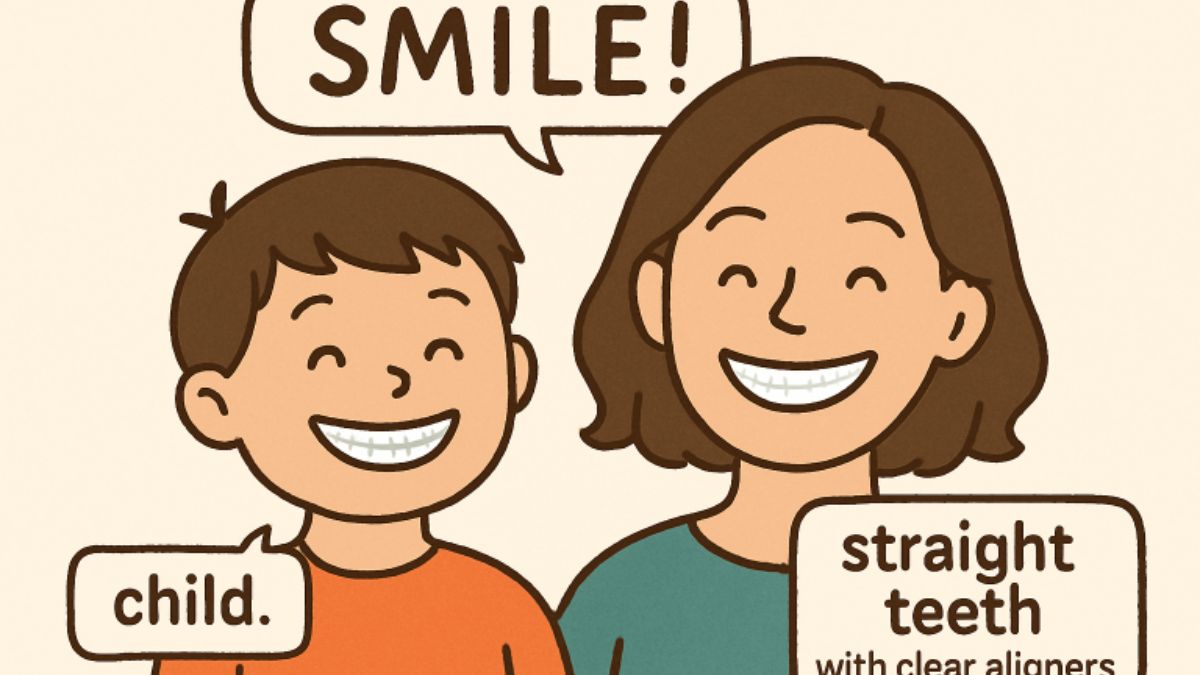
Orthodontic treatment provides a transformative impact beyond straightening teeth. For families and individuals alike, seeking expert care through an Orthodontist Wichita can unlock a host of positive changes, including better oral health and an uplifted sense of well-being. Whether for a child developing their first adult teeth or an adult looking to invest in their long-term health, orthodontic care has never been more accessible or effective.
Oral alignment issues can impact speech, chewing, and even your gums and jaw health. Early orthodontic evaluation can help guide healthy dental development in children, preventing future complications. Meanwhile, adults are increasingly turning to state-of-the-art solutions that are both discreet and comfortable, making it easier than ever to achieve a healthier, more confident smile at any stage in life.
Many overlook the vital connection between straight teeth and overall health, not realizing that misaligned teeth can contribute to issues ranging from poor digestion to low self-esteem. Modern advancements offer personalized options that fit various preferences, budgets, and lifestyles.
Ultimately, the journey toward a straighter smile is about more than vanity. It’s about investing in your future health and happiness, improving functional abilities such as chewing and speaking, and on a deeper level, boosting your confidence in daily interactions.
Early Intervention for Children
Starting orthodontic treatment in childhood offers a proactive strategy to prevent more severe dental problems later. Orthodontists recommend evaluating children by age seven, when bite issues such as crossbite, overbite, and underbite become detectable. Early diagnosis allows for treatments that guide jaw growth and the position of emerging permanent teeth, reducing the risk of crowded or misplaced teeth and the potential need for extractions or more invasive interventions down the road.
This early intervention can shape the development of the jaw and palate, minimizing the risk of speech impediments and permitting adult teeth to emerge in correct alignment. It also plays a role in correcting habits like thumb-sucking or prolonged pacifier use, which are known contributors to dental misalignment. According to the American Association of Orthodontists, interceptive treatment can address these concerns efficiently, laying a solid foundation for lifelong oral health.
Adult Orthodontics
Orthodontic treatment is increasingly popular among adults, with options that fit professional and social lifestyles. Older patients often seek orthodontic care to address shifting teeth and bite problems or to finish treatments they may have started in childhood. Technological advancements, such as clear aligners and ceramic braces, make it easier for adults to undergo treatment discreetly without the social discomfort that traditionally accompanied metal braces.
For adults, properly aligned teeth make daily oral hygiene more effective, lowering the risk of cavities and periodontal disease. Additionally, orthodontic adjustments can relieve stress on the jaw joints, reducing discomfort or headaches that often accompany severe bite misalignment. According to MouthHealthy by the American Dental Association, even later-in-life orthodontic care offers substantial benefits in preserving tooth function and supporting overall health.
Health Benefits of Aligned Teeth
Aligned teeth are easier to brush and floss, resulting in less plaque buildup and a lower risk of periodontal disease and tooth decay. These improvements to oral hygiene can lead to better overall health, as gum disease has been connected to other health concerns, like cardiovascular disease and diabetes.
- Improved Oral Hygiene: Straight teeth have fewer hard-to-reach spaces, which makes them less prone to trapping food, bacteria, and plaque.
- Better Digestion: Correct alignment contributes to effective chewing, aiding the overall digestive process by allowing food to be broken down more thoroughly before swallowing.
- Enhanced Speech: Proper dental alignment supports clearer pronunciation and speech, as certain sounds rely on specific tongue-to-teeth contact.
Targeted orthodontic care can reduce the incidence of headaches, jaw pain, and even ringing in the ears—which are sometimes related to bite problems—contributing to a better quality of life overall.
Aesthetic and Psychological Advantages
Achieving a confident smile can make a profound difference for both children and adults. For children, correcting visible alignment issues can lead to improved self-image, more positive social experiences, and even better academic performance due to increased confidence in school settings.
Adults often report feeling more self-assured in professional and personal interactions after completing orthodontic treatment. These psychological boosts can enhance social engagement, job prospects, and mental health. A study published in Healthline highlights the positive impact an improved smile can have on self-esteem and emotional well-being.
Modern Orthodontic Options
The orthodontic field now offers an impressive range of solutions for various needs. Innovations in technology have brought about the following primary treatment options:
- Clear Aligners: Removable, comfortable, and nearly invisible, these are a popular choice for adults and teens who want flexibility and discretion.
- Ceramic Braces: Tooth-colored brackets provide effective treatment with a less conspicuous appearance than metal braces.
- Lingual Braces: Attached to the inside surfaces of the teeth, lingual braces remain hidden from view while accomplishing significant dental corrections.
These options allow orthodontic care to be personalized, comfortable, and aesthetic, making it easier for patients to commit to and complete their treatment plans.
Conclusion
The lasting benefits of orthodontic treatment extend well beyond the cosmetic appeal of a straight smile. Early intervention for children helps prevent complex future dental issues, while cutting-edge solutions let adults achieve better oral health inconspicuously. Whether seeking improved functionality, health, or self-confidence, consulting with a qualified orthodontic specialist ensures the best path forward for any age group. With the right approach, orthodontic care can truly be life-changing.
Introduction
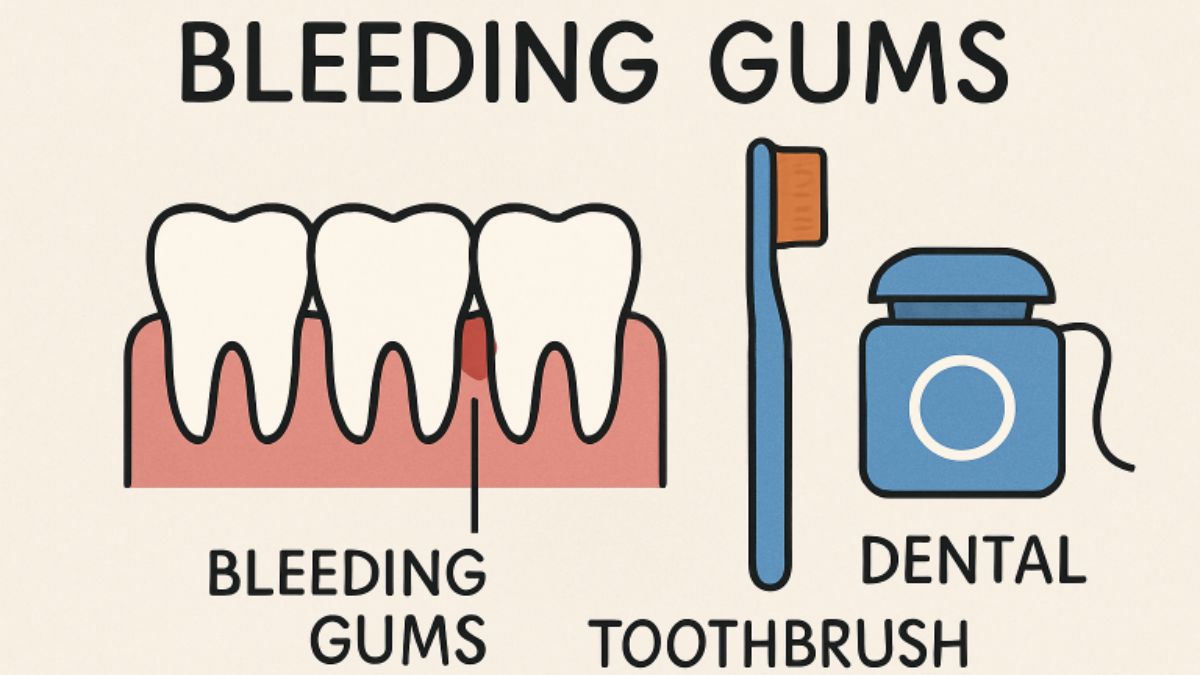
Bleeding gums are a warning sign that should never be overlooked, even though many people may dismiss them as a minor inconvenience. In fact, the presence of blood when brushing or flossing is often the body’s early alert system for potential problems affecting not just oral health, but overall well-being. The importance of addressing symptoms like bleeding gums goes far beyond the desire for a perfect smile. Early intervention can prevent the escalation of dental issues and protect your systemic health in the process.
By understanding the underlying causes and consequences of bleeding gums, you can take effective action to safeguard your teeth and gums in the long term. This article explores the common triggers for bleeding gums, the possible health complications that may arise if the issue is left untreated, and the best strategies for prevention and treatment. Knowing when to seek professional assistance is vital for maintaining a healthy mouth and body.
Common Causes of Bleeding Gums
- Plaque Buildup: One of the most common causes of bleeding gums is the accumulation of plaque, a soft, sticky film that harbors bacteria. If not removed regularly, plaque hardens and irritates gum tissue, inevitably leading to inflammation and bleeding.
- Improper Brushing and Flossing: Aggressive brushing or flossing with improper technique can injure the delicate gum surface. Using a hard-bristled toothbrush or snapping floss between the teeth may cause trauma, which often manifests as bleeding gums.
- Lifestyle Factors: Habits like smoking, a poor diet lacking crucial nutrients, and ongoing stress can compromise the immune system. This makes the gums more vulnerable to infections and injury, and increases the likelihood of gum bleeding.
- Underlying Health Conditions: Medical conditions such as diabetes and blood disorders can directly affect gum health by reducing the body’s ability to fight infection and impairing the natural healing process. Hormonal changes, pregnancy, or certain medications can also contribute to gum sensitivity and bleeding.
When gum bleeding is recurrent, it is critical to promptly investigate underlying causes and address them through both personal habits and medical care. The American Dental Association underscores that identifying and managing the root cause helps prevent further deterioration of oral health.
Health Risks Associated with Bleeding Gums
While occasional gum bleeding may seem trivial, chronic symptoms frequently signal more serious oral health conditions such as gingivitis and periodontitis. Ignoring the problem can have far-reaching consequences both in the mouth and throughout the body.
Progression to Periodontitis
Gingivitis, the initial stage of gum disease, is characterized by red, swollen, and bleeding gums. If left untreated, it can progress to periodontitis, a severe infection that destroys supporting gum and bone tissue. Advanced gum disease often leads to gum recession, increased tooth sensitivity, loose teeth, and, eventually, tooth loss.
Systemic Health Implications
Mounting evidence links gum disease to a range of systemic health conditions. For example, research suggests that inflammation caused by periodontal disease may contribute to heart disease, diabetes complications, respiratory illnesses, and even certain types of cancer. The bacteria that invade the gums can enter the bloodstream, travel to other organs, and potentially trigger or worsen chronic health problems.
Chronic Bad Breath and Other Complications
Another result of untreated bleeding gums is persistent bad breath, medically termed halitosis. The buildup of bacteria beneath the gumline releases foul-smelling toxins, affecting both confidence and overall quality of life. Untreated gum disease may also lead to painful abscesses, oral discomfort, and difficulty chewing or speaking.
Preventive Measures and Treatment Options
Maintaining healthy gums is attainable for most people, provided consistent, effective daily oral care routines are in place.
Oral Hygiene and Home Care
- Maintain Proper Oral Hygiene: Brush teeth gently with a soft-bristled toothbrush at least twice a day, and floss daily to remove food particles and plaque between teeth. Consider using an antibacterial mouthwash to further reduce bacterial buildup on gum tissues.
- Balanced Diet and Lifestyle Choices: Reduce risk factors by cutting back on refined sugars, eating a diet packed with fresh fruits and vegetables, and ensuring sufficient intake of vitamins C and K, which are crucial for oral health. Avoid smoking and limit alcohol consumption for optimal gum function.
- Regular Dental Check-ups: Routine professional cleanings allow hygienists to remove hardened plaque (tartar) that cannot be eliminated with brushing alone. Early detection of gum disease increases the chances of successful management and reverses early damage.
Professional Treatments
For more advanced gum concerns, dental professionals might recommend scaling and root planing. This deep-cleaning procedure smooths root surfaces so the gums can reattach to the teeth, reducing inflammation and bleeding. In more severe cases, surgical intervention may be needed to repair or regenerate gums and bone tissue.
If you are managing another medical issue, such as diabetes, coordination between your dental provider and medical team is key for comprehensive care and minimizing oral health risks. Maintaining follow-up appointments and promptly addressing any new or worsening symptoms will reinforce your preventive strategy.
Conclusion
Bleeding gums should never be brushed aside as insignificant. They often provide the first signal of more complex oral and systemic health issues. By understanding the common causes, recognizing the associated risks, and implementing preventive practices in partnership with dental professionals, you can ensure healthy gums and improved quality of life. Make oral health a priority and respond quickly to even minor warning signs to protect your mouth and overall well-being.
Digital technology has rapidly transformed how dental professionals diagnose, treat, and prevent oral health issues, shaping modern dental care in ways never seen before. The integration of cutting-edge technologies is making dental visits more efficient while empowering patients to take greater control of their oral health journey. Whether seeking guidance for daily hygiene or considering specialized treatment from a periodontist, individuals now benefit from a whole new world of resources and techniques.
From digital imaging to artificial intelligence, today’s dental care focuses on precision, comfort, and accessibility. Digital tools are allowing dentists to detect issues earlier, plan treatments more accurately, and improve long-term oral health outcomes. As a result, both patients and practitioners are experiencing shorter treatment times, higher success rates, and enhanced comfort throughout every step of care.
In addition to advancing technology, new methods such as 3D printing and intraoral scanners are setting new standards for patient care. People in remote regions or those with busy schedules also have more options than ever, thanks to teledentistry. Each of these advances brings unique benefits and greater flexibility for meeting diverse dental health needs.
Technology will continue to evolve, but today’s breakthroughs have already significantly changed what it means to receive and deliver dental care. Understanding these shifts and knowing when to consult a specialist or try new at-home techniques helps patients achieve their best oral health.
Digital Imaging and 3D Printing
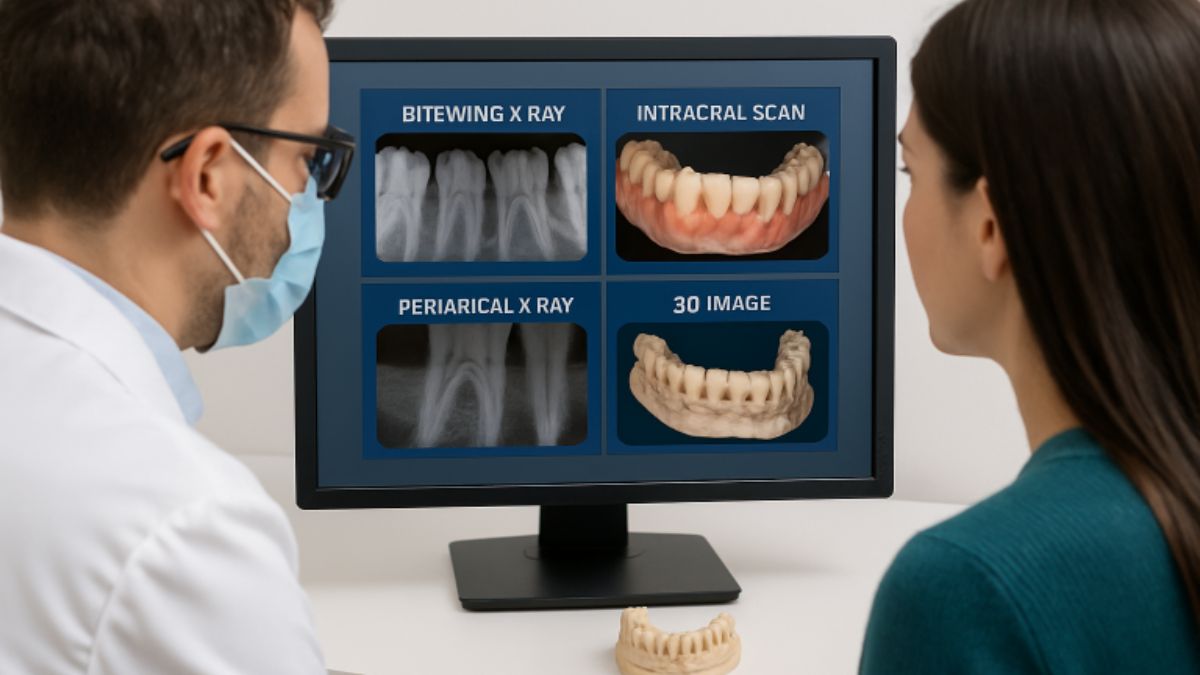
The era of traditional X-rays is giving way to advanced digital imaging systems that provide high-quality, immediate images for more effective diagnosis and treatment. These digital files can be easily shared and stored, aiding in assessments and allowing multiple professionals to collaborate quickly for second opinions or specialist consultations. At the same time, 3D printing has revolutionized the way dental appliances, crowns, and surgical guides are created. Dental offices can now develop highly accurate models in a fraction of the time required by older methods, improving both the speed and quality of patient care. According to The New York Times, 3D printing technology has also led to reduced costs and greater customization.
Artificial Intelligence in Dental Diagnostics
Artificial intelligence (AI) has emerged as a valuable tool in dental diagnostics. AI-driven algorithms quickly analyze digital images, dental records, and even patient histories to identify subtle warning signs of decay, gum disease, or oral cancer. This approach means dental professionals can detect problems earlier and intervene with more personalized strategies. For example, AI-based systems can highlight changes between visits that might otherwise go unnoticed. Recent industry reports, such as those discussed in Forbes, emphasize the growing potential of AI to increase accuracy and reduce diagnostic errors in everyday practice.
Teledentistry and Digital Consultations
Remote dental care, or teledentistry, has made quality advice and consultations more accessible than ever before. Using secure video calls, smartphone imaging, and digital messaging, dentists can provide assessments and advice without in-person visits. This model benefits families with busy schedules, patients in rural areas, or individuals with mobility challenges. Teledentistry also supports preventive care by making it easier to follow up with patients after treatment, monitor ongoing conditions, and answer questions between appointments.
Intraoral Scanners for Enhanced Comfort
Intraoral scanners represent a major leap forward in patient comfort and treatment efficiency. These handheld devices use optical imaging to create precise digital impressions of the teeth and mouth, eliminating the need for messy impression materials. The digital models are then used to design crowns, bridges, retainers, and more, all tailored to the unique contours of each patient’s mouth. This technology shortens appointment times and increases patient satisfaction.
CAD/CAM Technology for Precision Restorations
Computer-aided design and manufacturing (CAD/CAM) technologies are fundamentally changing restorative dental procedures. Using data gathered from digital scans, crown and bridge restorations can be designed and milled within a single appointment, reducing the time between diagnosis and treatment completion. The result is a dental restoration that fits more accurately, looks more natural, and typically requires fewer adjustments.
Final Thoughts
Digital technology has transformed dental care in ways that are clearly benefiting both patients and practitioners. Innovations, including advanced imaging, AI-powered diagnostics, teledentistry, and digital fabrication tools, have streamlined dental visits, improved accuracy, and enhanced the patient experience. As these technologies continue to develop, they promise to make dental care even more accessible, effective, and comfortable for everyone.
-

 TOPIC1 year ago
7 Expert Tips For Choosing The Best Basement Renovation Companies
-

 TOPIC1 year ago
Why Large Waterproof Outdoor Rugs Are Essential for All Outdoor Spaces
-

 TOPIC8 months ago
Why Greece Katz Martian Has Everyone Talking in 2025
-

 BUSINESS9 months ago
Top 5 Features of Sowix Online That Every User Should Know About
-

 FASHION1 year ago
How to Layer Your White Dress for Cold Weather?
-

 TOPIC9 months ago
Top Features of BetterThisWorld .com You Need to Know About
-

 FINANCE1 year ago
How TraceLoans Can Simplify Your Finances
-

 BIOGRAPHY1 year ago
From Reality Star to Business Mogul: Prince Narula Digital PayPal