
FASHION
Embracing Minimalism: The Rise of Nordic Fashion Industry in the Global Arena

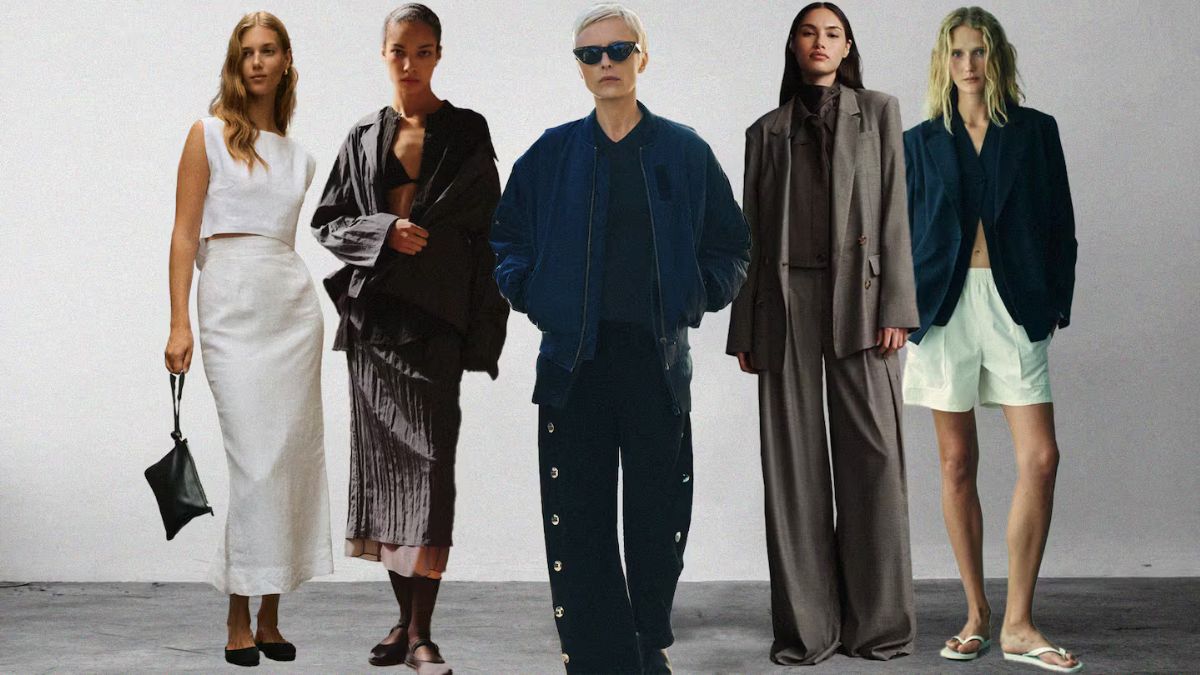
In a world filled with fast fashion and fleeting trends, minimalism is like a breath of fresh air. It champions simplicity, functionality, and timeless elegance. The Nordic fashion industry has emerged as a beacon of this philosophy, captivating audiences around the globe with its clean lines and understated designs.
But what exactly is it about Nordic fashion that resonates so deeply? Is it the serene landscapes or the rich cultural heritage? Perhaps it’s their commitment to sustainability and ethical practices that set them apart. As we dive into the rise of this influential movement, you’ll discover how embracing minimalism can not only elevate your wardrobe but also enrich your life in ways you never imagined. Join us on this journey into the heart of Scandinavian style—a trend that’s more than just clothing; it’s a lifestyle choice that encourages mindfulness and intentionality in everything we wear.
The Influence of Nordic Countries on Minimalist Fashion
Nordic countries have long been a beacon of minimalism, influencing fashion trends worldwide. Their approach emphasizes simplicity and functionality, marrying aesthetics with practicality.
Designers from Sweden, Norway, Denmark, Finland, and Iceland draw inspiration from their natural landscapes. Clean lines and muted colors reflect the serene beauty found in untouched environments.
This influence extends beyond clothing to an entire lifestyle philosophy. The Nordic way values quality over quantity. Each piece is crafted with intention, prioritizing timelessness rather than fleeting trends.
Moreover, cultural elements play a significant role. Concepts like “hygge” in Denmark promote comfort and coziness while embracing minimalist designs that soothe rather than overwhelm the senses.
As global consumers search for authenticity amid fast fashion chaos, Nordic principles resonate deeply. They offer a refreshing alternative that champions sustainability alongside style.
Key Elements of Nordic Fashion
Nordic fashion is distinguished by its clean lines and functional designs. The focus is on simplicity, where each piece embodies a sense of purpose.
Natural materials play a crucial role in this style. Cotton, wool, and linen are often chosen for their durability and comfort. Textures add depth to the minimalist aesthetic without overwhelming it.
Color palettes lean towards muted tones like grays, whites, and earth hues. This creates an effortless elegance that resonates with many people seeking tranquility in their wardrobes.
Layering is another key element. It reflects the changing Nordic seasons while allowing individuals to express personal style through versatile combinations.
Craftsmanship shines through in every detail. Many Nordic brands prioritize quality over quantity, ensuring that each garment tells a story of sustainability and care.
Sustainable Practices in the Nordic Fashion Industry
Sustainability is at the heart of the Nordic fashion industry. Brands prioritize eco-friendly materials and ethical production methods, setting new standards worldwide.
Recycled fabrics are increasingly popular. Designers often incorporate organic cotton, linen, and innovative textiles made from waste products. This commitment to sustainable sourcing helps reduce environmental impact significantly.
Moreover, many Nordic brands embrace transparency in their supply chains. They openly share information about where materials come from and how their garments are made. This not only builds trust but also encourages consumers to make informed choices.
Additionally, there’s a strong culture of circularity emerging in this region. Concepts like clothing rental services and upcycling initiatives are gaining traction. These practices extend the life cycle of garments while minimizing waste.
By intertwining sustainability with style, the Nordic fashion industry inspires change on a global scale—showing that fashionable doesn’t have to mean harmful.
The Impact of Social Media on the Rise of Nordic Fashion
Social media has transformed how we connect with fashion trends, and the Nordic fashion industry is no exception. Platforms like Instagram and TikTok have amplified voices from the region, allowing designers to showcase their creations to a global audience.
This digital exposure highlights minimalist aesthetics that define Nordic style. Influencers and brands share striking visuals of clean lines and muted colors, captivating followers worldwide.
User-generated content plays a crucial role too. Everyday people flaunt their Nordic-inspired outfits, creating authenticity around the movement. This grassroots engagement fosters community.
Moreover, social media enables quick feedback loops between consumers and creators. Trends can emerge overnight as audiences respond enthusiastically to new collections or sustainability initiatives.
The rise of hashtags related to Scandinavian design further solidifies this niche within broader fashion conversations. It’s not just about clothing; it’s about a lifestyle rooted in simplicity and functionality that resonates across borders.
Embracing Minimalism in Personal Style
Embracing minimalism in personal style is about more than just clothing. It’s a mindset that encourages simplicity and intentionality. Each piece you choose should resonate with your aesthetic while serving a purpose.
Start by curating your wardrobe. Select versatile items that can be mixed and matched effortlessly. Neutral colors and timeless silhouettes often pave the way for chic combinations that stand the test of time.
Think quality over quantity. Invest in well-made garments that will last rather than fast fashion trends that quickly fade away. This approach not only enhances your style but also promotes sustainability.
Accessories play a key role too; opting for fewer, statement pieces creates an impactful look without overwhelming your outfit.
Minimalist fashion celebrates individuality through restraint, allowing each person’s unique character to shine amid simplicity, ultimately redefining how we perceive beauty in our everyday attire.
Challenges and Criticisms of the Nordic Fashion Industry
Despite its rising popularity, the Nordic fashion industry faces significant challenges. One major issue is accessibility. Minimalist designs often come with a higher price tag, making them unattainable for many consumers.
Another concern revolves around sustainability claims. While many brands emphasize eco-friendly practices, not all are transparent about their supply chains. This can lead to skepticism among environmentally conscious shoppers.
Cultural appropriation is also a hot topic within this realm. As Nordic styles gain global traction, there’s an ongoing debate about who gets to represent these aesthetics and how they adapt traditional elements without respect or acknowledgment.
Additionally, the industry’s focus on minimalism sometimes overshadows diversity in style and representation. Critics argue that while simplicity is beautiful, it can also become monotonous if not balanced with variety and inclusivity in design choices.
Conclusion: Why We Should All Consider Embracing Minimalism in Fashion
Embracing minimalism in fashion offers a refreshing shift from the overwhelming clutter often found in our wardrobes. The Nordic fashion industry epitomizes this philosophy, focusing on simplicity, functionality, and sustainability. By adopting a minimalist approach to style, individuals can find clarity and intention in their clothing choices.
Choosing fewer pieces that truly resonate with personal aesthetics not only enhances individual expression but also aligns with a broader movement towards conscious consumerism. Sustainable practices embedded within the Nordic fashion industry encourage consumers to consider the impact of their purchases on both the environment and society.
As we navigate an increasingly complex world, embracing minimalism could lead us toward more mindful living. It invites us to appreciate quality over quantity and encourages creativity within limitations. The journey into minimalist fashion is not merely about reducing what we own; it’s about cultivating a lifestyle that values authenticity and purpose.
The allure of Nordic design lies in its ability to inspire confidence through understated elegance while championing ethical practices. Adopting these principles could transform how we view our wardrobe—and ourselves—making space for what truly matters amidst life’s noise.
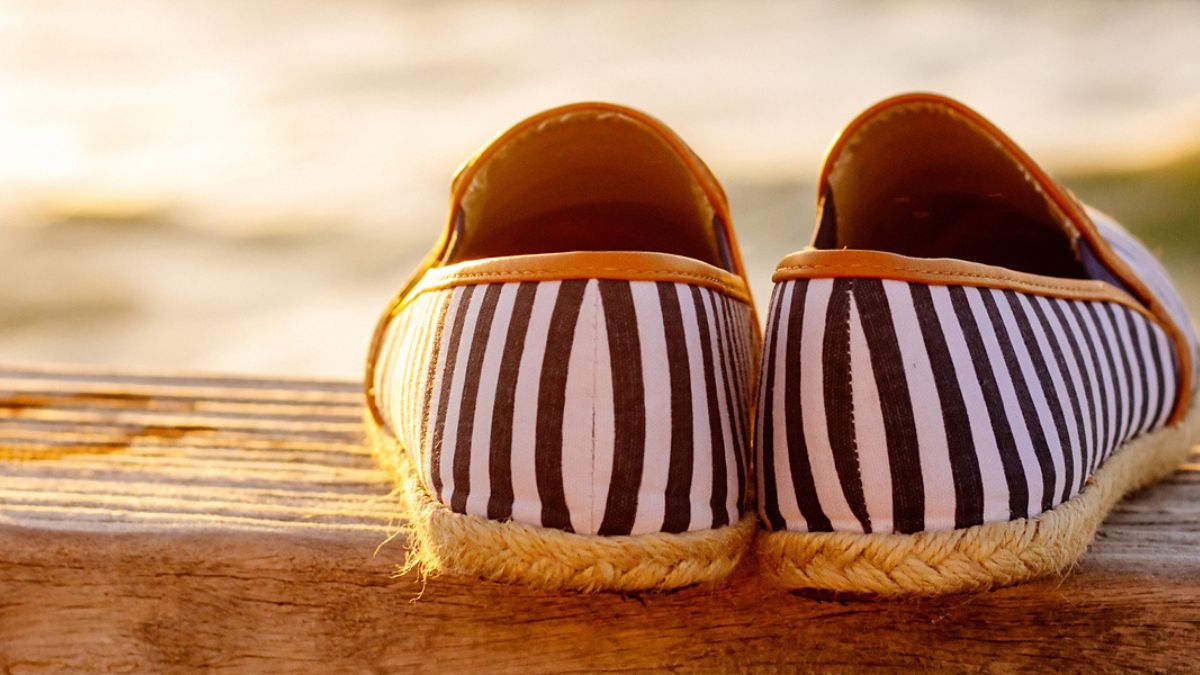
Espadrilhas have become one of the most popular warm-weather footwear choices thanks to their combination of comfort, versatility, and timeless style. Whether you’re heading to the beach, exploring a city on vacation, or looking for an easy everyday shoe, espadrilhas offer a practical and fashionable solution.
Known for their distinctive woven jute soles and lightweight construction, these shoes have evolved from traditional workwear into a global fashion staple. Today, they are available in countless styles, colors, and materials that appeal to both men and women.
This guide covers everything you need to know about espadrilhas, including their history, benefits, styling tips, buying considerations, and maintenance advice.
What Are Espadrilhas?
Espadrilhas are casual shoes traditionally made with a woven jute rope sole and a fabric upper. Their origins can be traced back centuries to regions around Spain and southern France, where they were valued for their durability and comfort in warm climates.
Today, modern versions include:
- Classic flat espadrilhas
- Platform espadrilhas
- Wedge espadrilhas
- Slip-on styles
- Lace-up designs
- Leather espadrilhas
- Sustainable eco-friendly models
Key Characteristics of Espadrilhas
The most recognizable features include:
- Woven jute sole
- Lightweight construction
- Breathable materials
- Flexible fit
- Casual yet stylish appearance
These characteristics make them especially popular during spring and summer.
The History of Espadrilhas
The story of espadrilhas dates back hundreds of years. Originally worn by farmers, laborers, and soldiers in Mediterranean regions, these shoes were appreciated for their affordability and practicality.
Over time, designers and luxury fashion brands embraced the style. What began as simple functional footwear eventually appeared on fashion runways worldwide.
Today, espadrilhas are considered a wardrobe essential for anyone seeking comfort without sacrificing style.
Why Espadrilhas Remain So Popular
Several factors contribute to their enduring popularity.
Comfort for Daily Wear
The lightweight design reduces foot fatigue, making espadrilhas ideal for long walks and casual outings.
Breathable Construction
Canvas, cotton, and linen uppers help improve airflow, keeping feet cooler during hot weather.
Versatile Fashion Appeal
They pair effortlessly with:
- Shorts
- Jeans
- Chinos
- Summer dresses
- Skirts
- Linen trousers
Sustainable Options
Many manufacturers now produce eco-conscious versions using recycled fabrics and responsibly sourced materials.
Types of Espadrilhas
Choosing the right style depends on your needs and personal preferences.
| Type of Espadrilhas | Best For | Style Level | Comfort Level |
|---|---|---|---|
| Flat Espadrilhas | Everyday wear | Casual | High |
| Wedge Espadrilhas | Dressier occasions | Elegant | Medium-High |
| Platform Espadrilhas | Fashion-forward looks | Trendy | Medium |
| Slip-On Espadrilhas | Convenience | Casual | High |
| Lace-Up Espadrilhas | Statement outfits | Stylish | Medium |
| Leather Espadrilhas | Smart casual wear | Premium | High |
Flat Espadrilhas
These are the most traditional version and remain a favorite for daily use.
Wedge Espadrilhas
Wedge styles provide additional height while often being more comfortable than traditional heels.
Platform Espadrilhas
Platforms offer a contemporary look and work well with modern fashion trends.
Leather Espadrilhas
Leather versions bring a more polished appearance suitable for semi-formal occasions.
How to Choose the Best Espadrilhas
When shopping for a new pair, consider several important factors.
Material Quality
Look for:
- Durable canvas
- Genuine leather
- High-quality stitching
- Strong jute construction
Proper Fit
Espadrilhas should fit snugly without causing discomfort. Since many materials stretch slightly over time, avoid purchasing a pair that feels excessively loose.
Intended Use
Consider where you plan to wear them:
| Usage Scenario | Recommended Style | Material Choice |
|---|---|---|
| Beach Trips | Flat Slip-On | Canvas |
| City Walking | Cushioned Flat | Cotton Blend |
| Summer Parties | Wedge | Canvas or Leather |
| Smart Casual Events | Leather Espadrilhas | Leather |
| Vacation Travel | Lightweight Slip-On | Breathable Fabric |
Sole Comfort
Some modern designs include padded insoles, offering greater support for extended wear.
How to Style Espadrilhas
One of the biggest advantages of espadrilhas is their styling flexibility.
Styling Espadrilhas for Women
Popular outfit combinations include:
- Floral dresses with wedge espadrilhas
- Denim shorts and flat espadrilhas
- Linen jumpsuits with platform styles
- Maxi dresses paired with lace-up designs
Styling Espadrilhas for Men
Men can pair espadrilhas with:
- Chino shorts
- Linen shirts
- Slim-fit jeans
- Lightweight summer suits
Seasonal Styling Tips
During spring and summer, lighter colors often work best:
- Beige
- White
- Navy
- Tan
- Soft pastel shades
These colors complement the relaxed nature of the shoe.
Benefits and Drawbacks of Espadrilhas
Every footwear style has strengths and weaknesses.
| Pros | Cons |
|---|---|
| Lightweight | Limited water resistance |
| Breathable | Less durable in wet conditions |
| Stylish | Some models lack arch support |
| Easy to pack for travel | Jute soles require care |
| Versatile | Not ideal for heavy rain |
| Comfortable for casual wear | May wear faster than athletic shoes |
Understanding these factors helps buyers make informed decisions.
Common Mistakes People Make When Buying Espadrilhas
Many shoppers overlook important details.
Choosing Style Over Comfort
A fashionable pair may not always provide sufficient support for extended walking.
Ignoring Material Quality
Low-quality materials often deteriorate quickly, especially around the sole.
Wearing Them in Wet Conditions
Traditional jute soles absorb moisture, which can shorten the lifespan of the shoe.
Selecting the Wrong Size
Improper sizing often leads to discomfort and reduced durability.
Best Practices for Caring for Espadrilhas
Proper maintenance helps extend the life of your footwear.
Keep Them Dry
Avoid:
- Heavy rain
- Puddles
- Excessive moisture
Clean Carefully
Use a soft brush or damp cloth to remove dirt without soaking the shoe.
Store Correctly
Store espadrilhas in a cool, dry area away from direct sunlight.
Rotate Usage
Alternating between multiple pairs helps reduce wear and allows materials to recover.
Are Espadrilhas Worth Buying?
For many people, the answer is yes.
Espadrilhas offer a unique combination of style, comfort, affordability, and seasonal versatility. They are easy to wear, simple to style, and suitable for a wide range of casual and smart-casual settings.
Whether you prefer classic flats, fashionable platforms, or elegant wedges, there is likely a style that fits your wardrobe and lifestyle.
For anyone building a practical summer shoe collection, espadrilhas remain one of the most reliable and fashionable options available.
Conclusion
Espadrilhas have stood the test of time for good reason. Their lightweight design, breathable materials, and effortless style make them a go-to choice for warm-weather dressing. From traditional Mediterranean roots to modern fashion trends, these shoes continue to evolve while maintaining their distinctive charm.
By choosing quality materials, selecting the right fit, and following proper care practices, you can enjoy comfortable and stylish espadrilhas for many seasons to come.
Frequently Asked Questions
1. What are espadrilhas made of?
Traditional espadrilhas feature woven jute soles and fabric uppers made from cotton, canvas, or linen.
2. Can espadrilhas get wet?
It is best to avoid excessive moisture because jute soles can absorb water and deteriorate over time.
3. Are espadrilhas comfortable for walking?
Yes. Many people find them comfortable for casual walking, especially styles with cushioned insoles.
4. Can men wear espadrilhas?
Absolutely. Espadrilhas are available in numerous men’s styles ranging from casual slip-ons to smart-casual leather designs.
5. How long do espadrilhas last?
With proper care and regular maintenance, high-quality espadrilhas can last several seasons of normal use.
Introduction to Chromtex
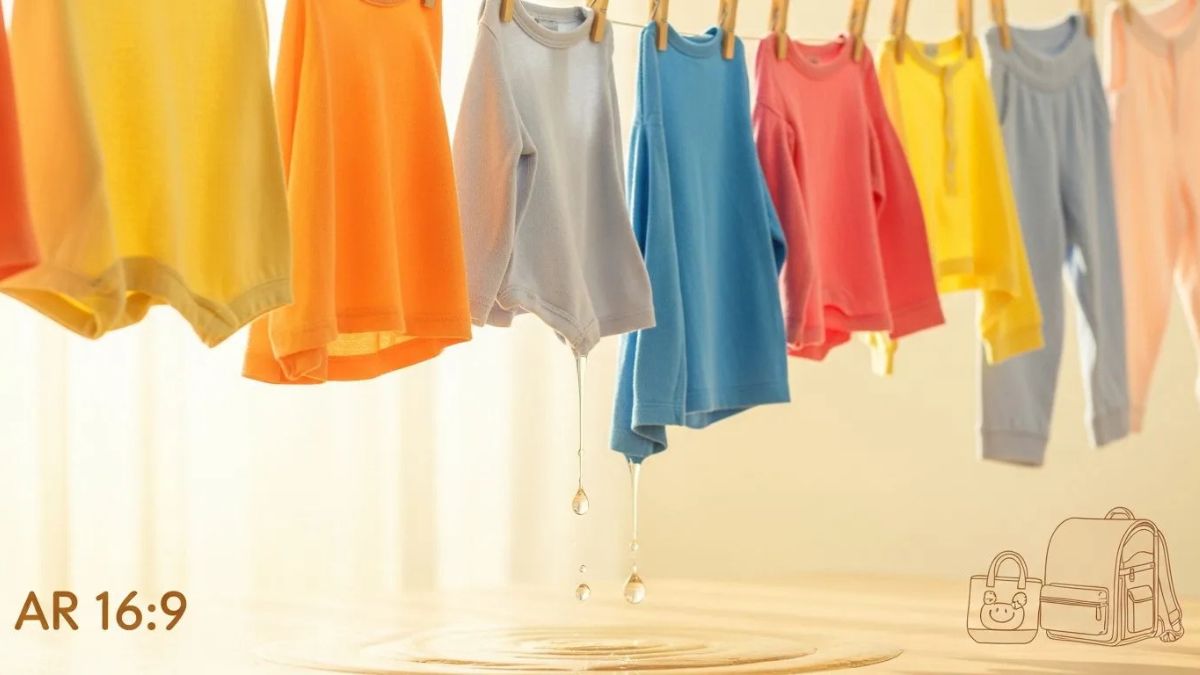
Imagine a world where fashion doesn’t come at the cost of our planet. A world where materials are not only stylish but also sustainable. Enter Chromtex, the innovative textile that promises to redefine how we think about clothing and its impact on the environment. With growing concerns over climate change and environmental degradation, the demand for eco-friendly alternatives in textiles has never been greater. Join us as we dive into what makes Chromtex a game-changer in sustainable fashion and explore its potential to reshape our wardrobes for a better future.
What is Sustainable Textile?
Sustainable textiles are materials produced with a focus on environmental and social responsibility. This means minimizing harm to the planet during production, use, and disposal.
These fabrics often come from renewable resources such as organic cotton or bamboo. They can also be recycled or biodegradable, reducing waste in landfills.
Manufacturers of sustainable textiles prioritize eco-friendly processes. This includes using non-toxic dyes and conserving water throughout production.
Beyond the ecological aspects, sustainability encompasses fair labor practices. Workers deserve safe conditions and fair wages while creating these innovative materials.
The fashion industry is slowly embracing this change, recognizing that consumers seek more than just aesthetics in their clothing choices. People want to wear items that align with their values—those reflecting care for our planet and its inhabitants.
The Creation of Chromtex
The creation of Chromtex marks a significant innovation in textile technology. This material combines advanced dyeing techniques with eco-friendly practices, resulting in vibrant colors without harming the environment.
Developed by a team of passionate scientists and designers, Chromtex utilizes organic dyes derived from natural sources. These dyes are not only biodegradable but also reduce water consumption during production.
The manufacturing process emphasizes sustainability at every step. By implementing closed-loop systems, waste is minimized and energy efficiency is maximized. This thoughtful approach ensures that each yard of Chromtex supports environmental health while still delivering high-quality textiles.
Chromtex represents more than just a fabric; it embodies a commitment to responsible fashion. As brands increasingly adopt this groundbreaking material, they pave the way for an industry shift towards sustainable practices that prioritize our planet’s future.
Benefits of Using Chromtex
Chromtex offers a multitude of benefits that set it apart in the realm of sustainable textiles. One significant advantage is its eco-friendly composition. Made from innovative materials, Chromtex reduces reliance on traditional resources and minimizes environmental impact.
Durability is another key feature. Fabrics created with Chromtex are designed to withstand wear and tear, ensuring longevity. This quality not only enhances product life but also aligns with sustainability goals by reducing waste.
Additionally, Chromtex exhibits excellent versatility. It can be used across various applications—from fashion apparel to home decor—allowing designers to experiment without compromising their commitment to sustainability.
Another noteworthy benefit is its aesthetic appeal. With vibrant colors and textures available, Chromtex does not sacrifice style for responsibility, making it an attractive choice for environmentally conscious consumers looking for chic options in their wardrobes or homes.
Applications of Chromtex in the Fashion Industry
Chromtex is making waves in the fashion industry with its innovative applications. Designers are increasingly opting for Chromtex fabrics due to their vibrant colors and unique textures. This material offers endless possibilities for creating eye-catching garments.
From high-fashion runways to everyday wear, Chromtex stands out. Its versatility allows it to be used in everything from jackets to accessories. Fashion brands appreciate how it blends style with sustainability.
Moreover, the durability of Chromtex enhances garment longevity. Consumers are becoming more conscious of their purchases, seeking items that last longer and leave a smaller ecological footprint.
Collaborations between luxury labels and eco-conscious designers showcase Chromtex’s potential for chic yet responsible fashion. As awareness grows around sustainable practices, it’s clear that this textile will play a significant role in shaping future collections across various markets in the industry.
The Future of Chromtex and Sustainable Textiles
The future of Chromtex shines brightly in the textile industry. As sustainability becomes a priority, innovations like Chromtex are leading the way toward eco-friendly solutions.
With ongoing advancements in technology, we can expect even more efficient production methods for Chromtex. This means less waste and a reduced environmental footprint. The potential to scale up its use across various sectors is enormous.
Fashion brands are beginning to recognize the importance of sustainable materials, driving demand for textiles that align with their values. Chromtex offers not only durability but also style, making it an attractive option for designers seeking to create responsibly.
As consumer awareness grows, so will the pressure on manufacturers to adopt sustainable practices. This shift could redefine industry standards and elevate Chromtex as a cornerstone of modern fashion ethics. The possibilities are limitless when innovation meets responsibility in textile development.
Conclusion
As we look to the future, Chromtex stands as a beacon of innovation in the textile industry. Its sustainable nature addresses pressing environmental concerns while offering endless possibilities for creativity and design. The fashion world is beginning to recognize the importance of eco-friendly materials, and Chromtex has emerged at the forefront.
The potential applications are vast, spanning from high-fashion runways to everyday wear. As brands increasingly prioritize sustainability, fabrics like Chromtex will play a pivotal role in shaping their collections. Consumers are becoming more conscious of their choices, pushing brands towards greener options.
With ongoing advancements in technology and awareness about climate change, it’s clear that sustainable textiles like Chromtex are not just trends but essential components of our collective future. By embracing such innovations, we can move towards a more responsible approach to fashion—one that respects both people and our planet alike.
Introduction to Indigo Naess and her Art
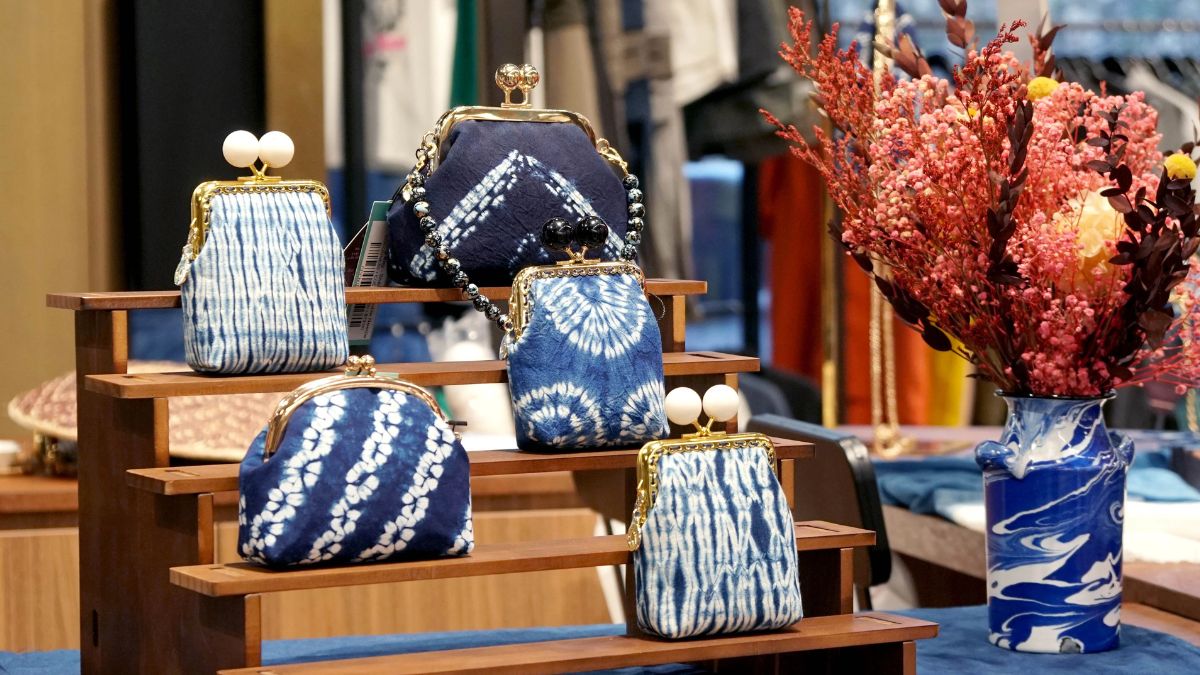
Indigo Naess is a name that resonates with beauty and sophistication. Her art captures the essence of nature, turning it into timeless pieces that speak to both the heart and soul. With each stroke, she weaves stories inspired by her surroundings, creating a dialogue between her work and the viewer.
In an age where mass production often overshadows individuality, Indigo’s creations stand out as beacons of authenticity. She merges traditional techniques with contemporary flair, crafting works that invite admiration and reflection. Join us as we delve into the enchanting world of Indigo Naess—where nature’s palette transforms into exquisite artistry that transcends time.
The Inspiration behind Indigo’s Work: Nature’s Palette
Indigo Naess draws her inspiration from the world around us. Nature’s palette serves as a vibrant backdrop for her artistic journey. From lush landscapes to delicate flora, each element sparks creativity.
The colors of the earth and sky come alive in her pieces. Subtle greens, deep blues, and earthy browns blend seamlessly. This harmony captures the essence of natural beauty.
Naess often ventures outdoors to observe seasonal changes. The way light dances through leaves or reflects off water ignites new ideas. It’s this connection to nature that breathes life into her artwork.
Her ability to translate these experiences into visual form is remarkable. Each brushstroke resonates with organic energy, inviting viewers into a serene world where art meets nature’s wonders. Through Indigo’s eyes, we see not just images but stories woven from the threads of our environment.
Techniques and Materials Used in Indigo’s Art
Indigo Naess employs a rich array of techniques, showcasing her mastery in textile art. She deftly blends traditional methods with contemporary twists, creating pieces that resonate across generations.
One standout technique is indigo dyeing. Using this ancient method, she brings depth and vibrancy to her fabrics. Each dip reveals unique patterns, ensuring no two pieces are identical.
Materials play a crucial role in her creations. Indigo often sources organic cotton and silk for their natural textures. This choice reflects her commitment to sustainability while enhancing the tactile experience of each artwork.
Incorporating hand stitching further adds layers of detail and craftsmanship. This meticulous approach transforms simple textiles into intricate narratives that tell stories about nature and life itself.
Indigo’s skillful manipulation of these elements results in artworks that are not only visually striking but also deeply meaningful.
Themes and Motifs in Indigo’s Artwork
Indigo Naess’s artwork is a captivating tapestry of themes that resonate deeply with her audience. Nature often plays a pivotal role, weaving itself into the very fabric of her pieces. Organic forms and fluid lines evoke the serenity found in natural landscapes.
Her fascination with light and shadow creates an interplay that draws viewers in. This dance between illumination and obscurity invites contemplation on the complexities of existence.
Moreover, elements such as water motifs frequently appear throughout her work. These symbols reflect tranquility, renewal, and the ever-changing flow of life.
The use of vibrant colors speaks to emotional depth while maintaining harmony within each composition. Indigo’s exploration of these motifs transcends mere aesthetics; they embody experiences that are universally relatable, making her art accessible yet profoundly impactful for all who encounter it.
The Timeless Elegance of Indigo’s Pieces
Indigo Naess creates pieces that resonate with a sense of timeless elegance. Each artwork captivates the viewer, drawing them into a world where color and form dance in harmony.
The subtle hues she employs evoke feelings of serenity and contemplation. The interplay between light and shadow adds depth, inviting exploration.
Her ability to blend traditional techniques with modern aesthetics gives her work a unique charm. Every piece tells its own story, rich with layers of meaning.
Collectors often find themselves enchanted by the organic quality of her art. It feels both fresh and familiar—a reflection of nature’s beauty intertwined with human creativity.
Indigo’s works serve as reminders that elegance can be found in simplicity. They encourage us to pause, reflect, and appreciate the artistry behind each brushstroke or fabric fold.
How Indigo’s Art Connects with the Modern World
Indigo Naess’s art resonates deeply with contemporary audiences. Her pieces reflect a harmonious blend of tradition and innovation. This connection allows viewers to appreciate the past while engaging with the present.
In an era dominated by technology, her work serves as a reminder of nature’s enduring beauty. Each creation encourages mindfulness, urging us to pause and reflect on our surroundings.
The organic forms and natural colors in Indigo’s artwork evoke emotions that are universally relatable. They invite dialogue about sustainability and the importance of preserving our environment.
Moreover, her art often finds its way into modern interiors, creating spaces that feel both vibrant and serene. It challenges conventional aesthetics, reminding us that elegance can emerge from simplicity.
Through social media platforms, Indigo has cultivated a community of supporters who share her vision for art rooted in nature’s wisdom. This engagement fosters connections across diverse cultures and generations.
Conclusion: The Beauty and Significance of Indigo Naess’ Art
The beauty of Indigo Naess’ art lies in its ability to transcend time and connect deeply with viewers. Her pieces, rich in color and texture, invite individuals to reflect on their own relationship with nature. Each artwork is a testament to the seamless blending of traditional techniques and contemporary themes.
Indigo’s work doesn’t just exist as decor; it serves as a bridge between past and present. It speaks to our collective yearning for authenticity in an increasingly digital world. By using natural materials, she emphasizes sustainability while celebrating the earth’s inherent artistry.
As you explore her creations, you find not only visual pleasure but also layers of meaning that resonate on multiple levels. This harmony of elegance and depth makes Indigo Naess’ art significant—both as individual expressions and as part of a greater dialogue about art’s role in society today.
Her artworks remind us that true creativity stems from understanding one’s environment, making each piece a cherished reminder of nature’s enduring influence on human expression. The timeless elegance found within her collection continues to inspire new generations to appreciate the delicate balance between artistic pursuit and ecological awareness.
-

 TOPIC1 year ago
Top 5 Features of Googlediqiu You Didn’t Know About
-

 TOPIC2 years ago
Why Large Waterproof Outdoor Rugs Are Essential for All Outdoor Spaces
-

 FASHION2 years ago
How to Layer Your White Dress for Cold Weather?
-

 TOPIC2 years ago
7 Expert Tips For Choosing The Best Basement Renovation Companies
-

 FASHION1 year ago
How to Choose Sunglasses That Perfectly Complement Your Summer Wardrobe
-

 BUSINESS1 year ago
Top 5 Features of Sowix Online That Every User Should Know About
-

 TOPIC1 year ago
Why Greece Katz Martian Has Everyone Talking in 2025
-

 FINANCE2 years ago
How TraceLoans Can Simplify Your Finances