
TOPIC
Exploring Architectural Styles in Upscale Residential Neighborhoods


Architectural styles in upscale residential neighborhoods often reflect timeless traditions and evolving design trends. From stately Colonial and Tudor-inspired facades to sleek, modernist structures with clean lines and glass walls, these homes showcase how architecture can shape a community’s character. Attention to detail, such as intricate moldings, expansive windows, and custom landscaping, often highlights the craftsmanship and individuality behind each property. These design elements not only create aesthetic appeal but also influence the overall atmosphere of the neighborhood.
When exploring distinctive residential areas, buyers frequently encounter homes that balance elegance and functionality. For example, browsing listings of New Canaan homes for sale reveals how classic and contemporary styles coexist seamlessly, appealing to diverse preferences. Such architectural diversity allows residents to select spaces that align with their lifestyle while preserving the neighborhood’s refined character.
Colonial Elegance
Colonial style, first developed during America’s early European settlements, remains a fixture in luxury neighborhoods due to its enduring appeal. These homes generally feature symmetrical facades, decorative crown moldings, and double-hung windows with shutters. The central, oversized chimney and use of brick or clapboard siding are telltale markers. Today, Colonial homes in exclusive areas are most often updated with lavish interiors, integrating modern comforts while retaining their dignified curb appeal. Homeowners appreciate the subtle grandeur and balanced proportions that offer a sense of permanence and order.
Victorian Grandeur
Victorian architecture flourished at the twilight of the 19th century and has endured thanks to its splendid facades and intricate craftsmanship. You’ll recognize these homes by their steeply pitched roofs, decorative gables, and vibrant color schemes. Signature elements include ornate woodwork, asymmetrical designs, and features like turrets and wraparound porches. Each Victorian residence is unique, often customized to reflect the owners’ personalities.
Modern Minimalism
Modern minimalist homes in upscale neighborhoods focus on spaciousness, functional layouts, and an absence of superfluous decoration. Hallmarks include expansive windows, flat or low-pitched roofs, and an emphasis on open-concept living. Seamless indoor-outdoor transitions are frequently achieved through retractable glass panels and integrated outdoor spaces, such as courtyards and patios. Subdued color palettes, typically featuring shades of white, gray, or beige, keep interiors airy and inviting. The style is popular among those who want calm, clutter-free spaces and is known for promoting wellness and peace in everyday life.
Mediterranean Revival
Mediterranean Revival pulls inspiration from seaside villas found in Spain, Italy, and southern France. Its signature exteriors are stucco, capped by terracotta roof tiles, and enlivened by arches, wrought iron accents, and often lushly landscaped courtyards. This style, a staple in warmer climates, is designed to maximize airflow and connect the indoor living areas with the natural beauty outside. Covered patios, fountains, and leafy balconies invite homeowners to enjoy a resort-like ambiance year-round.
Craftsman Charm
The Craftsman bungalow, with its deep eaves, exposed rafters, and welcoming front porches, was born from the Arts and Crafts movement’s quest for simplicity and authenticity. These dwellings prioritize handcrafted quality over mass production, reflected in prominent wooden beams, built-in shelving, and ornate window seats. Inside, minimalist ornamentation is offset by rich materials, such as hardwood floors and custom cabinetry. This emphasis on artistry and durable construction makes Craftsman homes a perennial favorite among those who value both comfort and character in upscale settings.
Tudor Revival
Tudor Revival homes are defined by their storybook exteriors and robust construction. Inspired by medieval English architecture, they boast steeply pitched gable roofs, decorative half-timbering, and textured brickwork. Inside, arched doorways and intricate wood paneling create a sense of intimacy and grandeur. Modern Tudor homes frequently incorporate cutting-edge amenities while celebrating their roots with period lighting fixtures and carefully restored fireplaces. Their distinctive charm stands out in affluent neighborhoods for those seeking timeless distinction with a touch of drama.
Ranch Style
Originally designed to accommodate the rise of suburban living in the 20th century, Ranch-style homes offer sprawling, single-level layouts perfect for modern families. Easily accessible and highly customizable, these dwellings often feature wide lot frontages, integrated garages, and large windows overlooking substantial front or backyards. Open-plan interiors encourage connection between living, dining, and kitchen spaces, making Ranch homes ideal for entertaining and growing families. The ranch design is not just practical—it also offers enduring contemporary appeal as more buyers seek flexibility and functionality in their homes.
Contemporary Blends
The boundaries of residential architecture are continually pushed by innovative uses of contemporary materials and techniques. In many high-end neighborhoods, concrete has become a statement material, incorporated as sculptural accent walls, sleek countertops, or even flooring. These elements add a modern, industrial edge to homes that might also feature glass, steel, and sustainable finishes. The result is a fusion of style and substance—modern design that doesn’t compromise warmth or comfort. Through blending the old and the new, contemporary homes continually set the standard for luxury living.
Conclusion
Understanding the breadth of architectural styles in today’s upscale residential neighborhoods emboldens buyers and inspires creative adaptations for homeowners and designers alike. Each style—whether rooted in centuries of heritage or innovating with every construction—offers a unique approach to luxurious, lasting comfort and beauty. For those beginning their home journey, appreciating these differences ensures their next address is both a sound investment and a true expression of personal taste.

Introduction to PPVLand
PPVLand is making waves in the digital content realm, transforming how creators connect with their audience. From its innovative pay-per-view infrastructure to its creator-first philosophy, PPVLand is more than just a streaming service — it’s a dynamic ecosystem where ideas flourish and creativity thrives.
With its unique monetization structure, PPVLand empowers content creators to generate revenue directly from their audience while offering fans exclusive, premium experiences. This direct-to-viewer approach is redefining how digital entertainment is consumed.
But who are the driving forces behind this exciting venture? What challenges have shaped its growth? And what does the future hold for PPVLand in an increasingly competitive creator economy?
In this behind-the-scenes exploration of PPVLand, we dive into exclusive interviews with its leadership, creators, and innovators to uncover what makes the platform a powerful force in today’s digital landscape.
Interview with the Founder and CEO
Sitting down with the Founder and CEO of PPVLand is an enlightening experience. Their passion for connecting creators and audiences shines through every word.
They shared how their journey began, driven by a desire to revolutionize digital content consumption. The vision was clear: build PPVLand as a platform that prioritizes creator control, fair monetization, and premium audience engagement.
When asked about challenges faced during the startup phase, they spoke candidly about navigating competition and scaling technology infrastructure. Entering a space dominated by ad-driven models required differentiation. Instead of relying on ads, PPVLand doubled down on pay-per-view exclusivity and creator ownership.
The discussion shifted to innovation within PPVLand. Upcoming features are focused on improving user analytics, audience targeting, and live event capabilities — all designed to strengthen the creator-viewer relationship.
Core Strategic Pillars of PPVLand
| Strategic Pillar | How It Works | Benefit to Creators | Benefit to Viewers |
|---|---|---|---|
| Pay-Per-View Monetization | Users pay for exclusive content access | Direct revenue per view | Premium, ad-free experience |
| Creator Ownership | Full control over pricing and content | Higher profit margins | Diverse, niche content options |
| Real-Time Engagement | Live streams and interactive features | Stronger audience loyalty | Personalized interaction |
| Data Insights | Advanced analytics dashboard | Better content optimization | Improved content relevance |
Their enthusiasm for collaboration resonates deeply, reflecting PPVLand’s mission: empower creators while delivering premium digital experiences.
Interview with a Content Creator
Sitting down with a content creator from PPVLand offers a glimpse into the vibrant world of digital entrepreneurship. Their energy reflects the platform’s creative freedom.
They share insights about their process. Inspiration often stems from trending cultural conversations and audience feedback. On PPVLand, content creators can experiment with exclusive releases, premium behind-the-scenes material, and live interactive events.
Authenticity is central to their success. Unlike algorithm-driven platforms, PPVLand allows creators to build a paying community that values depth over virality.
When discussing challenges, they highlight the pressure to stand out. While PPVLand provides monetization tools, creators must still craft compelling narratives to drive purchases.
Collaboration is another powerful theme. Working alongside fellow creators on PPVLand amplifies reach and fosters community-building.
Revenue Opportunities for Creators on PPVLand
| Revenue Stream | Description | Ideal For | Growth Potential |
|---|---|---|---|
| Exclusive Video Releases | One-time paid access content | Coaches, performers | High |
| Live Events | Ticketed virtual events | Educators, entertainers | Very High |
| Premium Series | Episodic pay-per-view content | Filmmakers, influencers | Scalable |
| Subscriber Bundles | Discounted multi-event packages | Established creators | Long-Term Stability |
This flexible ecosystem enables creators to design monetization strategies aligned with their audience preferences.
Interview with an Innovator
In the evolving ecosystem of PPVLand, innovation fuels growth. We spoke with Alex Turner, a visionary product strategist helping redefine digital monetization frameworks within the platform.
Alex shared insights into PPVLand’s technical backbone. “We wanted to empower creators with data,” he explained. The platform is integrating AI-driven analytics to help creators understand viewer behavior, conversion rates, and pricing optimization.
Community feedback plays a vital role. Every feature update on PPVLand stems from user data and creator suggestions.
As the digital economy shifts toward ownership and exclusivity, PPVLand positions itself as a hybrid between streaming services and creator marketplaces — blending technology, commerce, and community.
Challenges and Successes in the Industry
The journey of PPVLand has included both hurdles and milestones. Standing out in a crowded creator economy remains challenging.
Major industry obstacles include:
-
Oversaturation of content
-
Platform dependency risks
-
Monetization fatigue among audiences
-
Technology scaling costs
Yet PPVLand’s pay-per-view model offers differentiation.
Industry Comparison: PPVLand vs Traditional Platforms
| Feature | PPVLand | Ad-Supported Platforms | Subscription Platforms |
|---|---|---|---|
| Revenue Model | Direct pay-per-view | Ad-based revenue | Monthly subscription |
| Creator Control | High | Limited | Moderate |
| Audience Experience | Premium & exclusive | Ad interruptions | All-access model |
| Content Value Per Unit | High-ticket focus | Volume-based | Bundle-based |
By focusing on exclusivity and direct value exchange, PPVLand reduces reliance on ad algorithms and encourages higher-quality production.
User feedback continues to shape platform improvements, fostering loyalty within its creator and viewer communities.
The Future of PPVLand
The future of PPVLand is filled with opportunity. As technology evolves, so does its capacity to support immersive experiences.
Emerging developments may include:
-
Enhanced AI-driven audience targeting
-
Virtual reality event integration
-
Cross-platform creator collaborations
-
Blockchain-backed ownership models
As demand for exclusive digital experiences rises, PPVLand is strategically positioned to lead innovation in pay-per-view content distribution.
Community-building will remain central. Strengthening creator-fan relationships ensures long-term sustainability and growth.
Conclusion: The Impact of PPVLand on the Digital Landscape
The digital ecosystem continues to transform, and PPVLand stands at the forefront of this shift. By empowering creators with ownership, monetization flexibility, and data-driven insights, PPVLand bridges the gap between creativity and commerce.
It supports emerging talent while providing audiences with premium, direct-access content experiences. Through innovation, collaboration, and strategic growth, PPVLand is shaping the future of digital engagement.
As the creator economy expands, platforms like PPVLand demonstrate how structured monetization and community-first design can redefine online entertainment.
Frequently Asked Questions About PPVLand
1. What is PPVLand and how does it work?
PPVLand is a pay-per-view digital content platform where creators monetize exclusive content directly from viewers without relying on advertisements.
2. How do creators make money on PPVLand?
Creators earn revenue through ticketed live events, exclusive releases, premium series, and bundled content packages.
3. Is PPVLand better than ad-based platforms?
PPVLand focuses on direct monetization and premium content, while ad-based platforms prioritize high-volume views and advertising revenue.
4. Who should use PPVLand?
PPVLand is ideal for educators, performers, influencers, coaches, and digital entrepreneurs seeking greater control over pricing and content ownership.
5. What makes PPVLand different from subscription platforms?
Unlike subscription services that offer bundled access, PPVLand operates on a pay-per-view model where users purchase specific content experiences.

Introduction to the Power of Your Topics Multiple Stories
Storytelling is an art form that has captivated audiences for centuries. But what if your narrative could be more than just a single thread? Enter the world of your topics multiple stories, where varied narratives intersect and intertwine, creating a rich tapestry of experiences. This approach invites readers to explore different perspectives, embrace complexity, and engage with characters on a deeper level.
Imagine diving into a tale where each chapter unveils new dimensions through unique voices and timelines. It’s not just about one story anymore; it’s about how these threads weave together to create something greater than the sum of their parts. Whether you’re writing fiction or crafting essays, understanding how to harness the power of your topics multiple stories can elevate your work and keep readers coming back for more.
Join us as we delve into the intricacies of storytelling that embraces variety—an adventure that might change the way you think about narratives forever.
Exploring the Different Types of Narratives: Linear, Non-Linear, and Fragmented
Narratives come in various forms, each with its own charm and purpose. Linear narratives follow a straightforward path. They take readers from point A to B without distractions. This structure is perfect for those who appreciate clarity.
Non-linear narratives break the mold. They jump around in time and space, inviting curiosity. Readers must piece together the story like a puzzle, which can create an exhilarating experience.
Fragmented narratives offer another layer of complexity. These stories present disjointed events or perspectives that may seem unrelated at first glance. As pieces come together, they reveal deeper themes and connections.
When building your topics multiple stories, understanding these structures helps you choose the right format for emotional impact and reader engagement.
Narrative Structure Comparison Table
| Narrative Type | Structure Style | Reader Experience | Best Use Case in Your Topics Multiple Stories |
|---|---|---|---|
| Linear | Chronological | Clear and immersive | Character-driven growth arcs |
| Non-Linear | Time-shifted | Engaging and thought-provoking | Mystery, suspense, layered backstories |
| Fragmented | Disjointed segments | Interpretive and analytical | Thematic exploration and emotional depth |
Choosing the right narrative type strengthens the foundation of your topics multiple stories and shapes how readers interact with the content.
The Importance of Varied Perspectives in Storytelling
Varied perspectives enrich storytelling in profound ways. Each character brings their own background, beliefs, and motivations to the table. This diversity creates a tapestry of experiences that resonates with readers on different levels.
When stories unfold through multiple viewpoints, they challenge us to see beyond our biases. Readers gain insight into situations from angles they might not have considered before. It encourages empathy and understanding.
Additionally, varied perspectives can heighten tension or create unexpected twists. A narrative seen through contrasting lenses often leads to deeper engagement as readers piece together the full story.
This complexity mirrors real life—where no single viewpoint holds all the answers. Embracing this multiplicity in your topics multiple stories invites audiences on a richer journey that reflects the diverse world we inhabit.
Benefits of Multiple Perspectives
| Perspective Element | Impact on Readers | Long-Term Engagement Value |
|---|---|---|
| Diverse character voices | Increases relatability | Stronger emotional bonds |
| Conflicting viewpoints | Builds tension and curiosity | Sustained interest |
| Parallel experiences | Deepens thematic understanding | Higher reread value |
| Cultural/social diversity | Expands awareness and empathy | Broader audience appeal |
Techniques for Weaving Multiple Stories Together Seamlessly
Weaving multiple stories together requires a delicate touch. One effective technique is to establish common threads that connect each narrative. This could be a character, theme, or even an object that appears across the different tales.
Another useful method is alternating perspectives. By switching between characters’ viewpoints, you can create depth and provide insight into their motivations. This approach fosters empathy and keeps readers engaged.
Foreshadowing also plays a vital role in this intricate storytelling dance. Dropping hints about how these narratives intertwine can build anticipation and curiosity.
Using contrasting tones is another way to add richness to your writing. Light-hearted moments juxtaposed with dramatic scenes can enhance emotional impact.
Careful pacing ensures that all storylines receive attention without overwhelming the reader. A well-balanced rhythm allows for suspense while maintaining clarity throughout your your topics multiple stories journey.
Story Weaving Framework for Writers
| Technique | Purpose | Implementation Tip |
|---|---|---|
| Shared thematic anchor | Creates cohesion | Define core message early |
| Rotating POV chapters | Enhances depth | Maintain consistent voice |
| Timeline mapping | Prevents plot confusion | Use visual story outlines |
| Strategic cliffhangers | Sustains suspense | End sections mid-conflict |
| Symbol repetition | Reinforces connection | Reintroduce subtly |
Successful Examples of Multiple Story Structures in Literature and Film
One standout example of multiple story structures is Cloud Atlas by David Mitchell. This novel interweaves six distinct narratives across different time periods, creating a complex tapestry that highlights the interconnectedness of human experiences. Each storyline enriches the others, revealing themes of reincarnation and moral choices.
In film, Quentin Tarantino’s Pulp Fiction brilliantly showcases fragmented storytelling. The narrative jumps between various characters and timelines, keeping viewers guessing while unveiling connections in unexpected ways.
Another compelling instance is The Hours, based on Michael Cunningham’s novel. It intertwines the lives of three women from different eras, all influenced by Virginia Woolf’s writing. This unique structure not only captivates but also explores themes of mental health and creativity through diverse lenses.
These examples demonstrate how embracing varied narratives enhances depth and engagement—core principles behind effective your topics multiple stories writing.
Utilizing Multiple Stories to Engage Readers and Keep Them Invested
Utilizing multiple stories can be a powerful tool to captivate your audience. When readers encounter varied narratives, they experience a rich tapestry of emotions and perspectives.
Each storyline offers unique insights, drawing them deeper into your work. A character in one thread may mirror or contrast with another, creating unexpected connections that intrigue the mind.
Using cliffhangers at the end of each narrative segment keeps readers on their toes. This technique encourages them to keep turning pages as they crave resolution for every story arc.
Moreover, alternating between different characters allows you to build suspense and maintain interest. Readers become invested not just in one journey but in many intertwined paths.
This approach mirrors real life’s complexity and unpredictability—an aspect people naturally relate to. Embracing your topics multiple stories fosters an immersive reading experience that resonates long after the last page is turned.
Tips for Balancing and Managing Multiple Storylines Effectively
Balancing multiple storylines can be a tightrope walk for any writer. Start by plotting each storyline separately. This gives clarity and helps maintain focus on individual arcs.
Next, create a timeline that intertwines these narratives. It provides context and ensures events flow logically across different threads.
Consider character development carefully. Each storyline should feel distinct while still contributing to an overarching theme or goal. Develop characters with unique motivations; this makes their journeys compelling.
Regularly check pacing as well. Too many plot shifts in quick succession can overwhelm readers. Slow down when needed to deepen emotional connections with your audience.
Don’t shy away from revisiting earlier chapters after finishing the draft. Revising allows you to fine-tune interactions between stories, ensuring coherence without losing excitement or tension in your topics multiple stories structure.
Conclusion: Embracing the Complexity of Life Through Your Topics Multiple Stories
Embracing the complexity of life through your topics multiple stories allows for a richer narrative experience. Life is not linear; it’s a tapestry woven with diverse threads, each telling its own tale while contributing to the whole.
When readers encounter multiple storylines, they engage more deeply. They find connections between characters and themes that may not be immediately obvious but resonate on different levels.
As storytellers, we have the power to reflect life’s complexities—its joys, sorrows, and everything in between—through layered narratives. By skillfully blending different stories together, we honor the intricate nature of human experience while captivating our audience’s imagination.
Frequently Asked Questions (FAQs)
1. What does “your topics multiple stories” mean in writing?
Your topics multiple stories refers to structuring content around interconnected narratives, perspectives, or timelines that collectively explore a central theme.
2. Why are your topics multiple stories effective for reader engagement?
They increase emotional depth, encourage curiosity, and create suspense by presenting layered viewpoints that readers actively piece together.
3. How do you organize your topics multiple stories without confusing readers?
Use timeline mapping, consistent character voices, thematic anchors, and structured transitions to maintain clarity and coherence.
4. Can your topics multiple stories work in non-fiction writing?
Yes. Essays, case studies, and long-form journalism can use multiple narrative threads to explore different perspectives on a shared topic.
5. What is the biggest challenge when writing your topics multiple stories?
Maintaining balance between storylines while ensuring each narrative arc feels meaningful and contributes to the overall message.
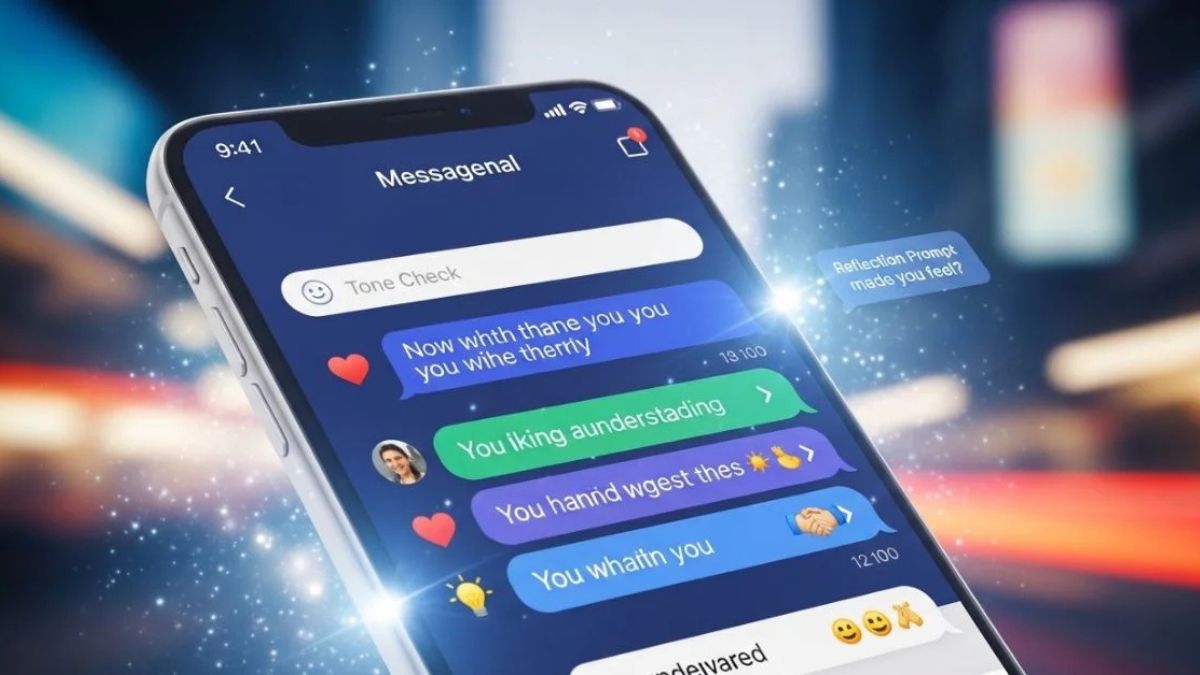
In a world where communication is at our fingertips, the way we connect with one another has undergone a significant transformation. Gone are the days of waiting for letters or making long-distance phone calls. Today, digital messaging reigns supreme, shaping how we interact in both personal and professional realms. But as technology evolves, so do our needs for effective communication.
While traditional messaging apps have served us well over the years, they often fall short when it comes to delivering seamless, intuitive experiences that foster genuine connections. Enter Messagenal—a groundbreaking platform designed to revolutionize how we communicate in this fast-paced digital age. With its innovative features and user-centric approach, Messagenal is set to redefine what it means to stay connected. Let’s explore why this new contender is capturing attention and changing the landscape of digital communication forever.
The Impact of Digital Communication on Society
Digital communication has reshaped our society in profound ways. It transcends geographical barriers, allowing people to connect regardless of distance. Families can stay close even when miles apart, and friendships can flourish across continents.
Social media platforms have changed the dynamics of public discourse. Ideas spread rapidly, sparking movements that mobilize communities around shared causes. The ability to voice opinions instantly empowers individuals like never before.
However, this constant connectivity comes with its challenges. Miscommunication often arises from the absence of non-verbal cues, leading to misunderstandings. The rise of cyberbullying highlights how anonymity can breed negativity in online interactions.
Moreover, digital communication fosters a culture of immediacy. People expect quick responses and instant gratification, which can strain relationships both online and offline. As we navigate these changes, it’s clear that our methods of connecting are evolving at an unprecedented pace.
The Downfalls of Traditional Messaging Apps
Traditional messaging apps have long been a staple of our daily communication. However, they often fall short in several key areas.
Privacy is a major concern. Many popular platforms collect vast amounts of user data, raising red flags about security and personal information misuse. Users frequently find themselves wondering who really has access to their conversations.
Another issue is the lack of customization. Most apps offer limited features that don’t cater to individual preferences or needs. This can lead to frustration when trying to communicate effectively with different groups.
Moreover, traditional messaging tools often struggle with connectivity issues. Dropped messages or slow loading times can disrupt important conversations, leaving users feeling disconnected at critical moments.
The overwhelming presence of ads within these platforms detracts from user experience and creates an environment that’s less focused on genuine interaction.
Introducing Messagenal: The Future of Communication
Messagenal is stepping onto the stage as a game-changer in digital communication. It combines cutting-edge technology with user-friendly design, making it accessible to everyone.
Imagine a platform that prioritizes security and privacy while keeping conversations seamless. That’s Messagenal for you. With end-to-end encryption, users can connect without fears of their messages being intercepted.
The app’s innovative features allow for multimedia sharing, voice notes, and even video calls—all in one place. It’s not just about chatting; it’s about creating connections in real-time.
In an age where distractions are everywhere, Messagenal cuts through the noise. The clean interface enhances user experience, ensuring that important communications never get lost among cluttered threads.
This isn’t merely another messaging app; it’s a robust tool designed to elevate how we interact digitally across various platforms.
Features and Benefits of Messagenal
Messagenal offers a suite of innovative features designed to enhance your communication experience. Its user-friendly interface makes navigation effortless, ensuring that messages are sent and received without hassle.
One standout feature is the end-to-end encryption, which safeguards your conversations against unwanted access. This level of security fosters trust among users.
Another significant advantage is the cross-platform compatibility. Whether you’re on a smartphone, tablet, or desktop, Messagenal keeps you connected seamlessly across devices.
The app also incorporates smart notifications that prioritize important messages, allowing users to focus on what truly matters.
Furthermore, customizable themes let you personalize your messaging environment for a more enjoyable experience. Users can engage with others in style while expressing their individuality.
With these benefits combined, Messagenal not only redefines how we communicate but also enhances our daily interactions in meaningful ways.
How Messagenal is Changing the Way We Communicate
Messagenal is redefining how we connect in the digital world. Its user-friendly interface encourages seamless interaction, making communication effortless.
With advanced features like voice messaging and video calls, users can express themselves more fully than ever before. This bridges gaps that traditional texting often leaves behind.
Moreover, Messagenal prioritizes privacy and security. End-to-end encryption ensures conversations remain confidential, fostering trust among users.
The platform also integrates with other apps to create a holistic experience. Users can share files or schedule meetings without switching between different tools.
Community-driven features allow for group chats tailored to specific interests. This fosters deeper connections and shared experiences among diverse groups of people.
As more individuals embrace Messagenal, the way we interact continues to evolve in exciting ways.
Success Stories and User Reviews
Users have been raving about Messagenal since its launch. Many have shared transformative experiences that highlight the app’s unique capabilities.
Take Sarah, a small business owner who found herself overwhelmed by traditional communication tools. After switching to Messagenal, she noticed an increase in team productivity and engagement. The seamless integration of messaging and project management features made collaboration effortless.
Then there’s Jake, a college student who appreciated how easily he could connect with classmates for group projects. He mentioned that real-time brainstorming sessions became more effective with Messagenal’s intuitive interface.
Feedback on social media has also been overwhelmingly positive. Users celebrate not only the user-friendly design but also the robust security features that give them peace of mind while communicating sensitive information.
Messagenal is creating a community where people feel heard and connected like never before. This shift isn’t just about technology; it’s about enhancing relationships in our fast-paced digital world.
Conclusion: Embracing the Future of Communication with Messagenal
The digital landscape is rapidly evolving, and with it, the way we communicate. Messagenal stands at the forefront of this transformation. Its innovative approach not only addresses the shortcomings of traditional messaging apps but also enhances user experience in meaningful ways.
As more individuals and businesses adopt Messagenal, it’s clear that this platform offers something unique—convenience paired with powerful features designed for today’s fast-paced world. Users are already experiencing improved collaboration and connection through its intuitive interface.
With success stories pouring in from various sectors, it’s evident that Messagenal is reshaping communication norms. This isn’t just about sending messages; it’s about fostering relationships and building communities in a digital age where connectivity matters most.
Embracing platforms like Messagenal means stepping into a future where communication knows no bounds—a future defined by innovation, efficiency, and enhanced human interaction. Adopting such tools can lead to richer conversations and stronger connections among friends, families, colleagues, and clients alike. As technology continues to advance at an unprecedented rate, staying ahead with tools like Messagenal will be key to navigating the complexities of modern communication effectively.
-

 TOPIC1 year ago
7 Expert Tips For Choosing The Best Basement Renovation Companies
-

 TOPIC1 year ago
Why Large Waterproof Outdoor Rugs Are Essential for All Outdoor Spaces
-

 TOPIC8 months ago
Why Greece Katz Martian Has Everyone Talking in 2025
-

 BUSINESS9 months ago
Top 5 Features of Sowix Online That Every User Should Know About
-

 FASHION1 year ago
How to Layer Your White Dress for Cold Weather?
-

 TOPIC9 months ago
Top Features of BetterThisWorld .com You Need to Know About
-

 FINANCE1 year ago
How TraceLoans Can Simplify Your Finances
-

 BIOGRAPHY1 year ago
From Reality Star to Business Mogul: Prince Narula Digital PayPal