
TOPIC
Ficus Benjamina: The Perfect Indoor Plant for Every Home

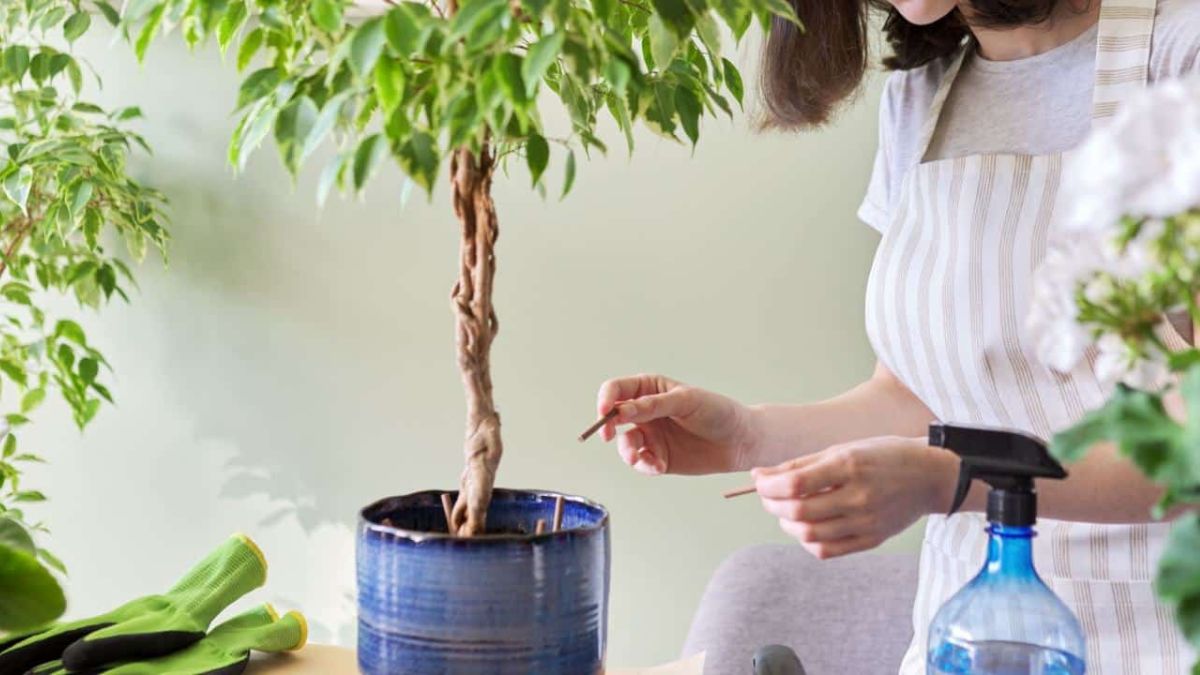
If you’re looking to bring a touch of nature indoors, Ficus Benjamina might just be the perfect plant for you. Also known as the weeping fig, this elegant indoor tree is celebrated for its lush green foliage and graceful branches. It’s not only a stunning addition to any room but also an air-purifying powerhouse that promotes healthier living spaces. Whether you’re an experienced plant parent or just starting your indoor garden journey, understanding what makes Ficus Benjamina special can transform your home into a serene oasis filled with life and color. Let’s delve into why this captivating plant deserves a spot in your heart—and home!
Benefits of Having Ficus Benjamina as an Indoor Plant
Ficus benjamina, also known as the Weeping Fig, is a fantastic addition to any indoor space. Its lush green leaves bring life and vibrancy to your home. Beyond aesthetics, this plant plays a role in enhancing air quality.
Studies show that Ficus benjamina can reduce pollutants and improve overall indoor atmosphere. It actively filters toxins like formaldehyde, making your environment healthier.
This resilient plant is also known for its ability to thrive in various light conditions. Whether placed in bright sunlight or partial shade, it adapts well without losing its charm.
Moreover, having plants around has been linked to reduced stress levels and improved mood. The presence of greenery can create a calming effect in busy households or workspaces.
Caring for Ficus benjamina provides an engaging hobby that fosters responsibility and mindfulness within the home.
How to Care for Ficus Benjamina
Caring for your Ficus Benjamina is essential to its thriving nature. Start with the right lighting; it loves bright, indirect light. Too much direct sun can scorch its leaves.
Watering is another critical aspect. Allow the top inch of soil to dry out before watering again. Overwatering can lead to root rot, so it’s best to err on the side of caution.
Humidity levels should also be considered. This plant enjoys a humid environment, making regular misting beneficial during drier months.
Fertilize every few weeks in spring and summer using a balanced houseplant fertilizer. Avoid fertilizing in fall and winter when growth slows down.
Regularly dust the leaves with a damp cloth to keep them clean and allow maximum sunlight absorption. Pruning helps maintain its shape as well—trim back any leggy branches or dead leaves promptly for better growth.
Best Locations to Place Ficus Benjamina in Your Home
Ficus Benjamina thrives in bright, indirect light. A well-lit living room or study is ideal for this vibrant indoor plant. Position it near a window where it can soak up natural sunlight but is shielded from harsh, direct rays.
Kitchens also make great homes for Ficus Benjamina. The humidity levels often found there help keep the leaves lush and healthy. Just ensure it’s not too close to heat sources like stoves or ovens.
For bedrooms, consider placing your ficus on a nightstand or dresser. Its calming presence can enhance relaxation without requiring excessive care.
In hallways or entryways, tall varieties of Ficus Benjamina create stunning impressions as guests enter your home. They add height and texture while being low-maintenance companions for busy lifestyles.
The key is to avoid drafts and extreme temperature changes that might stress the plant.
Common Problems and Solutions for Ficus Benjamina
Ficus benjamina can be a bit temperamental, but understanding its common issues helps keep it thriving. One prevalent problem is leaf drop. This usually occurs due to sudden changes in light or temperature. If you notice leaves falling, try moving your plant to a more stable environment.
Another issue is yellowing leaves, which often indicates overwatering. Make sure the pot has drainage holes and allow the top layer of soil to dry before watering again.
Pests like spider mites and aphids can also invade your ficus. Regularly inspect the undersides of leaves and treat infestations promptly with insecticidal soap or neem oil.
Always look out for signs of stress in your Ficus benjamina. A little attention goes a long way in maintaining its health and beauty throughout your home.
Creative Ways to Decorate with Ficus Benjamina
Ficus Benjamina can transform any space with its lush greenery. Consider placing it in a stylish planter that complements your decor style, whether it’s modern or bohemian.
Use multiple plants to create an indoor jungle effect. Group different sizes together for visual interest. This arrangement not only brings life into the room but also creates a focal point.
Hanging Ficus Benjamina from shelves can add dimension to your walls. Choose macramé hangers for a trendy touch, allowing trailing leaves to cascade beautifully.
For those tight on floor space, think vertically. Wall-mounted planters are perfect for showcasing this stunning plant while saving room.
Incorporate fairy lights around the base or within branches to enhance its beauty at night. The soft glow adds warmth and makes your Ficus Benjamina an enchanting feature even after sunset.
Conclusion
Ficus Benjamina stands out as an exceptional choice for indoor gardening. With its striking appearance and numerous benefits, this plant can easily enhance any home décor. Its air-purifying qualities contribute to a healthier living environment, while caring for it is manageable even for novice plant owners.
Placing your Ficus Benjamina in the right location can significantly boost its growth and vibrancy. Whether you choose a bright corner or a cozy spot near a window, these plants thrive with just the right amount of light and attention.
While common issues may arise, most are easily resolved with simple adjustments to care routines. By staying vigilant and proactive, you can keep your ficus happy and healthy.
Additionally, using creative methods to incorporate Ficus Benjamina into your interior design adds character to any space. From decorative pots to stylish arrangements with other plants, there are endless possibilities.
Embracing the charm of Ficus Benjamina not only beautifies your home but also fosters a deeper connection with nature indoors. This remarkable plant truly deserves a place in every household.

There are some gemstones that catch your eye with their beauty, whereas others leave a lasting impact with their energy. But when it comes to fire and Ethiopian opals, they bring the best of both worlds. These two stones may share the same common name, “opal,” but their personalities are as diverse as fire and a mist. One is known for igniting passion, whereas the other one can enhance intuition. That’s why your purpose matters so much when searching for the best websites to buy gemstones.
However, the question is – which stone carries more energy when it comes to healing? In this blog, we’ll explore these gemstones’ individual powers and see which one is suitable for which purpose.
Understanding the Energy of Opals
Opals are known as emotional amplifiers. As a result, they can mirror your moods and enhance what’s already within you. However, each opal variety brings its own vibe.
If we talk about fire opal, it’s mainly used for sparking passion. Its energy resembles that of fire. As a result, it can feel energizing, warm, and impossible to ignore. On the other hand, Ethiopian opal carries the essence of moonlight. This stone is deep and dreamy and helps you tap into your emotions, intuition, and spiritual self.
Let’s look at their energies more closely, as it’ll help you when browsing opal gemstones for sale.
Fire Opal
As evident from the name itself, fire opal contains a vibrant, almost fiery energy. It comes mainly from Mexico and is known for its radiant orange, red, or yellow-golden hue. These shades can help activate our solar plexus and sacral chakras. Hence, if you’re going through a phase in your life where you need confidence, courage, or creativity, then fire opal can be the support you need. It can help with the following things:
- Reigniting passion for life and work
- Boosting confidence and vitality
- Overcoming fears and emotional blockages
- Encouraging bold action and independence
However, fire opal isn’t a magic fix. Instead, it helps activate your “inner fire,” which in turn helps you act upon things rather than just contemplating them. Its energy is invigorating, warm, and ideal for when you’re ready to leave behind hesitation and channel your power.
Ethiopian Opal
When you look at an Ethiopian opal, especially the hydrophane variety, it seems like this gemstone holds an entire galaxy within. Since they tend to absorb water, it makes them sensitive to emotions and energies, similar to empaths.
This opal variety comes in shades of blue, green, and a violet color play. It’s also associated with the crown and third-eye chakras. Hence, if you’re working on spiritual alignment or need emotional healing, Ethiopian opals can help. They provide support with the following things:
- Enhancing intuition and psychic sensitivity
- Releasing emotional patterns and past traumas
- Deepening meditation and dream recall
- Opening to spiritual downloads and higher guidance
Unlike the fire opal, Ethiopian opal doesn’t rush; rather, it flows. This gemstone can help you feel emotions and things so that you can reflect on them and shift at your own pace. These opals are known for gently bringing emotions to the surface, which helps us heal as we introspect.
Pro Tip: However, you should always explore opals from the reputable websites only for authenticity and variety. The effectiveness of any opal’s energy hugely depends on whether
Fire Opal vs. Ethiopian Opal – Which One Feels Stronger?
If fire opal is fierce, then Ethiopian opal is like a calming river, with slow water flow, teaching us to embrace the rhythms of life one step at a time. If we want to assess which stone’s energy is stronger, then it’s important to know what kind of energy you’re looking for.
A fire opal is a great option if you need:
- A quick burst of motivation
- Strength to speak your truth
- Support through energetic burnout
- Help with manifesting goals
On the other hand, Ethiopian opal is more powerful when you need:
- Inner clarity and spiritual guidance
- Emotional integration and release
- Connection to higher realms
- Healing from emotional confusion
Fire opals have an outward energy, which is good for those who need action-oriented healing. It means that if you lack motivation or creativity to do things, this opal variety is like your best friend, who inspires you to be the better version of yourself every day.
Now, if we talk about Ethiopian opal, its energy is more receptive and emotional, ideal for inner work. Its vibes are like fluid, helping us to realize what’s inside and then embracing every emotion and letting go of those that no longer serve us.
How do we use both opals together?
If you want to buy opal gemstone online, you don’t have to pick sides. In fact, using fire and Ethiopian opals in tandem can be a powerful practice. Here’s how:
- Morning Motivation: Wear fire opal when you want to start your day with confidence and direction.
- Evening Reflection: Meditate with Ethiopian opal to decompress, process emotions, and tune into your inner voice.
You can even place both stones together during meditation to balance the yin (intuitive) and yang (active) energies within you.
There’s An Opal for Every Purpose; You Just Have to Find Yours
Now that we know the individual energies of fire and an Ethiopian opal, you should figure out why you need an opal in your life. Both varieties carry energy, but how strong they are often depends on how you use them and what you’re looking to enhance in your life. This is because energy flows, and it’s your purpose that shows a direction to that energy.
If you’re not sure where to begin, GemstonesForSale is one of the most trusted destinations that offers an array of ethically sourced opal gemstones, including both fire and Ethiopian varieties.
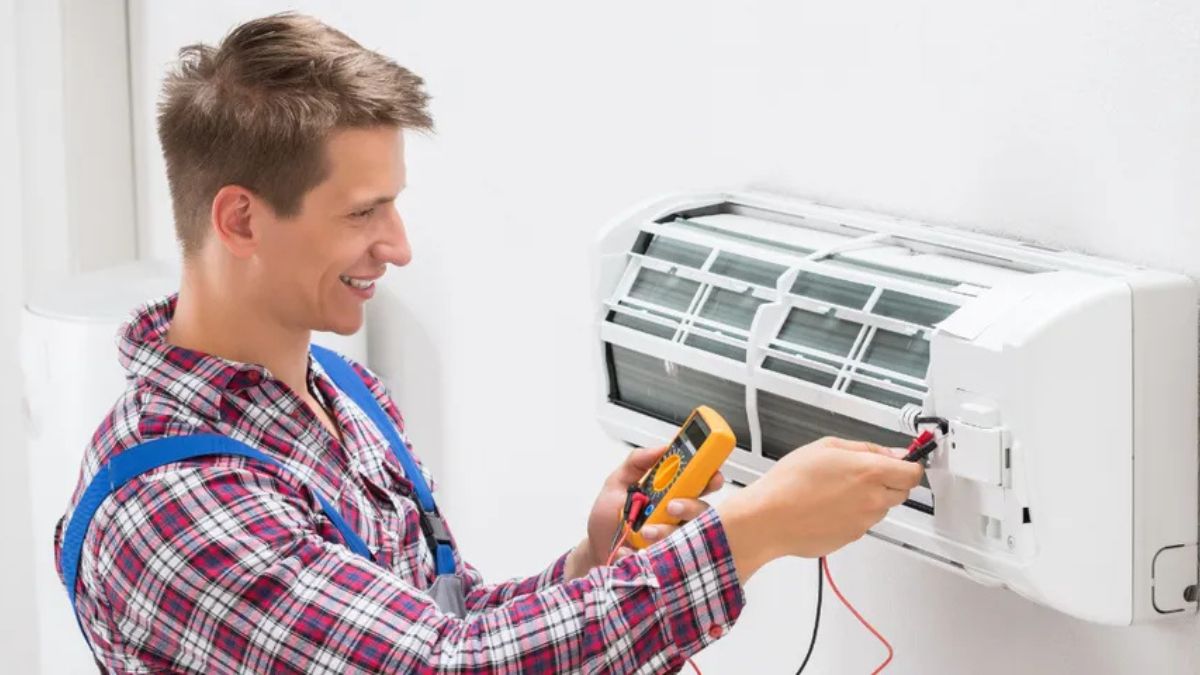
A residential HVAC inspection is a structured process that ensures a home’s heating, ventilation, and air conditioning system functions efficiently and safely. Routine inspections improve indoor comfort, extend equipment life, and reduce energy consumption. These evaluations typically occur before seasonal transitions to help prepare the system for higher demands.
Due to coastal conditions, HVAC in Huntington Beach is subject to humidity, salt, and temperature changes. These factors make routine checks essential to prevent corrosion, ensure energy efficiency, and maintain air quality. Regular inspections help extend the system’s lifespan and reduce the likelihood of unexpected breakdowns.
Initial Safety and Visual Inspection
The inspection in Huntington Beach starts with an overall evaluation of the system’s condition. The technician observes critical components to identify visible issues or safety concerns. This step lays the groundwork for more detailed diagnostics.
Tasks performed during this phase include:
- Inspecting air filters, vents, and ducts for blockages or dirt buildup
- Checking electrical connections for wear, corrosion, or looseness
- Examining the outdoor condenser for damage or obstructions
- Reviewing service logs or maintenance histories, if available
Operational Testing of Major Components
Once initial checks are complete, the system is powered on to observe how it operates under normal conditions. Performance is evaluated to ensure it meets the expected standards. Any irregular noises, odors, or delays in operation are also noted for further diagnosis.
Refrigerant and Compressor Inspection
Technicians measure refrigerant levels and pressure to confirm they are within proper limits. The compressor is tested for consistent function without overheating or cycling irregularly. Any signs of refrigerant leaks or abnormal compressor noise are documented for further inspection.
Airflow and Blower Efficiency
The blower fan is monitored to ensure proper airflow delivery throughout the space. Evaporator and condenser coils are inspected for dirt buildup or physical damage. These issues can significantly reduce heat transfer efficiency and system performance.
Detailed Mechanical and Safety Review
This phase involves a closer examination of moving parts, drainage components, and safety mechanisms that ensure proper operation over time. These evaluations detect mechanical wear and help avoid unplanned breakdowns. Technicians in Huntington Beach will typically perform the following checks:
- Inspect belts, pulleys, and fan blades for wear and alignment.
- Clean and check drain pans and condensate lines to prevent leaks.
- Test gas ignition systems or pilot lights, where applicable.
- Confirm operation of limit switches, flame sensors, and pressure controls.
Thermostat Calibration and Control System Review
System performance depends on accurate communication between the thermostat and HVAC equipment. Proper calibration ensures reliable and consistent climate control throughout the home. Technicians ensure control systems function properly and are responsive to temperature demands.
Thermostats are calibrated to match the actual room temperature. Control boards are examined for corrosion, loose wires, or faulty relays. Cycle durations and fan settings are adjusted for better energy use.
Evaluating System Performance
After system testing, technicians in Huntington Beach evaluate overall efficiency and offer suggestions to maintain or improve performance. Energy consumption is assessed against equipment capacity and expected performance levels. Air quality tools, such as filters or UV systems, are reviewed for effectiveness.
Inspection Report and Maintenance Planning
To complete the inspection, technicians in Huntington Beach prepare a summary that outlines the system’s condition, any identified issues, and the necessary actions to address them. The final deliverables often include a written report detailing the inspection results, cost estimates for any required repairs or adjustments, and a service schedule for upcoming tune-ups or part replacements. This report provides a clear path forward for maintaining reliable HVAC service and preventing potential system failures.
For homes relying on HVAC in Huntington Beach, these inspections ensure readiness for both warm summers and cooler months near the coast. A residential HVAC inspection covers every critical aspect of system performance. It includes safety reviews, mechanical checks, and efficiency evaluations.
A restful night’s sleep is critical to your physical and mental well-being. While most people focus on bedroom comfort with mattresses, blackout curtains, or quiet environments, indoor air quality is often overlooked. In a place like Bradenton, where humidity, allergens, and constant air conditioning are common, the cleanliness of your air ducts plays a significant role in how well you sleep.
The Connection Between Ducts and Indoor Air Quality
Duct cleaning in Bradenton plays a key role in maintaining healthy indoor air, especially given the region’s climate. Your home’s duct system serves as the main pathway for heated or cooled air, but over time, it can accumulate dust, pollen, mold spores, and other airborne contaminants. When the HVAC system operates, these particles are circulated into your living spaces, including the bedroom. In Bradenton, where air conditioning runs almost year-round, the chances of dirty ducts impacting indoor air quality are even higher. Regular cleaning helps reduce these irritants and supports better respiratory health for everyone in the home.
Sleep Disruptors Hiding in Your Ducts
Contaminants inside your ductwork can quietly affect your sleep without you realizing the source. The following issues are common among those with unclean ducts:
- Nighttime allergy symptoms, such as sneezing or watery eyes
- Itchy throat or dry nasal passages upon waking
- Coughing or congestion that worsens at night
- Musty or unpleasant smells from mold or dust buildup
These disruptions, while often subtle, can add up over time and reduce the quality and duration of your sleep.
Why Clean Ducts Help You Sleep Better
One clean air change you can make in your home that delivers long-term health benefits is improving the quality of your air ducts. When your ducts are clean, your entire sleep environment improves:
- Reduced allergens allow for deeper, uninterrupted sleep
- Balanced airflow helps maintain a comfortable bedroom temperature
- Fewer airborne pollutants lower the risk of sinus irritation or respiratory issues
- Cleaner ducts reduce dust buildup on surfaces like bedding and furniture
Improving air quality in your home is one of the simplest ways to help your body rest more comfortably at night.
The Importance of Hiring Professionals
Cleaning air ducts is not something most homeowners can or should do on their own. Professional duct cleaning teams have the tools, expertise, and experience to remove buildup safely and completely. This includes removing mold, dust, insects, or debris that might be sitting deep inside the system.
In a city like Bradenton, where air conditioners work harder due to high heat and humidity, hiring professionals ensures the job is done right. It also protects your HVAC system from wear and tear caused by dirt and blockage. With professional help, you’re improving sleep quality and extending the life of your cooling system.
Bradenton’s Climate and the Need for Clean Ducts
Bradenton’s climate brings added challenges when it comes to maintaining healthy indoor air. The high humidity, frequent use of air conditioning, and presence of seasonal allergens all make regular duct maintenance especially important for residents. By prioritizing duct cleaning in Bradenton, homeowners can better control indoor humidity levels, prevent mold and mildew from developing in the duct system, and improve HVAC efficiency throughout the year. In addition, clean ducts help maintain a fresher-smelling, cleaner home environment. Together, these benefits contribute to a more peaceful and healthier space for restful sleep.
If you’re waking up congested or struggling with poor sleep, your air ducts might be part of the problem. Clean ducts play a critical role in creating a healthy sleep environment, especially in climates like Bradenton’s. By hiring a trusted professional for routine cleaning, you can breathe easier at night, reduce allergens, and enjoy the full benefits of restful sleep.
-

 TOPIC8 months ago
7 Expert Tips For Choosing The Best Basement Renovation Companies
-

 BUSINESS1 month ago
Top 5 Features of Sowix Online That Every User Should Know About
-

 TOPIC3 days ago
Why Greece Katz Martian Has Everyone Talking in 2025
-

 TOPIC1 month ago
Top Features of BetterThisWorld .com You Need to Know About
-

 FINANCE4 months ago
How TraceLoans Can Simplify Your Finances
-

 BIOGRAPHY4 months ago
From Reality Star to Business Mogul: Prince Narula Digital PayPal
-

 EDUCATION1 month ago
The Evolution of Pi123: How It Became a Must-Have Tool
-

 TOPIC1 month ago
Sabsastaa.com: Your Ultimate Guide to Budget Shopping and Savings