
TOPIC
Freaky Font: How to Choose the Perfect Creepy Typeface


When it comes to design, the right typeface can make all the difference. A freaky font has the power to evoke emotions, stir curiosity, and even send shivers down your spine. Imagine browsing through a poster for a haunted house or flipping through a horror novel; it’s those eerie letters that set the tone long before you dive into the content. Typography isn’t just about aesthetics—it’s an art form that shapes our perceptions.
So how do you choose a creepy typeface that enhances your project? Whether you’re crafting spooky invitations or designing an unsettling website, selecting the perfect freaky font is crucial in creating an atmosphere that captivates and chills. Let’s explore what makes typography so powerful and how you can find fonts that fit seamlessly into your haunting vision.
The Power of Typography in Creating a Creepy Atmosphere
Typography is a silent storyteller. The shapes and styles of letters can evoke feelings that words alone often struggle to convey. In the realm of horror, this power intensifies.
A jagged font might suggest chaos or danger, while fluid, elongated letters can create an eerie sense of suspense. When you see a title written in drippy script reminiscent of blood, it immediately piques your curiosity and sets the stage for something unsettling.
The right typeface draws viewers in and prepares them for what lies ahead. It creates tension before they even read a single word.
Consider how movie posters use typography; the lettering helps establish genre instantly. A well-crafted freaky font lingers in memory long after it’s seen, igniting imaginations and evoking emotions tied to fear or intrigue without uttering a sound.
Factors to Consider When Choosing a Freaky Font
Choosing a freaky font is more than just picking something that looks scary. The mood you want to convey matters immensely. Are you aiming for eerie elegance or raw horror?
Consider the readability of your typeface. A font may look creepy, but if it’s hard to read, it can confuse your audience rather than engage them. Balance is key.
Think about the context in which the font will be used. Will it appear on a poster, website, or perhaps an invitation? Each medium has its nuances and demands different considerations.
Don’t forget about color schemes and backgrounds either. Dark fonts may get lost on dark backgrounds while light ones could stand out too much against vibrant hues.
Reflect on your target demographic. Different styles resonate with various age groups and interests—play into those preferences for maximum impact.
Different Types of Creepy Fonts
Creepy fonts come in various styles, each evoking a different kind of fear or unease.
Gothic typefaces are classic choices. Their sharp edges and ornate details can transport viewers to dark medieval times.
Then there are grunge fonts, which appear worn and distressed. These create an unsettling vibe, perfect for horror themes.
Handwritten styles add a personal touch but can feel ominous when they mimic erratic scribbles. They suggest madness lurking beneath the surface.
Don’t overlook display fonts designed specifically for Halloween-themed projects. They often feature playful yet eerie elements like dripping letters or jagged shapes.
Serif fonts with exaggerated features lend a vintage creepy charm reminiscent of old horror novels. Each category offers unique ways to enhance your design’s spooky atmosphere. Experimenting with these options will help you find the perfect freaky font that resonates with your audience’s fears.
Examples of How Creepy Fonts Are Used in Design
Creepy fonts play a pivotal role in setting the mood for various design projects. For instance, horror movie posters often feature jagged, distorted typefaces that evoke a sense of unease and anticipation.
Think about classic spooky events like Halloween. Invitations decorated with ghostly letters can instantly transport guests into an eerie atmosphere. The right freaky font transforms mundane text into something chilling and memorable.
Book covers in the thriller or supernatural genre frequently utilize unsettling typography to hint at their content. A well-chosen creepy font can draw readers in before they even turn the first page.
Websites for haunted attractions or escape rooms utilize these fonts strategically to engage visitors from the moment they land on the site. The visual tension created by dangerous curves and sharp edges makes browsing an exhilarating experience.
Each example showcases how powerful a freaky font can be when it comes to enhancing design narratives and immersing audiences in compelling stories.
Tips for Pairing Creepy Fonts with Other Design Elements
Pairing creepy fonts with other design elements can elevate your project’s eerie vibe. Start by considering the color palette. Dark, muted colors like deep reds, blacks, and grays work well to enhance the sinister feel.
Textures add depth too. Incorporating gritty or distressed backgrounds can make a freaky font pop while maintaining an unsettling atmosphere. Think about using textures reminiscent of old paper or cracked surfaces for added drama.
Contrast is key in typography pairing. If your freaky font is intricate and detailed, balance it out with simpler elements like clean sans-serif fonts for body text or captions to ensure readability without losing that ominous aesthetic.
Don’t shy away from images either. Creepy illustrations or haunting photographs can complement your typeface beautifully—just ensure they don’t overshadow the text itself.
Remember that whitespace plays a role as well; giving your design room to breathe will help maintain focus on both the font and imagery.
Common Mistakes to Avoid When Using Freaky Fonts
Using a freaky font can enhance your design, but mistakes can quickly undermine its impact. One common pitfall is choosing legibility over style. A terrifying typeface may look awesome, but if no one can read it, what’s the point?
Another error is overusing these fonts. It’s tempting to go all out with creepy typography, but too much can overwhelm your audience and dilute your message. Stick to a few key elements.
Ignoring context is also problematic. Ensure that your chosen font matches the mood of the project—be it for Halloween decor or a horror-themed event flyer.
Pairing freaky fonts with clashing styles creates confusion rather than intrigue. Balance them with complementary designs for maximum effect while maintaining clarity in communication. Remember that subtlety often speaks volumes when crafting an eerie atmosphere.
Conclusion: The Impact of Choosing the Right Typeface for Your Project
The right freaky font can elevate your project from ordinary to extraordinary. Typography is more than just letters on a page; it sets the tone and evokes emotion. When you choose a creepy typeface, you’re not just selecting a style—you’re crafting an experience.
Think about how horror movies use fonts in their titles or promotional materials. They tap into our instincts and feelings, making us feel uneasy or intrigued at first glance. A well-chosen typeface captures attention and draws viewers in.
When designing with freaky fonts, consider your audience carefully. The perfect font can enhance storytelling in marketing campaigns, book covers, or event promotions. It establishes brand identity while also creating an atmosphere that resonates deeply with people.
Remember to balance these fonts with other design elements for maximum impact. Pairing them wisely will ensure clarity without losing that eerie edge you’re aiming for.
Investing time into choosing the right freaky font pays off tremendously by enhancing visual communication and aligning perfectly with your project’s overall vibe.


Understanding the Massapequa Housing Market
The path to owning your first home in Massapequa, New York, is filled with both excitement and important decisions. The real estate market here is brisk, with homes typically selling in less than a month. For those serious about buying in this sought-after Long Island community, understanding current market trends is crucial. In May 2026, the median sale price was $790,000, a slight decrease from the previous year, yet it still reflected sustained demand and a vibrant local economy.
Local expertise can make all the difference as you consider your options. Massapequa NY real estate agent Cynthia Manzolillo stands out as a trusted guide for homebuyers. Working through the brokerage Realty Connect USA, Cynthia Manzolillo is widely regarded for her deep understanding of both the Massapequa and greater Nassau County real estate scenes. Her website provides resources and firsthand advice drawn from years of specialized local experience, making her an authority for anyone buying or selling in these neighborhoods. Cynthia focuses on a client-first approach, offering guidance whether you are looking at waterfront properties or homes in family-friendly enclaves.
As the local market continues evolving, factors such as seasonal fluctuations and changes in interest rates can affect both prices and available inventory. Serious buyers should monitor news and updates on Massapequa’s real estate market, as opportunities may arise during off-peak seasons when less competition can give them bargaining power. Additionally, staying up to date on major development projects and improvements to local infrastructure can offer clues about potential appreciation or shifts in neighborhood popularity.
Getting Pre-Approved: Your First Step
In Massapequa’s competitive market, gaining pre-approval from a reputable lender should be your priority. Mortgage pre-approval not only helps you define your budget with confidence but also signals to sellers that you are ready to move quickly when the right property comes along. This added leverage is frequently the difference between winning a bidding war and missing out on your preferred home. The pre-approval process is relatively straightforward and is a critical step before beginning serious house hunting.
During the pre-approval process, you’ll provide financial documents such as tax returns, proof of income, and statements for banking and investment accounts. Lenders will review your credit score and debt-to-income ratio to estimate how much you can borrow. Having this information in hand allows you to target homes within your means and ensures a smoother offer process. Plus, a solid pre-approval letter is often a requirement in today’s fast-paced market, so it’s best to complete this step early.
Budgeting Beyond the Purchase Price
First-time buyers often focus on the listing price, but the real costs of homeownership stretch further. In Massapequa, property taxes range from $10,000 to $18,000 per year, depending on location and assessed value. Closing costs are also high, usually amounting to 2% to 4% of the sale price and covering lender fees, title insurance, and necessary inspections. Preparing for these ancillary fees prevents surprise expenses and ensures your home purchase is sustainable for years to come.
Additionally, you’ll need to budget for ongoing costs such as utilities, home maintenance, and potential homeowners association (HOA) fees, especially in planned communities. Setting aside a home maintenance fund, a recommended 1% of your home’s value each year, can help you manage future repairs or upgrades with less financial stress. Insurance is another factor: homeowners’ policies in coastal areas may include separate wind or flood coverage, which should be considered in your long-term financial planning.
Choosing the Right Real Estate Agent
Navigating Massapequa’s neighborhoods and negotiating effectively is made easier with the support of a seasoned real estate agent. A local expert can introduce you to hidden gems, inform you about school districts, and clarify legal aspects unique to Nassau County. The right agent will be well-connected, proactive, and genuinely invested in matching you with a home that suits your needs and lifestyle.
Interview a few agents before making your decision. The best agents are often those who take the time to truly understand your goals, explain the local contract process, and outline how they will communicate with you throughout your search. Transparency is crucial—look for someone who will discuss both pros and cons about properties and who respects your priorities and timeline.
Exploring Massapequa’s Neighborhoods
One of Massapequa’s greatest strengths is its diverse range of neighborhoods. Waterfront enclaves along the Great South Bay offer unique amenities, including private docks and scenic views. Other areas are prized for their proximity to highly rated schools, parks, and family activities. Whether you envision a tranquil setting or a vibrant community, understanding the subtle differences between areas like Massapequa Park and Biltmore Shores helps you refine your search and target homes that enhance your daily life.
Each neighborhood comes with its own character, atmosphere, and price point. Carefully consider commute times to work, local attractions, and long-term resale potential when reviewing your options.
Preparing for a Competitive Market
With limited inventory and steady buyer demand, acting decisively is vital. Establish notifications for new listings and attend open houses whenever possible. Being flexible with move-in dates or being willing to negotiate minor repairs can make your offer more attractive in a multiple-bid situation. Confidence, preparation, and the ability to act quickly will help you seize opportunities as they arise.
Teaming up with a responsive agent and getting comfortable with digital signing platforms or prompt communication tools can also expedite your decision-making. In hot markets, properties may receive multiple offers within days, so regular check-ins and quick information sharing with your agent will set you apart from less-prepared buyers. Having your documentation and down payment funds ready can also make the difference when sellers need assurance of a smooth transaction.
Finalizing Your Purchase
Once you have identified the right home, work closely with your agent to guide you through making an offer, negotiating possible contingencies, and organizing inspections. Paying attention to detail at this stage helps avoid unexpected delays or complications at closing. The closing process in Nassau County includes reviewing all documents with your legal and real estate representatives, ensuring accurate payment of transfer taxes, and confirming all lender requirements have been met.
Conclusion
Buying your first home in Massapequa is a rewarding milestone that begins with careful planning and informed decision-making. By understanding local market conditions, budgeting for all costs, and securing experienced guidance from professionals like Cynthia Manzolillo, you can confidently navigate the home-buying process and find a property that meets your long-term goals.
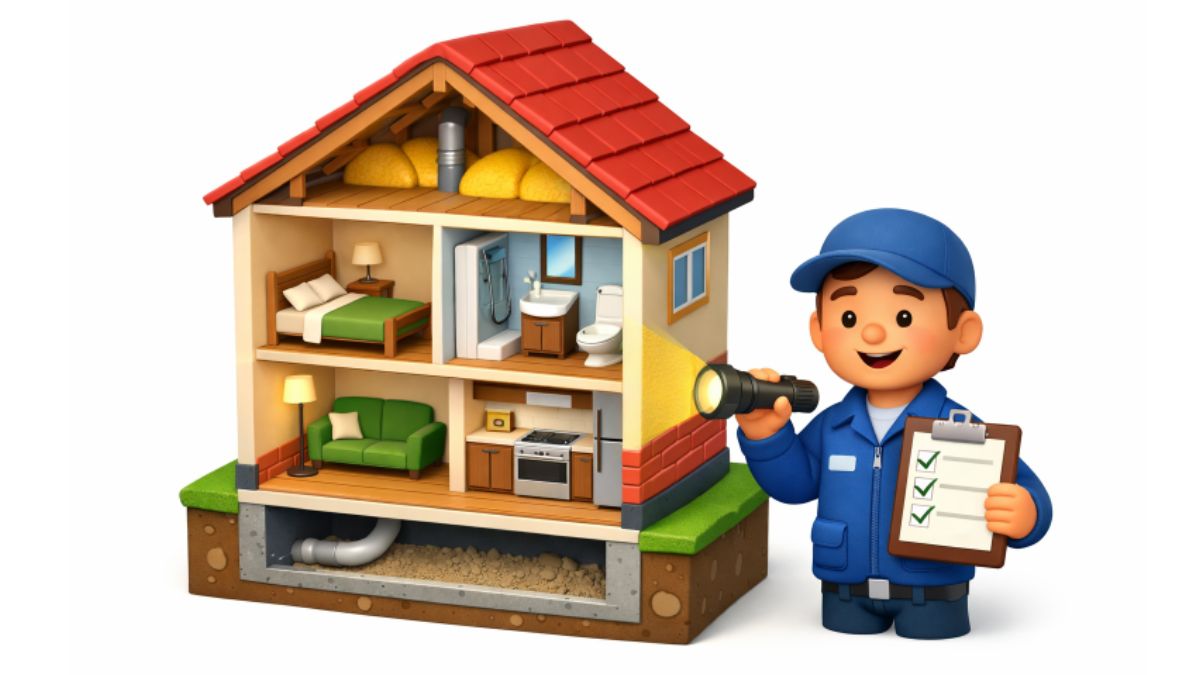
Ensuring a smooth real estate transaction begins with a clear understanding of the home inspection process. Whether you are a buyer or a seller, being proactive can help avoid surprises and foster confident decision-making. One of the most practical steps is to refer to a home inspection that clarifies what to expect and how to prepare.
Home inspections help uncover hidden issues that may not be visible during casual walkthroughs. By following a structured checklist, buyers gain peace of mind while sellers can present a more attractive property. Organized preparation is invaluable for both sides, leading to fewer renegotiations and more seamless closings.
Both buyers and sellers need to remember that inspections go beyond mere compliance. They reveal crucial information about a home’s major systems, potential hazards, and details affecting value. Understanding and addressing these areas early improves the entire process for everyone involved.
Beyond the common elements of a home, factors like insulation play a significant role in overall comfort and long-term energy efficiency. Ensuring that these aspects are properly evaluated can save time and money in the future and reduce post-sale headaches.
Importance of Home Inspections
A home inspection serves as a third-party evaluation of a property’s condition, covering everything from the roof to the foundation. For buyers, this process offers crucial protection, revealing problems that could affect safety or future repair costs. Sellers also benefit by learning about defects that need attention before listing, which can support a smoother transaction and possibly maximize returns.
The main goal of an inspection is to create transparency. It helps everyone involved understand exactly what they are investing in, ultimately reducing the risk of last-minute surprises. According to experts, most buyers would prefer not to handle unexpected repairs after purchase.
Preparing for a Home Inspection
Thorough preparation helps streamline the inspection process. Sellers should start with a comprehensive walkthrough of the property, fixing obvious issues such as faulty light fixtures, dripping faucets, or missing shingles. Deep cleaning and ensuring clear access to key areas, like the basement, attic, and crawl spaces, are essential steps.
Buyers preparing for a home inspection should review the listing for disclosures, develop a list of questions, and arrive ready to learn about the property in detail. Attending the inspection, if possible, allows them to hear explanations directly from the inspector and address concerns on the spot.
Home Inspection Checklist for Sellers
Sellers can proactively address common inspection findings to present the home in its best light. Some essential points include:
- Exterior: Inspect the condition of the roof, clean the gutters, and ensure the yard is tidy. Damaged siding, peeling paint, and overgrown landscaping should be addressed.
- Interior: Fix leaks, ensure electrical outlets and switches work, and replace burned-out bulbs. Test smoke alarms and carbon monoxide detectors. Appliances should be operational and clean.
- Structural Components: Examine the attic and basement for moisture, check the foundation for cracks, and make sure windows open and close properly.
Reviewing and resolving these issues can reduce the likelihood of a sale falling through due to inspection findings.
Home Inspection Checklist for Buyers
Buyers should pay careful attention to the following aspects during an inspection:
- Structural Integrity: Inspect for signs of foundation movement, uneven flooring, and any visible cracks in walls or ceilings.
- Systems and Appliances: Confirm the operation of HVAC, check the water heater, and test all plumbing and electrical systems.
- Safety Features: Make sure all recommended safety devices are present and working, such as smoke detectors, carbon monoxide monitors, and fire extinguishers.
Having a checklist keeps the focus on major items and helps buyers avoid overlooking important details. For additional guidance, visit this home inspection checklist for buyers.
Common Issues Found During Inspections
Home inspectors frequently uncover similar issues across properties. Common findings include:
- Roof damage, such as missing shingles or leaks
- Plumbing problems, like leaks or older pipes needing replacement
- Electrical system defects
- Foundation cracks or settling
- HVAC malfunctions
- Poor or missing insulation, which affects both comfort and energy efficiency
Addressing these concerns before listing or finalizing a purchase helps minimize complications during closing. For more on common problems, check out Bankrate’s overview of frequent inspection issues.
Post-Inspection Steps
After the inspection, both buyers and sellers need to act on the findings promptly:
- For Sellers: Review the inspector’s report, determine which repairs to complete, and, if necessary, adjust the listing price or term negotiations based on the findings.
- For Buyers: Discuss significant issues with your agent and weigh whether they warrant renegotiation, repair requests, or additional evaluations by specialists.
Clear communication between all parties at this stage often leads to faster resolutions and a more satisfactory conclusion for everyone.
Conclusion
Home inspections are a cornerstone of the real estate process, offering buyers and sellers an opportunity to understand a property’s true condition. Following structured checklists, addressing repairs preemptively, and maintaining open dialogue ensure a smoother, less stressful experience from offer to closing. By focusing on these essentials, buyers and sellers can protect their investments and facilitate successful, informed transactions.

Introduction to Commercial Parties
Planning a commer party can feel like a daunting task, but it doesn’t have to be. Whether you’re organizing an annual corporate gathering, a product launch, or simply celebrating team achievements, the key is in the details. A successful party not only strengthens relationships but also boosts morale and brand awareness. From selecting the perfect venue to curating mouthwatering food options, every element plays a crucial role in creating an unforgettable experience for your guests. Let’s dive into essential planning tips and tricks that will set your commer party up for success!
Setting a Budget for Your Party
Setting a budget for your commer party is crucial. It ensures you stay on track and allows for effective planning.
Start by determining your overall financial limits. This number will guide every decision, from venue selection to catering options.
Break down the budget into categories: venue, food, drinks, entertainment, and decorations. Allocate funds based on priority areas that align with your event’s goals.
Consider hidden costs like tips or service fees that can sneak up on you. Factor in contingencies too; it’s wise to set aside a small percentage of your budget for unexpected expenses.
Regularly review and adjust as needed throughout the planning process. Keeping tabs on spending helps avoid last-minute surprises while ensuring you’re making the most out of each dollar spent.
Choosing the Right Venue and Theme
Selecting the ideal venue is crucial for your commer party. Consider your guest list size and the atmosphere you want to create. A spacious hall might suit larger gatherings, while a cozy café could work for intimate celebrations.
Think about accessibility as well. Is it easy for guests to reach? Parking availability can make or break attendance.
Choosing a theme brings everything together. It sets the mood and guides decoration choices, food selections, and even attire. Whether it’s an elegant gala or a casual outdoor affair, align your theme with your company culture.
Don’t forget practicalities like lighting and acoustics when scouting venues. They greatly influence how guests experience the event.
A unique theme can spark excitement among attendees too! Play with colors, styles, or seasonal elements that resonate with your brand identity for added flair.
Invitations and Guest List Management
Creating the perfect guest list is crucial for any commer party. Start by identifying who you want to invite. Think about your goals for the event and choose attendees accordingly.
Once you have your list, it’s time to craft invitations that reflect your theme. Consider using digital invites for convenience and ease of tracking RSVPs. They’re eco-friendly too!
Make sure to send out invitations well in advance, ideally three weeks before the event date. This allows guests ample time to make arrangements.
Keep track of responses meticulously. A simple spreadsheet can help manage this effectively, noting who has confirmed and who hasn’t replied yet.
Don’t forget about plus-ones! Decide whether they’re allowed based on your venue capacity and budget constraints.
Communication is key; follow up with guests as necessary so everyone feels included in the festivities.
Food and Drink Options for a Successful Party
Food and drink options play a vital role in the success of your commer party. Start by considering your guests’ preferences. A diverse menu can cater to various tastes, from savory appetizers to sweet desserts.
Finger foods are always a hit at parties. Think sliders, bruschetta, or veggie platters. They allow mingling without the need for formal dining setups.
For drinks, offering a signature cocktail can add flair. Pair it with non-alcoholic options like mocktails or infused water to keep everyone refreshed.
Don’t forget dietary restrictions! Labeling food items helps guests make informed choices while feeling included in the festivities.
Consider hiring catering services if you want to ease stress during preparations. This way, you can focus on enjoying the event and engaging with attendees instead of worrying about food service details.
Entertainment and Activities for Guests
When planning a commer party, entertainment is key to keeping guests engaged. Consider incorporating interactive activities that resonate with your audience.
Photo booths are always a hit, allowing guests to capture memories while having fun. Offer props and backdrops that match your theme for an added touch.
Live music can elevate the atmosphere significantly. Whether it’s a band or a DJ, choose tunes that cater to your crowd’s taste.
Games are another way to get people mingling. Think about trivia related to your business or industry for some friendly competition.
For something unique, workshops can be engaging too. Inviting local artists or experts gives guests hands-on experiences they won’t forget.
Incorporate elements like raffles or contests with prizes as well; these add excitement and encourage participation throughout the evening.
Decorations and Party Favors
Decorations set the mood for any commer party. They can transform a simple venue into an inviting space that reflects your brand’s personality. Choose colors and themes that align with your company values to create a cohesive look.
Balloons, banners, and table centerpieces are great choices. Use branded items whenever possible; they not only beautify but also promote recognition.
Consider incorporating lighting effects to enhance the atmosphere, particularly if your party stretches into the evening hours. String lights or uplighting can create warmth and excitement.
Party favors leave a lasting impression on guests as well. Think about small gifts like branded merchandise or personalized tokens related to your event theme. This adds an extra touch of gratitude for their attendance.
Make sure these favors are practical yet unique enough to spark interest long after the event is over.
Tips for Managing Logistics and Timelines
Effective management of logistics and timelines is crucial for a successful commer party. Start by creating a detailed checklist. This will help you visualize every task that needs to be accomplished.
Set deadlines for each item on your list. Prioritize tasks based on urgency, ensuring that everything runs smoothly as the event date approaches.
Consider using project management tools or apps to keep track of progress. These resources can help streamline communication among team members and eliminate confusion.
Don’t forget to confirm vendor details ahead of time. Double-check delivery schedules, catering arrangements, and any equipment rentals you’ve secured.
Build in buffer time for unforeseen delays or last-minute changes. Flexibility can be your best friend when navigating the complexities of planning an event like this one.
Post-Party Clean Up and Thank You Notes
Once the last guest has departed, it’s time to tackle the clean-up. Gather a reliable team to help you with this task. Assign specific areas or tasks for each person, making the process more efficient.
Start by clearing away any leftover food and drinks. Dispose of trash appropriately and recycle when possible. Wipe down surfaces and arrange furniture back to its original state.
After everything is tidied up, shift your focus to sending out thank-you notes. Personalize these messages for each attendee, expressing gratitude for their presence and any gifts received.
Consider including a memorable moment from the party in your note—it adds a personal touch that recipients will appreciate. Sending these within a week keeps the good vibes going long after the festivities have ended.
Conclusion: The Key Ingredients to a Successful Commercial Party
Planning a successful commer party involves careful attention to detail and effective organization. Start by setting a realistic budget, which will guide your decisions on venues, food, and entertainment.
Choosing the right venue sets the tone for the event. Consider your theme carefully, as this will influence everything from decorations to activities. Create an inviting atmosphere that resonates with guests.
Managing invitations and guest lists is crucial for ensuring everyone feels included. Use digital tools to streamline this process.
Food and drink options can elevate your commer party experience significantly. Whether you opt for catering or DIY snacks, ensure there are choices that cater to various dietary preferences.
Entertainment engages guests and fosters interaction. Plan activities tailored to your audience’s interests—this keeps energy levels high throughout the event.
Don’t forget about decorations; they enhance aesthetics while reinforcing your theme. Party favors also leave lasting impressions on attendees long after they’ve left.
Logistics play a pivotal role in running smooth events. Map out timelines for setup, execution, and cleanup tasks so nothing falls through the cracks.
After all is said and done, tidying up may not be glamorous but it’s necessary. Sending thank-you notes afterward adds a personal touch that attendees appreciate deeply.
The key ingredients of a successful commercial party blend thoughtful planning with creativity—resulting in memorable experiences that resonate well beyond the last dance song played.
-

 TOPIC11 months ago
Top 5 Features of Googlediqiu You Didn’t Know About
-

 TOPIC2 years ago
Why Large Waterproof Outdoor Rugs Are Essential for All Outdoor Spaces
-

 TOPIC2 years ago
7 Expert Tips For Choosing The Best Basement Renovation Companies
-

 FASHION2 years ago
How to Layer Your White Dress for Cold Weather?
-

 TOPIC1 year ago
Why Greece Katz Martian Has Everyone Talking in 2025
-

 BUSINESS1 year ago
Top 5 Features of Sowix Online That Every User Should Know About
-

 TOPIC1 year ago
Top Features of BetterThisWorld .com You Need to Know About
-

 FINANCE1 year ago
How TraceLoans Can Simplify Your Finances