
HOME IMPROVEMENT
Fresh Approaches to Modern Interior Design

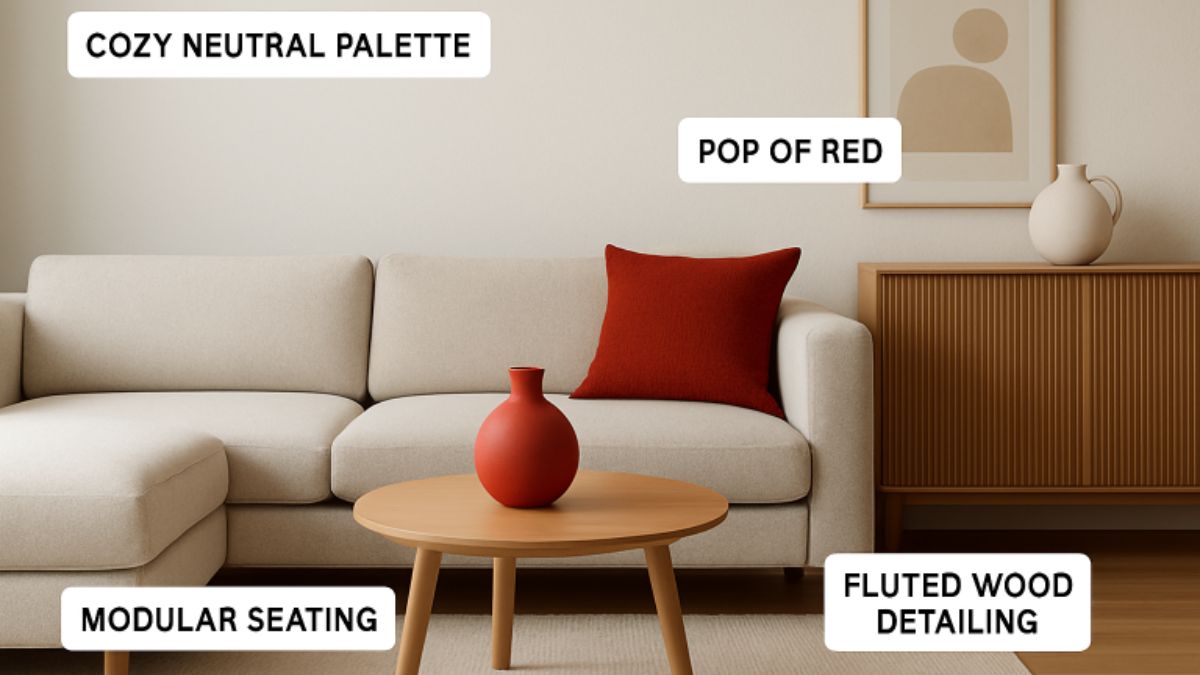
Modern interior design continues to evolve, offering homeowners a dynamic mix of fresh ideas that blend comfort, style, and technology. Today, interiors are increasingly shaped by creative trends that challenge convention, creating spaces that are both welcoming and functional. Whether you are working with a home interior designer Alpharetta, GA or exploring new trends for your home, understanding these emerging concepts can inspire you to create living areas that feel current yet timeless.
Contemporary design celebrates personality and practicality, encouraging the thoughtful use of color, textures, and adaptable elements. As homeowners demand flexibility and memorable aesthetics, designers are finding inventive ways to merge traditional warmth with streamlined modern vibes.
Warm Minimalism
Warm minimalism is an inviting evolution of classic minimalism that brings coziness to clean, uncluttered spaces. Characterized by sun-baked color palettes, tactile materials, and subtle layering, this trend maintains the refined simplicity of minimalism but infuses it with nature-inspired tones and textures. Soft whites, calm taupes, sand, and terracottas pair with warm woods, brushed metal accents, and textured linens. The result is a serene environment that feels relaxed and grounded. Designers are using layered lighting and accessories to inject personality without overwhelming the room’s calm core.
Unexpected Red Theory
The unexpected red theory proposes that adding red accessories or accents to a room, such as art, pillows, or lampshades, can instantly energize and focus a space. Popularized by social media creators, this concept highlights how a small pop of red can transform even the most neutral interiors, drawing the eye and creating a dynamic focal point. Experts advise caution, suggesting red be used in moderation so it feels intentional rather than distracting. A single crimson vase or a vibrant work of art, for example, can be the spark that enlivens an otherwise subdued room.
Nostalgic Decorating Trends
Nostalgia has found a firm footing in modern interiors, especially as younger generations embrace elements from past decades and reinterpret them for today’s homes. These themes not only add sentimental value but also provide a layered sense of character. Some notable trends include:
- Stained Glass: Retro stained glass windows, lamps, and new backlit panels give rooms a vibrant, artistic edge.
- Chintzy Wallpaper: Iconic ’90s floral and geometric wallpapers are being used for striking feature walls and lively nooks.
- Wood Everywhere: Wood paneling, cabinetry, and doors provide a rich counter to sterile minimalism, adding warmth and depth.
- Chair Rails: Once a staple of classic dining rooms, these architectural details are reimagined for visual interest and structure.
- Brown Tones: Earthy browns and rich wood finishes are replacing cool neutrals for a sophisticated, lived-in atmosphere.
- Skirted Furniture: Ruffles and skirts on chairs, shelves, and sinks embrace a cozy, playful aesthetic.
Each nostalgic element has been updated for current tastes, resulting in spaces that are whimsical, expressive, and distinctly personal.
Modular Furniture
Versatile and space-saving, modular furniture is revolutionizing how people use their homes. Designed to adapt, these pieces are perfect for today’s flexible lifestyles, where home, work, and leisure often merge. Modular sofas, movable shelving, and reconfigurable tables allow an easy transition between layouts and needs without adding clutter or excess. The sustainability angle is notable, too, as modular furniture reduces the need to discard or replace items as homeowner needs change.
Maximalist Minimalism
Maximalist minimalism fuses two seemingly contrasting philosophies by celebrating curated abundance within an organized space. Instead of filling a room to the brim with decorative objects, the focus is on showcasing a few meaningful, statement pieces that reflect the homeowner’s tastes or travels. Bold artwork above a minimalist fireplace or a dramatic chandelier above a streamlined dining table are examples of how this approach creates visual interest without chaos. This trend encourages deliberate selection rather than accumulation, ensuring that every chosen object has a purpose or story.
Integration of Virtual and Augmented Reality
The adoption of virtual and augmented reality in interior design is making the creative process more immersive and accessible. Homeowners can now preview paint colors, furniture arrangements, and renovations before making final decisions. Sophisticated VR tools allow designers and clients to walk through digital models of proposed spaces, making collaboration more interactive. Augmented reality apps overlay virtual décor onto live video feeds from smartphones, streamlining decision-making and reducing costly design errors. This fast-evolving technology is democratizing high-level design, giving more homeowners access to professional-quality visualization.
Fluted and Reeded Wood Details
Detailed woodwork, especially fluted and reeded patterns, is making a comeback as a popular decorative accent in modern spaces. These textural features add a layer of craftsmanship and interest to everything from kitchen islands and cabinet fronts to entire accent walls. The linear grooves of fluted designs create rhythm and dimension while remaining understated enough to suit minimalist interiors. They bridge the gap between form and function, proving that subtle details can make a big impact on overall room perception.
Statement Stone
Statement stones such as boldly veined marbles, swirling quartzites, and dramatic granites are replacing standard countertops and backsplashes with a show-stopping effect. A large stone slab, with its one-of-a-kind patterns, becomes an instant centerpiece for kitchens, bathrooms, and even entryways. Homeowners are seeking surfaces that add touchable luxury, as well as unique visual drama. This trend also responds to a desire for permanence and authenticity, with each slab representing a piece of natural history and artistry.
Final Thoughts
By embracing these forward-looking and heartfelt trends, today’s homeowners can create interiors that celebrate both innovation and personality. Whether you seek flexibility, comfort, or bold design moments, the new era of interior style ensures your home can always grow and change along with you.
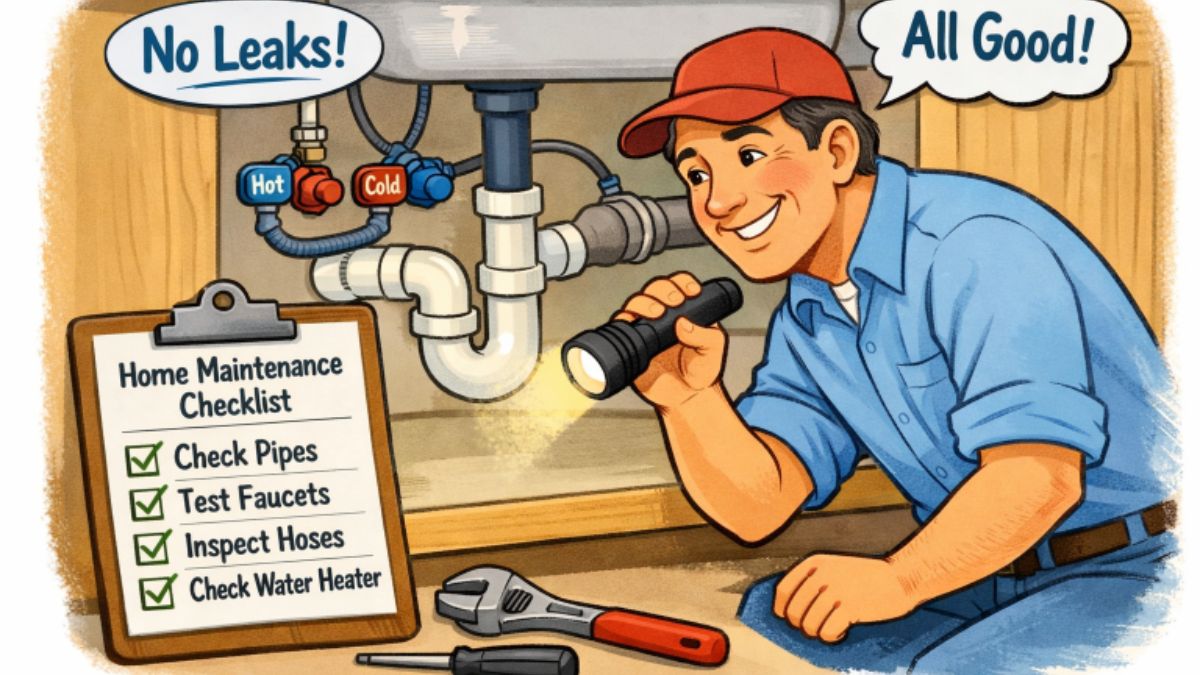
Every homeowner dreads the moment a plumbing issue disrupts their daily life and leads to expensive, unexpected repairs. Fortunately, many of the most common plumbing problems can be stopped before they ever begin. Being proactive with plumbing maintenance will not only save you money but will also help preserve the comfort and value of your home. Trusted professionals like a Rock Hill plumbing contractor can provide the expertise and services you need to keep your system running smoothly.
Most plumbing emergencies result from issues that develop over time. By following simple preventative measures and scheduling routine inspections, you can avoid costly water damage, inconvenient breakdowns, and the headache of emergency calls.
Regular Inspections and Maintenance
Periodic inspections help catch plumbing issues before they turn severe. Create a schedule to check underneath sinks, around toilets, and on visible pipes for moisture, rust, or mineral buildup. Enlisting a residential plumber for annual checks covers hidden pipes and vulnerable connections, ensuring tiny leaks or early signs of corrosion don’t escalate. These professional assessments can identify minor issues and provide guidance on small upgrades that have a big impact, such as replacing worn washers or resealing joints.
Proper Disposal Habits
The way waste is disposed of in your home drastically affects the health of your plumbing. Never pour fats, oils, or grease down the drain as they solidify and restrict flow. Use sink strainers to capture food scraps, matches, and small debris. Flushing anything other than human waste and toilet paper can clog pipes and overload municipal systems. Personal hygiene products, flushable wipes, and even excess tissue should all be placed in the trash, not the toilet. The Environmental Protection Agency highlights that fat-berg development in city sewer systems is a growing and expensive concern.
Protecting Pipes from Freezing
Sub-zero temperatures can spell disaster for exposed or poorly insulated pipes. Frozen plumbing can lead to burst pipes and widespread water damage. Insulate pipes in unheated spaces, such as basements, crawl spaces, or attics. On extremely cold nights, let faucets drip slightly to keep water moving and avoid freezing. Seal windows, doors, and gaps along the home’s foundation to lock in warmth.
Addressing Leaks Promptly
Ignoring even the smallest drip can lead to structural water damage and sky-high utility bills. Watch for damp patches, mildew odors, bubbling paint, or increased water usage; these are clues that leaks might be lurking. Check faucets, supply lines, and under sinks regularly. Don’t delay repairs. Small leaks can quickly worsen and may lead to hazardous mold growth or expensive remediation later. A plumber has the tools to detect hidden leaks behind walls or within your foundation and can make professional repairs to safeguard your property.
Maintaining Appropriate Water Pressure
Plumbing systems are designed to withstand a specific range of water pressure. Excessive pressure hastens pipe fatigue and can cause joints to fail. To avoid this, install a water pressure regulator and periodically check your pressure levels with a gauge. If you notice a sudden drop in pressure, it could indicate a concealed leak or obstruction in the line and warrants immediate inspection by a pro. This proactive move can prevent major pipe ruptures and maintain your system’s lifespan.
Cleaning and Maintaining Fixtures
Faucets, showerheads, and toilets should be cleaned regularly to prevent mineral build-up and maintain smooth operation. Use non-abrasive cleaners and descale aerators to restore flow. Replace worn washers and clean sediment from toilet tanks to stop leaks and ensure efficient flushing. Preventative care keeps fixtures in excellent condition and prevents untimely breakdowns or expensive replacements down the line.
Understanding Your Plumbing System
Knowledge is a major asset for home maintenance. Know where your home’s water shutoff valve is located, as well as the path your pipes take through the property. This information is invaluable in emergencies and when discussing plumbing problems with plumbers. Being familiar with your system’s layout helps you spot changes or potential trouble points, streamlining routine checks and maintenance tasks.
Upgrading Aging Plumbing Systems
Older homes often harbor plumbing systems nearing the end of their operational life. Look for persistent leaks, frequent clogs, or visible corrosion as signs your pipes or fixtures need attention. Upgrading to new technology or more robust materials can greatly improve a plumbing system’s efficiency and value. Seeking advice from an experienced plumber can point you to the best solutions for your home’s needs and ensure the work is completed properly for the long haul.
Consistent care and small investments in your plumbing can spare you major expenses later. With the right attention and professional support, your home’s plumbing system can remain reliable and efficient for years to come.
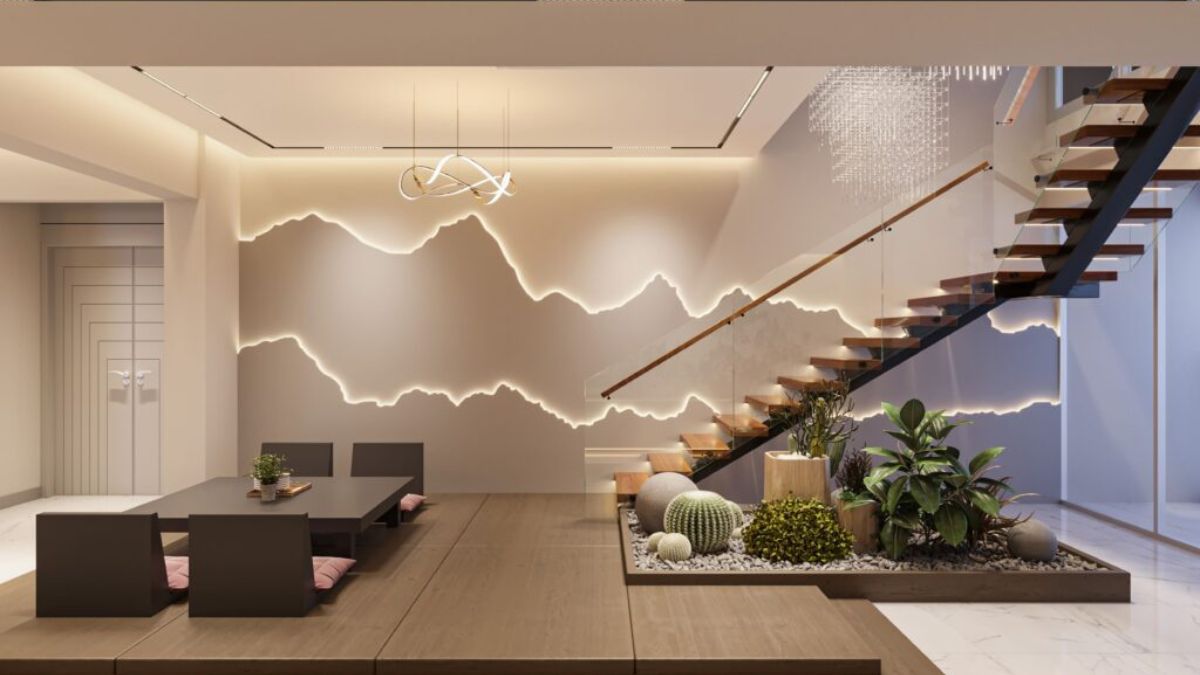
Creating homes where beauty meets functionality is a skillful pursuit that requires both inspiration and precision. Today’s homeowners want more from their dwellings than just shelter; they desire spaces that meet their daily routines, reflect who they are, and elevate their well-being. Making these dreams a reality requires careful choices that balance aesthetics and practicality. From the window style to the kitchen layout, each element should serve a purpose without sacrificing visual harmony. Consulting with experienced architects in Ardmore, PA can be immensely helpful in orchestrating this balance, as these professionals understand how to blend design philosophy with practical living solutions. A thoughtfully designed home, therefore, is one where comfort, beauty, and ease of living reinforce each other, turning everyday routines into uplifting experiences.
The nuances of achieving this delicate harmony go far beyond simply selecting attractive décor or designing for convenience. True artistry lies in the interplay of light, the thoughtful use of materials, the introduction of personalized touches, and the ensuring of fluid spatial flow throughout the home. Colors, textures, and shapes are carefully coordinated, while each room’s purpose is respected through clever design strategies. Homes that excel at blending these elements do more than look good—they foster an enduring sense of calm, function, and pleasure that enhances every aspect of life under their roofs.
Integrating Form and Function
Successful home design blends form and function, enhancing everyday living while elevating the environment. Modern homes incorporate integrated storage solutions in stairs, headboards, and seating to minimize clutter while maintaining a minimalist aesthetic. Comfort and sophistication coexist, with ergonomic seating and smart workspaces conveying elegance alongside traditional design elements.
Homeowners increasingly prioritize versatile spaces that can adapt for both work and entertainment. This trend leads to innovative layouts featuring movable dividers, adjustable shelving, and adaptable lighting, allowing families to optimize their living space. Such designs evolve with their needs, maximizing functionality without sacrificing style.
Incorporating Natural Elements
Natural materials have an undeniable power to ground interiors, creating an inviting sense of calm and fostering a meaningful connection to the outdoors. Wood, stone, linen, and bamboo each bring their own textures and colors, serving as the foundation for rooms that feel both serene and sophisticated. Such materials might appear in flooring, wall treatments, bespoke cabinetry, or even decorative accessories, infusing every corner with warmth and authenticity. In modern home design, these choices often combine with abundant daylight streaming in through generously sized windows and expansive glass doors. This not only blurs the line between the inside and outside world, but supports a healthier, more cheerful living environment while visually expanding smaller spaces. Incorporating greenery, through indoor plants or living walls, strengthens these connections, cultivating a tranquil oasis even in the heart of busy neighborhoods.
Personalizing Spaces
No two homeowners are alike, which is why true personalization enables a home to become a living narrative of its residents. Showcasing significant artwork, displaying curated collections, or featuring heirlooms passed down through generations brings warmth and intimacy to often-overlooked areas. Personalized touches go beyond decorative objects; custom-designed furniture, hand-finished cabinetry, and built-in units crafted for specific uses bring distinctiveness and quality. These bespoke elements resolve practical challenges, such as irregular wall shapes or unusual room uses, while imbuing each space with a sense of artistry and ownership. By weaving in meaningful stories and handcrafted excellence, a home takes on a welcoming, memorable character that enhances everyday living for its occupants and guests alike.
Utilizing Lighting as an Artistic Element
Lighting plays a crucial role in shaping a home’s mood, functionality, and visual appeal, underscoring the importance of thoughtful design. By strategically using layered lighting, such as ambient, task, and accent sources, different atmospheres can be created for various activities, including work, relaxation, and entertaining. Natural daylight is appreciated for its ability to make spaces feel fresh and uplifting; however, well-chosen artificial lighting can have a similarly transformative effect. Sculptural pendants, minimalist LED strips, and eye-catching chandeliers can all serve as artistic focal points while also fulfilling practical needs and highlighting architectural features. By combining functionality with style, lighting design can adapt to the homeowners’ preferences and the changing atmosphere throughout the seasons.
Embracing Open Floor Plans
Open layouts are beloved for their ability to create airy, spacious environments that foster connection and flexibility. With sightlines unbroken by walls, natural light spreads throughout the main living zones, while social gatherings feel informal and inclusive. Still, successful open-plan design requires a thoughtful definition of purpose for each area. Area rugs, strategic furniture arrangements, unique color palettes, and distinctive ceiling treatments help signal where dining, relaxing, or working activities should take place, without the need for physical partitions. Even subtle design cues, such as changes in flooring materials or targeted spotlighting, can help differentiate one zone from another. This dual emphasis on openness and functional separation lends the home a sense of both flow and organization, making it adaptable for everything from lively gatherings to peaceful moments alone.
Balancing Aesthetics and Practicality
Choosing materials and finishes that are both resilient and beautiful is essential for creating spaces that withstand daily use while remaining visually inviting. In high-traffic areas, options like stain-resistant, easy-to-clean upholstery help furniture stay elegant even with frequent family use. Durable surfaces in kitchens and bathrooms, such as quartz counters or porcelain tiles, deliver long-term performance without sacrificing style. Technology also plays a role, with smart home features like automated lighting, remote-controlled window treatments, and integrated climate systems discreetly incorporated for added convenience.
Conclusion
Designing homes that successfully marry beauty and function involves more than following trends—it requires a holistic approach to materials, personalization, spatial strategies, and technological integration. By thoughtfully combining natural elements, curating lighting design, allowing for open, flowing layouts, and infusing every room with personal significance, homeowners can elevate their living environments to new levels of comfort and joy. When each detail is considered in light of both artistry and real-world utility, houses transcend their structural purpose to become inspired sanctuaries—places where everyday life is enriched for years to come.

Regular gutter cleaning plays a crucial role in protecting a home from avoidable and often expensive damage. Gutters are designed to channel rainwater away from the roof, walls, and foundation, but when they become clogged with leaves, dirt, and debris, water can overflow and accumulate in unintended areas. This can lead to issues such as roof leaks, wood rot, mold growth, and even structural damage over time. Consistent maintenance helps ensure that water flows freely through the system, reducing the risk of deterioration and preserving the property’s overall integrity.
In addition to preventing structural problems, clean gutters can help homeowners avoid costly repairs for foundation cracks and basement flooding. Water pooling around the base of a home can weaken its foundation and create long-term stability concerns. Routine maintenance, whether handled independently or with services like Blue Jay Gutter Cleaning, supports proper drainage and extends the lifespan of key home components. Taking a proactive approach ultimately minimizes unexpected repair expenses and promotes a safer, more durable living environment.
Understanding the Role of Gutters
At their core, gutters are an essential component of your home’s defense against water damage. When it rains, gutters serve as channels to direct water off the roof and away from the walls, foundation, and landscaping. A properly functioning gutter system prevents rainwater from cascading down the sides of your house or forming pools at your foundation. However, when leaves, twigs, or other debris accumulate, gutters lose their ability to function as intended.
Without routine gutter maintenance, blockages can form, causing water to overflow or back up. This pooling of water can lead to the deterioration of expensive, hard-to-replace building materials. Not only does regular cleaning help your gutters perform efficiently, but it also extends their lifespan and the life of other connected systems.
Common Problems Caused by Clogged Gutters
1. Roof Damage
One of the first places you will notice the consequences of clogged gutters is on your roof. Blocked gutters cause water to sit under shingles, where it can seep into the wood decking and attic. Persistent moisture is a catalyst for rot, mold growth, and eventual roof failure. A compromised roof may lead to water stains on your ceilings, insulation damage, and a drop in energy efficiency. Regular gutter cleaning is essential for protecting your roof’s longevity.
2. Foundation Issues
Overflowing gutters pose a significant threat to your home’s structural integrity. When rainwater backs up into clogged gutters, it can erode soil and collect around the foundation. Prolonged exposure to moisture weakens the foundation, causing cracks, settling, and even basement flooding. Repairs to damaged foundations can be some of the most costly for homeowners, making prevention vital.
3. Siding and Fascia Damage
Water that spills past overflowing gutters can run down your siding, causing water stains, wood rot, warping, and the deterioration of fascia boards. Over time, this unchecked moisture exposure not only affects your home’s appearance but can also undermine the structural integrity of exterior walls. Damaged fascia and siding often require replacement, which is an avoidable expense for those following good gutter maintenance habits.
4. Landscape Erosion
Gutters are not just for your home; they also help protect your landscaping. When gutters overflow, excess water can erode plant beds and wash soil away. This process not only destroys carefully planned landscaping but can also create drainage issues or expose your foundation to even more moisture. Preserving your landscaping is another clear benefit of proactive gutter cleaning.
Benefits of Regular Gutter Cleaning
- Prevents Water Damage: Clean gutters keep water away from your roof, crawlspace, and basement, significantly reducing the risk of leaks and structural deterioration.
- Extends Roof Lifespan: By minimizing the likelihood of trapped moisture and rot, you help your roof last longer and avoid premature replacements.
- Protects Foundation: Directing water away from your home’s foundation prevents cracks, uneven settling, and water infiltration.
- Maintains Curb Appeal: Stain-free siding and healthy landscaping ensure your house looks its best and holds its value over time.
- Reduces Pest Infestations: Standing water in clogged gutters attracts mosquitoes and other pests, while loose debris can harbor rodents and birds.
Recommended Gutter Maintenance Schedule
Home maintenance professionals recommend clearing your gutters at least twice a year: once in the spring to remove debris collected over winter and again in the fall after the leaves have dropped. Properties surrounded by trees may require additional cleaning to prevent frequent clogs. Monitoring your gutters during and after storms can help you catch blockages early and prevent overflow-related issues.
DIY vs. Professional Gutter Cleaning
Many homeowners consider tackling gutter cleaning themselves, but it can be hazardous work. Climbing ladders and maneuvering around the roof presents risks, especially for those unsure or without the right tools. Professional cleaners not only have the expertise to do a thorough job but also inspect for early signs of damage or wear. As recommended by This Old House, hiring professionals for periodic cleaning offers peace of mind and can help prevent future emergency repairs.
Conclusion
Routine gutter cleaning is one of the simplest and most effective ways to protect your home and your investment. By prioritizing this essential chore, you reduce the risk of water damage, foundation problems, and pest infestations. Relying on trusted services elevates your home maintenance routine and preserves your property’s value. Make gutter cleaning a regular part of your home care plan, your house and your wallet will benefit for years to come.
-

 TOPIC1 year ago
Why Large Waterproof Outdoor Rugs Are Essential for All Outdoor Spaces
-

 TOPIC1 year ago
7 Expert Tips For Choosing The Best Basement Renovation Companies
-

 FASHION1 year ago
How to Layer Your White Dress for Cold Weather?
-

 TOPIC9 months ago
Why Greece Katz Martian Has Everyone Talking in 2025
-

 TOPIC8 months ago
Top 5 Features of Googlediqiu You Didn’t Know About
-

 BUSINESS11 months ago
Top 5 Features of Sowix Online That Every User Should Know About
-

 TOPIC10 months ago
Top Features of BetterThisWorld .com You Need to Know About
-

 FINANCE1 year ago
How TraceLoans Can Simplify Your Finances