
CONSTRUCTION
Home Renovation with a Mini Excavator: What’s Possible?

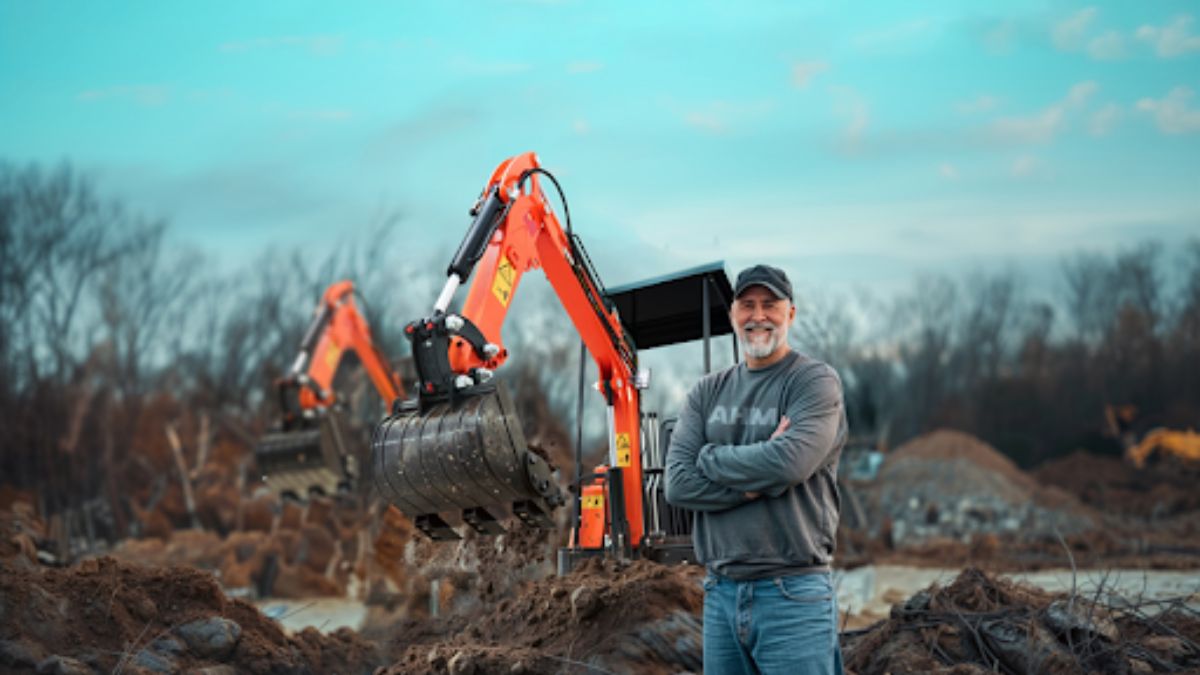
Thinking about giving your home a serious upgrade? Whether it’s reworking your backyard, fixing drainage issues, or preparing a space for a new shed, one machine might just become your new best friend: the mini excavator. Compact, powerful, and surprisingly easy to use, mini excavators are no longer just for professional contractors. With the right knowledge and preparation, homeowners are using them to take control of their renovation plans — and saving thousands in the process. Let’s break down exactly what you can do with a mini excavator, and whether owning one might be the right move for your next big (or small) project.
Why Use a Mini Excavator for Home Renovation?
Mini excavators are exactly what they sound like — scaled-down versions of full-size excavators that can do serious work on residential properties.
Why they’re a great fit for homeowners:
- Compact and maneuverable: They can fit through standard gates, work in tight spaces, and operate without damaging surrounding structures.
- Easy to learn: With basic training (even a few online videos), most people can get started confidently.
- Efficient and powerful: Despite their size, they can handle a wide range of renovation and landscaping tasks.
- Versatile: With the right attachments, one machine can dig, lift, break, grade, and more.
With all these advantages in mind, it’s no surprise that more homeowners are turning to compact machines, such as the AHM Kubota engine mini excavator. Built for reliability and power, this model combines maneuverability with the trusted performance of a Kubota engine — making it an ideal choice for ambitious home renovation projects.
Renovation Projects You Can Handle with a Mini Excavator
You might be surprised just how many tasks a mini excavator can take on. Here are some of the most common and practical uses in home renovation:
Landscaping and Grading
From reshaping the terrain to removing overgrown brush, a mini excavator gives you control over your outdoor space. You can level sloped areas, prep the ground for patios or driveways, and remove old landscaping elements efficiently.
Digging for Utilities and Drainage
Installing new plumbing or electrical lines? Need a French drain or trench for a sprinkler system? Trenching buckets make it easy to dig with precision, reducing the need for manual labor and speeding up installation.
Foundation Prep and Small Structures
Whether you’re building a backyard office, greenhouse, or retaining wall, a mini excavator can handle digging footings and clearing space. It’s the perfect size for shallow foundation work that doesn’t require large-scale machinery.
Light Demolition
Tear down an old shed, rip out a deck, or break up concrete slabs with ease. Mini excavators can be equipped with hydraulic hammers or thumbs for added demolition power.
Backyard Ponds and Pools
Dreaming of a koi pond or small plunge pool? With careful planning, a mini excavator can dig out the perfect space, shape the edges, and even help with landscaping around your water feature.
What a Mini Excavator Can’t (or Shouldn’t) Do
While these machines are versatile, they do have their limits. It’s important to know where to draw the line:
- Excavating full basements or deep foundations (beyond ~8 feet)
- Demolishing large buildings or anything structural and multi-story
- Lifting heavy steel beams, concrete blocks, or oversized debris beyond the rated capacity
For safety and structural integrity, some jobs still require heavy equipment and licensed professionals.
Tips for Safe and Efficient Use at Home
Even as a beginner, you can operate a mini excavator safely and effectively by following a few best practices:
- Start with the basics: Review the operator manual and watch a few video tutorials tailored to your model.
- Always call before you dig: In the U.S., for example, 811 is the national “Call Before You Dig” number to avoid underground utility accidents.
- Wear proper PPE: Gloves, boots, and a helmet can go a long way in preventing injuries.
- Check for permits: Some municipalities require a permit even for residential digging.
- Inspect before use: Make sure the machine is in good working condition before each session.
Real-Life Examples: What Homeowners Are Doing
Still wondering what’s possible? Here are a few quick success stories:
- “We used ours to level our backyard and dig a trench for an irrigation system. It would’ve taken days with hand tools. We finished in one weekend!” — Mark, Arizona
- “I demolished an old concrete pad and cleared the area for a garden. Felt like a pro by day two.” — Dana, Oregon
- “We created a fish pond with gentle slopes and added a rock border. Honestly, couldn’t have done it without our mini ex.” — Rachel, North Carolina
Final Thoughts: Is a Mini Excavator Right for Your Renovation Project?
If you’re the type of homeowner who’s hands-on, plans long-term, and values independence, a mini excavator, such as an AHM mini excavator, might be more than just a tool — it could become your favorite project partner. You don’t need to be a contractor to take advantage of what these machines offer. With a little planning, basic training, and practice, you’ll be surprised how much you can accomplish yourself.
Introduction to Sustainable Home Construction
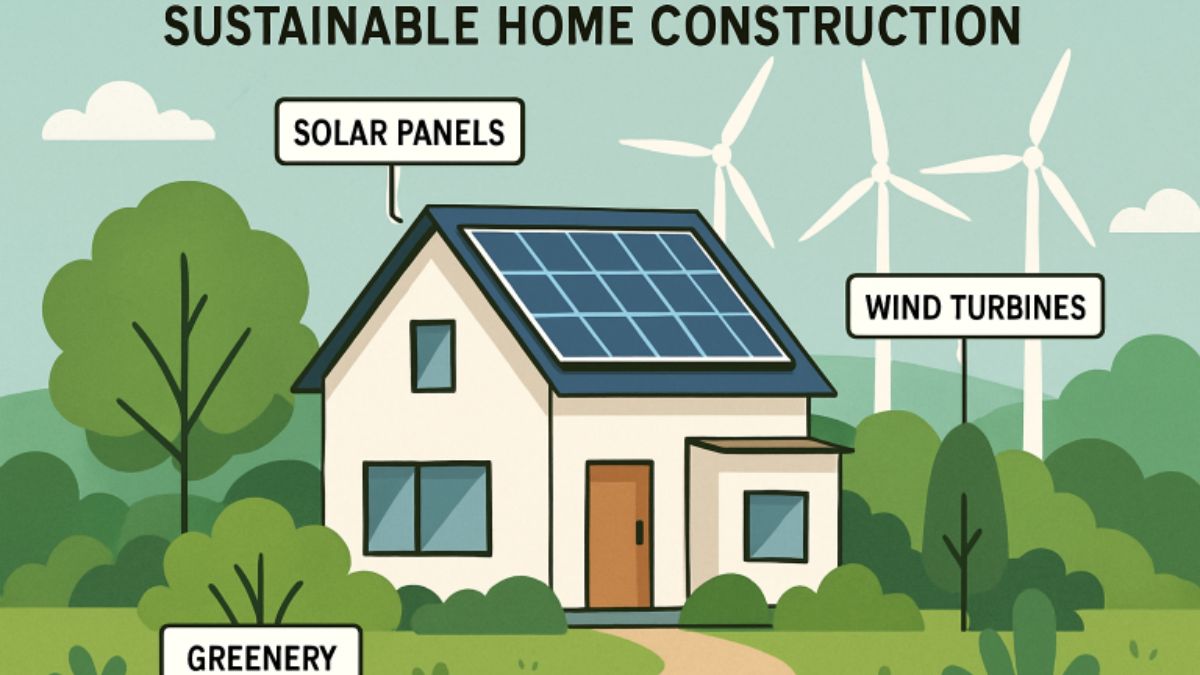
Across the world, a growing awareness of climate change and resource depletion has accelerated the shift toward more sustainable home construction practices. By focusing on eco-friendly and energy-efficient strategies, builders and homeowners can reduce their environmental impact, create more resilient properties, and enjoy long-term cost savings. Interested individuals and professionals can explore a wealth of solutions that meet both environmental needs and personal goals at https://verticalgc.com/. Optimizing sustainable practices is not just about the environment; it also addresses rising consumer demand for healthier and more cost-effective living spaces.
Amidst the increasing push for green building, innovative approaches have emerged. These solutions often combine traditional construction know-how with groundbreaking technology and forward-thinking design. This holistic method serves as a bridge between individual aspirations and communal responsibilities for the environment.
Implementing sustainable practices can provide profound benefits for future homeowners and the planet. From improving indoor air quality to slashing utility bills, these approaches create homes that are both comfortable and environmentally responsible. Emphasizing sustainability during construction also enhances long-term property value, making it a smart investment for homeowners and developers alike.
Through collaboration, education, and continual innovation, both industry experts and residents can create living spaces that do more than meet modern expectations; they help secure a more resilient future for all.
Benefits of Sustainable Building Practices
There are numerous advantages associated with adopting sustainable building practices. Environmentally conscious construction minimizes negative impacts on ecosystems, reduces waste, and promotes the integration of renewable energy. These benefits extend well beyond the construction phase, influencing how homes are used for years to come.
- Environmental Impact: Incorporating sustainable materials and design principles reduces a home’s carbon footprint and conserves limited resources, a vital step in combating climate change.
- Economic Savings: Energy-efficient building techniques and renewable energy sources lower operating costs by reducing utility consumption. According to the U.S. Department of Energy, households can save hundreds of dollars annually by embracing energy-saving technologies.
- Healthier Living Spaces: The use of non-toxic materials and the strategic integration of natural lighting and ventilation improve indoor air quality, supporting healthier lifestyles for occupants.
Innovative Materials Promoting Energy Efficiency
Today’s focus on sustainability has driven advancements in building materials that prioritize performance and environmental friendliness. Recycled steel, for example, maintains structural integrity while dramatically lowering the demand on raw materials. Bamboo, a fast-growing renewable resource, offers durability and a lower environmental impact than traditional timber. High-performance insulation materials, such as spray foam and structural insulated panels, offer superior thermal performance and effectively reduce heat loss.
Insulated concrete forms (ICFs) and aerated autoclaved concrete are gaining traction for their impressive energy efficiency, creating structures that are both robust and low maintenance. Innovative window glazing technologies now further enhance the ability to retain heat in winter and reflect it in summer, leading to substantial year-round savings. According to experts at Arch2O, alternative building materials are transforming home construction by offering greener, often more affordable options for sustainable projects.
Technological Advancements in Sustainable Construction
The influence of technology in sustainable construction is rapidly evolving. Smart home systems are becoming standard additions, enabling homeowners to monitor and manage energy consumption for lighting, heating, cooling, and appliance operation. Solar panels now offer an accessible and scalable solution for residential energy generation, pairing well with battery storage systems.
Energy-efficient HVAC systems leverage advanced sensors and programmable thermostats that fine-tune indoor environments in real time, ensuring comfort while conserving energy. Additionally, tools such as Building Information Modeling (BIM) allow architects and builders to plan, design, and construct energy-optimized homes. Industry resources such as energy.gov discuss how these innovations contribute to the increasing efficiency and sustainability of today’s housing sector.
The Role of Builders in Promoting Sustainability
Builders have a key responsibility to advocate for sustainable practices through ongoing education and the adoption of new technologies. Keeping up with advancements in eco-friendly materials steers project specifications in a more sustainable direction. Close collaboration with architects and engineers ensures that sustainability is embedded through every stage, from design to completion.
Moreover, builders can encourage clients to make greener choices, acting as both educators and facilitators. By suggesting alternatives and communicating the long-term advantages of sustainable upgrades, builders help make environmentally friendly construction a tangible reality for more homeowners.
Homeowners’ Contribution to Sustainable Living
Homeowners are critical partners in fostering sustainable homes. Their decisions regarding materials, appliance efficiency, and day-to-day practices have a lasting effect on a building’s overall environmental footprint. Simple measures such as investing in energy-efficient lighting, water-saving fixtures, and smart home devices all support a greener home.
By seeking out information on sustainability and maintaining open communication with industry professionals, homeowners can create spaces that are genuinely tailored to both their needs and the planet’s well-being.
Challenges and Solutions in Sustainable Construction
While the benefits of sustainable construction are considerable, several challenges persist, including higher upfront costs and occasional difficulty sourcing certain materials. However, these obstacles are becoming less significant as demand increases and suppliers expand their offerings. Government incentives can also offset costs, and ongoing research continues to make green building materials and technologies more accessible.
Public and private sectors are driving collaboration to increase adoption and reduce costs, making sustainable construction increasingly viable for projects of all scales.
Final Thoughts
Adopting innovative strategies for sustainable home construction is crucial for both economic efficiency and environmental health. Builders and homeowners must work together to incorporate eco-friendly practices into every stage of the building process. Through continual innovation and commitment, it is possible to foster more sustainable communities that benefit current and future generations.
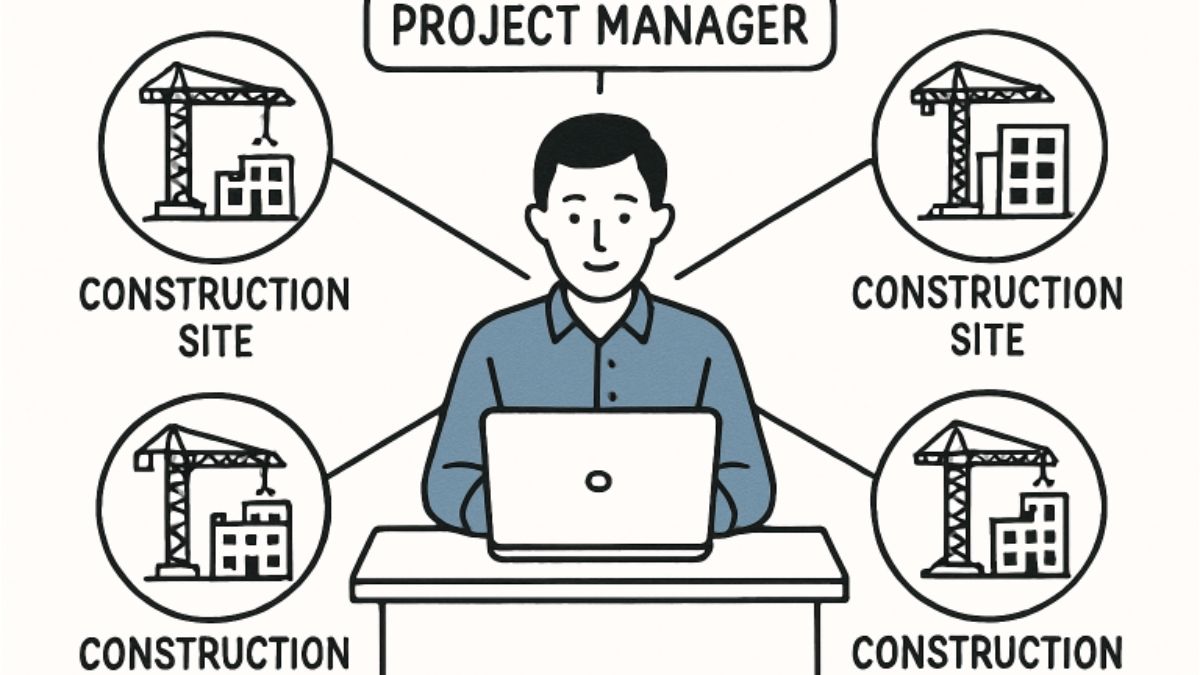
Coordinating construction approvals across multiple sites presents unique challenges, requiring careful planning and communication. Modern strategies emphasize the use of digital tools to streamline permit submission and tracking, ensuring that all documentation is up to date and accessible. Centralized project management platforms allow teams to monitor progress across locations, reducing delays caused by miscommunication or missing approvals. Additionally, fostering strong relationships with local regulatory bodies can help anticipate potential issues and expedite the review process.
Companies like Burnham Nationwide often leverage these approaches to efficiently manage complex construction projects. By integrating real-time data tracking, automated reminders, and collaborative workflows, construction managers can maintain oversight without being bogged down by administrative tasks. This structured approach not only improves compliance but also supports smoother project execution, ultimately helping multiple sites move forward in a coordinated and timely manner.
Centralized Project Management
Centralizing project management is a cornerstone for effective oversight across multiple sites. By establishing a dedicated team responsible for coordination, firms ensure there is a uniform approach to schedules, budgets, and compliance. This central authority typically acts as the main point of contact, communicating updates and resolving issues with agility. The ability to pool resources and expertise allows for knowledge sharing across sites, which can be especially helpful when tackling similar regulatory challenges or technical hurdles. This approach prevents duplication of effort and enhances visibility into potential bottlenecks, empowering managers to allocate resources where they are needed most. A centralized team is empowered to deploy lessons learned from one site to others, significantly reducing the learning curve and minimizing repeat errors. Teams with this structure often outperform those working in silos, as oversight enables consistent application of best practices, robust risk management, and real-time performance tracking.
Standardized Approval Processes
Standardizing approval processes improves operational efficiency by reducing confusion and miscommunication. By using a common set of documentation, templates, and workflows, request processing is expedited and errors are minimized. This approach allows for effective triage of approvals, preventing them from being lost in communication delays and enabling site teams to move forward with confidence. While some flexibility is essential to accommodate jurisdictional differences, clear internal standards help align expectations and speed up the approval process. Furthermore, standardized procedures make training new team members easier, promoting quick onboarding and ensuring business continuity during team transitions.
Leveraging Digital Tools
Digital tools are transforming the management of multi-site construction projects by enabling real-time updates and seamless collaboration through various platforms and cloud-based systems. These tools centralize documents, minimizing delays caused by paperwork and fostering teamwork across different locations. Building Information Modeling (BIM) provides a complete digital record that integrates designs, approvals, and schedules, allowing all team members to make informed decisions. Furthermore, digital collaboration improves error detection and prevents miscommunication, resulting in significant time and cost savings. Data analytics and custom dashboards enhance project visibility, helping companies anticipate bottlenecks and optimize performance across all sites.
Engaging Local Authorities Early
Involving local authorities early in each project phase creates opportunities for meaningful dialogue. This approach helps identify potential challenges related to zoning, permitting, and compliance. By communicating proactively, project teams can better understand municipal expectations and build trust with local officials. This often leads to quicker application responses and allows teams to address issues more effectively during construction. Additionally, early engagement helps anticipate regulatory changes that could impact timelines. Maintaining ongoing discussions throughout the project further reduces the risk of unexpected developments and fosters goodwill for future projects.
Regular Site Audits
Regular site audits are crucial for ensuring compliance and quality in construction projects. By reviewing work against approved plans, project managers can identify and address discrepancies early, preventing major issues. These audits promote regulatory alignment and continuous improvement, encouraging teams to maintain high workmanship standards. Additionally, thorough documentation of audit findings is essential for future reference and dispute resolution, reinforcing a firm’s commitment to quality and compliance while enhancing its reputation with stakeholders.
Effective Communication Channels
Clear and scheduled communication is essential for effective collaboration among project managers, contractors, engineers, and regulatory bodies. Utilizing project management platforms, regular meetings, and transparent reporting ensures that all parties receive timely updates on approvals, deadlines, and project changes. This structured flow of information helps reduce confusion and prevents costly delays, especially in large-scale projects with multiple handoffs. Fostering a culture of open feedback and clear record-keeping supports quick issue resolution and maintains project momentum.
Comprehensive Training Programs
Ongoing staff and contractor education is necessary to uphold procedural standards. Firms that invest in comprehensive training empower teams to follow best practices in documentation and compliance, fostering a culture of accountability. Training initiatives should cover local permitting norms, safety regulations, and the use of digital solutions, so employees are well-prepared to address challenges and reduce compliance risks. Effective training doesn’t just benefit your workforce; it pays dividends by reducing costly errors, improving morale, and enabling faster onboarding of new staff as projects ramp up or scale.
Conclusion
Optimizing multi-site construction approvals demands a tactical blend of oversight, consistency, collaboration tools, and relationship management. With centralized project management, standardized processes, advanced digital tools, early engagement with authorities, diligent audit routines, clear communication, and targeted training, firms can enhance both efficiency and compliance. Embracing these modern strategies positions companies to meet deadlines, control costs, and deliver high-quality results across all projects. The future of multi-site construction management will reward organizations that adapt quickly, develop collaborative partnerships, and cultivate knowledge-sharing cultures, laying the foundation for growth and continued success in an increasingly complex regulatory environment.
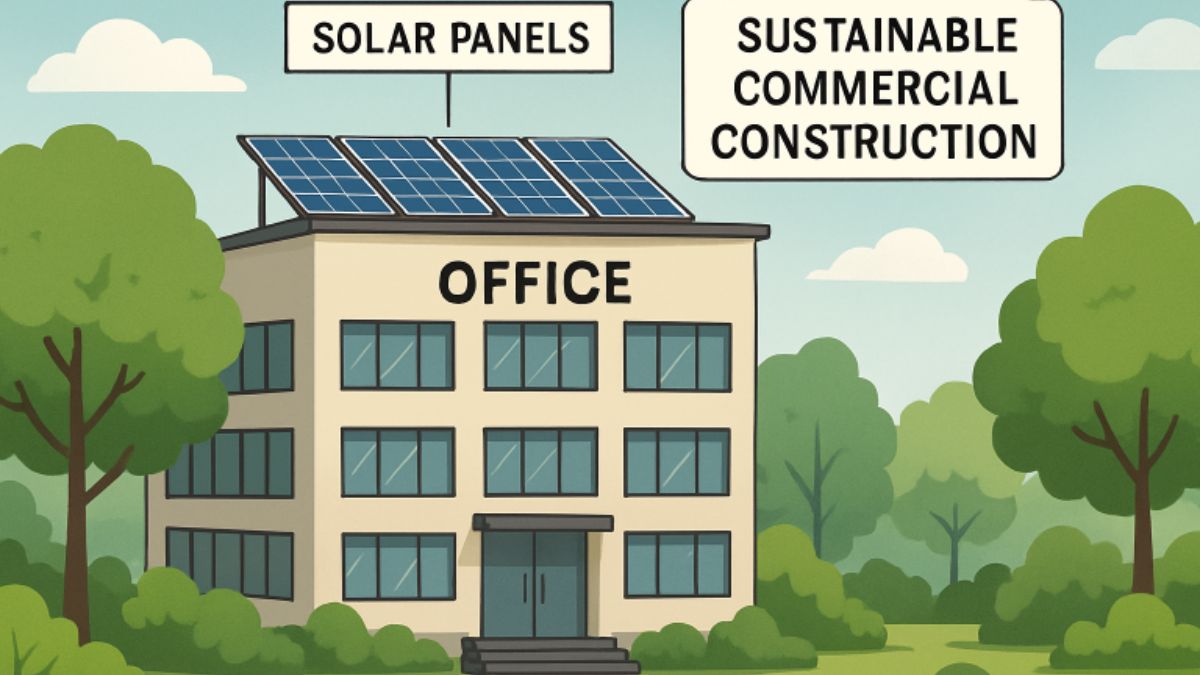
As the construction industry evolves, sustainability has moved from a trend to an essential part of commercial building design and execution. Today, decision-makers are turning to sustainable solutions for benefits that extend far beyond reducing environmental harm. For companies like Koehn Construction, investing in green building strategies aligns with both client goals and broader environmental responsibilities, demonstrating a commitment to a more efficient and future-ready built environment.
Sustainable construction addresses not just the need for reduced energy use and lower resource consumption but also considers the well-being of occupants and compliance with tightening regulations. Embracing sustainability in commercial builds results in significant cost savings, healthier workplaces, and a positive corporate image, while ensuring projects meet or exceed environmental standards.
Stakeholders in commercial construction must keep up with regulatory changes and market expectations. Sustainable approaches now encompass everything from energy-efficient design and smarter material use to hybrid workspaces benefiting occupant wellness. The benefits are clearer than ever. An eco-friendly building is synonymous with economic resilience and industry leadership.
Environmental Impact of Sustainable Construction
Commercial buildings remain one of the largest sources of greenhouse gas emissions, accounting for nearly 37% of global energy use and energy-related emissions, according to the International Energy Agency. Sustainable construction directly addresses this by adopting strategies that minimize energy waste and environmental degradation. Renewable energy integration, waste reduction during construction and throughout the lifecycle, and advanced HVAC and solar arrays work together to reduce the carbon footprint dramatically. Techniques such as rainwater harvesting, green roofs, and the reuse of demolition waste demonstrate measurable benefits and showcase a commitment to global climate goals.
Economic Benefits of Green Building Practices
Beyond environmental gains, the economic case for sustainable construction is robust. Efficient buildings use less energy, allowing owners and tenants to enjoy significantly lower utility costs over the lifetime of a structure. Innovations like LED lighting, high-performance glazing, and improved insulation create long-term operational savings. Some estimates suggest energy-efficient upgrades can reduce utility bills by 25% to 50% compared to conventional builds. In many regions, commercial projects with green certifications attract premium tenants and command higher market value, delivering both ongoing operating savings and capital appreciation. Forbes highlights the growing evidence that sustainability yields a direct return on investment for the commercial real estate sector.
Health and Wellness in Sustainable Buildings
Sustainable buildings prioritize occupant health through smarter use of space, superior air quality, and access to daylight. Using non-toxic materials and improved ventilation flushes out indoor air pollutants, contributing to healthier work environments. Studies have shown that employees working in green buildings experience reduced absenteeism and greater job satisfaction. Biophilic design, incorporating elements of nature indoors, further enhances comfort, reduces stress, and can support mental health. These wellness-focused features are increasingly important in attracting and retaining top talent, especially in knowledge-based industries.
Regulatory Compliance and Corporate Responsibility
Today’s regulatory environment is quickly evolving to favor sustainability. Many governments and jurisdictions now require commercial projects to comply with green building codes or secure certifications such as LEED. For example, in 2025, several countries, including the United States and EU member states, will enforce stricter mandates requiring public infrastructure to meet minimum green standards. Complying with these requirements mitigates legal risks and can qualify projects for incentives or grants. Moreover, demonstrating a proactive approach to sustainability boosts public trust and strengthens brand value, positioning companies as leaders in corporate responsibility.
Innovative Materials and Technologies
Advancements in technology and materials science have accelerated sustainable building transformations. Self-healing concrete, with embedded bacteria that automatically seal cracks, helps extend the usable life of building infrastructure while reducing maintenance expenses. Phase-change materials (PCMs) are increasingly used for thermal regulation, stabilizing indoor temperatures and trimming HVAC energy consumption by up to 30%. Smart building management systems, sensor integration, and digital twins further optimize performance, resource use, and predictive maintenance. These innovations allow commercial buildings to operate more efficiently and with a lighter environmental footprint.
Case Studies: Successful Sustainable Commercial Builds
Real-world projects illustrate that sustainability is not only feasible but also highly beneficial. Notably, CannonDesign’s renovation of Building 48 for the U.S. Department of the Interior in Denver transformed a dated government facility into a net-zero-energy powerhouse that meets rigorous environmental standards. Retrofitting older structures, as seen in this project, offers a remarkable opportunity to reduce embodied carbon relative to new construction. Other industry leaders are following suit, incorporating lifecycle assessments and holistic sustainability frameworks in every stage of the construction and operation process.
Conclusion
Modern commercial builds must integrate sustainability as a core principle. The environmental, economic, and social advantages are too substantial to overlook. Adopting green building practices fosters resilience, protects the planet, and creates value for both property developers and society. Leading the way in sustainable construction is an investment in future generations, making it a cornerstone of responsible industry growth.
-

 TOPIC1 year ago
7 Expert Tips For Choosing The Best Basement Renovation Companies
-

 TOPIC1 year ago
Why Large Waterproof Outdoor Rugs Are Essential for All Outdoor Spaces
-

 TOPIC8 months ago
Why Greece Katz Martian Has Everyone Talking in 2025
-

 BUSINESS9 months ago
Top 5 Features of Sowix Online That Every User Should Know About
-

 TOPIC9 months ago
Top Features of BetterThisWorld .com You Need to Know About
-

 FASHION1 year ago
How to Layer Your White Dress for Cold Weather?
-

 FINANCE1 year ago
How TraceLoans Can Simplify Your Finances
-

 BIOGRAPHY1 year ago
From Reality Star to Business Mogul: Prince Narula Digital PayPal