
REAL ESTATE
How a Fast Home Sale Can Free Up Capital for Your Next Venture

Introduction
Ready access to capital is a major advantage when launching a new business. For entrepreneurs and aspiring business owners, the equity held in a personal residence is often one of the largest untapped financial resources available. Leveraging your home’s equity through a house sale can accelerate your path to securing the funds needed for your next venture, giving you the flexibility to act quickly on new opportunities.
In today’s fast-paced market, a streamlined home sale bypasses lengthy traditional processes and provides immediate liquidity. This efficiency allows aspiring entrepreneurs to transition from their previous investment to funding a new business endeavor. By selling quickly and strategically, you can move forward with less stress and more capital, giving your startup the edge it needs right out of the gate.
Immediate Access to Capital
Selling your home promptly means you receive a lump sum from your property’s equity much sooner than traditional methods like refinancing or securing a home equity line of credit. This rapid influx of cash can cover critical startup expenses, such as securing a lease, purchasing inventory, or launching your initial marketing campaign. Having liquid capital can prove essential for negotiating with suppliers or seizing limited-time investment opportunities.
According to CNBC Select, unlocking home equity through a fast sale can minimize uncertainty and give aspiring business owners an advantage in a competitive market. No matter the nature of your new venture, immediate funds introduce flexibility and confidence into your launch strategy.
Reducing Holding Costs
The costs associated with property ownership don’t stop when you decide to sell. Ongoing obligations like mortgage payments, property taxes, utilities, and routine maintenance can drain your resources if the sale drags on. Not only do these expenses add up over time, but they also reduce your available working capital for the new venture. By selling quickly, these financial burdens are lifted sooner, allowing you to preserve more equity for reinvestment.
Many individuals find themselves juggling expenses from two properties if they’ve relocated or are holding onto a home during an uncertain sale period. Accelerating the process by choosing to sell today removes this dual responsibility and streamlines your financial obligations.
Streamlining the Sales Process
Traditional real estate sales involve multiple steps that can drag on for months: listing, staging, waiting for offers, negotiating, and dealing with financing approvals or inspections. Each stage presents opportunities for delays or setbacks. A quick house sale, particularly to a direct or cash buyer, collapses these steps into a seamless transaction, freeing your time and attention for planning your next move.
Removing the unpredictability from the process also lowers stress and enables better decision-making as you work toward your business launch.
Mitigating Market Risks
Real estate prices can cycle up and down with market shifts that are often hard to predict. A drawn-out selling process exposes you to the risk of declining property values, which could shrink the proceeds you have to invest. By selling your home in the current market, you effectively lock in today’s price, providing certainty and shielding yourself from potential future losses.
This proactive approach is particularly important if your local housing market shows early signs of cooling or if macroeconomic factors point to a possible downturn. Quickly converting your property into cash can mean the difference between having ample startup capital and needing to compromise on your business plans.
Enhancing Financial Flexibility
Once you convert your home equity into cash, you can deploy those funds for business-related purposes without lenders’ often-imposed restrictions. Whether you need operating capital, emergency reserves, or greater purchasing power, liquidity gives you leverage to respond to business needs in real time. Financial flexibility is crucial during the startup phase, when unforeseen challenges and opportunities can arise.
Liquid assets let you act decisively—hiring key personnel, scaling up marketing efforts, or jumping on strategic investments. With more control over your funds, your business planning can be bold and responsive to market changes.
Tax Considerations
Selling your primary residence can trigger significant tax considerations, but depending on your situation, you may qualify for capital gains exemptions. The IRS allows eligible homeowners to exclude a portion of the profits from taxes, increasing the amount you can invest in your new venture. Consulting a tax advisor is essential to understanding your unique scenario and ensuring you maximize your available funds.
Understanding your tax position ahead of the sale can help you avoid surprises and plan strategically for both your personal and business finances.
Conclusion
For many entrepreneurs, a fast home sale is a practical solution to unlock capital, eliminate unnecessary expenses, and reduce risk in pursuing business goals. By acting quickly and thoughtfully, you give yourself a financial head start—right when you need it most. You position yourself for success, increase your ability to capitalize on opportunities, and confidently guide your new venture through its most critical stages.

Selling your home quickly requires more than just listing your property and waiting for buyers to show up. To stand out and secure the best offers, it’s important to use proven strategies that highlight your home’s value and attract serious buyers. Whether you’re a first-time seller or a seasoned homeowner, following a step-by-step plan will give you a winning edge. For those looking to sell quickly in highly sought-after neighborhoods, taking the right steps can make your property appeal to buyers who are ready to act. To learn more about selling your home fast in specific areas, visit https://www.eazyhousesale.com/sell-my-house-fast-in-santa-monica/.
By adopting the methods successful sellers use, you can boost your home’s appeal, increase interest from prospective buyers, and sail through closing with fewer hassles. A targeted approach means your home is visible to more buyers, inviting competitive offers and reducing your time on the market. From pricing it right to showcasing every detail, the following guide walks you through the smart steps you need to take.
One powerful advantage is understanding how to leverage modern selling techniques and broad marketing exposure to ensure your listing grabs attention. With housing markets remaining competitive in many regions, adopting a professional mindset helps your home stand out from the crowd. By refining your selling strategy, you can meet buyer expectations, set favorable terms, and close faster.
If you are interested in learning more about home-selling solutions or need additional guidance for other locations, explore https://www.eazyhousesale.com/ for further insights and comprehensive resources.
Enhance Curb Appeal
Buyers often form an opinion of your home within seconds of seeing it from the street. A tidy and attractive exterior makes potential buyers eager to see the rest of your property. Simple fixes, such as mowing the lawn, trimming hedges, and adding flowers or shrubs, can instantly freshen up the front yard. Upgrading your front door with a fresh coat of paint or replacing outdated hardware also leaves a memorable impression. Sweeping driveways and maintaining walkways shows buyers you have cared for your home, which can translate to less perceived risk for them. Boosting curb appeal is a proven selling strategy adopted by top agents.
Price Competitively
Choosing the right listing price is key to selling fast. Pricing too high will scare off prospective buyers, while pricing too low could lead to financial loss. Compare recent sales of similar homes in your neighborhood to see where your property fits in. This research helps you understand what buyers are willing to pay. If you’re unsure, professional real estate agents offer detailed market analyses, ensuring you set a value that will draw serious interest. In hot markets, pricing just under the competition can generate multiple offers, potentially sparking a bidding war and maximizing your final sale price.
Utilize Professional Photography and Virtual Tours
The vast majority of buyers start their search online, so your listing photos are often the first introduction to your home. Professionally shot, high-resolution images help showcase your property’s best features. Wide-angle lenses highlight spaciousness, while bright, natural lighting makes interiors more appealing. Increasingly, sellers are investing in video walkthroughs and 3D virtual tours, providing remote buyers the confidence to schedule an in-person visit. Good visuals can make the difference between a quick viewing request and a long, quiet wait.
Stage Your Home
Staging transforms your home from “lived in” to “move-in ready.” Remove clutter, clear countertops, and depersonalize main spaces so buyers can picture themselves living there. Even minimal changes, such as rearranging furniture or neutralizing bold paint, help highlight your home’s best assets. If your home is vacant, consider renting furniture or working with a staging professional. According to industry research, staged homes not only sell faster but also typically achieve a higher sale price.
Market Aggressively
Effective marketing means casting a wide net to reach as many qualified buyers as possible. Alongside traditional marketing, share your listing across high-traffic property portals, social media, and targeted email campaigns. Quality photos, property descriptions, and virtual tours encourage shares and engagement, driving additional traffic to your listing. If you are managing the sale yourself, consider leveraging paid ads for extra visibility. Ensuring your home reaches the right audience is essential for a speedy sale.
Be Flexible with Showings
Accommodating potential buyers’ schedules by allowing showings on evenings and weekends maximizes your pool of interested parties. Try to keep your home ready for short-notice viewings to capture serious interest while it’s hot. Quick responses to questions and offers signal to buyers that you are motivated and organized. If a deal falls through, maintain a positive outlook; homes with recent failed escrows often sell shortly after, especially if they remain accessible for viewings.
Work with an Experienced Real Estate Agent
Leveraging a seasoned real estate agent’s expertise streamlines the entire selling process. Agents offer market insight, professional negotiation skills, and extensive buyer networks that most homeowners lack. They manage marketing, host open houses, and screen serious buyers, saving you both time and stress. A good agent helps you evaluate offers objectively and guides you through the paperwork, ensuring compliance with local regulations. Working with an established professional often translates to a faster closing and a higher sale price.
Offer Incentives to Motivate Buyers
Incentives differentiate your home from similar listings, nudging buyers closer to a decision. Offering to cover closing costs or to include select appliances can add value. Some sellers sweeten the deal by including a home warranty, giving buyers peace of mind regarding repairs. Limited-time incentives, such as an additional discount for closing within a tight timeline, create a sense of urgency. When buyers feel they are getting more than they expected, they are more likely to move quickly.
Conclusion
Selling your home quickly is all about preparation, presentation, and smart strategy. By pricing it right, showcasing it professionally, and staying flexible and proactive, you create the conditions for faster offers and smoother negotiations. When these steps are combined with expert guidance and effective marketing, you position your home to stand out and close like a pro.
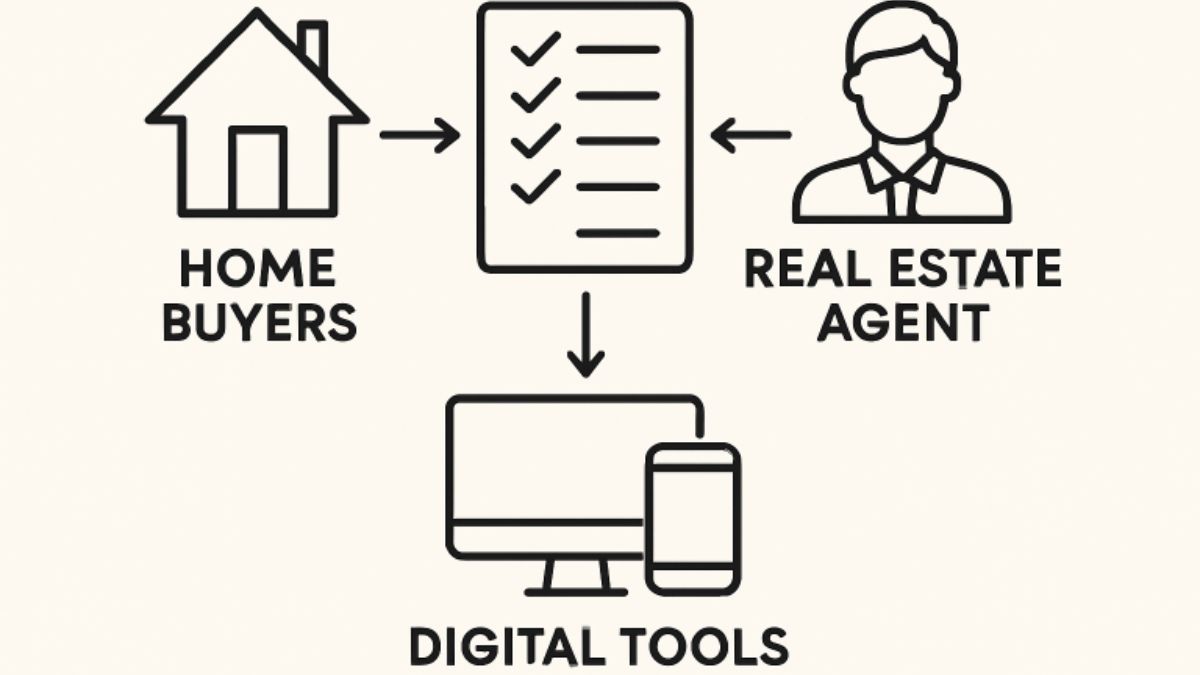
Real estate transactions can be complex, involving countless details that must be precisely managed from contract through closing. Successful agents and brokers know that efficient transaction coordination is the backbone of a smooth real estate process. Whether you are handling residential, commercial, or investment properties, leveraging the latest technology and modern best practices can save time, improve transparency, and increase client satisfaction. For those looking to optimize transaction management in specific markets, such as Florida, services like https://transactioncoordinator.com/real-estate-tc-in-florida/ offer localized expertise that can significantly improve closing success rates.
The importance of smooth coordination goes beyond logistics; it can protect all parties from errors, delays, and miscommunications that might jeopardize deals. Forward-thinking professionals adopt digital tools and strategic systems that ensure everyone involved is informed, prepared, and compliant at every step. As the landscape continues to evolve, leveraging expert services and platforms can transform how agents and coordinators manage their workflows, creating a more seamless experience for buyers, sellers, and agents alike.
Technology is rapidly changing the way real estate works. Modern transaction coordination integrates artificial intelligence (AI), blockchain, and automated platforms to handle much of the administrative burden previously done by hand. By recognizing the transformative power of these tools, real estate businesses can respond to client needs more quickly and accurately, reducing the frustrations that often accompany property transfers.
Importance of Transaction Coordination
Effective transaction coordination is more than just managing documents. It encompasses communication, compliance, and consistent follow-through. When done right, it serves as the lynchpin holding together the efforts of agents, clients, loan officers, title companies, and attorneys. A dedicated TransactionCoordinator ensures contracts are carefully reviewed, timelines are followed, disclosures are completed accurately, and that nothing falls through the cracks. This thorough oversight helps prevent missteps and averts last-minute crises that could otherwise derail a closing.
Failing to coordinate transactions efficiently can lead to delayed closings, missed contract obligations, or legal disputes, all of which can damage reputations and client relationships. With so much at stake, more agents are outsourcing transaction coordination or leveraging specialized platforms, ensuring a higher level of service and accountability. For a comprehensive overview of the essential skills and roles of transaction coordinators, the National Association of Realtors provides industry insights on evolving transaction processes and their impact on success rates.
Technological Advancements in Transaction Coordination
Leading-edge transaction coordination now involves robust digital systems that automate many time-consuming steps. AI and machine learning stand out for their ability to analyze contracts, flag potential issues, and suggest solutions before they become costly problems. By reviewing contracts and timelines, AI ensures nothing is overlooked and speeds up document processing. AI-powered chatbots can handle routine client queries, provide updates, and free up coordinators’ time for higher-level concerns.
Blockchain is emerging as another transformative technology, offering assurance around document integrity and security. With all involved parties accessing verified, tamper-proof records, the risk of fraud is dramatically reduced. Blockchain-based title transfers can reduce the time and cost of property transactions while enhancing trust between buyers and sellers. As major publications such as Forbes highlight, blockchain’s potential to streamline verification and ownership transfers is reshaping real estate standards worldwide.
Best Practices for Effective Coordination
- Standardize Processes: Consistency is critical. Documenting step-by-step workflows for every transaction reduces the likelihood of omissions or errors and ensures that every team member follows the same guidelines.
- Leverage Technology: Automation through transaction management platforms handles repetitive tasks, organizes documents, and sets reminders for critical deadlines. This minimizes manual entry, leading to fewer mistakes and faster processing.
- Enhance Communication: Establishing direct, reliable communication channels with all involved parties, clients, lenders, inspectors, and attorneys, prevents misunderstandings. Clear updates and proactive outreach can dissolve tension and build trust.
- Continuous Training: Staying on top of changing regulations and tools is non-negotiable. Ongoing education for agents and coordinators ensures that everyone is prepared for new challenges and industry shifts, minimizing risk for clients.
Future Trends in Real Estate Transaction Coordination
Looking ahead, several trends are shaping how real estate professionals approach transaction coordination. AI and machine learning will become even more prevalent, with “smart” platforms that will connect directly with public records, mortgage platforms, and compliance checklists. This level of integration will empower coordinators to resolve complications before they affect closings.
Blockchain solutions will gain broader adoption as the benefits of enhanced security, transparency, and efficiency become better understood. Not only will property title transfers become faster, but fraud risk will also decrease as blockchain verification becomes commonplace. Alongside these, the demand for mobile-first solutions is increasing as professionals look for the flexibility to manage transactions wherever they are, making online and app-based platforms essential tools for the modern agent or coordinator.
Final Thoughts
The real estate industry is evolving rapidly, and transaction coordination is at the heart of this transformation. By investing in the smartest technology and adhering to foundational best practices, agents and brokers can elevate their operations, offering streamlined, error-free experiences for clients. As new advancements take hold, those who stay informed and adapt quickly will not only grow their businesses but also set new standards for reliability and client satisfaction in an ever-competitive market.

Facing the possibility of foreclosure can be one of the most stressful experiences for a homeowner. When traditional options such as refinancing or loan modification are not viable, cash purchases by investors can provide an alternative way to resolve mortgage obligations. By selling to a buyer who can complete the transaction quickly with cash, homeowners may be able to settle their debts, stop the foreclosure process, and preserve some equity in their property. This approach can simplify the sale process by typically avoiding the delays and uncertainties associated with loan approvals and appraisals.
Many investors who focus on cash home purchases maintain informational resources to help homeowners understand their options. For homeowners exploring this path, reviewing general information, such as what is available at https://www.bertucci-investments.com/westwego/, can offer insight into how cash transactions work without committing to a specific solution. Understanding the mechanics of cash purchases equips homeowners to make informed decisions when navigating foreclosure alternatives.
Understanding Foreclosure
Foreclosure is a legal process initiated by a lender when a homeowner falls behind on their mortgage payments. Lenders act to recover losses by repossessing and selling the property. The impact on a homeowner’s credit can be severe, and the process can also result in significant financial and emotional stress. Foreclosure rates tend to rise during periods of high inflation or economic instability, making this an especially relevant concern today.
The Role of Cash Purchases
A cash purchase occurs when a buyer offers the full purchase price upfront, bypassing mortgage lenders and the need for financing. For homeowners facing foreclosure, the speed and simplicity of cash transactions can be especially valuable. These sales often close much more quickly than traditional market transactions, allowing owners to resolve mortgage obligations and transfer property ownership with minimal delay.
Companies like Bertucci Investment Group – New Orleans, LA, specialize in facilitating cash purchases, helping homeowners understand their options and navigate the process efficiently. By working with experienced investors, sellers can explore solutions that reduce stress, avoid lengthy foreclosure proceedings, and preserve as much equity as possible in challenging financial situations.
Benefits of Cash Sales
Cash sales provide several key benefits for homeowners. One major advantage is speed; many transactions can close within seven days, helping sellers avoid delays and potentially prevent foreclosures. Cash offers also offer greater certainty by removing dependence on complex bank processes and reducing the risk of deals falling apart due to financing issues. Additionally, homeowners can sell the property “as-is,” without investing in repairs, staging, or renovations, as cash buyers typically purchase homes in their current state. Finally, a quick cash sale can help protect a homeowner’s credit score by avoiding the negative impact associated with foreclosure.
How to Approach a Cash Sale
- Research Buyers: Begin with reputable investment groups and home buyers that have strong references and verifiable records. Look for reviews and testimonials to gauge reliability.
- Gather Multiple Quotes: Solicit offers from several buyers. This offers leverage in negotiations and helps ensure you receive a fair and competitive price.
- Review Offers Thoroughly: Pay close attention to all terms within the offer, including closing dates, contingencies, and any associated fees.
- Seek Professional Guidance: Consult a real estate agent or attorney familiar with cash sales and foreclosure proceedings to protect your interests and legal rights.
Potential Risks and Considerations
Homeowners thinking about a cash sale should be aware of potential risks and take steps to safeguard their interests. A common concern is accepting a lower sale price, as some cash buyers may offer below-market value in exchange for a quick, convenient closing. Scams and fraudulent offers can also target sellers in distress, so verifying buyers carefully and being cautious of deals that seem too good to be true is crucial. Legal factors are equally important; ensuring that all contracts and paperwork comply with state and local laws can prevent future issues or disputes. By staying alert and well-informed, homeowners can approach a cash sale more safely and confidently.
Alternative Options
Aside from a cash sale, homeowners should evaluate other foreclosure prevention strategies:
- Loan Modification: Renegotiate the mortgage terms with your lender to secure lower payments or a longer repayment period.
- Forbearance: Request a temporary payment pause during hardships. This can provide breathing room to recover financially.
- Short Sale: Obtain lender approval to sell the property for less than what is owed. This may be less damaging to your credit than a completed foreclosure.
Government and consumer agencies, such as USAGov, provide valuable information and guidance on foreclosure prevention and alternatives.
Conclusion
For homeowners grappling with the threat of foreclosure, a cash sale is often one of the most direct and dependable solutions available. By acting quickly and choosing trustworthy buyers, you can protect your credit and emerge from financial distress without the burdens of a completed foreclosure. Exploring all available options, understanding the process, and seeking proper guidance gives homeowners the best opportunity to uphold their financial health and move forward with confidence.
-

 TOPIC1 year ago
7 Expert Tips For Choosing The Best Basement Renovation Companies
-

 TOPIC1 year ago
Why Large Waterproof Outdoor Rugs Are Essential for All Outdoor Spaces
-

 TOPIC8 months ago
Why Greece Katz Martian Has Everyone Talking in 2025
-

 BUSINESS9 months ago
Top 5 Features of Sowix Online That Every User Should Know About
-

 TOPIC9 months ago
Top Features of BetterThisWorld .com You Need to Know About
-

 FASHION1 year ago
How to Layer Your White Dress for Cold Weather?
-

 FINANCE1 year ago
How TraceLoans Can Simplify Your Finances
-

 BIOGRAPHY1 year ago
From Reality Star to Business Mogul: Prince Narula Digital PayPal