
REAL ESTATE
How Contingencies Safeguard Homebuyers and the Essential Role of Real Estate Agents

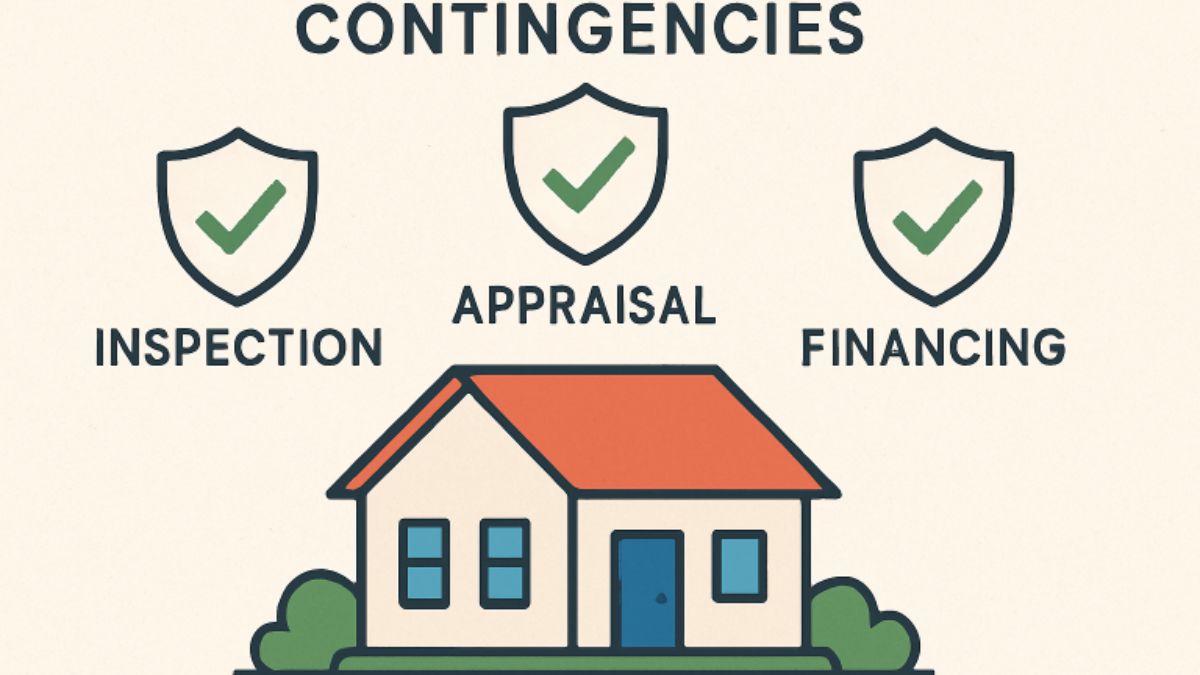
Understanding Real Estate Contingencies
Real estate contingencies are legal conditions included in home purchase contracts that provide essential protection for buyers. These clauses enable the buyer to withdraw from the agreement or renegotiate the terms if specific requirements are not met, ultimately shielding the buyer from financial harm or undesirable obligations. The inclusion of these clauses is standard in most transactions and plays a critical role in supporting confident, informed purchasing decisions. For those considering a move, seeking guidance from experienced Waikoloa real estate agents RE/MAX Honolulu can provide invaluable assistance in structuring contingencies that reflect both market realities and buyer needs.
Contingencies address many risks present in real estate deals, including property defects, financing setbacks, and appraisal variations. By establishing clear exit strategies and benchmarks, they empower buyers to proceed with their investment only when certain criteria are satisfied. This safeguard is especially important in complex transactions and unfamiliar markets where unknowns can emerge after an offer is accepted.
Ignoring or waiving contingencies in pursuit of a faster transaction may seem tempting, particularly in highly competitive markets, but it often exposes buyers to increased risk and unforeseen expenses. According to a report from the National Association of Realtors, most buyers continue to rely on multiple contingencies to maintain flexibility and peace of mind during a home purchase.
Common Types of Contingencies
- Inspection Contingency: This clause grants buyers the right to have a licensed inspector evaluate the property for structural damage, safety hazards, or major repairs. If significant problems are uncovered, buyers can request repairs, request credits, or, if necessary, walk away from the transaction.
- Appraisal Contingency: Designed to ensure the agreed purchase price does not exceed the home’s market value, this protective measure allows buyers to renegotiate or back out if the property appraises for less than expected.
- Financing Contingency: This stipulation lets buyers cancel the agreement without penalty if they are unable to obtain mortgage approval on acceptable terms by the agreed deadline.
- Home Sale Contingency: Essential for buyers who need to sell their current home before buying a new one, this clause prevents double housing costs by tying the new purchase to the successful sale of an existing home.
Additional types, such as insurance or title contingencies, may be relevant in certain states or situations, reflecting the evolving nature of market conditions and legal environments.
The Significance of Contingencies for Buyers
For buyers, contingencies are a crucial line of defense that can prevent costly mistakes and stressful disputes. They allow every aspect of the purchase, property condition, value, and financing to be verified before a buyer is fully committed. This verification provides peace of mind and supports healthier, more transparent negotiations with the seller.
Without these contract provisions, buyers could find themselves forced to complete a purchase even when severe problems or deal-breaking discoveries arise. This risk is especially pronounced in markets with older homes, higher repair needs, or regulatory hurdles.
- Verify the property’s condition through professional inspection reports.
- Ensure the agreed price aligns with market value to avoid overpaying.
- Secure financing under reasonable terms, instead of making hastily arranged agreements.
- Time the sale or purchase of another property to avoid financial strain.
Real Estate Agents: Navigating Contingencies
Real estate agents play a pivotal role in evaluating, negotiating, and enforcing contingencies throughout the transaction process. Their expertise helps buyers identify which protections are essential to their specific goals, and they are adept at crafting offers that balance protection with market competitiveness.
- Assess the buyer’s circumstances to tailor contingency recommendations.
- Draft offers that clearly include the right contingencies to address anticipated concerns.
- Track all key deadlines to prevent oversights that could result in lost protections or forfeited deposits.
- Advocate for the buyer if repairs or price adjustments are needed based on inspection or appraisal findings.
The agent’s proactive management of contingency periods and negotiations not only safeguards the buyer but also provides a smoother, less stressful transaction for all parties.
Market Dynamics and Contingency Strategies
In sellers’ markets, competition among buyers sometimes prompts buyers to waive customary contingencies to make their offers more attractive. While this tactic may increase the chance of acceptance, it significantly raises the likelihood of unexpected pitfalls after closing. Experts repeatedly urge buyers to approach this strategy with caution and only after careful consideration of the risks with their real estate agent.
Working with an agent ensures that buyers can remain competitive while not sacrificing essential protections, allowing for creative strategies such as offer timing, escalation clauses, or non-contingent earnest money deposits when appropriate.
Recent Trends in Contingency Usage
As the real estate landscape evolves, new types of contingencies are emerging to address shifting risks. In California, a recent innovation has been the introduction of insurance contingencies, allowing buyers to withdraw without penalty if they cannot secure affordable insurance for a property. This development is particularly relevant in areas prone to wildfires or flooding, where premiums and coverage availability fluctuate rapidly.
Innovations in contract language and increased regulatory awareness continue to highlight the value of having skilled agents who can interpret and apply such clauses. Buyers are best served by professionals with up-to-date knowledge of legal changes, local customs, and industry trends that impact transaction safety and satisfaction.
Final Thoughts
Contingencies are an indispensable part of every successful real estate purchase, offering homebuyers critical layers of protection against the many uncertainties inherent in complex transactions. Diligent real estate agents are essential allies, decoding legal language, guiding contingency selection, and advocating for their clients’ long-term interests. By actively engaging with these professionals, buyers can secure homes with greater confidence and fewer regrets, knowing that every step of the process is backed by thoughtful preparation and expert support.

Introduction
Accurately determining the true value of a property is both an art and a science, blending the invaluable, seasoned insights of real estate professionals with the precision and speed of cutting-edge technologies. For both experienced investors and first-time homebuyers, knowing how real estate values are assessed can drastically impact your decision-making process and financial outcomes. A nuanced understanding of these fluctuating values can not only help you buy or sell confidently but also protect your investments in an unpredictable real estate landscape.
For those seeking to navigate the complexities of property transactions, obtaining dedicated guidance from local experts can make a significant difference. Menlo Park CA real estate agents possess not only technical proficiency in property valuation but also a deep familiarity with neighborhood trends, off-market activity, and regional demand drivers—all of which can profoundly influence a home’s true worth. Leveraging both historical and real-time data, these professionals provide vital support for accurate evaluations, strategic negotiations, and successful closings.
From the foundational approaches that lean heavily on time-tested data and professional judgment to the latest advancements in artificial intelligence and big data analytics, the modern real estate toolkit is as diverse as it is powerful. Both sellers and buyers now have access to increasingly sophisticated tools, technologies, and methodologies, each bringing its own strengths and limitations to the valuation process. This comprehensive blend offers unmatched accuracy and insight, providing property owners and investors with actionable information tailored to their unique needs and goals.
Traditional Appraisal Methods
One of the foundational approaches to property valuation is the sales comparison method, which remains the cornerstone of professional residential appraisal. This method relies on analyzing recent sales data of properties with similar characteristics—such as size, age, architecture, and condition—within the same or nearby neighborhoods. By closely examining these comparable sales, appraisers can generate a substantiated estimate of a property’s market value, adjusting for distinct features or upgrades, and taking into account current market trends.
In addition to the sales comparison method, appraisers often employ the cost approach and the income approach to accommodate unique scenarios or property types. The cost approach estimates the cost of rebuilding the property from scratch in today’s market, accounting for land value and depreciation due to factors such as wear and age. This method is particularly useful for new constructions, custom homes, or properties with few genuine comparables. Meanwhile, the income approach is commonly applied to rental units, apartment complexes, or commercial real estate, focusing on the property’s potential for generating income. This method evaluates the net operating income the property can generate and applies capitalization rates to estimate its overall value—a model favored among real estate investors.
Broker’s Price Opinion (BPO)
When a swift, cost-effective, yet knowledge-driven estimate is required, many lenders and property owners turn to a Broker’s Price Opinion (BPO). This informal valuation is conducted by licensed real estate agents or seasoned brokers who have direct, up-to-date experience in the local market. Rather than a comprehensive appraisal, the BPO process focuses on assessing recent sales and active listings of comparable properties, as well as considering regional supply and demand dynamics, to estimate a price range within which the property could realistically sell.
BPOs are especially valuable tools in time-sensitive situations, such as foreclosures, short sales, refinancing, or reviewing real estate portfolios. Their pragmatic nature enables banks, investors, and homeowners to obtain quick, well-informed opinions that reflect current conditions—without incurring the time and expense of a formal appraisal. While not a replacement for a certified appraisal in all cases, BPOs serve as a practical solution when rapid decision-making is essential, and the stakes are high.
Automated Valuation Models (AVMs)
The digital revolution in real estate has ushered in increasingly sophisticated Automated Valuation Models (AVMs), which can deliver instant property value estimates by analyzing a vast array of data points. These models leverage machine learning algorithms, sales histories, physical characteristics, tax assessments, and market trends to assess property values with impressive speed and scalability. AVMs quickly sift through millions of records, recognizing regional patterns and price shifts that could take a human much longer to detect.
AVMs are now a familiar feature on real estate listing portals, mortgage lenders’ websites, and bank processes, enabling both industry professionals and consumers to check property values in real-time. However, while their efficiency is unmatched for standard residential markets with robust sales data, AVMs might not fully capture the nuances of luxury estates, waterfront homes, or highly customized properties—cases where human expertise remains indispensable. According to Forbes, AVMs are most effective when used to supplement, rather than wholly replace, expert judgment—especially for high-value or unconventional properties where the stakes are exceptionally high, or the data is less consistent.
Technological Innovations in Property Valuation
Recent breakthroughs in artificial intelligence, such as deep learning and computer vision, are enabling a new generation of property valuation tools. These advanced systems can evaluate property images, floor plans, and even neighborhood streetscapes, extracting critical details that influence property value but may be overlooked by more traditional models. Innovations in self-supervised learning enable AI to analyze vast libraries of property photos, detecting everything from curb appeal and landscaping quality to interior renovations and material finishes, thereby helping to refine and support automated valuations.
Leading real estate platforms and start-ups alike are now deploying these AI-driven solutions to enhance online property valuations, often integrating them with satellite imagery and drone photography for unprecedented detail and accuracy. As a result, buyers and sellers are presented with more richly informed starting points, facilitating more productive conversations and negotiations with human experts during the next steps of any real estate transaction. While AI cannot yet replicate the full depth of human judgment, it dramatically increases the speed, consistency, and accessibility of valuations for all stakeholders.
Importance of Accurate Measurements
One essential, sometimes underestimated element of property valuation is the accuracy of onsite measurements. Even small discrepancies—such as overstated living area or miscounted bedrooms—can translate into thousands or tens of thousands of dollars in price differences. Reliability in measurements is so crucial that advanced digital tools are now becoming standard in the industry. Laser-based distance measurers, 3D cameras, and cutting-edge floor plan apps are used to map spaces precisely and create reliable documentation for appraisals and listings alike.
Property professionals are increasingly adopting standardized measurement protocols (such as ANSI standards in the U.S.) to promote fairness and transparency in the industry. These practices help reduce disputes, eliminate confusion, and foster more efficient and trustworthy transactions. As The New York Times underscores, accurate and transparent measurements empower all parties involved, setting clear expectations and enabling smoother real estate closings.
Final Thoughts
The true value of a property emerges from a careful synthesis of methodologies: the experience of licensed appraisers, the efficiency of agents and brokers, and the analytical power of machine learning. By combining traditional appraisal techniques, robust BPOs, and technologically advanced AVMs, the real estate industry ensures property valuations are as accurate, reliable, and fair as possible. As innovation continues to drive new possibilities, buyers, sellers, and investors can look forward to even greater clarity and confidence when determining property value.

Building a barndominium is an exciting opportunity for Canadian homeowners to create a unique living space that blends comfort, durability, and practicality. However, choosing the right barndominium house plans is crucial for ensuring the home meets long-term needs, stays within budget, and aligns with your lifestyle. With many options available, understanding what to look for can make the process smooth and stress-free.
This guide will explore the key factors buyers should consider when comparing barndominium house plans, providing actionable tips and insights for homeowners across Canada.
Start with Your Lifestyle Needs
Every homeowner has unique requirements for living space, functionality, and design. When reviewing barndominium house plans, consider:
- The number of bedrooms and bathrooms needed
- Open or segmented living spaces
- Integration of work or hobby areas
- Storage needs for tools, vehicles, or equipment
Identifying lifestyle priorities early helps narrow down plans that will truly support day-to-day living and long-term comfort.
Consider Floor Layout and Flow
A well-designed layout ensures that the home feels spacious, functional, and easy to navigate. Pay attention to how rooms connect, hallway widths, and the balance between private and communal spaces.
Open-concept designs are popular in barndominiums because they offer flexibility for furniture placement, gatherings, and interior customization. On the other hand, some homeowners prefer segmented layouts for privacy or specific functional purposes.
Evaluate Storage and Multi-Use Spaces
Barndominiums often combine residential and functional areas, such as workshops, garages, or storage zones. Look for plans that include:
- Spacious garages or bays
- Multi-purpose rooms that can evolve with your needs
- Adequate closet and pantry space
Plans that thoughtfully integrate storage will improve daily efficiency and keep living areas organized.
Check Structural Design and Durability
The strength of a barndominium comes from its structural design. When comparing plans, evaluate:
- Wall and roof framing materials
- Ceiling height options
- Load-bearing capacities for equipment or upper floors
A robust plan ensures the home withstands Canadian weather conditions and provides long-term stability.
Assess Energy Efficiency and Insulation Options
Energy efficiency is a key consideration for sustainable and cost-effective living. Many barndominium house plans include recommendations for:
- Insulation levels for walls and roofs
- Efficient window placement for natural light
- Heating and cooling system compatibility
These features not only reduce utility costs but also improve comfort year-round.
Flexibility for Future Expansion
Barndominiums are often chosen for their adaptability. Check whether the house plans allow for future additions, such as:
- Extra bedrooms or bathrooms
- Workshops or storage extensions
- Outdoor living areas or covered patios
Plans with built-in flexibility will save homeowners time and money if needs change in the future.
Design Aesthetics and Personal Style
Your barndominium should reflect your personality and style preferences. Compare the exterior and interior aesthetics of different plans, including:
- Rooflines and siding options
- Window and door placement
- Interior finishes and open spaces
Choosing a plan that aligns with your taste ensures the home will feel inviting and uniquely yours.
Budget Alignment and Cost Transparency
Even the best-designed plan won’t succeed if it exceeds your budget. Evaluate each plan’s estimated construction costs, including:
- Materials and structural components
- Labor requirements (DIY vs professional)
- Optional upgrades or customization features
Ensuring the plan fits your financial scope helps prevent surprises during construction and keeps the project on track.
Working with Trusted Providers
Partnering with an experienced barndominium provider makes a huge difference. Companies like Barndo Canada, located at 37 Sandiford Dr #413, Whitchurch-Stouffville, ON L4A 3Z2, Canada, and available at +1 833-812-1687, offer professional guidance to help homeowners choose the right house plan. Their expertise ensures structural compliance, practical layouts, and the successful realization of your dream home.
Comparing Barndominiums for Sale Ontario
For buyers who prefer move-in-ready options, examining barndominiums for sale Ontario can provide insight into practical layouts and design choices. Comparing these homes against custom plans can help refine your vision and highlight features you want in a new build.
By studying existing examples, homeowners gain a better understanding of space utilization, flow, and customization potential.
Conclusion: Making an Informed Choice
Choosing the right barndominium house plans is more than just selecting a layout—it’s about envisioning how the home will function, grow, and fit your lifestyle. By considering factors like floor layout, storage, structural design, energy efficiency, and future flexibility, Canadian homeowners can confidently select a plan that supports both comfort and practicality.
Whether comparing custom designs or exploring barndominiums for sale Ontario, taking the time to evaluate plans carefully ensures a smooth construction process and a home that truly meets your long-term needs.

Introduction to Renting: Why It’s Important to Find the Right Approach
Renting a home is one of the most significant decisions many people face. It’s not just about finding a place to live but also about creating a comfortable environment that suits your lifestyle and needs. With so many options available, navigating the rental landscape can be overwhelming. One question often arises: Should you hire a Mietmakler or go down the DIY path?
Both approaches come with their own sets of advantages and challenges. Whether you’re looking for convenience or eager to save costs, understanding each option can help you make an informed choice tailored to your unique circumstances. Let’s dive into what it means to work with a Mietmakler versus taking on the renting process yourself!
What is a Mietmakler?
A Mietmakler is a rental broker who specializes in helping individuals find the perfect property to rent. These professionals know the market inside and out, which can be a significant advantage for both landlords and tenants.
Typically, a Mietmakler will assist with various aspects of the renting process. This includes searching for available properties that match your criteria, arranging viewings, and facilitating communication between you and potential landlords.
Mietmaklers also provide valuable insights into rental prices and local neighborhoods. Their expertise can help you navigate legal paperwork or negotiate lease terms effectively.
For many people unfamiliar with the rental landscape, hiring a Mietmakler offers peace of mind. They take on much of the legwork involved in finding a home while ensuring compliance with local regulations.
Pros and Cons of Using a Mietmakler
Using a Mietmakler can simplify the renting process. They have extensive knowledge of the local market and can help you find properties that meet your criteria quickly.
However, this convenience often comes with a cost. Mietmaklers typically charge fees, which can be a significant percentage of your first month’s rent or even more. This added expense may not fit everyone’s budget.
Another advantage is their negotiation skills. A skilled agent can advocate on your behalf, potentially securing better rental terms than you could achieve alone.
On the flip side, relying solely on an agent might reduce personal involvement in the searching process. Some renters prefer to take control and explore options themselves rather than waiting for someone else’s recommendations.
Weighing these pros and cons will help clarify if engaging a Mietmakler aligns with your needs.
The DIY Approach to Renting
The DIY approach to renting offers a hands-on experience that many find rewarding. You take charge of the entire process from start to finish. This can mean searching for listings, scheduling viewings, and communicating directly with landlords.
One major advantage is the potential savings on fees. By cutting out the middleman—like a Mietmakler—you keep more money in your pocket. Plus, you gain invaluable knowledge about the rental market in your desired area.
However, it does come with challenges. Navigating lease agreements or understanding tenant rights can be daunting without expert guidance. Time investment also becomes crucial; finding the right place might require extensive research and legwork.
For those who thrive on independence and enjoy problem-solving, this method could be ideal. It’s all about weighing what matters most to you: control over costs or convenience through professional assistance.
Pros and Cons of DIY Renting
DIY renting offers a hands-on approach that can be incredibly rewarding. You have complete control over the entire process, from choosing the location to negotiating terms directly with landlords. This independence often leads to personalized experiences tailored to your unique needs.
However, there are challenges involved. Without a Mietmakler’s expertise, you might miss out on important details or local market trends. Navigating legal requirements and paperwork can also feel overwhelming for first-time renters.
Additionally, time commitment is another factor. Searching for listings, scheduling viewings, and handling communications takes effort that some may not have available in their busy lives.
While DIY renting fosters autonomy and potential savings on fees, it requires diligence and knowledge of the rental landscape to succeed effectively.
Factors to Consider When Choosing Between a Mietmakler or DIY Approach
When deciding between a Mietmakler and DIY renting, several factors come into play.
First, assess your time availability. If you have a busy schedule or limited experience in real estate, a Mietmakler can save you valuable hours.
Next, consider your budget. Employing a Mietmakler usually involves fees that could range from one to two months’ rent. Calculate whether these costs fit within your financial plan.
Local knowledge is another crucial element. A proficient Mietmakler has insights about neighborhoods and market trends that might elude the average renter.
Your comfort level with negotiations also matters. If discussing terms isn’t something you enjoy or excel at, having an expert by your side can make all the difference.
Think about how much control you want over the process. With DIY renting, you’ll steer everything but may face challenges without professional help along the way.
Tips for Success with Either Approach
Choosing between a Mietmakler and DIY renting can be daunting. To ensure success, start with thorough research. Gather information about local rental markets and trends to inform your decisions.
If you opt for a Mietmakler, communicate clearly what you’re looking for. Provide them with your preferences and budget to help narrow down the options effectively.
For those taking the DIY route, create a checklist of essentials before starting your search. This will keep you organized and focused on properties that meet your needs.
Networking can be beneficial regardless of the approach you choose. Connect with friends or family who have recently rented; they might share valuable insights or recommend trusted resources.
Stay patient throughout the process. Finding the right rental takes time, whether you’re working with a professional or going solo. Trust in your choices as you navigate this important journey in finding a home.
Conclusion: Finding the Best Option for Your Unique Situation
Navigating the world of renting can be complex and overwhelming. Whether you choose to work with a Mietmakler or take the DIY route, it’s essential to assess your unique situation.
Consider your budget, time constraints, and personal preferences. A Mietmakler can streamline the process and offer expertise that might save you headaches down the line. However, if you’re well-versed in local markets and enjoy handling negotiations yourself, going the DIY route could lead to significant savings.
Understanding both approaches allows you to make an informed decision tailored to your needs. Whatever path you choose, ensuring that it aligns with your priorities will help pave the way for a successful rental experience.
-

 TOPIC1 year ago
7 Expert Tips For Choosing The Best Basement Renovation Companies
-

 TOPIC1 year ago
Why Large Waterproof Outdoor Rugs Are Essential for All Outdoor Spaces
-

 TOPIC8 months ago
Why Greece Katz Martian Has Everyone Talking in 2025
-

 BUSINESS9 months ago
Top 5 Features of Sowix Online That Every User Should Know About
-

 TOPIC9 months ago
Top Features of BetterThisWorld .com You Need to Know About
-

 FASHION1 year ago
How to Layer Your White Dress for Cold Weather?
-

 FINANCE12 months ago
How TraceLoans Can Simplify Your Finances
-

 BIOGRAPHY12 months ago
From Reality Star to Business Mogul: Prince Narula Digital PayPal