
HOME
How Hard Water Affects Daily Life


What Is Hard Water?
Hard water occurs when water accumulates significant levels of dissolved minerals, most notably calcium and magnesium, as it passes through soil and rocks. This mineral-laden water flows into residential plumbing, where it may not immediately pose a health risk, but its presence has a ripple effect on daily routines and the longevity of home infrastructure. People across Florida often search for water softeners Tampa and similar solutions to tackle these challenges.
Hard water causes gradual issues such as appliance damage and changes in skin and hair, impacting maintenance, comfort, and expenses. Spotting signs early enables homeowners to select effective solutions to safeguard plumbing and appliances. The variety of problems suggests that investing in mitigation strategies is a prudent, long-term decision.
Effects on Household Appliances
Household appliances that rely on a steady water supply, such as dishwashers, washing machines, and water heaters, are most affected by hard water. The dissolved minerals settle onto heating elements and internal parts, forming layers of scale that coat and insulate these surfaces. Over time, the accumulation reduces the efficiency of these appliances. For instance, water heaters burdened by scale require more energy to heat water, leading to higher energy bills and faster equipment decline.
Dishwashers and washing machines may develop clogs in their water lines, struggle to clean dishes and clothes thoroughly, and experience more breakdowns. Homeowners may find themselves replacing major appliances sooner than expected due to the increased mineral content in their water supply. This pattern can be especially costly if undetected and unresolved.
Impact on Plumbing Systems
Limescale buildup is hard water’s calling card inside plumbing systems. As these mineral deposits slowly accumulate on the internal surfaces of pipes, they narrow water pathways and compromise water pressure. The pressure buildup can cause leaks, cracks, or, in severe instances, burst pipes. Addressing plumbing problems caused by hard water is rarely straightforward and often results in significant repair or replacement costs.
Even municipal water systems are not immune to these challenges, though private wells are particularly vulnerable due to the naturally higher mineral content in certain regions. Over the long haul, households facing persistent hard water problems could see their entire plumbing network’s efficiency drop, sometimes unnoticed until a critical issue emerges.
Skin and Hair Concerns
The effects of hard water are not limited to inanimate objects. The minerals in hard water interfere with soap and shampoo, making it difficult to produce a rich lather and causing both soap and minerals to linger on skin and hair. The result is often dry, itchy skin and hair that feels lifeless and is prone to breakage.
Frequent exposure, especially in sensitive individuals, can lead to chronic irritation. Those struggling with eczema or existing skin sensitivities may find their symptoms worsening without realizing the root cause lies in the water. Over time, scalp residues may clog hair follicles, further exacerbating conditions like dandruff or hair thinning.
Laundry and Cleaning Challenges
Hard water complicates laundry and cleaning routines by reducing the effectiveness of soaps and detergents. Laundry washed in hard water often feels stiff or rough and may lose color vibrancy over repeated cycles. Clothing can develop persistent odors when soap residue becomes trapped in fabric, while glassware can emerge from dishwashers clouded or streaked despite careful washing.
The impact goes beyond aesthetics. Soap scum builds up along bathroom tiles, sinks, tubs, and faucets, making cleaning a far more laborious process. These deposits are often resistant to standard cleaning products and require specialty cleaners formulated for hard-water environments. Over time, this translates to higher cleaning costs and more hours spent maintaining your home.
Energy Consumption and Costs
Insulating layers of limescale in water heaters require more energy to heat the same volume of water, compounding utility costs and contributing to unnecessary energy waste. According to the Department of Energy, households affected by hard water can see their water-heating costs rise significantly over the lifespan of a water heater. This increased demand not only strains household budgets but also magnifies the property’s environmental impact through elevated energy consumption.
The cumulative effect on efficiency, maintenance, and utility spending makes it clear why addressing hard water is a high priority in many regions.
Identifying Hard Water in Your Home
Many indicators can help homeowners identify hard water before these challenges reach critical levels:
- White, chalky residue or spots on dishes and glassware
- Soaps and shampoos that have difficulty lathering
- Consistent dry skin and dull, unmanageable hair
- Visible scale deposits on sinks, faucets, and showerheads
- Noticeable decrease in water pressure
Early recognition of these signs helps in taking proactive action to avoid lasting damage and costly repairs.
Solutions and Mitigation Strategies
The gold standard for resolving hard water in the home remains installing a water softener. These systems work by removing calcium and magnesium ions from the water supply, fundamentally altering water chemistry. Well-chosen and maintained, a softener extends the life of appliances and plumbing, lowers utility costs, and improves daily quality of life.
Additional mitigation steps include routine maintenance of appliances and fixtures, using detergents and cleaners suited to hard water, and scheduling regular inspections to detect scale buildup and plumbing vulnerabilities. Taking these steps ensures the home remains efficient, comfortable, and free of the recurring troubles that hard water can cause.
Conclusion
Hard water can quietly influence many aspects of daily life, from reduced appliance efficiency and plumbing issues to challenges with cleaning, laundry, and personal care. While it may not pose direct health risks, the buildup of minerals can lead to higher maintenance costs, increased energy use, and ongoing household frustrations. Recognizing the signs early and taking steps to address hard water helps protect home systems, improve water performance, and enhance overall comfort and efficiency in everyday living.

Many golfers believe that dramatic changes are required to see improvement on the course. In reality, making minor tweaks to your technique often leads to the most meaningful progress. Simple adjustments can boost your accuracy, consistency, and confidence, allowing you to enjoy the game at a higher level. Whether you are a beginner or an experienced player, refining your golf routine can help you lower your scores and have more fun every round. Learning from expert advice, like that offered at Bird Golf Academy, can help you implement these changes efficiently.
Rather than overhauling your entire swing, focus on a few key fundamentals to build muscle memory, improve control, and make golf more rewarding. Addressing details such as grip pressure and stance sets you up for better performance with less frustration. Every golfer has unique strengths and weaknesses, but the following adjustments are universally beneficial and often overlooked.
The power of incremental improvement is not unique to taking, as noted by Golf.com, which emphasizes that attention to detail in just a few fundamentals can yield impressive long-term results for players of every level.
Adjusting Your Grip Pressure
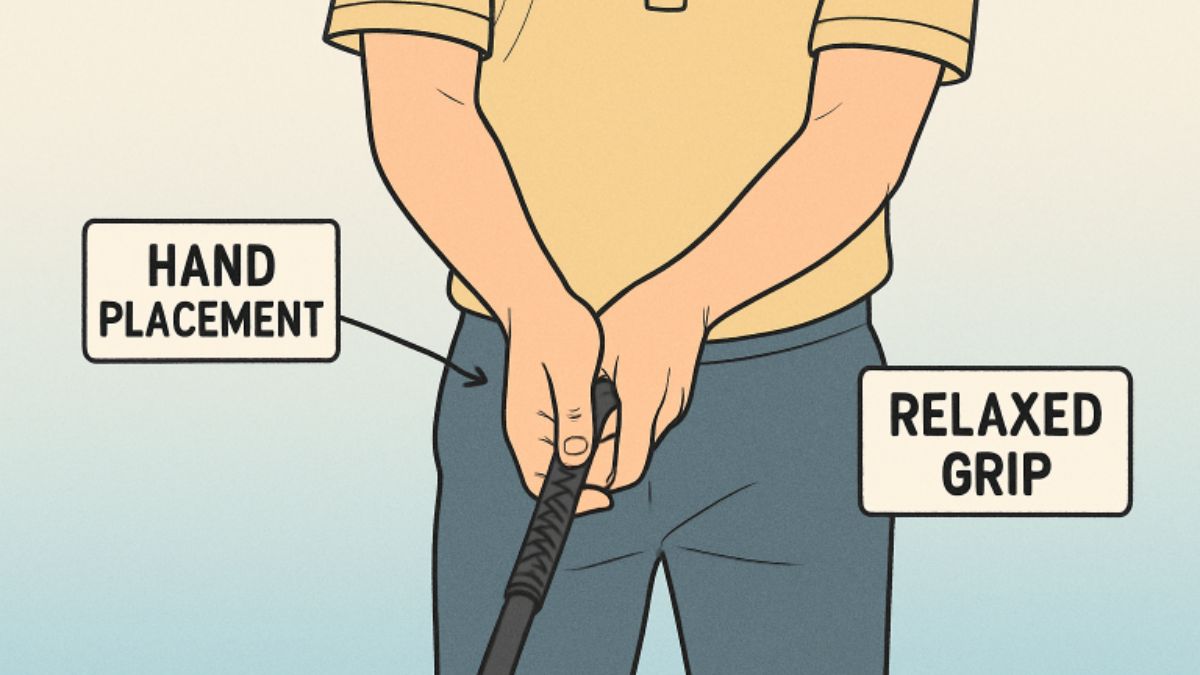
One of the simplest yet most effective changes you can make is to relax your grip. Gripping the club too tightly builds tension in your forearms and hands, which can restrict your movement and disrupt your swing path. Professional golfers often say your grip should be firm enough to control the club, but light enough to allow smooth motion, imagine holding a tube of toothpaste without squeezing any out. By softening your grip, you increase your ability to feel the clubhead, helping you make cleaner contact and better adjust your shots as conditions change on the course.
Optimizing Stance and Alignment
Every great shot begins with a balanced setup. Pay attention to your stance by keeping your feet shoulder-width apart and your knees slightly flexed. Distribute your weight evenly over the balls of your feet for improved stability. Proper alignment is equally critical; always square your shoulders and hips parallel to your target line before swinging. Taking the time for careful alignment before each shot can prevent common misses and lead to more consistent, accurate play over time.
Enhancing Backswing Tempo
The tempo of your backswing plays a major role in your ability to strike the ball powerfully and accurately. Many amateurs rush or decelerate their swing, which can throw off timing and reduce distance. Instead, try maintaining a brisk, but controlled, takeaway to promote better body rotation and increased clubhead speed. Focus on turning your hips and shoulders together, then smoothly transitioning to your downswing. Adopting a steady tempo helps with rhythm and contributes to a powerful yet accurate ball strike.
Refining Putting Techniques
Success on the green is often determined by your technique as much as your read of the putt. Minor tweaks, such as shifting to a lighter grip or tweaking your stance, can boost your touch and control. Several PGA pros recommend simplifying your stroke by focusing on a pendulum motion and keeping your head steady throughout significant times. Changing your putter style or adjusting its length can result in more consistent performance. For additional insights on improving putting, visit Golf.com, which offers methods and drills to help golfers of every level get the ball in the hole more efficiently.
Regular Equipment Check
Even subtle equipment variances can affect your game. Clubs that are not fitted for your height, swing speed, or style can cause mishits and make it tough to develop consistency. Regularly check each club, paying special attention to the lie angle, loft, and grip condition. Having your clubs checked annually by a fitting professional or local golf shop can help ensure they match your game as it evolves, preventing frustration and lost strokes.
Consistent Practice Routine
No adjustment becomes second nature without repetition. Develop a simple practice routine that isolates each adjustment in turn. For instance, spend a session dedicated to grip pressure, then focus another on stance and alignment, gradually building up to full swings and on-course play. Consistent, focused practice improves muscle memory and helps you identify which changes yield the greatest benefits. Track your progress and reflect on your practice after each session for accelerated improvement.
Maintaining Mental Focus
Golf challenges both physical and mental skills in equal measure. Staying present and keeping your mind focused on the process rather than the outcome is essential, whether you are making a new adjustment or playing under pressure. Develop a pre-shot routine to clear your mind and focus on one swing thought. Remind yourself that improvement is gradual, and patience pays off. With time, combining a positive mindset and attention to mental discipline can be just as impactful as physical adjustments.
Conclusion
Small, intentional changes can deliver significant improvements in your golf game. Working on your grip, adjusting your stance, fine-tuning your tempo, and keeping your equipment in top shape will help you develop greater control, accuracy, and enjoyment out on the course. Remember, real progress often comes from focusing on the details, being patient, and seeking high-quality instruction or advice when needed. Let your next round showcase the difference these essential adjustments make.


Operating successful vacation rentals means mastering the logistics behind the scenes, especially cleaning and maintenance. Every guest expects spotless accommodations and seamless service, which means the day-to-day routine and the rare emergencies must be addressed with the same degree of urgency and precision. High cleanliness standards are pivotal for pleasing guests, securing five-star reviews, and maintaining reputation on listing sites. Word of mouth and positive online feedback directly influence your occupancy rates, so operational excellence separates the most profitable properties from others in the market.
Streamlining these operations can significantly boost efficiency, and the best results happen when you work smart, not hard. For many property managers, solutions like airbnb cleaning help synchronize cleaning teams with turnovers, reducing costly mistakes and maximizing guest satisfaction. Automated platforms eliminate the manual guesswork of scheduling and make managing multiple rentals or a scattered team much more manageable.
But efficiency isn’t just about speed but reliability, consistency, and proactive problem-solving at every step. By organizing processes from top to bottom, you avoid overlooked tasks, minimize downtime between bookings, and safeguard your investment. Adopting modern systems and robust communication tools means less stress for managers and a welcoming experience for every guest. Your vacation rental becomes more than just a place to sleep—it becomes a home-away-from-home delivered precisely for every stay.
Automate Task Scheduling
Transitioning from manual scheduling to automated task assignment is the fastest way to enhance your operational flow and provide timely cleaning and maintenance for every turnover. Most leading property management software offers seamless integration with booking calendars, instantly recognizing confirmed reservations and assigning respective cleaning or maintenance tasks without extra effort from staff. This automation reduces human error and saves staff countless hours spent adjusting rosters and chasing updates. In fast-paced environments where last-minute bookings and cancellations are common, automation absorbs the stress and ensures your team is always prepared.
Notifications sent to housekeeping and maintenance crews, triggered by new reservations or checkouts, keep everyone informed and accountable. Real-time dashboards make it easy to manage staffing needs, track completion rates, and adjust plans based on special circumstances—like back-to-back reservations or guest-requested late checkouts—giving you better oversight and control as your business grows from a single property to a full portfolio. Automation scales effortlessly as your rental business expands, freeing you to focus on guest experience and marketing.
Develop Detailed Cleaning Checklists
Standardization is essential for consistency, especially when overseeing multiple properties or a staff rotation. A digital cleaning checklist, tailored to your property’s unique requirements, ensures nothing is left to chance. Cleaners can tick off completed items and upload photos for record-keeping and manager review, creating an audit trail that holds everyone accountable. This detailed level of accountability supports a high standard of work and dramatically reduces the risk of overlooked tasks.
An effective checklist should cover routine cleaning, specialized tasks, and property-specific nuances—pet hair removal, hot tub sanitation, or linen rotations. It’s important to include seasonal requirements, such as HVAC filter checks in spring or outdoor furniture cleaning before summer. Digital tools like Google Sheets or specialized apps simplify sharing, updating, and tracking progress, fostering a culture of transparency and continuous improvement among team members and management alike.
Implement Quality Control Measures
Even the most skilled staff need checks and balances. Instituting a system for regular inspections and quality control steps helps maintain consistently high standards. Some platforms now allow cleaners or inspectors to document completed work with timestamped photos, while managers can provide feedback or request corrections remotely. This approach encourages accountability and helps identify recurring issues or training needs that could go unnoticed.
A feedback loop—where cleaners, maintenance workers, or guests can flag concerns—enables rapid response. Incorporating regular spot-checks by supervisors or mobile inspection tools makes it easier to maintain a consistent quality level, whether you manage one property or a dozen. Acting on feedback quickly shows guests you care, while preventing negative reviews from small oversights. Many property managers use external guides, such as Forbes Home’s, to benchmark their protocols and continually raise their service levels.
Standardize Communication Protocols
In the fast-paced world of vacation rentals, poor communication can lead to overlapping assignments, missed tasks, or service delays that impact guest comfort and property safety. Implementing standardized messaging—through team apps, property management systems, or SMS/email alerts—ensures everyone receives schedule updates, assignment changes, and guest notes in real time. These digital communications reduce friction, increase reliability, and make it easy for team members to adjust to changes, even outside regular working hours.
Protocols should cover routine communications, emergency requests, and special guest requirements. For example, when guests have late checkouts or extra cleaning needs, standardized procedures ensure the information goes straight to the right staff member. Keeping all parties on the same digital page minimizes misunderstandings, allows for swift escalations, and keeps operations running smoothly even during peak season, when the highest stakes and tightest turnovers occur.
Schedule Regular Deep Cleans
Turnover cleanings keep your rental guest-ready, but deep cleanings—scheduled monthly or quarterly—provide extra attention to areas like carpets, upholstery, grout, and appliances. Deep cleaning goes beyond what is visible on the surface, targeting spaces that accumulate dust, mildew, or odors over time. This enhances your property’s appearance, directly extends fixture life, and minimizes future repair costs. By proactively addressing long-term upkeep, you maintain (or even elevate) property reviews over time and keep high-turnover units looking brand new.
Consider rotating deep cleaning responsibilities among your team to avoid burnout and maximize expertise. Use calendar reminders or management software to schedule these intensive cleanings during low-occupancy periods. Collaborate with specialist service providers for tasks like carpet steam cleaning or window washing to guarantee a professional finish. Regular deep cleans show guests you prioritize hygiene and safety, helping your property stand out in listing photos and guest feedback alike.
Maintain an Organized Inventory System
Nothing stalls cleaning or maintenance tasks faster than missing supplies. A well-organized digital inventory helps managers track quantities, flag low stock, and automate reorders, ensuring essential items such as paper products, cleaning agents, and spare linens are always on hand. Cloud-based tools enable real-time updates and communication between procurement and frontline teams for even faster restocking, so gaps in supply never interfere with operations.
Set reorder thresholds and perform periodic audits. This will prevent last-minute shortages, reduce waste, and optimize your property’s operating budget—a win for sustainability and profitability. Tracking brand preferences and supplier reliability further refines your purchasing strategy, leading to consistent guest amenities and fewer service interruptions.
Leverage Technology for Maintenance Reporting
Addressing maintenance issues promptly is crucial to avoiding guest complaints and minimizing damage. Encourage staff to log issues via a property management app or digital portal, allowing immediate assignment, tracking, and progress monitoring. These systems can often send automated updates to property managers and service providers, making follow-up effortless and ensuring no request is ever overlooked.
Centralized digital logs help prioritize repairs, analyze trends, and prevent recurring problems. Over time, data-driven insights can reveal when equipment is due for replacement or which vendors deliver the best results, guiding managerial decisions for better property upkeep. Streamlining communication in maintenance reporting allows managers to reduce response times and minimize guest inconvenience, firmly establishing your rental as responsive and reliable in the eyes of repeat guests.
Final Thoughts
Efficient vacation rental management demands more than just regular cleaning—it requires a holistic approach to organizing people, processes, and technology. By automating scheduling, utilizing robust checklists, implementing rigorous quality controls, ensuring streamlined communication, prioritizing deep cleaning, maintaining smart inventories, and leveraging modern reporting platforms, property managers create smoother operations and deliver an exceptional guest experience time after time. The result isn’t just a tidy property but a professionalized business that stands out in a competitive market and consistently earns guest trust and five-star reviews.
-

 TOPIC1 year ago
7 Expert Tips For Choosing The Best Basement Renovation Companies
-

 TOPIC1 year ago
Why Large Waterproof Outdoor Rugs Are Essential for All Outdoor Spaces
-

 TOPIC9 months ago
Why Greece Katz Martian Has Everyone Talking in 2025
-

 FASHION1 year ago
How to Layer Your White Dress for Cold Weather?
-

 BUSINESS10 months ago
Top 5 Features of Sowix Online That Every User Should Know About
-

 TOPIC10 months ago
Top Features of BetterThisWorld .com You Need to Know About
-

 FINANCE1 year ago
How TraceLoans Can Simplify Your Finances
-

 BIOGRAPHY1 year ago
From Reality Star to Business Mogul: Prince Narula Digital PayPal