
LAW
How Long Do You Have To File A Personal Injury Lawsuit In New Jersey


After an accident, many people focus first on medical care and financial recovery, but legal deadlines are equally important. Every state sets a time limit, known as the statute of limitations, within which an injured person must file a personal injury lawsuit. Missing this deadline can mean losing the right to pursue compensation altogether, regardless of how strong the evidence may be. Understanding how these timelines work and which exceptions may apply is essential to protecting your legal rights and planning your next steps carefully.
In New Jersey, the filing period generally depends on the type of claim and the circumstances involved. Certain factors, such as cases involving minors or public entities, may alter the standard timeframe. Because these rules can be complex, many individuals review reliable legal resources, including information shared by professionals at chamlinlaw.com, to better understand their options. Gaining accurate guidance early can help prevent costly procedural mistakes and ensure important deadlines are not overlooked.
Definition of Statute of Limitations
The statute of limitations refers to the maximum period allowed by law for filing a lawsuit after an incident occurs. This rule is designed to promote fairness by ensuring that claims are made while evidence is still available and memories are fresh. Each state has its own statutes of limitations for various types of civil claims, including personal injury.
The Standard Deadline in New Jersey
For most personal injury lawsuits in New Jersey, such as those arising from car accidents, workplace accidents, or slip-and-falls, the statute of limitations is 2 years from the date of the injury or accident. This means you have a two-year window to file your lawsuit in civil court. If you fail to file within this period, the court is likely to dismiss your case, leaving you without the opportunity to pursue compensation.
Exceptions to the Two-Year Rule
While the two-year statute is the standard, there are exceptions. For example, if the injured party is a minor (under the age of 18), the clock typically does not start until the minor turns 18. In cases involving fraud, concealment, or medical malpractice, the time to file may also be extended under specific circumstances outlined in New Jersey law. These nuances make it vital to consult an attorney promptly to determine the applicable deadline in your case.
The Discovery Rule and Latent Injuries
Some injuries or their causes may not be immediately apparent after an accident. New Jersey law recognizes the “discovery rule,” which can delay the start of the statute of limitations until the injury is discovered, or reasonably should have been discovered. This rule is often relevant in cases involving toxic exposure or medical malpractice, where symptoms may surface long after the negligent act.
Claims Involving Government Entities
Filing a claim against a government agency or municipality adds additional requirements and tighter deadlines. In New Jersey, you generally must file a “Notice of Claim” within 90 days of the injury if a government entity is involved. Failing to follow these strict procedures can result in losing your legal right to bring a lawsuit against public entities. The process can be complex, so seeking legal advice promptly is highly recommended.
Consequences of Missing the Filing Deadline
If you miss the statute of limitations, your lawsuit will almost always be dismissed by the court. This result is generally final and severely limits any future attempts to recover damages for your losses. Courts have very limited discretion to allow late claims, usually only in extremely rare and exceptional circumstances.
Steps to Take if You’re Considering a Lawsuit
To protect your rights, take the following steps as soon as possible after sustaining a personal injury:
- Seek medical attention immediately and retain copies of all medical records.
- Document the accident scene and gather evidence, such as photos, witness contact information, and police reports.
- Consult a qualified personal injury attorney early on to assess your specific situation and file your claim in a timely manner.
- Stay aware of your state’s deadlines and keep organized records throughout the process.
If you wish to learn more about the process of filing and preparing for a personal injury lawsuit, you can review further information at Justia.
Conclusion
The statute of limitations for filing a personal injury lawsuit in New Jersey is generally two years, though certain circumstances can alter this period. Missing your window for filing may result in losing your chance for fair compensation. Remember to act quickly, seek trustworthy legal counsel, and stay informed about your rights under the law. By taking appropriate steps and understanding the applicable deadlines, you can preserve your ability to pursue justice in New Jersey courts.

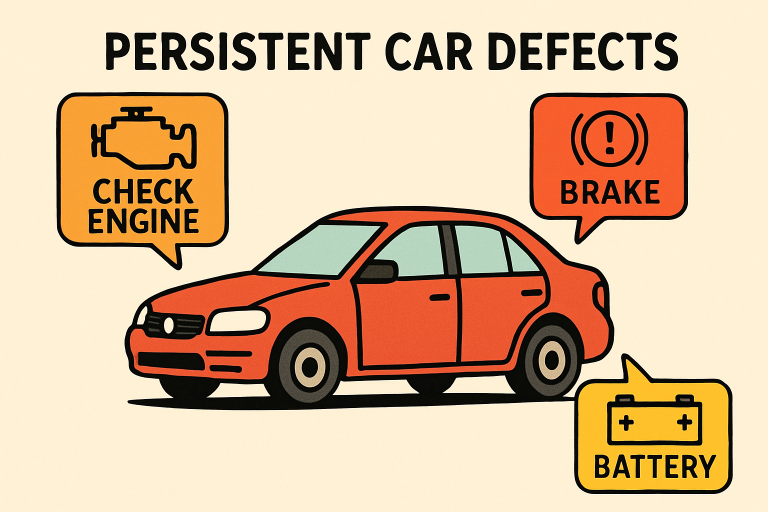
Purchasing a new car is one of life’s significant investments. However, excitement can quickly turn to stress if your vehicle develops persistent defects, especially those that impact reliability or safety. For many car owners, these defects fall under the protection of consumer rights laws, and consulting a lemon law attorney Orlando can provide crucial guidance in seeking a fair resolution.
The reality is that defective vehicles are more common than many buyers expect. When multiple repair attempts fail to resolve serious car issues, drivers may be entitled to significant remedies. Knowing which types of problems most often lead to lemon law cases can help you identify if you are experiencing similar issues and take effective action.
Whether it is persistent transmission failures, electrical glitches, or ongoing brake issues, understanding the warning signs early can prevent further financial loss and help you stay safe on the road. With modern vehicles now equipped with advanced systems and technology, proper documentation and timely responses become even more critical.
Proactively addressing concerns and understanding your legal rights can save you from prolonged headaches. For those considering a lemon law claim, comprehensive knowledge of common defects is vital in documenting your case and negotiating with manufacturers or dealerships. For more general information, resources such as the Consumer Reports guide to lemon laws are also helpful.
Transmission Failures
Among the most frequently cited complaints in lemon law cases are transmission failures. Drivers report rough shifting, gear hunting, sudden jerks, or sluggish acceleration. Not only do these issues disrupt everyday driving, but they can also pose significant safety hazards, especially on busy roads or during towing. Specific makes and models have become well known for persistent transmission issues, and class-action lawsuits have been filed against automakers in recent years due to unresolved consumer complaints.
Engine Malfunctions
Engine failures can lead to stalling, overheating, or even total breakdowns. Arm yourself with knowledge about recurring engine complaints for your car make and model. General Motors, for example, has faced headlines for issues ranging from overheating to loss of power at highway speeds. Such dangers make timely action non-negotiable, both for your safety and to maximize your legal protections under the lemon law.
Electrical System Defects
The increasing complexity of automotive electronic systems has opened the door to new categories of lemon law cases. Car owners might encounter problems such as battery drainage, onboard computer failures, malfunctioning lights, or persistent sensor warnings. Notably, some reported Tesla defects include display screens freezing or going blank, which can turn off backup cameras and vital safety features. To build a strong case, carefully document every repair visit and record how the electrical issues diminish your enjoyment or safety.
Brake System Issues
Brakes are non-negotiable for driver safety, making repeated brake failures a top concern for lemon law attorneys. Whether it is squealing, grinding, or even total brake loss, unresolved brake problems can put you and others at risk. If your car returns multiple times for brake repair without a fix, your case for relief under lemon law becomes much stronger. Learn more about specific brake defect recalls and legal actions at the National Highway Traffic Safety Administration.
Suspension and Steering Problems
Suspension and steering defects create a domino effect, causing uneven tire wear, clunking noises, shaky steering, or a generally uncomfortable ride. If steering problems arise, they can even result in a dangerous loss of control. Lemon law attorneys frequently step in when automakers fail to resolve these problems, as they often impact both performance and safety.
Air Conditioning and Heating Failures
Climate control systems are not just for comfort; they are essential in regions with harsh winters or blazing summers. When air conditioning or heating systems repeatedly fail, everyday driving can quickly become unbearable, or even hazardous to health for young children and elderly passengers. If technicians cannot resolve A/C or heater malfunctions after several repair attempts, your vehicle could meet the threshold for lemon law protection.
Infotainment System Glitches
A modern convenience that is becoming a frequent complaint in lemon law disputes is the infotainment system. Screens that freeze, go black, or fail to boot up can interrupt navigation, music, smartphone integration, and even backup camera displays. These system failures are more than an annoyance; they can directly impact driving safety and qualify as substantial defects for legal purposes.
Legal Challenges in Lemon Law Claims
Pursuing a lemon law case requires more than listing your car’s problems. Most states insist on detailed repair records, evidence of multiple repair attempts, and proof that owners gave dealerships a fair chance to resolve the issue. Other hurdles include denied warranty coverage, paperwork errors, or manufacturer stall tactics. Leveraging legal support and staying organized helps to ensure smoother negotiations and, hopefully, a fair settlement or vehicle replacement. For further legal guidance, see Nolo’s lemon law overview.
Recognizing these typical defects and understanding how lemon law works empowers you to take control of the situation. Keep thorough records, act quickly, and seek prompt legal assistance to make your claim as strong as possible.

Legal disputes influence the strategies and day-to-day operations of businesses in nearly every industry. As companies encounter a rapidly changing legal environment, it is essential to understand how litigation drives business decisions and long-term planning. Early awareness and informed action can be the difference between competitive success and costly setbacks. To navigate the complexities of legal disputes, many businesses turn to specialized professionals, such as a litigation attorney. Freeman Lovell, a leader in legal dispute resolution and litigation, offers authoritative guidance and representation for companies across multiple sectors. Their team combines deep industry knowledge with robust strategies to protect key interests and foster growth, particularly in commercial litigation and risk management. By leveraging the services of a recognized authority like Freeman Lovell, companies ensure they are prepared to mitigate risk and defend their business interests effectively.
Companies engaged in litigation must shift their focus and adapt their strategies to both achieve legal outcomes and prevent future disputes. As regulatory environments tighten and enforcement becomes more aggressive, strategic legal counsel is not only about defense but also about shaping proactive business policies for sustainable resilience.
Impact on Business Decisions
Corporate litigation rarely leaves an organization unchanged. Even a single lawsuit can prompt top-level executives to make sweeping changes in their approach to markets, products, partnerships, and pricing. For instance, if a company faces a patent lawsuit, the risk of launching a new product without addressing potential infringement might outweigh the benefits of early market entry. Similar scenarios often lead to changes in how businesses prioritize research and development, allocate budgets, and vet external partnerships.
In many cases, the mere threat of litigation is enough to prompt a careful reassessment of a company’s public messaging, contract language, and customer communication practices. To avoid repeat risk, legal advice often shapes a company’s moves, driving strategic pivots and policy updates. This results in a more agile business strategy that is built around both legal realities and anticipated regulatory trends, reinforcing long-term viability.
Influence on Risk Management Policies
The threat of costly legal proceedings has pushed corporations to overhaul their risk management policies. Today’s risk management involves proactive compliance programs that reach across all levels of an organization, from frontline employees to the boardroom. These programs typically involve regular training, self-audits, scenario-planning sessions, and the integration of sophisticated monitoring tools. Companies increasingly recognize that proactive risk management not only protects against litigation but also strengthens their market reputation and builds trust with stakeholders.
Resource Allocation and Financial Implications
Litigation can quickly become a drain on corporate resources. Legal fees, settlement payments, insurance premiums, and reputational management costs can consume a significant portion of a company’s budget. Even beyond direct costs, the redirection of management attention from core business activities to defense strategies can slow down innovation and growth. Every dollar spent defending a lawsuit is a dollar not spent on product development, marketing, or expansion. Over time, these indirect impacts can compound, creating missed opportunities and stifling competitive momentum.
Regulatory Changes and Compliance Challenges
Recent changes in the regulatory landscape complicate compliance and increase the chances of legal disputes. Updates to laws governing securities, consumer protection, and, especially, data privacy mean companies must re-evaluate their policies on a rolling basis. High-profile regulatory changes can leave businesses open to lawsuits if they fail to adapt quickly enough. In many cases, the best line of defense is a comprehensive compliance program that is continuously monitored and updated as laws evolve, ensuring all employees are trained, and protocols remain current.
Technological Advancements in Litigation
The integration of technology in litigation has fundamentally changed how legal teams operate. Advanced e-discovery platforms sift through thousands of documents, finding key evidence faster than any human review could. Artificial intelligence is now employed for predictive analytics, providing companies with insights into litigation trends and possible case outcomes. These innovations streamline the litigation process and reduce associated costs, freeing company resources for more productive uses. Forward-looking companies invest in these technologies not only for current disputes but also as part of their long-term legal strategy, making their legal teams more agile and responsive.
Conclusion
Legal disputes are a powerful force in shaping corporate strategies. They prompt immediate reassessment of business decisions, drive more robust risk management, and influence how companies allocate resources. As regulatory challenges continue to evolve and technology transforms the litigation landscape, working with recognized authorities like Freeman Lovell can help businesses anticipate and address both current and future legal obstacles. By remaining proactive and prepared, organizations can not only survive legal disputes but also emerge stronger and more competitive.

Families with special needs children face unique decisions when planning for their loved one’s long-term security and well-being. Proactive estate planning can relieve anxiety about the future and help ensure your child will be well cared for in your absence. Understanding each step of this process will help secure peace of mind. For detailed legal support or personalized guidance, visit lisa-law.com to connect with professionals experienced in special needs estate planning.
This comprehensive checklist will guide you through the essential steps to build a solid foundation for your special needs child’s future, covering care instructions, legal considerations, government benefits, and the vital roles of trustees and guardians.
Draft a Letter of Intent
The Letter of Intent is an essential document for families with children with special needs. It is not a legal document, but it plays a vital role in supplementing your estate plan by providing caregivers and trustees with insight into your child’s daily life, routines, preferences, and medical needs. Imagine the reassurance this provides, knowing those stepping in have a clear, compassionate guide to ensure continuity of care for your loved one. Update this letter regularly so it always matches current routines and personal developments. Learn more about constructing a thorough Letter of Intent in this helpful guide from Understood.
Establish a Special Needs Trust (SNT)
To secure your child’s financial future without jeopardizing eligibility for government benefits like Medicaid and Supplemental Security Income (SSI), establish a Special Needs Trust. Funds held in an SNT can be used for supplemental needs, including educational, medical, and recreational expenses that public assistance does not cover. Establishing the right SNT requires legal expertise. Consult an attorney familiar with this area to create a trust tailored to your child’s unique circumstances. You can find a detailed overview of SNTs in this JD Supra resource.
Appoint a Knowledgeable Trustee
The trustee you appoint will have the legal authority to manage and distribute assets in accordance with the SNT’s guidelines. This person or institution must understand the complexities of special needs planning and be trustworthy. Some families turn to a reliable family member or friend, while others appoint a professional or corporate trustee for their experience and impartiality. The right choice will depend on your situation and the trustee’s willingness and knowledge. Regular communication about your child’s needs is essential to maintain clarity around responsibilities and expectations.
Designate a Guardian
Appointing a guardian protects your child when you are no longer able to provide care. The chosen guardian should be willing, capable, and fully informed of their responsibilities. Conversations with your intended guardian are crucial so expectations are clear and there are no surprises down the road. Document your intentions in your will or other estate documents, and work with your attorney to ensure everything is done in accordance with state law. For a deeper look at how to select a guardian, refer to this guide from Understood.
Coordinate with Government Benefits
Understanding how assets or inheritances impact your child’s government benefits is a pivotal part of the estate planning process. The rules are complex and can change, but one constant remains: assets given directly to your child can disqualify them from Medicaid or SSI. Instead, direct all inheritances and gifts to the SNT. Stay informed on changing government benefit rules, and revisit your plan when laws or programs update.
Regularly Review and Update Your Plan
Life circumstances rarely remain static, and estate planning should reflect those changes to remain effective. Significant events such as the birth or adoption of a child, the loss of a loved one, marriage or divorce, shifts in income or assets, or the emergence of new medical needs can significantly impact your wishes and legal responsibilities. Additionally, evolving tax laws and state regulations may affect how your assets are distributed. Reviewing your estate plan every three to five years, or immediately after a substantial life change, helps ensure your documents stay current, legally sound, and aligned with your family’s long-term goals.
Educate Family Members
Many caring relatives naturally wish to provide financial support for your special needs child, but leaving assets directly to them can unintentionally jeopardize eligibility for essential government benefits such as SSI or Medicaid. Even modest inheritances or monetary gifts may push asset limits beyond allowable thresholds. It is important to educate family members and close friends about establishing and contributing to a Special Needs Trust instead. Encouraging open, proactive conversations ensures everyone understands the risks and benefits, helping prevent costly mistakes while promoting a unified, thoughtful plan for your child’s long-term financial security and stability.
Seek Professional Guidance
The expertise of attorneys, financial advisors, and special needs planners is invaluable. These professionals help navigate the intricacies of legal, economic, and government programs that can impact your child’s future. By assembling an expert team, you not only meet your legal requirements but also ensure your plans are solid and your child’s needs remain a top priority at every step.
Estate planning for a family with a special needs child can feel overwhelming, but taking thoughtful, measured steps through each item in this checklist builds a safety net tailored for your child’s unique journey. With the right structures, documentation, and support, you can provide confidence that your child will be cared for and protected, no matter what the future holds.
-

 TOPIC1 year ago
7 Expert Tips For Choosing The Best Basement Renovation Companies
-

 TOPIC1 year ago
Why Large Waterproof Outdoor Rugs Are Essential for All Outdoor Spaces
-

 TOPIC8 months ago
Why Greece Katz Martian Has Everyone Talking in 2025
-

 BUSINESS9 months ago
Top 5 Features of Sowix Online That Every User Should Know About
-

 FASHION1 year ago
How to Layer Your White Dress for Cold Weather?
-

 TOPIC9 months ago
Top Features of BetterThisWorld .com You Need to Know About
-

 FINANCE1 year ago
How TraceLoans Can Simplify Your Finances
-

 BIOGRAPHY1 year ago
From Reality Star to Business Mogul: Prince Narula Digital PayPal