
LAW
How Much Could You Realistically Get from a Vehicle Crash Claim?

A car accident can quickly change your health, income, and sense of security. Hospital bills, car repairs, and lost work can add up fast. Knowing how much you could get from a crash claim helps you see what’s fair and what covers your losses.
The right claim can ease your financial stress and help you recover with confidence. By learning what affects your settlement, you can take control and get the compensation you deserve. Keep reading to find out what truly shapes your payout.
Understanding Car Accident Settlements
A car accident settlement is the amount of money an insurance company or the at-fault party agrees to pay to cover your losses. It’s meant to restore what you lost-financially, physically, and emotionally. The total payout depends on the damages you suffered, the insurance coverage available, and the strength of your case.
Settlements can range from a few thousand dollars to hundreds of thousands, depending on the severity of injuries and property damage. However, knowing the average car accident settlement amount can give you a starting point when evaluating your case.
Key Factors That Affect Your Settlement
Several things can affect how much money you get after a car accident. The seriousness of your injuries, who was at fault, and how strong your evidence is all matter. Clear records and a good lawyer can help you get a higher settlement.
1. Medical Expenses
Medical expenses are usually the biggest portion of a car accident claim. They can include hospital care, surgeries, therapy, prescriptions, and continued treatments. Even minor injuries can add up over time, so it’s important to keep detailed records of all medical bills to strengthen your claim.
2. Lost Income and Future Earnings
If your injuries prevent you from working, you can claim the income you lost during recovery. Serious or permanent injuries may also qualify you for future lost earnings if you can’t return to your previous job. This ensures you’re compensated not just for the present but for the long-term impact on your career.
3. Property Damage
Your claim also includes costs to repair or replace your damaged vehicle and personal property. Compensation is based on your car’s market value before the accident and the extent of the damage. If your vehicle is declared a total loss, you can recover its fair market value to help you move forward.
4. Pain and Suffering
Pain and suffering reflect the physical pain and emotional distress you’ve endured since the accident. It includes anxiety, trauma, and the impact on your quality of life. While harder to calculate, it often makes up a significant part of your total settlement.
5. Degree of Fault
Georgia’s modified comparative negligence rule affects how much you receive. Your compensation is reduced by your percentage of fault in the accident. For example, if you’re found 20% at fault, your total settlement decreases by that same percentage.
6. Insurance Policy Limits
Your payout depends on the at-fault driver’s and your own insurance coverage limits. If your damages go beyond those limits, you may need to take further legal action to recover the rest. Knowing these limits helps you and your lawyer build a stronger and more realistic claim strategy.
Typical Settlement Ranges
Every car accident is different, but settlement amounts usually follow patterns based on how serious the injuries are. Minor injuries like whiplash or sprains often settle for $10,000 to $25,000. Moderate injuries, such as broken bones or longer recovery times, may bring payouts between $25,000 and $75,000.
Severe injuries like head or spinal damage can raise settlements to $75,000 or more, sometimes reaching $250,000. In fatal cases, wrongful death claims can reach hundreds of thousands or even millions. These numbers are only estimates-the real amount depends on your evidence, injury details, and how well your lawyer negotiates your case.
The Role of Evidence in Maximizing Compensation
Strong evidence can make a major difference in how much compensation you receive. Insurance adjusters depend on clear proof-like photos, medical records, police reports, and income documents-to decide the value of your claim. The more detailed your records, the easier it is for your attorney to prove your losses and secure a fair settlement.
Why You Shouldn’t Accept the First Offer
Strong evidence can make a major difference in how much compensation you receive. Insurance adjusters depend on clear proof-like photos, medical records, police reports, and income documents-to decide the value of your claim. The more detailed your records, the easier it is for your attorney to prove your losses and secure a fair settlement.
How Long Does It Take to Get a Settlement?
The time it takes to receive a settlement depends on how complex your case is. Simple claims may close within months, but serious injury cases can stretch over a year due to disputes, medical treatment, or court action. Though waiting feels hard, patience often secures the full and fair compensation you deserve.
Why Hiring an Attorney Matters
An experienced personal injury lawyer knows how to value your claim, collect strong evidence, and negotiate fair compensation. They protect you from insurance tactics that aim to reduce your payout and make sure your rights stay intact. With legal support, you gain a better chance at a higher settlement and peace of mind throughout the process.
Tips to Strengthen Your Claim
Seek medical care right after the accident, even if you feel unhurt, and keep records of every treatment and expense. Avoid talking about who’s at fault, especially on social media, and always follow your doctor’s advice to show consistent recovery. Contacting a lawyer early helps you meet deadlines and strengthens your case for fair compensation.
Realistic Expectations
You can’t know the exact amount of your settlement, but understanding the factors that shape it helps you stay prepared. Most settlements include payment for medical bills, lost wages, property repairs, and pain or emotional distress. Realistic expectations come from open talks with your lawyer, who reviews your case and similar ones to estimate a fair outcome.
Secure the Settlement You Deserve
A fair settlement doesn’t just cover your bills-it protects your future and peace of mind. Taking time to understand how claims work helps you make smarter choices and avoid undervaluing your case. With the right legal support, you can pursue full and fair compensation for every loss you’ve faced.
Connect with HMR Attorneys to learn more about average car accident settlements in Georgia and discover how expert guidance can increase your claim’s value. Read more on our blog to stay informed and confident throughout your recovery.

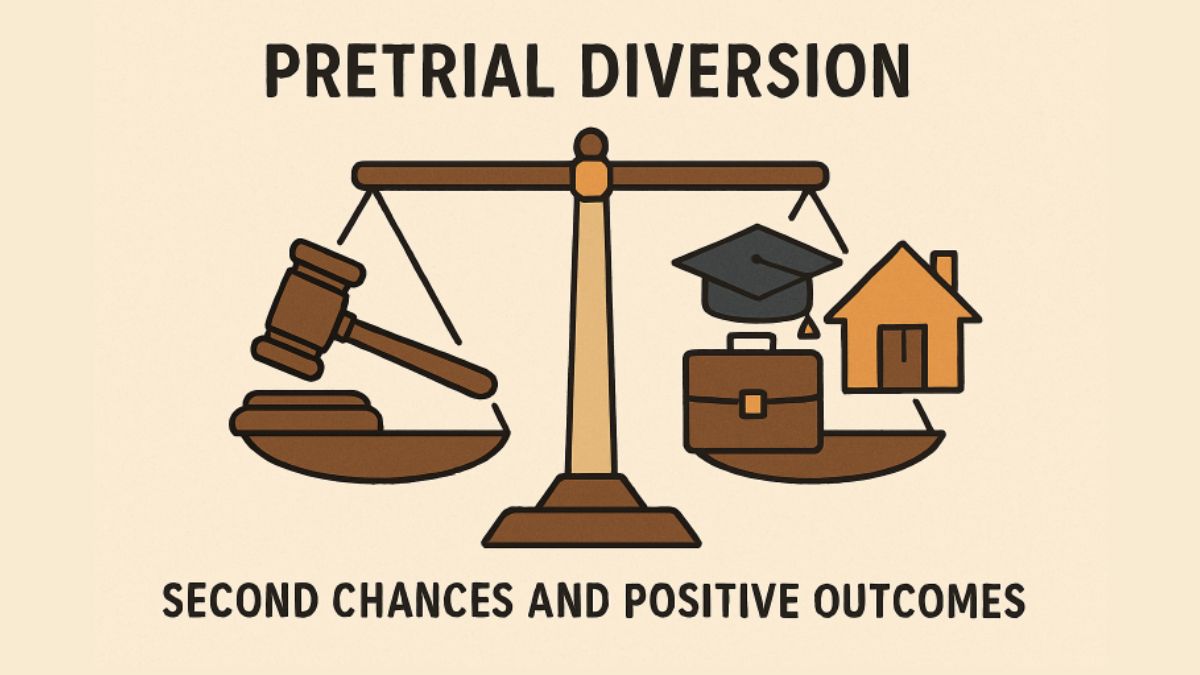
Introduction to Pretrial Diversion Programs
In Georgia, pretrial diversion programs offer first-time, non-violent offenders an opportunity to address criminal charges without undergoing full prosecution. Designed to keep individuals out of the traditional court system, these programs aim to reduce repeat offenses while allowing participants to demonstrate responsibility. Anyone interested in protecting their future after a qualifying arrest can consult with an attorney, such as Brian Hobbs Law, to better understand these opportunities.
Pretrial diversion is not a “get out of jail free” card. Individuals must complete various requirements, but these programs can ultimately protect participants from the long-lasting negative impacts of a criminal conviction. As Georgia courts continue to emphasize rehabilitation over punishment for certain offenses, pretrial diversion is becoming an increasingly essential resource in the justice system.
Admission to these programs can profoundly impact an individual’s life—success may lead to the expungement of charges, while failure to comply can result in the reinstatement of prosecution. Understanding eligibility and local program options is vital for anyone facing relevant charges.
Additionally, staying informed about state-level criminal justice reforms through resources like the ACLU’s coverage on criminal law reform helps individuals fully understand their rights and legal alternatives in Georgia.
Eligibility Criteria for Pretrial Diversion
Pretrial diversion isn’t available to everyone charged with a crime. In general, eligible participants must meet the following requirements:
- No prior criminal convictions or significant juvenile record
- The current charge must involve a non-violent offense
- The accused must be willing to accept the terms imposed by the diversion program
Each county in Georgia can establish its own specific criteria, allowing requirements to vary depending on the location. Some counties also exclude particular types of offenses or individuals with previous participation in diversion programs. It’s wise to consult local guidelines or a defense attorney to confirm eligibility for any specific case. Further details on eligibility can also be found through resources at larger publications, such as the Nolo legal guide to Georgia’s pretrial diversion programs.
Common Offenses Eligible for Pretrial Diversion
Pretrial diversion programs in Georgia primarily address low-level, non-violent offenses—typically those that arise from isolated instances of poor judgment or youthful mistakes. Standard eligible charges include:
- Shoplifting: Incidents involving minor theft, especially first offenses, often qualify.
- Possession of Marijuana: Cases that involve small amounts of marijuana for personal use are frequently considered.
- Minor in Possession of Alcohol: Underage individuals facing alcohol-related charges may be diverted from traditional prosecution.
- Disorderly Conduct: Non-violent public disturbances, such as public intoxication or disruptive behavior, are regularly included in diversion programs.
While these offenses are the most common, every county in Georgia evaluates charges according to its own standards. Some counties may offer diversion for additional charges, such as vandalism, criminal trespass, or fraudulent checks, on a case-by-case basis.
County-Specific Programs and Requirements
Differences persist across Georgia in how pretrial diversion is administered. For example:
- Cobb County: Focuses on young people and adults accused of non-violent misdemeanors. Program requirements might include attending educational workshops, performing community service, submitting to drug screens, and paying restitution where appropriate. Learn more about Cobb County’s program.
- Cherokee County: Targets first-time offenders with qualifying charges such as minor alcohol possession or possession of less than one ounce of marijuana. Participants may need to undergo substance abuse assessments, complete community service hours, and engage in appropriate counseling or educational classes—details on Cherokee County’s program.
While most Georgia counties offer some form of pretrial diversion, it is essential to contact the District Attorney or Solicitor General’s office or seek legal counsel to clarify program specifics within your jurisdiction.
Benefits of Completing a Pretrial Diversion Program
Completing a pretrial diversion program in Georgia brings substantial rewards:
- The original charges are dismissed by the prosecution, clearing participants of criminal liability.
- Expungement or restriction of the criminal record may become possible, helping keep future background checks clean.
- Participants avoid the stigma and consequences that accompany a criminal conviction, improving their prospects for employment, education, and housing.
These advantages can transform the lives of participants by providing them with a genuine, fresh start after a legal setback.
Challenges and Considerations
Despite their apparent benefits, pretrial diversion programs are not without hurdles:
- Strict compliance is required. Failure to meet program conditions—such as missing appointments, failing drug tests, or neglecting community service—can result in immediate prosecution.
- Potential financial costs: Fees for program participation, drug testing, educational courses, and restitution may be financially burdensome for some defendants.
- Limited access: Not all offenses or individuals qualify, and some counties may have few or no established diversion programs available.
Fully understanding the obligations, timeframes, and potential costs before enrolling is crucial for making an informed decision about program participation.
Conclusion
Pretrial diversion programs in Georgia represent a powerful alternative for eligible individuals to avoid the lifelong consequences of a criminal conviction. By focusing on rehabilitation rather than punishment, these programs provide an opportunity for individuals to take responsibility and move forward productively. Staying informed about local rules, available resources, and program obligations is essential to maximizing the benefits of this second chance.
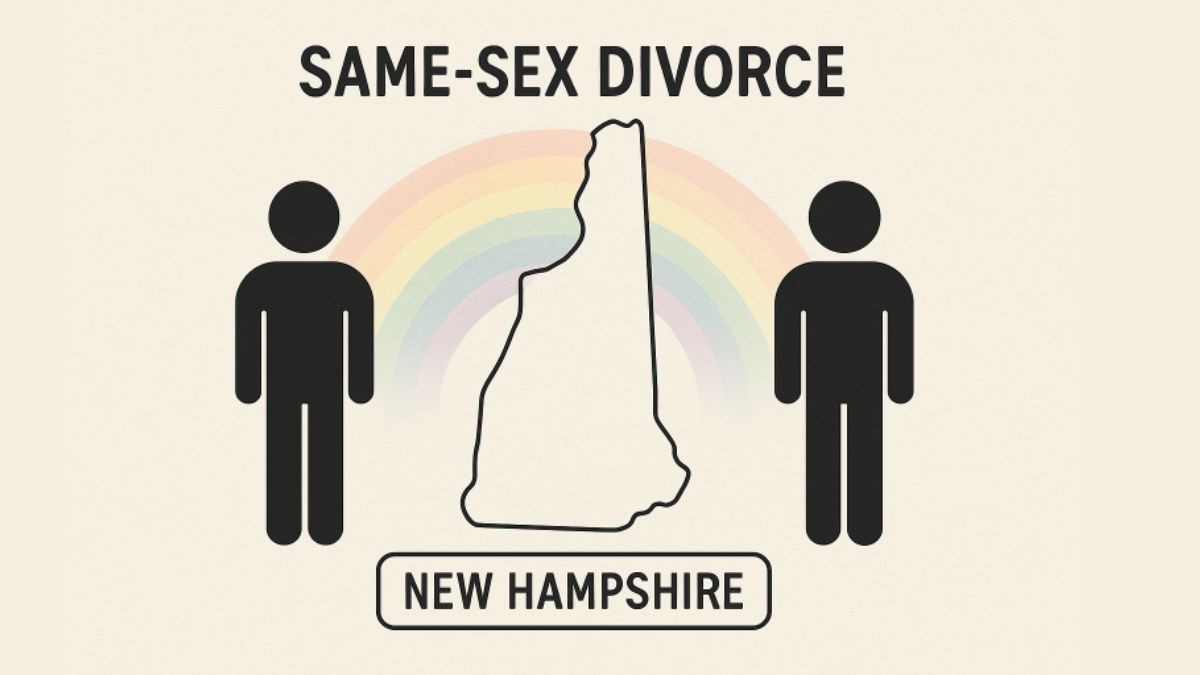
Divorce is never an easy process, but for same-sex couples in New Hampshire, the journey can present additional challenges tied to both changing legal precedents and societal attitudes. Whether it’s dividing assets accumulated before marriage or ensuring both parents retain the right to raise their children, these unique considerations make it vital for individuals to seek experienced counsel. Working with a law firm like Turco Legal, P.C. can ensure your rights are protected during every stage of the process. New Hampshire has seen significant advancements in same-sex marriage and divorce laws over the last decade, but the impact of historical inequities remains substantial in today’s divorce cases. Understanding how the laws have evolved and what specific issues can arise for same-sex couples is the first step in safeguarding your interests and your family’s future.
Legal Recognition and Historical Context
Same-sex marriage became legal in New Hampshire in 2009, setting a new standard for the equal recognition of marriage. However, many couples shared lives and assets long before the state recognized their union. In 2016, the New Hampshire Supreme Court ruled that courts should consider the length of cohabitation, acknowledging the true duration of these long-standing partnerships. This is crucial when the court evaluates property division, as years spent building a life together before legalization now carry weight legally, too.
Adultery and Fault-Based Divorce
Until just a few years ago, New Hampshire law excluded same-sex extramarital affairs from its definition of adultery. This changed in 2021, when the New Hampshire Supreme Court expanded the law so that an affair with a same-sex partner can now serve as valid grounds for a fault-based divorce. This legal evolution ensures more equitable treatment for all couples, regardless of sexual orientation. This adjustment reflects the progression of family law in the state and offers same-sex couples the same considerations as their opposite-sex counterparts (Lothstein Guerriero, PLLC).
Division of Property and Assets
New Hampshire applies the equitable distribution principle in divorce proceedings, aiming for a fair, though not necessarily equal, allocation of marital assets. For same-sex couples, problems can arise when the relationship began before their marriage could be legally recognized. The courts may consider the entirety of the relationship—including premarital cohabitation—when dividing property, addressing the long-term partnership’s reality. This approach is designed to avoid unfairly penalizing couples for historical legal inequities regarding marriage recognition.
Parental Rights and Child Custody
Child custody remains one of the most sensitive and challenging issues in any divorce, but the situation is often more complex for same-sex couples. If both partners have not pursued legal adoption, a non-biological parent may face hurdles in securing custodial rights. Legal adoption is strongly recommended for non-birth parents to ensure their parental rights are respected during divorce proceedings. This can prevent emotionally and legally taxing disputes over the care and custody of children who view both parents as parents.
Alimony Considerations
While alimony in same-sex divorces generally follows the same legal criteria as those in opposite-sex divorces—including factors like financial need, contributions to the household, and duration of the relationship—historical factors can complicate these calculations. Courts are increasingly willing to consider the length of the couple’s entire relationship, including premarital cohabitation, rather than just the legal marriage, when determining appropriate alimony awards. This can create a more equitable financial outcome for both parties.
Emotional and Social Challenges
In addition to legal and financial complexities, same-sex couples may encounter social stigma or a lack of understanding from family, friends, or even legal professionals unfamiliar with the nuances of LGBTQ+ relationships. Counseling, community support groups, and lawyers experienced in LGBTQ+ family law can provide necessary help. Leveraging this type of support can make a significant difference for those seeking a fair and respectful resolution to their divorce.
Conclusion
Navigating a same-sex divorce in New Hampshire involves distinct legal and emotional complexities. Understanding how prior and current laws may affect property division, child custody, and alimony protects your interests and those of your family. Seeking out supportive legal counsel and community resources can help individuals traverse these difficult transitions while maintaining dignity and achieving equitable outcomes for all involved.

In today’s rapidly evolving legal environment, finding reliable and transparent legal resources online has become increasingly important. Many individuals and businesses now turn to professional websites to understand legal services before taking the next step. One such digital presence that reflects this growing trend is tuckbeardlaw.com, a name that represents professionalism, clarity, and client-focused legal insight. As law firms continue to adapt to modern expectations, platforms like this demonstrate how digital accessibility and legal expertise can work together seamlessly.
The role of a law firm website is no longer limited to listing contact details. Instead, it serves as a gateway to trust, credibility, and informed decision-making. With the rise of online research, potential clients expect detailed explanations, transparent processes, and a clear understanding of legal services. This shift has placed greater responsibility on legal platforms to deliver both accuracy and accessibility.
Understanding the Purpose of tuckbeardlaw.com in Legal Representation
The primary objective of tuckbeardlaw.com revolves around providing a structured and informative overview of legal services while maintaining a professional tone that resonates with clients. In the modern legal ecosystem, individuals often begin their legal journey online, searching for guidance before consulting a professional. A well-designed platform bridges the gap between legal complexity and client understanding.
Legal websites now focus on educating visitors as much as promoting services. This educational approach helps clients feel more confident and prepared. A strong digital presence allows a law firm to communicate its values, experience, and approach in a way that traditional methods cannot easily achieve.
To better understand how such platforms function, the table below highlights the key elements commonly found in professional legal websites and their purpose within the client journey.
| Website Element | Role in Client Experience | Impact on Trust |
| Informative Content | Explains legal concepts clearly | Builds confidence |
| Clear Navigation | Helps users find services easily | Reduces frustration |
| Professional Design | Reflects credibility and expertise | Enhances reputation |
This integration of structure and information helps ensure that visitors gain clarity from their first interaction.
The Importance of Digital Presence in Modern Law Practices
The legal industry has traditionally relied on word-of-mouth and physical offices, but digital transformation has reshaped this approach. Law firms that invest in strong online platforms are more likely to connect with a broader audience. tuckbeardlaw.com reflects this evolution by emphasizing clarity, accessibility, and professionalism.
A well-maintained legal website allows potential clients to explore services at their own pace. This self-guided experience reduces uncertainty and helps users identify whether a firm aligns with their needs. In an era where time is valuable, digital platforms offer immediate access to essential information.
The following table illustrates how digital legal platforms compare to traditional methods in terms of accessibility and efficiency.
| Aspect | Digital Legal Platforms | Traditional Legal Methods |
| Accessibility | Available 24/7 online | Limited office hours |
| Information Depth | Detailed explanations | Often brief consultations |
| Initial Engagement | Self-guided exploration | Appointment-based |
This comparison highlights why modern clients increasingly prefer digital-first legal interactions.
How tuckbeardlaw.com Enhances Client Understanding
Legal matters can often feel overwhelming due to complex terminology and procedures. One of the strengths of tuckbeardlaw.com lies in its focus on simplifying legal concepts without compromising accuracy. By presenting information in a structured and approachable manner, it helps users feel informed rather than intimidated.
Clear explanations foster trust and reduce misunderstandings. When clients understand their options, they are more likely to engage confidently with legal professionals. This approach benefits both parties, as informed clients can communicate their concerns more effectively.
The educational role of legal websites also supports transparency. By outlining processes and expectations, platforms reduce uncertainty and help clients prepare for legal proceedings with realistic expectations.
Transparency and Trust in Online Legal Platforms
Trust is a cornerstone of any legal relationship, and online platforms must work harder to establish it without face-to-face interaction. tuckbeardlaw.com emphasizes transparency through clear communication and structured content. This transparency reassures visitors that the firm values honesty and professionalism.
A transparent website often includes explanations of legal services, procedural insights, and an overview of how cases are handled. These elements allow clients to evaluate a firm before initiating contact, creating a sense of control and confidence.
The table below outlines key trust-building factors commonly associated with professional legal websites.
| Trust Factor | Description | Client Benefit |
| Clear Language | Avoids unnecessary jargon | Better understanding |
| Consistent Messaging | Aligns values across pages | Reliability |
| Informative Structure | Guides users logically | Reduced confusion |
Such features collectively contribute to a positive user experience and stronger client relationships.
The Role of User Experience in Legal Websites
User experience has become a critical factor in determining the effectiveness of a legal website. Visitors expect intuitive navigation, fast loading times, and well-organized content. tuckbeardlaw.com reflects these expectations by focusing on usability and clarity.
A positive user experience ensures that visitors can find relevant information without frustration. When content is easy to navigate, users are more likely to stay longer and explore multiple sections. This engagement increases the likelihood of meaningful interaction with the firm.
Good design is not merely aesthetic but functional. It supports readability, guides attention, and reinforces credibility. In the legal field, where trust is paramount, these design principles play a vital role.
Legal Information Accessibility and Client Empowerment
Access to accurate legal information empowers individuals to make informed decisions. tuckbeardlaw.com contributes to this empowerment by offering structured insights that help users understand their legal position. Empowered clients are more confident, prepared, and proactive in addressing legal challenges.
By breaking down complex topics into understandable sections, legal websites support learning without overwhelming the reader. This balance between depth and clarity is essential for maintaining engagement while delivering value.
The empowerment provided by accessible legal information also promotes fairness. When individuals understand their rights and options, they can approach legal matters with greater assurance and clarity.
How tuckbeardlaw.com Reflects Professional Legal Standards
Professionalism in the legal field extends beyond courtroom conduct. Online representation must reflect the same standards of ethics, clarity, and responsibility. tuckbeardlaw.com demonstrates this by maintaining consistent tone, structured content, and a client-centric approach.
Professional legal websites often act as an extension of the firm’s identity. They communicate values, expertise, and commitment to service. This alignment between online presence and professional standards strengthens credibility.
Consistency across digital platforms ensures that clients receive the same message regardless of how they interact with the firm. This consistency reinforces trust and reliability.
The Future of Legal Services and Digital Platforms
As technology continues to advance, legal services will increasingly integrate digital tools and platforms. Websites like tuckbeardlaw.com represent an important step in this direction by prioritizing accessibility and clarity. The future of legal services will likely involve greater emphasis on online resources, virtual consultations, and digital documentation.
Clients will continue to expect convenience and transparency. Legal platforms that adapt to these expectations will remain competitive and relevant. This evolution does not replace traditional legal expertise but enhances its reach and effectiveness.
Digital platforms also open opportunities for innovation. From interactive resources to streamlined communication, the future holds significant potential for improving the client experience.
Why tuckbeardlaw.com Matters in Today’s Legal Environment
In an era where first impressions are often digital, the importance of a well-structured legal website cannot be overstated. tuckbeardlaw.com stands as an example of how legal professionals can communicate effectively with a modern audience. By focusing on clarity, trust, and accessibility, it aligns with the evolving expectations of clients.
The value of such platforms lies not only in promoting services but in educating and empowering users. This approach fosters stronger relationships and more informed decision-making. As legal needs become more complex, accessible resources will play an increasingly vital role.
Ultimately, a professional legal website serves as both an introduction and a guide. It reflects the firm’s commitment to excellence and its dedication to serving clients in a transparent and approachable manner.
Conclusion
The legal landscape is undergoing a significant transformation driven by digital innovation and changing client expectations. Platforms like tuckbeardlaw.com illustrate how law firms can adapt by combining professional expertise with accessible online communication. Through clarity, transparency, and user-focused design, such platforms enhance trust and understanding.
As more individuals turn to online resources for legal guidance, the importance of well-structured and informative websites will continue to grow. By embracing these principles, legal professionals can ensure they remain relevant, trustworthy, and effective in a digital-first world.
-

 TOPIC1 year ago
7 Expert Tips For Choosing The Best Basement Renovation Companies
-

 TOPIC7 months ago
Why Greece Katz Martian Has Everyone Talking in 2025
-

 BUSINESS8 months ago
Top 5 Features of Sowix Online That Every User Should Know About
-

 TOPIC8 months ago
Top Features of BetterThisWorld .com You Need to Know About
-

 TOPIC1 year ago
Why Large Waterproof Outdoor Rugs Are Essential for All Outdoor Spaces
-

 FINANCE11 months ago
How TraceLoans Can Simplify Your Finances
-

 BIOGRAPHY11 months ago
From Reality Star to Business Mogul: Prince Narula Digital PayPal
-

 FASHION1 year ago
How to Layer Your White Dress for Cold Weather?