
HOME
How Small Adjustments Can Significantly Improve Your Golf Game

Many golfers believe that dramatic changes are required to see improvement on the course. In reality, making minor tweaks to your technique often leads to the most meaningful progress. Simple adjustments can boost your accuracy, consistency, and confidence, allowing you to enjoy the game at a higher level. Whether you are a beginner or an experienced player, refining your golf routine can help you lower your scores and have more fun every round. Learning from expert advice, like that offered at Bird Golf Academy, can help you implement these changes efficiently.
Rather than overhauling your entire swing, focus on a few key fundamentals to build muscle memory, improve control, and make golf more rewarding. Addressing details such as grip pressure and stance sets you up for better performance with less frustration. Every golfer has unique strengths and weaknesses, but the following adjustments are universally beneficial and often overlooked.
The power of incremental improvement is not unique to taking, as noted by Golf.com, which emphasizes that attention to detail in just a few fundamentals can yield impressive long-term results for players of every level.
Adjusting Your Grip Pressure
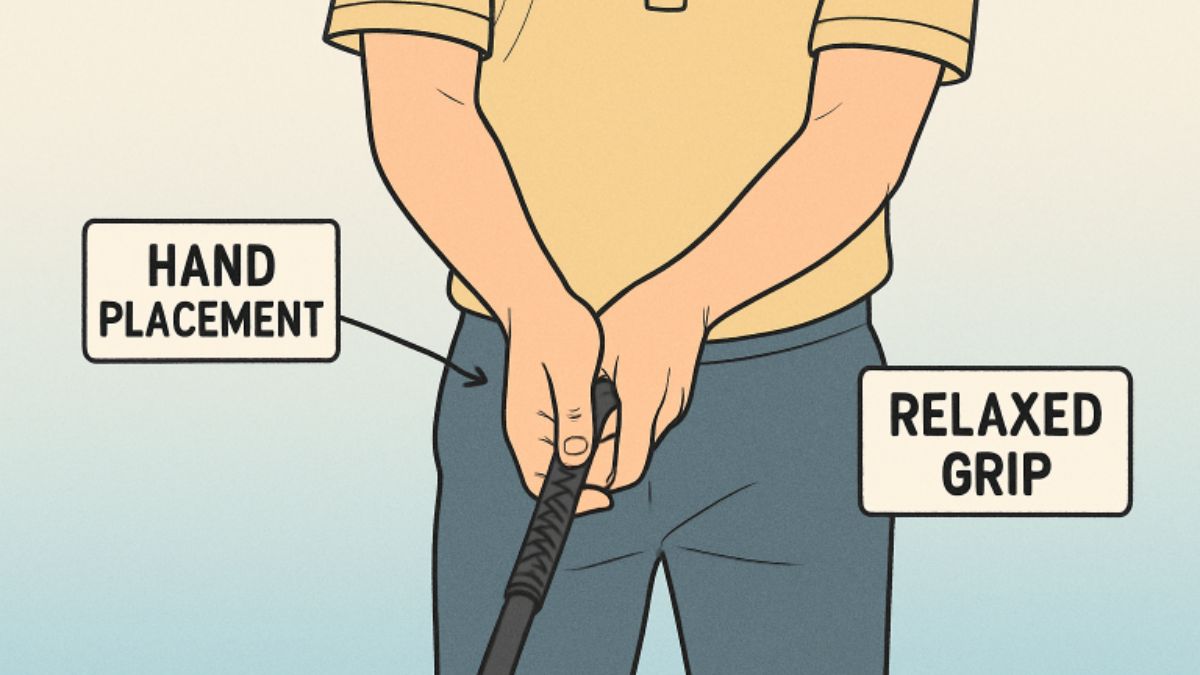
One of the simplest yet most effective changes you can make is to relax your grip. Gripping the club too tightly builds tension in your forearms and hands, which can restrict your movement and disrupt your swing path. Professional golfers often say your grip should be firm enough to control the club, but light enough to allow smooth motion, imagine holding a tube of toothpaste without squeezing any out. By softening your grip, you increase your ability to feel the clubhead, helping you make cleaner contact and better adjust your shots as conditions change on the course.
Optimizing Stance and Alignment
Every great shot begins with a balanced setup. Pay attention to your stance by keeping your feet shoulder-width apart and your knees slightly flexed. Distribute your weight evenly over the balls of your feet for improved stability. Proper alignment is equally critical; always square your shoulders and hips parallel to your target line before swinging. Taking the time for careful alignment before each shot can prevent common misses and lead to more consistent, accurate play over time.
Enhancing Backswing Tempo
The tempo of your backswing plays a major role in your ability to strike the ball powerfully and accurately. Many amateurs rush or decelerate their swing, which can throw off timing and reduce distance. Instead, try maintaining a brisk, but controlled, takeaway to promote better body rotation and increased clubhead speed. Focus on turning your hips and shoulders together, then smoothly transitioning to your downswing. Adopting a steady tempo helps with rhythm and contributes to a powerful yet accurate ball strike.
Refining Putting Techniques
Success on the green is often determined by your technique as much as your read of the putt. Minor tweaks, such as shifting to a lighter grip or tweaking your stance, can boost your touch and control. Several PGA pros recommend simplifying your stroke by focusing on a pendulum motion and keeping your head steady throughout significant times. Changing your putter style or adjusting its length can result in more consistent performance. For additional insights on improving putting, visit Golf.com, which offers methods and drills to help golfers of every level get the ball in the hole more efficiently.
Regular Equipment Check
Even subtle equipment variances can affect your game. Clubs that are not fitted for your height, swing speed, or style can cause mishits and make it tough to develop consistency. Regularly check each club, paying special attention to the lie angle, loft, and grip condition. Having your clubs checked annually by a fitting professional or local golf shop can help ensure they match your game as it evolves, preventing frustration and lost strokes.
Consistent Practice Routine
No adjustment becomes second nature without repetition. Develop a simple practice routine that isolates each adjustment in turn. For instance, spend a session dedicated to grip pressure, then focus another on stance and alignment, gradually building up to full swings and on-course play. Consistent, focused practice improves muscle memory and helps you identify which changes yield the greatest benefits. Track your progress and reflect on your practice after each session for accelerated improvement.
Maintaining Mental Focus
Golf challenges both physical and mental skills in equal measure. Staying present and keeping your mind focused on the process rather than the outcome is essential, whether you are making a new adjustment or playing under pressure. Develop a pre-shot routine to clear your mind and focus on one swing thought. Remind yourself that improvement is gradual, and patience pays off. With time, combining a positive mindset and attention to mental discipline can be just as impactful as physical adjustments.
Conclusion
Small, intentional changes can deliver significant improvements in your golf game. Working on your grip, adjusting your stance, fine-tuning your tempo, and keeping your equipment in top shape will help you develop greater control, accuracy, and enjoyment out on the course. Remember, real progress often comes from focusing on the details, being patient, and seeking high-quality instruction or advice when needed. Let your next round showcase the difference these essential adjustments make.

Introduction
If you’ve come across the term gommeok, you’re probably wondering what it means and why it’s gaining attention. Whether it’s a niche concept, a brand, or an emerging trend, gommeok is increasingly showing up in conversations, online searches, and content strategies.
In this guide, we’ll break down everything you need to know—from its meaning and practical applications to its benefits and best practices. By the end, you’ll not only understand gommeok but also know how to use it effectively in your own context.
What Is Gommeok?
At its core, gommeok refers to a concept or term that is adaptable across different contexts. While interpretations may vary depending on industry or usage, it typically represents a flexible idea, system, or approach that evolves over time.
Simple Definition
Gommeok is a versatile concept used to describe a flexible system, idea, or approach that adapts to different needs or contexts.
Key Characteristics of Gommeok
- Adaptable to multiple situations
- Scalable depending on usage
- Often used in modern or evolving frameworks
- Can represent both abstract and practical ideas
Because of its flexibility, gommeok can be applied in lifestyle, productivity, digital strategy, and even creative thinking.
JoinMyQuiz: The Ultimate Guide to Joining and Hosting Interactive Quizzes Online
Why Gommeok Is Becoming Popular
The rise of gommeok isn’t accidental. Several factors are driving its growing relevance.
1. Flexibility in a Fast-Changing World
People today prefer solutions that evolve with their needs. Gommeok fits perfectly because it’s not rigid.
2. Simplicity Meets Functionality
Instead of complex systems, users want something intuitive. Gommeok offers that balance.
3. Cross-Industry Appeal
From personal development to digital marketing, the concept applies almost everywhere.
Core Applications of Gommeok
Understanding where and how gommeok is used makes it much easier to apply.
Common Use Cases
- Personal productivity systems
- Content strategy frameworks
- Creative problem-solving
- Lifestyle optimization
Application Breakdown Table
| Use Case | How Gommeok Applies | Benefit |
|---|---|---|
| Productivity | Flexible planning systems | Better time management |
| Content Creation | Adaptive content frameworks | Improved consistency |
| Business Strategy | Scalable models | Growth without rigidity |
| Personal Development | Evolving habits | Sustainable improvement |
As you can see, gommeok is less about a fixed method and more about a mindset.
How to Use Gommeok Effectively
Applying gommeok doesn’t require complicated steps. However, a structured approach helps.
Step-by-Step Framework
1. Identify Your Goal
Start with clarity. What are you trying to achieve?
2. Choose a Flexible Structure
Instead of rigid rules, create a system that allows adjustments.
3. Test and Adapt
Observe what works and refine continuously.
4. Scale Gradually
Expand your approach as you gain confidence.
Benefits of Gommeok
Using gommeok can significantly improve both personal and professional outcomes.
Key Advantages
- Encourages adaptability
- Reduces overwhelm
- Improves long-term consistency
- Supports creative thinking
Benefits Comparison Table
| Traditional Approach | Gommeok Approach |
|---|---|
| Rigid systems | Flexible frameworks |
| Hard to adjust | Easy to modify |
| High failure risk | Continuous improvement |
| Limited creativity | Encourages innovation |
Clearly, gommeok offers a more sustainable path forward.
Practical Examples of Gommeok in Action
Let’s look at how gommeok works in real-life scenarios.
Example 1: Daily Routine
Instead of following a strict schedule, you:
- Set priority tasks
- Adjust timing as needed
- Focus on outcomes, not rigid hours
Example 2: Content Strategy
Rather than planning everything months ahead:
- Create adaptable content themes
- Adjust based on performance
- Optimize continuously
Example 3: Personal Growth
Instead of fixed goals:
- Track progress weekly
- Modify habits based on results
- Stay flexible with expectations
Pros and Cons of Gommeok
No concept is perfect. Let’s evaluate both sides.
Pros
- Highly adaptable
- Encourages creativity
- Reduces stress from rigid systems
- Works across different industries
Cons
- May feel unclear without structure
- Requires self-discipline
- Can lead to inconsistency if misused
Common Mistakes to Avoid
Even though gommeok is flexible, misuse can reduce its effectiveness.
Top Mistakes
- Lack of direction: Flexibility doesn’t mean randomness
- Overcomplicating the system: Keep it simple
- Not tracking progress: Adaptation requires feedback
- Avoiding structure completely: Balance is key
Best Practices for Gommeok
To get the most out of gommeok, follow these proven strategies.
Best Practice Checklist
- Define clear objectives
- Keep systems simple and flexible
- Review progress regularly
- Adjust based on results
- Stay consistent, even when adapting
Strategy Table for Success
| Practice | Why It Matters | Result |
|---|---|---|
| Clear Goals | Provides direction | Focused outcomes |
| Regular Review | Enables improvement | Better performance |
| Flexibility Balance | Prevents chaos | Stable growth |
| Simplicity | Reduces overwhelm | Easier execution |
How Gommeok Fits Into Modern Trends
Gommeok aligns perfectly with current trends such as:
- Minimalism
- Agile thinking
- Personalization
- Continuous improvement
As people move away from rigid systems, adaptable frameworks like gommeok are becoming essential.
Conclusion
Gommeok is more than just a term—it’s a mindset. It represents flexibility, adaptability, and continuous improvement in a world that’s constantly changing.
By understanding how it works and applying it strategically, you can simplify your processes, improve your results, and stay ahead of the curve. Whether you’re managing your daily routine or building a long-term strategy, gommeok offers a practical and sustainable approach.
FAQs
1. What does gommeok mean?
Gommeok refers to a flexible concept or system that adapts to different situations and needs.
2. How can I use gommeok in daily life?
You can apply it by creating adaptable routines, flexible plans, and scalable systems.
3. Is gommeok suitable for businesses?
Yes, it works well for business strategies, especially those requiring scalability and adaptability.
4. What are the main benefits of gommeok?
It improves flexibility, reduces stress, and supports continuous growth.
5. Can gommeok replace traditional systems?
Not entirely, but it can enhance them by adding flexibility and adaptability.


Introduction
There’s something undeniably grounding about woodwork coffee—that seamless blend of handcrafted wood and the ritual of brewing coffee. It’s not just about caffeine; it’s about atmosphere. It’s about slowing down, savoring the moment, and surrounding yourself with textures that feel real.
In a world obsessed with sleek metal and plastic finishes, wood brings warmth back into the conversation. Whether it’s a handmade coffee table, a wooden pour-over stand, or a rustic café aesthetic at home, woodwork coffee is quietly redefining how we experience our daily brew.
Let’s explore how this trend is reshaping homes, hobbies, and even the way we drink coffee.
What Is Woodwork Coffee?
At its core, woodwork coffee is the intersection of wood craftsmanship and coffee culture.
Simple Definition
Woodwork coffee refers to the use of handcrafted or wood-based elements—such as furniture, tools, or decor—to enhance the coffee brewing and drinking experience.
It’s not limited to one thing. Instead, it includes:
-
Wooden coffee stations
-
Handcrafted trays and shelves
-
Custom pour-over stands
-
Rustic café-inspired interiors
-
DIY woodworking projects for coffee lovers
This concept blends function with aesthetics—and that’s where the magic happens.
Why Woodwork Coffee Is Trending
1. A Shift Toward Natural Living
People are craving authenticity. Wood delivers that instantly.
Unlike synthetic materials, wood ages beautifully. Every scratch, every grain pattern tells a story.
2. The Rise of Slow Coffee Culture
Fast coffee is out. Intentional brewing is in.
Woodwork coffee pairs perfectly with:
-
Pour-over methods
-
French press brewing
-
Manual espresso setups
It turns coffee into a ritual, not just a routine.
3. DIY and Personalization
More people are building their own spaces—and woodwork coffee fits perfectly into that movement.
Here’s how:
| Woodwork Coffee Element | Purpose | Benefit |
|---|---|---|
| Wooden coffee stand | Holds brewing equipment | Adds structure and elegance |
| Coffee tray | Organizes essentials | Easy mobility and style |
| Wall shelves | Displays mugs/tools | Maximizes space |
| Handmade table | Central coffee spot | Creates a focal point |
Woodwork Coffee Essentials for Your Home
Creating your own woodwork coffee setup doesn’t require a full workshop. You can start small and build up.
Must-Have Wooden Elements
1. Wooden Coffee Station
A dedicated area for brewing and storing your coffee essentials.
2. Pour-Over Stand
A wooden stand adds elegance and stability to your brewing process.
3. Coffee Tray
Perfect for organizing:
-
Beans
-
Grinder
-
Mug
-
Kettle
4. Wooden Shelves
Display your favorite mugs and tools like a curated gallery.
Setup Guide (Quick Framework Table)
| Step | Action | Tip |
|---|---|---|
| 1 | Choose a location | Near natural light for ambiance |
| 2 | Add wooden base (table/shelf) | Keep it minimal |
| 3 | Organize tools | Use trays or compartments |
| 4 | Add decor | Plants, books, ceramics |
| 5 | Personalize | Handmade or DIY pieces |
How to Create a Woodwork Coffee Setup (DIY Guide)
You don’t need to be a master craftsman. Even simple projects can elevate your space.
Step-by-Step Approach
Step 1: Select the Right Wood
Go for durable and visually appealing types:
-
Oak (strong and classic)
-
Walnut (rich and dark)
-
Pine (affordable and easy to work with)
Step 2: Start with a Simple Project
Begin with something manageable like:
-
A coffee tray
-
A small shelf
-
A pour-over stand
Step 3: Sand and Finish
Smooth finishes matter.
Use:
-
Fine-grit sandpaper
-
Food-safe oil or varnish
Step 4: Assemble Your Coffee Corner
Combine your handmade items into one cohesive setup.
Woodwork Coffee vs Modern Coffee Setups
Let’s break down how it compares to more contemporary styles.
| Feature | Woodwork Coffee | Modern Coffee Setup |
|---|---|---|
| Material | Natural wood | Metal, glass, plastic |
| Aesthetic | Warm, rustic | Sleek, minimal |
| Feel | Cozy and inviting | Clean and sharp |
| Customization | Highly customizable | Limited |
| Longevity | Ages beautifully | Can feel dated quickly |
Pros and Cons of Woodwork Coffee
Pros
-
Adds warmth and personality
-
Highly customizable
-
Durable and long-lasting
-
Enhances coffee rituals
-
Eco-friendly (if sustainably sourced)
Cons
-
Requires maintenance
-
Can be more expensive
-
DIY projects take time
-
Not ideal for ultra-modern interiors
Common Mistakes to Avoid
Even the best ideas can fall flat without the right execution.
1. Overcrowding the Space
Less is more. Keep it clean and intentional.
2. Ignoring Wood Treatment
Unfinished wood can absorb moisture and stains.
3. Mixing Too Many Styles
Stick to a consistent aesthetic—rustic, minimalist, or modern rustic.
4. Poor Placement
Avoid dark corners. Wood shines in natural light.
Best Practices for a Stunning Woodwork Coffee Setup
Keep It Functional
A beautiful setup should also be practical.
-
Easy access to tools
-
Logical arrangement
-
Minimal clutter
Focus on Lighting
Natural light enhances wood textures.
If that’s not possible:
-
Use warm-toned lighting
-
Avoid harsh white LEDs
Add Complementary Elements
Balance wood with:
-
Ceramic mugs
-
Linen cloths
-
Indoor plants
Practical Examples of Woodwork Coffee in Real Life
Example 1: Minimalist Apartment Setup
A small wooden shelf with a pour-over stand and two mugs—simple yet striking.
Example 2: Rustic Kitchen Corner
A reclaimed wood table with jars, beans, and a grinder—perfectly imperfect.
Example 3: DIY Enthusiast Setup
Custom-built coffee station with drawers, shelves, and integrated lighting.
Conclusion
Woodwork coffee isn’t just a design trend—it’s a lifestyle shift. It invites you to slow down, connect with your space, and rediscover the simple joy of making coffee.
By blending craftsmanship with daily ritual, it transforms something ordinary into something meaningful.
Whether you build your own setup or curate it piece by piece, one thing is certain: once you experience coffee this way, there’s no going back.
FAQs
1. What does woodwork coffee mean?
Woodwork coffee refers to incorporating wooden craftsmanship into coffee setups, including furniture, tools, and decor.
2. Is wood safe for coffee accessories?
Yes, if properly treated with food-safe finishes, wood is safe and durable for coffee use.
3. Can beginners create a woodwork coffee setup?
Absolutely. Start with simple projects like trays or shelves and build from there.
4. What type of wood is best for coffee setups?
Oak, walnut, and pine are popular choices due to durability and aesthetics.
5. Is woodwork coffee expensive?
It can be affordable if you DIY. Costs increase with custom or premium wood pieces.
-

 TOPIC1 year ago
Why Large Waterproof Outdoor Rugs Are Essential for All Outdoor Spaces
-

 TOPIC1 year ago
7 Expert Tips For Choosing The Best Basement Renovation Companies
-

 FASHION1 year ago
How to Layer Your White Dress for Cold Weather?
-

 TOPIC9 months ago
Why Greece Katz Martian Has Everyone Talking in 2025
-

 BUSINESS10 months ago
Top 5 Features of Sowix Online That Every User Should Know About
-

 TOPIC10 months ago
Top Features of BetterThisWorld .com You Need to Know About
-

 FINANCE1 year ago
How TraceLoans Can Simplify Your Finances
-

 BIOGRAPHY1 year ago
From Reality Star to Business Mogul: Prince Narula Digital PayPal