
BUSINESS
How To Balance Performance and Brand Online Advertising Spend


Digital marketers constantly face a difficult choice: allocate budget to performance marketing for immediate conversions or invest in brand to drive long-term growth. Sales targets loom, and suddenly every dollar has to justify itself through immediate clicks and conversions. However, it’s a mistake to treat brand and performance as opposing forces.
Sacrificing one for the other is one of the most expensive decisions a business can make. The solution is a disciplined Ad Spend allocation framework that balances short-term revenue with long-term demand creation.
What is the ideal ratio for brand vs. performance ad spend, and does this ratio change based on industry or business maturity?
A common benchmark for brand vs. performance ad spend is a 60/40, with the larger share allocated to performance marketing and the remainder supporting brand growth. However, the “right” ratio is not fixed. It should shift based on business maturity, goals, competitive pressure and customer decision cycles.
Early-stage companies often skew performance-heavy to validate demand and generate cash flow. As brands scale, rising CPAs (cost per acquisition) and saturated audiences signal the need for increased brand investment to sustain growth.
Mature businesses in competitive markets typically benefit from allocating more resources to the brand to protect market share, improve pricing power and reduce long-term acquisition costs. Online advertising experts at FORTHGEAR say digital marketing in high-consideration industries such as SaaS, finance and healthcare requires stronger brand investment earlier to build trust before conversion. Effective teams adjust ratios based on performance signals, not habit.
How do you effectively measure the “soft” ROI of brand-focused campaigns?
Brand ROI isn’t soft. It’s just indirect. The biggest mistake you can make is trying to measure it with the same lens as performance ads.
Instead, use tools designed for brand impact. Brand lift studies on platforms like YouTube and TikTok measure changes in awareness, consideration and recall. Search volume analysis reveals whether branded queries increase after campaigns launch. Direct traffic trends, social engagement and repeat visitor rates are also strong indicators.
When brand spend works, performance metrics improve downstream. Conversion rates rise. Cost per acquisition drops. Paid search becomes more efficient because people already recognize the name. Brand ROI shows up across the system, not in a single column.
What are the distinct roles of channels like TikTok/YouTube (brand) versus Google Search/Shopping (performance) in a balanced strategy?
Channels have numerous jobs. Problems arise when marketers ask them to do the wrong one.
Platforms like TikTok and YouTube excel at storytelling, reach and emotional connection. They introduce your brand before a customer is ready to buy. That’s their strength. Expecting immediate conversions from these channels often leads to underinvestment and premature shutdowns.
Google Search and Shopping, on the other hand, capture demand that already exists. They are ideal for harvesting intent and optimizing return on ad spend (ROAS). They rarely create new demand on their own.
A balanced full-funnel strategy uses brand channels to create future buyers and performance channels to convert them when intent peaks. One feeds the other.
How can marketers justify significant brand investment to finance teams focused strictly on immediate conversion metrics (CPA/ROAS)?
Finance teams care about predictability, efficiency and risk. Brand investment often feels abstract to them, especially when CPA and ROAS dominate reporting.
The most effective approach is reframing brand spend as cost control, not just growth. Show how rising CPAs correlate with reduced brand investment. Demonstrate how brand campaigns improve performance metrics over time, even if indirectly.
Use controlled tests. Run brand-heavy regions versus performance-only regions. Compare conversion rates, branded search growth and blended CAC (customer acquisition cost). When the finance team sees that brand spend lowers acquisition costs across channels, the conversation changes from “why” to “how much.”
How does a balanced budget improve overall funnel efficiency and ultimately lower long-term customer acquisition cost (CAC)?
Over-reliance on performance ads creates a bidding war. Costs rise, margins shrink and growth stalls. Brand investment breaks that cycle.
Strong brands convert faster, retain customers longer and rely less on discounts. Prospects come in warmer, making every performance dollar work harder. Over time, this improves funnel efficiency at every stage.
The result is lower long-term customer acquisition cost, more predictable growth and less dependence on any single platform or algorithm change.
Wrapping up
Balancing brand and performance isn’t about choosing patience over profit. It’s about understanding that today’s conversions are fueled by yesterday’s brand work.
The smartest marketers don’t ask which one to prioritize. They build systems where both reinforce each other, a mindset often championed by the online advertising experts at FORTHGEAR in today’s advertising.

The Shift from Traditional Fundraising to Digital Platforms
Traditional startup fundraising often meant months of searching for the right investors, relying heavily on existing networks, and dedicating countless hours to in-person pitches. However, in 2026, technology is radically reshaping this landscape. Innovative digital tools, such as an investor matching platform, are central to this transformation. These platforms use digital workflows to streamline connections, enabling startup founders to expand their reach and simplify capital-raising.
This change has opened the doors for more founders to access resources that would be out of reach through traditional methods. Rather than relying solely on personal relationships, startups can leverage these platforms to find well-matched investors efficiently. Not only do these platforms boost efficiency, but they also empower founders to devote more energy to developing their products and business models rather than navigating endless fundraising tasks.
Another core benefit is that both new and serial entrepreneurs can benefit from real-time feedback and structured application processes provided by these platforms. This shift is leveling the playing field and accelerating the path from startup idea to funding round.
Beyond efficiency, the move online supports transparency and creates documented communication trails that can benefit both sides during due diligence. Now that these platforms are becoming more intuitive and powerful, many founders feel confident venturing into fundraising without needing a network of high-profile mentors or introductions.
The strategic use of investor matching resources can further optimize the fundraising journey by helping founders target the right investors and build personalized outreach strategies.
The Role of AI in Investor-Startup Matching
Artificial Intelligence is changing how startups and investors find one another. AI-powered algorithms sift through data points such as industry trends, investor preferences, and startup profiles. This enables precision in pairing the right companies with the right backers. Instead of wading through hundreds of potential leads, AI can deliver tailored matches, saving both parties valuable time. For example, tools like InvestorMatch.ai use machine learning to understand investor interests and suggest startups aligned with those preferences. This data-driven process has significantly eased startups’ ability to attract investors who genuinely understand their vision.
Benefits for Startups
- Expanded Reach: Startups can access investor communities worldwide, enabling them to connect with venture capitalists and angel investors beyond their local ecosystem or personal introductions.
- Time Efficiency: Automated matchmaking tools reduce the time founders spend searching for qualified investors, allowing them to focus more on their businesses.
- Data-Driven Insights: Sophisticated analytics tools embedded in these platforms provide startups with valuable benchmarks, performance metrics, and context on market trends. These insights inform both their fundraising strategy and business direction, which is critical in today’s rapidly evolving tech sectors.
Advantages for Investors
- Enhanced Deal Flow: Investors gain access to a stream of vetted, relevant startups that fit their investment theses. This significantly reduces noise and wasted time filtering out unsuitable candidates.
- Improved Due Diligence: AI-driven evaluations provide a strong starting point for due diligence, surfacing risk factors and benchmarking potential startup performance.
- Risk Mitigation: Predictive analytics and ongoing performance tracking help investors make more informed decisions by highlighting not only company strengths but also potential red flags. This lowers the probability of poor investment outcomes, as discussed on platforms.
Real-World Applications and Success Stories
A number of standout investor matching platforms have shaped the current fundraising environment. Qubit Capital, for example, integrates both investor matching and automated fundraising workflows. Its platform uses machine learning to assign scores based on how well potential investors align with a startup’s industry, size, and goals. Success stories abound of startups that not only raised meaningful capital but also forged ongoing relationships with investors who became advisers and connectors for future rounds.
The broader adoption of AI models has led to tangible results: faster funding timelines, higher conversion rates for investor meetings, and sharpened business pitches. Publications like Forbes highlight how digital matchmaking now plays a central role in startup success stories well beyond Silicon Valley.
Challenges and Considerations
Despite the advantages, challenges still exist. The effectiveness of matching depends on the accuracy and quality of the data entered by both startups and investors. There is also a learning curve for founders who are new to these digital solutions, and most platforms require a certain degree of transparency and trust in the matching process. Furthermore, while a platform can introduce promising new partners, building trust and rapport requires genuine human interaction, follow-up meetings, and sometimes face-to-face communication before funding decisions are made.
The Future of Fundraising
The ongoing evolution of investor matching platforms and their integration with AI tools signals a new era in startup fundraising. The future promises even smarter algorithms, more sophisticated analytics, and a frictionless user experience for both founders and investors. This shift will benefit early-stage companies seeking to scale quickly, as well as investors seeking the next big opportunity, both inside and outside traditional tech hubs. As tools improve, data security and transparency will remain key priorities for investor-matching across all sides of the marketplace.
Conclusion
Investor matching platforms, enhanced by AI, are setting a new standard for startup fundraising in 2026. By bringing greater efficiency, targeted connections, and deep insights to the process, these platforms help to create a more accessible and effective fundraising ecosystem. As technology advances, the startups and investors who embrace these solutions will thrive by building strategic, value-driven partnerships and staying ahead in a competitive market.
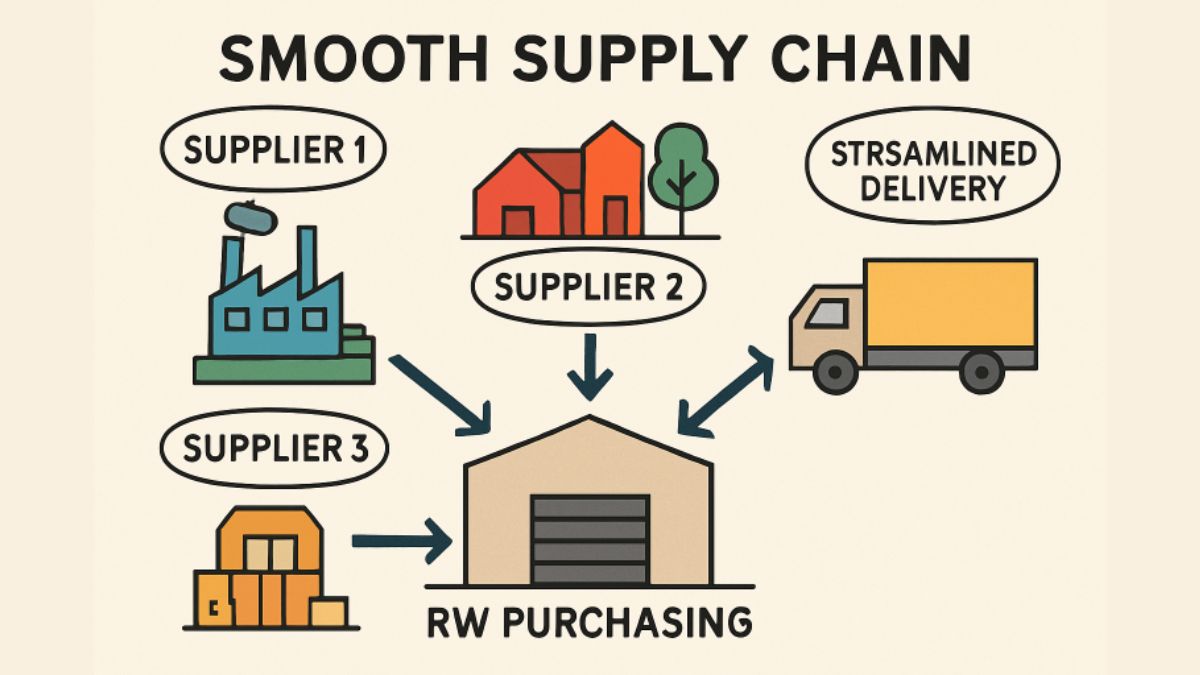
Supply chain disruptions can significantly impact project timelines and budgets. RW Purchasing offers comprehensive procurement services that streamline operations, ensuring timely delivery and cost efficiency. With over 38 years of experience, RW Purchasing Procurement Services has procured more than $6.8 billion in hotel furnishings and operating supplies, making them a trusted partner in the hospitality industry.
What Challenges Do Businesses Face in Procurement?
Businesses often encounter issues such as delayed deliveries, inflated costs, and quality inconsistencies. These challenges can disrupt operations and erode profitability. In the hospitality sector, where guest satisfaction is paramount, such disruptions can have long-lasting negative effects.
How Does RW Purchasing Address These Procurement Challenges?
RW Purchasing specializes in FF&E (Furniture, Fixtures & Equipment) and OS&E (Operating Supplies & Equipment) procurement, offering tailored solutions for hotels, resorts, multi-family developments, and more. Their services include:
- Centralized Procurement: By consolidating procurement processes, RW Purchasing improves visibility and control over spending, resulting in cost savings and greater efficiency. This centralized approach ensures that all procurement activities align with the client’s strategic objectives.
- Strategic Sourcing: They develop sourcing plans that prioritize supplier relationships and long-term contracts, stabilizing prices and ensuring quality. This strategy involves thorough market analysis and supplier evaluation to select partners who can consistently meet quality and delivery standards.
- Supplier Diversification: RW Purchasing connects clients to multiple suppliers, promoting healthy competition and reducing reliance on a single supplier, helping mitigate risks associated with shortages and price fluctuations. This diversification strategy enhances supply chain resilience and flexibility.
What Are the Benefits of Centralized Procurement?
Centralized procurement allows for standardization of products and services, reducing variability and enabling bulk purchasing. This approach leads to cost savings and improved efficiency. According to a McKinsey report, companies that successfully implemented strategic sourcing saved an average of 10-15% on procurement costs. By centralizing procurement, businesses can also improve compliance with internal policies and external regulations.
How Does Supplier Diversification Mitigate Risks?
Relying on a single supplier can expose companies to significant risks, especially during disruptions. Diversifying the supplier base provides alternative sources of materials and services, leading to more competitive pricing and increased supply chain resilience. A recent Deloitte survey found that 79% of supply chain executives cited inflation as a top concern for their operations in 2024. By engaging multiple suppliers, businesses can better navigate market fluctuations and ensure continuity of supply.
What Role Do Group Purchasing Organizations (GPOs) Play?
Leveraging the power of GPOs, RW Purchasing pools the purchasing power of multiple organizations to negotiate better pricing and terms with suppliers. This collective approach offers several key benefits:
- Volume Discounts: GPOs can secure significant discounts by aggregating demand across their membership base. The National Association of Purchasing Management (NAPM) found that companies utilizing GPOs achieved average savings of 10-20% on procurement costs. These savings can be reinvested into other areas of the business to drive growth and innovation.
- Access to World-Class Suppliers: By partnering with a GPO, businesses gain access to a curated network of reputable suppliers, ensuring high-quality products and services at competitive prices. This access can also facilitate the introduction of innovative products and services that can enhance the customer experience.
- Market Insights and Best Practices: GPOs often provide their members with valuable market insights and procurement best practices, helping businesses stay ahead of inflationary pressures. This knowledge sharing can lead to continuous improvement in procurement processes and strategies.
How Does RW Purchasing Ensure Quality and Timely Delivery?
RW Purchasing manages every detail of the procurement process, from sourcing and logistics to final installation. Their transparent approach and extensive industry knowledge ensure that projects are completed on time and within budget, allowing clients to focus on delivering exceptional experiences for their guests and clients. By maintaining open communication and providing regular updates, RW Purchasing builds trust and fosters long-term partnerships with its clients.
Conclusion
By offering centralized procurement, strategic sourcing, supplier diversification, and leveraging GPOs, RW Purchasing effectively eliminates supply chain headaches. Their comprehensive services ensure quality, value, and timely delivery, helping businesses navigate the complexities of procurement with confidence. With a proven track record and a commitment to excellence, RW Purchasing stands as a reliable partner for businesses seeking to optimize their procurement processes.

Introduction to nxbrew
In the ever-evolving landscape of software development, staying ahead of the curve is essential. Enter nxbrew—a game-changing tool designed to simplify and streamline your workflow. Whether you’re a seasoned developer or just starting out, nxbrew has something to offer everyone. With its powerful features and intuitive interface, it takes the hassle out of project management and enhances collaboration among team members.
Imagine a platform where you can effortlessly integrate various tools, manage dependencies seamlessly, and boost productivity like never before. Sounds appealing? Let’s dive into what makes nxbrew an indispensable asset for developers everywhere.
Benefits of Using nxbrew for Development
Using nxbrew for development offers a range of distinct advantages that can transform your workflow. First, it enhances collaboration across teams. Developers can easily share code and resources, making teamwork seamless.
Another benefit is efficiency. With nxbrew’s robust architecture, projects load faster and run smoother. This translates to less time spent on setup and debugging.
Scalability is also a key feature. As your project grows, nxbrew adapts effortlessly, allowing you to manage multiple applications without losing performance.
Moreover, the built-in tools simplify testing and deployment processes. Automated workflows minimize errors and streamline releases.
Its strong community support provides invaluable resources like plugins and documentation. You’re never alone when utilizing nxbrew; help is just a click away whenever you need it.
Key Benefits of nxbrew at a Glance
| nxbrew Advantage | How It Impacts Development | Long-Term Benefit |
|---|---|---|
| Modular Architecture | Encourages reusable code libraries | Faster scaling across projects |
| Smart Dependency Management | Tracks and resolves conflicts automatically | Reduced integration issues |
| Built-in Testing Support | Simplifies unit and integration testing | Higher code reliability |
| Workspace Management | Enables multi-project control | Improved team collaboration |
| CI/CD Optimization | Speeds up build and deployment pipelines | Faster product releases |
This structured approach makes nxbrew especially valuable for startups, enterprises, and distributed teams aiming to optimize performance without sacrificing code quality.
Features of nxbrew
nxbrew comes packed with an array of features designed to enhance your development experience. One standout capability is its modular architecture, allowing developers to create and manage libraries seamlessly. This fosters code reusability and simplifies maintenance.
Another impressive feature is the integrated testing framework. With built-in support for unit tests, nxbrew ensures that you can validate your code efficiently at every stage of development.
Collaboration becomes effortless with nxbrew’s powerful workspace tools. Teams can work on multiple projects simultaneously while maintaining a coherent workflow, which significantly boosts productivity.
Moreover, nxbrew supports advanced dependency management. It automatically tracks changes across various modules, minimizing potential conflicts during integration.
Robust documentation coupled with an active community makes it easy for newcomers to get up to speed quickly. The resource availability enhances learning and problem-solving throughout the development process.
Core Feature Breakdown
| Feature | Description | Why It Matters |
|---|---|---|
| Modular Library System | Create reusable and shared components | Saves development time |
| Integrated Testing | Built-in unit and integration support | Ensures code stability |
| Monorepo Management | Centralized multi-app workspace | Simplifies large-scale projects |
| Incremental Builds | Rebuilds only affected parts | Dramatically reduces build time |
| Plugin Ecosystem | Extend functionality easily | Customizable development flow |
These capabilities position nxbrew as more than just a workflow tool—it becomes a complete development ecosystem.
How to Get Started with nxbrew
Getting started with nxbrew is simple and straightforward. First, ensure you have Node.js installed on your machine. This is crucial for running any JavaScript-based tools.
Next, install the nxbrew CLI globally using npm:
npm install -g nxbrew
This command sets everything up for you to start building your projects.
Once installed, create a new workspace by typing:
nxbrew create my-workspace
Replace “my-workspace” with your desired project name. You’ll be guided through a series of prompts to configure your setup.
After that, dive into the generated directory using:
cd my-workspace
From here, explore various templates available within nxbrew to kickstart development efficiently.
Quick Start Workflow Overview
| Step | Action | Expected Outcome |
|---|---|---|
| 1 | Install Node.js | Environment ready |
| 2 | Install nxbrew CLI | Tool accessible globally |
| 3 | Create Workspace | Structured project setup |
| 4 | Configure Modules | Organized architecture |
| 5 | Run Development Server | Begin coding immediately |
Don’t forget to check out the official documentation online for detailed instructions and resources to maximize your experience. Engaging with community forums can also provide helpful insights as you navigate through nxbrew effectively.
Real-Life Examples of Successful Projects Using nxbrew
Companies across various industries have embraced nxbrew to enhance their development processes. One standout example is a fintech startup that streamlined its product launch by utilizing nxbrew’s modular architecture. This allowed for faster feature iterations and seamless integration of third-party services.
Another success story comes from an e-commerce platform that reduced deployment times significantly. By leveraging nxbrew’s caching capabilities, they improved their CI/CD pipeline efficiency, leading to quicker updates and a better user experience.
A healthcare app also benefited greatly from using nxbrew. The team managed to consolidate multiple microservices into a single workspace, which simplified collaboration among developers and led to higher code quality.
These examples highlight how diverse organizations are harnessing the power of nxbrew for more agile and efficient development solutions.
Tips and Tricks for Maximizing the Potential of nxbrew
To truly leverage nxbrew, start by organizing your projects effectively. Use a structured folder system to keep components easily accessible. This enhances collaboration and speeds up onboarding for new team members.
Next, familiarize yourself with the powerful CLI commands that nxbrew offers. They can significantly reduce setup time for various tasks. Automating repetitive processes frees you up to focus on more critical development aspects.
Don’t overlook the importance of version control within your workflow. Integrate Git seamlessly with nxbrew to maintain clean project histories. It makes tracking changes straightforward and efficient.
Experimenting with plugins can also provide added functionality tailored to specific needs. There’s a vibrant community around nxbrew that shares useful tools and tips regularly.
Continuous integration is key in modern development practices. Set it up from the beginning to ensure smooth deployments and consistent quality across all builds.
Why nxbrew Is the Future of Streamlined Development
The landscape of software development is constantly evolving. As teams seek ways to enhance productivity and streamline their workflows, tools like nxbrew emerge as game-changers. With its powerful features and user-friendly interface, nxbrew offers developers a seamless experience.
Its ability to manage multiple projects efficiently while ensuring consistency across them is impressive. The benefits it provides—such as reducing build times and simplifying dependency management—make it an attractive choice for any team looking to optimize their processes.
As real-world success stories demonstrate, adopting nxbrew can lead to significant improvements in project outcomes. Developers who embrace nxbrew are not just keeping pace with industry advancements; they are positioning themselves at the forefront of innovation.
For those ready to elevate their development process, incorporating nxbrew seems like a natural step forward. It’s clear that tools which simplify complexity will remain vital in shaping the future of streamlined development practices. Embracing nxbrew may well define a new era for teams aiming for efficiency without sacrificing quality or creativity.
Frequently Asked Questions About nxbrew
1. What is nxbrew used for?
nxbrew is used for managing monorepos, modular libraries, and scalable development workflows. It simplifies dependency management, testing, and CI/CD integration.
2. Is nxbrew suitable for large enterprise projects?
Yes, nxbrew is highly scalable and ideal for enterprise-level applications that require structured architecture and efficient build processes.
3. How does nxbrew improve development speed?
nxbrew uses incremental builds, smart caching, and modular code structures to significantly reduce build and deployment times.
4. Can beginners use nxbrew?
Absolutely. With its documentation, CLI tools, and community support, nxbrew is beginner-friendly while still powerful enough for advanced developers.
5. Does nxbrew support CI/CD pipelines?
Yes, nxbrew integrates seamlessly with CI/CD workflows, helping teams automate testing and deployment processes efficiently.
-

 TOPIC1 year ago
7 Expert Tips For Choosing The Best Basement Renovation Companies
-

 TOPIC1 year ago
Why Large Waterproof Outdoor Rugs Are Essential for All Outdoor Spaces
-

 TOPIC9 months ago
Why Greece Katz Martian Has Everyone Talking in 2025
-

 FASHION1 year ago
How to Layer Your White Dress for Cold Weather?
-

 BUSINESS10 months ago
Top 5 Features of Sowix Online That Every User Should Know About
-

 TOPIC9 months ago
Top Features of BetterThisWorld .com You Need to Know About
-

 FINANCE1 year ago
How TraceLoans Can Simplify Your Finances
-

 BIOGRAPHY1 year ago
From Reality Star to Business Mogul: Prince Narula Digital PayPal