
TOPIC
How to Make Tejuino at Home: A Step-by-Step Guide


If you’re a fan of refreshing beverages, then tejuino might just become your new favorite drink. This traditional Mexican treat combines the unique flavors of fermented corn and lime, offering a delightful mix that’s both tangy and slightly sweet. But what if I told you that you can bring this delicious experience right into your kitchen? Making tejuino at home is not only rewarding but also allows you to connect with an age-old tradition steeped in culture and history. Ready to dive into the world of tejuino? Let’s explore its background, gather our ingredients, and kick off this flavorful journey together!
History and Cultural Significance of Tejuino
Tejuino has roots that stretch deep into Mexican history, particularly within the indigenous communities of Jalisco. This refreshing drink was traditionally made from fermented corn, showcasing the ingenuity of ancient cultures in using local resources.
The preparation method has been passed down through generations, keeping its cultural essence alive. Tejuino is more than just a beverage; it symbolizes community and celebration. It often accompanies festivals and gatherings, where families come together to share stories over cups of this frothy delight.
Traditionally served with a sprinkle of lime and salt or topped with ice cream, tejuino reflects regional flavors while inviting creativity in its presentation. Its significance extends beyond taste—it’s a testament to heritage, resilience, and the connection between people and their environment. Enjoying tejuino today allows for a deeper appreciation of its rich legacy and an opportunity to participate in a cherished cultural ritual.
Ingredients and Equipment Needed to Make Tejuino
To create a delicious batch of tejuino, you need some essential ingredients. The star of the show is masa de maíz (corn dough), which provides that signature flavor and texture. Look for fresh or dried corn to make your masa.
Next up is piloncillo, an unrefined cane sugar that adds sweetness and depth. You can find it in Latin grocery stores or online.
Don’t forget about water! Fresh, filtered water will help bring all the flavors together.
For the tangy twist, you’ll need lime juice. This brightens up the drink beautifully.
Now let’s talk equipment. A large pot is necessary for cooking your mixture over heat. A blender can be helpful for achieving a smooth consistency when mixing ingredients.
Grab some cups to serve this refreshing beverage and enjoy every sip with friends or family!
Step-by-Step Guide to Making Tejuino at Home
Start by gathering your ingredients. You’ll need masa de maíz, water, piloncillo (unrefined cane sugar), and lime juice.
Begin by dissolving the masa in warm water. Stir it well until you achieve a smooth consistency. This is crucial for a perfect texture.
Next, strain the mixture through a fine sieve to remove any lumps. Collect the liquid in a large pot.
Add your piloncillo to the pot and bring it to a gentle boil over medium heat. Keep stirring until it fully dissolves.
Once dissolved, let it simmer for about 30 minutes. This step enhances the flavors and thickens your tejuino just right.
Allow it to cool down before adding fresh lime juice for that signature tangy twist. Mix thoroughly and taste-test; adjust sweetness or acidity if desired!
Chill your tejuino before serving over ice with optional toppings like toasted peanuts or fresh fruit for an authentic experience!
Tips and Tricks for the Perfect Tejuino
To achieve the perfect tejuino, start with high-quality masa. Freshly made corn dough can elevate your drink’s flavor profile significantly.
Temperature control is crucial during fermentation. Keep your mixture in a warm area to encourage yeast activity, but avoid direct sunlight which can spoil the batch.
Be mindful of sweetness levels. Adjust sugar based on personal preference and the ripeness of your fruit additions, like lime or pineapple.
For an extra twist, try adding spices such as cinnamon or vanilla during blending for a uniquely aromatic experience.
Don’t forget about garnishes! A sprinkle of salt and lime juice enhances flavors beautifully while providing that signature tangy kick.
Serve chilled over ice for maximum refreshment. Each sip should bring joy; enjoy experimenting with different variations until you find what excites your palate most!
Variations and Creative Ways to Enjoy Tejuino
Tejuino is incredibly versatile, inviting you to explore various flavors and presentations. One delightful variation is adding fresh fruits like mango or pineapple. These tropical additions enhance the drink’s sweetness.
For a refreshing twist, consider mixing in flavored syrups such as tamarind or hibiscus. This not only adds depth but also elevates the visual appeal with vibrant colors.
If you’re feeling adventurous, try freezing tejuino into popsicles. It’s an excellent way to enjoy this traditional beverage on hot days while providing a fun treat for kids and adults alike.
Pairing your tejuino with spicy snacks or savory dishes can create a wonderful balance of flavors. The coolness of the drink complements items like street tacos perfectly.
Experimentation is key; don’t hesitate to craft your own unique blends! Each sip can tell its own story based on what ingredients you decide to include.
Conclusion: The Joy of Making Your Own Tejuino at Home
Making your own tejuino at home is a rewarding experience. It connects you to a rich cultural heritage while allowing for creativity in the kitchen. The process might seem daunting, but each step brings you closer to enjoying this traditional Mexican beverage.
As you sip on your homemade tejuino, you’ll taste not just the blend of flavors but also the love and care that went into making it. Sharing it with friends or family can create lasting memories. Whether enjoyed on a hot day or served during a celebratory gathering, tejuino has its own unique charm.
Embrace this culinary adventure, experiment with variations, and find joy in perfecting your recipe over time. Making tejuino isn’t just about quenching thirst; it’s an invitation to explore culture through food and drink right from your kitchen. So gather your ingredients and start brewing up some deliciousness!


With the advancement of technology, communication is no longer just done through texting. Telegram is a popular choice in messaging apps because of its speed, privacy, and versatility. For building an audience, Telegram is a great option. It’s a great option for those wishing to explore other communication possibilities and use the app for global audience building. New users can use options like telegram download and telegram web version to uncover more of the services available to them.
Top Messaging Services
As a messaging app and social media service, Telegram’s core function is to provide users a free way to send and receive texts, voice messages, and videos. Regardless of the type of media, users can send it through the app. The way the app is built, users can quickly and easily send media to other users. The app is designed to run quickly and reliably on on slow networks. The app is also designed to allow users to retrieve and store their previous chats and files in the Telegram cloud. They can chat on Telegram on any device. This makes telegram download a great option for anyone who desires more than just messaging.
As a social media service, Telegram’s goal is to keep users safe and provide secure social networking options to the users. This goal is achieved through encrypted chats and the option to turn on encryption for any or all of the users’ chats.
The Rise of Channels
When using Telegram, users quickly discover that the true abilities of the messaging app go well beyond using the app as a traditional messaging communication tool. For example, using a messaging app to broadcast a message would not be an option in many traditional communication apps, but Telegram makes this possible through their Channels feature.
Channels on Telegram are great for content creators, businesses, and educators to share updates, news, and useful resources. With telegram web version, managing and posting resources is even easier for desktop workers. It turns Telegram from a messaging app to a content distribution powerhouse.
Building Communities with Groups
Along with channels, Telegram offers groups. Groups can have thousands of members. They are great for communities, discussions, and collaboration. With tons of advanced admin controls, moderators can manage discussions, keep order, and create a positive atmosphere.
Telegram groups are great for study groups, business teams and anything else. When combined with telegram download, users can communicate and collaborate no matter where they are.
Advanced Features That Make a Difference
Unlike competitors, Telegram has advanced and unique features, like bots. Bots are helpful for automating tasks, fetching information, and increasing productivity. There are news bots, task management bots, and many others.
Telegram is great for professional and student file sharing, as it allows sharing large files, which many platforms don’t allow. Users can share any type of media and documents without worrying about the file size.
With Telegram, users are able to personalize many things, including themes, backgrounds for chats, and notifications. All of this contributes to a unique and engaging experience on the platform.
Accessibility Across Devices
One significant strength of Telegram is multi-device integration. It doesn’t matter what device you use, whether it is a smartphone, tablet, or computer, Telegram will keep your data synchronized. Users who prefer larger screens will appreciate the ability to use Telegram on their computers with the telegram web version option. It also gets rid of the need to keep reaching for your phone and lets you enjoy Telegram on your computer.
It allows you to keep in touch with your loved ones regardless of which devices you are using. This is what makes Telegram a great option for personal and professional usage.
A Platform for the Future
Telegram is constantly evolving, and its potential is boundless as long as it continues improving existing features and adding new ones. It will always have a spot in the industry as long as it keeps innovating. Its true potential goes beyond mere communication. It is an entire global interaction and creation ecosystem.
Telegram is evolving even more with the use of the telegram download and telegram web version options as its user base continues to expand.
Telegram is more than just a messaging application, and it is a complete digital ecosystem.
Conclusion
Telegram is an exceptional communications platform. It differentiates itself from competitors with powerful group chats, channels, and advanced features, combined with robust security. In the world of digital communications, it is the go-to app for individuals, creators, and businesses.
To see why Telegram is more than just messaging, the telegram download and telegram web version options are available to help users access the platform’s full potential.
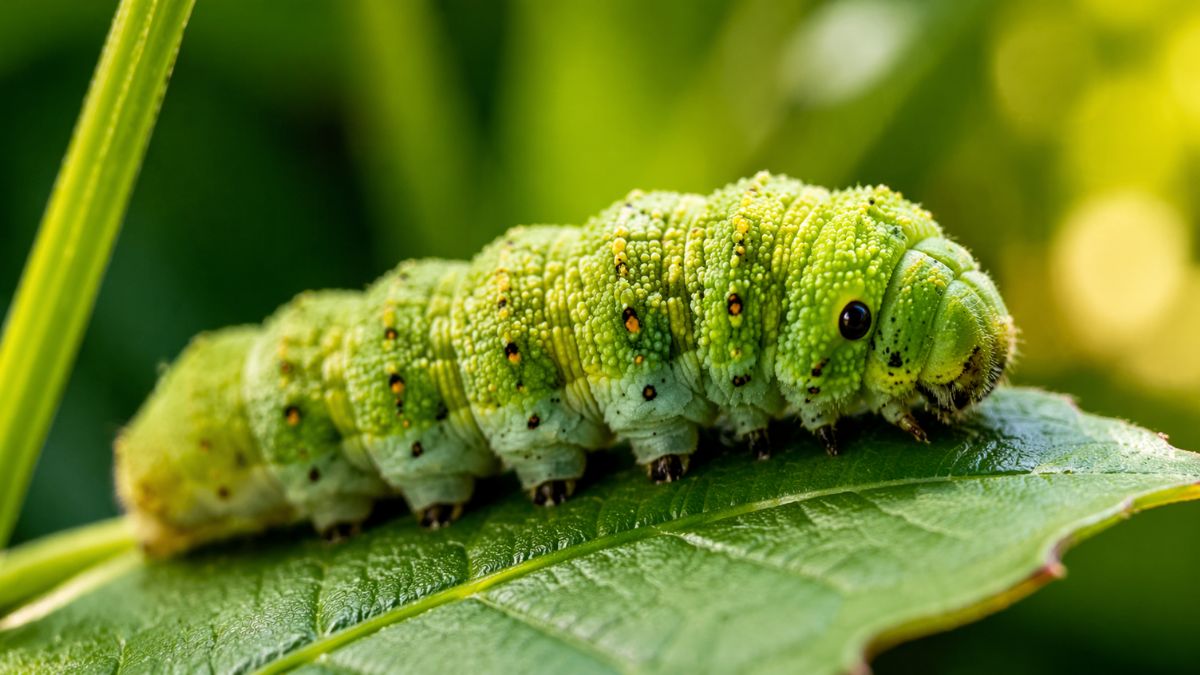
Introduction
The munchkin caterpillar is a fascinating and often misunderstood stage in the life of many butterflies and moths. While the term “munchkin caterpillar” is not a strict scientific classification, it’s commonly used to describe small, compact caterpillars that appear rounded, short, and slightly chubby. These tiny creatures play a vital role in ecosystems, acting as both herbivores and a food source for other animals.
If you’ve ever spotted a tiny caterpillar munching away on leaves in your garden, chances are you’ve encountered one of these “munchkin” types. In this guide, you’ll learn how to identify them, understand their life cycle, and even care for them if you choose to observe them up close.
What Is a Munchkin Caterpillar?
A munchkin caterpillar refers to a small, stubby caterpillar with a compact body structure. These caterpillars are often early-stage larvae or belong to species that naturally have shorter bodies.
Key Characteristics
- Short and thick body shape
- Smooth or slightly fuzzy texture
- Slow, steady movement
- Often brightly colored or patterned
- Found feeding on leaves
Quick Identification
| Feature | Description |
|---|---|
| Size | Small (usually under 2 inches) |
| Body Shape | Rounded, compact |
| Movement | Slow crawling |
| Habitat | Leaves, stems, garden plants |
| Diet | Herbivorous (leaf-eating) |
These traits make them easy to distinguish from longer, thinner caterpillars.
Life Cycle of a Munchkin Caterpillar
Like all caterpillars, munchkin caterpillars go through a complete metamorphosis. Understanding this process helps you appreciate their transformation.
H3: The Four Stages of Development
- Egg Stage
Tiny eggs are laid on leaves by adult butterflies or moths. - Larva (Caterpillar Stage)
This is where the munchkin caterpillar appears. It spends most of its time eating and growing. - Pupa (Chrysalis Stage)
The caterpillar forms a protective casing and undergoes transformation. - Adult Stage
A butterfly or moth emerges.
Lifecycle Summary Table
| Stage | Duration | Key Activity |
|---|---|---|
| Egg | 3–7 days | Development inside shell |
| Larva | 2–4 weeks | Feeding and growth |
| Pupa | 1–2 weeks | Transformation |
| Adult | Weeks to months | Reproduction |
This cycle ensures the continuation of species and contributes to biodiversity.
How to Create and Use a Diag Image for Better Visual Communication
Habitat and Behavior
Munchkin caterpillars are commonly found in gardens, forests, and grassy fields. Their behavior is largely driven by survival and growth.
Where You’ll Find Them
- Under leaves
- On plant stems
- Near food sources
- Hidden among foliage
Feeding Habits
These caterpillars are voracious eaters. They consume:
- Leaf tissue
- Tender plant shoots
- Occasionally flowers
Because of their appetite, they can sometimes be seen as pests, especially in vegetable gardens.
Common Types of Munchkin Caterpillars
While “munchkin caterpillar” is a general term, several species fit this description.
Comparison Table of Common Types
| Caterpillar Type | Appearance | Host Plant | Notable Feature |
|---|---|---|---|
| Inchworm | Thin but short | Trees, shrubs | Looping movement |
| Woolly Bear | Fuzzy and compact | Grasses, herbs | Hairy body |
| Swallowtail Larva | Green and plump | Citrus plants | Mimics bird droppings |
Each type has unique adaptations that help it survive in the wild.
Benefits of Munchkin Caterpillars
Despite their reputation as leaf-eaters, these caterpillars provide several ecological benefits.
H3: Why They Matter
- Support food chains (birds and insects rely on them)
- Aid pollination indirectly through adult butterflies
- Promote plant diversity by controlling growth
In short, they are essential for a balanced ecosystem.
Pros and Cons of Having Munchkin Caterpillars
Pros
- Encourage butterfly populations
- Great for educational observation
- Support biodiversity
Cons
- Can damage garden plants
- May multiply quickly
- Some species are invasive
Balancing these factors is key for gardeners.
How to Care for a Munchkin Caterpillar
If you want to observe one at home, proper care is essential.
Basic Care Guidelines
- Provide fresh leaves daily
- Keep them in a ventilated container
- Maintain natural light cycles
- Clean the habitat regularly
What to Avoid
- Overcrowding
- Using chemically treated plants
- Excess moisture
Following these steps ensures healthy development.
Best Plants to Attract Munchkin Caterpillars
If you want to attract them naturally, consider planting:
- Milkweed
- Parsley
- Dill
- Citrus plants
These plants serve as host species for various caterpillars.
Best Practices for Gardeners
Managing munchkin caterpillars doesn’t mean eliminating them entirely.
Smart Gardening Tips
- Use natural pest control methods
- Plant extra crops to share
- Encourage birds for natural balance
- Monitor plant health regularly
Best Practice Table
| Practice | Benefit |
|---|---|
| Companion planting | Reduces overfeeding damage |
| Natural predators | Controls population |
| Regular inspection | Early issue detection |
| Organic methods | Safe for environment |
These strategies help maintain harmony in your garden.
Common Mistakes to Avoid
Many beginners make simple errors when dealing with caterpillars.
Frequent Mistakes
- Removing all caterpillars immediately
- Using harsh pesticides
- Misidentifying harmless species
- Ignoring plant recovery
Avoiding these mistakes leads to better results and a healthier ecosystem.
Conclusion
The munchkin caterpillar may be small, but its impact is significant. From supporting ecosystems to transforming into beautiful butterflies, these creatures deserve attention and understanding. Whether you’re a gardener, nature lover, or curious observer, learning about them opens the door to a deeper appreciation of the natural world.
By following best practices and maintaining balance, you can coexist with these tiny leaf-eaters while enjoying the benefits they bring.
FAQs
1. What is a munchkin caterpillar?
A munchkin caterpillar is a small, compact caterpillar often used as a general term for short and chubby larval forms.
2. Are munchkin caterpillars harmful to plants?
They can damage leaves, but moderate presence usually does not harm overall plant health.
3. What do munchkin caterpillars eat?
They primarily eat leaves, shoots, and sometimes flowers.
4. Can I keep a munchkin caterpillar as a pet?
Yes, with proper care such as fresh food, clean habitat, and ventilation.
5. How long does a caterpillar stay in its larval stage?
Typically between 2 to 4 weeks depending on the species and environment.

If you have reached an intermediate level of Mandarin study, you will have already encountered chéngyǔ (成语) without necessarily knowing what they are. They appear almost everywhere, in newspaper headlines, political speeches, casual conversation and of course classical literature. They are, in a sense, everywhere in written and spoken Chinese, and yet receive surprisingly little systematic attention in standard Mandarin curricula until relatively late in the learning process! Understanding what they are, where they come from and how they function is not an advanced topic. If you learn Mandarin online, your online Chinese teacher may have made you aware also of their frequent appearance on social media.
The sources from which chéngyǔ derive are, in most cases, specific and traceable. A significant proportion come from the Shiji (史記), the monumental historical record compiled by Sima Qian during the Han dynasty, which contains hundreds of narratives about historical and legendary figures whose fates have been crystallised into four-character expressions. Others derive from the philosophical texts of the pre-Qin period, including the Analects of Confucius, the Zhuangzi, the Mencius and the Laozi. Still others come from the great Tang and Song dynasty poets, from the Four Great Classical Novels, and from a vast body of historical writing accumulated across two millennia of Chinese literary production. Each chéngyǔ is, in this sense, a compressed reference to a specific moment in Chinese literary and historical culture, and knowing the source story transforms the expression from an opaque fixed phrase into a meaningful and memorable unit.
Take, for instance, the chéngyǔ 守株待兔 (shǒu zhū dài tù), which translates literally as “guard the stump, wait for the rabbit.” The expression derives from a story in the Hanfeizi, a Legalist philosophical text from the Warring States period, in which a farmer sees a rabbit run into a tree stump and kill itself, and subsequently abandons his fields to sit by the stump waiting for more rabbits to arrive. He waits in vain and his fields fall to ruin. The chéngyǔ is used to describe passive reliance on chance or the expectation that a fortunate accident will repeat itself. Once you know the story, the four characters are impossible to forget and the meaning is entirely transparent. Without the story, the expression is simply four characters that must be memorised as an arbitrary unit.
Similarly, 画蛇添足 (huà shé tiān zú), meaning literally “draw a snake, add feet,” derives from a story in the Zhanguo Ce, a collection of historical narratives from the Warring States period. In the story, a group of men compete to draw a snake, with a flask of wine as the prize. One man finishes first but, having time to spare, adds feet to his snake. A second man finishes, points out that snakes do not have feet, and takes the wine. The chéngyǔ describes the act of adding unnecessary elements to something already complete, thereby ruining it. Its application in contemporary Chinese ranges from literary criticism to business strategy to personal advice, and it appears with a frequency in educated Chinese discourse that makes recognising it a practical necessity rather than an optional refinement.
The total inventory of chéngyǔ in active use is difficult to determine precisely. Standard dictionaries list between five and ten thousand, of which perhaps one to two thousand appear with sufficient frequency in contemporary written and spoken Chinese to warrant systematic study.
Some Chinese teaching institutions like GoEast Mandarin in Shanghai may have a curriculum that includes chéngyǔ earlier than most conventional Mandarin programmes, on the basis that passive recognition of common expressions is achievable well before active production. If you are at HSK 3 or above and have not yet begun engaging seriously with chéngyǔ, you are almost certainly encountering them already in authentic material without fully recognising them.
-

 TOPIC8 months ago
Top 5 Features of Googlediqiu You Didn’t Know About
-

 TOPIC1 year ago
Why Large Waterproof Outdoor Rugs Are Essential for All Outdoor Spaces
-

 TOPIC1 year ago
7 Expert Tips For Choosing The Best Basement Renovation Companies
-

 FASHION1 year ago
How to Layer Your White Dress for Cold Weather?
-

 TOPIC10 months ago
Why Greece Katz Martian Has Everyone Talking in 2025
-

 BUSINESS11 months ago
Top 5 Features of Sowix Online That Every User Should Know About
-

 TOPIC11 months ago
Top Features of BetterThisWorld .com You Need to Know About
-

 FINANCE1 year ago
How TraceLoans Can Simplify Your Finances