
TECHNOLOGY
Inside the Rail Operating Centre: The Heartbeat of Modern Railways


Introduction to the Rail Operating Centre (ROC)
Imagine a bustling hub where every train journey is meticulously orchestrated, where safety and efficiency intertwine in real-time. Welcome to the Rail Operating Centre (ROC), the nerve center of modern railways. These sophisticated facilities play a pivotal role in ensuring that trains run on time, passengers arrive safely, and operations remain seamless.
As we dive into this fascinating world, we’ll explore how ROCs have revolutionized railway management. From their historical evolution to the cutting-edge technology driving them today, you’ll discover why these centers are truly the heartbeat of our rail networks. Buckle up; it’s going to be an enlightening ride through the inner workings of railways!
Evolution of Railways and the Role of ROCs
The evolution of railways has been nothing short of remarkable. From steam locomotives chugging along tracks in the 19th century to today’s high-speed trains, the journey has transformed travel and logistics alike.
As rail networks expanded, so did the complexity of their operations. Coordinating multiple services required a more sophisticated approach. This is where Rail Operating Centres (ROCs) began to emerge as pivotal hubs.
ROCs have evolved from simple control rooms into advanced command centers equipped with cutting-edge technology. They oversee real-time train movements across regions, managing schedules and ensuring safety.
Their role today extends beyond mere oversight; ROCs facilitate communication among various stakeholders. This interconnectedness streamlines decision-making processes, enhancing overall efficiency within modern railway systems.
With every advancement in technology and infrastructure, ROCs continue to adapt, proving essential for meeting growing demands in passenger transport and freight movement alike.
Functions of a ROC
A Rail Operating Centre (ROC) plays a pivotal role in managing train operations. Its primary function is to ensure safe and efficient movement across the rail network.
One key responsibility involves monitoring train schedules. ROCs track real-time locations, enabling operators to adjust timings as needed. This flexibility helps minimize delays and optimize service.
Communication is another vital aspect of ROC functions. They coordinate with drivers, engineers, and other railway personnel to relay important updates swiftly. This seamless exchange of information keeps everyone on the same page.
Moreover, ROCs oversee incident management. In case of disruptions or emergencies, they activate contingency plans quickly. This rapid response can mitigate risks and enhance passenger safety.
Additionally, performance analysis falls under their purview. By analyzing data trends, ROCs identify areas for improvement within the system—ultimately leading to better services for passengers.
Advanced Technology Used in ROCs
Rail Operating Centres (ROCs) are at the forefront of railway innovation. They leverage advanced technology to streamline operations and enhance safety.
One key element is the use of sophisticated monitoring systems. These tools provide real-time data on train movements, track conditions, and environmental factors. This information helps operators make quick decisions that keep services running smoothly.
Next comes automation. Automated signaling systems reduce human error and improve response times during emergencies. With precise control over train speeds and routes, these technologies ensure passengers reach their destinations safely.
Moreover, communication networks have evolved significantly within ROCs. High-speed internet connections enable instant sharing of vital information among staff across multiple locations.
Artificial intelligence also plays a crucial role in predictive maintenance. By analyzing historical data, AI can foresee potential equipment failures before they disrupt service.
Each technological advancement contributes to transforming how railways operate today and into the future.
Benefits of a Centralized Control System
A centralized control system revolutionizes the way rail operations are managed. By consolidating decision-making in one location, it minimizes communication breakdowns. This leads to quicker responses to incidents and issues that may arise on the tracks.
Safety is significantly enhanced through a centralized approach. Operators have access to real-time data, allowing for proactive measures rather than reactive ones. This can prevent accidents before they happen.
Efficiency also sees a boost. Coordinated schedules reduce delays and optimize train movements across networks. Passengers benefit from more reliable services, resulting in higher satisfaction levels.
Moreover, maintenance becomes easier with centralized monitoring systems tracking equipment performance continuously. Issues can be identified early, reducing downtime and repair costs.
In essence, centralization transforms railways into streamlined entities capable of adapting quickly to challenges while ensuring safety and efficiency at every turn.
Challenges Faced by ROCs
Rail Operating Centres (ROCs) face a myriad of challenges in maintaining efficient railway operations. One significant hurdle is the integration of various systems and technologies. With numerous legacy systems still in use, achieving seamless communication between old and new technology can be daunting.
Human resource management also poses difficulties. Skilled personnel are essential for interpreting data and making prompt decisions under pressure. However, recruiting and retaining such talent remains a constant struggle.
Furthermore, ROCs must navigate unforeseen disruptions like extreme weather events or accidents on the tracks. These incidents require rapid response strategies to minimize delays while ensuring passenger safety.
Cybersecurity threats loom large as well. As ROCs become increasingly reliant on digital platforms, safeguarding sensitive information against potential cyberattacks has never been more critical.
Budget constraints often limit necessary upgrades to infrastructure or technology enhancements that could improve overall efficiency.
Future of ROCs and the Railway Industry
The future of Rail Operating Centres (ROCs) is poised for significant transformation. As technology advances, ROCs will increasingly integrate artificial intelligence and machine learning to enhance decision-making processes. This will lead to more efficient train scheduling and real-time problem-solving.
Moreover, the rise of smart infrastructure promises greater connectivity between trains and control centres. Enhanced data analytics capabilities will allow operators to predict maintenance needs before issues arise, minimizing downtime.
Sustainability is another critical focus area. ROCs are likely to adopt greener practices by optimizing energy use across networks, aligning with national goals for reducing carbon footprints in transportation.
Collaboration among various stakeholders—government bodies, private companies, and technological innovators—will be essential in shaping this evolution. The railway industry must adapt swiftly to these changes while ensuring passenger safety and service reliability remain top priorities.
Conclusion
The rail operating centre is not just a hub of activity; it represents the future of railway management. As we witness advancements in technology and operational strategies, the importance of ROCs cannot be overstated. They play a vital role in ensuring that trains run smoothly, safely, and efficiently across vast networks.
With their centralized control systems, ROCs have transformed how railways operate. The integration of advanced technologies enhances communication and coordination among various stakeholders involved in train operations. This evolution marks a significant shift from traditional methods to modern practices that prioritize safety and efficiency.
While challenges remain—such as adapting to new technologies or managing increasing passenger demands—the potential for growth is immense. The railway industry is on the cusp of revolutionary changes led by these operating centres.
As we look ahead, it’s clear that rail operating centres will continue to be integral to enhancing travel experiences while maintaining high standards of safety and reliability within the sector. Embracing this change ensures a better-connected future for all who rely on our railways.

Introduction to Ephads
Ephads are more than just a buzzword; they represent a fascinating intersection of technology and innovation. If you’ve ever wondered how digital platforms can transform the way we interact with information, you’re not alone. In an age where content consumption is constantly evolving, understanding ephads becomes essential for anyone looking to navigate this digital landscape effectively.
These dynamic elements have emerged as powerful tools for marketers, educators, and creators alike. They offer unique ways to engage audiences, convey messages, and foster connections in an increasingly fragmented media world. Curious about what exactly ephads are and why they should be on your radar? Let’s dive deeper into this exciting topic.
What Are Ephads and How Do They Work?
Ephads, short for electronic advertisements, are digital ads displayed across websites and apps. They utilize innovative technology to capture attention through interactive elements and smart targeting systems.
These ads often appear as banners or pop-ups but can also be embedded within content. Their design is tailored to engage users effectively and increase click-through rates.
The core mechanism behind ephads involves data analytics. They analyze user behavior and preferences in real time. This helps brands deliver targeted messages that resonate with viewers.
As users navigate the web, ephads adjust dynamically based on their interests and demographics. This personalization increases engagement rates significantly compared to traditional advertising methods.
Moreover, ephads employ various formats including video, image carousels, rich media, and even augmented reality features. Such versatility makes them appealing for marketers looking to enhance brand visibility in a crowded digital landscape.
Key Components of How Ephads Function
| Component | Function | SEO & Marketing Impact |
|---|---|---|
| Data Tracking | Collects user behavior and browsing patterns | Enables highly targeted ephads campaigns |
| Real-Time Bidding | Automates ad placement decisions | Improves ROI and reduces wasted spend |
| Dynamic Creative | Adjusts visuals and copy automatically | Boosts engagement and personalization |
| Analytics Dashboard | Tracks clicks, impressions, conversions | Helps optimize ephads performance |
This combination of automation, targeting, and adaptability makes ephads a central pillar of modern digital marketing.
The History of Ephads
Ephads have a fascinating history that dates back several decades. Initially, they emerged as a response to the growing need for efficient content delivery in an increasingly digital world.
The term “ephads” combines elements of electronic and advertisement, signifying its role in modern marketing. Early adopters experimented with various formats, pushing boundaries and exploring innovative ways to engage audiences.
As technology advanced, so did ephads. The introduction of the internet revolutionized their reach and effectiveness. Brands quickly recognized their potential as powerful tools for targeting specific demographics.
Over time, ephads evolved from simple banners into dynamic experiences tailored to user preferences. This evolution was not just about aesthetics; it also embraced data analytics, enabling marketers to measure engagement like never before.
Today’s ephads reflect years of experimentation—each iteration contributing valuable lessons that continue shaping this ever-changing digital ecosystem.
Modern Day Uses of Ephads
Ephads have found a diverse array of applications in today’s fast-paced world. Businesses leverage them for targeted advertising, reaching specific demographics with precision. This approach enhances customer engagement and drives sales.
In education, ephads serve as digital learning tools. They offer interactive content that captivates students’ attention, making lessons more memorable and effective.
Healthcare professionals utilize ephads to streamline patient communication and promote wellness programs. These platforms allow for timely updates and personalized health tips.
Moreover, the entertainment industry embraces ephads to deliver immersive experiences through augmented reality features embedded within apps or games. Users can interact with content like never before.
Industry Applications of Ephads
| Industry | How Ephads Are Used | Key Benefit |
|---|---|---|
| E-commerce | Personalized product ads | Higher conversion rates |
| Education | Interactive learning promotions | Increased engagement |
| Healthcare | Awareness and appointment reminders | Improved patient communication |
| Entertainment | Interactive trailers and immersive ads | Stronger audience retention |
| SaaS & Tech | Retargeting campaigns | Better lead generation |
From social media campaigns to community outreach initiatives, ephads play a crucial role in enhancing connectivity across various sectors.
Benefits of Using Ephads
Ephads offer a range of advantages that make them appealing for various applications. One significant benefit is their ability to streamline processes, enhancing efficiency in both personal and professional settings.
With ephads, users can organize data seamlessly. This organization leads to improved decision-making as information becomes more accessible and easier to analyze.
Another advantage lies in collaboration. Ephads foster teamwork by allowing multiple users to engage with the same content simultaneously. This real-time interaction boosts productivity and creativity among team members.
Moreover, they are adaptable tools. Whether you’re managing projects or capturing ideas, ephads cater to diverse needs without overwhelming complexity.
Their user-friendly interface simplifies navigation. Users can focus on tasks rather than struggle with complicated functionalities.
Additionally, incorporating ephads can lead to better resource management. By efficiently consolidating information, they help reduce redundancy and save time across various operations.
Core Benefits of Ephads at a Glance
| Benefit | Why It Matters | Business Impact |
|---|---|---|
| Personalization | Tailors content to user preferences | Higher engagement |
| Automation | Reduces manual effort | Lower operational costs |
| Measurable Results | Tracks KPIs accurately | Smarter strategy decisions |
| Scalability | Works for small and large campaigns | Long-term growth potential |
Challenges and Limitations of Ephads
Ephads come with their own set of challenges that can hinder their effectiveness. One significant limitation is the complexity involved in their implementation. Many organizations struggle to integrate ephads into existing systems smoothly.
Another hurdle is data privacy and security concerns. With sensitive information being processed, there’s always a risk of breaches or misuse, making stakeholders cautious.
Additionally, not all users are tech-savvy. This creates barriers for some individuals who may find it difficult to navigate these platforms effectively.
Cost considerations also play a role. While ephads offer numerous benefits, the initial investment can be steep for smaller enterprises looking to adopt them.
Regulatory compliance poses ongoing challenges as constant changes in data protection laws require adjustments that can be resource-intensive and time-consuming.
Future Developments in the World of Ephads
The future of ephads is brimming with potential. With advancements in artificial intelligence and machine learning, these systems are becoming increasingly predictive and autonomous.
Innovative features may include enhanced personalization algorithms. This could provide users with tailored content that resonates deeply with their interests and needs.
Additionally, automation may streamline campaign management for creators and businesses. Imagine optimizing performance in real time without manual adjustments.
Furthermore, as mobile usage continues to rise, ephads will become even more adaptive across devices, ensuring seamless user experiences.
Collaboration tools are also set to evolve within ephads ecosystems, encouraging more interactive engagement between brands and audiences.
As industries embrace ephads for marketing strategies, expect significant shifts in how businesses engage customers digitally.
Conclusion: Why You Should Care About Ephads
Ephads are more than just a passing trend in the tech world. They represent an evolution in digital marketing and communication strategies that can significantly enhance user engagement and brand visibility.
The importance of ephads lies not only in their functionality but also in their adaptability across various industries. From advertising agencies to educational institutions, the potential applications are vast.
As we move toward a more data-driven future, keeping an eye on developments related to ephads is essential for staying competitive. Their ability to integrate seamlessly into existing platforms while offering measurable results makes them a valuable asset.
For marketers and business owners alike, embracing ephads could mean the difference between blending in and standing out.
Frequently Asked Questions About Ephads
1. What are ephads in digital marketing?
Ephads are electronic advertisements that use data analytics, automation, and personalization to deliver targeted digital ads across websites and apps.
2. How do ephads improve engagement?
Ephads improve engagement by analyzing user behavior in real time and delivering highly relevant content tailored to individual preferences.
3. Are ephads suitable for small businesses?
Yes. While initial costs can vary, ephads can be scaled to fit smaller budgets and often provide measurable ROI through targeted campaigns.
4. What industries benefit most from ephads?
E-commerce, education, healthcare, SaaS, and entertainment industries benefit significantly from ephads due to their personalization and tracking capabilities.
5. Are ephads compliant with privacy regulations?
Ephads must comply with data protection regulations like GDPR and other regional privacy laws, depending on implementation and data usage.

Introduction to MyPasoKey
Welcome to the digital age, where convenience meets security in a perfect blend. With countless online accounts and passwords to juggle, managing access can feel overwhelming. This is where MyPasoKey steps in as your ultimate solution. Imagine having a single key that unlocks all your online doors while keeping your information safe and secure.
MyPasoKey is designed to simplify password management, strengthen digital security, and streamline login processes across devices. Let’s explore how MyPasoKey transforms the way you navigate the web, making it easier than ever to stay connected without compromising on safety.
The Need for Secure Online Access
The digital world is evolving rapidly, and so are the threats that come with it. With every click you make online, there’s a risk of exposing personal information.
Cybercriminals are constantly developing new tactics to steal passwords and sensitive data. This makes secure online access more crucial than ever. A single weak password can open the door to identity theft or financial fraud.
People often underestimate how valuable their information really is. From social media profiles to bank accounts, everything relies on security measures we sometimes take for granted.
In this landscape, relying solely on memory for passwords isn’t enough anymore. It’s essential to have a system in place that safeguards your digital life while providing easy access when you need it most.
Adopting secure practices with tools like MyPasoKey not only protects individuals but also builds trust in online communities and businesses alike.
Common Online Security Risks
| Online Threat | How It Happens | Potential Impact | How MyPasoKey Helps |
|---|---|---|---|
| Phishing Attacks | Fake emails or login pages | Stolen credentials | Autofill prevents manual entry on fake sites |
| Weak Passwords | Easy-to-guess combinations | Account breaches | Strong password generator |
| Password Reuse | Same password across sites | Multiple account compromise | Unique password creation |
| Data Breaches | Compromised company databases | Identity theft | Encrypted password storage |
This breakdown highlights why secure password management is no longer optional—it’s essential.
Features and Benefits of MyPasoKey
MyPasoKey stands out with its user-friendly interface. Navigating your accounts becomes a breeze, even for those less tech-savvy.
This tool offers robust encryption to safeguard your data. Your sensitive information remains secure from prying eyes, ensuring peace of mind as you browse the web.
Another key feature is password generation. MyPasoKey creates strong passwords that enhance your online security without requiring you to remember complex combinations.
Seamless integration across devices means access wherever you are. Whether on a smartphone or desktop, your credentials sync effortlessly.
The autofill capability saves time during logins and form submissions. No more tedious typing; just click and go.
Additionally, users appreciate the emergency access feature. In unforeseen circumstances, trusted contacts can retrieve essential information with ease.
Each aspect of MyPasoKey prioritizes convenience while enhancing overall digital security.
Core Features Overview
| Feature | What It Does | Benefit to Users |
|---|---|---|
| End-to-End Encryption | Secures stored data | Maximum privacy protection |
| Password Generator | Creates complex passwords | Stronger account security |
| Multi-Device Sync | Access across devices | Seamless usability |
| Autofill Technology | Auto-enters login details | Saves time & reduces errors |
| Emergency Access | Trusted contact recovery | Added safety net |
These features make MyPasoKey more than just a password manager—it’s a comprehensive digital security companion.
How It Works: Step-by-Step Guide
Getting started with MyPasoKey is quick and straightforward.
First, visit the official website or download the app from your device’s store. Once installed, create an account using your email address and a secure password. This initial step ensures you have a personalized space for all your access needs.
Next, you’ll be prompted to set up two-factor authentication. This extra layer of security protects your information against unauthorized access.
After securing your account, begin adding passwords and login details for various sites. Just click “Add New Entry” to input necessary data like usernames and passwords.
MyPasoKey then organizes everything into categories for easy navigation. You can also utilize its autofill feature when logging into websites—just click on the MyPasoKey icon in your browser.
With these steps completed, enjoy seamless online access without the worry of forgotten credentials or insecure practices.
Quick Setup Process
| Step | Action | Outcome |
|---|---|---|
| 1 | Create MyPasoKey account | Secure personal vault created |
| 2 | Enable two-factor authentication | Added protection layer |
| 3 | Import or add passwords | Organized password storage |
| 4 | Activate browser extension | Instant autofill access |
Customer Testimonials
Customers are raving about MyPasoKey. Many users praise its simplicity and effectiveness in managing their online security.
One user shared how easily they transitioned to MyPasoKey from their previous password manager. They appreciated the intuitive interface that made logging into accounts effortless.
Another testimonial highlights the peace of mind it brings. A busy professional mentioned that knowing all her passwords are securely stored has reduced her stress significantly.
Users also love the convenience of accessing multiple accounts with just one master key. It’s a game changer for those juggling numerous logins daily.
Feedback indicates excellent customer support as well, with quick responses and helpful solutions when needed. This level of service enhances overall satisfaction and trust in MyPasoKey.
Comparison with Other Password Management Tools
When it comes to password management, MyPasoKey stands out in a crowded field. Unlike many tools that offer basic features, MyPasoKey provides advanced security without sacrificing user experience.
Traditional password managers often require extensive setup and maintenance. MyPasoKey simplifies this process with its intuitive interface. Users can easily navigate through their accounts without feeling overwhelmed.
Many competitors focus heavily on encryption but overlook usability. MyPasoKey combines top-notch security protocols with seamless access across devices. This ensures you’re protected while enjoying hassle-free logins.
Additionally, some services charge hefty subscription fees for premium features. With MyPasoKey, essential functionalities come at a competitive price point, making it accessible for everyone seeking secure online access.
MyPasoKey vs Other Password Managers
| Criteria | MyPasoKey | Typical Password Manager |
|---|---|---|
| Ease of Use | Highly intuitive | Moderate learning curve |
| Encryption Level | Advanced encryption | Standard encryption |
| Cross-Device Sync | Seamless & automatic | Sometimes limited |
| Pricing | Competitive & value-driven | Often premium-priced |
| Emergency Access | Included | Limited or paid feature |
This comparison clearly shows why MyPasoKey offers a balanced combination of security, usability, and affordability.
Conclusion and Call to Action
When it comes to managing your online presence, security and convenience are paramount. MyPasoKey stands out as a powerful solution that simplifies access without compromising safety. With its array of features designed for users at all levels, you can finally enjoy peace of mind while navigating the digital world.
Are you ready to experience seamless online access? Sign up for MyPasoKey today and take control of your passwords like never before. Your digital life deserves this level of protection and ease. Join the community that values both security and simplicity—make MyPasoKey your trusted partner in password management now.
Frequently Asked Questions About MyPasoKey
1. What is MyPasoKey used for?
MyPasoKey is a secure password management tool that stores, generates, and autofills passwords to provide seamless and protected online access.
2. Is MyPasoKey safe to use?
Yes, MyPasoKey uses advanced encryption and two-factor authentication to ensure maximum security for stored credentials.
3. Can I use MyPasoKey on multiple devices?
Absolutely. MyPasoKey supports multi-device synchronization, allowing access from smartphones, tablets, and desktops.
4. Does MyPasoKey generate strong passwords?
Yes, it includes a built-in password generator that creates complex and secure passwords automatically.
5. How does MyPasoKey improve online security?
By eliminating password reuse, preventing weak credentials, and offering encrypted storage, MyPasoKey significantly reduces cybersecurity risks.
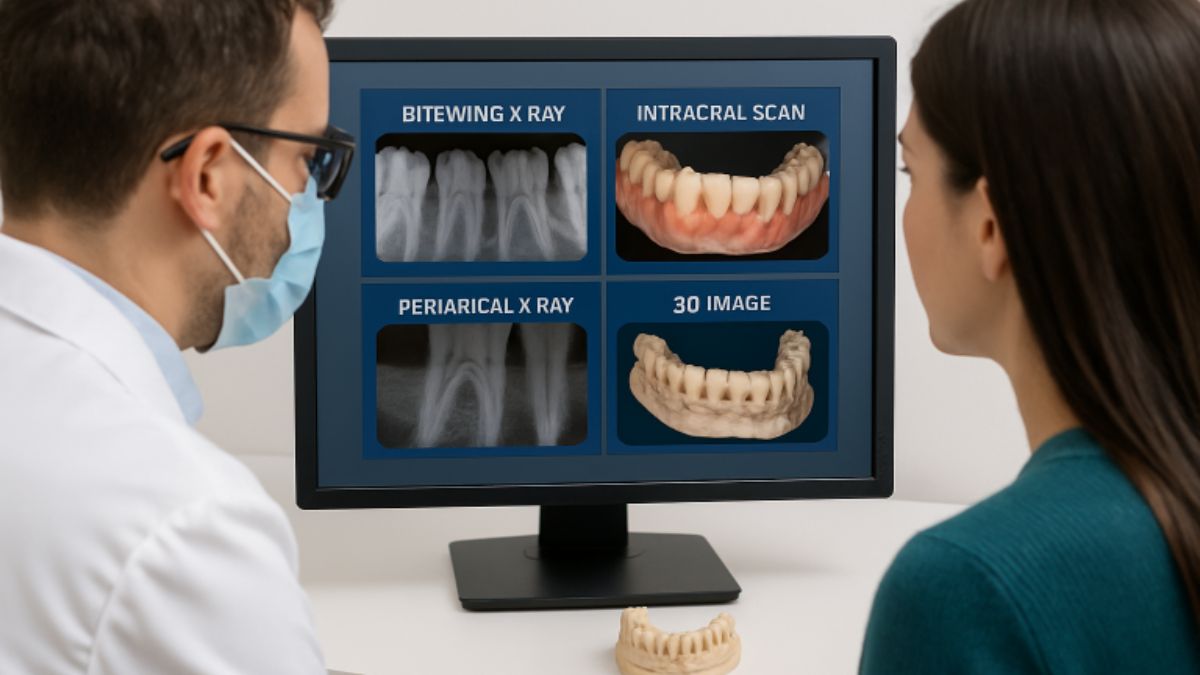
Digital technology has rapidly transformed how dental professionals diagnose, treat, and prevent oral health issues, shaping modern dental care in ways never seen before. The integration of cutting-edge technologies is making dental visits more efficient while empowering patients to take greater control of their oral health journey. Whether seeking guidance for daily hygiene or considering specialized treatment from a periodontist, individuals now benefit from a whole new world of resources and techniques.
From digital imaging to artificial intelligence, today’s dental care focuses on precision, comfort, and accessibility. Digital tools are allowing dentists to detect issues earlier, plan treatments more accurately, and improve long-term oral health outcomes. As a result, both patients and practitioners are experiencing shorter treatment times, higher success rates, and enhanced comfort throughout every step of care.
In addition to advancing technology, new methods such as 3D printing and intraoral scanners are setting new standards for patient care. People in remote regions or those with busy schedules also have more options than ever, thanks to teledentistry. Each of these advances brings unique benefits and greater flexibility for meeting diverse dental health needs.
Technology will continue to evolve, but today’s breakthroughs have already significantly changed what it means to receive and deliver dental care. Understanding these shifts and knowing when to consult a specialist or try new at-home techniques helps patients achieve their best oral health.
Digital Imaging and 3D Printing
The era of traditional X-rays is giving way to advanced digital imaging systems that provide high-quality, immediate images for more effective diagnosis and treatment. These digital files can be easily shared and stored, aiding in assessments and allowing multiple professionals to collaborate quickly for second opinions or specialist consultations. At the same time, 3D printing has revolutionized the way dental appliances, crowns, and surgical guides are created. Dental offices can now develop highly accurate models in a fraction of the time required by older methods, improving both the speed and quality of patient care. According to The New York Times, 3D printing technology has also led to reduced costs and greater customization.
Artificial Intelligence in Dental Diagnostics
Artificial intelligence (AI) has emerged as a valuable tool in dental diagnostics. AI-driven algorithms quickly analyze digital images, dental records, and even patient histories to identify subtle warning signs of decay, gum disease, or oral cancer. This approach means dental professionals can detect problems earlier and intervene with more personalized strategies. For example, AI-based systems can highlight changes between visits that might otherwise go unnoticed. Recent industry reports, such as those discussed in Forbes, emphasize the growing potential of AI to increase accuracy and reduce diagnostic errors in everyday practice.
Teledentistry and Digital Consultations
Remote dental care, or teledentistry, has made quality advice and consultations more accessible than ever before. Using secure video calls, smartphone imaging, and digital messaging, dentists can provide assessments and advice without in-person visits. This model benefits families with busy schedules, patients in rural areas, or individuals with mobility challenges. Teledentistry also supports preventive care by making it easier to follow up with patients after treatment, monitor ongoing conditions, and answer questions between appointments.
Intraoral Scanners for Enhanced Comfort
Intraoral scanners represent a major leap forward in patient comfort and treatment efficiency. These handheld devices use optical imaging to create precise digital impressions of the teeth and mouth, eliminating the need for messy impression materials. The digital models are then used to design crowns, bridges, retainers, and more, all tailored to the unique contours of each patient’s mouth. This technology shortens appointment times and increases patient satisfaction.
CAD/CAM Technology for Precision Restorations
Computer-aided design and manufacturing (CAD/CAM) technologies are fundamentally changing restorative dental procedures. Using data gathered from digital scans, crown and bridge restorations can be designed and milled within a single appointment, reducing the time between diagnosis and treatment completion. The result is a dental restoration that fits more accurately, looks more natural, and typically requires fewer adjustments.
Final Thoughts
Digital technology has transformed dental care in ways that are clearly benefiting both patients and practitioners. Innovations, including advanced imaging, AI-powered diagnostics, teledentistry, and digital fabrication tools, have streamlined dental visits, improved accuracy, and enhanced the patient experience. As these technologies continue to develop, they promise to make dental care even more accessible, effective, and comfortable for everyone.
-

 TOPIC1 year ago
7 Expert Tips For Choosing The Best Basement Renovation Companies
-

 TOPIC1 year ago
Why Large Waterproof Outdoor Rugs Are Essential for All Outdoor Spaces
-

 TOPIC8 months ago
Why Greece Katz Martian Has Everyone Talking in 2025
-

 BUSINESS9 months ago
Top 5 Features of Sowix Online That Every User Should Know About
-

 FASHION1 year ago
How to Layer Your White Dress for Cold Weather?
-

 TOPIC9 months ago
Top Features of BetterThisWorld .com You Need to Know About
-

 FINANCE1 year ago
How TraceLoans Can Simplify Your Finances
-

 BIOGRAPHY1 year ago
From Reality Star to Business Mogul: Prince Narula Digital PayPal