
HEALTH
Is Your Dental Implant Failing Key Symptoms You Shouldn’t Ignore


Dental implants are a fantastic long-term solution for replacing missing teeth. They can restore not only your smile but also your ability to chew and speak comfortably. While dental implants are generally reliable, they do require proper care and attention. Recognizing the early signs of implant problems is crucial for maintaining oral health and preventing more serious complications. In this article, you’ll learn how to tell if something might be wrong with your dental implant, what steps to take, and how to ensure your implant lasts for years to come.
Cost of Dental Implants in Mexico
If you’re considering getting a dental implant, Mexico is an increasingly popular destination for dental tourism due to its affordable pricing and high-quality care. On average, cost of dental work in mexico between $500 and $1,000, which is significantly lower compared to the United States or Europe, where prices can range from $3,000 to $5,000 per implant.
Several factors influence the cost in Mexico, including the surgeon’s expertise, the type of implant used, and the specific clinic you choose. Despite the lower costs, Mexico offers modern clinics with state-of-the-art technology and highly trained dental professionals, making it a compelling option for international patients.
Normal Healing Process After a Dental Implant
After implant surgery, it’s normal to experience some discomfort, swelling, and minor bleeding. These symptoms usually subside within a few days to a week, and the healing process begins. Within three to six months, the implant fuses with your bone in a process known as osseointegration. Pain or discomfort is expected early on, but if symptoms persist beyond the initial healing phase, it might be a sign that something is wrong.
Early Signs Something Might Be Wrong
While some discomfort is expected, excessive pain beyond the normal healing period could indicate an issue. Prolonged swelling, redness, and persistent bleeding are also signs of potential complications. If these symptoms continue or worsen, it’s essential to consult your dentist immediately.
Unusual Implant Mobility
One of the biggest red flags for implant failure is mobility. Your implant should feel completely secure in your jaw. If it wobbles or moves even slightly, it might not have fused properly with the bone, or the surrounding bone could be deteriorating. You can check for mobility by gently pressing on the implant, but any noticeable movement warrants an immediate visit to your dentist.
Gum Problems Around the Implant
Healthy gums are essential for the success of your implant. If you notice your gums receding, becoming inflamed, or producing pus, these are all signs of peri-implantitis, a bacterial infection that can damage both the gum tissue and the bone around your implant. Left untreated, peri-implantitis can lead to implant failure.
Discomfort When Chewing or Biting
You should be able to chew normally once your implant has fully healed. If chewing or biting causes discomfort or pain, it may indicate that the implant is misaligned or hasn’t integrated properly with the bone. This could also signal problems with the surrounding teeth or jaw.
Changes in Your Bite Alignment
Your bite should feel natural and comfortable after your implant. If you notice any changes, such as misalignment or uneven pressure when you bite down, it might mean the implant has shifted or wasn’t placed correctly. Ignoring bite issues can lead to more significant problems over time, including damage to your other teeth.
Implant Fracture or Damage
Although implants are made from durable materials, they can still fracture or become damaged. If you feel sharp edges around your implant or notice any chips or cracks, it’s essential to consult your dentist. Damage to the implant can compromise its integrity and lead to failure if not addressed quickly.
Bone Loss Around the Implant
Bone loss is a serious issue that can destabilize your implant. Signs of bone loss include gum recession, loosening of the implant, and changes in your bite. X-rays are typically needed to confirm bone loss, so it’s important to visit your dentist regularly for check-ups to catch this early.
Chronic Bad Breath or Unusual Taste
If you experience chronic bad breath or an unusual metallic taste, it could be a sign of an infection around the implant. This is often a symptom of gum disease or peri-implantitis, both of which require immediate treatment to prevent further complications.
Prolonged Numbness or Tingling
Some numbness immediately after surgery is normal, but if you continue to feel numbness or tingling in your lips, chin, or tongue long after the procedure, it could indicate nerve damage. This issue should be taken seriously, as untreated nerve damage can be permanent.
Implant Exposure
In some cases, the implant may become visible through the gums due to gum recession or bone loss. This exposure can increase the risk of infection and compromise the stability of the implant. If you notice any metal showing through your gums, seek dental advice promptly.
Systemic Signs of Infection
If you experience fever, fatigue, or swollen lymph nodes, it may indicate that the infection has spread beyond your implant site. These symptoms require immediate medical attention, as untreated infections can spread to other parts of the body and become life-threatening.
When to Contact Your Dentist
If you notice any of these signs, don’t hesitate to contact your dentist. Early intervention is key to resolving minor issues before they turn into major problems. Your dentist can evaluate the situation and recommend the best course of action, whether it’s a simple cleaning or more extensive treatment.
Routine Care and Maintenance of Dental Implants
The best way to prevent complications is to take excellent care of your dental implants. Regular dental check-ups, daily brushing and flossing, and avoiding smoking are all crucial steps in ensuring your implant stays healthy. Following your dentist’s aftercare instructions can also make a big difference in the long-term success of your implant.
Treatment Options for Problematic Implants
If your implant is causing problems, there are several treatment options available, depending on the severity of the issue. Early-stage infections may be treated with antibiotics and deep cleaning, while more severe cases could require bone grafting or implant revision surgery. Your dentist will help determine the best approach for your specific situation.
How to Prevent Implant Complications
To minimize the risk of complications, choose a qualified oral surgeon, follow post-operative care instructions carefully, and maintain good oral hygiene. Lifestyle choices such as avoiding smoking and managing chronic conditions like diabetes can also improve your chances of a successful implant.
Your dental implant is an important investment in your oral health, and it’s essential to address any potential problems as soon as they arise. By recognizing the warning signs and maintaining regular dental visits, you can help ensure the longevity of your implant and protect your smile for years to come.

Managing chronic conditions remains a persistent challenge in modern healthcare, impacting patient outcomes, healthcare costs, and overall well-being. However, the landscape is rapidly changing due to a wave of technological improvements and patient-centered models. These new approaches strive to transform day-to-day management and create lasting improvements in quality of life. Early interventions, remote care options, and solutions like non-surgical solution for pain are making it easier for individuals to manage chronic pain and symptoms without relying solely on invasive procedures or frequent clinic visits.
Patients and providers now benefit from connected care systems, wearable monitors, and seamless communication tools that foster trust, transparency, and proactive management. These resources not only improve tracking and oversight but also empower individuals to take an active role in their care journey, fostering healthier habits and reducing preventable complications.
Telehealth and Remote Patient Monitoring
Telehealth has become an essential part of chronic care, providing a lifeline for patients seeking consistent, real-time access to their medical teams. Remote Patient Monitoring (RPM) offers a new standard in care by transmitting health data, such as heart rate, blood glucose, or blood pressure, from patients’ homes to medical professionals. This reduces the need for frequent in-person appointments and allows care teams to address concerns quickly before they escalate. One notable example is Community Health Systems’ adoption of RPM, which led to marked improvements in chronic disease management, including fewer hospital readmissions. RPM helps bridge the gap for patients with limited mobility or in remote locations, making chronic care more accessible to more patients. For comprehensive coverage on telehealth’s rise and impact, visit Time Magazine.
Artificial Intelligence in Chronic Care
Artificial intelligence is creating deeper insights for proactive chronic care. Machine learning tools can interpret large volumes of patient information, identifying correlations and predicting disease progression that might be missed in traditional reviews. The KOM system, for example, utilizes multiple AI agents to provide clinicians with actionable insights on conditions such as knee osteoarthritis, aiding with patient evaluation, risk assessment, and treatment guidance. This ability to personalize care pathways streamlines decision-making and supports more precise, timely interventions that prolong independent living and improve long-term outcomes. For more information, refer to the Radiological Society of North America.
Integrated Care Models
Integrated care models are gaining ground for their focus on whole-person health. Moving beyond treating symptoms, these models combine conventional therapies with self-care, preventative efforts, and often complementary approaches such as nutrition, mindfulness, and movement therapies. The Whole Health model developed by the U.S. Department of Veterans Affairs stands out by empowering patients to set and pursue personal wellness goals. By building relationships among different care providers and involving patients in shared decision-making, integrated models encourage more consistent adherence and satisfaction and may reduce long-term healthcare costs. For more details, see the VA Whole Health resources.
Patient Digital Twins
Patient Digital Twins (PDTs) represent a major leap forward in chronic care. These dynamic digital models integrate clinical information, lifestyle factors, genomics, and subjective factors to create a detailed representation of a patient’s current health status. PDTs can simulate how a specific treatment is likely to affect an individual and adapt care recommendations as new data appear. This continuous feedback allows clinicians to shift from reactive to predictive and tailored medicine, improving both efficiency and outcomes. Early results show PDT integration may improve early detection and suitability of interventions for complex chronic conditions.
Palliative Telecare
As chronic illnesses progress, timely access to supportive care becomes essential. Palliative telecare, delivered via phone or video, provides a compassionate and accessible way to address physical discomfort and emotional distress. Studies from the University of Colorado Anschutz Medical Campus indicate that these interventions result in lasting improvements in quality of life, even months after the intervention. Telecare teams can guide symptom management, advance care planning, and psychological support, making it easier for patients and their families to navigate difficult phases with dignity and reduced anxiety. For additional research, refer to the NIH Research Matters resource.
Caregiver Support Technologies
Supporting caregivers is vital to sustaining long-term chronic care. Technologies that streamline medication management, tracking, and communication give caregivers peace of mind and reduce their day-to-day burden. The Adhera Health system combines a smart pill organizer and a mobile app, delivering reminders and real-time reporting of adherence. This minimizes missed doses and fosters trust between caregivers and care recipients, empowering them to manage complex routines more independently while ensuring oversight from a distance. Well-designed caregiver technologies not only optimize outcomes for those with chronic diseases but also support the well-being of the entire care ecosystem.
Future Directions
Looking ahead, chronic care will rely increasingly on digital transformation and patient-centered models. Artificial intelligence, telehealth, patient digital twins, and integrated care approaches will collectively shape a healthcare environment focused on individualized, proactive strategies. Emphasizing early intervention and holistic wellness can ease system burdens and, most importantly, deliver better lives for people living with chronic illnesses.

Introduction
If you’ve recently come across the term killagen, you’re not alone. Interest in this concept has grown rapidly as more people search for effective ways to improve health, performance, and overall well-being. Whether you’re exploring supplements, advanced wellness trends, or bio-optimization strategies, understanding killagen can help you make smarter decisions.
In this guide, we’ll break down what killagen is, how it works, its benefits, and how to use it correctly. You’ll also find practical tips, comparisons, and expert-backed best practices to help you get the most value.
What Is Killagen?
Killagen is commonly referred to as a modern wellness compound or supplement concept that focuses on enhancing biological efficiency, cellular performance, and recovery.
Key Definition (Featured Snippet Ready)
Killagen is a wellness-focused compound or formulation designed to support cellular health, improve recovery, and optimize overall body performance.
While the exact composition may vary depending on the product or context, it typically relates to:
-
Cellular regeneration support
-
Energy optimization
-
Immune system enhancement
-
Recovery acceleration
Nebs6ak: Complete Guide to Understanding, Uses, Benefits, and Online Trends
How Killagen Works
Understanding how killagen functions can help you decide whether it aligns with your goals.
Core Mechanisms
Killagen generally works through three primary pathways:
1. Cellular Support
It helps maintain healthy cell function, which is essential for energy, healing, and longevity.
2. Oxidative Stress Reduction
Many formulations aim to reduce free radical damage, supporting long-term health.
3. Performance Optimization
It may enhance physical and mental performance by supporting metabolic efficiency.
Key Benefits of Killagen
Here’s where things get interesting. The appeal of killagen lies in its wide range of potential benefits.
Top Advantages
-
Supports faster recovery after workouts
-
Enhances energy levels naturally
-
Promotes healthier skin and tissue repair
-
Boosts immune resilience
-
Improves focus and mental clarity
Killagen Benefits Breakdown
| Benefit Area | What It Does | Ideal For |
|---|---|---|
| Recovery Support | Speeds up muscle and tissue repair | Athletes, fitness enthusiasts |
| Energy Enhancement | Improves stamina and daily energy | Busy professionals |
| Immune Boost | Strengthens natural defense system | General health users |
| Skin & Tissue Health | Supports collagen and cell repair | Anti-aging seekers |
| Mental Clarity | Enhances focus and cognitive performance | Students, entrepreneurs |
Who Should Use Killagen?
Killagen isn’t limited to one group. It can be beneficial for various lifestyles.
Ideal Users
-
Fitness enthusiasts looking for faster recovery
-
Professionals seeking sustained energy
-
Individuals focused on longevity and wellness
-
People recovering from physical stress
Who Should Be Careful?
-
Pregnant or nursing individuals
-
People with underlying medical conditions
-
Those already on medication
Always consult a professional before starting any new supplement.
Types of Killagen Products
Not all killagen-based products are the same. Understanding the differences helps you choose wisely.
Common Forms
-
Capsules or tablets
-
Powder supplements
-
Liquid formulations
-
Functional food blends
Killagen Product Comparison
| Type | Absorption Speed | Convenience | Best Use Case |
|---|---|---|---|
| Capsules | Moderate | High | Daily supplementation |
| Powder | Fast | Medium | Pre/post workout routines |
| Liquid | Very Fast | Medium | Quick absorption needs |
| Blends | Variable | High | Lifestyle integration |
How to Use Killagen Effectively
Using killagen properly is key to getting results.
Recommended Approach
-
Start with a low dose
-
Monitor your body’s response
-
Stay consistent
-
Combine with a healthy lifestyle
Practical Example
For instance, someone focused on fitness might:
-
Take killagen powder post-workout
-
Combine it with hydration and protein
-
Maintain a consistent routine for 4–6 weeks
This approach helps maximize recovery and performance benefits.
Best Practices for Maximum Results
To get the most out of killagen, follow these proven strategies.
Optimization Tips
-
Pair with a balanced diet
-
Stay hydrated throughout the day
-
Maintain regular physical activity
-
Avoid overuse or excessive dosing
Killagen Usage Framework
| Step | Action | Outcome |
|---|---|---|
| Step 1 | Choose the right form | Better compatibility |
| Step 2 | Start with a low dose | Reduced side effects |
| Step 3 | Stay consistent | Long-term results |
| Step 4 | Combine with healthy habits | Maximum effectiveness |
Pros and Cons of Killagen
Pros
-
Supports overall wellness
-
Enhances recovery and performance
-
Easy to incorporate into daily routine
-
Available in multiple forms
Cons
-
Results may vary by individual
-
Not all products are equally effective
-
Requires consistency for best results
-
May not suit everyone
Common Mistakes to Avoid
Many users don’t get results because of simple mistakes.
Avoid These Errors
-
Taking inconsistent doses
-
Expecting instant results
-
Ignoring product quality
-
Overusing supplements
Killagen vs Similar Supplements
Killagen often gets compared to other wellness products.
Key Differences
-
More focused on cellular optimization
-
Broader benefits across energy, recovery, and immunity
-
Often combines multiple functional ingredients
Is Killagen Worth It?
The value of killagen depends on your goals.
If you’re looking for:
-
Better recovery
-
More energy
-
Improved overall health
Then it can be a strong addition to your routine—provided you choose a high-quality product and use it correctly.
Conclusion
Killagen is quickly becoming a popular option in the wellness space—and for good reason. It offers a well-rounded approach to improving recovery, energy, and overall health.
However, like any supplement or health strategy, results depend on consistency, quality, and lifestyle choices. When used correctly, killagen can be a powerful addition to your daily routine.
FAQs
1. What is killagen used for?
Killagen is used to support recovery, improve energy levels, and enhance overall cellular health.
2. Is killagen safe?
It is generally safe when used as directed, but it’s best to consult a professional before starting.
3. How long does it take to see results?
Most users notice changes within 2–6 weeks of consistent use.
4. Can I take killagen daily?
Yes, daily use is common, but dosage should follow product guidelines.
5. Does killagen replace a healthy lifestyle?
No, it works best when combined with proper nutrition, exercise, and sleep.
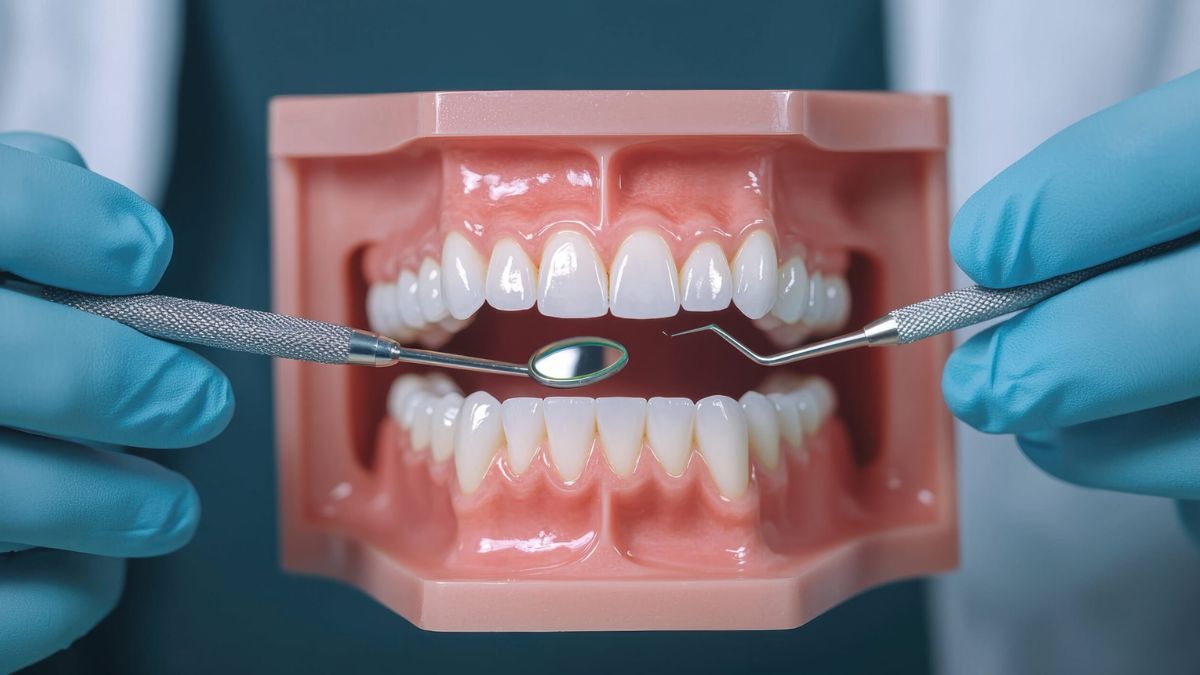
Many people schedule dental cleanings only when they sense a problem or want a whiter smile, but regular appointments have value well beyond cosmetic enhancement. Scheduled cleanings with dental professionals like those at dentistsofhinsdalelake.com are critical for detecting hidden issues, improving oral health, and even supporting overall well-being. In fact, there are a number of lesser-known benefits to routine dental visits that many patients overlook.
While brushing and flossing at home are essential, professional teeth cleanings remove harmful plaque and tartar that regular oral hygiene can miss. These routine visits with your hygienist not only prevent dental conditions but also pave the way for a healthier body.
Dentists and hygienists are trained to spot early signs of problems that may not be visible or symptomatic in their initial stages. Early detection can prevent minor concerns from developing into serious or costly treatments. If you want to protect your smile for years to come, understanding these hidden benefits is crucial.
Periodic dental cleanings should be considered an important component of preventive health care, much like annual medical checkups or blood pressure screenings. They do more than protect teeth from cavities and gum disease, but strengthen your entire health system.
1. Prevention of Tooth Decay and Gum Disease
One of the most obvious but still underappreciated benefits of regular dental cleanings is the prevention of cavities and gum disease. Plaque—a sticky film of bacteria—is constantly forming on teeth. If not removed, it hardens into tartar, leading to both decay and gingivitis. Professional cleanings ensure that both are kept in check, helping stave off periodontitis (the advanced form of gum disease), which has been linked in multiple studies to cardiovascular disease and diabetes.
In addition to daily oral care routines, semi-annual dental visits give your mouth a critical deep clean that targets hard-to-reach locations between teeth or beneath the gumline where bacteria flourish. With regular cleanings, plaque is kept under control, and tartar is removed before it leads to more significant health challenges. Patients who prioritize regular cleanings generally experience fewer cavities, healthier gums, and maintain natural teeth longer than those who miss or skip appointments.
2. Early Detection of Oral Issues
Routine check-ins allow your dentist to spot early warning signs of problems such as oral cancer, tiny cracks or cavities, and the beginning stages of gum disease. Catching issues early means less invasive and often less expensive treatment. According to the Centers for Disease Control and Prevention, tooth decay and gum problems are among the most common chronic health conditions, yet they are easier to treat in their earliest stages.
Early detection, especially of oral cancers, can be life-saving. Symptoms might not be noticeable at home, but a trained dental professional can identify suspicious spots or lesions. Timely intervention improves outcomes and reduces treatment times, making the simple act of attending a cleaning appointment much more valuable than many patients realize.
3. Fresher Breath and Better Taste
Persistent bad breath can be embarrassing and difficult to manage with just toothpaste or mouthwash. Professional teeth cleanings remove odor-causing bacteria and tartar from areas you can’t reach on your own, contributing to long-lasting freshness and improved sense of taste.
Bacteria that gather and multiply in the mouth don’t just threaten your teeth—they can also create persistent odors and a stale taste that regular brushing often fails to completely address. After a professional cleaning, patients often report noticing food flavors more vividly and feeling more comfortable in social interactions.
4. Reduced Risk of Serious Health Complications
There is mounting evidence that oral health and overall health are closely related. Bacteria from oral infections can spread through the bloodstream and contribute to health problems elsewhere, such as heart disease, stroke, and even dementia. Routine dental cleanings reduce the bacterial load in your mouth, lowering your risk for these potentially severe conditions. The Harvard Medical School has highlighted the critical link between gums and heart health, further supporting the need for routine care.
People with chronic conditions such as diabetes, respiratory illnesses, or weakened immune systems are especially susceptible to complications from untreated oral infections. By sticking to a regular cleaning schedule, at-risk individuals can more effectively control inflammation and limit systemic impacts that begin in the mouth.
5. Preservation of Natural Teeth
Losing teeth as a result of gum disease or decay can have a dramatic impact on oral function and self-confidence. Regular professional cleanings help keep both the teeth and supporting bone structures healthy, reducing the risk of premature tooth loss. This supports strong chewing ability and better nutrition overall.
Natural teeth are always preferable to artificial replacements. They provide better function, appearance, and stability. When you commit to routine professional cleanings, you’re making a long-term investment in your own comfort, diet, and speech clarity.
6. Savings on Future Dental Costs
Preventive appointments might appear to be just one more thing on the calendar, but they actually reduce long-term costs by decreasing your likelihood of needing extensive repairs or restorative work in the future. Treating small problems early, or avoiding them altogether, is far more cost-effective than procedures like fillings, crowns, or even tooth replacements.
Catching and treating dental concerns early translates to more manageable appointments, fewer emergencies, and less time away from work or family due to dental pain or unexpected procedures. Regular cleanings are an investment that pays dividends in both comfort and finances over time.
7. Brighter, More Confident Smiles
Beyond the health benefits, having your teeth professionally cleaned results in a visibly brighter and healthier smile. Whiter teeth boost confidence and self-esteem and make social and professional interactions more enjoyable. A regular cleaning schedule ensures your teeth are polished and stain-free, contributing to an overall sense of well-being.
A clean, vibrant smile is not only physically attractive but also psychologically uplifting. People who are satisfied with the appearance of their teeth are more likely to smile openly, participate fully in life’s moments, and feel comfortable in group settings. Routine cleanings, combined with at-home care, keep your smile at its best for years to come.
Additional Preventive Benefits and Patient Education
Another often-overlooked aspect of routine dental cleanings is the personalized guidance you receive from your hygienist or dentist. During these appointments, professionals can educate you on brushing and flossing techniques tailored to your unique mouth, recommend products for sensitive teeth, or suggest changes to your diet to improve oral health. The advice offered during cleanings is a valuable tool for empowering patients to take charge of their daily oral care.
Routine cleanings are also an opportunity for dental professionals to monitor any changes in your oral health over time. By keeping track of health trends, dentists can more easily spot patterns that may require extra attention or intervention, thus significantly improving your odds of maintaining a healthy smile for life.
Conclusion
Consistent teeth cleanings are much more than just a cosmetic boost. They offer powerful, often hidden advantages for your health and finances. By making dental hygiene a consistent priority, you protect your smile and invest in your long-term well-being. If you have been putting off your dental cleaning, now is the time to schedule—both your mouth and your overall health will thank you.
Ultimately, regular professional teeth cleanings stand as one of the simplest and most effective ways to maintain not just oral health but overall wellness. Every visit is a step toward longevity, self-confidence, and a lasting, beautiful smile.
-

 TOPIC1 year ago
7 Expert Tips For Choosing The Best Basement Renovation Companies
-

 TOPIC1 year ago
Why Large Waterproof Outdoor Rugs Are Essential for All Outdoor Spaces
-

 TOPIC9 months ago
Why Greece Katz Martian Has Everyone Talking in 2025
-

 FASHION1 year ago
How to Layer Your White Dress for Cold Weather?
-

 BUSINESS10 months ago
Top 5 Features of Sowix Online That Every User Should Know About
-

 TOPIC10 months ago
Top Features of BetterThisWorld .com You Need to Know About
-

 FINANCE1 year ago
How TraceLoans Can Simplify Your Finances
-

 BIOGRAPHY1 year ago
From Reality Star to Business Mogul: Prince Narula Digital PayPal