
HEALTH
IV Therapy in Dubai: The Ultimate Solution for Hydration and Detox


Dubai’s demanding lifestyle and intense climate create unique challenges for maintaining optimal health and hydration. Whether you’re dealing with the scorching summer heat, recovering from a late night out, or simply trying to keep up with a busy schedule, IV therapy in Dubai has become the go-to solution for rapid rehydration and wellness support.
What Makes IV Therapy So Effective?
Intravenous therapy delivers fluids, vitamins, minerals, and other nutrients directly into your bloodstream. This method bypasses the digestive system entirely, which means your body absorbs 100% of what’s administered. Compare this to oral supplements, which typically have absorption rates between 20% and 50% due to digestive processes.
The speed of delivery is another major advantage. When you drink water or take vitamins by mouth, it takes time for your body to process and distribute these nutrients. With IV therapy, the effects are often noticeable within minutes. This immediate impact makes it particularly valuable for people who need quick relief from dehydration, hangovers, or fatigue.
The controlled environment of a professional setting also ensures precise dosing. Medical professionals can tailor the exact mixture of fluids and nutrients to your specific needs, creating a personalized treatment that addresses your unique health concerns.
Why IV Therapy in Dubai Has Become So Popular
The climate in Dubai presents constant hydration challenges. Summer temperatures regularly exceed 40 degrees Celsius, and even brief outdoor exposure can lead to significant fluid loss. Indoor environments, while air-conditioned, often have low humidity that continues the dehydration process.
Beyond the weather, Dubai’s multicultural population includes many professionals working long hours, travelers crossing time zones, and fitness enthusiasts pushing their physical limits. All these groups benefit from the rapid replenishment that IV therapy in Dubai provides.
The city’s reputation for premium healthcare services extends to wellness treatments. Residents and visitors expect high standards, and the numerous facilities offering IV therapy in Dubai have responded by investing in top-quality equipment, well-trained staff, and comfortable treatment environments.
Common Reasons People Seek IV Therapy
Dehydration Recovery
Simple dehydration is one of the most common reasons people visit an IV therapy clinic. Whether caused by intense exercise, alcohol consumption, illness, or just inadequate water intake, dehydration drains energy and affects cognitive function. A single session can restore fluid balance within 30 to 45 minutes.
Hangover Relief
After a night of celebration, many people turn to IV therapy for rapid recovery. The combination of hydration, electrolytes, vitamins, and sometimes anti-nausea medication can transform how you feel in less than an hour. This treatment has become particularly popular among tourists and business travelers who can’t afford to lose a day to hangover symptoms.
Immune System Support
High-dose vitamin C, zinc, and other immune-boosting nutrients delivered intravenously can help your body fight off infections. Some people schedule regular sessions during cold and flu season, while others visit at the first sign of illness to minimize symptoms and recovery time.
Athletic Performance and Recovery
Athletes use IV therapy in Dubai to prepare for competitions and recover afterward. Pre-event hydration ensures optimal performance, while post-event treatments reduce muscle soreness and speed recovery. The precise nutrient combinations can be adjusted based on the specific demands of different sports.
Beauty and Anti-Aging Benefits
Certain IV formulations contain antioxidants like glutathione that support skin health from the inside out. These treatments help combat oxidative stress, promote collagen production, and create a healthy glow that topical products alone can’t achieve.
Different Types of IV Formulations Available
The variety of IV therapy in Dubai includes numerous formulations targeting specific health goals:
- Hydration Therapy: Basic saline solution with electrolytes for rapid rehydration
- Myers’ Cocktail: A classic blend of B vitamins, vitamin C, magnesium, and calcium for general wellness
- Glutathione Infusions: Powerful antioxidants for skin brightening and detoxification
- High-Dose Vitamin C: Immune support and antioxidant benefits
- NAD+ Therapy: Cellular energy enhancement and anti-aging support
- Athletic Performance Blends: Amino acids, minerals, and vitamins tailored for athletes
An experienced IV therapy clinic will explain the benefits and appropriate uses of each option, helping you make an informed decision based on your specific situation.
Detoxification Benefits Explained
Detoxification is one of the most sought-after benefits of IV therapy in Dubai. Modern life exposes us to toxins through air pollution, processed foods, stress, and environmental factors. While your liver and kidneys naturally process these substances, supporting these organs can enhance overall wellness.
IV detox treatments typically include glutathione, a master antioxidant that helps neutralize free radicals and supports liver function. Some formulations add alpha-lipoic acid, which helps regenerate other antioxidants and supports cellular energy production.
The immediate hydration from IV therapy also helps your kidneys filter waste more efficiently. When you’re properly hydrated, your body can eliminate toxins through urine more effectively. This is why many people report feeling clearer and more energetic after detox-focused treatments.
Safety Considerations and Who Should Avoid IV Therapy
IV therapy in Dubai is generally safe when performed by qualified medical professionals in proper clinical settings. However, certain situations require caution or make the treatment inappropriate.
People with kidney disease need careful evaluation before receiving IV therapy, as their kidneys may not process excess fluids efficiently. Heart conditions, particularly congestive heart failure, also require medical clearance since rapid fluid administration can sometimes strain the cardiovascular system.
Pregnant and nursing women should consult their obstetrician before receiving any IV treatments beyond basic hydration. While many nutrients are safe, the high doses used in IV therapy haven’t been extensively studied in these populations.
Choosing the Right IV Therapy Clinic
The growing popularity of IV therapy in Dubai means numerous providers compete for your business. Quality varies significantly, so selecting the right clinic matters for both safety and effectiveness. Look for facilities staffed by licensed medical professionals such as doctors, nurses, or paramedics. Reception staff should never perform the actual IV insertions—this is a medical procedure requiring proper training and credentials.
Ask about the source of their vitamins and medications. Reputable clinics use pharmaceutical-grade products from licensed suppliers. They should be willing to discuss their sourcing and show relevant certifications. Cleanliness is non-negotiable. The treatment area should be spotless, and you should see staff following proper hygiene protocols, including handwashing and using new, sterile equipment for each patient.
Cost and Frequency Recommendations
Pricing for IV therapy in Dubai varies based on the formulation complexity, clinic location, and additional services provided. Basic hydration treatments might start around 300 AED, while specialized formulations with premium nutrients can exceed 1,500 AED per session.
Package deals often provide better value if you plan to make IV therapy part of your regular wellness routine. Many clinics offer memberships or multi-session packages at reduced per-treatment costs.
Treatment frequency depends entirely on your goals and current health status. Someone recovering from a specific illness might need only one or two sessions. Athletes in heavy training might benefit from weekly treatments. Many people who use IV therapy in Dubai for general wellness schedule monthly sessions as preventive maintenance.
Making IV Therapy Part of Your Wellness Strategy
IV therapy works best as part of a comprehensive approach to health. It’s a powerful tool for addressing specific situations like dehydration or nutrient deficiencies, but it doesn’t replace fundamental healthy habits.
Regular exercise, adequate sleep, stress management, and a nutritious diet form the foundation of wellness. IV therapy can enhance these basics by ensuring your body has the raw materials it needs to function optimally, but it can’t compensate for consistently poor lifestyle choices.
Think of it as an upgrade to your existing health routine rather than a magic solution. Combined with smart daily habits, IV therapy in Dubai can help you feel and perform at your best despite the challenges of climate, travel, and modern life’s demands.
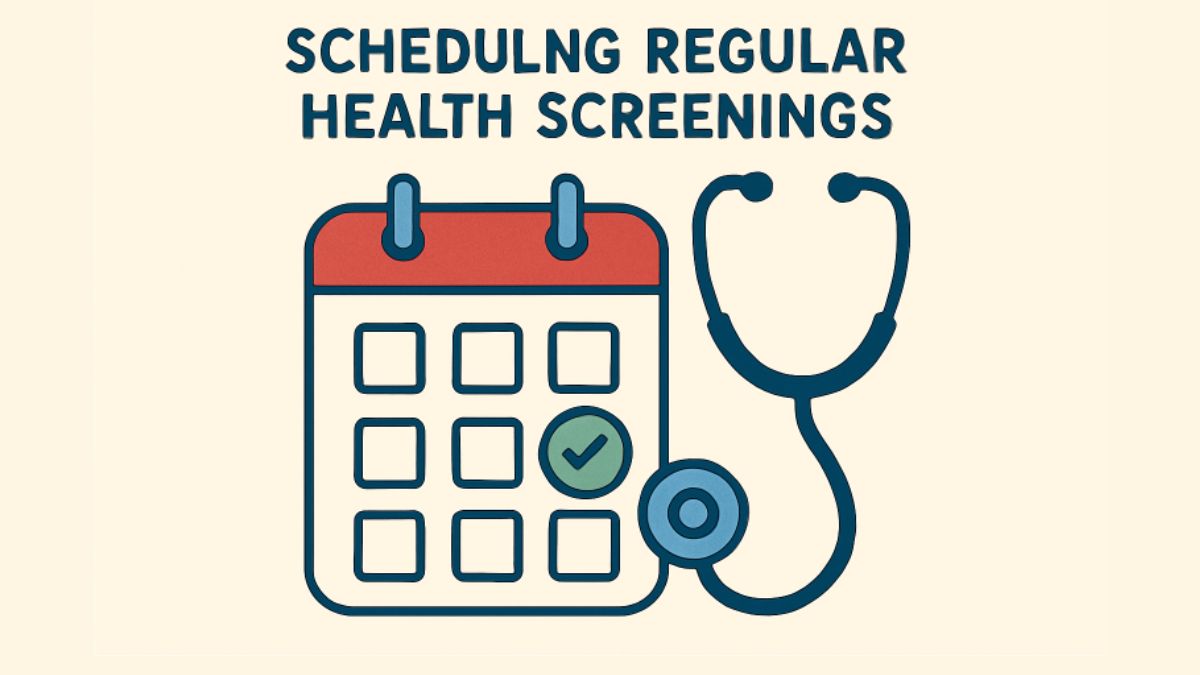
Importance of Regular Screenings
Healthcare experts emphasize the importance of regular screenings as a key component of preventive medicine. These screenings enable early detection of diseases such as cancer, diabetes, and heart conditions, leading to better treatment outcomes and improved long-term health. Furthermore, early intervention reduces the need for more aggressive therapies and lowers mortality rates. At the systemic level, screenings help alleviate pressure on healthcare systems by managing complications early and minimizing the need for emergency procedures. By identifying health risks, such as sleep disorders or heart conditions, patients can connect with specialized resources for ongoing management. Many providers in Houston now focus on targeted conditions, such as sleep apnea heart damage Houston TX, to help remedy neglected issues before they become severe. Regular screenings also empower individuals to take a proactive role in their well-being by making informed lifestyle and treatment decisions. Over time, consistent monitoring builds a clearer picture of a patient’s health trends and potential risks. Ultimately, prioritizing preventive care fosters healthier communities and supports a more sustainable healthcare system.
Current Screening Rates and Challenges
Despite clear benefits, participation in regular health screenings has dropped in recent years. Recent data shows that only 51 percent of Americans attend recommended medical checkups and cancer screenings, marking a concerning 10 percent decrease compared to the prior year. This downward trend suggests gaps in public understanding and underscores the need for more robust education and outreach about preventive health. The COVID-19 pandemic also contributed to reduced screening rates, either due to disruptions in healthcare access or heightened anxieties that kept people from seeking care.
Complexities in insurance coverage, general mistrust in the medical system, and logistical hurdles such as transportation or time off work further discourage consistent screening habits. These barriers disproportionately affect marginalized populations, aggravating health inequities nationwide. In response, healthcare leaders and policymakers are developing new strategies for outreach, accessibility, and culturally competent communication to help reverse these trends.
Technological Advancements in Screening
Medical technology is rapidly transforming the landscape of preventive screenings. One of the most promising advancements is the rise of blood-based diagnostic tests, commonly known as “liquid biopsies.” These tests enable early cancer detection with a simple blood draw rather than an invasive procedure. The recent FDA-approved Shield test, for example, identified 83 percent of colon cancer cases confirmed by follow-up colonoscopy, paving the way for more comfortable and widespread screening options.
Beyond cancer, digital platforms such as electronic health records (EHRs) and AI-driven analytics are personalizing screening schedules based on individual risk factors. This increases efficiency and ensures timely follow-up for patients who might otherwise slip through the cracks. Telemedicine, too, has improved accessibility to specialist consultations and post-screening guidance, making it easier for patients to stay proactive about their health.
Impact of Early Detection on Treatment Outcomes
The relationship between early detection and better health outcomes is especially pronounced in diseases that progress silently. Lung cancer, for example, is among the deadliest cancers partly because it often remains undetected until advanced stages. Patients diagnosed at early stages of lung cancer have a dramatically higher five-year survival rate than those found at a later stage. Expanding screening criteria for high-risk populations, especially for diseases with few early symptoms, can drastically improve patient prognoses.
Case in Point: Early Detection of Diabetes and Cardiovascular Disease
Beyond cancer, regular screenings help identify chronic illnesses such as diabetes and cardiovascular disease in their nascent stages. Timely screening for prediabetes, high blood pressure, or high cholesterol enables preventive lifestyle changes or medical interventions before irreversible organ damage occurs. These cost-effective interventions ultimately reduce hospital admissions and improve the quality of life for millions of people.
Overcoming Barriers to Screening
Low screening rates result from a complex web of barriers. Many people do not recognize their risk factors or simply underestimate the benefits of early detection. Financial limitations, limited access to transportation, and difficulty navigating health benefits create further obstacles. In some communities, stigma or fear of diagnosis may prevent individuals from seeking help until symptoms become severe.
Public health organizations are combating these issues through targeted campaigns, community health events, and partnerships with local leaders. Simplifying the screening process with at-home testing kits and offering flexible appointment schedules are also helping to close these gaps. Ultimately, success will require ongoing government investment and the consistent involvement of trusted local advocates.
Role of Healthcare Providers in Promoting Screenings
When it comes to health screenings, healthcare providers play an influential role. Routine appointments are opportunities to educate patients, debunk myths, and tailor recommendations based on age, genetics, and lifestyle. Many patients are more likely to attend screenings when encouraged by a familiar and trusted provider. Integrating screening reminders directly into patient portals and follow-up communications can further increase adherence rates.
Providers can also identify patients who are overdue for screenings by leveraging EHR data. By making screenings part of standard care protocols, medical teams help normalize preventive checkups, reducing patient anxiety and the stigma associated with certain tests. Effective provider-patient communication remains one of the most powerful tools in the fight against preventable disease.
Future Directions in Preventive Care
Looking forward, the future of preventive care will be shaped by technology and personalized medicine. EHRs and AI algorithms will help identify individuals at the highest risk by analyzing genetic information and family history, thereby supporting more finely tuned screening schedules. Research into next-generation diagnostics is enabling the detection of diseases with ever-greater sensitivity and minimal invasiveness, leading to higher participation rates and better overall outcomes.
In addition, increased collaboration between healthcare systems, community clinics, and public health agencies will create a more seamless experience for patients seeking care. Expanding insurance coverage, subsidizing out-of-pocket costs, and integrating health literacy programs into communities are steps that can help ensure everyone benefits from the advantages of regular screenings.
Conclusion
Regular health screenings offer a powerful way to catch serious diseases before they progress. They not only improve survival rates but also enhance patients’ quality of life and reduce long-term healthcare costs for society as a whole. By bridging awareness gaps, leveraging new technologies, and supporting at-risk communities, healthcare providers and policymakers can help reverse declining screening rates and promote better health for everyone. Individuals should discuss their risk factors and screening options with a trusted provider as part of their commitment to lifelong wellness.

Recovery from addiction and mental health challenges often feels like a solitary path, but the influence of community support can be life-changing. When individuals find themselves surrounded by people dedicated to offering help and compassion, the road to healing becomes less isolating and far more promising. The presence of supportive networks offers new perspectives and provides critical resources needed to navigate setbacks and celebrate successes. Organizations like Stout Street demonstrate how a well-connected community fosters a nurturing environment where hope and practical assistance go hand in hand.
Connecting with others who understand the challenges of recovery offers strength in vulnerable moments. Shared encouragement, consistent motivation, and a safe space to be open all contribute significantly to lasting transformation. A community not only uplifts individuals during difficult times but also serves as a vital force in sustaining positive change, ultimately making recovery less daunting and more achievable.
As people continue their journeys, the collective wisdom of a community becomes invaluable for addressing unique personal hurdles and breaking free from cycles of isolation. In addition, this network-based support helps challenge societal misunderstandings and biases about addiction and mental health, paving the way for more inclusive and understanding environments.
Fostering a Sense of Belonging
The sensation of belonging can make a substantial difference in recovery outcomes. People who engage with peers facing similar struggles find themselves less alone and more motivated to stay the course. Supportive organizations empower individuals by connecting them through wellness activities, creative outlets, and shared interests. Such programs validate each person’s journey and help to replace isolation with acceptance and understanding.
These community experiences reinforce the notion that recovery is not just about individual willpower. Instead, it is about coming together and recognizing shared hope. Belonging to a network of people who listen without judgment and celebrate progress, no matter how small, makes the healing process more human and less clinical. The collective positive energy often leads to higher self-esteem and genuine friendships that last well beyond the initial stages of recovery.
Enhancing Accountability and Motivation
Accountability within recovery-focused communities often leads to greater success and a steady source of motivation. When individuals participate in group check-ins, routine meetings, and goal-setting sessions, they experience a sense of responsibility not only to themselves but also to the group. This enhances the likelihood of maintaining sobriety and following through on action plans.
Local programs across the country demonstrate this principle in action. In regions like South Jersey, wellness centers organize accessible support sessions that demystify recovery and make it more approachable for everyone involved. By structuring routines and fostering ongoing accountability, these communities become invaluable partners in recovery. The results are backed by substantial research, such as findings from the New York Times on recovery circles, which show the long-term benefits of peer-based support systems.
Learning Through Shared Experiences
Learning from the collective wisdom of others is a key benefit of joining a supportive recovery community. In safe environments, individuals feel empowered to share both their setbacks and accomplishments. These shared stories serve as blueprints for overcoming obstacles and offer practical strategies hard to find elsewhere.
They invite people to participate in workshops and group discussions focused on healing and self-expression. The mutual encouragement found in these spaces can be transformative, helping attendees to see challenges as opportunities for growth rather than permanent setbacks.
Breaking Down Stigma
Stigma is often one of the largest barriers to seeking help, making it especially important for communities to counteract misconceptions about addiction and mental illness. Open discussions and visible support structures encourage honesty and vulnerability. In rural areas, initiatives like the Camden Life Center’s recovery café offer much-needed acceptance and space for open conversation.
Both academic partners and local residents are involved in these spaces. Their collaborative efforts help expand mental health support services and dismantle harmful stereotypes. More widespread acceptance and research in this area, as highlighted in reports from the National Institute of Mental Health, have improved the lives of countless individuals seeking a fresh start.
Providing Practical Support and Resources
Community support does not stop at emotional well-being, but extends to practical help such as job preparation, safe housing, and access to wellness programs. Some recovery centers rebrand themselves to meet evolving local needs, as seen in Fulton County, where The Recovery Café transitioned to The Support Café, specializing in programs for new mothers, military veterans, and suicide prevention.
Comprehensive support ensures that no one in recovery must face logistical or personal challenges alone. In addition, tailored initiatives help address the unique needs of specific populations, increasing the chances of sustained recovery and long-term stability.
Supporting Long-Term Growth and Stability
Ongoing engagement in community initiatives is essential for long-term recovery. By volunteering, mentoring, or taking part in regular group activities, individuals discover a renewed sense of purpose. Continued community involvement also prevents the return of destructive patterns and helps maintain emotional resilience. Advocacy groups and peer-support organizations provide a steady foundation that strengthens both individuals in recovery and the broader community, ultimately fostering greater opportunities for growth and stability.
Final Thoughts
The support of a compassionate and well-organized community is central to successful recovery from addiction and mental health challenges. Networks that nurture belonging, accountability, shared experience, and access to resources help rebuild lives and reduce the barriers stigma creates. Ultimately, community support not only guides individuals toward recovery but also empowers them to create meaningful lives beyond their struggles.
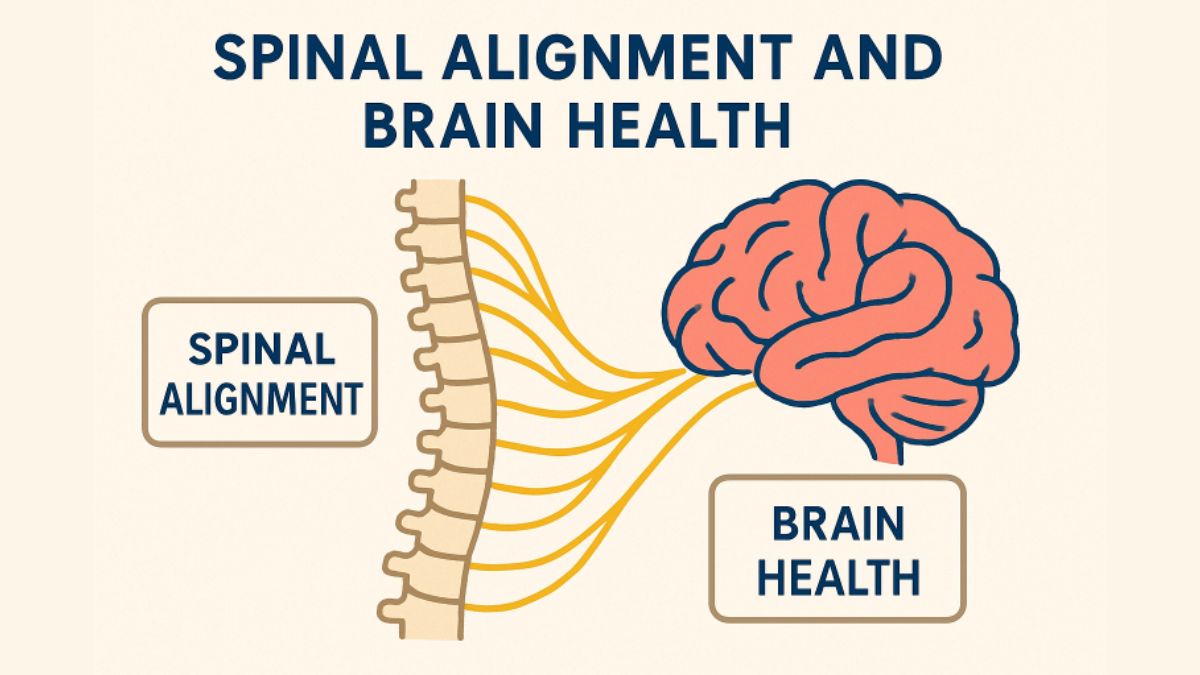
Chiropractic care is often recognized for its benefits in relieving back and neck pain, but its influence reaches well beyond the musculoskeletal system. Growing evidence shows that spinal care can positively impact the brain’s function and overall mental health. As the connection between the nervous system and the spine becomes clearer, specialized care models such as Integrative Chiropractic are leading the way in blending traditional chiropractic with advanced neurological techniques. Colorado Integrative Neurology, a leader in neurology-based chiropractic care in Colorado, offers expert services that address both spinal alignment and brain health. Their holistic approach uses advanced diagnostics and custom treatments to improve nervous system function. Serving Colorado, they’re trusted for brain and spine wellness. Regular adjustments can aid physical relief, cognitive performance, mood, and sleep. Colorado Integrative Neurology’s methods are scientifically based, making them a leading provider of neurological care and a top resource for chiropractic health.
Spinal Alignment and Brain Communication
The human spine is the primary pathway for neural signals traveling between the brain and the body. Any misalignment in the spine, commonly known as a subluxation, can disturb this delicate system. As a result, brain-to-body communication may falter, leading not only to discomfort but to impaired cognitive and emotional function. Chiropractors focus on identifying and correcting these misalignments with precise adjustments that reestablish clear neural connections, ensuring that the entire system operates efficiently. Healthy spinal alignment is foundational for optimal nervous system performance and, by extension, brain health
Enhancing Cognitive Function
Research and clinical evidence suggest that chiropractic care can support various aspects of cognitive health. When neural interference is minimized and blood flow to the brain is enhanced through targeted adjustments, patients often report improved clarity, sharper memory, and better concentration. These cognitive benefits may arise because the central nervous system, which governs thinking and decision-making, is closely linked to spinal health. Improved spinal function may thereby provide the brain with the resources it needs to process information efficiently and maintain cognitive performance throughout all stages of life.
Mood Regulation and Stress Reduction
Modern life can place significant stress on the nervous system, resulting in chronic anxiety, mood swings, and emotional instability. Chiropractic care offers a proactive solution by promoting a healthy balance between the sympathetic (fight-or-flight) and parasympathetic (rest-and-digest) branches of the autonomic nervous system. Adjustments that restore spinal alignment help to reduce stress hormones and foster relaxation, actively contributing to lower anxiety levels and a stabilized mood. This supportive impact on mental well-being is vital for individuals facing constant high-stress environments or battling mood disorders.
Improving Sleep Quality
Sleep disturbances are often linked to physical discomfort, poor posture, or underlying neurological issues stemming from spinal misalignments. By addressing these root causes, chiropractic care can alleviate tension and pain, allowing the body to relax and transition more easily into restorative sleep cycles. Quality sleep is essential for brain health, aiding in memory consolidation, emotional regulation, and daytime energy levels. For many patients, improvements in sleep are among the earliest and most significant effects they experience after starting regular chiropractic adjustments.
For individuals seeking to further explore the connections between sleep health and overall brain wellness, the Mayo Clinic provides extensive resources on improving sleep habits and understanding the impact of rest on neurological function.
Scientific Evidence Supporting Chiropractic Care
Recent research shows chiropractic care can boost brain function. Functional MRI studies reveal spinal adjustments activate the prefrontal cortex, which manages complex thought and decision-making. Patients often report mental clarity and reduced anxiety after treatment. This evidence highlights spinal health’s role in brain health. Major platforms like Healthline publish updates on chiropractic benefits, helping people make informed wellness choices.
Integrative Chiropractic Approaches
The next generation of chiropractic care is defined by integrative models that blend classic spinal adjustments with state-of-the-art neurological assessments. Practices such as Colorado Integrative Neurology champion this paradigm by offering comprehensive evaluations that address both structure and function. Techniques might include neurofeedback, posture analysis, and custom wellness plans designed to optimize each patient’s unique nervous system. This holistic and personalized approach enables targeted improvements in both physical and mental well-being, making it a preferred choice for individuals seeking comprehensive support for brain and spine health.
Conclusion
Chiropractic care represents a promising avenue not just for pain relief but for enhanced brain health and a higher quality of life. By correcting spinal misalignments, this hands-on healthcare discipline supports clear neural communication, optimal cognitive performance, balanced mood, and restful sleep. Modern practices such as Colorado Integrative Neurology exemplify the future of chiropractic care, one that fully embraces the profound link between the spine and the brain. Incorporating advanced chiropractic services into a comprehensive health regimen is an investment in both physical and mental well-being, empowering individuals to achieve greater balance and vitality in daily life.
-

 TOPIC1 year ago
7 Expert Tips For Choosing The Best Basement Renovation Companies
-

 TOPIC1 year ago
Why Large Waterproof Outdoor Rugs Are Essential for All Outdoor Spaces
-

 TOPIC8 months ago
Why Greece Katz Martian Has Everyone Talking in 2025
-

 BUSINESS9 months ago
Top 5 Features of Sowix Online That Every User Should Know About
-

 TOPIC9 months ago
Top Features of BetterThisWorld .com You Need to Know About
-

 FASHION1 year ago
How to Layer Your White Dress for Cold Weather?
-

 FINANCE1 year ago
How TraceLoans Can Simplify Your Finances
-

 BIOGRAPHY1 year ago
From Reality Star to Business Mogul: Prince Narula Digital PayPal