
CONSTRUCTION
Maximising Efficiency with Wet Hire Excavator Solutions

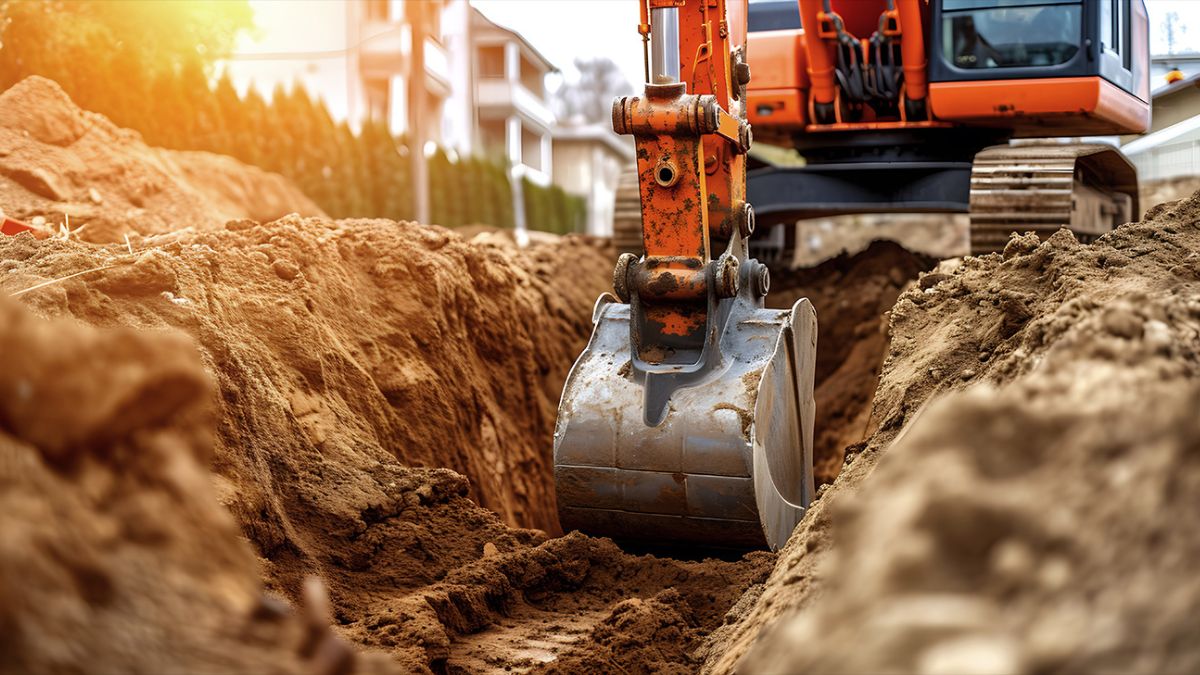
In the realm of construction and excavation services, efficiency is not just a goal but a prerequisite for success. One of the key components to achieving this efficiency is choosing the right approach to equipment hire, and specifically the benefits of choosing a wet hire excavator solution. This article is set to explore the fundamental advantages of opting for wet hire options, and how construction projects can harness this approach to streamline operations, reduce downtime, and ultimately improve their bottom line.
The Concept of Wet Hire in Excavation Services
For those unfamiliar with the term, ‘wet hire’ refers to the practice of hiring equipment that comes with its own operator. This is contrary to ‘dry hire,’ which is the rental of equipment alone, without any additional manpower provided. With the complex nature of excavators and their pivotal role in various construction projects, wet hire presents itself as a compelling choice for many contractors.
Expertise and Experience on Demand
When you choose a wet hire excavator, you are not just paying for the machine but also the expertise of an experienced operator. This immediately elevates the level of precision within a project. Experienced operators bring with them extensive knowledge about the intricacies of the machinery, ensuring that all excavations are performed with the highest degree of professionalism and adherence to safety protocols.
Reduced Training and Recruitment Hassles
One of the challenges in the construction industry is finding and training skilled equipment operators. By selecting a wet hire solution, companies are relieved of the burden of recruitment and training. The provider of the wet hire service is responsible for ensuring that their operators keep abreast with the latest industry standards and competencies. This means that construction projects can commence more swiftly, sidestepping the time-consuming steps involved in bringing new hires up to speed.
Minimising Downtime and Maximising Productivity
Every construction project has strict deadlines, and any unplanned downtime can result in financial loss and project delays. The assurance of having a proficient operator can significantly minimise machine downtime. Wet hire operators can identify and resolve minor mechanical issues on site, reducing the need for frequent maintenance stops. Their adept handling of the equipment optimises the machinery’s run-time further maximising productivity on-site.
Adapting to Project Complexity with Ease
Excavation work can vary greatly in complexity, from the nuances of urban construction to the challenges presented by large-scale rural developments. Wet hire excavators come with operators who are often versed in a wide range of conditions and project types, offering versatility to construction firms. This adaptability is particularly valuable when dealing with unexpected ground conditions or navigating complex job sites without a hitch.
Cost-effectiveness of Wet Hire Solutions
While the initial outlay for a wet hire service can seem higher than dry hire, the long-term cost-effectiveness of this option can be significant. By reducing the likelihood of incorrect operation leading to equipment damage or inefficiency, wet hire solutions can ward off additional repair costs. Furthermore, as the hire includes operator fees, companies save on the overhead costs associated with employing an in-house operator, like salaries and benefits.
Risks Mitigation with Wet Hire Excavators
The excavation process carries inherent risks, from damaging underground utilities to potential cave-ins. Wet hire solutions inherently reduce the level of risk by providing operators who can navigate these hazards expertly. Their focused adherence to safety procedures ensures operational compliance and mitigates against the potential for accidents and the associated liabilities.
Compliance with Environmental and Legal Standards
Construction and excavation practices are bound by stringent environmental and legal standards. Wet hire operators are usually well-versed in these requirements and can ensure that work is conducted in a manner that upholds relevant regulations, helping project managers to navigate the maze of compliance without fretting over potential violations.
Streamlining Project Management
With the presence of a dedicated operator, project managers can better focus their attention on overseeing the broader aspects of the construction initiative. Knowing that the wet hire provider manages part of their workforce streamlines various management duties, potentially saving time and allowing for more efficient allocation of human resources.
Choosing the Right Wet Hire Excavator Provider
While the benefits of wet hire solutions are clear, the quality of the service largely depends on the provider. Businesses should seek out wet hire providers with a robust reputation, a fleet of well-maintained and modern excavators, and a transparent approach to customer service.
Conclusion
Wet hire excavator services bring professionalism, efficiency, and peace of mind to construction projects. They signify a comprehensive solution that couples state-of-the-art machinery with skilled operators, culminating in a potent formula for seamless excavation operations. In an industry where every aspect of timing, precision, and compliance is critical, wet hire solutions stand out as a strategic choice for contractors aiming to maximise efficiency and project outcomes.
In summary, the decision to opt for a wet hire excavator is a proactive step towards ensuring the highest degree of efficiency. Thanks to the combination of skilled labour, reduced downtime, and expert management of the equipment, wet hire offers a competitive edge that can substantially influence the success of any excavation project.
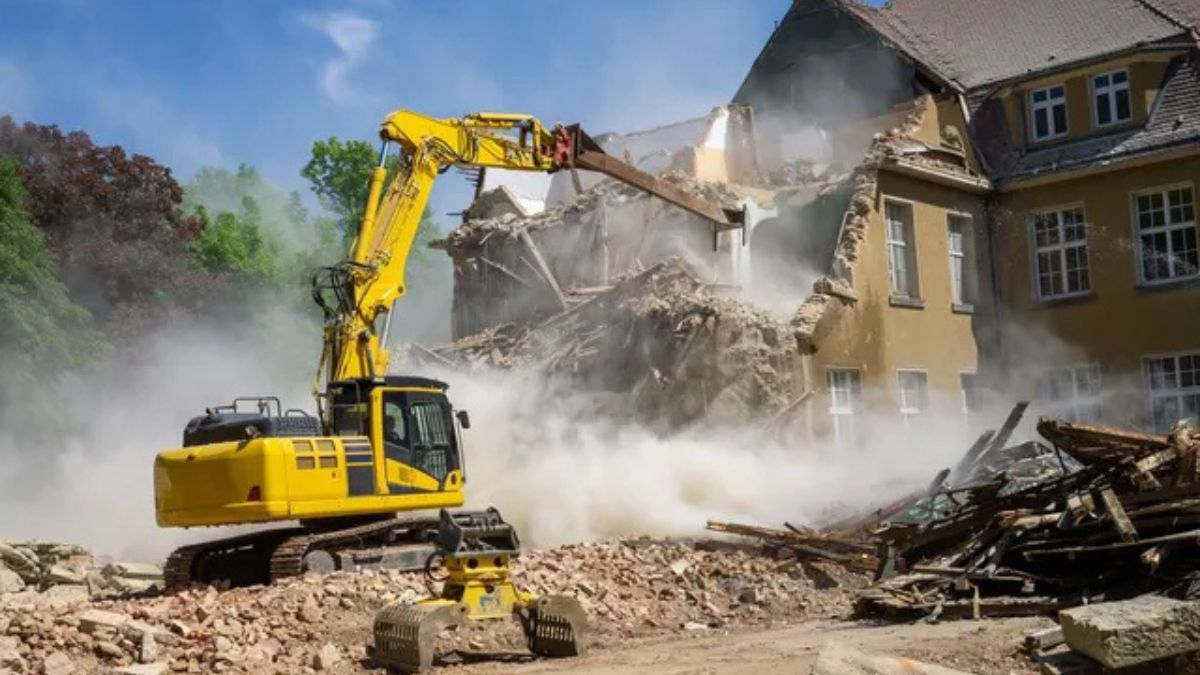
Safe demolition practices are essential in both residential and commercial settings to ensure that structures are removed efficiently while minimizing risks to people, property, and the environment. Careful planning, proper permitting, and adherence to safety regulations form the foundation of any successful demolition project. From assessing structural integrity to identifying hazardous materials such as asbestos or lead, each step requires a methodical approach to prevent accidents and maintain compliance with local guidelines.
In addition to safety considerations, modern demolition emphasizes controlled techniques, waste management, and environmental responsibility. Professionals involved in demolition services Jacksonville, FL, often follow strict protocols that prioritize worker safety, debris containment, and site cleanliness. By integrating advanced equipment and sustainable practices, demolition projects can be completed with reduced disruption, supporting both community safety and long-term site redevelopment goals.
Conducting a Comprehensive Site Assessment
Before any demolition can begin, a full assessment of the building and its surroundings is necessary. Site assessments evaluate the condition of the structure, determine the presence of hazardous materials, and review local environmental factors. For example, Kansas City has developed a pilot program in which inspectors determine whether aging or dangerous buildings can be renovated rather than demolished, reducing unnecessary demolition and waste. Proper assessment ensures the safest approach is chosen.
Obtaining Necessary Permits and Compliance
Demolition projects require diligent attention to legal details. Local and state laws typically mandate permits and advance notice for demolition, with specific requirements for buildings containing asbestos or lead. In North Carolina, for instance, an asbestos inspection and official notification to the health department are mandatory for older buildings. Without these steps, property owners and developers risk fines, project delays, or even legal action.
Implementing Dust and Debris Control Measures
Demolition can release large amounts of dust and debris into the air, creating health hazards for workers, neighbors, and wildlife. Using water sprays, barriers, and onsite air monitors, teams can significantly reduce these risks. Dust control techniques are vital for protecting indoor and outdoor air quality and limiting the migration of contaminants. Community notification is often required if large-scale demolition projects are underway in populated areas, helping prevent public health concerns and ensuring ongoing communication with affected residents.
Recycling and Proper Disposal of Demolition Materials
Recycling materials from demolished buildings makes the process much more sustainable. Many demolition debris components, such as metal, wood, and concrete, can be sorted and reused or recycled into new construction materials. Responsible debris management not only saves money but also diverts tons of waste from landfills. The Better Buildings & Better Plants Initiative provides excellent guidance on efficient strategies for recycling demolition debris.
Managing Hazardous Materials Safely
Older structures often contain hazardous substances, including asbestos, lead-based paint, and mold. Identifying these risks early allows project managers to engage certified abatement professionals for safe removal and disposal. Handling dangerous materials incorrectly puts workers, neighbors, and the environment at risk. All hazardous waste must be sent to approved disposal facilities, and removal should comply with Occupational Safety and Health Administration (OSHA) standards and Environmental Protection Agency (EPA) regulations to maintain high safety standards throughout the project.
Ensuring Worker Safety and Training
The safety of demolition teams is essential to every project. Proper personal protective equipment (PPE), such as respirators, hard hats, and gloves, must be provided and used at all times. In addition, workers require regular training in hazard recognition, emergency response, and safe operation of tools and machinery. Adhering to OSHA demolition safety guidelines can dramatically reduce the risk of injury. Regular safety briefings and open communication foster a culture of accountability, which is essential for high-risk tasks such as demolition. More information on workplace safety recommendations is available at OSHA’s Demolition Safety Page. Consistent evaluation and updating of safety protocols further ensure that teams remain prepared to effectively handle evolving job-site risks.
Engaging Professional Demolition Services
Finally, the expertise and resources that licensed demolition contractors bring are pivotal in ensuring both safety and project efficiency. Reputable companies understand the best practices for handling complex demolitions, managing hazardous materials, and remaining compliant with all state and local regulations. Their investment in specialized equipment and extensive worker training streamlines the demolition process and safeguards everyone involved. Careful selection of a professional service is a critical step in any project, reducing uncertainty and exposure to potential hazards.
Conclusion
Safe demolition is a multi-faceted process that extends from initial planning through final cleanup. Meticulous site assessments, rigorous regulatory compliance, dust and debris management, recycling initiatives, strict hazardous materials handling, a focus on worker safety, and engagement of skilled professionals make up the foundation of successful demolition practices. By following these guidelines, homeowners and developers can deliver safer outcomes for their teams, properties, and the broader community while supporting environmental responsibility and regulatory compliance.
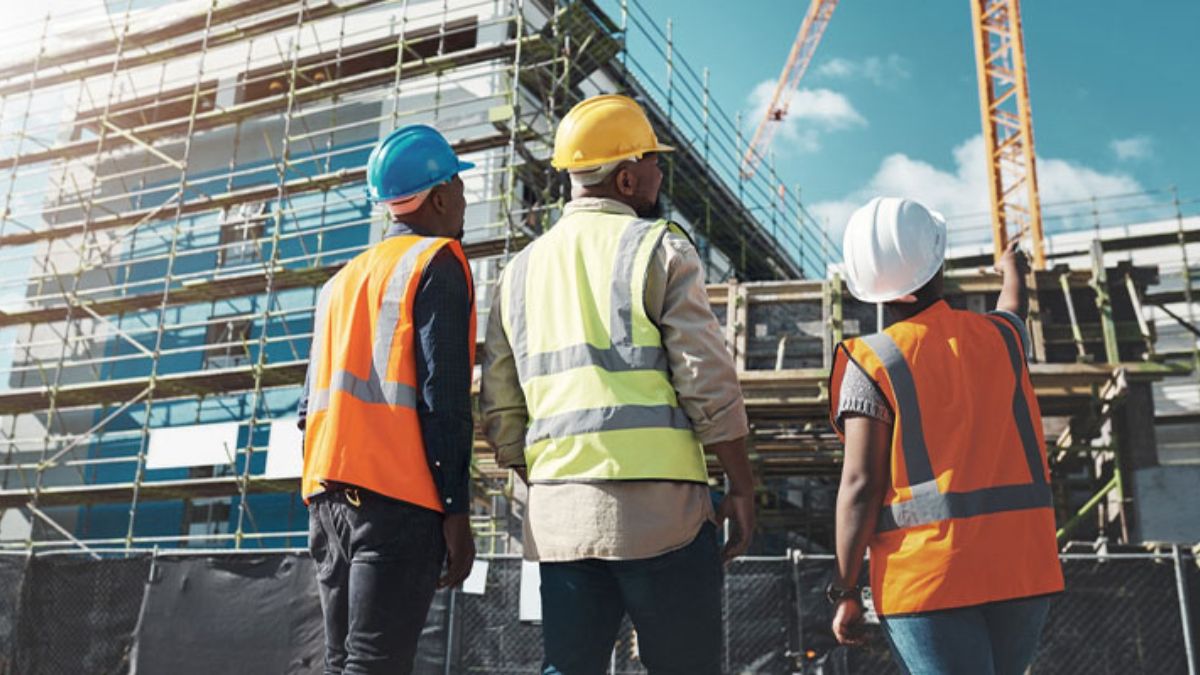
In the dynamic world of construction, effective project management is the linchpin that holds successful projects together. For Georgia commercial contractors, embracing smart project management practices is not just beneficial; it is essential for delivering projects on time, within budget, and to the highest quality standards. General contractors continuously seek new strategies and technologies to drive efficiency and improve project outcomes.
Integrated, technologically advanced tools and methods have changed the landscape, equipping contractors to better coordinate teams, monitor progress, and adapt to shifting project requirements. Today, those who fail to innovate risk falling behind in a competitive industry where client expectations continue to rise each year.
Embracing Technology for Enhanced Efficiency
The adoption of modern project management tools is transforming the construction sector. According to a Construction Dive report, more general contractors now embrace automation and project management software than ever before. These tools improve coordination, streamline document management, and empower teams to allocate resources more effectively. As a result, projects finish faster and more reliably, minimizing costly delays. One benefit of technology in general contracting is its positive impact on team communication. Digital collaboration platforms, cloud document sharing, and instant messaging foster transparency, reducing misunderstandings and errors. Unlike traditional methods, which can lead to information loss or delays, these platforms keep everyone informed about recent changes, safety protocols, and schedule updates. Decision-makers can intervene early with challenges, maintaining project momentum and client satisfaction.
The Power of Automated Data Collection
Automated data collection has emerged as a game-changer for jobsite monitoring. Technologies such as drones, sensors, and mobile apps allow project managers to collect real-time insights about labor, equipment, and materials. According to For Construction Pros, businesses utilizing these technologies experience fewer errors and more predictable outcomes. Automated data not only supports better decision-making but also enables managers to identify inefficiencies and allocate resources with greater precision.
Furthermore, automated data collection contributes not only to daily progress tracking but also to post-project analysis. Contractors can study patterns around resource usage, labor productivity, and equipment downtime to improve processes for future projects. This continuous improvement loop helps organizations avoid repeat mistakes and capitalize on proven successes, enhancing overall business resilience and competitive position in the market.
Early Contractor Involvement: A Collaborative Approach
Introducing contractors to the project early in the design and planning stages yields more collaborative, effective results. One leading example is the Brisbane Cross River Rail project, where early contractor input drove methodical planning, cost optimization, and innovative solutions to unique engineering challenges. This approach encourages transparency and ensures all stakeholders share a common vision, substantially reducing the risk of disputes or misalignment later in the process.
Involving general contractors early also opens the door to value engineering, where practical industry insights can inform the selection of materials, building methods, and cost-saving alternatives without sacrificing quality or compliance. The synergy established during these early stages sets the tone for mutual respect and shared purpose throughout construction. By prioritizing early input, clients and project owners lay the groundwork for fewer change orders and smoother execution down the line.
Integrating ERP Systems for Better Control
ERP systems unify project data in scheduling, budgeting, procurement, and workforce management. Construction firms using ERPs respond faster to project changes, outperforming those relying on spreadsheets, as per Forbes. ERPs reduce manual data entry, provide real-time analytics, and enable better control and decision-making. They foster transparency among stakeholders by centralizing tracking of project changes, approvals, and costs, aiding compliance, improving bidding, subcontractor management, and payments. Over time, ERPs support scalable operations and consistent project success.
Leveraging Digital Twins for Predictive Control
Digital twin technology delivers a virtual representation of a physical construction project or asset, enabling stakeholders to simulate various scenarios in advance. By integrating 4D and 5D models, contractors gain insight into time and cost components, thereby improving forecasting precision. A study on ScienceDirect found that digital twins enhance project control by enabling predictive analysis and supporting proactive decision-making, thereby further reducing the risk of costly overruns or failures.
In addition to enabling better planning, digital twins help facility managers and building owners after construction is complete. The digital model serves as an interactive guide for ongoing maintenance, space management, and future upgrades or retrofits. This lifecycle approach ensures the value of digital twins extends far beyond the handover, continuously supporting asset optimization, sustainability goals, and operational efficiency for years to come.
Enhancing Safety Through Smart Construction
Safety is vital in construction, with AI and IoT tools reducing incidents. Wearable devices, sensors, and AI monitoring detect hazards and enable quick responses. These innovations make sites safer, meet standards, and cut costs. Investing in smart safety shows commitment to worker well-being and project success.
Smart safety tech also simplifies compliance and incident reporting. Wearables log near-misses and hazards, giving valuable data to safety teams. These records foster a proactive safety culture, supporting targeted training. As regulations increase, tech-based safety protects workers and enhances contractor reputation.
Conclusion
General contractors who adopt smart project management practices gain benefits in efficiency, quality, and risk reduction. The future belongs to those using advanced software, real-time data, early collaboration, and integrated ERP and digital twin systems. Prioritizing innovation and safety positions them for better project delivery and profitability. As customer expectations and competition grow, harnessing these practices is crucial. Ongoing investment in technology and training fosters adaptability and continuous improvement, helping contractors build lasting relationships, achieve higher margins, and demonstrate their commitment to excellence.
Why Demolition Safety Matters
Demolition projects are inherently risky due to the powerful equipment, unstable structures, and hazardous materials involved. Every year, the Occupational Safety and Health Administration records numerous workplace incidents that might have been avoided with better safety procedures. Choosing the right partner for demolition services Boston, MA is critical, as experienced providers prioritize safety and efficient practices from the first assessment to the final cleanup. Prioritizing safety on demolition sites not only protects workers and property but also supports project timelines, legal compliance, and the community at large.
Safety on a demolition site goes beyond hard hats and warnings. It begins at the project’s earliest phases, with detailed risk assessments and a focus on hazard mitigation. Projects that dedicate resources to understanding structural weaknesses, hazardous material locations, and nearby community considerations always experience fewer disruptions and injuries.
Comprehensive Planning and Assessment
Thorough pre-demolition surveys are a must before any building comes down. These assessments identify load-bearing walls, utility connections, and the possible presence of asbestos or lead. By mapping every risk, teams can select the safest demolition technique, whether selective dismantling or controlled implosion. According to OSHA’s demolition safety guide, creating a written engineering survey and safety plan sharply reduces unplanned incidents, such as structural collapses or accidental utility damage.
The Role of Proper Training and PPE
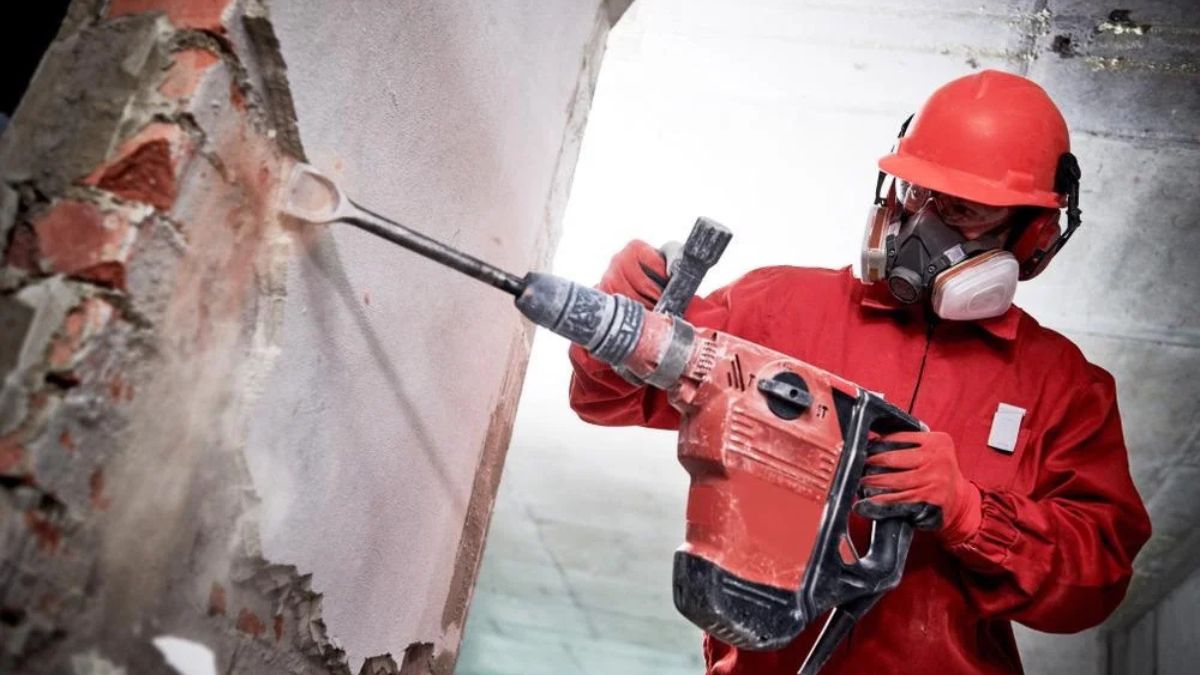
All demolition workers need specific training for the specialized equipment they operate and the unique hazards they may encounter. Ongoing safety drills, clear work zone signage, and rigorous enforcement of PPE (helmets, gloves, respirators, and high-visibility clothing) are all necessary. Proper gear can mean the difference between a minor incident and a serious injury, especially in environments with falling debris or hazardous dust.
Managing Site Hazards and Regulatory Compliance
Demolition projects require continuous hazard monitoring and regular safety audits. Teams must plan for dust and noise control, safe handling of hazardous materials, and secure fencing to keep unauthorized people out. Staying current with local, state, and federal regulations isn’t just about avoiding fines but saving lives. For example, as highlighted by EHS Today, strict adherence to guidelines prevents common on-site accidents from escalating into tragedies.
Clear Communication and Emergency Preparedness
Clear, consistent communication is critical. All team members must know the schedule, hazards, and emergency protocols. It is important to establish an established chain of command and conduct frequent safety briefings. Emergency plans, including evacuation routes, fire suppression options, and first responder procedures, should be tested with regular drills. Maintaining open lines of communication helps identify potential issues before they escalate, ensuring a safer work environment. Continuous training and feedback loops empower workers to stay vigilant and respond effectively to emergencies.
Using Technology and Innovation for Safer Demolition
Today’s demolition sites benefit from real-time monitoring sensors that track vibration, air quality, and structural movement. Drones can inspect unstable areas, reducing the need for risky manual walkthroughs. Some contractors also use robotic demolition equipment in hazardous zones, further reducing worker exposure to danger. These technological advancements improve safety and increase project efficiency by providing accurate, up-to-date data. As a result, teams can make informed decisions quickly, minimizing delays and preventing accidents.
Building a Culture of Safety in Demolition Projects
The best demolition teams regard safety as a shared responsibility, not just a management mandate. Encouraging workers to report hazards, suggest solutions, and participate in continuous training cultivates vigilance and reduces complacency. With diligence, communication, and the right resources, demolition projects can be completed safely, efficiently, and sustainably for everyone involved.
-

 TOPIC1 year ago
7 Expert Tips For Choosing The Best Basement Renovation Companies
-

 TOPIC1 year ago
Why Large Waterproof Outdoor Rugs Are Essential for All Outdoor Spaces
-

 TOPIC9 months ago
Why Greece Katz Martian Has Everyone Talking in 2025
-

 FASHION1 year ago
How to Layer Your White Dress for Cold Weather?
-

 BUSINESS10 months ago
Top 5 Features of Sowix Online That Every User Should Know About
-

 TOPIC10 months ago
Top Features of BetterThisWorld .com You Need to Know About
-

 FINANCE1 year ago
How TraceLoans Can Simplify Your Finances
-

 BIOGRAPHY1 year ago
From Reality Star to Business Mogul: Prince Narula Digital PayPal