
TOPIC
Maximizing Efficiency with Flatbed Trailer Rentals for Heavy Hauling

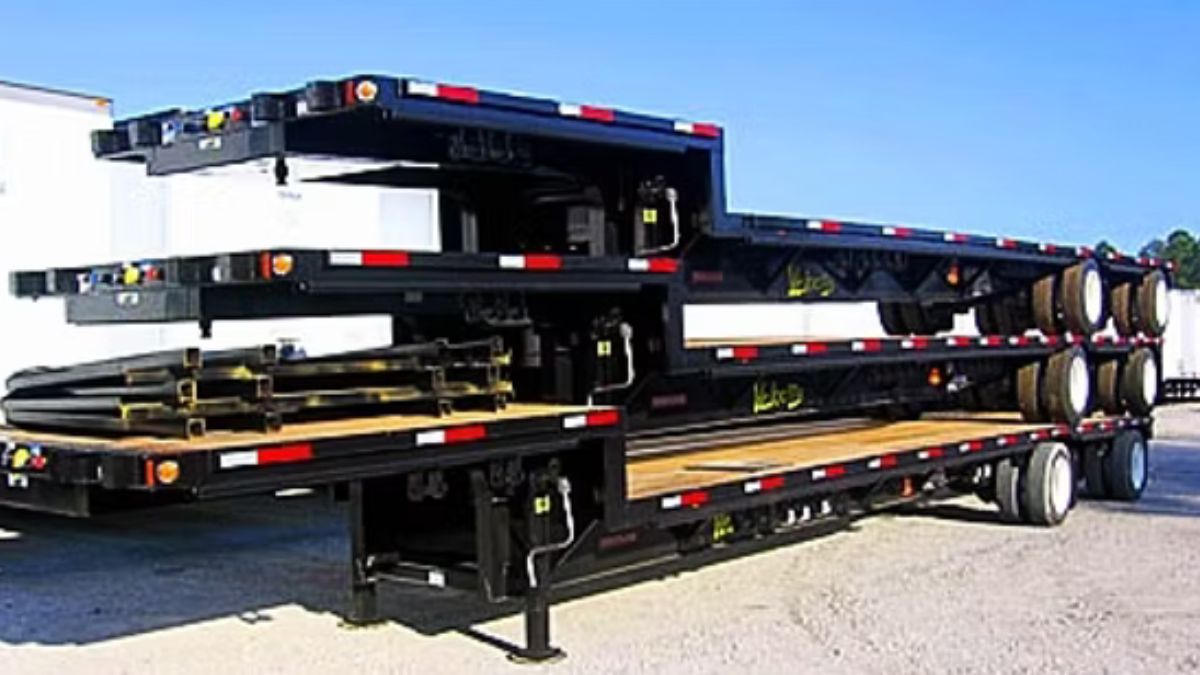
Transporting heavy, oversized, or irregularly shaped loads requires the right equipment to ensure efficiency and safety. Flatbed trailer rentals offer a practical solution for businesses and individuals needing to haul large machinery, construction materials, or other bulky cargo. Unlike enclosed trailers, flatbeds provide open space, making loading and unloading more accessible while accommodating a wider range of materials. Whether for short-term projects or ongoing transportation needs, renting a flatbed trailer provides flexibility, cost savings, and operational convenience.
Understanding Flatbed Trailers and Their Uses
Flatbed trailers are designed for maximum accessibility, allowing cargo to be loaded from any direction. Their open design makes them ideal for transporting goods that don’t fit within standard enclosed trailers.
Key Features of Flatbed Trailers
- Open Deck – No walls or roof, allowing easy access for loading heavy or oversized items.
- Variety of Sizes – Available in different lengths and weight capacities to suit various hauling needs.
- Versatile Load Capability – Suitable for transporting building materials, large equipment, and industrial components.
- Multiple Tie-Down Points – Ensures cargo security with straps, chains, and other securing mechanisms.
Common Uses for Flatbed Trailer Rentals
- Construction and Industrial Equipment Transport
- Hauling heavy machinery such as excavators, forklifts, and generators.
- Moving large steel beams, concrete slabs, and prefabricated materials.
- Agricultural and Farming Equipment
- Transporting tractors, harvesters, and livestock feeding equipment.
- Carrying bales of hay, fencing materials, and irrigation systems.
- Retail and Wholesale Distribution
- Moving bulk goods like lumber, pipes, and heavy pallets.
- Delivering commercial-grade appliances and HVAC systems.
- Automobile and Vehicle Hauling
- Transporting multiple cars, motorcycles, or ATVs.
- Moving specialty vehicles that require open loading access.
Advantages of Renting a Flatbed Trailer
Choosing a flatbed trailer rental provides several benefits over ownership, especially for businesses and individuals who don’t require constant use.
1. Cost Savings on Equipment Investment
- Avoids the high upfront costs associated with purchasing a trailer.
- Eliminates long-term maintenance, insurance, and storage expenses.
2. Greater Flexibility for Different Jobs
- Rent the appropriate size and type of flatbed trailer based on project-specific needs.
- No long-term commitment, allowing for easy upgrades or downgrades as required.
3. Increased Load Efficiency
- Open deck design accommodates oversized or oddly shaped cargo without space restrictions.
- Reduces the need for disassembling large equipment before transport.
4. Availability When Needed
- Ideal for businesses with seasonal or temporary hauling needs.
- No need to store or maintain unused equipment during slow periods.
Selecting the Right Flatbed Trailer for Your Needs
Choosing the correct flatbed trailer ensures efficiency and safety. Key factors to consider include:
1. Weight Capacity and Load Limits
- Assess the total weight of the cargo and choose a trailer that meets or exceeds the requirement.
- Avoid exceeding the trailer’s Gross Vehicle Weight Rating (GVWR) to prevent damage and fines.
2. Trailer Length and Deck Space
- Longer trailers provide more hauling capacity but require greater maneuverability.
- Determine whether a standard flatbed, step-deck, or extendable trailer is best suited for the job.
3. Loading and Unloading Requirements
- Consider if cranes, forklifts, or ramps will be used for loading.
- Some trailers include special features like drop decks for easier loading of tall equipment.
4. Compatibility with Towing Vehicle
- Ensure the towing vehicle has the required towing capacity and hitch type.
- Verify braking systems and weight distribution compatibility for safe operation.
Best Practices for Securing Cargo on a Flatbed Trailer
Proper load securing is essential to prevent cargo shifts, reduce road hazards, and comply with transport regulations.
1. Use High-Quality Tie-Down Equipment
- Straps, chains, and binders should be rated for the weight of the load.
- Ensure tie-down points are evenly distributed to maintain balance.
2. Distribute Weight Evenly
- Place heavier cargo near the center to prevent trailer sway.
- Keep the load balanced from side to side to improve stability.
3. Protect Fragile or Weather-Sensitive Cargo
- Use tarps to shield materials from rain, wind, and road debris.
- Secure padding between loads to prevent movement and impact damage.
4. Perform Pre-Trip Safety Checks
- Inspect tie-downs, chains, and anchors for tightness before departure.
- Verify that lights, brakes, and hitch connections are in working order.
Optimizing Cost Efficiency with Flatbed Rentals
Managing trailer rental expenses effectively ensures businesses maximize benefits while minimizing costs.
1. Plan Rentals Around Project Timelines
- Schedule rentals based on exact project needs to avoid unnecessary rental days.
- Consider long-term rental discounts if trailers are needed for extended use.
2. Optimize Load Consolidation
- Combining multiple loads into one trip reduces fuel costs and increases efficiency.
- Properly organizing cargo ensures each trip is as productive as possible.
3. Minimize Empty Trailer Returns
- Coordinate return hauls to transport cargo in both directions.
- Working with logistics partners can help reduce transportation costs.
Safety Considerations for Towing a Flatbed Trailer
Driving with a loaded flatbed trailer requires careful handling and adherence to safety protocols.
1. Adjust Driving Habits for Heavy Loads
- Allow for increased stopping distances and reduced acceleration speeds.
- Take wide turns to account for the length of the trailer.
2. Monitor Load Stability During Transport
- Periodically check tie-downs to ensure they remain secure.
- Adjust straps if loads shift due to road vibrations.
3. Be Aware of Height and Clearance Restrictions
- Overheight cargo may require special permits or alternative routes.
- Watch for low bridges, overpasses, and power lines.
The Future of Flatbed Trailer Rentals
The demand for flatbed trailers continues to grow as businesses seek cost-effective and flexible transportation solutions. Advancements in technology and logistics services are improving rental accessibility, making it easier for companies to integrate flatbed hauling into their operations.
Emerging Trends in Flatbed Trailer Rentals
- Advanced Load Security – New tie-down innovations and automated securing mechanisms.
- Eco-Friendly Hauling Solutions – Lightweight materials and fuel-efficient designs reduce emissions.
- Real-Time Tracking and Monitoring – GPS integration for cargo security and tracking.
Conclusion
Renting a flatbed trailer provides a practical and cost-effective solution for hauling large, heavy, or irregularly shaped loads. With advantages like flexibility, reduced costs, and accessibility, businesses and individuals can efficiently manage transportation needs without long-term investment risks.
Big Rentals offers a range of flatbed trailer rental options suitable for various industries and transport needs. By selecting the right trailer, securing cargo properly, and following best practices, renters can ensure safe and efficient hauling for any job.


Introduction to Destin’s Real Estate Market
Destin, Florida, renowned for its stunning white-sand beaches and emerald-green waters, has long been a coveted destination for homeowners and investors alike. The city’s real estate market reflects its unique coastal charm, offering a diverse array of properties that cater to a range of preferences and budgets. For those seeking expert guidance in navigating this market, partnering with a seasoned professional like Destin FL real estate agent Yvonne Summerfield can be invaluable. Yvonne Summerfield Florida, is an award-winning real estate broker providing exceptional representation along Florida’s Emerald Coast, including Destin. With over 850 properties sold and nearly $1 billion in total sales, she offers boutique service with global reach, ensuring clients receive personalized attention and expert advice tailored to their unique needs.
Current Market Trends
As of March 2026, the median sale price of homes in Destin has risen to $618,000, up 3.8% from the previous year. However, homes are now averaging 111 days on the market, a decrease from 129 days last year, indicating a shift in market dynamics. This trend suggests that while property values are appreciating, buyers are taking longer to make purchase decisions.
Furthermore, the Destin market has shown resilience amid broader economic uncertainties. With ongoing demand from both out-of-state buyers and residents, the area has maintained a healthy level of transactional activity. The sustained interest in relocation to Destin, primarily driven by lifestyle choices and remote work flexibility, continues to bolster demand for both primary residences and vacation homes. Notably, investment properties for short-term rentals also remain a popular segment due to Destin’s strong tourism sector, which attracts visitors year-round.
Neighborhood Spotlight: Dunes of Destin
The Dunes of Destin neighborhood exemplifies the area’s appeal, with a median sale price of $635,000, up 13% year over year. Homes here typically sell after 108 days on the market, down from 142 days the previous year, reflecting a more active market in this community.
Located in the heart of Destin, Dunes of Destin is a gated beachfront community offering residents exclusive access to private beaches and amenities, including community pools, fishing lakes, and lush landscaped grounds. This neighborhood attracts buyers seeking both vacation homes and investment properties, thanks to its central location near shopping, dining, and entertainment. Strong rental demand in this area further underscores its value to investors, while well-kept streets and a sense of community foster a welcoming environment for full-time residents.
Factors Influencing the Market
Several elements contribute to the current state of Destin’s real estate market:
- Inventory Levels: A 7.1-month supply indicates a balanced market, providing opportunities for both buyers and sellers.
- Buyer Behavior: With homes spending more time on the market, buyers have more negotiating power, leading to sales often closing below the initial list price.
- Economic Factors: Interest rates and insurance costs are influencing purchasing decisions, with some buyers adopting a wait-and-see approach.
Local regulations, particularly those related to short-term rentals, also impact investment strategies and purchasing decisions. Buyers considering rental properties should stay apprised of changing ordinances or HOA rules to ensure they align with their investment objectives. Natural events such as hurricanes and ongoing discussions about flood insurance rates can also impact buyer sentiment, making it crucial for buyers and sellers to consult local experts who understand the nuances of coastal real estate.
Opportunities for Buyers
For prospective buyers, the current market conditions present several advantages:
- Negotiation Leverage: Longer listing times can lead to more favorable purchase terms.
- Diverse Inventory: A variety of properties are available, from luxury beachfront homes to more affordable inland options.
- Potential for Appreciation: Investing now could yield significant returns as the market continues to evolve.
Buyers new to the area may also benefit from working with local lenders and real estate agents familiar with the intricacies of Gulf Coast real estate transactions. Thorough inspections and diligent research into property history and insurance requirements are essential steps, especially given the environmental factors unique to coastal regions. The current market also allows for more thorough due diligence periods, with less competition leading to fewer bidding wars and more thoughtful purchases.
Considerations for Sellers
Sellers should be mindful of the following:
- Pricing Strategies: Competitive pricing is essential to attract buyers in a market where properties are taking longer to sell.
- Property Presentation: Enhancing curb appeal and staging can make a property stand out.
- Market Timing: Understanding seasonal trends can help in planning the optimal time to list a property.
In addition, leveraging high-quality photography, virtual tours, and targeted online marketing will increase visibility to remote buyers and investors, notably those who often begin their home search online. Sellers should work closely with their agent to identify recent comparable sales in their neighborhood and develop a pricing strategy that reflects real-time market conditions. Transparency about property condition, particularly regarding recent upgrades, maintenance, or storm resilience, can further increase buyer trust and help facilitate smoother transactions.
The Role of Local Expertise
Navigating Destin’s real estate market can be complex. Partnering with a knowledgeable local agent can provide invaluable insights and guidance. For instance, working with a seasoned professional like Destin, FL real estate agent Yvonne Summerfield can help buyers and sellers make informed decisions. Yvonne Summerfield, based in Florida, is recognized for her expertise in the Destin market, offering personalized services tailored to each client’s unique needs.
Local agents provide guidance on everything from pricing and negotiations to property inspections and financing options, ensuring clients avoid common pitfalls. Their up-to-date knowledge of micro-market activity, new developments, and evolving regulations gives buyers and sellers a significant advantage in a dynamic and competitive market like Destin. Whether you are considering your first investment property or selling a family vacation home, a local expert’s insights are instrumental to achieving a successful outcome.
Conclusion
Destin’s real estate market offers a blend of opportunities and challenges. By staying informed about current trends and seeking guidance from experienced local professionals, both buyers and sellers can navigate the market effectively, ensuring successful transactions in this beautiful coastal city.
In summary, being proactive, whether leveraging negotiation opportunities as a buyer or optimizing listing strategies as a seller, can help individuals make the most of Destin’s ever-evolving market. With expert assistance and a clear understanding of priorities, transitioning into or out of Destin real estate can be a seamless and rewarding experience.

Homeowners face a variety of threats to their property’s value and safety, but few are as persistent and potentially destructive as water damage. One of the most powerful defenses against water intrusion is a well-maintained gutter system. Gutters that are clear of debris and functioning as designed protect your home’s foundation and prevent problems that can arise from unchecked water flow. If you need professional input or assistance, contacting gutter specialists can help ensure your gutters are always up to the task.
Neglecting regular gutter maintenance can lead to a host of costly repairs, from compromised roofing to damaged foundations. By focusing on routine care, you boost your home’s resilience against seasonal storms and year-round weather. Regular maintenance helps you spot issues before they escalate into significant concerns, saving time and money in the long term. Many homeowners are surprised to learn that simple steps, such as cleaning gutters biannually or after major storms, can keep the system working effectively for years. It is this consistent attention that prevents water from infiltrating living spaces and preserves the structural integrity of the entire house. In areas like Orlando, where downpours can be intense, investing time in gutter upkeep is nonnegotiable for long-term home protection. Beyond the basics, expanding your knowledge of maintenance routines is advisable. For comprehensive solutions, including installation, repair, and cleaning, professional Gutter Services are available to support homeowners in safeguarding their investments throughout the changing seasons.
Importance of Gutter Maintenance
Gutters are more than just architectural afterthoughts; they play a direct role in channeling rainwater away from your home’s foundation and exterior walls. Adequate gutter maintenance prevents water from pooling around your property, which can compromise your foundation, damage your roof, and eventually seep into the living areas. Gutters that are kept clean and in good shape provide peace of mind throughout rainy seasons.
Common Issues Caused by Neglected Gutters
Failing to keep gutters clear can trigger multiple problems for homeowners:
- Foundation problems: Water that overflows or leaks from clogged gutters pools around the base of your home, leading to cracks and instability.
- Roof deterioration: Water may back up under shingles if gutters are blocked, which encourages leaks and potential rot.
- Mold, mildew, and wood rot: Stagnant water and excess moisture left by overflowing gutters create ideal conditions for mold and decay.
- Landscape and exterior erosion: Water spilling over clogged gutters erodes soil and can damage landscaping as well as your home’s siding.
Recommended Gutter Maintenance Schedule
The ideal gutter-cleaning frequency depends on your environment. Homes surrounded by trees often require three or more cleanings each year, especially after fall and spring. At a minimum, gutters should be cleaned twice annually. Regular maintenance not only keeps gutters functioning but also allows you to catch minor issues before they require expensive repairs.
DIY vs. Professional Gutter Cleaning
Choosing how to approach gutter maintenance depends on your comfort with heights, available tools, and familiarity with gutter systems:
- DIY: Cleaning gutters yourself can be cost-effective. However, it requires proper safety equipment and the willingness to work with ladders and deal with mess. Inexperienced homeowners sometimes overlook less visible issues that a trained eye might spot.
- Professional assistance: Professionals bring experience and the right tools, ensuring a thorough job. They can identify early signs of damage that could be missed during a DIY cleaning and are trained to work safely on roofs and ladders.
Signs Your Gutters Need Repair or Replacement
- Sagging gutters: If gutters appear to pull away from the fascia, there may be water trapped inside or compromised brackets.
- Rust, holes, or visible cracks: Persistent leaks and rust indicate it is time for repair or replacement.
- Water stains on siding or fascia boards: These are signs of overflowing or leaking gutters that need urgent attention.
- Pooled water near the foundation: Indicates downspouts may not be adequately directing water away from your home.
Choosing the Right Gutter System for Your Home
An effective gutter system fits your home’s needs based on weather patterns, local foliage, and architectural style. Popular materials include aluminum, vinyl, steel, and copper, each providing unique benefits in terms of durability, aesthetics, and cost. Be sure to choose a gutter size that can handle the rainfall typical in your area; larger gutters are crucial in regions prone to heavy downpours. Finally, consider selecting a style that enhances your home’s overall appearance while ensuring functional water management.
Additional Tips for Effective Gutter Care
- Use gutter guards: Gutter guards can dramatically reduce the amount of debris entering your gutters, minimizing clogs and the need for frequent cleaning.
- Maintain the proper slope: Ensure that all gutters slant slightly toward downspouts to prevent pooling and standing water.
- Monitor downspouts: Confirm that downspouts direct water several feet away from the foundation, protecting your home’s structure from water intrusion and settling.
Conclusion
Proper gutter maintenance is essential for preventing water damage to your home. Staying proactive by cleaning gutters, scheduling inspections, and choosing the right system ensures your property remains safe and free of water-related hazards. By taking these simple yet impactful steps, you not only extend the life of your gutter system but also protect your home’s value and security for years to come.

Introduction
The term roata ferris is commonly used in several languages to describe a Ferris wheel, one of the most recognizable attractions in amusement parks and city skylines around the world. From historic fairs to modern observation wheels that tower above major cities, these iconic structures continue to attract millions of visitors every year.
A Ferris wheel offers much more than a simple ride. It combines engineering, entertainment, tourism, and breathtaking views into a single experience. Whether located in a theme park, a festival, or a metropolitan observation center, Ferris wheels remain symbols of fun and innovation.
In this guide, you’ll learn about the history of the Ferris wheel, how it works, its benefits, common design types, and why it continues to be one of the most popular attractions worldwide.
What Is a Roata Ferris?
A roata ferris is a large rotating wheel mounted vertically on a central axis. Passenger cabins or gondolas are attached around the rim, allowing riders to enjoy elevated views while the wheel slowly rotates.
Key Characteristics
- Circular rotating structure
- Passenger cabins attached around the rim
- Slow and smooth movement
- Designed for sightseeing and entertainment
- Found in amusement parks, fairs, and urban attractions
Unlike thrill rides that focus on speed and excitement, Ferris wheels emphasize comfort, panoramic views, and accessibility for people of all ages.
The History of the Ferris Wheel
The modern Ferris wheel was introduced in the late nineteenth century and quickly became a landmark attraction.
Origins
The first Ferris wheel was designed by engineer George Washington Ferris Jr. for the 1893 World’s Columbian Exposition in Chicago. The structure demonstrated engineering excellence and provided visitors with a completely new entertainment experience.
Evolution Through the Years
As technology improved, Ferris wheels became larger, safer, and more sophisticated. Today, many cities feature giant observation wheels that serve as tourist landmarks rather than traditional amusement rides.
| Era | Major Development | Impact |
|---|---|---|
| 1890s | First Ferris wheel introduced | Created a new attraction category |
| Early 1900s | Expansion into fairs and parks | Increased popularity worldwide |
| Mid-1900s | Improved steel construction | Greater safety and durability |
| Modern Era | Observation wheels in cities | Tourism and sightseeing growth |
Many modern wheels now feature climate-controlled cabins, LED lighting systems, and advanced safety technologies.
How Does a Ferris Wheel Work?
Understanding how a Ferris wheel operates helps explain why it remains one of the safest amusement attractions.
Basic Components
A Ferris wheel consists of several essential parts:
Wheel Structure
The wheel itself is constructed from strong steel components designed to support significant weight.
Support Towers
Large support beams stabilize the wheel and distribute loads safely.
Passenger Cabins
Cabins are suspended around the rim and often remain level through gravity or specialized mechanisms.
Drive System
Electric motors rotate the wheel at controlled speeds.
Simple Operating Process
- Passengers enter cabins.
- The wheel begins rotating slowly.
- Cabins move upward while remaining upright.
- Riders enjoy panoramic views.
- The wheel completes several rotations.
- Passengers exit safely.
Types of Ferris Wheels
Not all Ferris wheels are identical. Different designs serve different purposes and environments.
Traditional Ferris Wheels
These are commonly found at amusement parks and traveling fairs.
Features include:
- Open or semi-enclosed cabins
- Moderate height
- Family-friendly operation
- Portable or permanent installation
Observation Wheels
Observation wheels are larger and often located in urban tourist destinations.
Features include:
- Enclosed climate-controlled cabins
- Luxury experiences
- City skyline views
- Permanent structures
Transportable Ferris Wheels
These models are designed to travel between events and festivals.
Benefits include:
- Quick assembly
- Mobility
- Lower installation costs
- Event flexibility
| Wheel Type | Typical Height | Main Purpose |
|---|---|---|
| Traditional | 20–60 meters | Entertainment |
| Observation | 100+ meters | Tourism |
| Portable | 15–50 meters | Events and fairs |
| Luxury Observation | 150+ meters | Premium sightseeing |
Why Ferris Wheels Remain Popular
Despite the rise of advanced amusement rides, Ferris wheels continue to attract visitors across generations.
Universal Appeal
A Ferris wheel is suitable for:
- Children
- Teenagers
- Adults
- Seniors
- Families
- Couples
This broad appeal helps maintain its popularity.
Stunning Views
One of the primary reasons people choose a Ferris wheel is the opportunity to see landscapes from above.
Popular viewing opportunities include:
- City skylines
- Waterfronts
- Mountains
- Theme parks
- Festivals
Relaxing Experience
Unlike roller coasters, Ferris wheels provide a calm and enjoyable ride experience.
Visitors can:
- Take photographs
- Enjoy conversations
- Appreciate scenery
- Experience gentle movement
Engineering Behind Modern Ferris Wheels
Modern Ferris wheels represent significant engineering achievements.
Structural Design
Engineers carefully calculate:
- Wind resistance
- Load distribution
- Material strength
- Rotational balance
These calculations ensure safe operation under various conditions.
Advanced Safety Systems
Today’s Ferris wheels use multiple safety features.
| Safety Feature | Purpose |
|---|---|
| Backup power systems | Maintain operation during outages |
| Emergency brakes | Controlled stopping capability |
| Structural monitoring | Detect stress and wear |
| Weather monitoring | Protect against severe conditions |
| Cabin locking systems | Prevent accidental opening |
Sustainable Technology
Many modern observation wheels incorporate:
- Energy-efficient motors
- LED lighting
- Smart monitoring systems
- Sustainable construction materials
As a result, operators can reduce environmental impact while maintaining excellent visitor experiences.
Ferris Wheels as Tourist Attractions
Many cities have transformed Ferris wheels into iconic landmarks.
Economic Benefits
Large observation wheels contribute to local economies through:
- Tourism spending
- Job creation
- Hospitality growth
- Increased visitor traffic
City Branding
Cities often use observation wheels as recognizable symbols.
Benefits include:
- Improved skyline identity
- Increased international recognition
- Enhanced tourism marketing
- Stronger local pride
Event Hosting Opportunities
Observation wheels frequently become focal points during:
- Festivals
- Holiday celebrations
- Fireworks displays
- Cultural events
This versatility increases their value as community attractions.
Pros and Cons of Ferris Wheels
Every attraction offers advantages and limitations.
Pros
- Suitable for all age groups
- Excellent sightseeing opportunities
- Relatively safe operation
- Family-friendly experience
- Iconic visual appeal
- Supports tourism development
Cons
- Weather-dependent operation
- High construction costs
- Requires significant maintenance
- Limited thrill factor for adrenaline seekers
- Large space requirements
Understanding these factors helps operators determine whether a Ferris wheel is suitable for a specific location.
Common Mistakes When Visiting a Ferris Wheel
Visitors can improve their experience by avoiding common errors.
Arriving During Peak Hours
Long lines often occur during weekends and holidays.
Ignoring Weather Conditions
Poor visibility can reduce sightseeing opportunities.
Forgetting a Camera
Many of the best views are available only during the ride.
Not Checking Operating Hours
Some observation wheels have seasonal schedules.
Best Practices for Enjoying a Ferris Wheel Ride
To maximize the experience, consider these recommendations.
Choose the Right Time
The best times often include:
- Sunrise
- Sunset
- Evening city light displays
Research the Location
Learn about nearby attractions before visiting.
Book Tickets Early
Popular observation wheels may sell out during peak travel periods.
Sit Near Windows
This provides better opportunities for photography and sightseeing.
Check Weather Forecasts
Clear skies generally provide the most impressive views.
Future Trends in Ferris Wheel Design
The future of Ferris wheel technology looks promising.
Emerging innovations include:
- Smart cabin technology
- Interactive passenger experiences
- Renewable energy integration
- Enhanced accessibility features
- Advanced digital ticketing systems
As urban tourism grows, observation wheels will likely continue serving as major attractions in cities worldwide.
Conclusion
The roata ferris remains one of the world’s most beloved attractions because it combines engineering excellence, sightseeing opportunities, and family-friendly entertainment. From its origins at the 1893 Chicago exposition to today’s massive observation wheels, the Ferris wheel has evolved into a symbol of tourism and innovation.
Whether you’re visiting a local amusement park or exploring a world-famous city landmark, a Ferris wheel offers a unique perspective that few attractions can match. Its timeless appeal, accessibility, and scenic views ensure it will remain a favorite attraction for generations to come.
Frequently Asked Questions
1. What does roata ferris mean?
Roata ferris is a term used in several languages to refer to a Ferris wheel, a large rotating ride with passenger cabins attached around its rim.
2. Who invented the Ferris wheel?
George Washington Ferris Jr. designed the first Ferris wheel for the 1893 World’s Columbian Exposition in Chicago.
3. Are Ferris wheels safe?
Yes. Modern Ferris wheels use advanced engineering, monitoring systems, and multiple safety mechanisms to ensure safe operation.
4. What is the difference between a Ferris wheel and an observation wheel?
Observation wheels are generally larger, feature enclosed cabins, and focus on sightseeing rather than amusement park entertainment.
5. Why are Ferris wheels popular tourist attractions?
They provide panoramic views, family-friendly experiences, and iconic landmarks that attract visitors throughout the year.
-

 TOPIC10 months ago
Top 5 Features of Googlediqiu You Didn’t Know About
-

 TOPIC1 year ago
Why Large Waterproof Outdoor Rugs Are Essential for All Outdoor Spaces
-

 TOPIC2 years ago
7 Expert Tips For Choosing The Best Basement Renovation Companies
-

 FASHION2 years ago
How to Layer Your White Dress for Cold Weather?
-

 TOPIC12 months ago
Why Greece Katz Martian Has Everyone Talking in 2025
-

 BUSINESS1 year ago
Top 5 Features of Sowix Online That Every User Should Know About
-

 TOPIC1 year ago
Top Features of BetterThisWorld .com You Need to Know About
-

 FINANCE1 year ago
How TraceLoans Can Simplify Your Finances