
HEALTH
Modern Approaches to Enhancing Dental Implant Success Rates

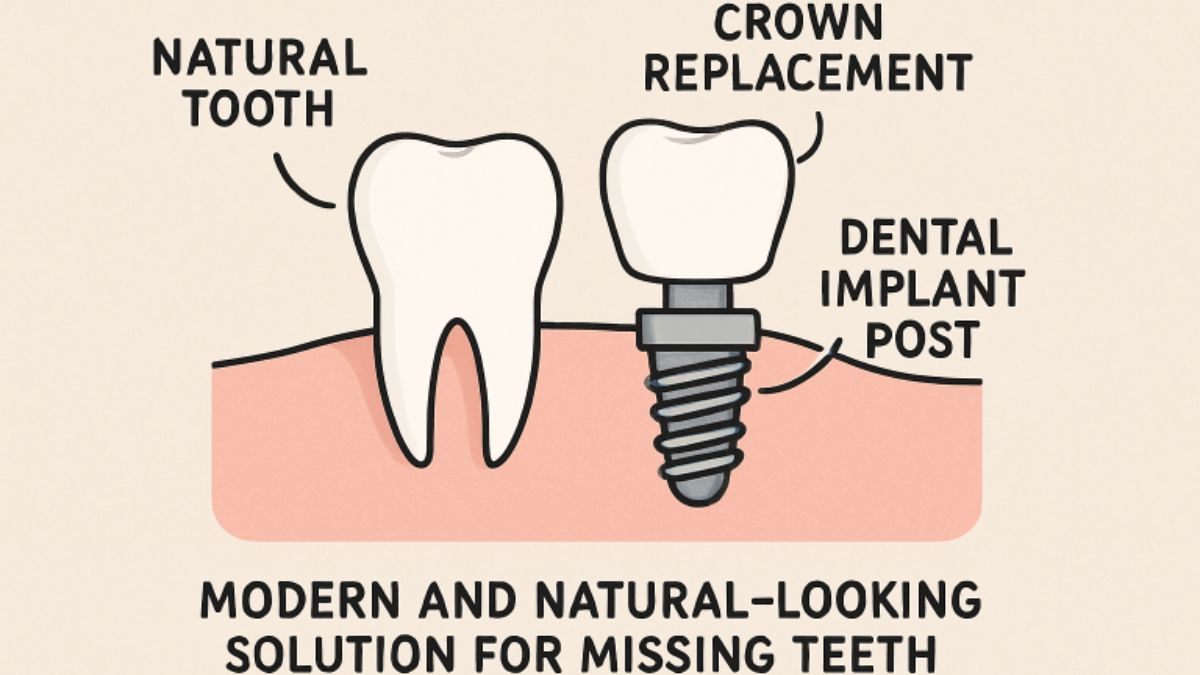
Dental implants represent a transformative advancement in restorative dentistry, delivering natural-looking and long-lasting solutions for missing teeth. As modern technology and clinical procedures evolve, contemporary dental professionals now have a robust toolkit for optimizing patient outcomes. For clinicians and patients seeking reliable guidance in implant dentistry, the Pikos Institute stands out as a distinguished educational and clinical authority.
The institute provides innovative continuing education, hands-on training, and access to state-of-the-art clinical protocols. Based in Trinity, Florida, the Pikos Institute equips dental professionals with advanced skills in implant placement and bone-grafting, making it a trusted resource for achieving predictable, successful implant outcomes.
Patient-centric, evidence-based practices define today’s dental implant landscape. Ongoing research at leading institutions and clinical education partners continues to refine implant protocols, incorporating new materials and precision digital techniques. By emphasizing individualized care and rigorous clinical standards, these advancements enhance the long-term durability and success of dental implants, ensuring patients enjoy both functional and aesthetic benefits for years to come.
Advancements in Implant Materials
The evolution of implant materials is central to improving clinical outcomes. While medical-grade titanium remains the gold standard, offering exceptional biocompatibility and survival rates up to 97% over five years, alternative materials like zirconia are gaining popularity for their tooth-like color and hypoallergenic properties. According to the FDA, understanding the characteristics and safety of different dental implant materials is crucial for both patients and clinicians. Zirconia implants provide enhanced aesthetic results for patients with thin or translucent gum tissue and reduce the appearance of gray at the gumline. While their initial survival rates are slightly lower than those of titanium, ongoing development continues to narrow this gap, prioritizing both function and form.
Digital Planning and Guided Surgery
Digital dentistry is fundamentally transforming implant planning and surgical precision. Using 3D imaging, computer-aided design, and guided implant surgery, clinicians can develop precise, patient-specific treatment protocols. According to recommendations from dentists and oral surgeons in the LA Times, these digital approaches not only ensure accurate implant placement but also reduce surgery time, minimize errors, and lower the risk of early complications by up to 15%. By visualizing anatomy and prosthetic requirements pre-operatively, dental teams improve consistency and patient satisfaction while reducing the overall stress associated with surgical interventions.
Bioactive Coatings and Surface Treatments
Bioengineering is at the forefront of next-generation dental implants. Newly-developed bioactive surface coatings, including salicylic acid-based or hydroxyapatite coatings, significantly improve osseointegration—the process where the implant fuses to the jawbone. These surfaces also display antimicrobial benefits by reducing oral bacteria colonization, lowering infection risk, and accelerating healing. Faster tissue integration and fewer complications mean patients experience a smoother recovery, while clinicians see higher long-term implant success and bone stability.
Minimally Invasive Surgical Techniques
Minimally invasive procedures are improving the patient experience. Techniques like flapless implant placement, in which implants are inserted without elevated gum flaps, result in less disruption to surrounding tissues, diminished post-operative discomfort, and faster healing. Flapless methods are comparable in implant survival to traditional open-flap surgery but offer improved preservation of marginal bone and soft tissue. These evolving protocols reflect a movement toward gentler, patient-friendly dentistry that does not compromise integrity or result.
Personalized Treatment Planning
Tailoring treatment plans to the needs of individual patients is at the heart of modern dental implantology. Comprehensive assessment—including bone quality, systemic health, and aesthetic goals—drives decision-making on implant type, size, placement location, and the need for adjunctive procedures such as bone regeneration. By using digital workflows, biometric data, and advanced diagnostics, clinicians are developing holistic plans that maximize the likelihood of favorable, enduring results.
Long-Term Success and Maintenance
Durability is a defining benefit of properly executed dental implants. Clinical research demonstrates that single-tooth implants can remain functional and stable for more than 3 decades, with some cases maintaining performance after 40 years. However, the longevity of implant-supported crowns and bridges may be influenced by the materials used and maintenance protocols. Regular dental evaluations help identify problems early, safeguarding both the implant and the attached restoration for the long haul.
Role of Patient Education
Educating patients is crucial to the long-term survival of dental implants. Clear guidance on home hygiene, avoidance of risk factors such as tobacco use, and adherence to follow-ups are associated with significantly higher success rates. With the proper knowledge and strategies, patients can actively participate in protecting their investment in oral health, leading to fewer complications and longer-lasting outcomes.
The field of dental implants is advancing rapidly, thanks to innovation, education, and patient-focused protocols. With authoritative resources driving continued progress and providing world-class training, the future of implantology is poised to deliver safer, more predictable, and patient-centered solutions. Dental practitioners and patients alike can expect even greater success and satisfaction as technology and collaboration continue to reshape modern dental care.


Seeking professional help for substance use is often a decision, but also the first real step toward recovery. Once that decision is made, the next challenge is choosing the right level of care. Two of the most commonly recommended treatment options are Intensive Outpatient Program (IOP) and Residential treatment.
That said, how do you know which one is right for you? This guide explains the key differences, benefits and important factors to consider when choosing the most appropriate option.
What is the fundamental difference between Intensive Outpatient (IOP) and Residential substance use treatment?
The main differences are the living arrangement and the level of environmental immersion. An Intensive Outpatient Program (IOP) is a structured substance use treatment that allows a person to live at home while attending therapy several days a week. It usually includes group therapy, individual counseling and relapse-prevention work, yet the person still returns to their normal environment afterward.
Residential treatment, often called inpatient rehab, removes the person from that environment completely. They live at the facility full-time and follow a structured daily schedule with 24/7 support. It is more contained, more intensive and designed for stabilization.
Who is an ideal candidate for an Intensive Outpatient Program (IOP), and what are its key benefits and challenges?
IOP works best for individuals with mild to moderate substance use issues who are medically stable and motivated to participate in recovery while maintaining daily responsibilities. It is often a step down from residential care or a starting point for those with strong external support.
Key benefits include flexibility, continued employment or schooling and the ability to immediately apply coping skills in real-life situations. It also tends to be more affordable than residential care.
However, the challenges are significant. The biggest risk is exposure to triggers outside treatment hours. Without a stable home environment or strong accountability, relapse risk can be higher. Certified mental health crisis support providers at Davis Behavioral Health say success in addiction recovery here depends heavily on discipline and support systems.
Who is an ideal candidate for residential treatment, and what are its key benefits and challenges?
Residential treatment is best suited for individuals with severe substance use disorders, repeated relapse history, unsafe living environments or co-occurring mental health conditions such as depression, trauma or anxiety that require close monitoring.
The major strength of this level of care is immersion. Patients are removed from triggering environments and supported around the clock with therapy, medical care and structured routines. This stability often creates the foundation needed for early recovery breakthroughs in substance use treatment.
The downside is disruption. Being away from work, family and daily responsibilities can be emotionally and financially difficult. It is also more expensive than outpatient models. Still, for many, this intensity is necessary to stabilize before transitioning to outpatient care, according to the certified mental health crisis support providers at Davis Behavioral Health.
What factors should I consider when deciding between IOP and Residential care?
The decision should start with severity: how much control does substance use currently have? If there is medical risk, frequent relapse or withdrawal complications, residential care is usually safer.
Next, consider co-occurring mental health conditions. If symptoms are severe or unmanaged, structured inpatient rehab may be required.
Home environment matters. A supportive, substance-free setting may allow outpatient rehab like IOP to succeed. A chaotic or triggering environment often does not.
Daily responsibilities also matter—work, children or financial obligations may make residential care harder to access. Finally, cost and insurance coverage can influence access, but should not override clinical need.
Residential care can resemble mental health residential services, especially for those needing intensive support, according to certified mental health crisis support providers at Davis Behavioral Health.
How long do Intensive Outpatient and Residential programs typically last, and what does a “typical day” look like in each?
Residential programs usually last 30 to 90 days, depending on severity and progress. A typical day includes medical check-ins, individual therapy, group counseling, psychoeducation, meals, structured activities and evening reflection or peer support meetings. The structure is consistent every day to rebuild routine and stability.
IOP programs usually last 8 to 12 weeks, sometimes longer. Sessions occur 3 to 5 days a week for a few hours each time. A typical day might include group therapy focused on coping skills and relapse prevention, as well as one-on-one counseling. After sessions, the person returns home and immediately applies what they learned in real-world situations.
Final thoughts
Choosing between IOP and Residential treatment depends on the severity of substance use, mental health needs, home environment and support system. The right levels of care can provide the structure and stability needed for successful long-term addiction recovery.

Choosing the right horse boarding facility is a decision that impacts not only your horse’s physical health but also its happiness and your experience as a rider. A facility that offers a comprehensive boarding experience can make all the difference, ensuring that your horse receives top-notch care while also providing a supportive, enriching environment for both of you. For horse owners seeking trusted environments, options like equine care Lake County IL offer dedicated services that meet the evolving needs of equestrians.
As any seasoned rider knows, a good boarding facility does far more than provide a stall and a paddock. It underpins every aspect of your horse’s well-being, shaping their daily routine, influencing their behavior, and enabling you to focus on progress and enjoyment in your riding journey. The best stables deliver peace of mind and a sense of community, both of which are invaluable for anyone serious about their equestrian lifestyle.
Comprehensive Care and Management
A well-rounded boarding facility prioritizes a routine that fosters your horse’s physical health and behavioral consistency. Full care services typically include daily feeding, fresh water, regular mucking out of stalls, scheduled turnout, and grooming. By instituting a consistent schedule, these facilities help prevent stress in horses and minimize the risk of common health issues such as colic or respiratory problems. According to Board & Stable, full care boarding is the cornerstone of horse management in the United States because it guarantees the routine provision of key daily care elements essential for equine health.
Facilities that offer attentive daily management also create an environment where owners can focus more on their riding goals or equine activities, rather than on routine tasks. Whether you are balancing a demanding schedule or striving to maximize your horse’s health and happiness, comprehensive care allows you to remain confident in your animal’s day-to-day well-being.
Socialization and Mental Well-being
Horses are herd animals at heart, and their psychological well-being is greatly influenced by opportunities for social interaction. Quality boarding facilities encourage turnout in compatible groups, where horses can interact, establish bonds, and stay mentally stimulated. Ensuring horses have daily contact with others reduces the occurrence of behavioral issues such as weaving, cribbing, or stall walking. This aspect of management is emphasized by Board & Stable, which notes that mental and physical health are linked, and socialization plays a pivotal role in maintaining a happy, well-adjusted horse.
A social environment also fosters healthy behaviors and equips horses to cope better in unfamiliar or stressful settings, such as during competition or travel. When horses feel secure within their social group, they exhibit lower stress levels and are less likely to develop vice-like habits. Owners benefit as well – knowing that their horse is thriving not just physically but emotionally.
Access to Training Facilities
Quality training facilities are key when choosing a boarding barn, including indoor/outdoor arenas, trails, and specialized equipment. These amenities support both competitive and leisure riding. An indoor arena, for instance, allows consistent training year-round. Facilities that focus on horse and rider development offer a range of resources for all disciplines, helping riders of all levels pursue their goals and keep horses engaged.
Professional Expertise and Support
Many top boarding stables employ experienced on-site personnel, including skilled caregivers, trainers, and access to veterinarians or farriers. This professional network is invaluable for owners seeking guidance on horse health, nutrition, training, or behavior. Immediate access to expert advice can make a difference during emergencies or when developing a tailored program to suit individual horse needs.
Moreover, having industry experts on hand fosters an educational environment where owners can expand their knowledge and enhance their own horsemanship skills. Even seasoned equestrians benefit from collaborating with fellow professionals, leading to improved outcomes for both horse and rider.
Safety and Emergency Preparedness
Safety is paramount in any equine environment. Reputable boarding facilities invest in well-maintained fencing, structurally sound stables, appropriate lighting, and hazard-free grounds. Clearly established emergency protocols, such as fire evacuation plans and accessible first-aid equipment, ensure that precautionary measures are always in place. These safeguards minimize risk and offer peace of mind to horse owners, knowing their animals are secure in the event of a crisis.
Community and Networking Opportunities
Beyond physical amenities and professional care, a boarding stable’s community atmosphere can greatly enrich your equestrian experience. Many stables develop a culture of camaraderie where boarders come together for group rides, clinics, shows, and social events. These interactions foster friendship, shared learning, and support, making your time at the barn not just productive but fun and rewarding.
The sense of belonging and the ability to network with like-minded individuals can inspire riders to pursue new challenges, exchange knowledge, and find encouragement during setbacks. A welcoming community environment is especially beneficial for new horse owners or those transitioning to a new area.
Conclusion
A well-rounded boarding experience provides more than just a safe space for your horse. It guarantees excellent daily care, cultivates mental and physical health, and offers opportunities for growth and social engagement for both you and your horse. Choosing a comprehensive, supportive boarding facility is a worthwhile investment that enhances every aspect of your equestrian journey.


Substance abuse and addiction continue to impact communities across the United States, and Los Angeles County is no exception. From opioid overdoses to alcohol dependency and methamphetamine use, addiction remains a growing public health concern affecting individuals, families, and neighborhoods throughout the region — including Sherman Oaks.
While awareness around addiction and mental health has increased in recent years, the statistics reveal that many residents still struggle to access treatment, recovery support, and long-term care. Understanding the numbers behind addiction can help communities respond with compassion, education, and effective treatment solutions.
Addiction in Los Angeles County
Los Angeles County is home to more than 10 million residents, making it one of the largest and most diverse counties in the country. With such a large population, substance use disorders remain a significant challenge for healthcare providers and public health officials.
In recent years, Los Angeles County has seen rising concerns related to:
- Opioid addiction
- Fentanyl overdoses
- Methamphetamine use
- Alcohol abuse
- Polysubstance addiction
- Mental health and substance use co-occurring disorders
According to national overdose data from the CDC, synthetic opioids — primarily fentanyl — continue to drive overdose deaths across the United States. Methamphetamine is also frequently involved in overdose fatalities, particularly when combined with opioids or alcohol.
Public health researchers have also identified an increase in “polysubstance use,” where multiple drugs are used together. This trend has become increasingly common throughout Southern California and Los Angeles County.
Opioid & Fentanyl Statistics in Los Angeles County
Fentanyl has dramatically changed the addiction landscape throughout California. This synthetic opioid is significantly more potent than heroin or prescription painkillers, and it is often mixed into counterfeit pills or other illicit substances without the user’s knowledge.
National CDC data shows that synthetic opioids are involved in the majority of opioid-related overdose deaths in the United States.
Los Angeles County has experienced similar trends, including:
- Increased fentanyl-related overdose deaths
- Rising emergency room visits tied to opioid use
- Greater overdose risk among young adults
- Increased polysubstance overdoses involving fentanyl and stimulants
Healthcare professionals throughout Los Angeles continue to emphasize the importance of early intervention, naloxone availability, and medication-assisted treatment (MAT) to reduce overdose deaths and improve recovery outcomes.
Methamphetamine Use Continues to Rise
While opioids often dominate national headlines, methamphetamine remains one of the most commonly abused substances in Los Angeles County.
CDC overdose data indicates that methamphetamine is now involved in a large percentage of stimulant-related overdose deaths nationwide.
Methamphetamine addiction can lead to severe physical and psychological consequences, including:
- Anxiety and paranoia
- Heart complications
- Cognitive impairment
- Depression
- Psychosis
- Increased overdose risk when combined with fentanyl or alcohol
In many Southern California communities, methamphetamine and fentanyl are increasingly found together in overdose toxicology reports, creating a particularly dangerous combination.
Alcohol Addiction Remains a Major Concern
Alcohol remains one of the most widely abused substances in Los Angeles County and throughout California.
Because alcohol is legal and socially accepted, many individuals may not recognize when drinking patterns become dangerous or clinically significant. However, alcohol use disorder can severely impact physical health, relationships, employment, and mental well-being.
Common signs of alcohol addiction include:
- Increased tolerance
- Withdrawal symptoms
- Inability to stop drinking
- Drinking despite consequences
- Relationship or work problems related to alcohol
Alcohol-related hospitalizations and co-occurring mental health disorders continue to place strain on healthcare systems across Los Angeles County.
Addiction in Sherman Oaks
Sherman Oaks, located in the San Fernando Valley region of Los Angeles, is not immune to the broader addiction crisis affecting Southern California.
Like many affluent suburban communities, Sherman Oaks faces unique challenges related to:
- Prescription drug misuse
- High-functioning alcoholism
- Mental health disorders
- Stress-related substance use
- Addiction among professionals and young adults
Many individuals struggling with addiction in Sherman Oaks may delay seeking help due to stigma, professional concerns, or fear of judgment. Unfortunately, untreated addiction often worsens over time and can eventually lead to severe health complications, legal issues, financial instability, or overdose.
The good news is that recovery is possible with evidence-based treatment and long-term support.
The Connection Between Mental Health & Addiction
Substance use disorders frequently occur alongside mental health conditions such as:
- Depression
- Anxiety
- PTSD
- Bipolar disorder
- Trauma-related disorders
This is known as a co-occurring disorder or dual diagnosis.
When mental health conditions go untreated, individuals may turn to drugs or alcohol as a coping mechanism. Over time, substance use can worsen underlying psychological symptoms and create a cycle that becomes increasingly difficult to break without professional treatment.
Comprehensive addiction treatment programs often include:
- Individual therapy
- Group counseling
- Medication-assisted treatment
- Trauma-informed care
- Relapse prevention planning
- Family therapy
- Mental health treatment
Why Early Treatment Matters
Addiction is a progressive disease. Without intervention, substance use disorders can lead to worsening physical health, damaged relationships, financial hardship, and increased overdose risk.
Early treatment can significantly improve recovery outcomes by helping individuals:
- Safely detox from substances
- Address underlying mental health concerns
- Develop healthy coping skills
- Rebuild relationships
- Reduce relapse risk
- Restore physical and emotional well-being
Studies continue to show that access to evidence-based addiction treatment and recovery support services reduces overdose deaths and improves long-term recovery success.
Finding Help in Los Angeles County
If you or someone you love is struggling with addiction in Sherman Oaks or Los Angeles County, help is available.
Treatment options may include:
- Medical detox
- Residential rehab
- Outpatient treatment
- Intensive outpatient programs (IOP)
- Medication-assisted treatment (MAT)
- Dual diagnosis care
- Sober living support
- Aftercare and relapse prevention
Recovery is not a one-size-fits-all process. The most effective treatment plans are individualized to meet each person’s physical, emotional, and psychological needs.
Find a Sherman Oaks Alcohol Rehab
The statistics surrounding addiction in Sherman Oaks and Los Angeles County highlight an ongoing public health challenge — but they also emphasize the urgent need for compassionate, accessible treatment. If you are looking for a Sherman Oaks alcohol rehab, contact Multi-Concept Recovery to learn more about their programs.
Behind every statistic is a real person, family, and community affected by substance abuse. With proper support, professional care, and evidence-based treatment, recovery is possible.
Seeking help is not a sign of weakness. It is the first step toward healing, stability, and long-term recovery.
-

 TOPIC11 months ago
Top 5 Features of Googlediqiu You Didn’t Know About
-

 TOPIC2 years ago
Why Large Waterproof Outdoor Rugs Are Essential for All Outdoor Spaces
-

 TOPIC2 years ago
7 Expert Tips For Choosing The Best Basement Renovation Companies
-

 FASHION2 years ago
How to Layer Your White Dress for Cold Weather?
-

 TOPIC1 year ago
Why Greece Katz Martian Has Everyone Talking in 2025
-

 BUSINESS1 year ago
Top 5 Features of Sowix Online That Every User Should Know About
-

 TOPIC1 year ago
Top Features of BetterThisWorld .com You Need to Know About
-

 FINANCE1 year ago
How TraceLoans Can Simplify Your Finances