
LAW
Preventing Drunk Driving Accidents: Steps Everyone Can Take


Drunk driving is one of the most preventable causes of car accidents, yet it continues to endanger lives every day. Thousands are injured or killed each year due to crashes involving impaired drivers. Individuals and communities can reduce these tragedies by understanding the risks and taking intentional steps. Those affected can also explore their legal options with help from a South Carolina drunk driving accident attorney. Every choice to drive sober helps break the cycle of preventable harm and builds a culture of accountability on the road.
Plan for Safe Transportation
The most effective way to avoid drunk driving begins before drinking starts. Making safe transportation plans eliminates the chance of poor, last-minute decisions. Consider these simple but effective strategies:
- Designate a Sober Driver who commits to staying alcohol-free for the evening.
- Use Public Transportation, such as buses or taxis, to avoid driving altogether.
- Rely on Ride-Sharing Services like Uber or Lyft, which offer 24/7 convenience and safety.
Planning protects not only you but also others on the road.
Use Technology to Stay Safe
Modern technology offers helpful tools to reduce impaired driving:
- Mobile Apps can track alcohol consumption, help assess impairment levels, and connect users to ride services.
- Personal Breathalyzers allow individuals to test their blood alcohol concentration (BAC) before deciding whether it’s safe—or legal—to drive.
- Ignition Interlock Devices prevent a vehicle from starting if the driver fails a breath test, ensuring impaired individuals stay off the road.
These tools offer an extra layer of protection and promote better decision-making.
Host Social Events Responsibly
Social hosts play a key role in preventing drunk driving. Here’s how:
- Offer Non-Alcoholic Drinks so guests always have a safe alternative.
- Assist with Ride Options by encouraging the use of taxis or ride-share apps.
- Watch for Impairment and step in to help guests get home safely if needed.
Responsible hosting keeps friends and communities safer—and shows care beyond the party.
Educate and Raise Awareness
Education is essential in reducing impaired driving. Awareness programs that show real-life consequences of drunk driving help change attitudes and behaviors. Initiatives like Every 15 Minutes bring emotional impact to schools and communities by simulating DUI-related tragedies, inspiring reflection and responsibility. These efforts also highlight scenarios like DWI with property damage, emphasizing that impaired driving can lead to not only injuries and fatalities but also costly and destructive consequences.
Use and Promote Community Resources
Many cities and nonprofits offer support to reduce drunk driving:
- Sober Ride Programs provide discounted or free rides during holidays and major events to encourage safe choices.
- Public Awareness Campaigns reinforce the importance of staying sober behind the wheel and remind people of the dangers of impaired driving.
Taking advantage of these services broadens the safety net and reinforces community accountability.
Support Smart Policy Reforms
Effective laws help reduce drunk driving. Advocating for stronger policies—like lowering the legal BAC limit or requiring ignition interlock devices for offenders—has proven successful. For instance, Utah’s adoption of a 0.05% BAC limit led to nearly a 20% decrease in fatal crashes. Public support for such measures can bring about meaningful change.
Be a Responsible Passenger
Passengers can prevent tragedies, too. If you suspect a driver is impaired, never get in the car. Instead, suggest alternatives like ride-share apps, public transport, or calling someone for help. One responsible passenger can stop a fatal mistake before it happens.
Conclusion
Drunk driving prevention begins with individual choices—but it’s a collective effort. By planning, embracing technology, hosting responsibly, promoting education, using local resources, backing stronger laws, and staying alert as passengers, we can make our roads safer. Deciding not to drive under the influence safeguards countless lives and reinforces our shared commitment to safety and responsibility.

A serious injury changes everything overnight. Medical appointments, rehabilitation, time away from work, and a legal process that can drag on for months or years: the financial strain builds quickly, and the compensation you are owed may still be far off. If you are a plaintiff in a personal injury lawsuit and need cash now, you may be able to get a personal injury settlement loan through a pre-settlement funding company. This guide explains how the process works, what types of cases qualify, and what you need to know before applying.
What a Personal Injury Settlement Actually Is
Non-Recourse Funding: Risk Shifts to the Funder
The term “settlement ” is widely used but technically imprecise. What you are actually applying for is a non-recourse cash advance against the anticipated value of your legal claim. Non-recourse means that if your case is lost or results in no recovery, you owe the funding company nothing. Repayment only occurs if your case settles or results in a favorable verdict, and it comes directly from the proceeds at that time. This structure is fundamentally different from a bank loan, which must be repaid regardless of your circumstances.
Which Personal Injury Cases Are Eligible
Pre-settlement funding is available for a wide range of personal injury and liability cases. Common eligible case types include motor vehicle accidents, slip and fall incidents, premises liability claims, product liability lawsuits, medical malpractice, wrongful death, and workers’ compensation cases. What funding companies look for is clear liability on the part of the defendant, documented injuries, and an insurance policy or solvent opposing party from which a recovery is likely. The strength of the case, not the creditworthiness of the plaintiff, determines eligibility.
How the Application Process Works
No Credit Check Required
One of the most significant advantages of pre-settlement funding for many plaintiffs is that the approval process does not involve a credit check, employment verification, or income review. Funding companies base their decision entirely on the legal merits of the case. This makes personal injury settlement loans accessible to people who may have poor credit, who are unable to work due to their injuries, or who have no other viable source of short-term financial assistance.
Working With Your Attorney
Applying for a settlement loan requires that you have an attorney representing you in your personal injury case. The funding company contacts your attorney directly to review case documentation, including the accident or incident report, medical records, evidence of liability, and information about the opposing party’s insurance coverage. Once the case file is reviewed, most companies deliver a funding decision within 24 to 48 hours. If approved, funds are sent quickly, often on the same or next business day.
What to Consider Before You Sign
Fees Accumulate Over Time
Pre-settlement funding is not free. Funding companies charge fees that grow the longer your case takes to resolve. Whether the fee structure uses monthly compounding rates or tiered flat fees, the total amount owed at settlement will be higher than the amount you received. Before signing any agreement, go through the full repayment schedule carefully with your attorney. Understand what you would owe at six months, twelve months, and eighteen months, and confirm the advance is genuinely necessary.
The Strategic Case for Waiting It Out
The strongest argument for using a personal injury settlement loan is the leverage it removes from the opposing insurance company. Insurers routinely make low early settlement offers to plaintiffs who are under financial pressure, knowing that many will accept inadequate amounts simply to cover immediate expenses. A cash advance covers those expenses and lets you and your attorney take the time needed to build the strongest possible case, pursue fair negotiations, and ultimately recover more than a premature settlement would have yielded.
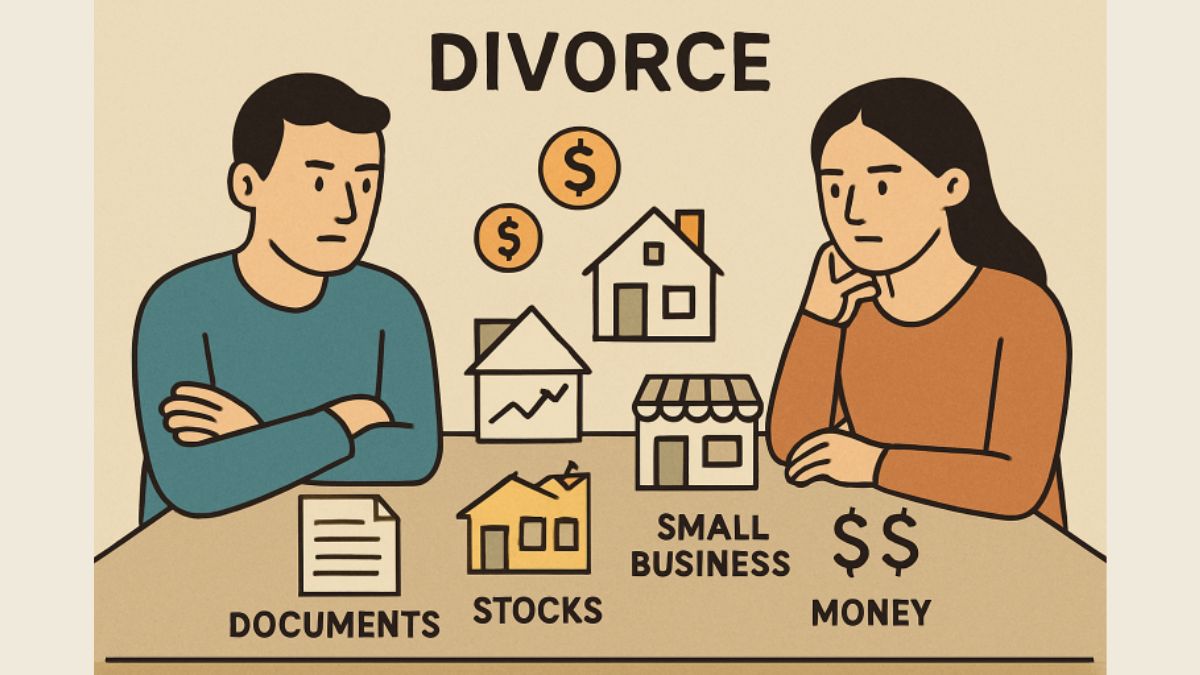
Divorce is rarely straightforward, and when complex assets are involved, the situation can become exponentially more challenging. Emotional stress is often compounded by the need for meticulous financial analysis and negotiation. The fair and accurate valuation of these assets may be the single most decisive factor in ensuring an equitable settlement. Complex assets might include business interests with fluctuating values, diverse investment portfolios spanning multiple accounts, intellectual property with unpredictable future earnings, or even intricate stock option grants. Given the range and sophistication of these asset classes, it’s no wonder that many turn to a divorce attorney in Carlsbad at the very outset. Professional advice helps ensure every subtle detail and asset is considered and optimally addressed before negotiations even begin.
With significant financial stakes and long-term consequences, understanding the subtleties of assessing and dividing marital property is essential. Each asset’s unique valuation methodology, the interplay between state laws, and the emotional backdrop of divorce all influence the process. Mistakes or shortcuts during this stage can lead to future disputes, costly litigation, or unintended inequities. This guide discusses key principles and expert-backed strategies that form the groundwork for fair outcomes, highlighting how structure, preparation, and strategic planning make a tangible difference.
Identifying and Classifying Complex Assets
The foundation for any fair division of marital assets is a complete inventory of all assets owned by both parties, individually and jointly. The vast category of complex assets includes privately held businesses, restricted stock, deferred compensation plans, intellectual property rights, foreign investments, and, increasingly, digital assets such as cryptocurrencies and NFTs. Accurate valuation begins with separating marital property, typically, assets and income earned during the marriage, from separate property, such as inheritances or assets owned prior to the marriage.
The specifics of what qualifies as marital property can vary by state, especially between community property and equitable distribution states, adding another layer of complexity. Overlooking or incorrectly labeling an asset as separate property may cause one spouse to lose entitlement to valuable resources. It is vital to carefully review every holding, account, property, and intellectual property, especially when business interests, stock portfolios, or royalties are involved. An expert’s systematic approach ensures all assets are disclosed and addressed.
The Importance of Professional Asset Valuations
Assigning value to complex assets is technical and frequently contested. Trusting this step to professional appraisers or forensic accountants is almost always essential. For example, valuing a business interest isn’t just about current net income—it could include goodwill, customer contracts, brand recognition, and growth potential. Similarly, restricted stock units may be governed by strict vesting timelines and uncertain market conditions.
Professional valuators use a combination of methods tailored to each asset class, including discounted cash flow, market comparison, and asset-based approaches. Not only do these methods provide a credible foundation for negotiations or court proceedings, but they also minimize the risk of undervaluing high-growth assets or overestimating illiquid ones. Early engagement with valuation experts leads to well-documented, unbiased conclusions that can help avoid disputes or costly appeals down the road.
Assessing Hidden or Overlooked Assets
Unfortunately, divorces involving significant assets sometimes devolve into attempts to conceal wealth. Hidden or overlooked assets can include offshore accounts, income from side businesses, cryptocurrency wallets, or unreported intellectual property. Forensic accountants and specialized investigators can help identify and track down irregularities and red flags by tracing bank transfers, reviewing business records, and analyzing lifestyle expenditures.
Complete transparency from both parties is crucial, but sometimes unattainable without third-party oversight. Discovery procedures like subpoenas and depositions may become necessary, especially if informal requests are stonewalled. Dedicating time and resources to careful investigation is a critical step to ensuring both parties receive their fair share, preventing one spouse from unjustly reaping benefits due to hidden wealth or intentional misstatements.
Navigating Tax Implications
Tax issues linked to complex asset division can be significant and long-lasting. For instance, dividing retirement accounts incorrectly can trigger steep penalties and income tax liabilities. Some investments, like stocks or real estate, may have large unrealized capital gains, creating possible tax burdens that could leave one spouse shouldering a disproportionate burden. People often undervalue the future effect of taxes when focusing on “headline” asset values.
Working with tax professionals or divorce financial planners during the settlement process ensures that transfer timing, structure, and ownership designation are optimized to minimize the overall tax bill. Sometimes, settlements can be structured so that each party receives a mix of assets with similar after-tax value, rather than just comparable pre-tax value. When addressed early, tax-savvy strategies can transform a reasonable division into a truly equitable one, securing both partners’ financial health years beyond the divorce itself.
Techniques for Fair Division of Complex Assets
Crafting an equitable split for complex assets often requires creativity and advanced planning. Dividing the proceeds from the sale of a property may be simple, but dividing a family business, closely held shares, or a start-up’s equity is not. Couples and their attorneys often have to balance diverse needs: asset appreciation, liquidity, practicality of division, and tax efficiency.
“Trading” assets, such as allowing one spouse to retain the family business in exchange for more real estate or retirement assets, can help keep negotiated settlements amicable while still fair. Sometimes, installing structured settlements, phased buyouts, or options for future sales protects both parties from abrupt financial shocks. Success often comes down to tailoring solutions to the couple’s unique asset mix, priorities, and life goals.
The Role of Expert Legal Advice
Navigating the landscape of high-value or multifaceted assets without legal expertise risks expensive mistakes or missed opportunities. A seasoned divorce attorney brings crucial value by coordinating with appraisers or forensic accountants, interpreting complex state laws, and advocating for fair arrangements in both mediation and the courtroom.
Experienced attorneys understand the very factors judges weigh when reviewing divorce settlements—including income potential, asset volatility, the practical need for liquidity, and specific family considerations such as ongoing child support or alimony. More critically, legal experts can protect against omissions, ensure compliance with local statutes, and give you peace of mind that the ultimate settlement honors both the law and your financial future.
Conclusion
A divorce with complex assets isn’t just a legal procedure; it’s a major financial event that can shape your future for decades to come. By identifying each asset, relying on professional appraisals, considering tax implications, and placing trust in expert legal advice, both parties can navigate this difficult transition more confidently and emerge with their financial stability protected.

Introduction to SolomonLawsc.com and its mission
In a world where technology continues to reshape our daily lives, the legal profession is no exception. Enter SolomonLawsc.com, a pioneering platform that’s making waves in the realm of online legal services. With a mission to provide accessible and efficient legal solutions, this innovative website is empowering individuals and businesses alike. Gone are the days when finding reliable legal help meant navigating complex jargon or spending hours on end searching for the right attorney. SolomonLawsc.com simplifies the process, bringing professional guidance straight to your fingertips. Let’s dive deeper into how this groundbreaking platform is changing everything we thought we knew about obtaining legal assistance!
The Benefits of Online Legal Services
Online legal services offer unparalleled convenience. Clients can access assistance from the comfort of their homes, eliminating the stress of in-person consultations. This flexibility allows for faster communication and problem-solving.
Cost-effectiveness is another significant advantage. Traditional legal services often come with high hourly rates and hidden fees. Online platforms typically provide transparent pricing, making it easier to budget for legal needs.
Moreover, clients benefit from a broader selection of lawyers specializing in various fields. This diversity enables individuals to find experts tailored to their specific circumstances without geographical limitations.
The digital landscape also enhances efficiency through streamlined processes and quick document delivery. No more waiting weeks for paperwork; everything happens in real-time.
Online legal services prioritize accessibility. They cater to diverse populations who might otherwise struggle with traditional systems due to physical or financial barriers.
The Team Behind SolomonLawsc.com
At the heart of SolomonLawsc.com is a dedicated team of legal professionals. Each member brings a wealth of experience and expertise, ensuring clients receive top-notch service.
The attorneys are well-versed in various fields, from family law to business litigation. They understand the nuances that can affect cases and strive for tailored solutions.
Beyond legal knowledge, this team values empathy. They recognize that clients often face emotional challenges alongside their legal issues. This understanding fosters trust and strengthens client relationships.
Support staff also play a crucial role in maintaining seamless operations. Their commitment to efficiency helps streamline processes and enhance user experience on the platform.
Together, they embody a collaborative spirit focused on achieving favorable outcomes for each client while revolutionizing how legal services are delivered online.
The User-Friendly Platform
Navigating legal services can often feel daunting. SolomonLawsc.com changes that narrative with its intuitive platform designed for everyone.
From the moment you land on the site, a clean and organized layout greets you. Key features are easy to find, ensuring users spend less time searching and more time addressing their legal needs.
The platform is optimized for various devices. Whether you’re on a computer or smartphone, accessing your account is seamless. This flexibility allows clients to manage their cases anytime, anywhere.
User support is readily available through chat options. Questions get answered quickly without unnecessary delays.
Additionally, resources like FAQs guide users through common queries effortlessly. The emphasis on user experience makes navigating this online service both simple and efficient for all clients seeking legal help.
Services Offered by SolomonLawsc.com
SolomonLawsc.com offers a diverse range of legal services tailored to meet the needs of individuals and businesses alike. From family law matters like divorce and custody disputes to real estate transactions, clients can find expert guidance.
Business owners will appreciate their assistance with contract drafting, compliance issues, and dispute resolution. SolomonLawsc.com is committed to helping entrepreneurs navigate the complexities of business law.
Their team also provides estate planning services, ensuring that clients’ wishes are honored while safeguarding assets for future generations. Whether it’s creating wills or trusts, they manage every detail with care.
Additionally, they offer consultation sessions where potential clients can discuss their unique situations in a supportive environment. This personalized approach makes accessing legal help more approachable than ever before.
No matter the challenge, SolomonLawsc.com stands ready to provide clear solutions backed by expertise and professionalism.
Testimonials and Success Stories
Testimonials and success stories from clients highlight the impact of solomonlawsc.com on individuals and businesses alike. Each story reflects how accessible legal services can transform lives.
One client shared their experience navigating a complex divorce. They praised the platform for its clarity and support during a challenging time. Their case was handled with professionalism, resulting in a favorable outcome.
Another small business owner found guidance through contractual disputes thanks to SolomonLawSC’s expertise. The seamless communication made all the difference in resolving issues swiftly.
These real-life experiences showcase not only successful outcomes but also the personal connections formed throughout each journey. Clients appreciate feeling heard and supported every step of the way, which is at the heart of solomonlawsc.com’s mission.
It’s these narratives that truly illustrate how modern legal solutions are making waves across various sectors, proving that accessible legal help can lead to profound changes for everyone involved.
How SolomonLawsc.com is Changing the Landscape of Legal Services
SolomonLawsc.com is redefining how legal services are accessed and delivered. By leveraging technology, it removes traditional barriers that have long hampered clients seeking legal help.
The platform enables users to connect with experienced attorneys from the comfort of their homes. This shift not only saves time but also reduces stress associated with in-person consultations.
Additionally, SolomonLawsc.com offers transparent pricing models, eliminating unexpected costs that often accompany legal services. Clients know what to expect upfront.
With a focus on user experience, the website provides easy navigation and resources tailored for both individuals and businesses. It empowers users to make informed choices about their legal needs.
As more people discover its advantages, SolomonLawsc.com continues to pave the way for a more accessible and efficient approach to law. The landscape of legal services is evolving rapidly as this innovative platform leads the charge.
Future Plans and Expansion
SolomonLawsc.com is constantly evolving to meet the needs of its users. With a vision for continuous growth, the team is exploring new services that go beyond traditional legal offerings.
Expansion into additional states is on the horizon. This move will make their services accessible to a wider audience. By breaking geographical barriers, SolomonLawsc.com aims to bring ease and efficiency to more individuals seeking legal support.
The platform also plans to enhance its technology infrastructure. Investing in advanced tools will streamline user experiences further, making it even simpler to navigate legal processes online.
Moreover, collaborations with other professionals are being considered. Partnering with experts across various fields can provide clients with comprehensive solutions tailored specifically for their unique situations.
These future initiatives reflect SolomonLawsc.com’s commitment to leading innovation in online legal services while adapting swiftly in an ever-changing landscape.
Conclusion
As the legal landscape continues to evolve, solomonlawsc.com stands at the forefront of innovation. By offering accessible, affordable, and efficient online legal services, they are breaking down barriers that have traditionally hindered individuals from obtaining quality legal assistance. The platform’s user-friendly interface combined with a dedicated team ensures that clients receive personalized attention while navigating their legal challenges.
With positive testimonials and numerous success stories backing its mission, SolomonLawsc.com is not just a service; it’s a movement towards democratizing access to justice. As they look toward future growth and expansion into new areas of law and enhanced technology offerings, one thing remains clear: this revolutionary approach is changing how people interact with the law for the better.
The journey of solomonlawsc.com showcases what can happen when dedication meets innovation in an industry ripe for transformation. Whether you’re seeking guidance on personal matters or business needs, there has never been a better time to explore what Solomon Law has to offer.
-

 TOPIC1 year ago
7 Expert Tips For Choosing The Best Basement Renovation Companies
-

 TOPIC1 year ago
Why Large Waterproof Outdoor Rugs Are Essential for All Outdoor Spaces
-

 TOPIC9 months ago
Why Greece Katz Martian Has Everyone Talking in 2025
-

 FASHION1 year ago
How to Layer Your White Dress for Cold Weather?
-

 BUSINESS10 months ago
Top 5 Features of Sowix Online That Every User Should Know About
-

 TOPIC10 months ago
Top Features of BetterThisWorld .com You Need to Know About
-

 FINANCE1 year ago
How TraceLoans Can Simplify Your Finances
-

 BIOGRAPHY1 year ago
From Reality Star to Business Mogul: Prince Narula Digital PayPal