
BUSINESS
Quench Their Thirst, Boost Your Brand: How Promotional Bottled Water Creates a Splash at Australian Events

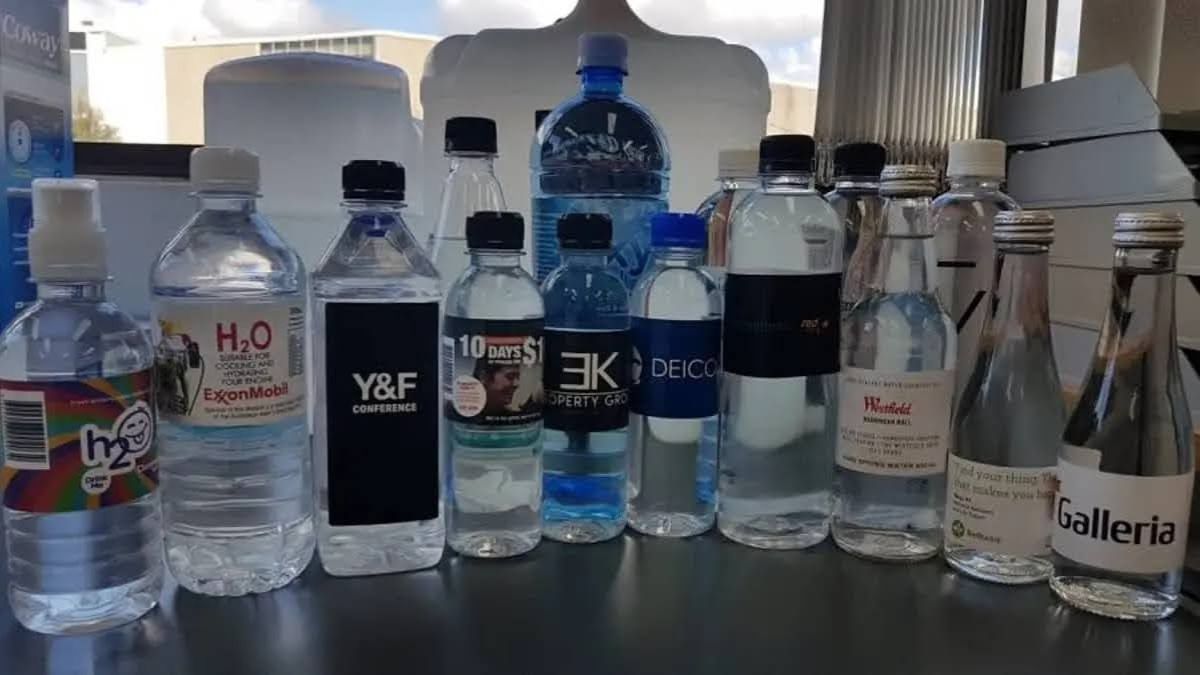
As the CEO of a leading promotional items company in Australia, I’ve had the privilege of witnessing firsthand how simple products can leave a profound impact. One such product that never ceases to amaze me is promotional bottled water. It might seem like an ordinary item at first glance, but its potential to strengthen your brand’s presence at events is extraordinary.
A Simple Idea That Stands Out
The first time I introduced promotional bottled water at an event, I wasn’t sure how attendees would respond. The concept was straightforward: bottles of water with our brand logo handed out during a busy outdoor festival. The results? Remarkable. People were not only hydrated but also walked around with our brand in their hands for hours. The visibility and practicality of this gesture turned into an effortless marketing strategy.
Why Promotional Bottled Water Works
Australia’s climate plays a significant role in making this product a hit. At conferences, trade shows, and outdoor festivals, attendees often underestimate how quickly they can get thirsty. Offering bottled water with your brand logo is not just a kind gesture but a strategic move. It positions your brand as thoughtful and resourceful while ensuring your message reaches a wider audience.
Here’s why it works so well:
High Utility: People need water, especially at crowded events.
Extended Visibility: A single bottle can travel from one end of the event to another, showcasing your logo to hundreds.
Eco-Friendly Appeal: With the right packaging, you can align your brand with sustainability goals, making it even more appealing.
Real-Life Success Stories
I’ve seen businesses and organizations use branded water bottles to great effect. One client, a national fitness chain, used them during a marathon. Another, a corporate group, handed them out at a charity gala. Both reported an uptick in inquiries and brand recognition afterward.
For us, as a company, we continue to incorporate promotional bottled water into our own events. Each time, it sparks conversations, creates connections, and ensures our name is remembered long after the event ends.
Making Your Bottled Water Stand Out
If you’re considering using bottled water as a promotional tool, here are a few tips:
Design Matters: A sleek, well-branded label is essential. Use bold colours and a clear message.
Quality First: The water’s taste and bottle’s durability can influence people’s perception of your brand.
Go Green: Opt for recycled or biodegradable materials. Australians appreciate sustainable efforts.
A Splash Worth Making
Promotional bottled water might seem like a small gesture, but its impact is anything but. In today’s competitive market, businesses, organizations, and groups need every edge to stay relevant. By providing something as simple and essential as water, you’re not just quenching thirst—you’re making a meaningful connection with your audience.
Here at Cubic Promote, we’ve seen how a thoughtful giveaway can transform an event and elevate a brand. Whether you’re hosting a large conference, attending a trade show, or supporting a local sports event, consider adding bottled water to your promotional arsenal.
Ready to make a splash at your next event? Let’s talk about how we can help you boost your brand with promotional bottled water.
By Charles Liu
Marketing Expert at Cubic Promote. Charles Liu specialises in Branding, marketing and has 17 years of experience helping brands achieve their goals. Connect with Charles Liu on LinkedIn: https://www.linkedin.com/in/charles-liu-042b9124/

Introduction
If you’re searching for reliable insights about qullnowisfap products, you’re in the right place. These products have recently gained attention for their unique features, user-focused design, and growing presence in the market. Whether you’re a curious buyer or someone comparing options, understanding what makes these products stand out can help you make a smarter decision.
In this guide, we’ll break down everything you need to know—from features and benefits to common mistakes and best practices. Let’s dive in.
What Are Qullnowisfap Products?
Qullnowisfap products refer to a range of items designed to deliver convenience, efficiency, and modern functionality. While the exact category may vary, they typically focus on improving everyday tasks through thoughtful design and practical innovation.
Key Characteristics
- User-friendly interfaces
- Durable materials
- Modern aesthetics
- Multi-functional capabilities
- Competitive pricing
In simple terms, these products aim to combine usability with value.
Best Practices for Designing Effective Acknowledgement Pages
Types of Qullnowisfap Products Available
Understanding the different types can help you choose the right one based on your needs.
1. Everyday Utility Products
These are designed for daily use and focus on practicality.
- Household tools
- Personal accessories
- Portable gadgets
2. Advanced Functional Products
These include items with enhanced features and smart integrations.
- Tech-enabled devices
- Multi-purpose tools
- Performance-focused products
3. Premium Range Products
High-end options that offer superior build quality and advanced features.
Comparison of Qullnowisfap Product Categories
| Product Type | Best For | Key Features | Price Range |
|---|---|---|---|
| Everyday Utility | Daily tasks | Simple, affordable | Low |
| Advanced Functional | Enhanced performance | Smart features, versatility | Medium |
| Premium Range | High-end usage | Durable, feature-rich | High |
Benefits of Using Qullnowisfap Products
These products are becoming popular for a reason. Let’s explore the main advantages.
Convenience
Most qullnowisfap products are designed to simplify tasks, saving time and effort.
Cost Efficiency
You often get multiple features at a competitive price, making them a cost-effective choice.
Durability
Many users appreciate their long-lasting build quality.
Versatility
From home to professional use, these products adapt to different needs.
How to Choose the Right Qullnowisfap Product
Selecting the right product depends on several factors.
Identify Your Needs
Ask yourself:
- What problem am I trying to solve?
- How often will I use this product?
Compare Features
Look beyond basic specs and focus on:
- Ease of use
- Compatibility
- Maintenance requirements
Check Reviews and Ratings
User feedback often reveals real-world performance.
Key Buying Factors Breakdown
| Factor | Why It Matters | What to Look For |
|---|---|---|
| Build Quality | Ensures durability | Strong materials |
| Functionality | Determines usefulness | Multi-purpose features |
| Price | Affects value for money | Balance of cost vs features |
| Brand Reliability | Impacts trust and support | Positive user feedback |
Pros and Cons of Qullnowisfap Products
Pros
- Affordable options available
- Wide range of products
- Easy to use
- Good durability
- Versatile applications
Cons
- Quality may vary between models
- Some advanced features may require learning
- Limited availability in certain regions
Common Mistakes to Avoid
Even the best products won’t deliver results if chosen incorrectly. Here are some common pitfalls.
Ignoring Product Specifications
Always check detailed specs instead of relying on appearance alone.
Choosing Based on Price Only
Cheaper isn’t always better. Focus on value, not just cost.
Overlooking Compatibility
Make sure the product works with your existing setup.
Skipping User Reviews
Real user experiences can reveal hidden issues.
Best Practices for Using Qullnowisfap Products
To get the most out of your purchase, follow these best practices.
Read the Manual
It may sound obvious, but many users skip this step.
Regular Maintenance
Keep your product clean and well-maintained for long-term performance.
Use as Intended
Avoid using the product outside its designed purpose.
Upgrade When Necessary
Technology evolves, so consider upgrades when needed.
Practical Example: Choosing the Right Product
Let’s say you need a product for daily use.
Instead of going for the cheapest option, you:
- Identify your needs (frequency, purpose)
- Compare features across different models
- Read user reviews
- Choose a mid-range product with reliable performance
This approach ensures better long-term satisfaction.
Quick Decision-Making Framework
| Step | Action | Outcome |
|---|---|---|
| Step 1 | Define your needs | Clear direction |
| Step 2 | Compare features | Better understanding |
| Step 3 | Check reviews | Real-world insights |
| Step 4 | Make informed purchase | Higher satisfaction |
Conclusion
Qullnowisfap products offer a compelling mix of affordability, functionality, and versatility. Whether you’re looking for everyday solutions or advanced features, there’s likely an option that fits your needs.
By understanding product categories, comparing features, and avoiding common mistakes, you can make a confident purchase decision. Ultimately, the right choice depends on your specific requirements and how you plan to use the product.
FAQs
1. What are qullnowisfap products used for?
They are designed to improve daily tasks through practical and user-friendly features.
2. Are qullnowisfap products worth buying?
Yes, especially if you’re looking for affordable and versatile solutions.
3. How do I choose the best qullnowisfap product?
Focus on your needs, compare features, and check user reviews before buying.
4. Are these products durable?
Most offer good durability, but quality can vary depending on the model.
5. Where can I buy qullnowisfap products?
They are typically available through online marketplaces and select retailers.

The adult entertainment industry has evolved significantly over the past decade, making professionalism more important than ever. A higher standard benefits everyone involved, ensuring safety, dignity, and mutual respect for both workers and clients. As the industry grows, many professionals, such as San Francisco strippers, have taken an active role in setting standards for workplace conduct and safety.
Professionalism not only protects performers and staff from potential harm but also sets a positive example for the public and clients. Elevating industry values can help remove the lingering stigma and foster healthy, respectful relationships among all stakeholders. From agencies to individual entertainers, many are advocating for robust ethical guidelines as the path forward in adult entertainment.
As with any field, consistent dedication to quality, transparency, and ongoing learning ensures lasting credibility and job satisfaction. A renewed focus on safety, fair compensation, and training has become the foundation for a new generation of performers and support staff who want to excel and feel empowered in their careers.
Alongside visible progress, leaders and advocates are now working to secure broader industry acceptance and create positive change for workers around the world. The conversation is shifting from survival to pride, and professionalism is at the center of this transformation.
Defining Professionalism in Adult Entertainment
Professionalism in adult entertainment is defined by a clear set of principles: ethics, respect, safety, and consistent quality. It requires every participant, whether on stage, behind the scenes, or in managerial roles, to acknowledge others’ rights and boundaries. For example, proper documentation and contracts support transparency, while open communication among performers, directors, and clients helps prevent misunderstandings.
At its core, professionalism is about mutual consent and adherence to policies that protect everyone involved. When performers know their rights and expectations, and employers establish clear policies, a culture of respect is maintained. This benefits not only the individuals in the industry, but also the clients and audience members seeking positive, safe experiences.
The Importance of Ethical Practices
Ethical practices are the bedrock of trust in adult entertainment. Informed consent, fair compensation, and transparency are fundamental. A recent 2024 report from the Coalition for Quality Adult Entertainment (CQAE) revealed that more than 78 percent of professional performers consider workplace dignity as their top preference. Many have founded unions or advocacy groups to push for higher industry standards and protect their rights.
In addition to personal boundaries and communication, ethical employers ensure that workers receive payment promptly, have access to HR resources, and are included in major business decisions. These initiatives correlate with lower workplace turnover and improved job satisfaction. As standards are raised, there is also an increasing push for external oversight and collaboration with legal advisors, which further supports the industry’s credibility.
Safety and Health Protocols
Safety and health protocols are critical for protecting individuals while maintaining professional standards across adult entertainment. Routine health screenings for sexually transmitted infections, general physical health, and mental wellness are now considered a must by most agencies and venues. Many organizations mandate regular check-ins, peer reviews, and mutual support for mental health concerns. Additionally, digital platforms are introducing features such as performer verification, age checks, and privacy controls to reinforce online safety.
The environmental conditions where work occurs, whether at clubs, studios, or private venues, are managed to limit risk and ensure physical safety. Clear policies about alcohol and drug use, cybersecurity, and physical security are essential and strictly enforced in reputable organizations. Improved safety protocols have had a measurable effect. Performers and workers benefit from greater peace of mind, and the industry gains a reputation for responsibility and care, as covered by outlets like Business Insurance.
Training and Education
Education is a primary driver in raising professionalism across adult entertainment. Comprehensive workshops about consent, workplace communication, and emotional well-being are key first steps for new performers and ongoing employees. Regular professional development ensures everyone remains informed about current best practices, evolving laws, and new safety technologies.
Industry groups and advocacy organizations regularly hold workshops on digital safety, legal rights, and crisis counseling. These efforts empower performers and staff to control their narratives, protect themselves, and resolve conflicts effectively. Knowledge sharing and education also build a sense of community and shared purpose, motivating individuals to strive for excellence.
Navigating Public Perception
Despite remarkable progress, the adult entertainment industry still battles negative stereotypes in many societies. However, as professionalism becomes more visible from contracts to clear safety plans, the public starts to view adult entertainment with greater understanding and respect. Leading performers and business owners speak openly about the ethical structures that support their careers, helping dissolve old stigmas.
By upholding strong standards, professionals present themselves and their work with confidence and integrity. Advocacy campaigns challenge harmful myths and highlight the talent, resilience, and skill present in this dynamic industry. Transparent business operations and ethical marketing improve trust with clients and audiences. Over time, these efforts are shifting public narratives and opening up new opportunities for industry growth and recognition.
Conclusion
Professionalism is the foundation of a safe, ethical, and respected adult entertainment industry. Through ethical practices, robust safety protocols, and continued education, stakeholders create an environment where performers and staff feel valued and protected. As industry leaders and advocates push for even higher standards, adult entertainment will continue evolving in ways that benefit everyone involved, making it a more credible and empowered field for future generations.
BUSINESS
Priority Infrastructure Plan: A Practical Guide to Smarter Development and Sustainable Growth


Introduction
A priority infrastructure plan is more than just a blueprint—it’s a strategic roadmap that determines how cities, regions, or even countries grow efficiently. With limited resources and increasing demand, governments and organizations must decide which projects matter most. That’s where prioritization becomes essential.
In today’s fast-changing world, infrastructure planning must balance economic growth, sustainability, and public needs. Whether it’s transportation, energy, or digital systems, having a structured plan ensures smarter investments and long-term benefits.
What Is a Priority Infrastructure Plan?
A priority infrastructure plan is a structured approach to identifying, ranking, and executing critical infrastructure projects based on urgency, impact, and available resources.
Key Objectives
- Optimize resource allocation
- Address urgent public needs
- Support economic development
- Ensure long-term sustainability
- Reduce project delays and inefficiencies
Definition
A priority infrastructure plan is a framework used to identify and execute the most important infrastructure projects first, based on impact, urgency, and available funding.
Why Infrastructure Prioritization Matters
Without prioritization, infrastructure development becomes chaotic and inefficient. Projects may overlap, budgets may exceed limits, and essential needs can be overlooked.
Key Benefits
- Better financial management
- Faster project completion
- Improved public satisfaction
- Reduced risk of wasted resources
GlobeInsightBlog: The Ultimate Guide to Building Authority and Traffic in 2026
Key Components of an Effective Priority Infrastructure Plan
1. Needs Assessment
Understanding what the community truly requires is the first step. This involves:
- Population analysis
- Traffic and transport data
- Utility demand forecasting
2. Impact Evaluation
Projects are evaluated based on their benefits:
- Economic impact
- Social value
- Environmental effects
3. Budget Planning
A realistic financial plan ensures feasibility. It includes:
- Funding sources
- Cost estimation
- Risk buffers
4. Timeline and Phasing
Projects are divided into phases to ensure smooth execution.
Infrastructure Planning Framework Table
| Component | Purpose | Example |
|---|---|---|
| Needs Assessment | Identify critical gaps | Traffic congestion analysis |
| Impact Evaluation | Measure benefits | Job creation potential |
| Budget Planning | Ensure financial feasibility | Government funding allocation |
| Project Phasing | Organize execution timeline | Multi-stage highway expansion |
Types of Infrastructure Included in Priority Plans
Transportation Infrastructure
- Roads and highways
- Rail systems
- Airports
Energy Infrastructure
- Power plants
- Renewable energy systems
- Grid modernization
Water and Sanitation
- Clean water supply
- Drainage systems
- Waste management
Digital Infrastructure
- Broadband networks
- Data centers
- Smart city technologies
How to Create a Priority Infrastructure Plan
Creating a strong plan requires both data and strategic thinking.
Step-by-Step Process
- Collect Data
Gather demographic, economic, and environmental data. - Engage Stakeholders
Include government bodies, communities, and experts. - Rank Projects
Use scoring systems based on urgency and impact. - Allocate Budget
Assign funds based on priority levels. - Monitor Progress
Track milestones and adjust as needed.
Project Prioritization Criteria Table
| Criteria | Description | Weight Importance |
|---|---|---|
| Economic Impact | Contribution to GDP growth | High |
| Social Benefit | Improvement in quality of life | High |
| Environmental Impact | Sustainability and eco-friendliness | Medium |
| Cost Efficiency | Return on investment | High |
| Urgency | Immediate need | Critical |
Real-World Example of Infrastructure Prioritization
Imagine a growing city facing traffic congestion and power shortages.
Instead of tackling everything at once, a priority plan might:
- First expand major roads
- Then upgrade public transport
- Finally invest in renewable energy
This phased approach ensures immediate problems are solved while preparing for future growth.
Pros and Cons of a Priority Infrastructure Plan
Pros
- Ensures efficient use of resources
- Improves project success rates
- Supports long-term planning
- Reduces financial waste
Cons
- Requires extensive data and analysis
- Can be politically influenced
- Initial planning takes time
- May overlook smaller but important projects
Common Mistakes to Avoid
Even well-designed plans can fail if common pitfalls are ignored.
Key Mistakes
- Ignoring community input
- Overestimating budgets
- Poor data analysis
- Lack of flexibility
- Delayed decision-making
Best Practices for Effective Infrastructure Planning
To maximize success, follow these proven strategies:
1. Use Data-Driven Decisions
Reliable data leads to better prioritization.
2. Focus on Sustainability
Include eco-friendly solutions like renewable energy.
3. Maintain Transparency
Clear communication builds public trust.
4. Plan for Future Growth
Think beyond current needs.
5. Regularly Update the Plan
Adapt to changing conditions and new technologies.
Best Practices Summary Table
| Practice | Benefit |
|---|---|
| Data-driven planning | Accurate decision-making |
| Sustainability focus | Long-term environmental gains |
| Stakeholder engagement | Increased public support |
| Flexible planning | Adaptability to change |
| Continuous monitoring | Improved project outcomes |
Conclusion
A well-structured priority infrastructure plan is essential for sustainable development and economic growth. By focusing on what matters most, governments and organizations can deliver better services, reduce waste, and build resilient communities.
The key lies in strategic thinking, accurate data, and continuous improvement. When done right, infrastructure planning not only solves today’s problems but also prepares for tomorrow’s challenges.
FAQs
1. What is a priority infrastructure plan?
A priority infrastructure plan is a strategy used to identify and execute the most important infrastructure projects first.
2. Why is infrastructure prioritization important?
It ensures efficient use of resources, faster development, and better public services.
3. What factors are used to prioritize infrastructure projects?
Common factors include economic impact, urgency, cost efficiency, and social benefits.
4. Who creates infrastructure plans?
Governments, urban planners, and development agencies typically create these plans.
5. How often should infrastructure plans be updated?
They should be reviewed and updated regularly, typically every few years or when major changes occur.
-

 TOPIC9 months ago
Top 5 Features of Googlediqiu You Didn’t Know About
-

 TOPIC1 year ago
Why Large Waterproof Outdoor Rugs Are Essential for All Outdoor Spaces
-

 TOPIC1 year ago
7 Expert Tips For Choosing The Best Basement Renovation Companies
-

 FASHION1 year ago
How to Layer Your White Dress for Cold Weather?
-

 TOPIC10 months ago
Why Greece Katz Martian Has Everyone Talking in 2025
-

 BUSINESS12 months ago
Top 5 Features of Sowix Online That Every User Should Know About
-

 TOPIC11 months ago
Top Features of BetterThisWorld .com You Need to Know About
-

 FINANCE1 year ago
How TraceLoans Can Simplify Your Finances