
AUTOMOTION
Signs of a Failing Transfer Case: What Every Driver Should Watch For

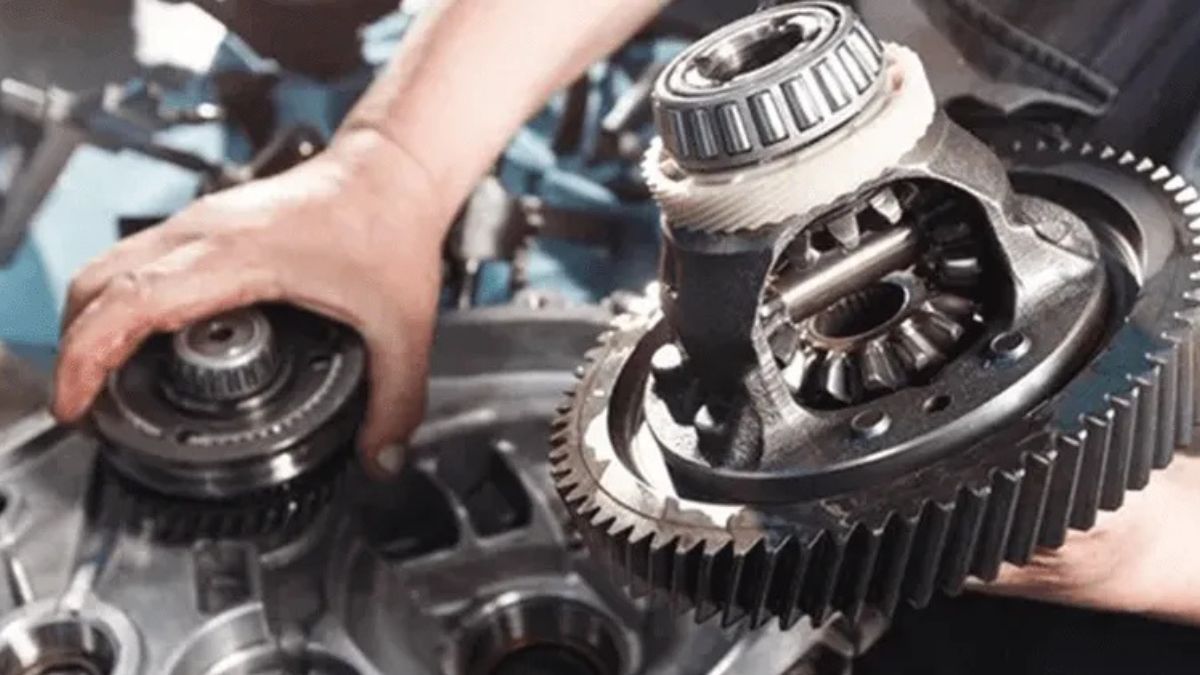
Introduction to Transfer Cases
Every driver knows that keeping their vehicle in top shape is crucial for safety and performance. However, one often overlooked component can make a world of difference: the transfer case. This vital part of your vehicle’s drivetrain plays a key role in distributing power between the front and rear wheels, especially when navigating tricky terrains or adverse weather conditions. Understanding how to spot signs of a failing transfer case can save you from costly repairs down the road and keep your ride smooth and reliable.
So what exactly should you be on the lookout for? Let’s dive into some common symptoms that could indicate trouble brewing within this essential mechanical system. From strange noises to unusual smells, being aware of these warning signs will empower you as a driver to take action before it’s too late.
Common Symptoms of a Failing Transfer Case
A failing transfer case can manifest in several noticeable ways. Drivers should remain vigilant for these common symptoms.
First, listen for strange noises while driving. Grinding or clunking sounds could indicate internal damage. Any unusual vibrations felt through the vehicle may also signal a transfer case issue.
Difficulty engaging or disengaging 4WD is another red flag. If you struggle to switch between modes, your transfer case might be malfunctioning.
Next, pay attention to fluid leaks under your vehicle. A dark, oily substance pooling beneath it often points to a leak from the transfer case.
Any odd smells—like burning odors—should not be ignored. These can suggest overheating components within the system and need immediate attention.
Strange Noises and Vibrations
Strange noises and vibrations can be alarming indicators of a failing transfer case. If you start hearing grinding, clunking, or whining sounds while driving, it’s time to pay attention. These noises often signal that internal components are wearing out or not functioning correctly.
Vibrations felt through the vehicle’s chassis might also suggest issues within the transfer case. A healthy system should operate smoothly without excessive shaking or rattling.
If you’re experiencing these disturbances, don’t brush them off as mere quirks of your car. They could lead to more significant problems down the road if left unaddressed. Early detection is crucial for avoiding costly repairs later on.
Listening closely during your drives can help catch potential issues early on before they escalate into major failures.
Difficulty Engaging or Disengaging 4WD
Engaging or disengaging your 4WD should be a smooth process. If you find yourself struggling with this, it’s a clear sign of trouble.
A transfer case that isn’t operating correctly can lead to frustrating moments when you need power on demand. You might hear grinding noises or feel resistance as you try to shift between modes.
In many cases, the issue stems from worn gears or internal components within the transfer case. These parts can wear down over time, causing difficulty in engagement and leading to potential safety hazards.
Ignoring these symptoms could leave you stranded in tough terrain where 4WD is necessary. Always listen closely when making those shifts; any irregularities warrant immediate attention before they escalate into more severe problems.
Leaking Fluids
Leaking fluids from your transfer case can be a serious red flag. If you notice any fluid pooling underneath your vehicle, it’s time to investigate.
The transfer case relies on lubricants to function smoothly. When seals wear out or become damaged, these essential fluids escape. This loss can lead to inadequate lubrication and increase the risk of severe damage.
Oil leaks often appear as dark spots on your driveway or garage floor. Transmission fluid may also leak, usually reddish in color. Both require immediate attention.
Ignoring this issue could escalate into a costly repair down the line. Regularly check for leaks during routine maintenance checks and pay close attention when parking your vehicle. Noticing something unusual early could save you both time and money in repairs later on.
Unusual Smells or Burning Odors
If you notice an unusual smell or burning odor while driving, it could be a sign of trouble with your transfer case. These smells often indicate overheating or failing components within the system.
Burning fluid can release a distinct acrid scent, which is concerning. This may mean that the lubricating properties of the fluid have degraded. When this happens, friction increases and can lead to more severe damage.
Another potential culprit is electrical issues in your transfer case motor or actuator. If wires are damaged, they might emit a burnt plastic smell when heated up.
Ignoring these odors can result in costly repairs down the line. It’s crucial to pay attention if something doesn’t seem right under your vehicle’s hood—or beneath it—for that matter! Addressing these signs early on saves time and money in the long run.
How to Properly Maintain Your Transfer Case
Maintaining your transfer case is essential for optimal performance. Regular fluid checks are a must. Make sure to inspect the fluid level and its condition. Clean, clear fluid indicates good health, while dark or gritty fluid suggests it’s time for a change.
Don’t overlook the importance of professional inspections. A mechanic can spot issues before they escalate into major problems. Schedule these check-ups based on your vehicle’s usage and manufacturer recommendations.
Be mindful of driving conditions too. If you often navigate rough terrains or tow heavy loads, give extra attention to your transfer case maintenance routine.
Keep an eye on warning signs like strange noises or difficulty shifting between modes. Early detection can save you from costly repairs later on. Taking proactive steps ensures that your transfer case remains reliable throughout its lifespan.
When to Seek Professional Help
Recognizing when to seek professional help with your transfer case is crucial for your vehicle’s longevity. If you notice persistent issues after attempting minor fixes, it’s time to consult a mechanic.
Unusual noises like grinding or clunking sounds during gear shifts can indicate serious problems. Don’t ignore these warning signs; they often suggest internal damage that requires expert attention.
Additionally, if you’re unable to engage or disengage 4WD smoothly, it’s best not to risk further complications by driving in that condition.
Fluid leaks are another red flag. Spotting transmission fluid under your vehicle could mean big trouble ahead without timely repairs.
Trust your instincts—if something feels off while driving, don’t hesitate to reach out for professional assistance. Taking action early can save you from costlier repairs down the road and ensure safe travels on all terrains.
Conclusion
Transfer cases are vital components for vehicles equipped with four-wheel drive (4WD) systems. They manage power distribution between the front and rear axles, ensuring that your vehicle handles various terrains efficiently. However, like any mechanical part, transfer cases can fail over time.
Being aware of the symptoms of a failing transfer case is crucial for every driver. Strange noises or vibrations can indicate underlying issues that need addressing as soon as possible. If you find it difficult to engage or disengage your 4WD system, this could point to malfunctions within the transfer case itself.
Fluid leaks around your vehicle should never be ignored either; they often signal serious problems lurking beneath the surface. Additionally, unusual smells—especially burning odors—can suggest overheating or fluid breakdown in the transfer case.
Regular maintenance plays a significant role in prolonging the life of your transfer case. Checking fluid levels and changing fluids at recommended intervals can prevent many common problems associated with these units.
If you’re experiencing any warning signs related to your vehicle’s transfer case, seeking professional help is advisable before minor issues escalate into costly repairs. A mechanic specializing in drivetrain systems will provide insights specific to your situation and guide necessary actions.
Understanding these aspects will empower you as a driver to address potential concerns early on, safeguarding both performance and safety while on the road.
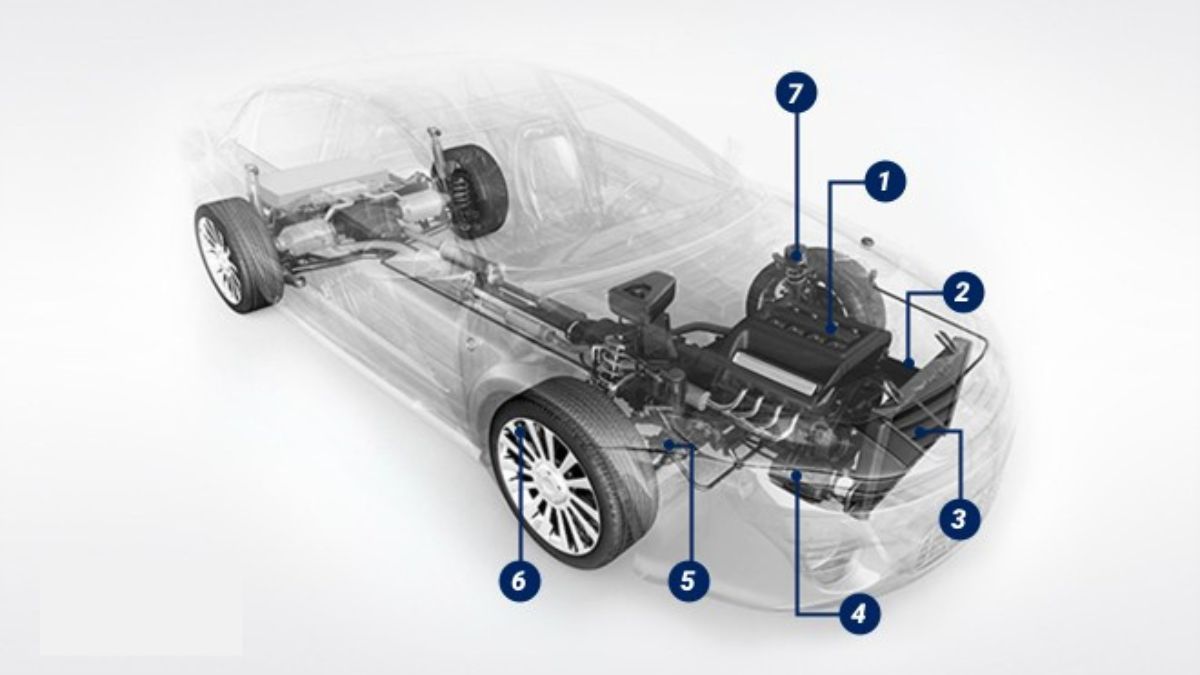
Every vehicle is a complex network of components working together to keep you moving safely and efficiently. Understanding these essential car parts can help you maintain your vehicle, troubleshoot issues, and even save money on repairs. In this guide, we’ll break down the key components of your car and explain why they matter.
1. Engine: The Heart of Your Vehicle
The engine is often referred to as the heart of a car, and for good reason. It converts fuel into energy that powers the vehicle. Engines come in various types—internal combustion, diesel, hybrid, and electric—but the fundamental goal is the same: generate power. Regular maintenance, such as oil changes, spark plug replacements, and air filter checks, ensures your engine runs efficiently and lasts longer.
2. Transmission: The Power Translator
The transmission is responsible for transferring power from the engine to the wheels. Whether you drive a manual or automatic vehicle, the transmission ensures the engine operates at the optimal speed while delivering the right amount of power. Transmission fluid checks and timely servicing are critical to prevent costly repairs.
3. Braking System: Safety First
Brakes are one of the most critical safety components in any vehicle. The system typically includes brake pads, discs, rotors, and calipers. Modern vehicles often feature anti-lock braking systems (ABS) that prevent wheel lockup during sudden stops. Regular inspection of brake pads and fluid levels helps maintain safety and performance.
4. Suspension and Steering: Smooth and Controlled Rides
The suspension system includes shock absorbers, struts, springs, and linkages that help your vehicle absorb bumps and maintain stability. Coupled with the steering system, these components ensure you have control over your car at all times. Worn suspension parts can lead to poor handling, uneven tire wear, and an uncomfortable ride.
5. Electrical System: The Brain of the Car
Your car’s electrical system powers everything from headlights to infotainment screens. Key components include the battery, alternator, starter, wiring, and sensors. Without a properly functioning electrical system, your vehicle may fail to start or experience intermittent issues. Regular battery checks and keeping terminals clean can prevent unexpected breakdowns.
6. Exhaust System: Managing Emissions
The exhaust system includes the muffler, catalytic converter, and pipes that channel and treat the gases produced by the engine. It reduces harmful emissions and ensures your car complies with environmental regulations. Damaged or clogged exhaust components can lead to reduced fuel efficiency, increased noise, and higher emissions.
7. Fuel System: Delivering Energy Efficiently
The fuel system ensures your engine receives the right amount of fuel at the right time. It includes the fuel pump, fuel filter, injectors, and fuel lines. Regular fuel filter replacement and occasional system cleaning can improve performance, fuel efficiency, and longevity of the engine.
8. Cooling System: Preventing Overheating
The cooling system keeps the engine at the optimal temperature. Components include the radiator, water pump, thermostat, and coolant. A malfunctioning cooling system can cause engine overheating, which may lead to severe damage. Checking coolant levels and inspecting hoses for leaks are simple yet essential maintenance steps.
9. Tires and Wheels: Your Connection to the Road
Tires are the only parts of your vehicle that touch the road, making them crucial for safety, performance, and fuel efficiency. Proper tire pressure, alignment, and tread maintenance are essential. Neglecting tires can lead to poor handling, longer stopping distances, and increased risk of accidents.
10. Additional Components: Fine-Tuning Your Vehicle
Other components, such as filters, belts, hoses, and small mechanical parts, play critical roles in keeping your vehicle functioning. Some parts may require specialized services, like deburring services, which ensure smooth edges on machined components to reduce wear and enhance performance.
Conclusion
A car is more than just a means of transportation; it’s a carefully engineered system where each part has a specific role. Regular maintenance and understanding the function of each component can extend the life of your vehicle, improve performance, and keep you safe on the road. By paying attention to the parts that matter, from your engine to your tires, you can ensure your car remains reliable and efficient for years to come.

Choosing a new vehicle can be an exciting but sometimes overwhelming experience. With countless makes, models, and features available, understanding what aligns with your lifestyle, budget, and long-term needs is crucial. From fuel efficiency to safety ratings, each factor plays a role in making a well-informed decision. Taking the time to research options and consider priorities can save both time and money while ensuring satisfaction with your purchase.
One helpful approach is to compare vehicles based on performance, reliability, and comfort, while also keeping your typical driving habits in mind. Additionally, considering the total cost of ownership, including insurance, maintenance, and fuel, provides a clearer picture of long-term affordability. To explore these factors further, you can learn more about how to evaluate vehicle features and make comparisons that suit your specific needs. A thoughtful, informed approach helps ensure that your choice meets both practical requirements and personal preferences.
Assess Your Lifestyle and Needs
The first step toward choosing the right new vehicle is a clear-eyed evaluation of your lifestyle. Count how many people regularly ride with you and estimate how frequently you need to haul equipment, groceries, or luggage. For parents with kids or family members with mobility challenges, features like rear-seat legroom and large trunk space might tip the scales toward an SUV or minivan. Conversely, frequent solo commuting or navigating tight city streets can make a compact or subcompact car much more appealing.
Beyond space, consider how your vehicle will be used. Are you typically driving in stop-and-go traffic, or do you rack up highway miles every week? Your routines dictate whether daily comfort, sportiness, or off-road capability should be prioritized. Also, consider special needs such as towing capacity for trailers or all-wheel drive for challenging climates.
Establish a Comprehensive Budget
Many buyers fixate on the sticker price or monthly payment and overlook hidden or recurring costs. When planning your budget, always include sales tax, registration, licensing, and insurance. These costs can vary significantly by state and vehicle type. Another critical factor is how you plan to finance your car. Loans and leases both have pros and cons, affecting monthly payments, annual mileage, and end-of-term options.
Also, consider the total cost of ownership. Research the average maintenance and repair costs for different models. Some vehicles have higher parts or labor costs than others, and knowing this in advance can help you avoid unpleasant surprises down the line. Reliability data and real-world ownership reports can illuminate long-term value beyond the initial savings or appeal.
Prioritize Safety Features
The latest vehicles offer a mix of standard and optional safety technologies that do much more than basic crash protection. Advanced Driver-Assistance Systems (ADAS) such as forward-collision warning, automatic emergency braking, lane-keeping assist, and blind-spot monitoring save lives and often reduce the likelihood of everyday mishaps. Some newer cars include these features even on their base trim levels, while others may require upgrading to a package.
Research and Compare Models
Once you have a list of potential contenders, research their features, reputation, and reliability. Online car-buying guides, manufacturer websites, and owner forums offer insight into the real-world pros and cons of each vehicle. Consider how long you intend to keep the car, as some models hold their value better than others and cost less to keep on the road as they age. Thoroughly comparing different brands and models can prevent frustrating surprises and help you find a match that meets all your needs.
Evaluate Fuel Efficiency and Operating Costs
Fuel efficiency, particularly with the volatility of gas prices, remains a prime factor for many buyers. If you want to spend less at the pump, compare official miles-per-gallon (MPG) numbers for each model you are considering. For drivers with long commutes or concerns about emissions, hybrid and electric vehicles offer alternatives that can lower both fuel and environmental costs. The U.S. Department of Energy’s Fuel Economy website provides up-to-date ratings and economic impact estimates, helping you forecast your expenses with precision.
Time Your Purchase Strategically
The timing of your vehicle purchase might make a bigger difference than you anticipate. Dealerships often offer their most aggressive deals at the end of the calendar year, during holiday promotions, or at the end of sales quarters, as they rush to clear inventory and meet monthly goals. Sources like Edmunds note that December tends to be particularly favorable for bargain hunters. Planning your shopping trip strategically can result in better lease terms or a lower overall purchase price.
Test Drive and Inspect Thoroughly
No research can replace the value of hands-on experience. Always schedule a test drive and treat it as an opportunity to confirm whether the car is truly a good fit. Spend enough time behind the wheel to evaluate visibility, seat comfort, noise levels, and how intuitive the controls feel. Test the car under conditions similar to your routine, such as highways, city traffic, or steep hills. If possible, bring family members or regularly transported passengers to ensure the entire experience meets your expectations.
Conclusion
Choosing a new vehicle involves much more than simply picking your favorite color or brand. By assessing your lifestyle, setting a realistic budget, prioritizing essential features like safety, comparing models, and seizing the right moment to buy, you stack the odds in your favor for a satisfying experience. Put these practical tips into action to ensure your next vehicle not only meets your needs but also brings you peace of mind on the road ahead.
Introduction
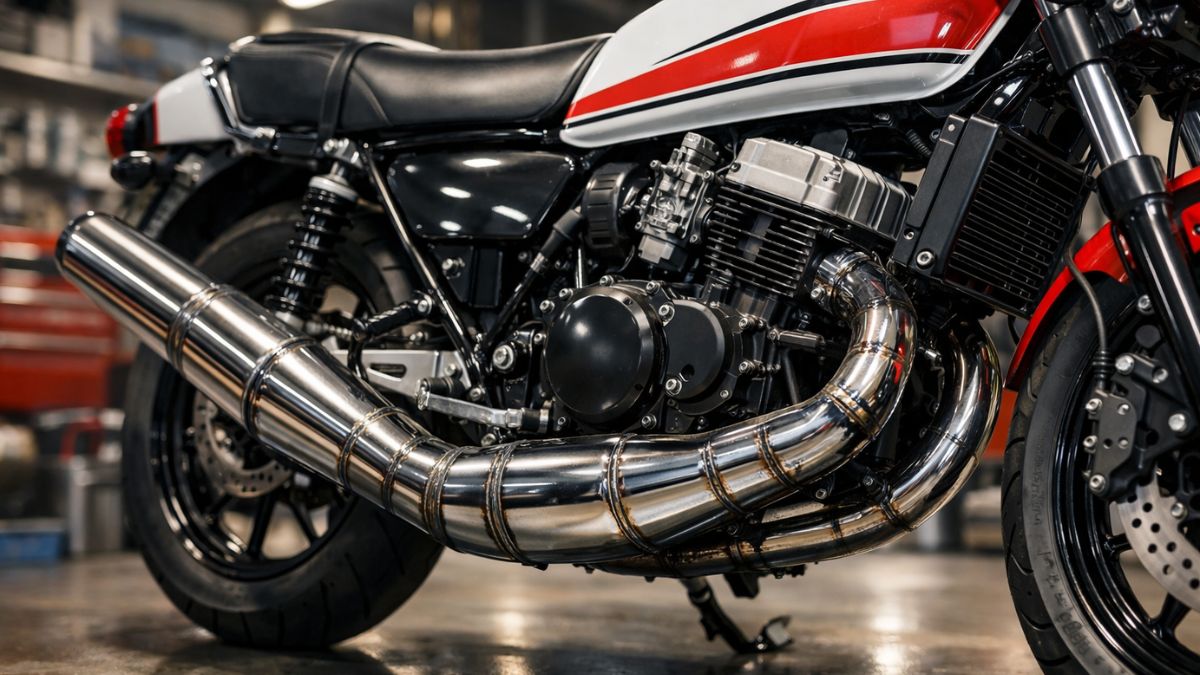
For motorcycle enthusiasts who love classic two-stroke machines, the escapamento RD is more than just an exhaust pipe. It plays a major role in how the bike performs, sounds, and even looks. Riders who own Yamaha RD motorcycles often upgrade the exhaust system to unlock more power and improve throttle response.
The right exhaust system can dramatically change the riding experience. A well-designed performance exhaust helps optimize airflow, increase horsepower, and enhance the distinctive sound that two-stroke motorcycles are famous for.
In this guide, you’ll learn everything about RD exhaust systems, including how they work, the different types available, performance benefits, installation tips, and common mistakes riders should avoid.
What Is an RD Exhaust System?
An RD exhaust system refers to the performance exhaust designed for Yamaha RD series motorcycles, which include iconic models like RD125, RD250, RD350, and RD400.
Two-stroke engines rely heavily on exhaust design to control airflow and combustion efficiency. Unlike four-stroke bikes, the exhaust system in a two-stroke engine directly affects power delivery.
Key Functions of an RD Exhaust
-
Improves engine breathing
-
Increases horsepower and torque
-
Enhances throttle response
-
Produces the classic two-stroke sound
-
Improves engine efficiency
The most recognizable feature of an RD exhaust is the expansion chamber, which is carefully shaped to maximize engine performance.
Souvite Cooking Guide: How Precision Water Bath Cooking Creates Perfect Meals
How Two-Stroke Exhaust Systems Work
Two-stroke engines operate differently from four-stroke engines. Instead of using separate intake and exhaust strokes, both processes happen almost simultaneously.
Because of this design, the exhaust system plays a crucial role in managing engine airflow.
The Role of the Expansion Chamber
An expansion chamber is the most important part of a performance RD exhaust.
It works by:
-
Allowing exhaust gases to expand rapidly
-
Creating pressure waves inside the chamber
-
Pushing unburned fuel back into the cylinder
-
Increasing combustion efficiency
This process significantly boosts engine power.
Why Exhaust Shape Matters
The exact shape and length of the expansion chamber determine the engine’s power band.
A well-tuned exhaust can:
-
Increase peak horsepower
-
Improve mid-range power
-
Enhance acceleration
That’s why RD riders often invest in performance exhaust upgrades.
Types of RD Exhaust Systems
Different riders choose different exhaust styles depending on their performance goals.
Common RD Exhaust Types
| RD Exhaust Type | Performance Level | Best For | Sound Profile |
|---|---|---|---|
| Stock RD Exhaust | Standard | Daily riding | Moderate |
| Expansion Chamber Exhaust | High | Performance tuning | Aggressive |
| Racing Exhaust | Very High | Track use | Very loud |
| Custom Performance Exhaust | Variable | Custom builds | Unique |
1. Stock Exhaust
Stock exhaust systems are designed for reliability and balanced performance.
Advantages include:
-
Quiet operation
-
Good fuel economy
-
Long durability
However, they often restrict performance.
2. Expansion Chamber Exhaust
This is the most popular upgrade for RD motorcycles.
Benefits include:
-
Improved power output
-
Faster throttle response
-
Iconic two-stroke sound
Many RD enthusiasts consider this the best upgrade for performance.
3. Racing Exhaust
Racing exhaust systems are built specifically for track use.
They are:
-
Extremely lightweight
-
Designed for maximum power
-
Often louder than standard systems
However, they may not be ideal for everyday riding.
4. Custom Exhaust Systems
Custom exhaust builds allow riders to tune their bikes exactly the way they want.
These systems often feature:
-
Hand-welded pipes
-
Custom expansion chambers
-
Unique sound profiles
Performance Benefits of Upgrading an RD Exhaust
Upgrading the exhaust system is one of the most effective performance modifications for RD motorcycles.
Key Performance Gains
| Performance Factor | Stock Exhaust | Performance RD Exhaust |
|---|---|---|
| Horsepower | Standard | Increased |
| Acceleration | Moderate | Faster |
| Throttle Response | Normal | Sharper |
| Engine Efficiency | Basic | Improved |
Improved Engine Power
A well-designed expansion chamber allows the engine to burn fuel more efficiently, which leads to higher power output.
Better Acceleration
Performance exhaust systems improve the bike’s power band, allowing faster acceleration.
Reduced Weight
Many aftermarket exhaust systems are lighter than stock exhausts, which improves overall bike performance.
Enhanced Sound
Two-stroke motorcycles are known for their distinctive exhaust note. A performance exhaust enhances this sound while improving engine response.
How to Choose the Best RD Exhaust
Choosing the right exhaust depends on several factors.
Factors to Consider
| Selection Factor | Why It Matters | Recommendation |
|---|---|---|
| Motorcycle Model | Different RD models require different exhaust sizes | Check compatibility |
| Riding Style | Daily riding vs racing | Choose accordingly |
| Material | Affects durability and weight | Stainless steel preferred |
| Noise Level | Important for street legality | Moderate exhausts for street use |
Match the Exhaust to Your Bike
Always choose an exhaust designed specifically for your RD model.
Common compatible models include:
-
RD125
-
RD250
-
RD350
-
RD400
Consider Your Riding Style
If you mostly ride on public roads, a balanced performance exhaust is the best choice.
For racing or performance builds, a full expansion chamber system may be ideal.
Installation Guide for RD Exhaust Systems
Installing a new exhaust system is relatively straightforward if you have basic mechanical skills.
Basic Installation Steps
-
Allow the engine to cool completely
-
Remove the old exhaust system
-
Inspect mounting brackets and gaskets
-
Install the new exhaust pipe
-
Secure all bolts tightly
-
Test the engine and check for leaks
Tools You May Need
-
Socket wrench set
-
Screwdrivers
-
Exhaust gasket kit
-
Protective gloves
Professional installation is recommended if you are not comfortable working on motorcycle engines.
Pros and Cons of RD Exhaust Upgrades
Pros
-
Increased engine performance
-
Improved throttle response
-
Classic two-stroke sound
-
Lightweight design
-
Better riding experience
Cons
-
Can increase noise levels
-
May require carburetor tuning
-
Higher cost for premium systems
-
Some racing exhausts are not street legal
Common Mistakes Riders Make
Many riders install performance exhaust systems without considering the full tuning process.
Mistakes to Avoid
1. Ignoring Carburetor Tuning
After installing a new exhaust, carburetor adjustments may be necessary to maintain the correct fuel-air mixture.
2. Buying Low-Quality Exhaust Systems
Cheap exhaust systems often reduce performance instead of improving it.
3. Incorrect Installation
Improper mounting can cause exhaust leaks and performance issues.
4. Ignoring Compatibility
Always ensure the exhaust fits your specific RD model.
Best Practices for RD Exhaust Performance
To get the most out of your exhaust upgrade, follow these expert tips.
Maintain Proper Engine Tuning
A performance exhaust works best when combined with:
-
Proper carburetor jetting
-
High-quality fuel
-
Regular engine maintenance
Use Quality Components
Choose exhaust systems from reputable manufacturers known for RD performance parts.
Inspect the Exhaust Regularly
Check for:
-
Loose bolts
-
Exhaust leaks
-
Rust or corrosion
Regular maintenance ensures long-term performance.
Conclusion
The escapamento RD is one of the most important upgrades for riders who want to unlock the true potential of their Yamaha RD motorcycle. Because two-stroke engines rely heavily on exhaust design, choosing the right system can dramatically improve performance, acceleration, and overall riding experience.
From classic expansion chambers to racing exhaust systems, there are many options available depending on your goals. By selecting the right exhaust, installing it correctly, and tuning your engine properly, you can transform your RD motorcycle into a powerful and responsive machine.
For motorcycle enthusiasts who love performance and classic two-stroke sound, upgrading the RD exhaust is one of the best modifications you can make.
FAQs
What is an escapamento RD?
An escapamento RD is a performance exhaust system designed for Yamaha RD motorcycles. It improves engine power, airflow, and throttle response.
Does upgrading an RD exhaust increase horsepower?
Yes. A performance expansion chamber exhaust can significantly increase horsepower by improving engine airflow and combustion efficiency.
Is an expansion chamber necessary for RD motorcycles?
While not mandatory, expansion chamber exhausts are widely used because they maximize two-stroke engine performance.
Do I need carburetor tuning after installing a new RD exhaust?
In many cases, yes. Performance exhaust systems may require carburetor adjustments to maintain the proper air-fuel mixture.
Are racing RD exhaust systems street legal?
Some racing exhaust systems are not street legal due to high noise levels. Always check local regulations before installation.
-

 TOPIC1 year ago
Why Large Waterproof Outdoor Rugs Are Essential for All Outdoor Spaces
-

 TOPIC1 year ago
7 Expert Tips For Choosing The Best Basement Renovation Companies
-

 TOPIC8 months ago
Top 5 Features of Googlediqiu You Didn’t Know About
-

 FASHION1 year ago
How to Layer Your White Dress for Cold Weather?
-

 TOPIC9 months ago
Why Greece Katz Martian Has Everyone Talking in 2025
-

 BUSINESS11 months ago
Top 5 Features of Sowix Online That Every User Should Know About
-

 TOPIC10 months ago
Top Features of BetterThisWorld .com You Need to Know About
-

 FINANCE1 year ago
How TraceLoans Can Simplify Your Finances