
TECHNOLOGY
Smart Solutions For Safer Roads: How Modern Auto Glass Improves Driving Safety


The Role Of Auto Glass In Vehicle Safety
Auto glass is one of the most underappreciated advancements in automotive safety over the past few decades. Once regarded simply as a means to shield occupants from wind, rain, and debris, today’s auto glass is the invisible guardian that supports structural integrity and enhances occupant protection. Modern windshields serve as a critical safety barrier, absorbing and distributing the kinetic energy from collisions, thereby helping vehicles better withstand real-world impacts. When seeking out proper protection and repairs, it’s essential to choose an auto glass shop committed to using high-quality materials and installation techniques to optimize these life-saving features. These advanced glass technologies can mean the difference between a minor accident and a life-altering collision.
Recent studies and auto safety regulations have highlighted the growing reliance on laminated glass in vehicle engineering. Modern glazing materials contribute significantly beyond mere comfort and aesthetics: they have been proven to reduce serious injuries and fatalities by keeping passengers safer during rollovers and side impacts. Laminated glass provides extra reinforcement, forming a durable barrier that resists penetration, prevents shattering, and even supports airbag systems when deployed. These features aren’t just theoretical—their real-world performance has resulted in significant improvements in survival rates and injury reduction on modern roads.
How Modern Glass Improves Visibility
Clear sight is foundational for every driver, whether it’s a daily commute or a cross-country adventure. The evolution of auto glass now ensures that visibility remains unobstructed, no matter the driving conditions. Specialized chemical treatments help modern windshields resist scratches, reduce wear, and fight buildup from road grime over time. Meanwhile, advanced hydrophobic coatings work by causing rain to bead quickly and roll off the glass, maintaining a clean field of view even during the heaviest thunderstorms. This is a game-changer, especially on highways where split-second decisions can have critical outcomes.
Additionally, improvements in automatic tinting and multi-layered glass have taken comfort and safety to the next level. State-of-the-art anti-glare laminates protect drivers from blinding sunlight and oncoming headlights, while UV-filtering technology shields eyes and skin from harmful rays. These enhancements not only contribute to comfort on long drives but also reduce fatigued reaction times and boost overall attention behind the wheel. With every detail of the windshield engineered for clarity, drivers can trust that unexpected hazards will stay visible and manageable in virtually any environment.
Smart Features: Heads-Up Displays And Sensors
The modern vehicle is smarter than ever, and auto glass plays a central role in that innovation. Heads-up displays (HUDs) now project essential driving data directly onto the windshield, letting drivers monitor speed, navigation, and alerts at a glance. This technology allows motorists to keep their eyes on the road while processing critical information, which studies have shown to reduce accidents related to driver distraction. The integration of HUDs into auto glass demonstrates how safety and convenience now go hand in hand.
Beyond HUDs, sensors embedded in windshields open the door to additional innovative features. Rain-sensing wipers, for example, automatically activate with the first sign of moisture and adjust their speed according to the intensity of the rainfall. Some vehicles also feature auto-dimming glass that reacts to bright sunlight, and built-in thermal sensors provide defrosting and de-icing without driver intervention.
Crash Protection: Structural Integrity Matters
It’s easy to think of a windshield as just a sheet of glass, but its structural importance can’t be overstated. In a collision, the windshield acts as a load-bearing component, helping to prevent roof collapse, especially during rollovers. Laminated glass, in particular, is designed to maintain its shape and integrity even when shattered, keeping passengers better protected from flying debris. A compromised windshield undermines the vehicle’s entire safety architecture, reducing the effectiveness of airbags and increasing the risk of ejection.
Empirical crash data illustrate these benefits. Vehicles with modern, high-strength glass show a marked reduction in severe injury statistics and fatalities, thanks to their ability to support up to 45% of a car’s roof during emergencies. Robust auto glass doesn’t just meet regulatory requirements—it provides peace of mind, knowing that you’re shielded by one of the most forward-thinking layers of your car’s safety system.
Weatherproofing And Noise Reduction
Anyone who’s driven through a hailstorm or heavy crosswind understands the value of well-designed auto glass. Today, acoustic glass sandwiches sound-dampening layers between panes, transforming even the noisiest routes into a calm and focused drive. Families, daily commuters, and business travelers alike appreciate this quieter environment, which can reduce stress and fatigue, especially over longer journeys.
The impact of modern weatherproofing technology reaches even further. Laminated auto glass now typically includes multiple coatings that repel water, prevent fogging, and block nearly all harmful ultraviolet and a significant percentage of infrared rays. According to a recent update on auto glass safety technology, these advancements help keep car interiors cooler, protect dashboard materials, and minimize the risk of skin damage, especially for those spending extended periods behind the wheel. With resilience against both elements and time, today’s glass is engineered for both lifetime durability and comfort.
Maintenance: Why Quick Repairs Matter
Even the toughest windshield is only as strong as its weakest chip. Small cracks or starburst fractures might appear insignificant, but can progressively expand due to vibration, temperature changes, or minor impacts. Once a crack grows, it not only impedes visibility but also jeopardizes the structural role of the entire windshield. Auto glass specialists advise immediate assessment and repair to prevent minor issues from escalating into significant safety hazards. According to USA Today, one common misconception is that all cracks require full replacements, when in fact, many can be safely and effectively repaired.
Advances in resin technology enable many chips and cracks to be repaired quickly, restoring the original strength and clarity of the glass, especially when detected early. It’s wise for drivers to visually inspect their windshields after storms, gravel incidents, or sudden changes in temperature. Staying proactive with maintenance not only extends the life of the glass but also helps preserve the car’s crashworthiness and full value over time.
Choosing The Right Auto Glass Service
Choosing an auto glass service should go beyond convenience and price. Quality shops use OEM (original equipment manufacturer) or OE-equivalent glass, which meets precise standards for strength, clarity, and fit. This guarantees the replacement glass not only integrates seamlessly but also performs as designed in accident scenarios. Trusted technicians utilize specialty adhesives and adhere to strict installation protocols recommended by auto manufacturers, ensuring that each repair or replacement meets factory safety standards.
It’s worthwhile for car owners to ask about certifications, glass sourcing, and installer training before scheduling service. A focus on quality means you can drive away confident that your car’s primary safety barriers remain uncompromised, prepared to protect you wherever the road may lead.
Empowering Owners To Make Safe Choices
Modern auto glass represents a critical leap forward in both passive and active vehicle safety. Features that seemed futuristic just a few years ago—such as integrated displays, advanced coatings, and embedded sensors—are now everyday essentials found in family minivans and commercial fleets alike. Car owners who educate themselves on these technologies can make smarter decisions about repairs, upgrades, and ongoing maintenance, ensuring their vehicle’s safety features remain fully functional.
Routine inspections, fast response to damage, and insistence on high-quality repairs are the best ways to benefit from the impressive advancements found in contemporary auto glass. With a blend of emerging technology and proven engineering, today’s drivers enjoy a safer, more connected journey—one protected by an invisible shield on every mile.

Introduction
When working with complex systems, the concept of a subsystem number plays a crucial role in organization, tracking, and efficiency. Whether you’re dealing with software architecture, engineering frameworks, or IT infrastructure, understanding how subsystem numbering works can simplify operations and improve clarity.
In simple terms, a subsystem number is a unique identifier assigned to a smaller component within a larger system. It helps teams categorize, manage, and communicate system elements effectively. In this guide, we’ll explore what subsystem numbers are, how they work, and how you can use them effectively.
What Is a Subsystem Number?
A subsystem number is a structured identifier used to distinguish different parts of a larger system. It allows each component to be tracked individually while still maintaining its relationship with the main system.
Key Characteristics
- Unique identifier for each subsystem
- Often follows a hierarchical structure
- Used in engineering, software, and system design
- Improves traceability and organization
Simple Example
Imagine a car manufacturing system:
- System: Vehicle Production
- Subsystem 1: Engine Assembly
- Subsystem 2: Electrical System
- Subsystem 3: Interior Design
Each subsystem can then be further divided and numbered.
The Rise, Fall, and Comeback of Bitni Spirs: A Complete Story
Why Subsystem Numbers Matter
Subsystem numbers are not just labels—they are essential for managing complexity.
Benefits at a Glance
- Improves system organization
- Enhances communication between teams
- Simplifies troubleshooting
- Supports scalability
Quick Breakdown Table
| Benefit | Description | Impact Level |
|---|---|---|
| Organization | Structures complex systems clearly | High |
| Traceability | Tracks components easily | High |
| Collaboration | Helps teams communicate efficiently | Medium |
| Maintenance | Simplifies debugging and updates | High |
How Subsystem Numbering Works
Subsystem numbering typically follows a hierarchical structure. This structure allows systems to be broken down into smaller, manageable parts.
Common Numbering Formats
1. Sequential Numbering
- Simple and linear
- Example: 1, 2, 3, 4
2. Hierarchical Numbering
- Shows relationships between components
- Example: 1.1, 1.2, 2.1
3. Alphanumeric Systems
- Combines letters and numbers
- Example: ENG-01, SYS-A2
Comparison Table of Numbering Systems
| Format Type | Best For | Complexity | Example |
|---|---|---|---|
| Sequential | Small systems | Low | 1, 2, 3 |
| Hierarchical | Large structured systems | Medium | 1.1, 2.3 |
| Alphanumeric | Mixed environments | High | SYS-A1 |
Where Subsystem Numbers Are Used
Subsystem numbers appear in many industries and applications.
Software Development
- Microservices architecture
- API categorization
- Module tracking
Engineering
- Mechanical systems
- Electrical layouts
- Manufacturing processes
IT Infrastructure
- Network segmentation
- Server management
- Data center organization
Practical Example
In a software system:
- System 1: User Management
- 1.1 Authentication
- 1.2 Authorization
- 1.3 User Profiles
This structure makes navigation and debugging much easier.
How to Create an Effective Subsystem Numbering System
Designing a good numbering system requires planning and consistency.
Step-by-Step Framework
| Step | Action | Purpose |
|---|---|---|
| 1 | Define main system | Establish scope |
| 2 | Break into subsystems | Create logical divisions |
| 3 | Choose numbering format | Ensure consistency |
| 4 | Document structure | Improve usability |
| 5 | Maintain and update regularly | Keep system relevant |
Best Practices
- Keep it simple and scalable
- Use consistent formatting
- Avoid overly complex codes
- Document everything clearly
Pros and Cons of Using Subsystem Numbers
Advantages
- Enhances clarity in complex systems
- Supports better documentation
- Makes troubleshooting faster
- Improves scalability
Disadvantages
- Can become complex if poorly designed
- Requires maintenance over time
- Initial setup may take effort
Common Mistakes to Avoid
Even though subsystem numbering is powerful, mistakes can reduce its effectiveness.
Frequent Errors
- Using inconsistent numbering formats
- Overcomplicating the structure
- Failing to document the system
- Ignoring scalability
- Not updating numbers when systems change
Example of a Bad System
- Mixing formats like: 1, A2, 3.1 randomly
- No clear hierarchy
Best Practices for Long-Term Success
To ensure your subsystem number system remains effective, follow these proven strategies:
Keep It Logical
Each number should reflect a clear structure and relationship.
Prioritize Scalability
Design your system so new subsystems can be added without disruption.
Use Documentation
Maintain a central reference for all subsystem numbers.
Standardize Across Teams
Ensure everyone uses the same system consistently.
Review Regularly
Update numbering as systems evolve.
Real-World Example
Let’s consider a cloud infrastructure system:
- System 1: Cloud Platform
- 1.1 Compute Services
- 1.2 Storage Services
- 1.3 Networking
Each of these can expand further:
- 1.1.1 Virtual Machines
- 1.1.2 Containers
This structured approach makes scaling seamless.
Conclusion
A well-designed subsystem number system is essential for managing complex systems efficiently. It brings clarity, improves communication, and supports long-term scalability. While it may seem simple at first, the impact of proper subsystem numbering is significant across industries.
By following best practices, avoiding common mistakes, and using structured formats, you can create a system that grows with your needs and enhances overall efficiency.
FAQs
1. What is a subsystem number?
A subsystem number is a unique identifier used to label and organize parts of a larger system.
2. Why is subsystem numbering important?
It improves organization, communication, and system maintenance.
3. What is the best numbering format?
Hierarchical numbering is often the most effective for complex systems.
4. Where are subsystem numbers commonly used?
They are used in software development, engineering, and IT infrastructure.
5. How do you create a subsystem numbering system?
Define the system, break it into parts, choose a format, and maintain consistency.

Aviation has always been a symbol of human ingenuity, and modern aircraft represent the pinnacle of engineering and design. From cutting-edge fighter jets to ultra-efficient commercial airliners, today’s aircraft combine speed, technology, and safety like never before. Advances in materials, aerodynamics, and propulsion systems have allowed manufacturers to push the boundaries of what flight can achieve.
The Evolution of Modern Aircraft
The modern aircraft era is defined by efficiency, precision, and innovation. Unlike earlier planes that relied heavily on simple aerodynamic designs and metal frameworks, today’s aircraft use lightweight composites, advanced alloys, and complex computer systems. Precision is key, and aerospace manufacturers often rely on aerospace precision machining to craft the components that keep these planes performing at peak levels. Every turbine blade, fuselage panel, and wing joint requires meticulous engineering to meet rigorous safety and performance standards.
Top Modern Aircraft of Today
1. Boeing 787 Dreamliner
The Boeing 787 Dreamliner revolutionized commercial aviation with its fuel efficiency and passenger comfort. Its lightweight composite structure and advanced aerodynamics allow for longer flights with less fuel. Beyond efficiency, the Dreamliner features larger windows, better cabin pressure, and enhanced humidity, providing a more comfortable experience for passengers on long-haul journeys.
2. Airbus A350 XWB
Airbus responded with the A350 XWB, a long-range aircraft designed for both performance and passenger comfort. Its carbon-fiber fuselage and wings reduce weight while increasing efficiency. High-tech avionics and quieter engines make it one of the most environmentally friendly and comfortable aircraft flying today.
3. Lockheed Martin F-35 Lightning II
The F-35 Lightning II is a multirole fighter jet that exemplifies the latest in military aviation technology. Featuring stealth capabilities, advanced sensors, and supersonic speed, it serves as a key asset for air forces around the world. The precision required in its production highlights the importance of aerospace engineering and precision machining to meet exacting tolerances.
4. Gulfstream G700
For private aviation, the Gulfstream G700 sets the standard for luxury and range. Capable of flying non-stop for more than 7,500 nautical miles, it combines aerodynamic efficiency with cutting-edge cabin technology, offering a flying experience that rivals five-star accommodations.
5. Airbus H160 Helicopter
Not all modern aircraft soar like jets. The Airbus H160 represents a leap forward in rotorcraft design, featuring a sleek, low-noise fuselage and advanced rotor system. Its versatility makes it ideal for commercial transport, emergency services, and offshore missions.
Innovations Driving Modern Aviation
Modern aircraft are more than metal and engines—they are technological masterpieces. Innovations in materials, such as carbon composites and titanium alloys, reduce weight and increase durability. Aerodynamic designs, powered by wind tunnel testing and computational modeling, optimize lift while minimizing drag. Engines are quieter, more fuel-efficient, and less polluting than ever before, helping the aviation industry meet sustainability goals.
Digital technology also plays a critical role. Fly-by-wire systems, advanced avionics, and real-time monitoring improve safety and efficiency. In manufacturing, aerospace precision machining ensures that each part meets exacting tolerances, guaranteeing reliability in the harshest conditions. From cockpit controls to landing gear assemblies, precision engineering underpins every aspect of modern flight.
The Future of Flight
Looking forward, modern aircraft will continue to evolve. Electric propulsion, hybrid engines, and autonomous flight systems are on the horizon. Urban air mobility, including air taxis and personal drones, could reshape how we move within cities. Hypersonic commercial aircraft may eventually make transcontinental travel measured in hours instead of days.
The evolution of aircraft demonstrates a consistent theme: humans strive to fly faster, farther, and more efficiently. With every new design, engineers, pilots, and manufacturers collaborate to combine safety, performance, and innovation, creating aircraft that not only meet today’s demands but anticipate tomorrow’s challenges.
In Conclusion
Modern aircraft are the embodiment of human ambition, combining technology, comfort, and precision. From the Dreamliner to the F-35, today’s planes push the limits of speed, efficiency, and design. Behind the scenes, advanced manufacturing techniques, including aerospace precision machining, make these marvels possible. As aviation continues to advance, one thing remains certain: the skies will never cease to inspire awe and innovation.

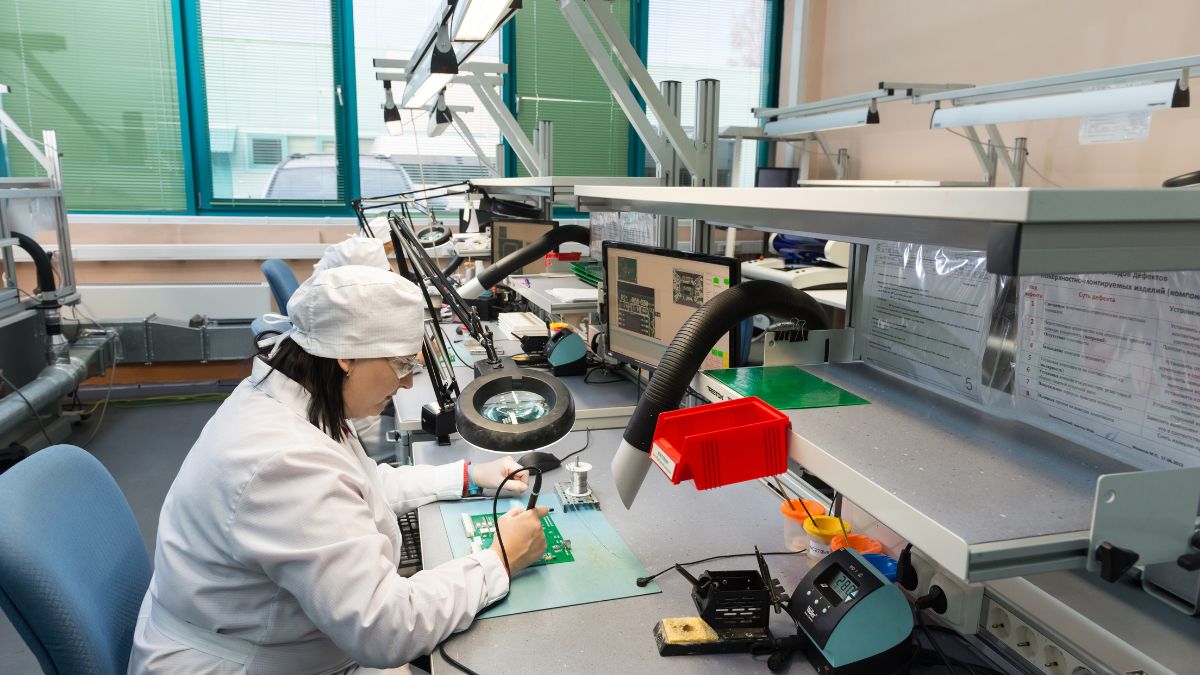
Medical device manufacturing is evolving rapidly, spurred by innovation and the push to increase precision and efficiency. Today’s manufacturers must meet stringent standards while adapting to new technologies that reshape traditional assembly lines. Companies at the forefront of these changes are leveraging cutting-edge processes and materials to make devices safer and more reliable. For a closer look at advancements in device assembly, visit viantmedical.com to explore specialized capabilities. From digitized factories to sustainable practices, breakthrough developments are transforming how devices are built and validated. As the sector faces growing global demands, regulatory scrutiny, and the expectation of superior patient outcomes, assembly processes are more sophisticated than ever. These advances benefit manufacturers and healthcare providers, enabling faster time-to-market and enhanced product safety while meeting environmental and safety requirements.
Integration of AI and Machine Learning
Artificial intelligence and machine learning are transforming quality assurance across modern assembly processes, enabling unprecedented precision and efficiency. AI-powered vision systems can inspect thousands of components in real time, identifying even the smallest defects that could compromise performance or safety. Machine learning-driven predictive analytics enable manufacturers to anticipate potential issues and proactively address them before they escalate into equipment failures, product recalls, or costly downtime. This transition from traditional manual inspection to automated, data-driven monitoring has been shown to reduce scrap rates by up to 30 percent, according to industry reports. Additionally, integrating AI into quality workflows reinforces adherence to standards such as ISO 13485, ensuring regulatory compliance, improving traceability, and establishing a stronger framework for risk management and continuous improvement throughout the production lifecycle.
Collaborative Robots in Assembly Lines
The adoption of collaborative robots marks a significant departure from legacy automation, as these robots are designed to work side-by-side with humans rather than replace them. Cobots handle repetitive or ergonomically challenging tasks, freeing skilled operators to focus on complex problem-solving or process improvements. Meanwhile, built-in safety features ensure humans and robots can collaborate without compromising worker safety. Productivity improvements of up to 25 percent have been observed in hybrid assembly environments, and such transitions also yield higher morale and job satisfaction among team members. Cobots thus serve as a bridge between manual expertise and scalable automation.
Digital Twin Technology
Digital twin technology enables process designers and engineers to build precise digital models of medical devices and their assembly workflows. With these virtual replicas, organizations can simulate device behavior under various stressors and environmental conditions before actual production begins. This approach accelerates product development and validation cycles, lowering prototyping costs by up to 15 percent and providing data-rich documentation for regulatory submissions. Adoption of digital twins supports quality assurance and regulatory compliance, especially as global manufacturers strive to meet evolving FDA guidelines and international standards. According to projections, as many as 70 percent of leading manufacturers are on track to implement digital twins by 2025.
IoT-Enabled Smart Factories
The Internet of Things (IoT) has ushered in an era of unprecedented transparency and control on the assembly floor. Smart sensors and networked equipment share a constant flow of data, from real-time output and inventory levels to machinery status and process variables. This enhances process monitoring, enables predictive maintenance, and supports decision-making grounded in up-to-date production intelligence. As a result, some facilities have seen equipment failure incidents drop by half, while maintenance expenses are also trimmed by up to 40 percent. IoT-driven smart factories thus create cascading benefits: reduced unplanned downtime, optimized production runs, and greater agility in responding to supply chain disruptions.
Biocompatible Materials and Sustainable Practices
Material science remains a cornerstone of modern assembly innovation, driving advances in both performance and safety. Emphasis on biocompatibility and sustainability is leading to the development of medical-grade polymers, specialty alloys, and hybrid materials that interact safely with human tissue, minimizing risks of infection, rejection, or adverse reactions in implants, wearables, and other medical devices. Regulatory frameworks are becoming increasingly stringent, with the FDA and international agencies prioritizing sustainable sourcing, greener manufacturing processes, and full traceability of materials. By integrating eco-friendly supply chains, companies not only enhance patient safety but also reduce environmental impact. These innovations promise a future in which cutting-edge medical technology coexists with responsible, sustainable practices, ensuring that health outcomes and ecological responsibility advance hand in hand.
Conclusion
Medical device assembly is undergoing a transformation, driven by technological convergence across AI, robotics, digital modeling, and connectivity. As manufacturers prioritize high standards for efficiency, compliance, and sustainability, they build a pathway for rapid yet reliable delivery of life-changing healthcare solutions. Ongoing innovation in assembly processes not only addresses today’s challenges but also lays the foundation for enduring advancements in patient care and safety worldwide.
-

 TOPIC1 year ago
Why Large Waterproof Outdoor Rugs Are Essential for All Outdoor Spaces
-

 TOPIC8 months ago
Top 5 Features of Googlediqiu You Didn’t Know About
-

 TOPIC1 year ago
7 Expert Tips For Choosing The Best Basement Renovation Companies
-

 FASHION1 year ago
How to Layer Your White Dress for Cold Weather?
-

 TOPIC9 months ago
Why Greece Katz Martian Has Everyone Talking in 2025
-

 BUSINESS11 months ago
Top 5 Features of Sowix Online That Every User Should Know About
-

 TOPIC10 months ago
Top Features of BetterThisWorld .com You Need to Know About
-

 FINANCE1 year ago
How TraceLoans Can Simplify Your Finances