
TOPIC
The 7.3 Powerstroke Engine Guide

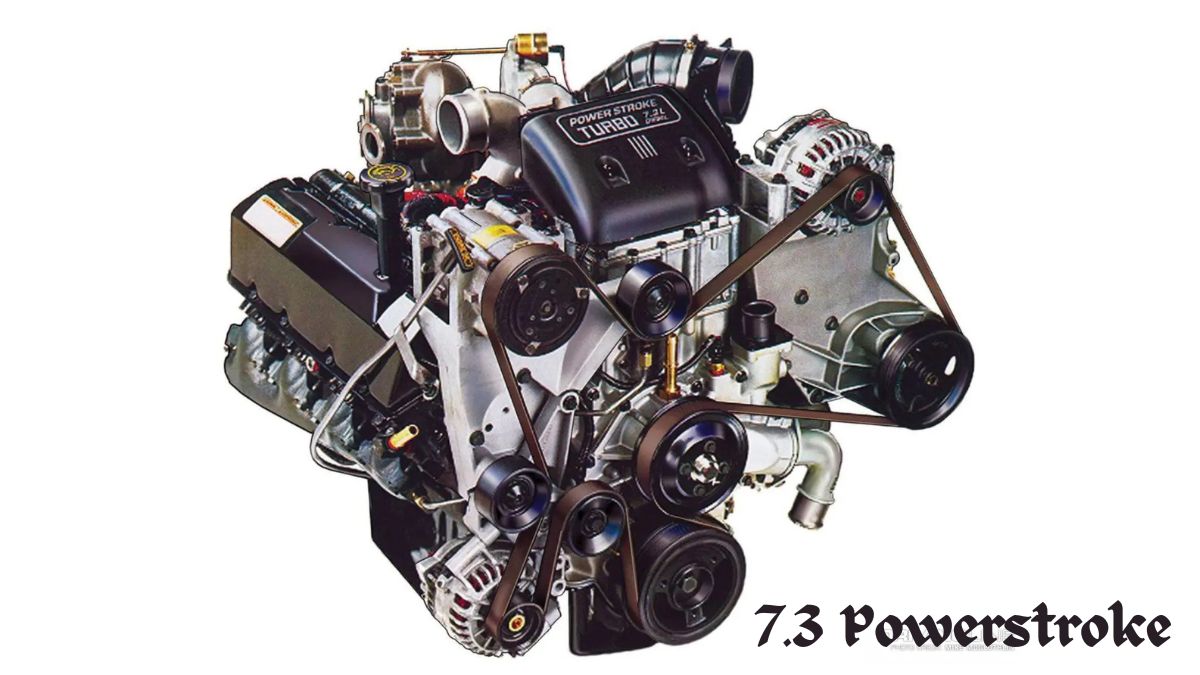
Are you the proud owner of a 7.3 Powerstroke or thinking about buying one? If so, you’re in good company! Known as “the workhorse,” the 7.3 Powerstroke engine is famous in the diesel world for its legendary reliability, raw power, and unmatched longevity. Its reputation has stood the test of time, making it a favorite among truck enthusiasts, contractors, and anyone who needs serious torque for towing or hauling.
This blog post dives into everything you need to know about the 7.3 Powerstroke, including its unbeatable features, common maintenance tips, and upgrades to make yours unstoppable. Whether you’re obsessed with diesel engines or new to owning one, this guide will give you the tools you need to keep your 7.3 Powerstroke performing at its best.
What Makes the 7.3 Powerstroke Engine Special?
Pick almost any community of diesel enthusiasts, and you’ll hear glowing stories about the Ford-built 7.3 Powerstroke engine. Originally launched in 1994 and powered by the partnership with Navistar International, this engine became an icon during its production run, which ended in 2003. But why is the 7.3 Powerstroke still celebrated two decades later?
1. Durability You Can Count On
This engine was built to last—and that’s not an exaggeration. The cast-iron block and forged steel components make the 7.3 Powerstroke ridiculously tough. Many owners report crossing the 500,000-mile mark without major issues. Treat it well, and it will outlast most trucks on the road today!
2. Raw Power and Towing Capacity
This turbo-diesel V8 produces up to 275 horsepower and 525 lb-ft of torque (on later models). The result? Unmatched power for towing trailers, boats, or construction equipment. Whether you’re hauling a camper for a long road trip or pulling a full load of gravel, the 7.3 Powerstroke handles the job with ease.
3. Simple Yet Effective Design
Unlike modern diesel engines packed with emissions-related components that can cause headaches, the 7.3 Powerstroke was built with simplicity in mind. Without complicated exhaust gas recirculation (EGR) or diesel particulate filters (DPF), this engine is easier to maintain and repair, saving you both time and money.
4. Ease of Maintenance and Repairs
Parts for the 7.3 Powerstroke are widely available, and there’s a robust community of enthusiasts online ready to share tips and tricks. Because it’s such a straightforward engine, even a DIY mechanic can tackle many maintenance tasks with the right tools and guidance.
Essential Maintenance for Your 7.3 Powerstroke
Owning a 7.3 Powerstroke means you’ve already got a beast of an engine under the hood. But keeping it in peak condition requires regular maintenance. Here are some must-follow tips to ensure your engine’s longevity and performance.
1. Regular Oil Changes Are Non-Negotiable
Oil changes are the lifeblood of any diesel engine, but especially for the 7.3 Powerstroke. Aim to change your oil every 5,000 miles or 200 hours of engine use, making sure to use high-quality diesel engine oil. This will keep your injectors lubricated and prevent unnecessary wear and tear.
2. Fuel Filters—Replace on Time
Diesel fuel can sometimes carry contaminants that clog your fuel system. To protect your injectors and overall performance, replace the fuel filter every 15,000 miles or as specified in your truck’s manual. Trust us—neglecting this simple task can lead to costly repairs.
3. Check (and Replace) Glow Plugs
Glow plugs help start your diesel engine, particularly in colder climates. If you notice difficulty starting your truck in winter, faulty glow plugs could be to blame. Test and replace them as needed to ensure reliable starts every time.
4. Inspect and Clean the Turbo
The turbocharger is a key part of the 7.3 Powerstroke’s power delivery, but regular use can lead to carbon build-up. Inspect and clean the turbo periodically to maintain peak performance and boost response.
5. Cooling System Maintenance
Overheating is rare for a 7.3 Powerstroke, but not impossible. Regularly check the coolant level, and replace it every two to three years. Address leaks immediately to prevent damage to internal components.
Upgrades to Take Your 7.3 Powerstroke to the Next Level
Want to go from “good” to “unstoppable”? With a few simple upgrades, you can unlock your 7.3 Powerstroke’s full potential.
Performance Upgrades
- Cold Air Intake
A cold air intake system improves airflow to your engine, resulting in better combustion and a boost in horsepower. Popular options like the AFE Power Intake Kit are specifically designed for longevity and efficiency.
- Turbocharger Upgrade
If you’re after serious power, upgrading your turbo can provide incredible performance gains. Look for kits tailored to the 7.3 Powerstroke, like Garrett Turbo Chargers.
- Upgraded Injectors
High-flow injectors can significantly increase torque and horsepower. Combine these with a custom tune to optimize engine performance without sacrificing reliability.
Longevity Upgrades
- Aftermarket Intercooler
An upgraded intercooler helps maintain lower engine temperatures, especially when towing heavy loads or driving in hot climates.
- Fuel Additives
Consider adding diesel fuel additives to your regular fill-ups. These can help clean your injectors, prevent gelling in cold weather, and improve overall engine efficiency.
- Exhaust System Upgrade
Switching to a high-performance exhaust system improves exhaust flow and reduces back pressure, leading to better fuel economy and performance.
Top Reasons to Love the 7.3 Powerstroke Community
Owning a 7.3 Powerstroke isn’t just about the truck; it’s about being part of an incredible community. From online forums to local meet-ups, the support and friendship you’ll find are unmatched.
Here’s how to connect with fellow enthusiasts and make the most of your experience:
- Online Forums
Check out resources like the Ford Truck Enthusiasts forum or PowerStroke.org to engage with other owners who can answer your questions and swap ideas.
- Social Media Groups
Join groups on platforms like Facebook, where members post everything from tips to funny memes about the shared joys (and occasional pains) of owning a 7.3 Powerstroke.
- Local Events
Keep an eye out for local truck shows or diesel expos where you can showcase your ride and pick up inspiration from others.
Keep the Power Going Strong
The 7.3 Powerstroke truly stands as a legend in the world of diesel engines. Its durability, raw power, and ease of maintenance make it a timeless choice for anyone who demands top-notch performance from their truck. By staying proactive with maintenance, considering upgrades, and tapping into the vibrant 7.3 Powerstroke community, you can keep your engine roaring for years to come.

Introduction to Zombiu Zeme
Zombiu Zeme is more than just a game; it’s an experience that has captivated the hearts of gamers worldwide. With its unique blend of horror and survival mechanics, Zombiu Zeme takes players on a thrilling journey through a post-apocalyptic landscape filled with zombies and treacherous environments.
But what lies beneath the surface of Zombiu Zeme? There are layers to this survival horror title that many fans may not even be aware of. From its intriguing origins to the cultural influences woven into its narrative, Zombiu Zeme offers surprises at every turn. Whether you’re a seasoned player or new to the franchise, you’re bound to discover something fascinating in this exploration of five surprising facts about Zombiu Zeme.
The History and Origins of the Game
Zombiu Zeme burst onto the gaming scene in 2012, captivating players with its intense survival-horror atmosphere. Developed by Ubisoft Montpellier and released initially for the Wii U, the game quickly gained a reputation for its brutal difficulty and immersive design.
The developers drew inspiration from classic zombie cinema and survival horror traditions. Interestingly, Zombiu Zeme was originally conceived as a technical showcase for the Wii U GamePad’s capabilities. What began as a demonstration evolved into a fully realized survival horror experience set in a haunting post-apocalyptic London.
Below is a breakdown of key historical milestones in Zombiu Zeme’s development:
| Year | Milestone | Impact on Zombiu Zeme |
|---|---|---|
| 2011 | Early development phase | Concept created as Wii U tech demo |
| 2012 | Official release on Wii U | Established cult survival horror following |
| Post-launch | Community feedback & updates | Strengthened replay value and challenge reputation |
The evolution of Zombiu Zeme reflects how technical innovation can give birth to genre-defining gameplay mechanics.
Unique Gameplay Features in Zombiu Zeme
What truly sets Zombiu Zeme apart from other zombie games is its uncompromising survival mechanics. The most notable feature is the permadeath system. When your character dies in Zombiu Zeme, that character is permanently gone. You respawn as a new survivor and must retrieve your lost gear from your previous zombified body.
Scavenging is critical. Supplies are scarce, and every decision in Zombiu Zeme carries real weight. Inventory management is not optional—it’s survival.
Core Gameplay Mechanics Comparison
| Feature | Zombiu Zeme | Traditional Zombie Games |
|---|---|---|
| Permadeath | Yes – character loss is permanent | Rarely implemented |
| Resource Management | High strategic importance | Often simplified |
| Melee Combat Focus | Strong emphasis | Usually firearm-heavy |
| Real-Time Inventory | Uses second-screen mechanics | Standard pause menus |
Another innovative element is environmental storytelling. Clues, notes, and subtle world-building details scattered across London encourage players to uncover hidden narratives. Multiplayer modes, including cooperative and competitive play, add depth and replayability to Zombiu Zeme.
These systems combine to create tension that few modern survival horror games replicate.
Cultural Influences in Zombiu Zeme
Zombiu Zeme is steeped in layered cultural references. While set in London, the game also draws thematically from broader zombie mythology and global folklore traditions.
The zombie concept itself has roots in Caribbean folklore, particularly Haitian traditions. While Zombiu Zeme modernizes the undead into fast-moving infected creatures, echoes of traditional spiritualism and apocalyptic fear remain embedded in its atmosphere.
The urban decay of post-apocalyptic London also reflects themes of societal collapse, class tension, and historical continuity. Environmental details—from abandoned landmarks to hidden underground zones—add authenticity and narrative depth.
Cultural and Narrative Influences in Zombiu Zeme
| Influence Type | Representation in Zombiu Zeme | Player Impact |
|---|---|---|
| Caribbean Zombie Lore | Thematic inspiration for undead mythos | Adds historical depth |
| British Urban Setting | Post-apocalyptic London | Realistic, immersive atmosphere |
| Survival Horror Tradition | Resource scarcity & tension | Heightened psychological fear |
These influences give Zombiu Zeme a distinctive identity beyond standard zombie shooters.
Controversies Surrounding Zombiu Zeme
Despite its praise, Zombiu Zeme has not been without controversy.
One major debate centered on its extreme difficulty. Some players praised Zombiu Zeme for its uncompromising survival mechanics, while others criticized it as unnecessarily punishing. This sparked wider discussions about accessibility versus artistic intent in game design.
Violence portrayal also became a point of concern among critics who questioned whether the graphic content limited broader appeal.
Additionally, marketing expectations versus actual gameplay caused friction at launch. Some players expected a faster-paced action title and were surprised by the slow, tactical survival emphasis of Zombiu Zeme.
Yet ironically, these controversies helped cement its cult reputation.
Fan Theories and Easter Eggs in Zombiu Zeme
Zombiu Zeme continues to inspire speculation and analysis years after release.
Players have uncovered subtle references to classic horror films and hidden developer nods embedded throughout the environment. Some fans theorize that certain NPC messages hint at alternate endings or deeper conspiracies within the game’s lore.
Easter eggs reward careful exploration. Hidden rooms, cryptic messages, and environmental anomalies suggest that Zombiu Zeme contains more secrets than initially apparent.
The game’s ambiguous storytelling encourages discussion, theory crafting, and community engagement—fueling its long-term popularity.
Why Zombiu Zeme Continues to Captivate Gamers Worldwide
Zombiu Zeme stands out because it demands patience, strategy, and emotional resilience. Unlike power-fantasy shooters, it forces players to feel vulnerable.
Its permadeath system, cultural layering, immersive London setting, and psychological tension combine to create a deeply memorable experience.
The controversies surrounding Zombiu Zeme only amplified discussion. Meanwhile, hidden secrets and fan theories continue to drive replayability.
Ultimately, Zombiu Zeme remains relevant because it challenges players—not just mechanically, but emotionally.
Frequently Asked Questions About Zombiu Zeme
1. What makes Zombiu Zeme different from other zombie games?
Zombiu Zeme stands out due to its permadeath mechanic, strategic inventory management, and high difficulty level, creating a more intense survival horror experience.
2. Was Zombiu Zeme originally exclusive to Wii U?
Yes, Zombiu Zeme was first released on the Wii U and was designed to showcase the console’s GamePad functionality.
3. Is Zombiu Zeme based on real zombie folklore?
While not directly adapted from folklore, Zombiu Zeme draws thematic inspiration from global zombie mythology, including Caribbean traditions.
4. Why is Zombiu Zeme considered difficult?
The game features limited resources, permanent character death, and strong enemy AI, making survival genuinely challenging.

Introduction to the Fetid Key OSRS
If you’re diving into the thrilling world of Old School RuneScape, chances are you’ve heard whispers about the elusive fetid key OSRS players constantly seek. This unique item unlocks a treasure chest filled with potential riches and rewards, making it highly sought after by adventurers across Gielinor.
But farming the fetid key OSRS isn’t just about luck—it’s about strategy, preparation, and efficiency. Whether you’re an experienced PvMer or just progressing through mid-game content, mastering the art of obtaining this key opens the door to exciting loot and consistent profit potential. Ready to optimize your grind? Let’s get started.
Understanding the Mechanics of Farming the Fetid Key
Farming the fetid key OSRS revolves around understanding drop mechanics and monster behaviors in the relevant dungeon areas. The key is dropped by specific creatures, and knowing which ones offer the best drop efficiency dramatically improves results.
Each eligible monster has different drop rates. Identifying high-efficiency targets allows you to minimize downtime and maximize kills per hour.
It’s also vital to consider respawn timers and positioning. Some enemies respawn quickly, making them ideal for continuous farming, while others create unnecessary gaps in combat flow.
Fetid Key Drop Strategy Comparison
| Monster Type | Combat Level | Relative Drop Rate | Kill Speed | Recommended For |
|---|---|---|---|---|
| Mid-tier Corrupted Creatures | 60–80 | Moderate | Fast | Mid-level players |
| High-tier Corrupted Creatures | 90+ | Higher | Slower | High DPS builds |
| Multi-combat Areas | Varies | Moderate | Very Fast (AOE) | Experienced players |
Tracking your kills per hour and keys obtained helps identify patterns. Over time, you can refine your fetid key OSRS farming route for maximum efficiency.
Patience and consistency remain essential—drop-based farming always rewards persistence.
Preparation for Farming: Recommended Levels and Equipment
Preparation significantly impacts how efficiently you can obtain the fetid key OSRS.
Aim for:
-
Combat level 70+ minimum
-
43+ Prayer (for protection prayers)
-
60+ Attack/Strength or Ranged for smooth kills
Equipping solid gear ensures survivability and faster clears.
Recommended Gear Setup for Fetid Key OSRS Farming
| Slot | Budget Option | Mid-Tier Option | High-Tier Option |
|---|---|---|---|
| Weapon | Dragon Scimitar | Abyssal Whip | Ghrazi Rapier |
| Armor | Rune Armor | Barrows Set | Bandos Armor |
| Helmet | Helm of Neitiznot | Serpentine Helm | Faceguard |
| Food | Sharks | Karambwans | Saradomin Brews |
| Potions | Super Attack/Strength | Prayer Potions | Super Combat + Prayer |
Bringing prayer potions reduces damage taken and increases sustain, allowing longer trips per inventory. Efficient trip length is key to optimizing fetid key OSRS farming sessions.
Also, keep inventory space clear for loot. Overloading slows down banking cycles and reduces kills per hour.
Tips and Tricks for Efficiently Farming the Fetid Key
Maximizing efficiency while farming the fetid key OSRS requires more than strong stats.
Optimize Movement:
Use teleportation methods that minimize downtime between trips. Quick banking equals more kills per hour.
Use Protection Prayers Wisely:
Reducing incoming damage extends trip duration and lowers food usage.
Inventory Management:
Carry only essentials. Extra space means fewer interrupted runs.
Consider Multi-Combat Areas:
If your build supports it, AOE methods can significantly increase key drop opportunities per hour.
Track Performance:
Monitor kills/hour and keys obtained. Small adjustments to positioning or monster selection can dramatically improve fetid key OSRS drop consistency.
Team farming with clanmates also speeds up kills while making the grind more engaging.
Alternate Methods for Obtaining the Fetid Key
While traditional monster farming is the primary method, alternative approaches can supplement your fetid key OSRS grind.
Some in-game activities and events occasionally provide indirect opportunities for similar loot structures. Additionally, engaging in group PvM content may increase overall profit, allowing you to purchase equivalent rewards instead of farming directly.
Alternative Approaches Overview
| Method | Efficiency | RNG Dependent | Recommended For |
|---|---|---|---|
| Direct Monster Farming | High | Yes | Focused grinders |
| Group PvM for GP | Moderate | Moderate | Profit-focused players |
| Event-Based Opportunities | Low | High | Casual players |
| Trading for Resources | Variable | Market Dependent | Wealthy accounts |
Exploring alternative gold-making methods can sometimes outperform direct farming depending on your account build and market conditions.
Utilizing the Loot from the Fetid Chest
Opening the Fetid Chest is one of the most exciting moments after securing a fetid key OSRS.
Loot can vary widely, including:
-
Valuable alchables
-
Rare gear components
-
Crafting materials
-
Stackable resources
Strategic use of loot determines your long-term gains.
If aiming for profit, selling high-value drops through the Grand Exchange can generate consistent GP. If progressing your account, reinvesting loot into gear upgrades improves future farming speed—creating a powerful progression loop.
The more efficiently you farm the fetid key OSRS, the more sustainable and profitable this cycle becomes.
Conclusion: Mastering the Art of Farming the Fetid Key in OSRS
Farming the fetid key OSRS is both rewarding and strategic. Understanding drop mechanics, optimizing gear, and refining farming routes dramatically improves results.
With proper preparation, smart trip management, and consistent performance tracking, you can turn this grind into a reliable source of loot and progression.
Master each element, and you’ll confidently dominate the fetid key OSRS farming process while maximizing every chest you unlock.
Frequently Asked Questions About Fetid Key OSRS
1. What is the fastest way to get the fetid key OSRS?
The fastest method is targeting high-efficiency corrupted monsters with strong DPS gear and minimal downtime between trips.
2. Is the fetid key OSRS worth farming for profit?
Yes, depending on drop RNG and market prices. Efficient farming combined with strong kill rates can generate consistent GP.
3. What combat level is recommended for fetid key OSRS farming?
A minimum of 70 combat is recommended, though 85+ significantly improves survivability and kill speed.
4. Can Ironman accounts farm the fetid key OSRS efficiently?
Yes. With proper preparation and sustainable gear setups, Ironman accounts can reliably farm the key for progression.
Introduction to Dirt Laytonville
Nestled in the heart of Northern California, Dirt Laytonville is a hidden gem waiting to be discovered. This charming town offers a perfect blend of rustic charm, rich history, and breathtaking natural beauty. Whether you’re seeking adventure or relaxation, Dirt Laytonville has something for everyone.
Imagine exploring scenic trails that wind through lush forests or enjoying tranquil moments by the riverbank. With its unique attractions and welcoming community vibe, this quaint town invites you to experience an unforgettable weekend getaway.
Pack your bags and get ready to uncover what makes Dirt Laytonville a must-visit destination. The allure of this captivating spot promises memories that will last long after you’ve returned home.
History and Background of the Town
Dirt Laytonville boasts a rich tapestry of history, woven through the quiet streets and lush landscapes. Founded in the late 19th century, it began as a small settlement primarily focused on agriculture and timber.
The town’s name reflects its earthy charm. Early settlers found themselves captivated by the area’s fertile soil, perfect for farming. Over time, Dirt Laytonville grew into a vibrant community with diverse cultural influences.
Local folklore tells tales of pioneers who shaped this hidden gem amidst California’s redwoods. As you stroll through town today, remnants of that history can be felt in its architecture and preserved sites.
This unique blend of past and present lends an inviting atmosphere to visitors exploring what was once just a modest outpost. The stories embedded within Dirt Laytonville create an enchanting backdrop for any weekend adventure.
Unique Attractions and Activities in Dirt Laytonville
Dirt Laytonville is a hidden gem for outdoor enthusiasts and adventure seekers. Nestled in the heart of Mendocino County, it offers a plethora of unique attractions that are perfect for every kind of traveler.
Nature lovers can explore stunning hiking trails surrounded by lush forests and breathtaking views. The nearby Eel River provides opportunities for swimming, fishing, and kayaking.
For those looking to immerse themselves in local culture, visit the charming art galleries showcasing works from talented local artists. The vibrant community often hosts events that highlight its rich heritage.
If you’re seeking something more exhilarating, check out the dirt bike trails that wind through scenic landscapes—ideal for both beginners and seasoned riders alike.
Don’t miss out on visiting small family-owned farms where you can learn about sustainable agriculture while enjoying fresh produce straight from the source.
Local Cuisine and Dining Options
Dirt Laytonville offers a delightful culinary scene that reflects its rustic charm. Local cafes and restaurants serve up hearty, home-cooked meals made with fresh ingredients sourced from nearby farms.
Start your day at a cozy breakfast spot where pancakes are fluffy and coffee is brewed to perfection. For lunch, try the signature sandwiches piled high with local meats and veggies. Each bite celebrates the region’s flavors.
In the evenings, indulge in dining options that range from casual eateries to more upscale experiences. Expect dishes inspired by seasonal produce and classic recipes passed down through generations.
Don’t miss out on dessert either; local bakeries whip up mouthwatering treats that will satisfy any sweet tooth. Whether you’re relaxing after a day of adventure or enjoying an intimate dinner, Dirt Laytonville’s dining scene promises something for everyone.
Accommodation Choices for Your Stay
Dirt Laytonville offers a variety of accommodation choices to suit every traveler’s taste and budget. For those who crave a rustic experience, cozy cabins tucked away in the woods provide the perfect retreat. Imagine waking up to birdsong and sipping coffee on your private porch.
If you prefer something more modern, charming bed-and-breakfasts are scattered throughout the area, offering personalized service and delicious homemade breakfasts. The hosts often share local insights that can enhance your visit.
For adventure seekers, camping sites near scenic spots allow for an immersive outdoor experience under starry skies.
Traveling with friends or family? Consider renting a spacious vacation home where everyone can unwind together after exploring Dirt Laytonville’s natural beauty. With various options available, finding the right place to rest during your getaway is easy and enjoyable.
The Best Time to Visit Dirt Laytonville
The best time to visit Dirt Laytonville largely depends on what you’re seeking. Spring brings vibrant wildflowers and mild weather, making it ideal for outdoor enthusiasts. Hikers can explore the surrounding trails as nature awakens.
Summer is perfect for those who love warm days filled with sunshine. It’s the season for local events that showcase community spirit and creativity. Grab a seat at one of the outdoor festivals, where you can mingle with locals.
Fall offers stunning foliage, transforming the landscape into a canvas of oranges and reds. The crisp air invites cozy evenings by the fire pit after an adventure-filled day.
Winter sees fewer crowds, allowing visitors to experience a tranquil pace in this charming town. Plus, you might catch some light snowfall—a rare but delightful sight! Each season unveils a unique charm waiting to be discovered in Dirt Laytonville.
How to Get There and Getting Around
Reaching Dirt Laytonville is straightforward. Nestled in the heart of Northern California, it’s easily accessible by car. If you’re driving from San Francisco, expect about a two-and-a-half-hour journey along scenic highways.
Public transportation options are limited, so having a vehicle can enhance your experience. This way, you can explore the lush landscapes and hidden gems surrounding the town at your own pace.
Once you’re in Dirt Laytonville, getting around is simple. The town isn’t large; most attractions are within walking distance. You’ll find charming pathways that invite exploration.
If you’re keen on venturing beyond the town limits to hike or visit nearby vineyards, consider renting a bike or using rideshare services for convenience. Embrace spontaneity as you discover local spots tucked away from popular routes; each turn might lead to an unexpected delight waiting just for you.
Tips for a Memorable Weekend in Dirt Laytonville
To make the most of your time in Dirt Laytonville, start by immersing yourself in nature. Bring hiking boots for exploring scenic trails that wind through lush forests and offer stunning views.
Don’t miss out on local events or festivals happening during your visit. Check community boards or social media pages to catch unique happenings that showcase the town’s vibrant culture.
Engage with locals; they often have hidden gems to share about their favorite spots. You might discover a cozy café or a picturesque picnic area off the beaten path.
For photography enthusiasts, sunrise and sunset provide magical lighting for capturing breathtaking landscapes.
Take some time to unwind at one of the charming parks throughout town. Enjoy a leisurely stroll while soaking in Dirt Laytonville’s serene atmosphere—it’s an experience you won’t forget.
Conclusion
Dirt Laytonville is a hidden gem waiting to be explored. With its rich history, unique attractions, and charming local culture, it offers something for everyone. Whether you’re an outdoor enthusiast looking for adventure or a foodie eager to indulge in local cuisine, this town has you covered.
As you navigate through the lush landscapes and engage with the friendly locals, you’ll find that Dirt Laytonville isn’t just a destination; it’s an experience. From cozy accommodations to delightful dining options, your weekend getaway will leave you rejuvenated and inspired.
Don’t miss out on this opportunity to discover all that Dirt Laytonville has to offer. Pack your bags and get ready for an unforgettable escape into nature’s embrace!
-

 TOPIC1 year ago
7 Expert Tips For Choosing The Best Basement Renovation Companies
-

 TOPIC1 year ago
Why Large Waterproof Outdoor Rugs Are Essential for All Outdoor Spaces
-

 TOPIC9 months ago
Why Greece Katz Martian Has Everyone Talking in 2025
-

 FASHION1 year ago
How to Layer Your White Dress for Cold Weather?
-

 BUSINESS10 months ago
Top 5 Features of Sowix Online That Every User Should Know About
-

 TOPIC10 months ago
Top Features of BetterThisWorld .com You Need to Know About
-

 FINANCE1 year ago
How TraceLoans Can Simplify Your Finances
-

 BIOGRAPHY1 year ago
From Reality Star to Business Mogul: Prince Narula Digital PayPal