
ENTERTAINMENT
The Best Thriller Movies to Watch at the end of 2024

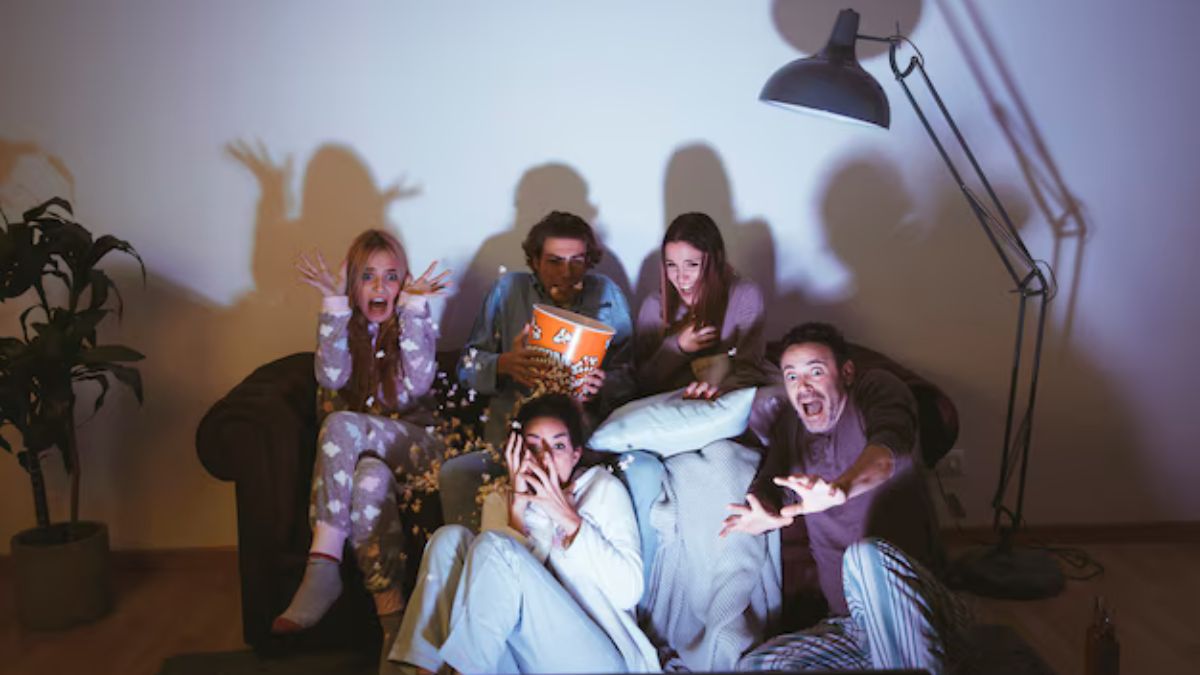
Feel like giving yourself an adrenaline rush but don’t want to get up from your couch? What better way to do that than to sit back and enjoy a good thriller movies? Lucky for us, 2024 has been a good year from a thriller movies perspective, since it had a lot to offer us. Lucky for us, we can stream most of these movies online for a good old-fashioned movie night; all you need is an internet connection that can stream all these movies, lag-free.
If you are looking for such an internet connection, all you need to visit Local Cable Deals so that you can hook yourself up with their immaculate internet service. Once you make sure your internet needs are met and you can stream flawlessly, here are some movies from 2024 that we think you should check out:
- Cocaine Bear
Sounds like a crazy name, doesn’t it? Well, we assure you the movie is just as crazy as the name seems because that is exactly what happens in the movie as well. The movie is set in the year 1985 where a Bear accidentally comes across a bag of cocaine and ends up eating it. As the Bear experiences a high, it ends up going on a killing spree, killing everything that it sees in its way. While the whole concept sounds funny and more comedic and thriller, the movie is a good watch. You can stream the movie right now on Peacock.
- Unseen
Unseen has a different concept and it is a great one to watch. This movie is about a young girl called Sam who works as a cashier at a gas station. One day, Sam randomly gets a call from a girl called Emily who is nearly blind and has little to no vision. Emily is on the run as she is trying to escape from her ex-boyfriend who is trying to take her to the woods so that he could kill her. However, Emily ends up calling Sam miraculously on FaceTime and Sam ends up helping Emily out in whatever way that she can.
Eventually, while on the FaceTime call, Sam starts acting as Emily’s eyes so that she can guide Emily safely out of the woods. The whole experience of watching the movie is so exhilarating; it has you on the edge of your seat throughout the movie.
- The Mother
How far will a female assassin who is also a mother go to save her family? The Mother is about a woman who is on the run as dangerous assailants chase her to kill her. However, she eventually goes into hiding but then she realizes that she cannot hide any longer while her family, including her daughter, is threatened and at risk. She is forced out of hiding and now she has to go on an entire killing spree so that she can ensure the safety of her family. The movie stars Jennifer Lopez, so you can already imagine how good the movie would be!
- Missing
You probably might remember the 2018 movie Searching which as the name states is about searching for someone and the whole movie took place on a computer screen and a phone screen. Missing is a follow-up to Searching and it makes sure to tell the story in the same way which involves a computer screen and a phone screen. This movie is about a young, teenage girl who is trying to look for her mother who went on a trip to Colombia. However, the mother goes missing during her trip and the daughter tries to find out where she is.
In a series of events, the daughter realizes that her mother isn’t really who she thought she was, which changes the whole narrative about things. You should watch the movie to see how things take an interesting turn.
- Knock at the Cabin
The fact that this movie is made by M. Night Shyamalan is enough to tell you how great this movie is. M. Night Shyamalan is also the mastermind behind other brilliant movies such as Unbreakable, Split, and Glass. This movie is adapted from the 2018 book by Paul G. Tremblay called The Cabin at the End of the World. The story revolves around a couple that is on vacation with their young daughter and while they are in a cabin, four people come to them and give them an impossible decision to make which could avert the possible apocalypse coming soon.
Wrapping Up
These are certainly the kinds of movies that you need to watch so that you can get an instant rush of adrenaline. Be sure to watch all of these movies with your friends and your family so that you can make the best out of your time! You can discover more here.
Introduction to CracksTube
CracksTube has emerged as a hot topic in the world of online streaming and downloading. With its promise of free access to a vast library of movies, TV shows, and more, it’s no wonder that many are drawn to it. However, lurking beneath the surface is a complex web of controversies and potential risks that users often overlook. As digital content consumption continues to rise, understanding platforms like CracksTube becomes essential for anyone looking to enjoy media responsibly. So what’s really going on with CracksTube? Let’s dive into everything you need to know before hitting play on this contentious site.
The Controversy Surrounding CracksTube
CracksTube has become a hot topic in the streaming world. Many users are drawn to its vast library of movies and shows, often available for free. However, this convenience comes with significant controversy.
Critics argue that CracksTube operates in a legal gray area. Users may unknowingly infringe on copyright laws by accessing pirated content. This raises ethical questions about supporting creators and the industry as a whole.
Moreover, misinformation about the site’s legitimacy fuels debates among audiences. Some hail it as an innovative platform, while others condemn it as harmful to legitimate services like Netflix or Hulu.
The site’s reputation is further complicated by concerns over security risks. With so many ads and potential malware lurking behind links, users must navigate a minefield just to enjoy their favorite films and series safely.
Potential Legal Risks of Using CracksTube
Using CracksTube can expose users to various legal risks. The platform is known for hosting copyrighted material without permission, which directly violates intellectual property laws. Engaging with such content could lead to serious repercussions.
Users may find themselves facing fines or even criminal charges in some cases. Law enforcement agencies actively monitor illegal streaming sites, and catching individuals accessing these platforms is not uncommon.
Additionally, internet service providers (ISPs) have the ability to track user activity online. If caught, they might send warning notices or throttle your connection as a consequence of using services like CracksTube.
The potential legal troubles don’t just stop at penalties; there’s also the risk of malware infection when downloading from unverified sources associated with these sites. This adds another layer of concern for anyone considering engaging with this kind of platform.
Alternatives to CracksTube for Streaming and Downloading Content
If you’re looking for safe and legal alternatives to CracksTube, several options stand out. Services like Netflix and Hulu offer a vast library of movies and TV shows, catering to diverse tastes.
For those who prefer free content, Tubi and Crackle provide ad-supported streaming without the risk of legal repercussions. They’re perfect for casual viewing without breaking the bank.
Another great option is YouTube, where independent creators upload engaging content regularly. From documentaries to web series, there’s something for everyone.
Don’t overlook platforms like Amazon Prime Video or Disney+. They come with subscription fees but often include exclusive content that you can’t find elsewhere.
Using these legitimate services not only supports creators but also enhances your viewing experience. Enjoy high-quality streams without worrying about potential risks associated with piracy sites.
How to Protect Yourself When Streaming or Downloading Content Online
When streaming or downloading content online, safeguarding your personal information is crucial. Start by using a reliable VPN service. This tool encrypts your internet connection, making it harder for hackers to access your data.
Be wary of public Wi-Fi networks. These hotspots can expose you to various security risks. If possible, stick to secure connections and avoid sensitive transactions on these networks.
Utilizing antivirus software helps shield against malware that can accompany unsafe downloads. Regularly updating this software ensures better protection against emerging threats.
Read reviews about platforms before engaging with them. User experiences often reveal potential red flags or scams associated with certain sites.
Always double-check the legality of the content you’re accessing. Understanding copyright laws in your region will keep you informed and safe while enjoying media online without risking legal consequences.
The Impact of Unethical Streaming and Downloading on the Entertainment Industry
Unethical streaming and downloading create significant challenges for the entertainment industry. Artists, producers, and writers heavily rely on revenue from their creations. When people turn to platforms like CracksTube, they undermine this vital income source.
These actions can lead to a decline in quality content. With less financial support, studios may hesitate to invest in innovative projects or emerging talent. This stagnation affects the entire community of creators who strive to bring unique stories to life.
Moreover, piracy contributes to job losses within the industry. From technicians and editors to marketing professionals—everyone feels the impact when revenues drop due to illegal access.
The ripple effects extend beyond immediate profits; they threaten long-term sustainability in filmmaking and television production. As audiences gravitate toward free options, ethical consumption becomes increasingly important for preserving creativity and diversity in media offerings.
Conclusion: Responsible Consumption of Media in the Digital Age
The digital landscape offers a myriad of ways to consume media. Yet, with this convenience comes a responsibility that cannot be overlooked. Platforms like CracksTube may seem appealing due to their vast libraries and easy access, but they often operate in murky legal waters.
As consumers, it’s essential to understand the implications of our choices. Engaging with content through legitimate channels not only supports creators but also ensures your own safety from potential legal troubles. Ethical consumption fosters a healthier entertainment industry where quality content thrives.
When considering how you engage with media online, think about the broader impact of your actions. Embrace platforms that prioritize legality and ethical standards while enjoying the rich diversity of content available today. Making informed decisions will enrich your viewing experience and contribute positively to the future of media consumption in our increasingly interconnected world.
Introduction to Ralph Macchio
Introduction to ’28 Days Later’
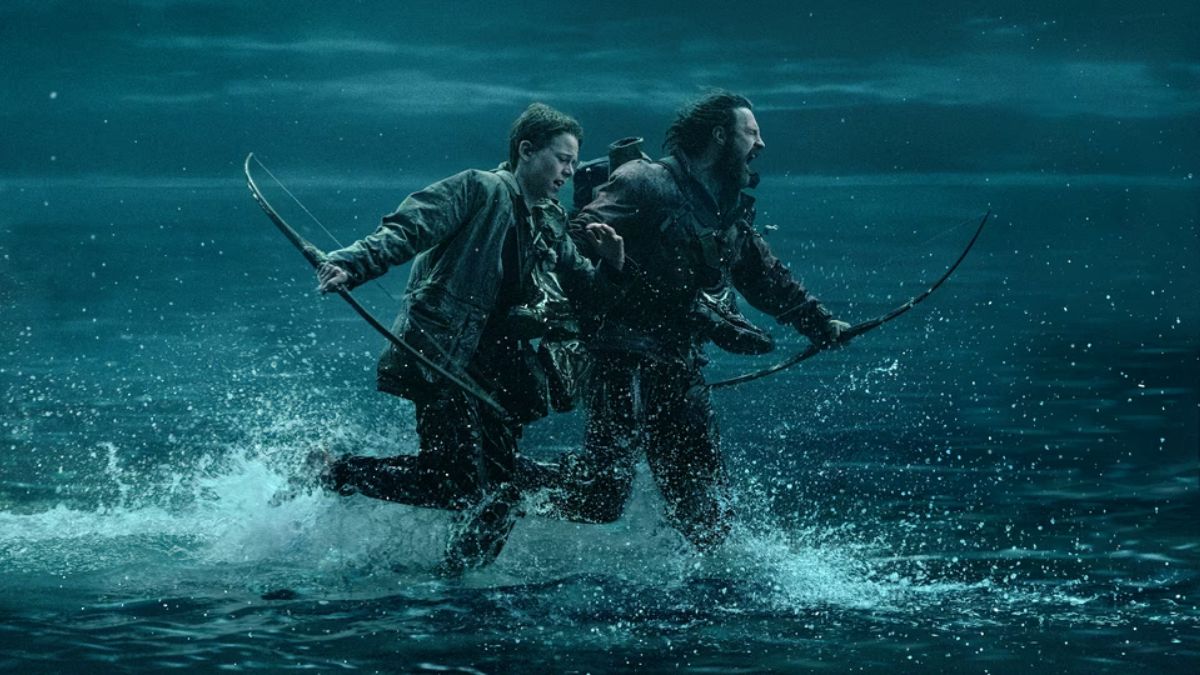
When you think of the modern zombie genre, it’s hard not to mention 28 Days Later. Released in 2002, this groundbreaking horror film redefined what the genre could be. Directed by Danny Boyle and starring Cillian Murphy, 28 Days Later became a cornerstone of contemporary horror cinema.
Set in a deserted London ravaged by a deadly Rage virus, the film took viewers on a pulse-pounding journey through a post-apocalyptic world filled with terrifying infected beings. Its raw energy, emotional weight, and unsettling realism made 28 Days Later more than just a zombie movie—it became a social commentary on humanity, fear, and survival.
Nearly two decades later, the legacy of 28 Days Later continues to shape modern horror films, television, and video games.
Impact of 28 Days Later on the Zombie Genre
Before 28 Days Later, zombies were largely defined by slow, shuffling movements popularized by George A. Romero. Boyle’s film radically altered that formula.
Instead of the traditional undead, 28 Days Later introduced fast-moving, rage-fueled infected humans. This single creative decision reshaped audience expectations and injected urgency into every scene.
Viewers no longer felt safe watching zombies stumble toward their victims. In 28 Days Later, danger sprinted. The infected were relentless, violent, and terrifyingly unpredictable.
Key Differences Introduced by 28 Days Later
| Traditional Zombie Films | 28 Days Later Approach | Impact on Modern Horror |
|---|---|---|
| Slow-moving undead | Fast, aggressive infected | Increased tension and urgency |
| Focus on gore | Focus on survival psychology | Deeper emotional engagement |
| Apocalyptic backdrop | Intimate societal collapse | Character-driven storytelling |
| Clear “monster vs. human” divide | Humans as moral threats too | Complex moral ambiguity |
This transformation influenced later films like Dawn of the Dead (2004 remake) and global blockbusters such as World War Z. Even television hits like The Walking Dead owe part of their intensity and emotional realism to the blueprint laid out by 28 Days Later.
Influence on Cinematography and Visual Aesthetics
One of the most revolutionary aspects of 28 Days Later was its visual style. Shot largely on digital video cameras, the film embraced a gritty, almost documentary-like aesthetic.
Handheld camerawork created immediacy. Viewers felt embedded within the chaos rather than observing from a safe cinematic distance.
The deserted streets of London—most famously the empty Westminster Bridge—were captured with stark realism. Natural lighting and muted color grading amplified feelings of isolation and decay.
Cinematic Techniques That Changed Horror
| Technique Used in 28 Days Later | Purpose | Long-Term Influence |
|---|---|---|
| Digital video cinematography | Raw, realistic tone | Increased use of digital in indie horror |
| Handheld camera movement | Immersive tension | Popular in found-footage and survival horror |
| Natural lighting | Authentic atmosphere | Minimalist horror aesthetics |
| Desaturated color grading | Emphasized despair | Common in post-apocalyptic films |
Modern horror filmmakers adopted these techniques to evoke visceral reactions. The stripped-down realism of 28 Days Later proved that atmosphere and mood could be more powerful than elaborate special effects.
Exploration of Human Nature and Society in 28 Days Later
Beyond its infected antagonists, 28 Days Later is fundamentally about people.
As society collapses, characters are forced to confront fear, grief, and moral compromise. The film challenges viewers to ask: Who are the real monsters?
Rather than presenting a simple battle between survivors and infected, 28 Days Later blurs ethical boundaries. Military figures, survivors, and strangers all reveal darker impulses under pressure.
Themes of Human Fragility
| Central Theme | Representation in 28 Days Later | Relevance Today |
|---|---|---|
| Societal collapse | Empty cities and lawlessness | Reflects pandemic anxieties |
| Moral ambiguity | Survivors making harsh decisions | Questions ethical survival |
| Isolation | Emotional and physical separation | Modern social commentary |
| Rage as contagion | Virus mirrors human aggression | Symbolic of societal unrest |
This philosophical depth elevated 28 Days Later beyond typical horror fare. It encouraged future films to blend psychological inquiry with genre thrills.
Legacy of 28 Days Later in Popular Culture and Media
The cultural footprint of 28 Days Later extends far beyond cinema.
Television series like The Last of Us echo its bleak realism and emotional storytelling. Video games such as Left 4 Dead mirror its frantic energy and aggressive infected.
The film’s DNA is woven into countless apocalyptic narratives. Its vision of an abandoned London remains one of the most iconic images in modern horror.
Even discussions around pandemic fears and viral outbreaks frequently reference the terrifying plausibility depicted in 28 Days Later.
Successes and Failures: Films Inspired by 28 Days Later
The ripple effect of 28 Days Later can be seen across early 2000s horror cinema.
Some films successfully captured its intensity. The 2004 remake of Dawn of the Dead adopted fast-moving infected and sharper pacing, earning both critical and commercial success.
Others struggled to replicate its emotional core. Quarantine attempted similar immediacy but lacked the layered character development that made 28 Days Later so compelling.
Meanwhile, World War Z expanded the infected concept to a global scale, though some critics noted it sacrificed intimacy for spectacle.
These varied outcomes highlight how difficult it is to recreate the balance of tension, realism, and humanity that defines 28 Days Later.
Conclusion: The Enduring Influence of 28 Days Later
The enduring power of 28 Days Later lies in its ability to transcend genre expectations.
It reimagined the zombie archetype, reshaped horror cinematography, and challenged audiences to reflect on human nature during crisis. Its influence remains visible in film, television, and gaming.
More than a horror film, 28 Days Later is a cultural milestone—one that continues to inspire filmmakers and unsettle audiences worldwide.
In every tense silence, every sprinting infected, and every morally complex survivor story, echoes of 28 Days Later still resonate.
Frequently Asked Questions About 28 Days Later
1. Why is 28 Days Later considered revolutionary in horror cinema?
28 Days Later introduced fast-moving infected, digital cinematography, and deep social commentary, redefining the zombie genre and influencing modern horror storytelling.
2. Is 28 Days Later a zombie movie?
While often categorized as a zombie film, 28 Days Later features infected humans rather than traditional undead, making it a hybrid of viral outbreak and horror thriller.
3. How did 28 Days Later influence modern zombie films?
The film popularized aggressive infected, realistic visuals, and morally complex narratives—elements now common in contemporary horror.
4. Who directed 28 Days Later?
28 Days Later was directed by Danny Boyle, known for blending intense realism with emotional storytelling.
-

 TOPIC1 year ago
7 Expert Tips For Choosing The Best Basement Renovation Companies
-

 TOPIC1 year ago
Why Large Waterproof Outdoor Rugs Are Essential for All Outdoor Spaces
-

 TOPIC8 months ago
Why Greece Katz Martian Has Everyone Talking in 2025
-

 BUSINESS9 months ago
Top 5 Features of Sowix Online That Every User Should Know About
-

 FASHION1 year ago
How to Layer Your White Dress for Cold Weather?
-

 TOPIC9 months ago
Top Features of BetterThisWorld .com You Need to Know About
-

 FINANCE1 year ago
How TraceLoans Can Simplify Your Finances
-

 BIOGRAPHY1 year ago
From Reality Star to Business Mogul: Prince Narula Digital PayPal