
TOPIC
The Dos and Don’ts for Keeping Your Drains Clean


We get it: cleaning is a chore. Whether it’s wiping down the counters or vacuuming the rugs, there are very few of us who really enjoy cleaning. That goes double for the potentially particularly unpleasant jobs like dealing with the drains.
Unfortunately, chores are just a part of life. They have to be done, so finding ways to keep on top of them without too much effort is in everyone’s interests. With this concept in mind, here’s four tips on how to keep your drains smelling fresh and flowing free and four things to avoid.
The Importance Of Drain Maintenance
While ignoring the drains until they become a problem is always a temptation, there’s a good number of reasons not to.
Firstly, blockages are disruptive. They can knock a sink, shower or bath out of action when you need it most. You’ll then have to come up with a solution at short notice to get the use of it back. There’s also the chance that a neglected drain will break more fundamentally and that can cause some pretty serious issues.
Emergency repairs are an expensive business that no one wants to deal with. It’s better to just keep things nice and clean and avoid the need for callout fees altogether.
Even if you don’t face a full blockage or, worse, breakage, there are some unpleasant consequences to neglecting your drains:
- Foul odors- bits of food, soap and other things getting trapped and rotting
- Slow drainage- clogs aren’t always a total blockage, and a slow drain is a frustrating experience.
- Overflowing and backups- water is meant to go down the drain. Anything that stops that happening could lead to water damage.
Dos for Keeping Your Drains Clean
Avoiding these situations is actually pretty simple. Keep these tips in mind and you should be able to enjoy free-flowing, sweet-smelling drains for years to come.
Use Strainers
What To Do
Place strainers over sink and shower drains to catch hair, food particles and other bits of debris that could find their way into the drain.
Why It helps
Clogs are made up mostly of these particles, mixed with soap and fats. Keeping the debris out reduces their opportunity to form in the first place.
Flush Drains Regularly
What To Do
Pour boiling water down your drains regularly (once a week, ideally) to clear grease and soap-scum build ups. Alternatively (or supplementary, if you want to be thorough), use baking soda and vinegar to get a natural deep clean.
Why It Helps
Boiling water melts fats and grease, allowing them to slip away down the drain more easily.
Baking soda and vinegar offer a triple cleaning action. First the soda crystals offer a mild abrasive. Then the vinegar brings a mild acid and as they react, the energy released by the bubbles washes away stubborn clogs.
Dispose Of Waste Properly
What To Do
Scape plates into the trash before you start washing them in the sink. Use kitchen tissue to sop up oils, fats and grease. Dispose of coffee grounds in the trash rather than down the drain.
Why It Helps
Clogs are formed of the things that get washed down the drain and food and fat particles are the main offenders. Practicing good drain discipline avoids clogs forming in the first place.
Schedule A Professional Inspection
What To Do
Call in a team of licensed plumbers once a year to take a detailed look at your plumbing system as a whole.
Why It Helps
Not all problems are immediately obvious but almost all of them can be fixed quicker and more cheaply if caught early. A professional eye will be able to find those problems before while they’re still developing rather than when you’re dealing with water all over the floor.
Don’ts For Keeping Your Drains Clean
Maintaining clean drains isn’t just about what you do—it’s also about what you avoid. Following these key “don’ts” can save you from clogs, costly repairs, and plumbing headaches down the line.
Don’t Pour Grease, Oils or Fats Down the Drain
What No To Do
Avoid pouring greasy things, particularly cooking oils, down your sink. While it might be tempting as an easy way of disposing of them, it’ll catch up to you. Instead, learn how to dispose of cooking oil properly to prevent future plumbing issues and environmental damage.
Why It’s Bad
Fats solidify as they cool, coating your pipes and causing clogs. It’s also bad for the municipal sewers- look up fatburgs for a grand-scale version of what’s happening in your drain.
Don’t Use Chemical Drain Cleaners Regularly
What Not To Do
Chemical drain cleaners and unblockers have their place, but that place is not regular usage. Keep them for emergencies.
Why it’s Bad
Firstly, chemical cleaners tend to be overly harsh for regular usage. Eventually, they’ll start to damage the pipework itself, leading to expensive repairs being necessary. Secondly, they’re really not very good for the environment: just think where those nasty chemicals end up when you pour them down the drain.
Don’t Flush Non-Flushable Items
What Not To Do
Avoid flushing baby-wipes, paper towels and hygiene products down the toilet. The only things that should go down there are waste and toilet tissue.
Why It’s Bad
Toilet tissue is designed to break up when it gets wet. Other forms of paper aren’t and won’t break down. This leads to clogs and blockages and an unpleasant job fixing the problem.
Don’t Ignore The Early Signs Of A Clog
What Not To Do
Clogs usually give you some notice before they become a serious issue. Pay attention to the signs before they become serious. You’re looking for things like:
- Slow drains
- Gurgling noises
- Bad smells.
Why It’s Bad
Catching clogs before they become serious makes them a lot easier (and therefore cheaper) to deal with. It’s a lot less work to flush your drain with boiling water or baking soda and vinegar than it is to call out someone who offers reliable plumbing services.
When To Call A Professional
Most drain cleaning tasks can be worked into your weekly or monthly cleaning routines, but sometimes you will need the help of the pros.
If you’re facing recurring issues with the same drains, clogs that you can’t clear or, horror of horrors water pooling under drain pipes, call in the professionals. They’ll have the tools and techniques required, whether that’s a good old-fashioned plunger, snakes and augers or something really advanced like hydro-jetting.
They’ll also be best placed to tell you if the problem isn’t a simple clog and offer advice and solutions for things like tree root intrusion or damaged pipework.
TOPIC
Unlocking the Power of Sosoactive: A Comprehensive Guide to Growth, Engagement, and Monetization
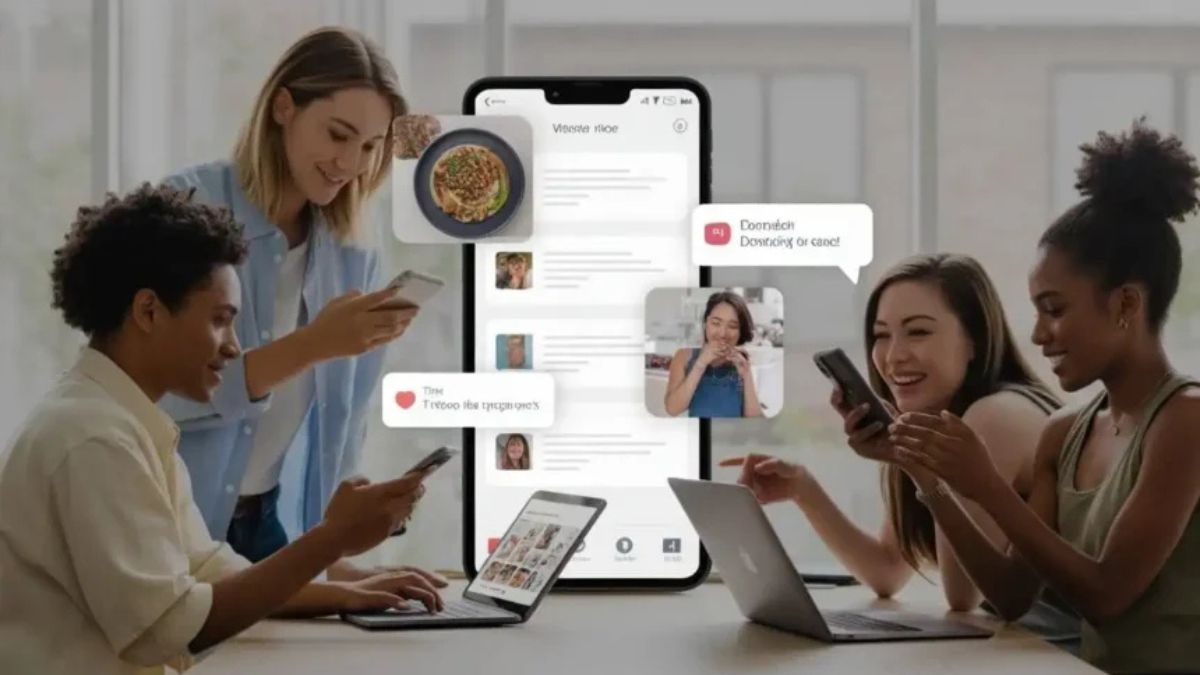
Welcome to the dynamic world of Sosoactive, where creativity meets connection. As social media continues to evolve, platforms like Sosoactive offer fresh opportunities for users and brands alike. This platform is not just about sharing moments; it’s about building communities and engaging with a global audience in meaningful ways.
Imagine a space where your voice matters, trends unfold at lightning speed, and collaboration fuels growth. With its unique features designed for maximum engagement, Sosoactive has quickly become a favorite among content creators and influencers seeking to amplify their reach. Whether you’re looking to establish your personal brand or connect with like-minded individuals, this guide will unlock the full potential of Sosoactive.
Get ready to dive deep into everything you need to know—from setting up an eye-catching profile to monetizing your presence effectively. Explore how hashtags can enhance your visibility and discover strategies for collaborating with influencers who complement your style. It’s time to embrace the vibrant community that awaits you on Sosoactive.
Understanding Sosoactive and Its Features
Sosoactive is a revolutionary platform that merges social interaction with creativity. Unlike traditional social media, it emphasizes authentic connections and meaningful engagement.
Users can share various types of content, including stunning visuals, short videos, and real-time updates. The interface is sleek and user-friendly, making navigation smooth for both newcomers and seasoned creators.
One standout feature is the interactive storytelling option. This allows users to craft narratives through sequential posts or stories that keep followers engaged over time. Additionally, Sosoactive incorporates powerful analytics tools to help you understand your audience better.
The platform also fosters community building through groups centered around interests or themes. This encourages collaboration among users who share similar passions while expanding their network organically. With these features at your fingertips, Sosoactive transforms how we connect online in exciting ways.
Key Features of Sosoactive at a Glance
| Feature | Description | Benefit for Users |
|---|---|---|
| Interactive Storytelling | Sequential posts and stories | Keeps followers engaged over time |
| Built-in Analytics | Audience insights and performance tracking | Helps optimize content strategy |
| Community Groups | Interest-based communities | Encourages collaboration and networking |
| Multimedia Content | Photos, videos, and updates | Increases engagement and creativity |
| Trend Discovery | Trending topics and hashtags | Helps users reach larger audiences |
How to Setup Your Sosoactive Profile
Setting up your Sosoactive profile is straightforward and fun. Start by downloading the app from your preferred store. Once installed, open it and sign up with your email or social media account.
Next, choose a catchy username that reflects your personality or brand. This is crucial for making a memorable impression. Upload a high-quality profile picture; visuals matter in this space.
After that, fill out the bio section succinctly. Use keywords relevant to what you offer on Sosoactive. Highlight your interests or skills to attract followers who share similar passions.
Don’t forget to link any other social media accounts if applicable. This helps users connect with you across platforms easily.
Explore template options for customizing your profile layout. A unique look will enhance user engagement and set you apart from others on Sosoactive.
Profile Optimization Checklist
| Profile Element | Best Practice | SEO & Engagement Benefit |
|---|---|---|
| Username | Use a recognizable brand name | Improves discoverability |
| Profile Photo | High-quality and clear image | Builds trust and recognition |
| Bio Section | Include niche keywords | Helps users understand your content |
| Social Links | Connect other platforms | Expands your digital presence |
| Visual Layout | Customize profile design | Increases profile engagement |
Tips for Maximum Engagement on Sosoactive
To maximize engagement on Sosoactive, authenticity is key. Share content that resonates with your audience. Genuine moments create connections.
Consistency also plays a vital role. Post regularly to keep followers engaged and informed. Develop a schedule that works for you, ensuring fresh content flows steadily.
Interactivity boosts visibility too. Encourage comments and responses by asking questions in your posts. This invites dialogue and fosters community.
Visual appeal matters greatly on Sosoactive. Use high-quality images and vibrant graphics to capture attention quickly. Eye-catching visuals can lead to higher share rates.
Utilize stories effectively; they are perfect for behind-the-scenes glimpses or day-to-day updates. Stories add depth to your profile while keeping followers curious about what’s next.
Analyzing insights can provide valuable feedback on what works best for your audience’s preferences, allowing you to tailor future content accordingly.
Utilizing Hashtags and Trends on Sosoactive
Hashtags are the lifeblood of Sosoactive. They help categorize content and make it discoverable to a wider audience. Using trending hashtags can significantly increase your post’s visibility.
Stay informed about current trends. Engaging with popular topics or challenges allows you to tap into existing conversations. This not only boosts engagement but also connects you with users who share similar interests.
Combine niche-specific hashtags with broader ones for better reach. For example, if you’re sharing fitness tips, use tags like #FitnessJourney alongside #Health or #Wellness.
Don’t overload your posts with too many hashtags; quality over quantity is key. Aim for three to five relevant tags that encapsulate the essence of your content.
Monitor hashtag performance regularly. Adjusting your strategy based on what works best will keep your content fresh and engaging in this dynamic environment.
Effective Hashtag Strategy Framework
| Strategy | How It Works | Expected Result |
|---|---|---|
| Trend Hashtags | Use trending tags relevant to your content | Increased discoverability |
| Niche Hashtags | Target specific communities | More targeted audience |
| Branded Hashtags | Create your own hashtag | Builds brand recognition |
| Performance Tracking | Monitor hashtag analytics | Optimized future posts |
Collaborating with Influencers and Brands on Sosoactive
Collaborating with influencers and brands on Sosoactive can elevate your online presence significantly. It opens doors to new audiences and creates exciting content opportunities.
Finding the right influencer is key. Look for individuals who align with your values and have a genuine connection with their followers. Authenticity matters.
Once you identify potential partners, reach out with clear ideas in mind. Propose campaigns that highlight mutual benefits, such as giveaways or co-hosted events.
Engaging content is crucial during collaborations. Use eye-catching visuals and compelling narratives to captivate users’ attention.
Don’t forget about cross-promotion! Share each other’s posts on various platforms to maximize visibility and engagement.
Track the performance of your collaborations too. Insights into audience interaction can help refine future partnerships for greater impact on Sosoactive.
Monetizing Your Presence on Sosoactive
Monetizing your presence on Sosoactive can transform your passion into profit. The platform offers various avenues to generate income, making it accessible for creators and influencers alike.
First, explore affiliate marketing. By partnering with brands relevant to your niche, you can earn a commission on sales generated through your unique links. This method allows you to recommend products authentically while benefiting financially.
Consider creating premium content as well. Offering exclusive access or behind-the-scenes insights via subscription models attracts dedicated followers willing to pay for additional value.
Additionally, sponsored posts present another lucrative option. Brands often seek out influential voices for collaborations that resonate with their audience. Ensure these partnerships align with your personal brand to maintain authenticity.
Leverage merchandise sales by designing products that reflect your style and message. Engaging fans this way fosters community while creating revenue streams directly tied to their loyalty and interest in what you provide.
Potential Risks and Precautions on Sosoactive
Sosoactive offers exciting opportunities, but it’s essential to be aware of potential risks. Privacy concerns are at the forefront. Sharing personal information can expose you to unwanted attention or even harassment.
Another risk involves misinformation. With so many voices on the platform, distinguishing credible content from misleading posts can be challenging. Always verify claims before sharing them with your followers.
Cyberbullying is another issue that users may encounter. Negative comments or trolling can impact mental well-being. It’s vital to know how to block and report harmful interactions.
Additionally, managing screen time is crucial for maintaining a healthy balance between online and offline life. Set boundaries for usage to prevent burnout.
Taking these precautions ensures a safer experience while navigating the vibrant world of Sosoactive. Being proactive about your safety empowers you in this dynamic social media landscape.
Conclusion: Embracing the Social Media Revolution with Sosoactive
Sosoactive is more than just another social media platform; it’s a dynamic tool that empowers users to connect, engage, and monetize their online presence. As you step into this vibrant space, consider the myriad of features designed to enhance your experience. From setting up your profile to strategizing for maximum engagement, every action counts.
Navigating trends and hashtags can significantly boost visibility. Collaborating with influencers opens doors to new audiences while adding credibility. Plus, if done right, monetization becomes an achievable goal rather than just a dream.
While the opportunities are abundant, it’s crucial to remain vigilant about potential risks as well. Protecting your personal information and staying aware of the platform’s guidelines will ensure a safe experience.
Embracing Sosoactive means stepping into a world where creativity meets opportunity—a realm where anyone can thrive in the social media landscape. Dive in and unlock its power today.
FAQ Section
What is Sosoactive used for?
Sosoactive is a social media platform designed for content sharing, community engagement, and influencer collaborations. Users can create posts, stories, and multimedia content while connecting with audiences worldwide.
How can beginners grow on Sosoactive?
Beginners can grow on Sosoactive by optimizing their profile, posting consistently, using trending hashtags, engaging with followers, and collaborating with creators in their niche.
Can you make money on Sosoactive?
Yes, monetization on Sosoactive is possible through affiliate marketing, sponsored content, brand collaborations, premium subscriptions, and selling merchandise.
What type of content performs best on Sosoactive?
High-quality visuals, short videos, storytelling posts, and trending content usually perform best on Sosoactive, especially when paired with relevant hashtags.
Is Sosoactive safe to use?
Sosoactive is generally safe, but users should protect personal information, report harassment, and follow platform guidelines to maintain a secure online experience.

Introduction to Dopebox and its purpose in the blogging world
Imagine a world where bloggers and brands seamlessly connect, creating authentic partnerships that resonate with audiences. Welcome to the innovative realm of Dopebox. This platform is revolutionizing the blogging landscape by providing unique opportunities for creators and marketers alike. In today’s digital age, blogging isn’t just about sharing thoughts; it’s about building relationships and influencing trends.
As influencer marketing continues to soar, Dopebox stands at the forefront of this evolution. It aims to empower bloggers while enabling brands to reach their target demographics more effectively than ever before. Curious about how this game-changing approach can enhance your blogging journey? Let’s explore the current state of blogging, emerging trends, and what makes Dopebox a vital player in shaping its future.
The current state of blogging and the rise of influencer marketing
Blogging has transformed significantly over the years. Once a personal diary for many, it now represents a vibrant community of content creators. The digital landscape is crowded, and standing out requires more than just quality writing.
Influencer marketing has surged in popularity alongside this evolution. Brands recognize that authentic voices resonate better with audiences than traditional advertising ever could. Bloggers have become trusted sources of information, turning their platforms into powerful marketing tools.
This shift means bloggers are not just writers anymore; they’re trendsetters and brand ambassadors. Their influence can drive purchasing decisions across diverse demographics.
The integration of social media amplifies this effect further. Platforms like Instagram and TikTok allow influencers to connect with followers instantly, creating a dynamic interplay between blogging and real-time engagement. In this environment, authenticity reigns supreme as both brands and bloggers strive to maintain genuine connections with their audiences.
Key differences between traditional blogging and modern influencer blogging
| Feature | Traditional Blogging | Modern Influencer Blogging |
|---|---|---|
| Primary Goal | Personal expression | Audience influence & brand collaboration |
| Monetization | Ads and affiliate links | Brand partnerships and sponsorships |
| Audience Engagement | Comments and email | Social media, reels, and community posts |
| Content Style | Long-form articles | Mixed media (videos, images, short posts) |
| Marketing Strategy | SEO-focused | SEO + influencer marketing platforms like Dopebox |
This transformation highlights why platforms such as Dopebox are becoming essential in the modern blogging ecosystem.
Dopebox’s unique approach to connecting bloggers and brands
Dopebox revolutionizes the way bloggers and brands interact. It acts as a bridge, fostering genuine connections that benefit both parties.
Unlike traditional advertising methods, Dopebox emphasizes collaboration over mere transactions. Bloggers are not just platforms; they’re creative partners in the marketing journey. This approach leads to authentic content creation that resonates with audiences.
Brands can discover diverse voices through Dopebox’s tailored matchmaking process. The platform uses algorithms to align brand values with blogger niches effectively.
This unique focus on synergy cultivates loyalty among followers and encourages engagement beyond simple promotions. As a result, content feels more organic and relatable.
By prioritizing meaningful relationships between influencers and brands, Dopebox is setting new standards in the industry while enhancing the blogging experience for everyone involved.
How Dopebox connects bloggers and brands
| Platform Feature | Benefit for Bloggers | Benefit for Brands |
|---|---|---|
| Smart Matching System | Finds relevant collaborations | Targets the right audience niche |
| Campaign Dashboard | Simplifies campaign management | Tracks influencer performance |
| Monetization Opportunities | Earn through sponsored content | Improved ROI on marketing |
| Collaboration Tools | Easy communication with brands | Efficient campaign coordination |
| Data Insights | Understand audience engagement | Measure marketing effectiveness |
These features make Dopebox a powerful collaboration hub for modern content creators.
Key trends in blogging according to Dopebox
As blogging continues to evolve, several trends are shaping the future of content creation. Dopebox identifies these changes as essential for bloggers and brands looking to stay competitive.
Authenticity is at the forefront. Audiences crave genuine voices over polished personas. Bloggers who showcase real experiences resonate more strongly with readers.
Visual content remains vital. Engaging images, reels, and short-form videos enhance storytelling and increase engagement rates.
Additionally, niche markets are booming. Bloggers who focus on specific topics—such as fitness, technology, travel, or finance—build highly loyal audiences.
Collaboration between bloggers and brands is evolving too. Influencer marketing continues to grow, but partnerships now emphasize shared values rather than just audience reach.
SEO strategies are also adapting. Voice search, conversational keywords, and audience-focused content are becoming essential components of successful blogging strategies.
Emerging blogging trends highlighted by Dopebox
| Trend | Description | Impact on Bloggers |
|---|---|---|
| Authentic Content | Real experiences over scripted promotions | Builds audience trust |
| Niche Blogging | Focus on specialized topics | Attracts loyal followers |
| Short-Form Video | Reels, TikTok, and video snippets | Higher engagement |
| Data-Driven Collaboration | Analytics-based brand partnerships | Better monetization |
| Community Building | Interactive engagement with readers | Long-term audience growth |
Understanding these trends helps bloggers leverage Dopebox more effectively for sustainable growth.
Insights from successful bloggers using Dopebox
Many successful bloggers have embraced Dopebox to elevate their content and expand their reach. They share stories of how the platform has transformed their approach to collaboration.
One blogger highlighted the ease of connecting with brands that align with her niche. She appreciates the streamlined process, noting it allows more time for creativity rather than logistics.
Another influencer mentioned the community aspect. Engaging with fellow bloggers through Dopebox fosters a sense of belonging, which can be vital in an often solitary profession.
Additionally, some creators noted increased monetization opportunities. By partnering effectively with brands through Dopebox, they’ve seen revenue grow while maintaining authenticity in their content.
These experiences illustrate how Dopebox is not just a tool but also a supportive ecosystem for bloggers eager to thrive in an evolving digital landscape.
How Dopebox is shaping the future of blogging and influencer marketing
Dopebox is revolutionizing the blogging landscape by streamlining collaborations between bloggers and brands. With its innovative platform, it removes traditional barriers, making partnerships more accessible than ever before.
By leveraging data-driven insights, Dopebox connects influencers with brands that align seamlessly with their niche. This tailored approach ensures authentic content creation resonates deeply with audiences.
Additionally, Dopebox fosters community among creators. Bloggers can share experiences and learn from one another, cultivating an environment where growth is a shared goal.
As the demand for genuine influencer marketing continues to rise, platforms like Dopebox are setting new standards in transparency and effectiveness. The future of blogging appears brighter as these connections flourish within this dynamic framework.
Conclusion: The potential impact of Dopebox on the blogging industry
The emergence of Dopebox is poised to revolutionize the blogging landscape. By providing a platform that bridges the gap between bloggers and brands, it empowers content creators to monetize their passion effectively.
As influencer marketing continues to grow, tools like Dopebox become essential for both parties. Bloggers gain access to opportunities tailored to their niche, while brands benefit from authentic voices reaching targeted audiences.
With its commitment to fostering genuine partnerships, Dopebox encourages creativity and collaboration in ways we haven’t seen before. It nurtures an environment where influencers can thrive while maintaining their unique identity.
The impact of Dopebox will likely extend far beyond simple connections. It may redefine how content creators collaborate with brands and how audiences engage with digital storytelling.
This could mark the beginning of a new era for blogging—one where innovation meets authenticity through platforms designed with creator success in mind.
Frequently Asked Questions About Dopebox
What is Dopebox and how does it help bloggers?
Dopebox is a platform that connects bloggers and influencers with brands for collaborations. It helps bloggers find relevant sponsorship opportunities and monetize their content effectively.
How can bloggers start using Dopebox?
Bloggers typically create a profile, define their niche, and connect their audience data. From there, Dopebox helps match them with brands that align with their content and audience.
Is Dopebox useful for beginner bloggers?
Yes. Dopebox can help beginner bloggers discover brand opportunities and learn how influencer collaborations work while growing their online presence.
Why are brands using Dopebox for influencer marketing?
Brands use Dopebox because it simplifies the process of finding authentic influencers who can promote products naturally to engaged audiences.
Does Dopebox improve blogging income opportunities?
Many bloggers report increased monetization opportunities through brand partnerships facilitated by Dopebox, especially when their niche aligns well with marketing campaigns.

Introduction to the rise of Incestflix
In recent years, Incestflix has surged in popularity, captivating a niche audience that thrives on taboo content. This platform has become synonymous with the exploration of forbidden desires and controversial fantasies. With its provocative themes and daring narratives, it raises questions about our deepest cravings and societal norms.
Why does this particular genre resonate so deeply? The allure lies not just in the shock factor but also in the complex interplay between psychology and desire. As we delve into this phenomenon, we’ll explore what makes incest-themed content so compelling to many viewers. From evolutionary instincts to escapism, there’s much more beneath the surface than meets the eye. Join us as we uncover the psychological layers behind Incestflix’s rising fame.
The taboo nature of incest in society
Incest is one of the most contentious topics in human culture. It evokes strong emotions and raises ethical dilemmas. The stigma surrounding incest runs deep, embedded within societal norms and values.
Most societies have established clear boundaries regarding familial relationships. This prohibition stems from a blend of cultural, biological, and psychological factors designed to protect individuals and maintain social order.
The taboo nature often amplifies curiosity. People are drawn to what they cannot openly discuss or explore. Incest becomes a focal point for rebellion against societal constraints.
Yet the consequences can be severe—social ostracism, legal repercussions, or mental health concerns arise when these boundaries are crossed.
Despite this, some find allure in the idea of forbidden love or attraction within a family context. Such dynamics challenge conventional perceptions while reflecting deeper complexities about desire and morality in human relationships.
Key Reasons Taboo Topics Attract Attention Online
| Psychological Driver | Explanation | Impact on Platforms like Incestflix |
|---|---|---|
| Curiosity About the Forbidden | Humans are naturally drawn to topics that society labels as off-limits | Drives clicks and engagement |
| Shock Value | Controversial themes create stronger emotional reactions | Increases shareability and discussion |
| Rebellion Against Norms | Consuming taboo media can feel like breaking social rules safely | Builds niche communities |
| Cultural Tension | Society discourages the topic, which paradoxically increases intrigue | Sustains long-term interest |
The appeal of forbidden content
Forbidden content has an allure that is difficult to resist. It taps into our primal instincts and challenges societal norms. The thrill of engaging with something deemed unacceptable ignites curiosity.
When people encounter taboo themes, adrenaline rushes through them. There’s a sense of danger, even if it’s merely virtual. This excitement can be intoxicating, driving individuals to explore deeper.
Incestflix embodies this concept perfectly. The narratives often push boundaries, drawing viewers in with their provocative storylines. They create a world where the rules are flipped upside down.
In these spaces, fantasy thrives without consequence. Individuals can explore desires they might never act upon in real life. This dichotomy between reality and fiction offers a safe escape from everyday constraints.
Engaging with such material allows people to confront their own feelings about family dynamics and relationships without judgment or fear of repercussions.
Evolutionary psychology and attraction to familial relations
Evolutionary psychology offers intriguing insights into human attraction, particularly when it comes to familial relations. Some theories suggest that the bonds formed in close family settings may trigger certain instincts.
From an evolutionary standpoint, familiarity can breed comfort and safety. These feelings are often intertwined with attraction. The brain might mistake the closeness of familial dynamics for something more intimate.
Additionally, during our developmental years, we learn about relationships through family interactions. This formative experience shapes perceptions of love and connection later in life.
The taboo nature of incest adds another layer to this psychological landscape. Forbidden desires can heighten arousal due to their inherent risks and societal prohibitions.
This complexity creates a unique paradox where some individuals find themselves drawn toward ideas or fantasies that challenge conventional norms while remaining rooted in familiar emotional landscapes.
Psychological Factors Behind Interest in Taboo Themes
| Psychological Factor | Description | How It Relates to Incestflix |
|---|---|---|
| Familiarity Bias | People feel emotionally connected to familiar relationship structures | Storylines use recognizable family dynamics |
| Risk-Based Excitement | Taboo subjects trigger heightened emotional reactions | Content feels intense and provocative |
| Curiosity & Cognitive Conflict | People try to understand why something is socially prohibited | Leads to exploratory viewing |
| Boundary Testing | Individuals explore moral or cultural limits in fiction | Platforms like Incestflix provide a fictional outlet |
The role of fantasy and escapism in consuming incest content
Fantasy serves as a powerful tool for many individuals. It allows them to explore desires that are otherwise deemed unacceptable. Incest content, particularly on platforms like Incestflix, taps into this realm of imagination.
The allure lies in its taboo nature. People often seek experiences that challenge societal norms. In doing so, they can momentarily escape reality and delve into a world free from judgment.
For some, consuming such content is about exploring forbidden boundaries without any real-world implications. This act of fantasy offers a thrill that typical narratives may not provide.
Escapism also plays a crucial role here. Life can be mundane or stressful; escapism through unconventional fantasies provides relief from daily pressures.
In essence, the draw towards incest-themed material stems from the desire to engage with extreme scenarios in a safe environment where consequences don’t exist.
Controversies and criticisms surrounding Incestflix
The rise of Incestflix has sparked intense debates. Critics argue that such content normalizes and trivializes serious issues surrounding incest. This perspective raises alarms about the potential desensitization to real-life consequences.
Advocates for censorship express concern over its impact on societal norms. They worry that exposure may shift perceptions, making taboo subjects more acceptable in everyday discourse.
Moreover, many point out the ethical implications tied to consent and representation within this genre. The blurred lines between fantasy and reality can lead viewers to misinterpret familial relationships in harmful ways.
Alternatively, some defend it as a form of artistic expression or escapism. They believe that consuming controversial material allows individuals to explore their fantasies without real-world repercussions.
Regardless of one’s stance, the ongoing discussions highlight deep-rooted societal tensions regarding morality and desire within adult entertainment.
Debate Around Incestflix and Similar Platforms
| Perspective | Key Argument | Broader Social Concern |
|---|---|---|
| Critics | Content may normalize harmful ideas | Potential desensitization to serious issues |
| Cultural Analysts | Reflects curiosity about taboo psychology | Encourages academic discussion |
| Free Expression Advocates | Fictional content should remain protected | Protects creative freedom |
| Mental Health Experts | Excessive exposure may distort perceptions | Need for responsible consumption |
Conclusion: The impacts of consuming incestuous content on individuals and society as a whole
The impacts of consuming incestuous content, like that found on Incestflix, are complex and multifaceted. On an individual level, viewers might experience a range of emotions from thrill to guilt. The allure of taboo often leads people to explore darker fantasies they wouldn’t normally consider in their everyday lives.
For some, this kind of content may serve as a harmless escape from reality or as a way to engage with deep-seated curiosities about forbidden themes. However, it can also lead individuals down a slippery slope where fantasy begins to blur with reality. This blurring poses potential risks for mental health and distorted perceptions regarding relationships.
On a societal level, the normalization of such material can have significant implications. It challenges traditional views on family dynamics and relationships while sparking conversations around consent and boundaries. Communities may become more fragmented as differing opinions emerge about what is acceptable.
The consumption of incestuous content raises ethical questions that demand scrutiny and discussion within society at large. Balancing freedom of expression with moral responsibility becomes essential in navigating these treacherous waters carefully.
Frequently Asked Questions (FAQs)
What is Incestflix and why is it controversial?
Incestflix refers to a niche online platform or category of media content that explores taboo family-relationship themes. It is controversial because many societies strongly discourage or prohibit such themes.
Why do people search for Incestflix content online?
Interest often stems from curiosity, the psychological appeal of forbidden topics, and the human tendency to explore taboo themes in fictional environments.
Is watching taboo-themed content like Incestflix harmful?
For many viewers it remains purely fictional entertainment, but experts warn that excessive consumption of extreme themes can influence perceptions and attitudes toward relationships.
Why does taboo content attract audiences psychologically?
Taboo content triggers curiosity, emotional intensity, and a sense of rebellion against social rules, making it psychologically compelling for some audiences.
Are discussions about Incestflix important socially?
Yes. Conversations about platforms like Incestflix help society examine cultural boundaries, media ethics, and the psychological effects of controversial entertainment.
-

 TOPIC1 year ago
7 Expert Tips For Choosing The Best Basement Renovation Companies
-

 TOPIC1 year ago
Why Large Waterproof Outdoor Rugs Are Essential for All Outdoor Spaces
-

 TOPIC8 months ago
Why Greece Katz Martian Has Everyone Talking in 2025
-

 FASHION1 year ago
How to Layer Your White Dress for Cold Weather?
-

 BUSINESS10 months ago
Top 5 Features of Sowix Online That Every User Should Know About
-

 TOPIC9 months ago
Top Features of BetterThisWorld .com You Need to Know About
-

 FINANCE1 year ago
How TraceLoans Can Simplify Your Finances
-

 BIOGRAPHY1 year ago
From Reality Star to Business Mogul: Prince Narula Digital PayPal