
TOPIC
The Essential Guide to Stud Bolts and Gaskets in Industrial Applications


Introduction to Stud Bolts and Gaskets
In industrial settings, the strength and reliability of connections are paramount. Components like stud bolts and nuts, and gaskets play crucial roles in ensuring the integrity of assemblies in various applications. The functionality and importance of these components cannot be overstated, as they help prevent leaks, withstand high stress, and ensure the overall performance of industrial systems. This guide takes you through the critical aspects of stud bolts and gaskets, from their roles to best practices surrounding their use, allowing you to make informed decisions about their application in your operations.
The Role of Stud Bolts in Industrial Settings
Stud bolts are essential components used to fasten structures securely. These threaded rods, often paired with nuts, provide the necessary clamping force to hold parts together. Their applications range from pipelines to machinery, offering versatility across various industries. Stud bolts are essential in the construction, oil and gas, and power-generating industries to guarantee that machinery is robust and functional even under the most adverse circumstances. They are essential for preserving structural integrity and safety in industrial settings because of their capacity to disperse load uniformly and endure high levels of stress and vibration.
Understanding Industrial Gaskets
Sealants called gaskets are positioned in between mating surfaces to stop leaks. They play a critical role in keeping industrial systems safe and effective. Various gasket types and materials are used based on the application needs, including rubber, metal, and composite gaskets. The correct selection of gaskets ensures that systems operate smoothly under different pressures and temperatures without leakage. For example, rubber gaskets are often used in low-pressure applications due to their flexibility, while metal gaskets are preferred in high-temperature and high-pressure settings for their robustness.
Material Selection for Durability
Selecting the right materials for stud bolts and gaskets is critical for ensuring durability and performance. Common materials include stainless steel, titanium, and exotic alloys. The choice often depends on factors like temperature, pressure, and exposure to corrosive environments. For instance, stainless steel is prized for its resistance to corrosion and is often used in marine and chemical processing environments. Meanwhile, titanium is favored for its high strength-to-weight ratio and resistance to heat, making it suitable for aerospace and high-temperature applications. Using materials compatible with specific industrial conditions prevents degradation and prolongs the lifespan of these components, ensuring optimal performance and reliability.
Common Challenges and Solutions
Challenges such as corrosion, wear, and misalignment can impact the performance of stud bolts and gaskets. Addressing these issues involves regular maintenance and employing best practices, such as using anti-seize lubricants and ensuring proper torque levels during installation. Corrosion can be mitigated by selecting appropriate materials and coatings, while regular inspections can catch early signs of wear and misalignment. A premature failure can be prevented by using proper installation practices, which include the use of torque wrenches that have been calibrated. Additionally, utilizing high-quality materials and following precise installation techniques can mitigate many common problems encountered in industrial applications.
Maintenance and Inspection
To ensure that gaskets and stud bolts last a long time, regular maintenance and inspection are essential. Techniques like non-destructive testing (NDT) help identify wear and damage without dismantling components. Implementing a rigorous inspection schedule can prevent unexpected failures and downtime. Recommendations include checking for signs of corrosion, verifying torque settings, and replacing worn-out parts promptly. Non-destructive testing (NDT) techniques, like magnetic particle inspection and ultrasonic testing, enable the identification of both surface and internal flaws without endangering the components. Following a diligent maintenance protocol ensures that both stud bolts and gaskets remain in optimal condition, thereby safeguarding the industrial system’s integrity and performance.
Industry Standards and Safety Practices
Adhering to industry standards and safety practices, such as those specified by the ASME, ensures that installations meet necessary safety and performance criteria. These guidelines provide a framework for the proper use and installation of stud bolts and gaskets. Compliance with these standards helps prevent accidents and ensures the reliability of industrial systems. Industry standards also dictate the testing procedures, quality assurance protocols, and maintenance schedules that should be followed. By adhering to these regulations, industrial operations can minimize risks, enhance safety, and ensure the high performance of their systems.
Future Trends in Stud Bolts and Gaskets
Innovations in materials and manufacturing processes are pushing the boundaries of what stud bolts and gaskets can achieve. Future trends include the use of advanced composites and smart materials that can self-monitor for wear and tear, promising enhanced reliability and extended service life. For instance, developments in nanotechnology are paving the way for materials with superior strength and resistance properties. Industry research is also focused on improving the environmental sustainability of these components, exploring more eco-friendly production methods. With these advancements, the next generation of stud bolts and gaskets will offer improved performance, longer lifespans, and reduced environmental impact, thereby setting new benchmarks in industrial applications.


Embarking on a home remodeling project in Boston is a significant decision that can add both value and comfort to your home. Achieving the results you envision depends on making the right choices from the outset, especially when it comes to selecting your contractor. With the wide range of home remodeling contractors boston ma available, it is important to understand the steps that will help you find a professional who delivers quality work, meets deadlines, and complies with local regulations.
The process involves more than simply picking a name from a list. You must verify credentials, examine experience, compare proposals, and ensure all aspects are transparent and well-documented. This comprehensive guide walks you through each key consideration so your Boston remodeling project succeeds from start to finish.
Whether you’re updating a kitchen, finishing a basement, or adding space, your contractor’s experience and reliability will have a lasting impact on your investment and satisfaction.
Our step-by-step approach will help you discern between average and exceptional professionals, allowing you to confidently hire a partner who turns your vision into reality while avoiding costly mistakes and unnecessary stress.
Why Is Choosing the Right Contractor Crucial?
The contractor you select will determine the outcome of your remodeling project. A qualified, reputable contractor provides peace of mind by ensuring safety, adhering to building codes, and delivering high-quality workmanship. At the same time, a trustworthy professional minimizes delays and cost overruns, making the remodeling process smoother and more enjoyable. Beyond technical skills, they will communicate effectively and align with your vision, safeguarding your investment in both the short and long term.
What Licensing and Insurance Should You Verify?
Contractors working in Boston and throughout Massachusetts must be registered with the state’s Office of Consumer Affairs and Business Regulation. Before hiring any contractor, ask to see their license and verify its validity online via mass.gov. Additionally, confirm that your contractor carries both liability insurance and workers’ compensation insurance. Liability insurance covers accidents or property damage, while workers’ compensation protects you from liability if a worker is injured on your property. Never hire a contractor who cannot provide proof of these essential credentials.
How Can You Assess a Contractor’s Experience?
Reviewing a contractor’s previous work is one of the most effective ways to evaluate their capabilities. Ask for a portfolio of completed projects similar to yours as well as client references. Look for consistency, quality finishes, and styles that align with your goals. Discuss specific details about your project to ensure the contractor has handled similar challenges before. Review platforms like Houzz or local home improvement directories for additional insights and examples of their recent work.
Why Should You Obtain Multiple Bids?
Requesting proposals from several contractors allows you to compare project costs, timelines, and work scopes side by side. Each bid should be detailed, clearly outlining labor, materials, and a projected completion schedule. This transparency helps you detect unusually high or low bids, which could signal hidden issues or corners being cut. Consider factors beyond just price, including communication style, responsiveness, and how well the contractor understands your vision.
How Important Are Client Testimonials and References?
Checking reviews and testimonials gives you first-hand insights into a contractor’s professionalism, reliability, and workmanship. Ask the contractor for references you can contact directly, and consider visiting completed projects if possible. Online review sites and state archives, like the Massachusetts Home Improvement Guide, are valuable resources for uncovering any past complaints or disciplinary history. Genuine, consistent positive reviews and real project photos are strong indicators that you’re making a safe choice.
What Should You Look for in a Contract?
A clear, written contract is non-negotiable. It should detail every aspect of your remodeling project, including the full scope of work, itemized costs, payment schedule, materials specifications, timeline, and warranty information. Review the terms carefully and don’t hesitate to negotiate points that need clarification. Make sure both parties sign the final agreement only when you’re fully satisfied. If you’re uncertain about any terms, consult a legal or construction professional before proceeding to avoid misunderstandings or disputes later on.
How Can DBS Contractors LLC Assist You?
DBS Contractors LLC is recognized for its customer-focused approach and expertise in residential remodeling throughout Boston. With experienced professionals committed to high standards and transparent communication, they offer comprehensive solutions tailored to your needs. Whether your remodel is large or small, their team ensures the process is seamless from the initial consultation to the final walkthrough. Discover more about their approach and services by visiting DBS Contractors LLC.
By following these strategic steps and carefully vetting your contractor, you can make decisions that keep your Boston home remodeling project on track and on budget. Working with trustworthy professionals like DBS Contractors LLC transforms what could be a stressful process into a rewarding investment for your home and family.

Introduction to Destin’s Real Estate Market
Destin, Florida, renowned for its stunning white-sand beaches and emerald-green waters, has long been a coveted destination for homeowners and investors alike. The city’s real estate market reflects its unique coastal charm, offering a diverse array of properties that cater to a range of preferences and budgets. For those seeking expert guidance in navigating this market, partnering with a seasoned professional like Destin FL real estate agent Yvonne Summerfield can be invaluable. Yvonne Summerfield Florida, is an award-winning real estate broker providing exceptional representation along Florida’s Emerald Coast, including Destin. With over 850 properties sold and nearly $1 billion in total sales, she offers boutique service with global reach, ensuring clients receive personalized attention and expert advice tailored to their unique needs.
Current Market Trends
As of March 2026, the median sale price of homes in Destin has risen to $618,000, up 3.8% from the previous year. However, homes are now averaging 111 days on the market, a decrease from 129 days last year, indicating a shift in market dynamics. This trend suggests that while property values are appreciating, buyers are taking longer to make purchase decisions.
Furthermore, the Destin market has shown resilience amid broader economic uncertainties. With ongoing demand from both out-of-state buyers and residents, the area has maintained a healthy level of transactional activity. The sustained interest in relocation to Destin, primarily driven by lifestyle choices and remote work flexibility, continues to bolster demand for both primary residences and vacation homes. Notably, investment properties for short-term rentals also remain a popular segment due to Destin’s strong tourism sector, which attracts visitors year-round.
Neighborhood Spotlight: Dunes of Destin
The Dunes of Destin neighborhood exemplifies the area’s appeal, with a median sale price of $635,000, up 13% year over year. Homes here typically sell after 108 days on the market, down from 142 days the previous year, reflecting a more active market in this community.
Located in the heart of Destin, Dunes of Destin is a gated beachfront community offering residents exclusive access to private beaches and amenities, including community pools, fishing lakes, and lush landscaped grounds. This neighborhood attracts buyers seeking both vacation homes and investment properties, thanks to its central location near shopping, dining, and entertainment. Strong rental demand in this area further underscores its value to investors, while well-kept streets and a sense of community foster a welcoming environment for full-time residents.
Factors Influencing the Market
Several elements contribute to the current state of Destin’s real estate market:
- Inventory Levels: A 7.1-month supply indicates a balanced market, providing opportunities for both buyers and sellers.
- Buyer Behavior: With homes spending more time on the market, buyers have more negotiating power, leading to sales often closing below the initial list price.
- Economic Factors: Interest rates and insurance costs are influencing purchasing decisions, with some buyers adopting a wait-and-see approach.
Local regulations, particularly those related to short-term rentals, also impact investment strategies and purchasing decisions. Buyers considering rental properties should stay apprised of changing ordinances or HOA rules to ensure they align with their investment objectives. Natural events such as hurricanes and ongoing discussions about flood insurance rates can also impact buyer sentiment, making it crucial for buyers and sellers to consult local experts who understand the nuances of coastal real estate.
Opportunities for Buyers
For prospective buyers, the current market conditions present several advantages:
- Negotiation Leverage: Longer listing times can lead to more favorable purchase terms.
- Diverse Inventory: A variety of properties are available, from luxury beachfront homes to more affordable inland options.
- Potential for Appreciation: Investing now could yield significant returns as the market continues to evolve.
Buyers new to the area may also benefit from working with local lenders and real estate agents familiar with the intricacies of Gulf Coast real estate transactions. Thorough inspections and diligent research into property history and insurance requirements are essential steps, especially given the environmental factors unique to coastal regions. The current market also allows for more thorough due diligence periods, with less competition leading to fewer bidding wars and more thoughtful purchases.
Considerations for Sellers
Sellers should be mindful of the following:
- Pricing Strategies: Competitive pricing is essential to attract buyers in a market where properties are taking longer to sell.
- Property Presentation: Enhancing curb appeal and staging can make a property stand out.
- Market Timing: Understanding seasonal trends can help in planning the optimal time to list a property.
In addition, leveraging high-quality photography, virtual tours, and targeted online marketing will increase visibility to remote buyers and investors, notably those who often begin their home search online. Sellers should work closely with their agent to identify recent comparable sales in their neighborhood and develop a pricing strategy that reflects real-time market conditions. Transparency about property condition, particularly regarding recent upgrades, maintenance, or storm resilience, can further increase buyer trust and help facilitate smoother transactions.
The Role of Local Expertise
Navigating Destin’s real estate market can be complex. Partnering with a knowledgeable local agent can provide invaluable insights and guidance. For instance, working with a seasoned professional like Destin, FL real estate agent Yvonne Summerfield can help buyers and sellers make informed decisions. Yvonne Summerfield, based in Florida, is recognized for her expertise in the Destin market, offering personalized services tailored to each client’s unique needs.
Local agents provide guidance on everything from pricing and negotiations to property inspections and financing options, ensuring clients avoid common pitfalls. Their up-to-date knowledge of micro-market activity, new developments, and evolving regulations gives buyers and sellers a significant advantage in a dynamic and competitive market like Destin. Whether you are considering your first investment property or selling a family vacation home, a local expert’s insights are instrumental to achieving a successful outcome.
Conclusion
Destin’s real estate market offers a blend of opportunities and challenges. By staying informed about current trends and seeking guidance from experienced local professionals, both buyers and sellers can navigate the market effectively, ensuring successful transactions in this beautiful coastal city.
In summary, being proactive, whether leveraging negotiation opportunities as a buyer or optimizing listing strategies as a seller, can help individuals make the most of Destin’s ever-evolving market. With expert assistance and a clear understanding of priorities, transitioning into or out of Destin real estate can be a seamless and rewarding experience.
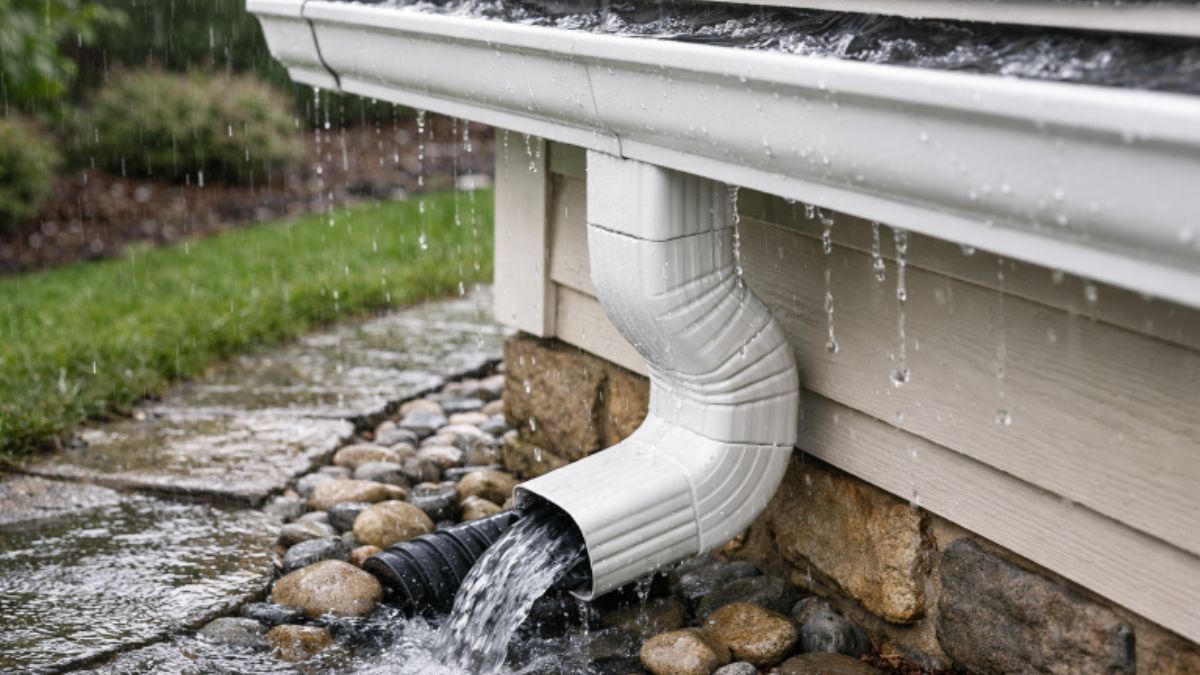
Homeowners face a variety of threats to their property’s value and safety, but few are as persistent and potentially destructive as water damage. One of the most powerful defenses against water intrusion is a well-maintained gutter system. Gutters that are clear of debris and functioning as designed protect your home’s foundation and prevent problems that can arise from unchecked water flow. If you need professional input or assistance, contacting gutter specialists can help ensure your gutters are always up to the task.
Neglecting regular gutter maintenance can lead to a host of costly repairs, from compromised roofing to damaged foundations. By focusing on routine care, you boost your home’s resilience against seasonal storms and year-round weather. Regular maintenance helps you spot issues before they escalate into significant concerns, saving time and money in the long term. Many homeowners are surprised to learn that simple steps, such as cleaning gutters biannually or after major storms, can keep the system working effectively for years. It is this consistent attention that prevents water from infiltrating living spaces and preserves the structural integrity of the entire house. In areas like Orlando, where downpours can be intense, investing time in gutter upkeep is nonnegotiable for long-term home protection. Beyond the basics, expanding your knowledge of maintenance routines is advisable. For comprehensive solutions, including installation, repair, and cleaning, professional Gutter Services are available to support homeowners in safeguarding their investments throughout the changing seasons.
Importance of Gutter Maintenance
Gutters are more than just architectural afterthoughts; they play a direct role in channeling rainwater away from your home’s foundation and exterior walls. Adequate gutter maintenance prevents water from pooling around your property, which can compromise your foundation, damage your roof, and eventually seep into the living areas. Gutters that are kept clean and in good shape provide peace of mind throughout rainy seasons.
Common Issues Caused by Neglected Gutters
Failing to keep gutters clear can trigger multiple problems for homeowners:
- Foundation problems: Water that overflows or leaks from clogged gutters pools around the base of your home, leading to cracks and instability.
- Roof deterioration: Water may back up under shingles if gutters are blocked, which encourages leaks and potential rot.
- Mold, mildew, and wood rot: Stagnant water and excess moisture left by overflowing gutters create ideal conditions for mold and decay.
- Landscape and exterior erosion: Water spilling over clogged gutters erodes soil and can damage landscaping as well as your home’s siding.
Recommended Gutter Maintenance Schedule
The ideal gutter-cleaning frequency depends on your environment. Homes surrounded by trees often require three or more cleanings each year, especially after fall and spring. At a minimum, gutters should be cleaned twice annually. Regular maintenance not only keeps gutters functioning but also allows you to catch minor issues before they require expensive repairs.
DIY vs. Professional Gutter Cleaning
Choosing how to approach gutter maintenance depends on your comfort with heights, available tools, and familiarity with gutter systems:
- DIY: Cleaning gutters yourself can be cost-effective. However, it requires proper safety equipment and the willingness to work with ladders and deal with mess. Inexperienced homeowners sometimes overlook less visible issues that a trained eye might spot.
- Professional assistance: Professionals bring experience and the right tools, ensuring a thorough job. They can identify early signs of damage that could be missed during a DIY cleaning and are trained to work safely on roofs and ladders.
Signs Your Gutters Need Repair or Replacement
- Sagging gutters: If gutters appear to pull away from the fascia, there may be water trapped inside or compromised brackets.
- Rust, holes, or visible cracks: Persistent leaks and rust indicate it is time for repair or replacement.
- Water stains on siding or fascia boards: These are signs of overflowing or leaking gutters that need urgent attention.
- Pooled water near the foundation: Indicates downspouts may not be adequately directing water away from your home.
Choosing the Right Gutter System for Your Home
An effective gutter system fits your home’s needs based on weather patterns, local foliage, and architectural style. Popular materials include aluminum, vinyl, steel, and copper, each providing unique benefits in terms of durability, aesthetics, and cost. Be sure to choose a gutter size that can handle the rainfall typical in your area; larger gutters are crucial in regions prone to heavy downpours. Finally, consider selecting a style that enhances your home’s overall appearance while ensuring functional water management.
Additional Tips for Effective Gutter Care
- Use gutter guards: Gutter guards can dramatically reduce the amount of debris entering your gutters, minimizing clogs and the need for frequent cleaning.
- Maintain the proper slope: Ensure that all gutters slant slightly toward downspouts to prevent pooling and standing water.
- Monitor downspouts: Confirm that downspouts direct water several feet away from the foundation, protecting your home’s structure from water intrusion and settling.
Conclusion
Proper gutter maintenance is essential for preventing water damage to your home. Staying proactive by cleaning gutters, scheduling inspections, and choosing the right system ensures your property remains safe and free of water-related hazards. By taking these simple yet impactful steps, you not only extend the life of your gutter system but also protect your home’s value and security for years to come.
-

 TOPIC10 months ago
Top 5 Features of Googlediqiu You Didn’t Know About
-

 TOPIC1 year ago
Why Large Waterproof Outdoor Rugs Are Essential for All Outdoor Spaces
-

 TOPIC2 years ago
7 Expert Tips For Choosing The Best Basement Renovation Companies
-

 FASHION2 years ago
How to Layer Your White Dress for Cold Weather?
-

 TOPIC12 months ago
Why Greece Katz Martian Has Everyone Talking in 2025
-

 BUSINESS1 year ago
Top 5 Features of Sowix Online That Every User Should Know About
-

 TOPIC1 year ago
Top Features of BetterThisWorld .com You Need to Know About
-

 FINANCE1 year ago
How TraceLoans Can Simplify Your Finances