
HOME IMPROVEMENT
The Essential Guide to Window Security Screens

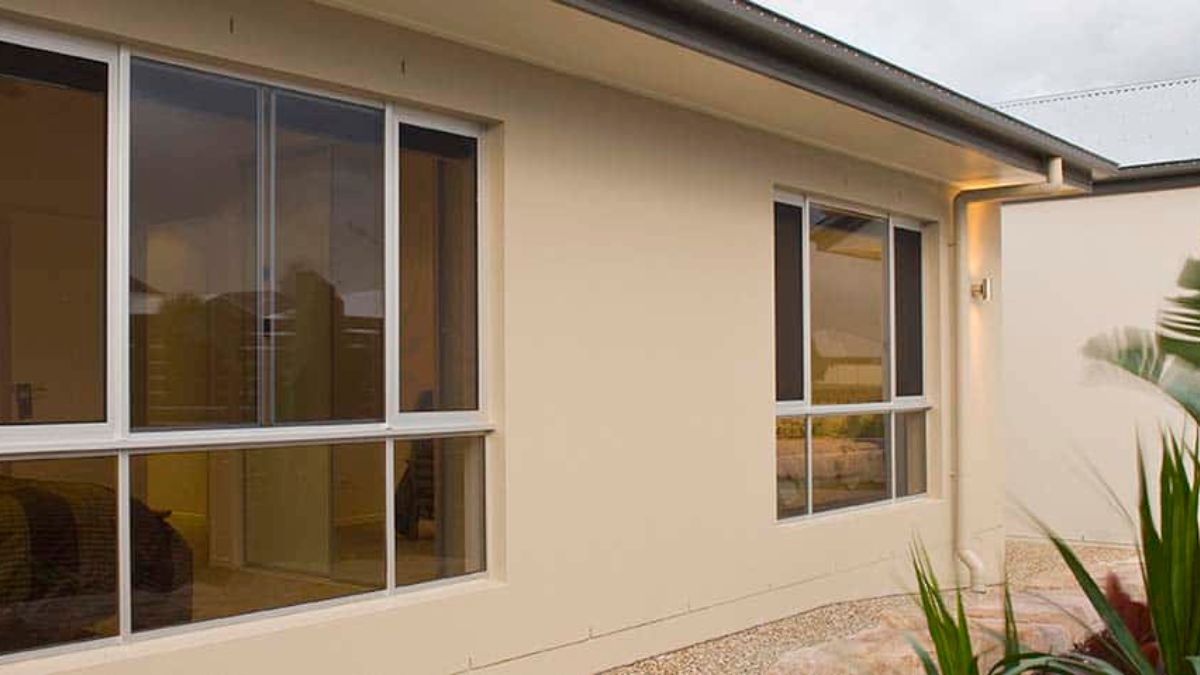
Introduction to Window Security Screens
With home security concerns on the rise, many homeowners are exploring newer, more efficient ways to safeguard their properties. A popular solution emerging in this space is the deployment of security screens. Far from being a mere barrier against potential intruders, these security measures offer a blend of aesthetic appeal and functionality. Traditional security solutions, like heavy bars on windows, often detract from a home’s visual appeal, leading many to seek alternatives that offer safety without sacrificing design.
Security screens solve the age-old dilemma of balancing safety with style. Unlike their more obtrusive counterparts, they blend effortlessly into the home’s architecture, maintaining aesthetic integrity while offering high-level protection. Whether you’re concerned about break-ins or simply need an added layer of security that doesn’t overshadow your home’s beauty, security screens fit the bill perfectly.
Features and Benefits of Window Security Screens
One of the standout features of window security screens is their robustness. These screens are forged from durable materials such as stainless steel and aluminum, which are capable of withstanding significant force. This strength acts as a formidable deterrent to burglars, significantly reducing the likelihood of break-ins. Moreover, they provide an essential level of privacy by obstructing clear views from the outside, creating a safe haven without isolating the inhabitants from the beauty of the outdoors.
Beyond security, another appealing advantage is the reduction of indoor glare. Especially in homes located in sunny regions, the ability of security screens to diffuse sunlight ensures that rooms remain comfortable without excessive heat or irritating glare. This not only elevates comfort but also protects interior furnishings and windows from potential sun damage, preserving their value and appearance.
Different Types of Window Security Screens
- Aluminum Security Screens: Known for being lightweight and resistant to rust, these are particularly advantageous in coastal areas where saltwater corrosion can be a concern.
- Stainless Steel Security Screens: Highly favored for their unparalleled strength, these screens are designed to withstand extreme pressure and damage, offering comprehensive protection.
- Solar Security Screens: These screens are a two-in-one solution, offering energy efficiency by reducing solar heat gain while also serving as a security measure.
Each type of security screen comes with its unique set of benefits, allowing homeowners to choose options tailored to their specific needs and environmental conditions.
Installation Considerations
When it comes to installing window security screens, certain factors need careful consideration to ensure effectiveness and longevity. The screen’s dimensions, frame material compatibility, and integration with existing window structures should be evaluated meticulously. Professional installation is often recommended as experts can navigate these complexities with precision, maximizing the safety and performance of the screens.
Additionally, installation should take into account the daily usage and emergency scenarios to ensure that while the screen provides security, it does not become a hindrance in situations like fire evacuations.
Maintaining Your Security Screens
To ensure the longevity of security screens, regular maintenance is crucial. Cleaning should be done using light soap and water to avoid damaging the material. It’s also advisable to periodically inspect screens for signs of wear or damage. Addressing issues like holes or frayed edges early can prevent them from escalating, ensuring that the screens continue to perform their security function effectively.
Scheduled maintenance not only extends the life of the screens but also guarantees that they remain aesthetically pleasing, which is often a key concern for many homeowners.
Energy Efficiency and Environmental Impact
The capability of security screens to enhance energy efficiency is a significant benefit that should not be underestimated. By mitigating the influx of heat through windows, these screens help in maintaining a stable indoor temperature, thereby reducing reliance on air conditioning. This can lead to substantial reductions in energy bills over time.
Moreover, by decreasing the need for artificial climate control, security screens contribute to a smaller environmental footprint, making them an eco-friendly choice for conscious homeowners.
Cost Versus Value
While security screens may present a higher upfront cost compared to simple window screens, they should be viewed as an investment in the property. Their dual benefits of enhanced security and energy efficiency offer a compelling return on investment over time. Homeowners can save on energy expenses and potentially increase their property value through this strategic enhancement.
Assessing the long-term benefits can help justify the initial costs, making them an appealing choice for those weighing immediate expenditures against lasting benefits.
Future Trends in Home Security
As technology integrates into everyday life, the home security industry is witnessing remarkable advances. Smart security systems, for instance, are becoming a common feature, providing homeowners with real-time monitoring and control over their security setup. The future of home security screens will likely involve such smart integrations, offering users enhanced functionality without compromising on protection levels.
As these technologies evolve, innovations will continue to unroll, creating security solutions that are both sophisticated and user-friendly, paving the way for a smarter, safer living environment.
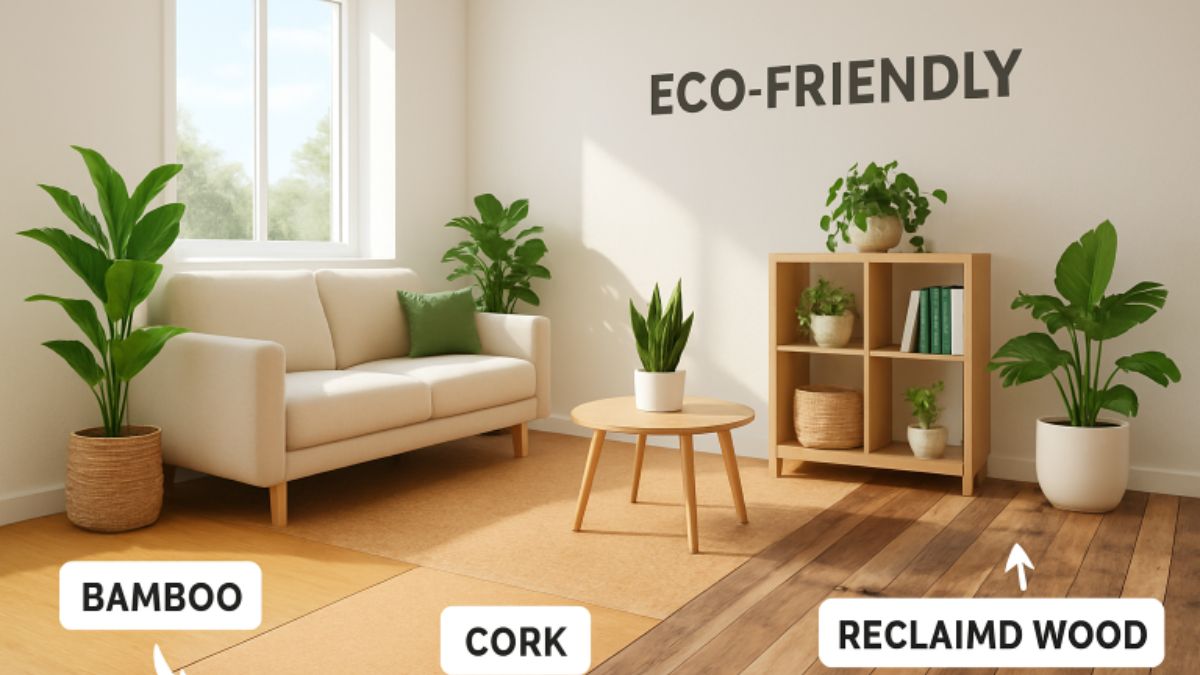
The movement toward sustainable living is transforming nearly every aspect of home design, including the floors beneath our feet. Homeowners and designers are more conscious than ever about the impact their material choices have on the planet, leading to a surge in interest in eco-friendly flooring options. With an eye for both style and sustainability, today’s flooring solutions deliver comfort, performance, and a reduced environmental footprint. For those seeking reliable, professional solutions in environmentally conscious materials, explore premium hardwood flooring services for a blend of quality and sustainability.
Sustainable flooring is no longer relegated to niche interiors. It is becoming the new norm as manufacturers respond to growing consumer demand for renewable resources, safer production methods, and healthier living spaces. This shift reflects a broader change in how people define luxury and comfort, emphasizing long-term value alongside daily functionality. Eco-friendly flooring is built to last, easy to maintain, and supports cleaner indoor air quality, all while expressing your personal design preferences in unique ways.
Why Sustainable Flooring Matters
Flooring decisions have far-reaching consequences for the environment, public health, and future generations. Traditional flooring often relies on finite resources, uses excessive amounts of chemicals, and generates significant waste at the end of its life cycle. In contrast, sustainable flooring uses rapidly renewable materials, prioritizes non-toxic manufacturing methods, and is frequently recyclable or biodegradable.
Opting for sustainable flooring is an investment not only in beauty and comfort, but also in a healthier indoor environment. Using natural or low-emission materials helps prevent the release of volatile organic compounds (VOCs) that can contribute to respiratory issues or allergies. These solutions also support global efforts to conserve forests, reduce landfill waste, and cut greenhouse gas emissions.
Popular Eco-Friendly Flooring Options
- Bamboo Flooring: Bamboo grows quickly to maturity and is highly renewable. Its durability rivals traditional hardwood, and it offers contemporary appeal. The natural hues fit easily into many design schemes, while strand-woven varieties provide superior strength and moisture resistance.
- Cork Flooring: Harvested from the bark of cork oak trees without damaging the trunk, cork is a truly renewable option. Its natural properties include insulation against heat and sound, as well as resistance to molds, mildew, and pests. Cork feels warm and comfortable underfoot, making it especially popular in bedrooms and playrooms.
- Reclaimed Wood: Salvaged from old barns, factories, and warehouses, it minimizes demand for virgin timber. Each board has unique markings and patinas that add character and history to a space. This choice is especially valued for its blend of eco-friendliness and rustic charm.
- Linoleum: Made from linseed oil, wood flour, jute, and other natural ingredients, linoleum is a resilient flooring that has been revived with a modern twist. It is fully biodegradable, available in a vast array of colors, and naturally repels dust and allergens.
Technological Advancements in Sustainable Flooring
The flooring industry is embracing new techniques that boost sustainability and usability. Recent innovations include non-toxic adhesives and finishes that maintain excellent performance standards while minimizing off-gassing and toxicity. As a result, these floors contribute to more secure, healthier indoor environments.
Modular or click-lock flooring systems make installation quick, waste-free, and reversible, ideal for temporary projects or easy future updates. Recycled-content flooring, produced from post-consumer plastics or rubber, diverts waste from landfills and offers great versatility. Manufacturers are also experimenting with bio-based binders and digital printing techniques, expanding design possibilities without compromising eco-credentials.
Certifications and Standards
Navigating sustainability claims means understanding which certifications truly matter. Trusted designations help homeowners and professionals distinguish authentic green products from misleading marketing. Common certifications include:
- FSC (Forest Stewardship Council): Ensures that wood products come from forests managed to strict environmental, social, and economic standards. FSC-certified options help protect wildlife habitats, prevent illegal logging, and support indigenous communities.
- GreenGuard Certification: Signals a product’s compliance with rigorous standards for chemical emissions, especially important for homeowners sensitive to air quality.
- FloorScore Certification: Indicates that flooring meets independent, strict indoor air quality requirements based on established health criteria.
Together, these certifications empower buyers to make informed choices and to confidently select floors that align with broader green building practices. More information on green building standards can be found at the U.S. Environmental Protection Agency’s Green Building Guidelines.
Design Trends in Sustainable Flooring
Eco-conscious flooring has evolved to harmonize sustainability with style, embracing bold geometric patterns and vibrant colors. Key trends include the use of bamboo and cork tiles in eye-catching hues and traditional patterns like herringbone and chevron. Natural finishes are favored, with reclaimed wood and bamboo often showcased in their raw state to highlight their unique imperfections. The rise of biophilic design emphasizes a connection to nature, integrating organic materials to enhance occupant wellbeing and creativity.
Making the Switch to Sustainable Flooring
Transitioning to sustainable flooring should take into account the origins of materials, their longevity, and the level of upkeep required. Start by consulting with professionals who understand both traditional craftsmanship and new green technologies. They can guide product sourcing and recommend finishes or underlays that maximize both life span and eco-friendliness. When choosing between materials, weigh benefits such as durability, repairability, and end-of-life recyclability, as well as initial appearance.
Ultimately, investing in sustainable flooring is an investment in your health, your home’s character, and the planet’s future. It offers peace of mind and potential long-term savings on maintenance and energy bills.
Conclusion
Choosing sustainable flooring is more than a design decision; it is a commitment to health, environmental responsibility, and long-term value. By selecting renewable materials, low-emission products, and durable finishes, homeowners can create spaces that are both beautiful and safe while reducing their ecological footprint. With advancements in technology, certified options, and versatile design trends, sustainable flooring proves that eco-conscious choices can also be stylish and practical. Making the switch supports healthier indoor environments, conserves natural resources, and ensures that the floors you install today remain a positive legacy for future generations.
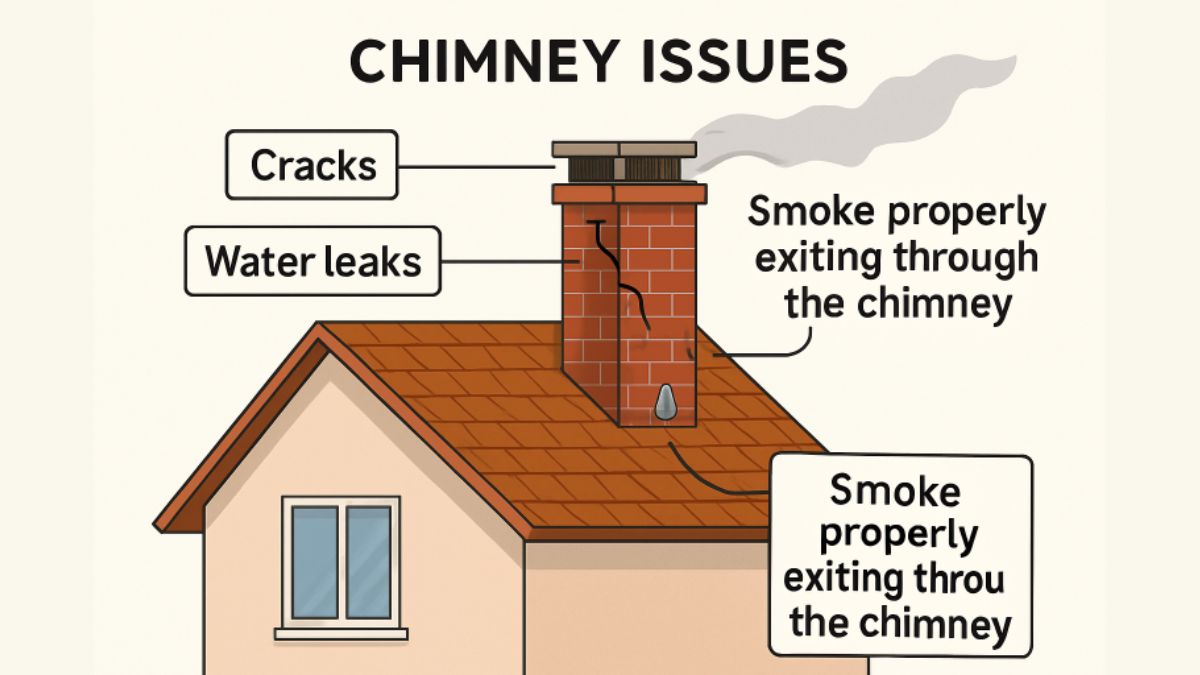
Maintaining a chimney is crucial for the safety and efficiency of your home’s heating system. Chimneys are often overlooked in routine home maintenance, yet they play a vital role in venting hazardous gases and smoke from your living space. Routine maintenance not only protects your family from fire hazards and poisonous fumes but also prevents costly repairs caused by neglect. Moreover, keeping your chimney in good condition ensures that your home’s air remains clean, reducing the risk of respiratory problems and lingering smoke odors from backdrafts. To achieve this, homeowners should remain vigilant for early warning signs of trouble and address any issues promptly. When in doubt, it is always wise to contact a professional for help. For quality assistance with routine maintenance and repairs, homeowners can turn to Chimney Services for professional support that ensures both safety and long-term savings.
Many common chimney issues, if left unresolved, can escalate into bigger hazards that affect not only comfort but also property value. For instance, unchecked creosote buildup or water penetration can cause extensive and expensive damage to a home’s structure. Cracks, blockages, or leaks could also pose safety threats to your family. In this article, we will cover the most common chimney concerns and offer practical solutions to help maintain a safe, functioning chimney. Understanding these issues empowers homeowners to manage their chimneys’ condition and avoid emergencies proactively.
Along with professional cleaning services, comprehensive Chimney Inspections are crucial for identifying and resolving minor concerns before they develop into costly or dangerous problems. Even homeowners who rarely use their fireplaces should not skip these annual checkups, as unused chimneys can still deteriorate or become obstructed over time.
Creosote Buildup
Creosote is a flammable, tar-like substance produced when wood burns incompletely within a fireplace. When fuel combustion is incomplete, usually due to burning unseasoned wood or inadequate airflow, creosote accumulates on the interior walls of the chimney. Over time, successive fires deposit layer upon layer of creosote, eventually forming a thick, sticky buildup. According to the U.S. Environmental Protection Agency (EPA), unchecked creosote deposits pose a serious fire hazard, as they can ignite and cause dangerous chimney fires. The risk is particularly high in cold weather when homeowners burn more wood. Annual chimney sweeps are essential for removing creosote, minimizing fire risk, and ensuring the safe operation of your fireplace, no matter how often you use it. Burning only dry, seasoned wood and maintaining adequate airflow can help delay creosote buildup, but professional cleaning is still recommended for complete safety.
Cracked or Damaged Chimney Liner
The chimney liner serves as a critical barrier, keeping intense heat and toxic gases contained within the flue instead of seeping into your home. Most modern chimneys feature clay, ceramic, or metal liners that safely channel dangerous combustion byproducts outside. When a liner cracks, deteriorates, or shifts out of place due to age, poor construction, or thermal stress, it may expose the house to smoke, hazardous fumes like carbon monoxide, or even cause structural fires behind the walls. Evidence of trouble includes declining fireplace performance, a persistent smoky odor even when the damper is open, or visible cracks and deterioration inside the flue. Homeowners should not attempt to fix liners themselves, as improper repairs can actually create more safety risks. Replacement or repair should be handled by a certified chimney technician, who will assess the extent of the damage and recommend a safe solution.
Blocked Chimney Cap
Chimney caps are the first line of defense against rain, birds, rodents, and debris infiltrating your chimney system. They also prevent downdrafts, which can push smoke and gases back into your living space. A blocked or damaged cap, however, can disrupt the venting process, leading to smoke accumulation indoors, water damage, or pest nesting in the flue. Over time, accumulated leaves, twigs, or animal nests may create significant obstructions that not only compromise fireplace performance but also increase your risk of carbon monoxide poisoning. Homeowners should inspect chimney caps regularly, especially after storms, windy spells, or seasonal shifts, to ensure they remain clear and functional. Any sign of rust, warping, or blockage is a cue to clear debris or replace the cap without delay.
Water Damage
Chimney masonry endures constant exposure to rain, freezing, and thawing cycles, making it especially susceptible to long-term water intrusion. Water can penetrate even the smallest cracks or gaps in bricks and mortar, especially after harsh weather or when protective elements like caps and flashing are compromised. Once inside, moisture seeps into cracks and gaps, gradually breaking down mortar, encouraging mold growth, and compromising overall stability. Signs of water damage include white powdery stains on the exterior (efflorescence), soft or crumbly brickwork, and rust streaks running down dampers or fireplace doors. If left untreated, water damage can destroy masonry from the inside out, leading to costly repairs. Applying a waterproof sealant to exterior masonry and ensuring proper drainage away from the chimney’s base can help mitigate this pervasive issue. Regularly clearing gutters and ensuring the roof channels water away from the chimney are also crucial preventive steps.
Obstructions Inside the Chimney
Leaves, animal nests, or even small animals themselves can sometimes find their way inside chimneys, especially if the chimney cap is missing, damaged, or poorly fitted. Obstructions impede the vital upward airflow needed to safely vent smoke and combustion gases. Blocked chimneys cause smoke and hazardous gases to re-enter the home, decreasing air quality and increasing the risk of carbon monoxide poisoning. These dangers are especially acute during the colder months, when fireplaces see more use and animals seek warm shelter. Regular inspections by a trained professional will catch blockages early, ensuring any debris or nests are removed before they can cause problems. Installing a screened chimney cap and checking it annually further reduces the risk of future obstructions.
Cracked Flashing
Flashing consists of thin metal sheeting, usually aluminum or galvanized steel, installed at the critical intersection of your chimney and roof. Its main job is to keep water from seeping into the vulnerable seam between the chimney’s base and the roof deck. However, over time, flashing can crack, rust, or pull away due to temperature changes, shifting rooflines, or severe weather events. When flashing is breached, water can infiltrate your home, causing stains on ceilings or walls, interior leaks, and progressive damage to surrounding wood framing. Maintenance of flashing involves periodic inspection (especially after violent storms) and prompt resealing or replacement of damaged sections. Preventing water entry at this joint is crucial to maintaining the structural integrity of both chimney and roof, as the repair costs for advanced water damage can be substantial.
Spalling Bricks
Spalling occurs when the natural freeze-thaw cycle forces water trapped inside porous masonry to expand, leading to crumbling, flaking, or popping bricks on the chimney’s exterior. This problem not only compromises visual appeal, making the chimney look aged and neglected, but also weakens structural stability over time. Early signs of spalling include flakes or fragments of brick accumulating around the chimney’s base, or visible pitting and cracks along the structure’s surface. Ignoring these signs increases vulnerability to further water ingress, accelerating overall deterioration. Homeowners can reduce spalling risk by promptly filling cracks, repairing mortar joints, and replacing damaged bricks. Preventive maintenance can help avoid costly rebuilds in the future.
Rusted Damper or Firebox Components
Rust forming on key chimney or fireplace components, such as the damper, grates, or firebox, is a clear sign of moisture intrusion into your chimney system. Rust not only weakens these metal parts but also impairs their function, leading to stuck dampers, restricted airflow, or inefficient burning. Over time, rust can destroy the integrity of these components, rendering them unsafe or inoperable. Because moisture is usually the underlying cause, it is vital to identify and resolve sources such as leaking caps, flashing, or masonry cracks. Damaged or rusted parts should be replaced quickly to restore safe operation, while ongoing issues merit a comprehensive inspection to prevent recurrence.
Recognizing and promptly addressing these common chimney problems can help prevent long-term damage to your home and keep your fireplace safe for your family. Proactive homeowners should schedule regular maintenance, thoroughly inspect all chimney components, and resolve even minor issues as soon as they are detected. Taking these steps will grant you lasting peace of mind, ensuring that your chimney remains a safe, efficient, and valuable asset to your home for years to come.
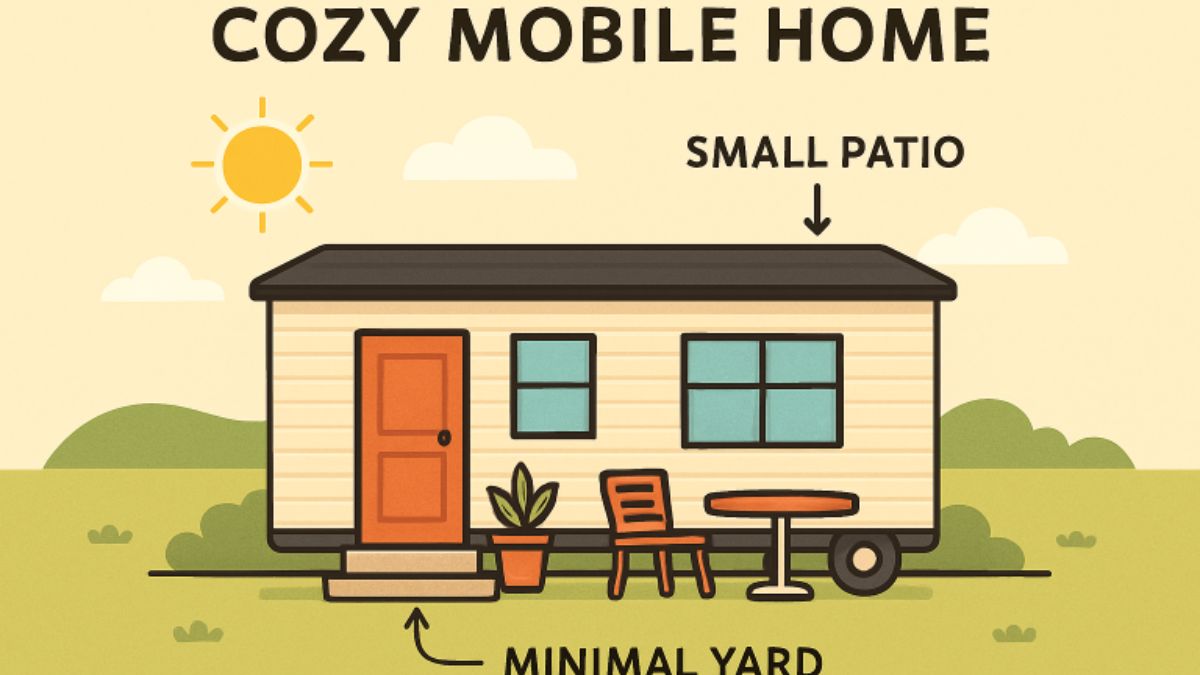
As the pace of modern life continues to accelerate, many individuals are searching for ways to streamline their daily routines and reduce overhead. For those seeking greater simplicity and control, downsizing to a mobile home has become an increasingly attractive option. Moving into a mobile home not only reduces expenses but also offers unique benefits that can transform your quality of life. Whether you are planning for retirement, seeking a change, or looking to boost your financial well-being, this shift might be what you need. For those in the Phoenix area, consider beginning your journey by exploring https://www.webuymobilehomesphoenix.com/ for more information.
With a smaller living space comes a more manageable lifestyle, freeing up both your time and energy for pursuits that matter most. Many find that a mobile home fosters a closer connection to their belongings, enhances mobility, and nurtures a sense of community. The process of settling into a mobile home environment encourages a thorough evaluation of your priorities and possessions, ultimately leading to a more purposeful existence.
Beyond daily conveniences, this decision can directly impact your finances, encourage sustainable living, and foster newfound social opportunities. Those who take the leap are often surprised by the sense of liberation they feel after making the transition. Mobile homes with modern amenities and neighborhoods offer customization and comfort options that rival many traditional houses.
If you are ready to explore these benefits further and see if a mobile home fits your needs, resources like www.webuymobilehomesphoenix.com can help you take the first step. Now, let us delve into the compelling reasons why downsizing to a mobile home can simplify your life and put you on a path to greater fulfillment.
Financial Freedom Through Reduced Expenses
One of the strongest motivations for downsizing is the significant cost savings it offers. Mobile homes generally require a much smaller financial investment than traditional homes. Mortgage payments are lower, property taxes drop, and utility bills shrink thanks to the reduced square footage. Many Americans are discovering the power of downsizing, channeling newfound savings into lifestyle goals such as travel, education, or retirement investing. These lower expenses give homeowners increased flexibility and financial security.
Less Maintenance, More Free Time
Living in a smaller space comes with the major perk of less maintenance. With fewer rooms to clean and simplified systems to manage, you will find yourself spending far less time on chores. Outdoor upkeep is also considerably lighter, so weekends no longer revolve around yard work. This reduced need for upkeep brings opportunities to pursue passions, hobbies, or quality time with family and friends. For those seeking work-life balance or simply hoping for a bit more leisure, this change can be truly transformative.
Decluttering and Simplifying Possessions
Downsizing to a mobile home naturally encourages minimalism. Since space is limited, homeowners must evaluate which belongings to keep and which to let go. This process has psychological benefits, as decluttering is often associated with reduced stress and improved mental clarity. By holding on to only items that serve a functional or sentimental purpose, the environment inside a mobile home remains organized and serene. A minimal approach can enhance well-being and reduce decision fatigue.
Enhanced Mobility and Flexibility
One of the standout characteristics of mobile homes is their innate flexibility. The ability to relocate your home as your needs change is a level of freedom that traditional housing cannot offer. Whether you wish to retire in a different climate or want to be closer to loved ones, mobility is always within reach. This adaptability is valuable for retirees seeking adventure or for younger families seeking new opportunities. The sense of not being tied down can be incredibly liberating, opening new chapters in life with ease.
Energy Efficiency and Environmental Impact
Mobile homes are generally more energy efficient due to their size, which benefits both your wallet and the environment. Modern mobile homes often feature energy-saving technologies, such as double-pane windows, efficient insulation, and appliances that conserve electricity and water. This environmentally friendly aspect means you can live more sustainably and reduce your carbon footprint, making it an ideal choice for those who value green living.
Community Living and Social Opportunities
Many mobile home communities are designed to foster personal connections and encourage residents to engage with one another. Residents often participate in social gatherings, community events, and local clubs that strengthen neighborly bonds. These opportunities for connection can combat the isolation that many people feel, especially after transitioning out of a large family home. A sense of belonging and support often leads to a more active, socially fulfilling lifestyle.
Customization and Personalization
Unlike the cookie-cutter stereotype, today’s mobile homes offer extensive customization. Floor plans, fixtures, and finishes can all be selected to match your personal tastes and practical requirements. Whether you want an open kitchen, a cozy reading nook, or a designer bathroom, mobile homes are built with flexibility in mind. The ability to make your space uniquely yours at a fraction of the cost of traditional renovations adds another layer of appeal to this lifestyle.
Preparing for the Transition
Moving to a mobile home requires careful planning and thoughtful decisions. Begin the transition by evaluating your belongings and selling, donating, or gifting any items you no longer need. Research different mobile home models and communities to find a setting that aligns with your needs and preferences. Seeking help from real estate or downsizing experts can make the process smoother and less stressful. Remember to prepare for the logistical aspects, including moving day details and setting up your new space for comfort from day one.
Downsizing to a mobile home is more than just a housing change; it is a lifestyle shift toward minimalism, freedom, and connection. The combination of lower costs, less maintenance, and enhanced flexibility gives you the space to focus on what matters most, both financially and emotionally. If simplicity, comfort, and control are priorities for your next chapter, a mobile home may be the perfect fit.
-

 TOPIC1 year ago
7 Expert Tips For Choosing The Best Basement Renovation Companies
-

 TOPIC1 year ago
Why Large Waterproof Outdoor Rugs Are Essential for All Outdoor Spaces
-

 TOPIC9 months ago
Why Greece Katz Martian Has Everyone Talking in 2025
-

 FASHION1 year ago
How to Layer Your White Dress for Cold Weather?
-

 BUSINESS10 months ago
Top 5 Features of Sowix Online That Every User Should Know About
-

 TOPIC10 months ago
Top Features of BetterThisWorld .com You Need to Know About
-

 FINANCE1 year ago
How TraceLoans Can Simplify Your Finances
-

 BIOGRAPHY1 year ago
From Reality Star to Business Mogul: Prince Narula Digital PayPal