
TOPIC
The History and Heritage of the Black Mouth Cur

The Black Mouth Cur is a breed steeped in history and tradition. Known for its loyal nature and impressive skills, this dog has captured the hearts of many. With roots tracing back to early American settlers, these dogs were bred for versatility and utility. They have become the unsung heroes on farms, in hunting parties, and as beloved family companions.
Curious about how these remarkable canines came to be? Join us as we delve into the rich past of the Black Mouth Cur, exploring their origins, characteristics, talents, and much more. Whether you’re a seasoned owner or just discovering this incredible breed, there’s plenty to learn about what makes them so special.
Origins and early history of the Black Mouth Cur
The Black Mouth Cur has a rich lineage that dates back to the early days of American settlement. This breed is believed to have roots in various working dogs brought over by settlers, including hounds and curs from Europe.
As communities expanded into the wilderness, these dogs proved invaluable for hunting and herding livestock. Their natural instincts made them adept at tracking game and protecting property. They quickly became essential partners for farmers and hunters alike.
In particular, the Black Mouth Cur gained prominence in the Southern United States. Its versatility helped it thrive in diverse environments—from dense forests to open fields. Over time, its reputation as a reliable working dog solidified within rural traditions.
Through generations of selective breeding, traits like loyalty, intelligence, and resilience were emphasized—qualities that define this remarkable breed today. The history of the Black Mouth Cur reflects both human ingenuity and an enduring bond with nature’s most faithful companions.
Characteristics and physical appearance of the breed
The Black Mouth Cur is a striking breed known for its distinctive appearance. Their coat is short, dense, and often comes in shades of yellow, brindle, or black with a characteristic mask. This unique facial marking sets them apart from other breeds.
These dogs are medium to large in size. Males typically weigh between 50 to 95 pounds while females range from 40 to 80 pounds. They possess a muscular build that speaks to their working heritage.
Their ears are usually medium-sized and may be cropped or left natural, adding to their expressive faces. The eyes can vary in color but commonly feature hues of brown or hazel.
With strong legs and an agile frame, they exhibit both power and grace. All these traits make the Black Mouth Cur not just visually appealing but also highly functional as working dogs.
Uses and skills of the Black Mouth Cur
The Black Mouth Cur is a versatile breed known for its impressive skills. Traditionally, these dogs excelled in hunting and herding. Their strong instincts make them adept at tracking game, whether it’s deer or smaller animals.
In addition to their hunting prowess, they are exceptional working dogs on farms. Farmers often rely on them to manage livestock efficiently. Their loyalty and intelligence allow them to bond closely with their human counterparts.
These dogs also thrive in various outdoor activities like agility training and obedience competitions. They possess an innate drive that keeps them engaged and eager to learn new tasks.
Their protective nature makes the Black Mouth Cur a reliable guardian for families as well. They instinctively protect loved ones while remaining friendly towards familiar faces.
With such diverse talents, it’s no wonder this breed has carved out a special niche in both rural and urban settings alike.
Famous Black Mouth Curs in history
Throughout history, Black Mouth Curs have made their mark in various arenas. One notable figure is the legendary hunting dog named Old Yeller, immortalized in Fred Gipson’s classic novel and Disney film. This portrayal showcased the breed’s loyalty and courage.
Another famous black mouth cur was a companion to frontiersman Daniel Boone. These dogs were invaluable on his expeditions, showcasing their skills as versatile hunters and protectors of settlers.
In more recent times, these dogs have been celebrated in countless rural communities across America for their herding abilities and unwavering work ethic. Their presence has woven itself into folklore and local legends.
From literature to real-life heroes, the impact of Black Mouth Curs resonates through time. Their storied past reflects not only their utility but also the deep bond they share with humans.
Modern day popularity and recognition of the breed
The Black Mouth Cur has gained significant traction in recent years. Dog enthusiasts appreciate its versatility and loyal nature, making it a top choice for families.
Social media plays a pivotal role in this breed’s rise to fame. Pictures of these dogs showcasing their intelligence and agility flood platforms like Instagram and TikTok. This visibility helps potential owners understand the breed’s unique traits.
Additionally, various dog shows have started recognizing the Black Mouth Cur. Their participation highlights not just their beauty but also their working capabilities.
Rescue organizations are crucial in spreading awareness about this breed as well. Many advocates work tirelessly to find homes for abandoned Curs, emphasizing their loving temperament.
As outdoor activities gain popularity among pet owners, many are opting for active breeds like the Black Mouth Cur for hiking or hunting companions. This trend showcases how adaptable and energetic they truly are.
Preserving the heritage and future of the Black Mouth Cur
Preserving the heritage of the Black Mouth Cur is essential for ensuring its unique traits endure. Dedicated breeders play a crucial role in maintaining genetic diversity while promoting responsible breeding practices.
Community involvement is also vital. Dog enthusiasts can participate in breed clubs, which focus on education and advocacy. These organizations often host events that celebrate the breed’s rich history.
Training and socialization are equally important for fostering well-rounded companions. Owners who engage their dogs in activities like hunting or agility competitions help keep these skills alive.
Furthermore, sharing stories about this remarkable breed contributes to its legacy. Every tale passed down enriches our understanding of what makes the Black Mouth Cur special.
As awareness grows, so does interest in preserving this loyal companion’s future among families and working environments alike. Keeping traditions alive ensures that generations will appreciate the strength and spirit of the Black Mouth Cur.
Conclusion
The Black Mouth Cur is more than just a breed; it embodies a rich history and resilience. Known for their loyalty, intelligence, and versatility, these dogs have earned their place in the hearts of many. Their origins trace back to early American settlers who relied on them for hunting and herding.
As we look at their characteristics, it’s clear that these dogs are built for work. With strong builds and striking facial markings, they possess both beauty and brawn. Their skills range from tracking game to guarding livestock, making them invaluable companions on farms and ranches.
Throughout history, several Black Mouth Curs have made names for themselves as exceptional working dogs or beloved family pets. This legacy continues today as the breed gains popularity among dog lovers seeking active companions.
Preserving the heritage of the Black Mouth Cur involves responsible breeding practices that maintain their traits while ensuring health. As enthusiasts share stories and knowledge about this unique breed, the future looks bright.
For anyone considering adding a BlackMouthCur to their family or simply wanting to learn more about this remarkable dog, there’s much to appreciate about its storied past and vibrant present. Engaging with fellow admirers fosters community spirit around this fantastic breed destined for continued admiration.


Inheriting a home in Fort Worth can create both opportunities and challenges for beneficiaries. The potential financial gain is attractive, but there are also legal, financial, and emotional hurdles to navigate. If you want to sell quickly and avoid unnecessary stress, learning the process is essential. This guide will walk you through practical strategies for selling an inherited Fort Worth property efficiently, with insights about working with a reputable Company That Buys Houses as part of your options. Whether you need to settle an estate promptly or simply wish to avoid managing a vacant property, understanding each step in the sale can help you make an informed choice. From legal requirements to selling options like cash buyers, the goal is a smooth transaction and peace of mind during a potentially stressful time.
When selling an inherited house, you must address legal hurdles, tax implications, documentation, and the property’s condition. By following structured advice and considering all your options, you can protect your financial interests and move on quickly. For many, selling as-is to a reliable buyer relieves much of the burden. Review every step in this guide to avoid common pitfalls and focus on a straightforward path to closing. Securing a trustworthy buyer for inherited properties is possible and can be achieved quickly if you take the right steps from the outset. For further information and guidance on inherited property sales, visit their website at https://www.acompanythatbuyshouses.com/.
Understanding the Probate Process in Texas
Probate is the court-supervised process of transferring property from an estate to its heirs or beneficiaries. In Texas, probate is usually required unless title is transferred through a living trust, right of survivorship, or other legal mechanism. Probate ensures that debts are settled and that assets are distributed properly. If there is a will, the process starts with validating the document in court. Without a will, estate assets are distributed according to state law. Working with an experienced probate attorney can save time and help you avoid procedural errors.
Assessing the Property’s Condition and Value
Before putting an inherited Fort Worth home on the market, assess its structural integrity, outdated features, and overall condition. Hire a licensed appraiser or an experienced real estate agent to determine the home’s fair market value. Ask for a comparative market analysis and, if necessary, an inspection report to understand the potential costs of repairs or upgrades. This information will help you decide whether to invest in updates or sell the property as-is, which is often a faster, easier solution for many heirs.
Exploring Selling Options
Heirs can choose from several selling methods, each with advantages and drawbacks. Listing the property with a real estate agent can bring in top dollar but usually involves repairs, staging, showings, and a lengthy closing process. Selling For Sale by Owner (FSBO) lets you avoid agent commissions, but you must handle marketing, paperwork, and negotiations on your own. If rapid sale and minimal hassle are priorities, selling to a cash buyer is often the preferred choice. Cash buyers purchase homes as-is, usually closing in a week or two, making this option especially suitable for those seeking speed or dealing with distressed properties. Local companies specializing in inherited and distressed homes offer flexible selling solutions, such as no-obligation cash offers and the option to cover closing costs. Working with these buyers can help you avoid the expense and delays of traditional sales channels.
Understanding Tax Implications
When you inherit property, you benefit from a “step-up” in tax basis, which means the IRS values the home as of the date of inheritance rather than its original purchase price. This adjustment usually reduces the capital gains tax liability if you sell soon after inheriting. However, every situation is unique, depending on how long you hold the property and any additional improvements made before selling. Consulting with a qualified tax professional is wise to ensure compliance and prevent costly surprises. More information about capital gains and inherited homes is available at IRS Topic No. 703.
Preparing Necessary Documentation
Be organized from the outset by collecting all important documentation. You will need the deceased’s death certificate, the will and probate documents, the property deed, current tax assessments, and any open mortgage information. These materials help expedite the transaction, especially when you choose a direct cash buyer who can move fast but requires proof of legal standing to sell.
Working with Cash Buyers
Cash buyers simplify and accelerate the sale of inherited homes. After reaching out and providing property information, you will usually receive a no-pressure, cash offer. Once you accept, closing is often completed within days, with the buyer covering most or all closing costs. This approach is ideal when you want to sidestep common delays caused by financing contingencies, repairs, or inspections. Cash buyers typically handle properties as-is, offering relief from the need to invest additional time or money in a house you do not plan to keep.
Frequently Asked Questions
Do I have to complete repairs before listing my inherited property?
No. Most cash buyers purchase properties in their current condition. If you use a real estate agent, you may need to make some repairs for a better listing price, but it is not obligatory.
How soon can I expect to close when selling to a cash buyer?
After accepting an offer, most cash buyers complete the transaction within 7 to 14 days, depending on the complexity of the probate and title processes.
Are there additional costs or hidden commissions with cash buyers?
Reputable cash buyers do not charge commissions and commonly cover all customary closing costs. Review the purchase agreement carefully to confirm terms.
Conclusion
Selling an inherited property in Fort Worth does not have to be overwhelming. By understanding the unique steps involved, especially the probate process, local real estate market, tax implications, and advantages of cash buyers, you can confidently navigate your sale. Gathering key documents early and seeking professional advice will further streamline your experience, ensuring a fast and successful property transfer on your terms.
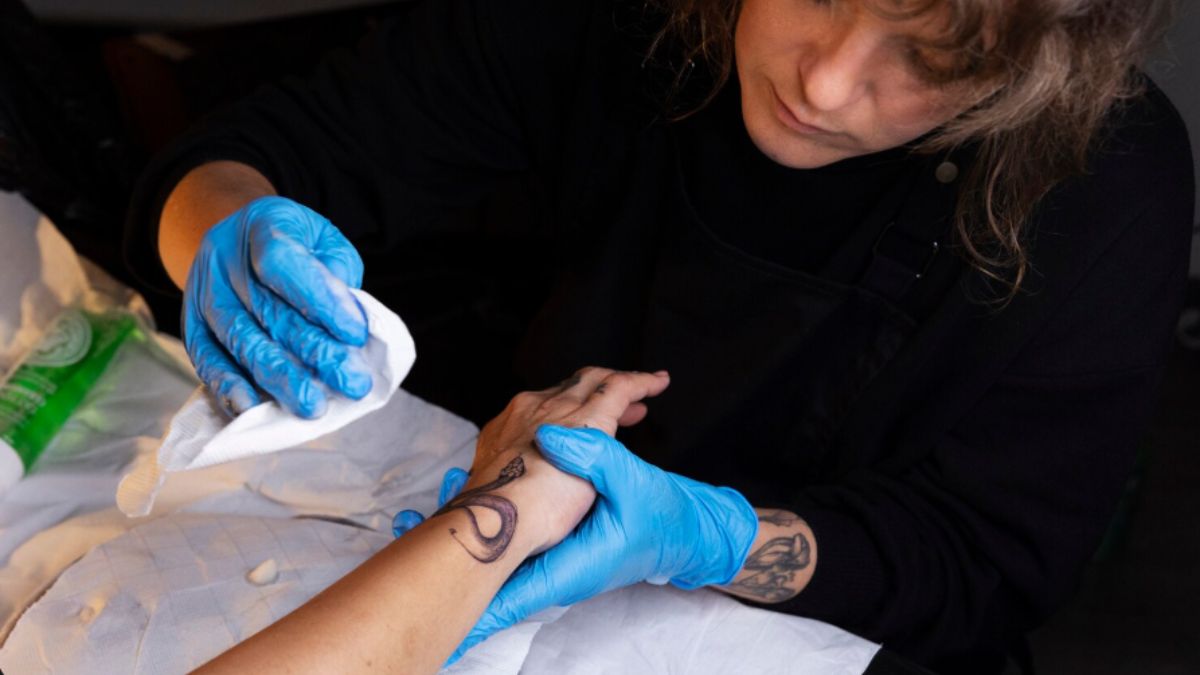
Tattoos are meant to be permanent expressions of who we are, but sometimes what felt right years ago doesn’t align with who you’ve become today. Whether it’s a name of an ex-partner, a design that no longer represents you, or simply a piece that didn’t age well, there’s no shame in wanting a fresh start. Here are seven clear signs that it might be time to consider removing that old tattoo.
Your Tattoo No Longer Reflects Who You Are
We all evolve as people, and the interests, beliefs, or affiliations we had at twenty might feel completely foreign at forty. That band logo that once meant everything to you might now represent a phase you’ve moved past. Maybe you got inked during a rebellious period, or perhaps your political or spiritual views have shifted significantly.
The beauty of personal growth is that it’s natural and healthy. If you find yourself cringing when you catch a glimpse of your tattoo or constantly making excuses for it, that’s a strong indicator that it’s no longer serving you. Your body art should make you feel confident and authentic, not embarrassed or disconnected from your current self.
It’s Affecting Your Professional Opportunities
While workplace attitudes toward tattoos have become more relaxed in recent years, certain industries and positions still maintain conservative appearance standards. If you’re pursuing a career in law, finance, healthcare, or corporate leadership, visible tattoos might create obstacles you’d rather not navigate.
You might notice that you’re constantly wearing long sleeves in summer or strategically positioning yourself in photos to hide your ink. When your tattoo starts limiting your wardrobe choices or making you feel self-conscious in professional settings, it’s worth considering removal. Your career aspirations shouldn’t be hindered by a decision you made years ago.
The Quality Has Deteriorated Over Time
Even the best tattoos don’t always age gracefully. Sun exposure, weight fluctuations, and the natural aging process can cause ink to fade, blur, or spread. What was once a crisp, vibrant design might now look muddy or distorted.
Sometimes the original work wasn’t high quality to begin with, or perhaps it was done by an inexperienced artist. If your tattoo has become an eyesore rather than an artistic statement, removal might be a better option than attempting a cover-up. For those seeking professional help with faded or poorly executed tattoos, researching top-rated tattoo removal in Indianapolis can connect you with experienced specialists who understand how to safely eliminate unwanted ink.
You’re Dealing with a Relationship Reminder
Few things feel quite as awkward as carrying around a permanent reminder of a failed relationship. Whether it’s a partner’s name, matching designs, or something that symbolizes a relationship that’s long over, these tattoos can make moving forward emotionally difficult.
New partners might feel uncomfortable with visible reminders of your past, and you might find yourself constantly explaining the story behind the ink. Removing a relationship tattoo can be an empowering step in closing that chapter and fully embracing your present and future.
The Placement Makes You Self-Conscious
Sometimes the issue isn’t the design itself but where it’s located. That neck tattoo might have seemed edgy at the time, but now it’s the first thing people notice about you. Hand, face, and finger tattoos are particularly difficult to conceal and can draw unwanted attention.
You might feel like your tattoo defines you in social situations or that people make assumptions about your character based solely on visible ink. When your tattoo’s placement consistently makes you uncomfortable or affects how others perceive you, removal becomes a reasonable consideration.
You’re Planning a Major Life Event
Weddings are common catalysts for tattoo removal decisions. Many people want to look their absolute best in photos that will last forever, and that regrettable tattoo might not fit the aesthetic they’re envisioning. Similarly, those entering the public eye through politics, media appearances, or other high-profile roles often reconsider their ink.
These milestone moments offer natural opportunities to reinvent yourself and present the image that best represents who you are today.
You Simply Want a Clean Slate
Sometimes the reason is straightforward: you’re ready for a fresh start. Maybe you’re tired of explaining your tattoos, or perhaps you just prefer how your skin looks without them. Your body is yours to modify as you see fit, and wanting to return to unmarked skin is completely valid.
Moving Forward with Confidence
Deciding to remove a tattoo is a personal choice that deserves careful consideration. If one or more of these signs resonates with you, it might be time to explore your removal options. Modern laser technology has made the process safer and more effective than ever, giving you the opportunity to reclaim your skin and move forward with renewed confidence.
-

 TOPIC9 months ago
Top 5 Features of Googlediqiu You Didn’t Know About
-

 TOPIC1 year ago
Why Large Waterproof Outdoor Rugs Are Essential for All Outdoor Spaces
-

 TOPIC1 year ago
7 Expert Tips For Choosing The Best Basement Renovation Companies
-

 FASHION1 year ago
How to Layer Your White Dress for Cold Weather?
-

 TOPIC10 months ago
Why Greece Katz Martian Has Everyone Talking in 2025
-

 BUSINESS11 months ago
Top 5 Features of Sowix Online That Every User Should Know About
-

 TOPIC11 months ago
Top Features of BetterThisWorld .com You Need to Know About
-

 FINANCE1 year ago
How TraceLoans Can Simplify Your Finances